

10 Best Dumbbell Incline Y-raise Alternatives for Rear Delt Strength
The Dumbbell Incline Y-raise is done seated with dumbbells. Ranked closest by our scoring: the Lower Back Curl, the Hyperextension and the Hyperextension (On Bench).
Updated Ranked by our 12-factor similarity model How it works
Original Exercise: Dumbbell Incline Y-raise
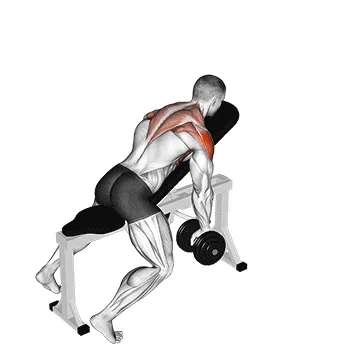
- Primary muscle
- Delts
- Equipment
- Dumbbell
- Difficulty
- Intermediate
- Type
- Isolation
Secondary muscles: Shoulders, Rear Deltoids
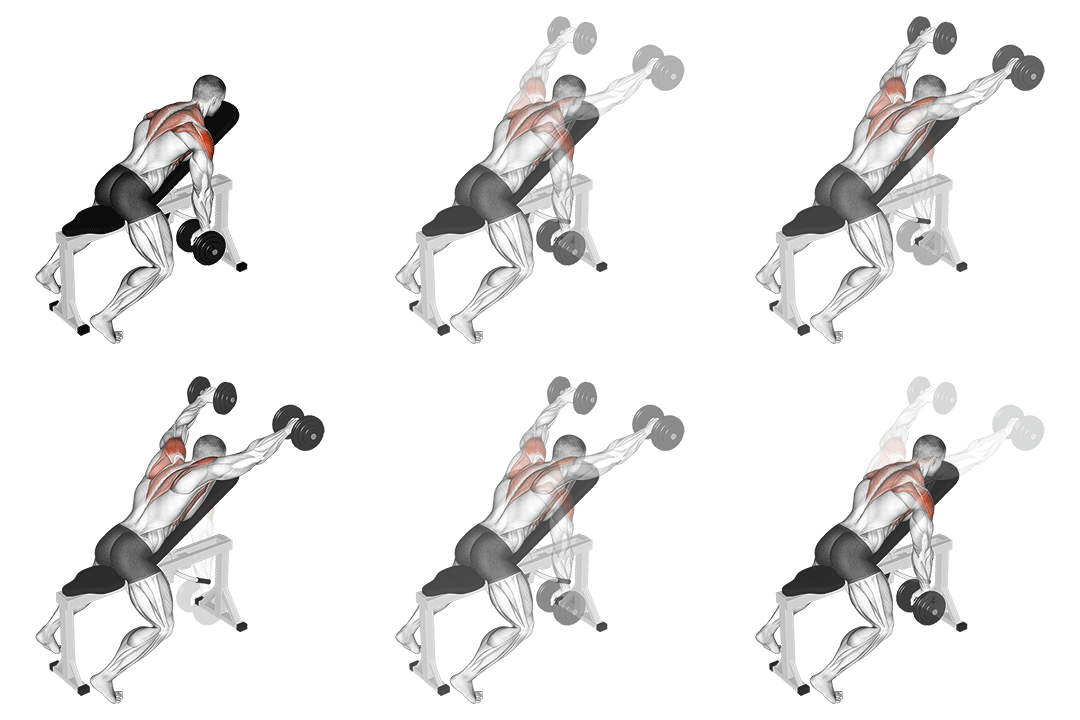
How to perform Dumbbell Incline Y-raise
- Set an incline bench to a 45-degree angle and sit on it with a dumbbell in each hand, palms facing inwards.
- Lean forward slightly and let your arms hang straight down, keeping a slight bend in your elbows.
- Raise your arms out to the sides and up in a Y shape until they are parallel to the ground.
- Pause for a moment at the top, then slowly lower your arms back down to the starting position.
- Repeat for the desired number of repetitions.
Ranked Dumbbell Incline Y-raise Alternatives
10 substitutes, ranked by how closely each one matches the Dumbbell Incline Y-raise on movement pattern, muscles worked, equipment and body position. The higher the score, the less you change. Open "How to perform this exercise" on a card for the steps; every card title links to that exercise's own alternatives page.
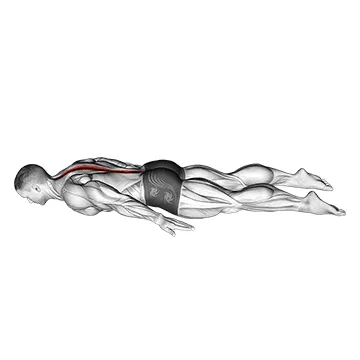
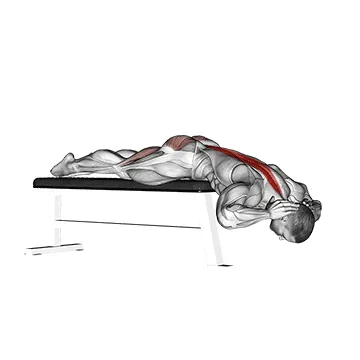
1. Lower Back Curl
48% match- Spine
- Bodyweight
- Intermediate
- Isolation
A looser match: it works the spinal erectors rather than the delts.
How to perform this exercise
- Lie flat on your stomach with your legs extended and your arms by your sides.
- Engage your glutes and hamstrings, and slowly lift your upper body off the ground, curling your back upwards.
- Pause for a moment at the top, then slowly lower your upper body back down to the starting position.
- Repeat for the desired number of repetitions.
Sets and reps: 3 sets of 10 to 15 reps.
Why this matches
- Primary muscle: spine, not delts
- Equipment: bodyweight only, not free weights
- Body position: lying face down, not seated
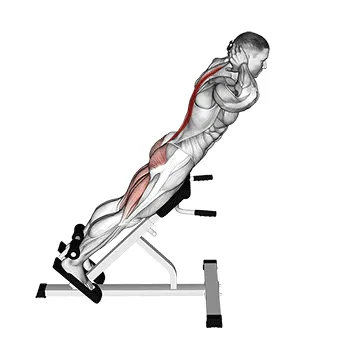
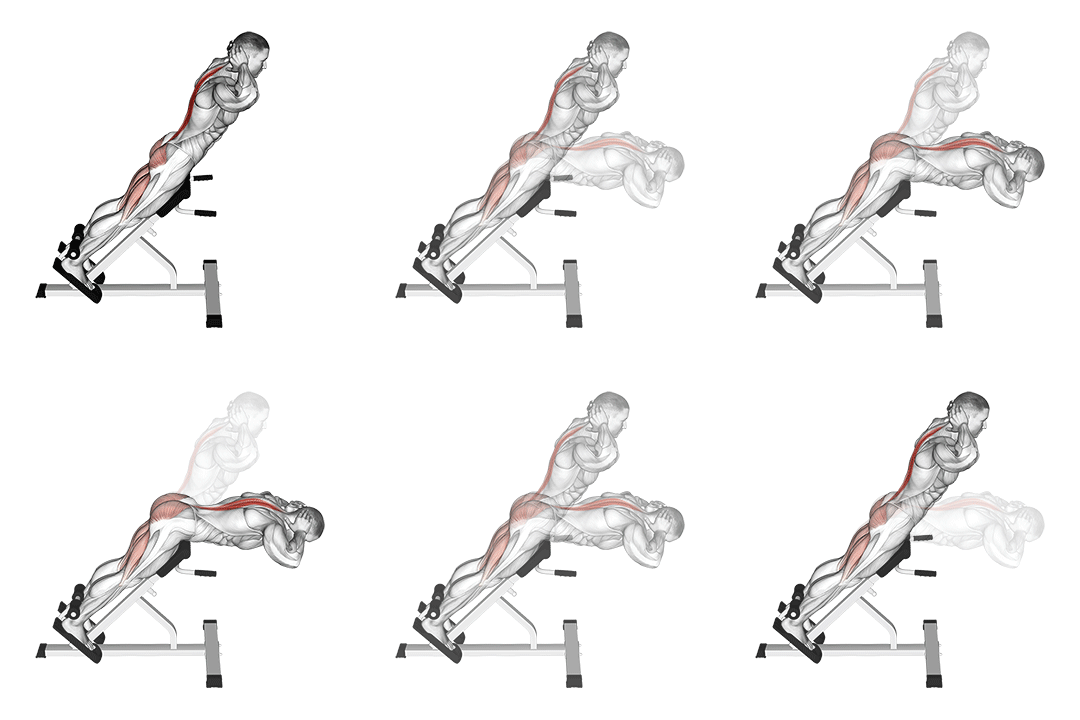
2. Hyperextension
47% match- Spine
- Bodyweight
- Intermediate
- Compound
How to perform this exercise
- Adjust the hyperextension bench so that your upper thighs are resting on the pad and your feet are secured.
- Cross your arms over your chest or place your hands behind your head.
- Lower your upper body towards the ground while keeping your back straight.
- Pause for a moment at the bottom, then raise your upper body back up until it is in line with your legs.
- Repeat for the desired number of repetitions.
Sets and reps: 3 or 4 sets of 6 to 10 reps.
Why this matches
- Primary muscle: spine, not delts
- Equipment: bodyweight only, not free weights
- Body position: lying face down, not seated
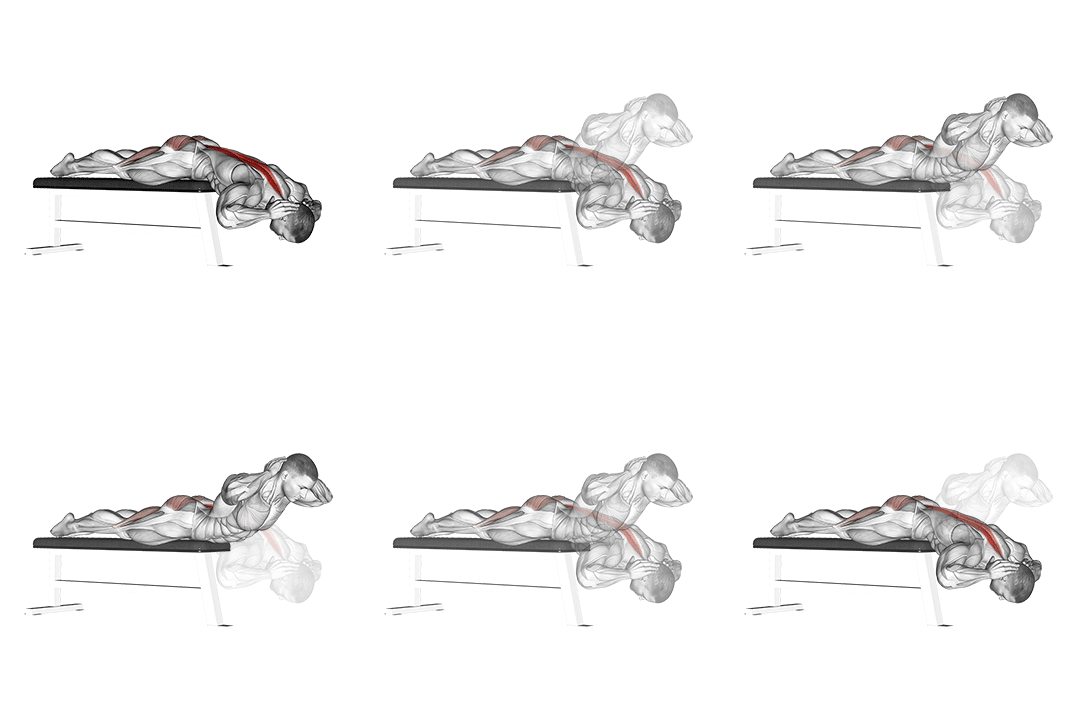
3. Hyperextension (On Bench)
47% match- Spine
- Bodyweight
- Intermediate
- Compound
How to perform this exercise
- Adjust the hyperextension bench so that your hips are resting comfortably on the pad and your feet are secured.
- Cross your arms over your chest or place your hands behind your head.
- Slowly lower your upper body towards the ground while keeping your back straight.
- Pause for a moment at the bottom, then raise your upper body back up until it is in line with your legs.
- Repeat for the desired number of repetitions.
Sets and reps: 3 or 4 sets of 6 to 10 reps.
Why this matches
- Primary muscle: spine, not delts
- Equipment: bodyweight only, not free weights
- Body position: lying face down, not seated
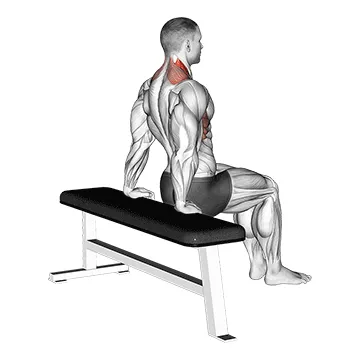
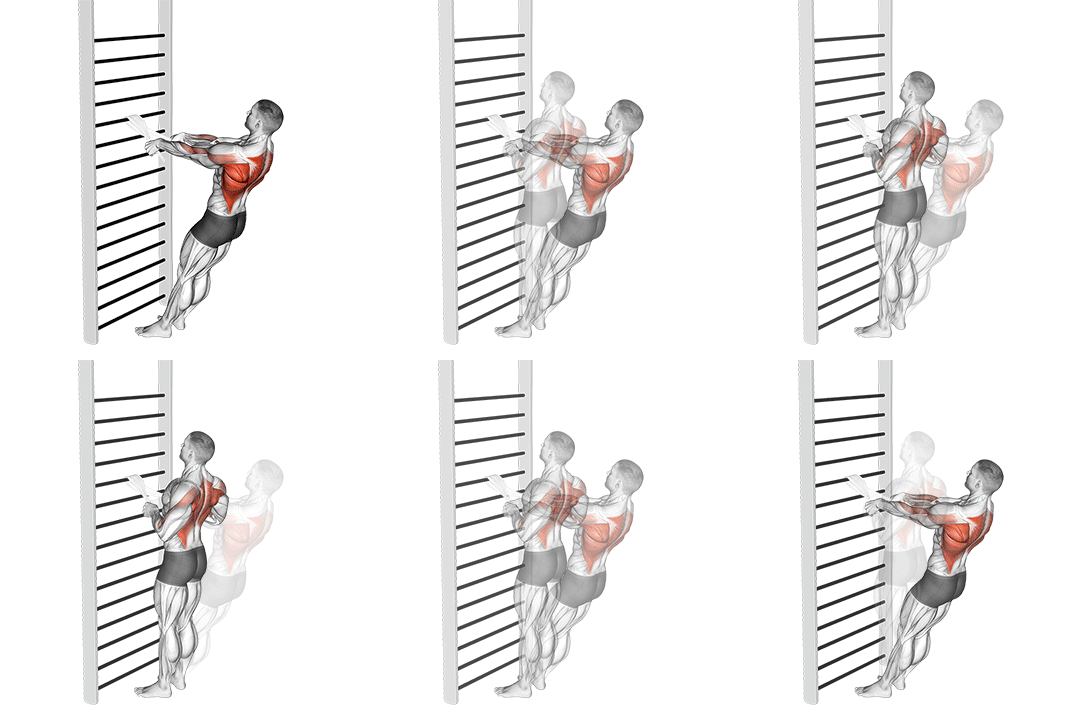
4. Scapula Dips
45% match- Traps
- Bodyweight
- Intermediate
- Isolation
A looser match: it works the traps rather than the delts.
How to perform this exercise
- Start by standing with your feet shoulder-width apart and your arms extended in front of you.
- Bend your knees slightly and hinge forward at the hips, keeping your back straight.
- Lower your body by bending your elbows and retracting your shoulder blades, as if you are trying to squeeze a pencil between them.
- Pause for a moment at the bottom, then push through your hands to extend your elbows and return to the starting position.
- Repeat for the desired number of repetitions.
Sets and reps: 3 sets of 10 to 15 reps.
Why this matches
- Primary muscle: traps, not delts
- Equipment: bodyweight only, not free weights
- Body position: standing, not seated
- Balance: harder to stay steady on than the Dumbbell Incline Y-raise
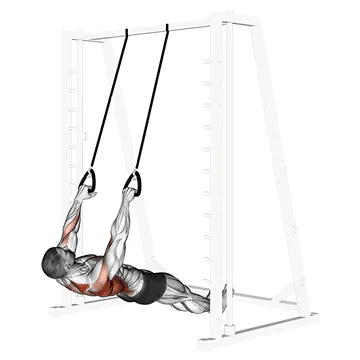
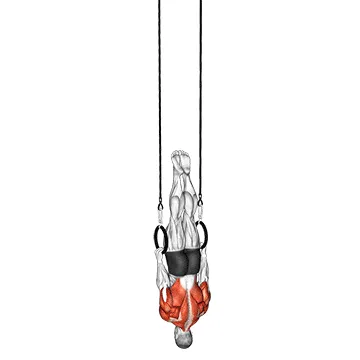
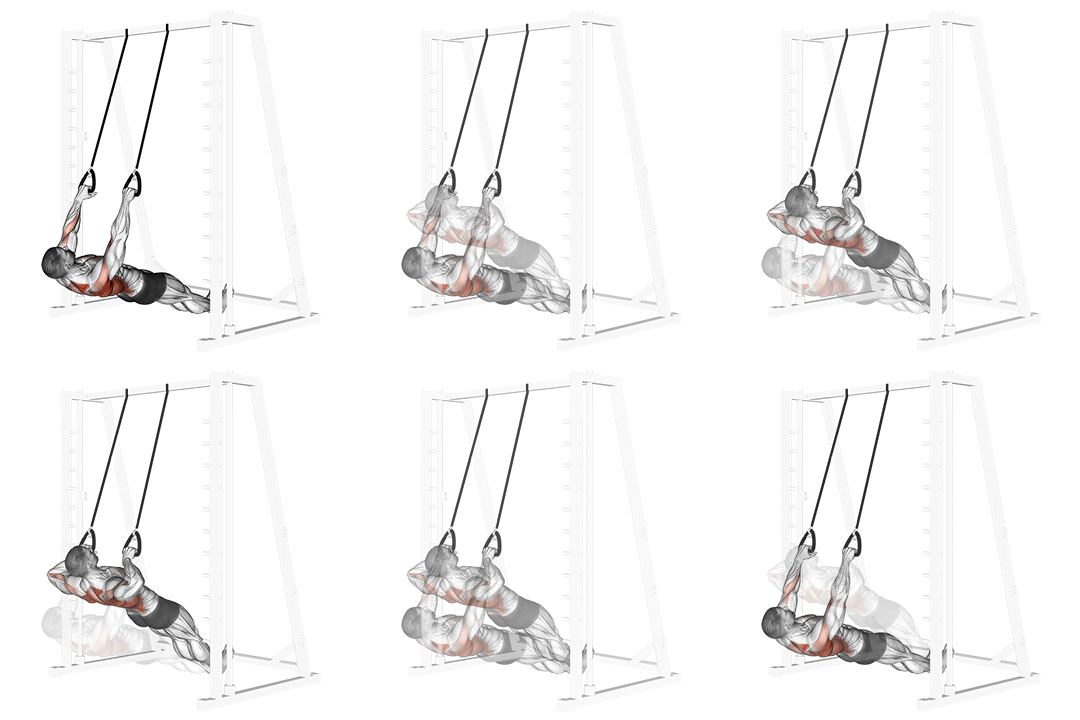
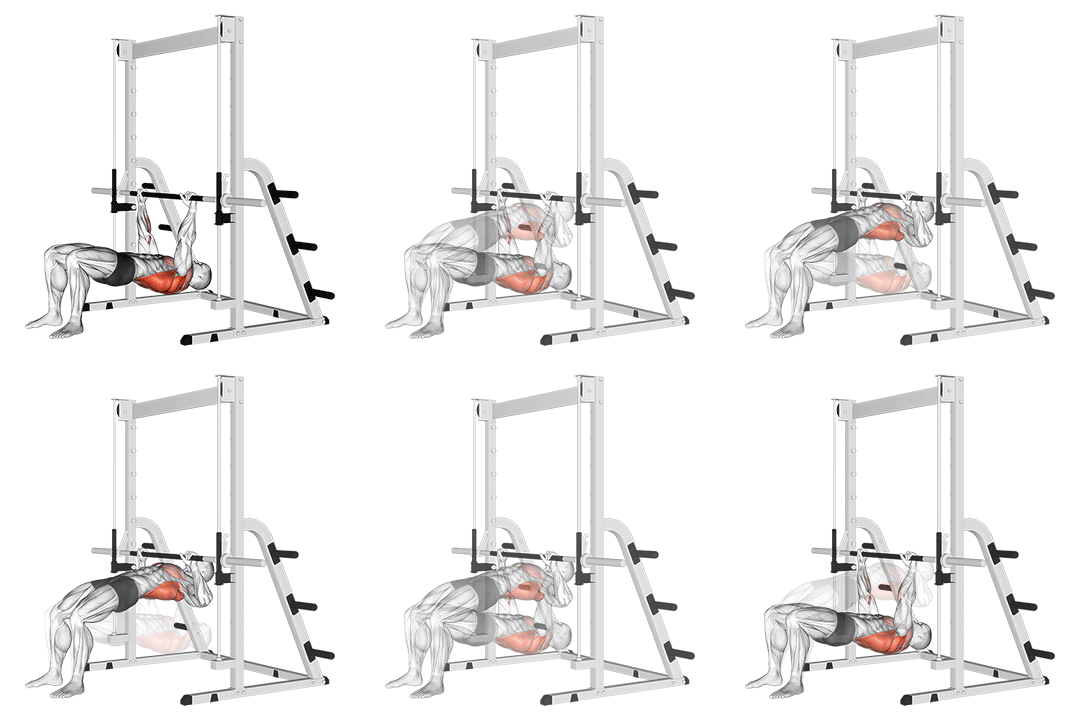
5. Inverted Row With Straps
43% match- Lats
- Bodyweight
- Intermediate
- Compound
A looser match: it works the lats rather than the delts.
How to perform this exercise
- Set up a suspension trainer or straps at chest height.
- Stand facing the anchor point and grab the handles with an overhand grip.
- Walk your feet forward, leaning back until your body is at an angle.
- Keep your body straight and engage your core.
- Pull your chest towards the handles, squeezing your shoulder blades together.
- Pause for a moment at the top, then slowly lower yourself back to the starting position.
- Repeat for the desired number of repetitions.
Sets and reps: 3 or 4 sets of 6 to 10 reps.
Why this matches
- Primary muscle: lats, not delts
- Equipment: a suspension trainer, not free weights
- Body position: hanging, not seated
- Balance: harder to stay steady on than the Dumbbell Incline Y-raise
- Lats
- Bodyweight
- Intermediate
- Compound
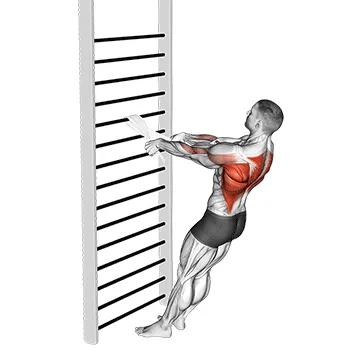
How to perform this exercise
- Stand with your feet shoulder-width apart and hold a towel in front of you with both hands.
- Bend your knees slightly and hinge forward at the hips, keeping your back straight.
- Pull the towel towards your chest, squeezing your shoulder blades together.
- Pause for a moment at the top, then slowly release the tension and return to the starting position.
- Repeat for the desired number of repetitions.
Sets and reps: 3 or 4 sets of 6 to 10 reps.
Why this matches
- Primary muscle: lats, not delts
- Equipment: bodyweight only, not free weights
- Body position: standing, not seated
- Balance: harder to stay steady on than the Dumbbell Incline Y-raise
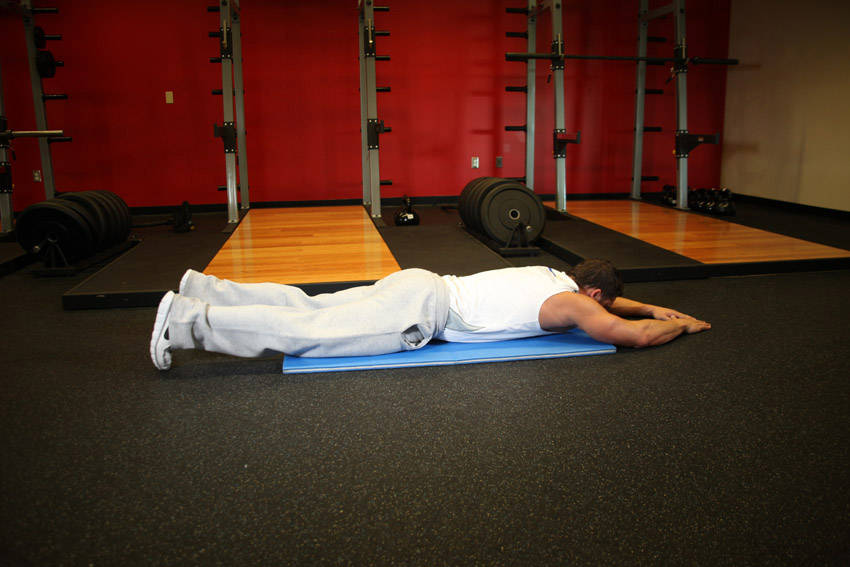
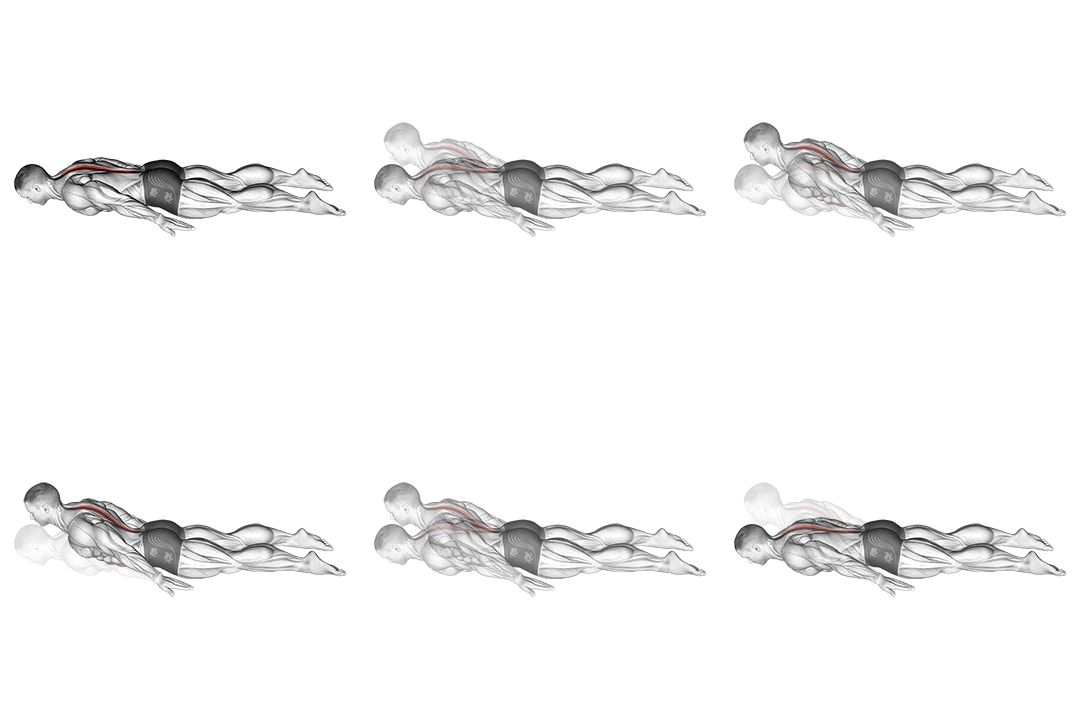
7. Superman
40% match- Lower Back
- Bodyweight
- Beginner
- Isolation
A looser match: it works the lower back rather than the delts.
How to perform this exercise
- To begin, lie straight and face down on the floor or exercise mat. Your arms should be fully extended in front of you. This is the starting position.
- Simultaneously raise your arms, legs, and chest off of the floor and hold this contraction for 2 seconds. Tip: Squeeze your lower back to get the best results from this exercise. Remember to exhale during this movement. Note: When holding the contracted position, you should look like superman when he is flying.
- Slowly begin to lower your arms, legs and chest back down to the starting position while inhaling.
- Repeat for the recommended amount of repetitions prescribed in your program.
Sets and reps: 3 sets of 8 to 12 reps, and add reps before you add load.
Why this matches
- Primary muscle: lower back, not delts
- Equipment: bodyweight only, not free weights
- Body position: lying face down, not seated
8. Elevator
40% match- Upper Back
- Bodyweight
- Intermediate
- Compound
How to perform this exercise
- Stand with your feet shoulder-width apart and your knees slightly bent.
- Place your hands on your hips or cross them in front of your chest.
- Keeping your back straight, slowly bend forward at the waist, lowering your upper body towards the ground.
- Pause for a moment at the bottom, then slowly raise your upper body back up to the starting position.
- Repeat for the desired number of repetitions.
Sets and reps: 3 or 4 sets of 6 to 10 reps.
Why this matches
- Primary muscle: upper back, not delts
- Equipment: bodyweight only, not free weights
- Body position: standing, not seated
- Balance: harder to stay steady on than the Dumbbell Incline Y-raise
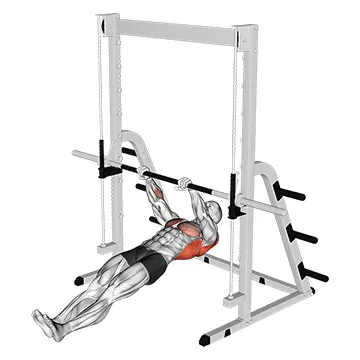
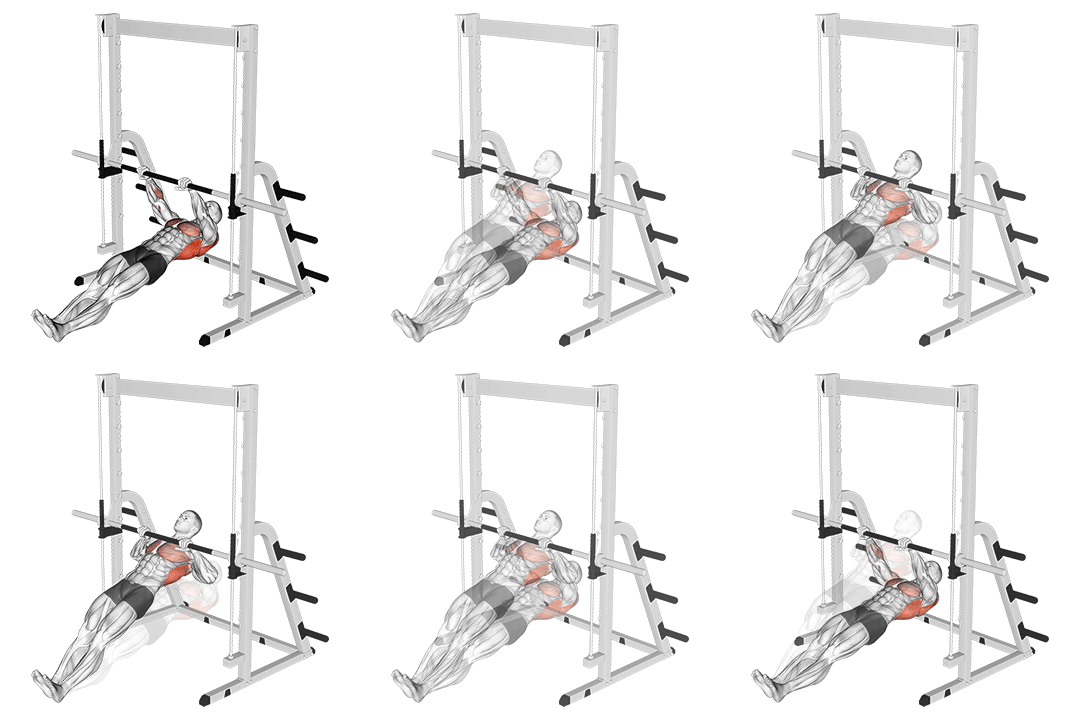
9. Inverted Row
40% match- Lats
- Bodyweight
- Intermediate
- Compound
How to perform this exercise
- Set up a bar at waist height or use a suspension trainer.
- Stand facing the bar or suspension trainer, with your feet shoulder-width apart.
- Grab the bar or handles with an overhand grip, slightly wider than shoulder-width apart.
- Lean back, keeping your body straight and your heels on the ground.
- Pull your chest towards the bar or handles, squeezing your shoulder blades together.
- Pause for a moment at the top, then slowly lower yourself back to the starting position.
- Repeat for the desired number of repetitions.
Sets and reps: 3 or 4 sets of 6 to 10 reps.
Why this matches
- Primary muscle: lats, not delts
- Equipment: bodyweight only, not free weights
- Body position: hanging, not seated
- Balance: harder to stay steady on than the Dumbbell Incline Y-raise
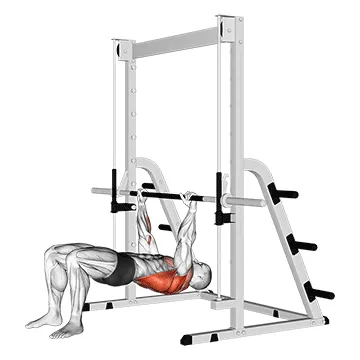
10. Inverted Row Bent Knees
40% match- Upper Back
- Bodyweight
- Beginner
- Compound
How to perform this exercise
- Set up a bar at waist height and lie underneath it.
- Grab the bar with an overhand grip, slightly wider than shoulder-width apart.
- Position your body so that your heels are on the ground and your body is straight.
- Pull your chest up towards the bar by squeezing your shoulder blades together.
- Pause for a moment at the top, then slowly lower your body back down to the starting position.
- Repeat for the desired number of repetitions.
Sets and reps: 3 sets of 8 to 12 reps, and add reps before you add load.
Why this matches
- Primary muscle: upper back, not delts
- Equipment: bodyweight only, not free weights
- Body position: hanging, not seated
- Balance: harder to stay steady on than the Dumbbell Incline Y-raise
Why You Might Need a Dumbbell Incline Y-raise Alternative
The Dumbbell Incline Y-raise needs a bench set to 45 degrees, and that one setup is the usual snag: someone else has it, or your gym only has a flat bench. Most swaps here keep dumbbells in your hands, so what shifts is the bench and the arm path. Two keep you on that same 45-degree incline, one has you lie face down on a flat bench, one has you stand and rest your forehead on an incline bench, three have you stand in a hip hinge, and one has you seated, working one arm with your free hand braced on the bench. The last two leave the dumbbells behind: a cable raise done seated facing the machine and a reverse fly pulling the handles of a sled. Match the equipment first, then the arm path.
Find Alternatives for Any Exercise
Search the exercise database and filter the ranked substitutes by the equipment you own.
Similarity scores compare exercise metadata such as movement pattern, muscles, equipment and body position. They are not a safety rating or a check that you own the equipment. Learn about our methodology