

10 Best Lower Back Curl Alternatives for No-Equipment Training
The Lower Back Curl is done lying face down. Ranked closest by our scoring: the Hyperextension, the Hyperextension (On Bench) and the Back Extension On Exercise Ball.
Updated Ranked by our 12-factor similarity model How it works
Original Exercise: Lower Back Curl
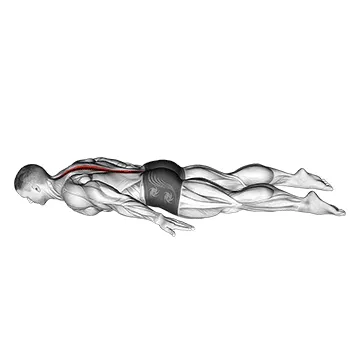
- Primary muscle
- Spine
- Equipment
- Bodyweight
- Difficulty
- Intermediate
- Type
- Isolation
Secondary muscles: Glutes, Hamstrings
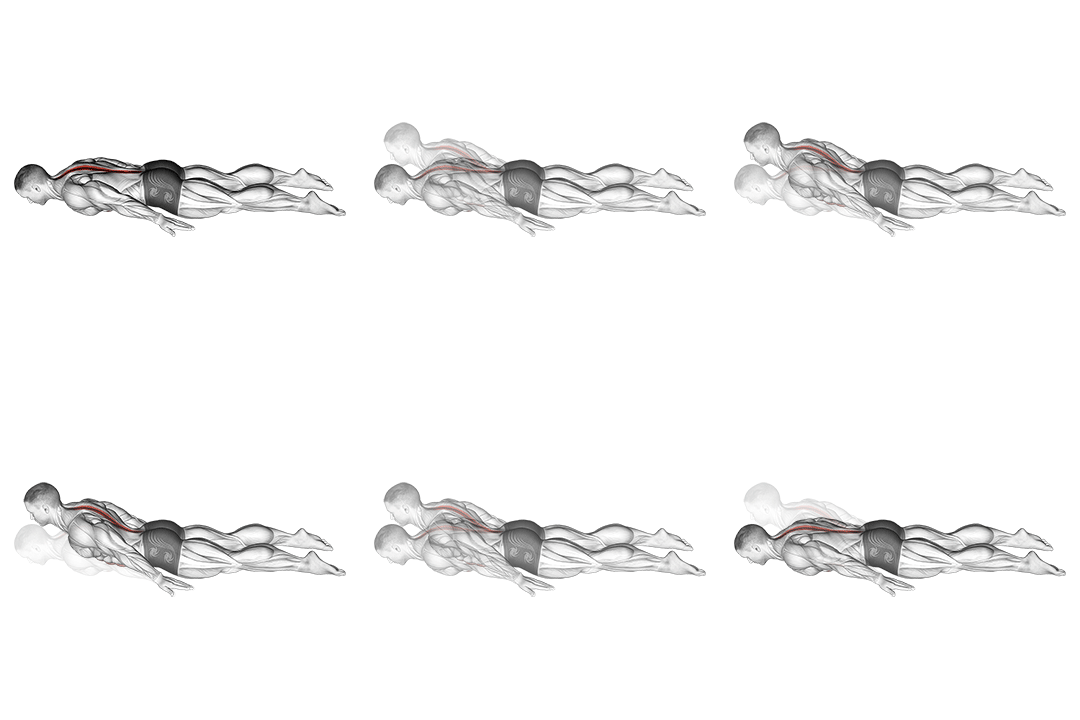
How to perform Lower Back Curl
- Lie flat on your stomach with your legs extended and your arms by your sides.
- Engage your glutes and hamstrings, and slowly lift your upper body off the ground, curling your back upwards.
- Pause for a moment at the top, then slowly lower your upper body back down to the starting position.
- Repeat for the desired number of repetitions.
Ranked Lower Back Curl Alternatives
10 substitutes, ranked by how closely each one matches the Lower Back Curl on movement pattern, muscles worked, equipment and body position. The higher the score, the less you change. Open "How to perform this exercise" on a card for the steps; every card title links to that exercise's own alternatives page.
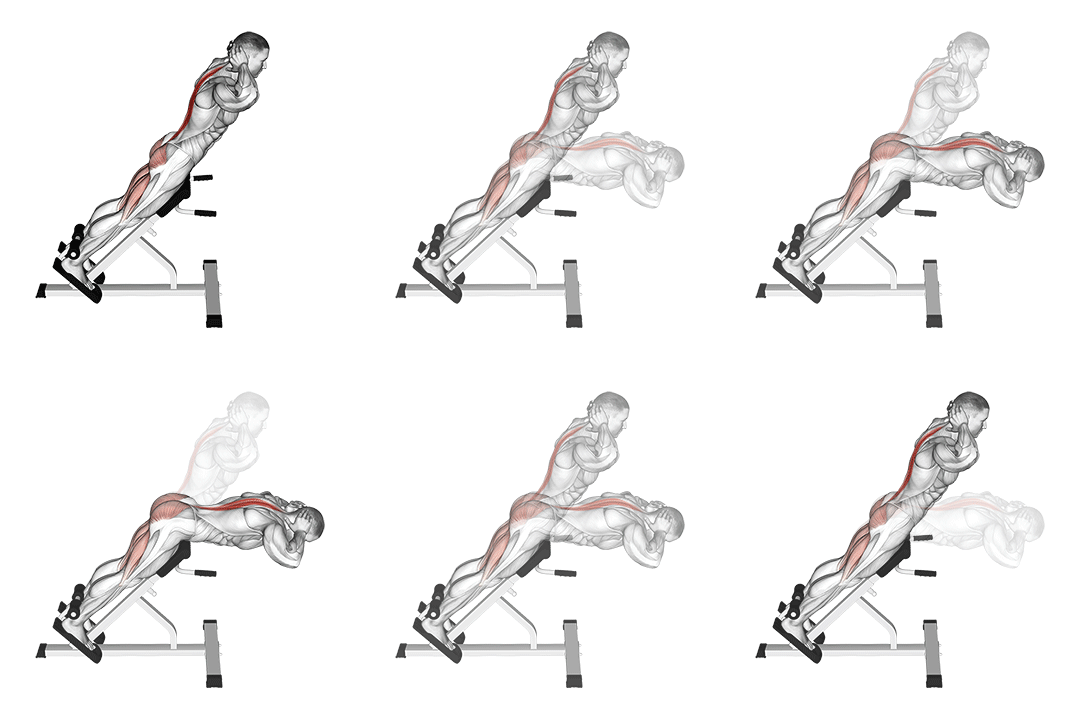
Best match 1. Hyperextension
91% match- Spine
- Bodyweight
- Intermediate
- Compound
It uses the same equipment and still works the spinal erectors.
How to perform this exercise
- Adjust the hyperextension bench so that your upper thighs are resting on the pad and your feet are secured.
- Cross your arms over your chest or place your hands behind your head.
- Lower your upper body towards the ground while keeping your back straight.
- Pause for a moment at the bottom, then raise your upper body back up until it is in line with your legs.
- Repeat for the desired number of repetitions.
Sets and reps: 3 or 4 sets of 6 to 10 reps.
Why this matches
- Primary muscle: spine, the same as the Lower Back Curl
- Equipment: bodyweight only, the same as the Lower Back Curl
- Body position: lying face down, the same as the Lower Back Curl
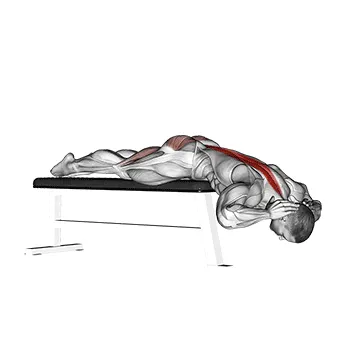
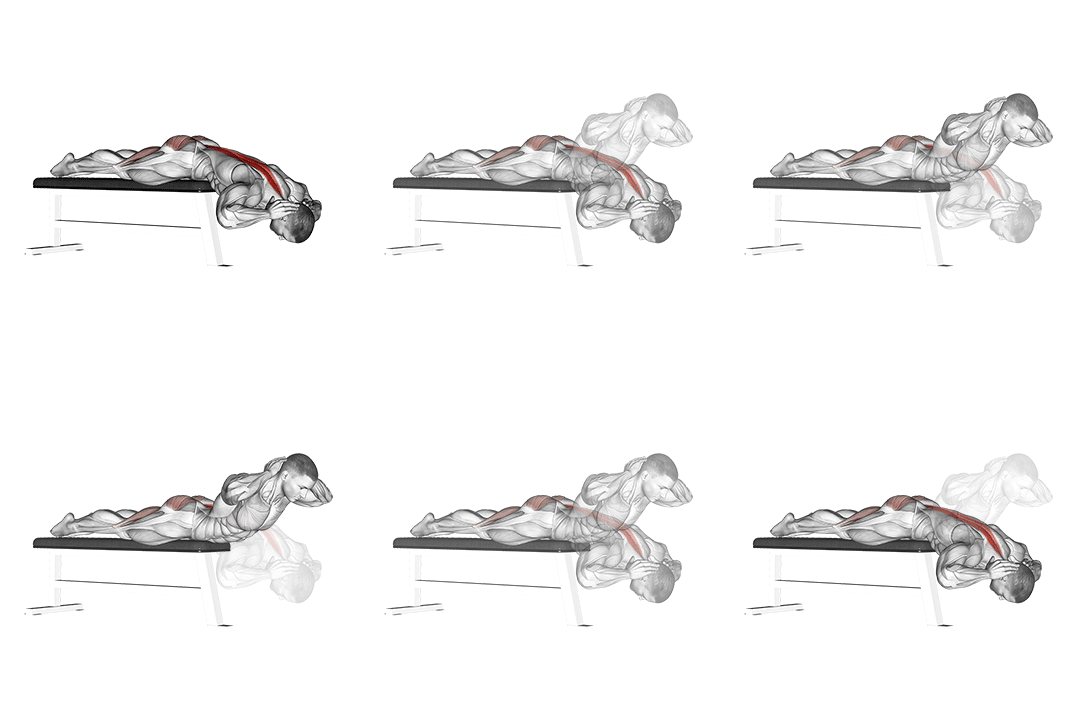
2. Hyperextension (On Bench)
91% match- Spine
- Bodyweight
- Intermediate
- Compound
How to perform this exercise
- Adjust the hyperextension bench so that your hips are resting comfortably on the pad and your feet are secured.
- Cross your arms over your chest or place your hands behind your head.
- Slowly lower your upper body towards the ground while keeping your back straight.
- Pause for a moment at the bottom, then raise your upper body back up until it is in line with your legs.
- Repeat for the desired number of repetitions.
Sets and reps: 3 or 4 sets of 6 to 10 reps.
Why this matches
- Primary muscle: spine, the same as the Lower Back Curl
- Equipment: bodyweight only, the same as the Lower Back Curl
- Body position: lying face down, the same as the Lower Back Curl
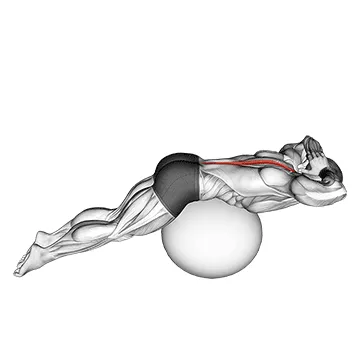
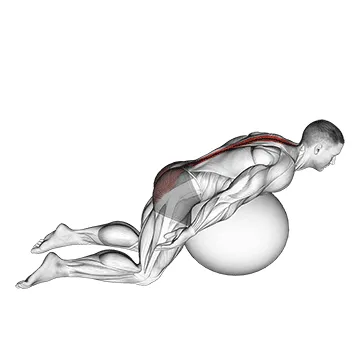
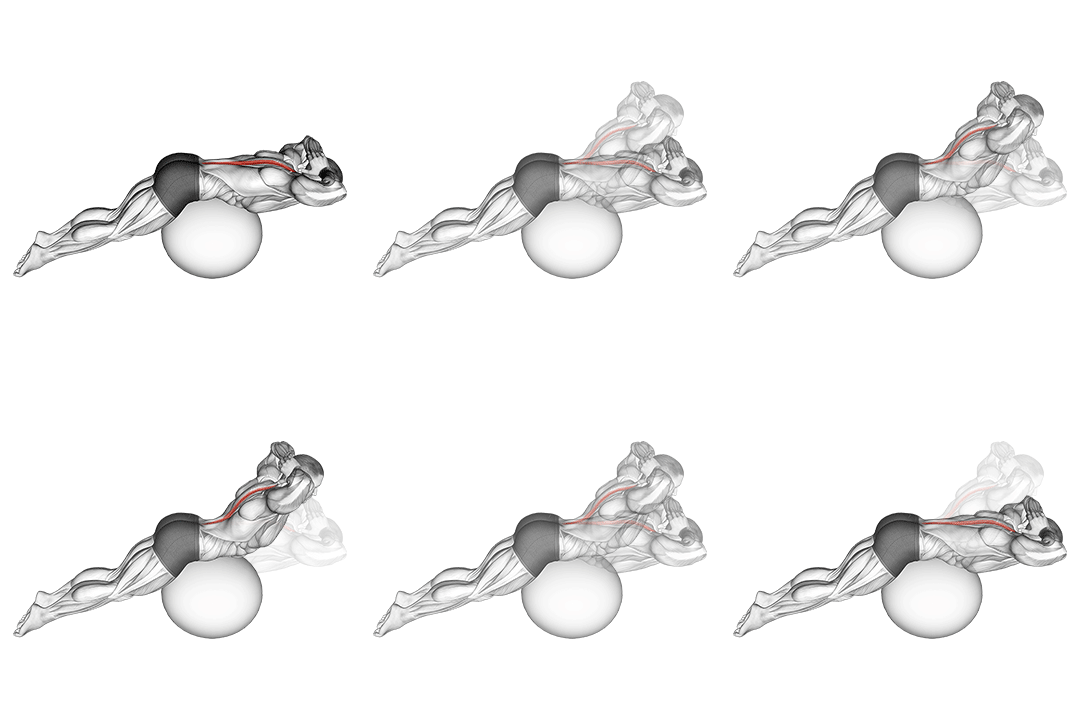
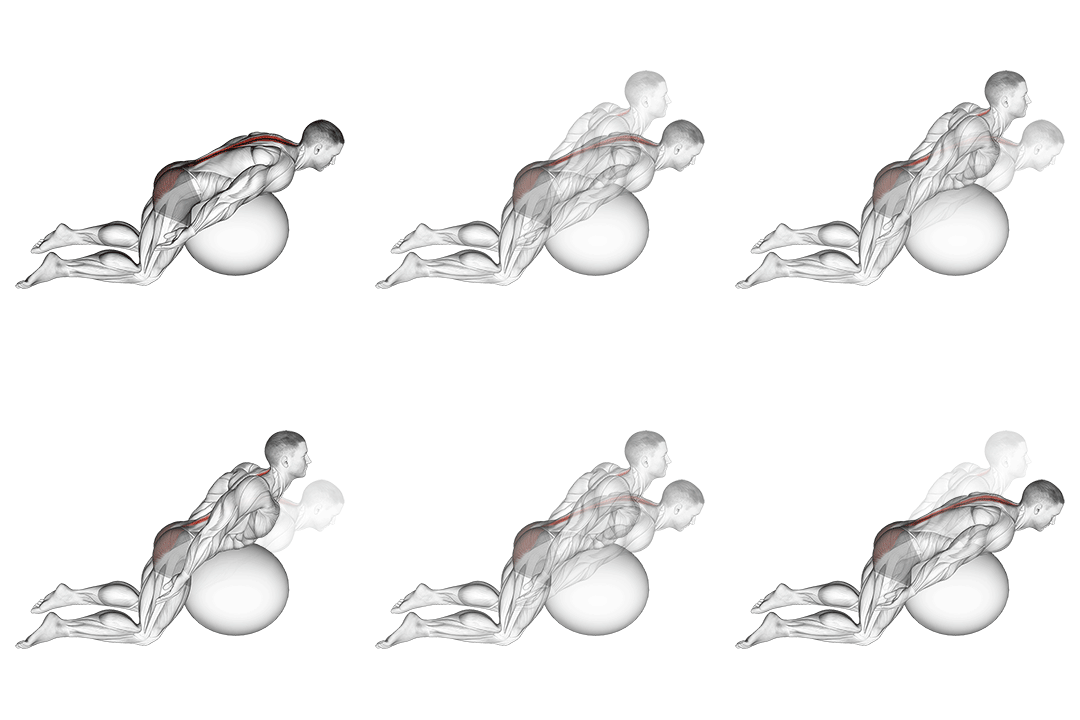
3. Back Extension On Exercise Ball
82% match- Spine
- Stability-ball
- Beginner
- Isolation
A good swap when you have a stability ball to work with, and it still works the spinal erectors.
How to perform this exercise
- Place the stability ball on the ground and lie face down on top of it, with your hips resting on the ball and your feet against a wall or other stable surface.
- Position your hands behind your head or crossed over your chest.
- Engage your core and slowly lift your upper body off the ball, extending your back until your body forms a straight line from your head to your heels.
- Pause for a moment at the top, then slowly lower your upper body back down to the starting position.
- Repeat for the desired number of repetitions.
Sets and reps: 3 sets of 8 to 12 reps, and add reps before you add load.
Why this matches
- Primary muscle: spine, the same as the Lower Back Curl
- Equipment: bodyweight only, the same as the Lower Back Curl
- Body position: lying face down, the same as the Lower Back Curl
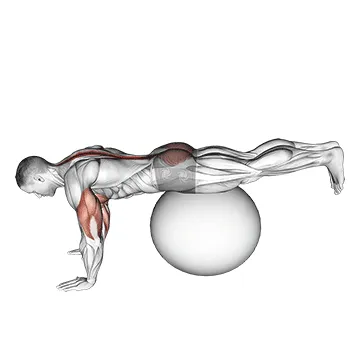
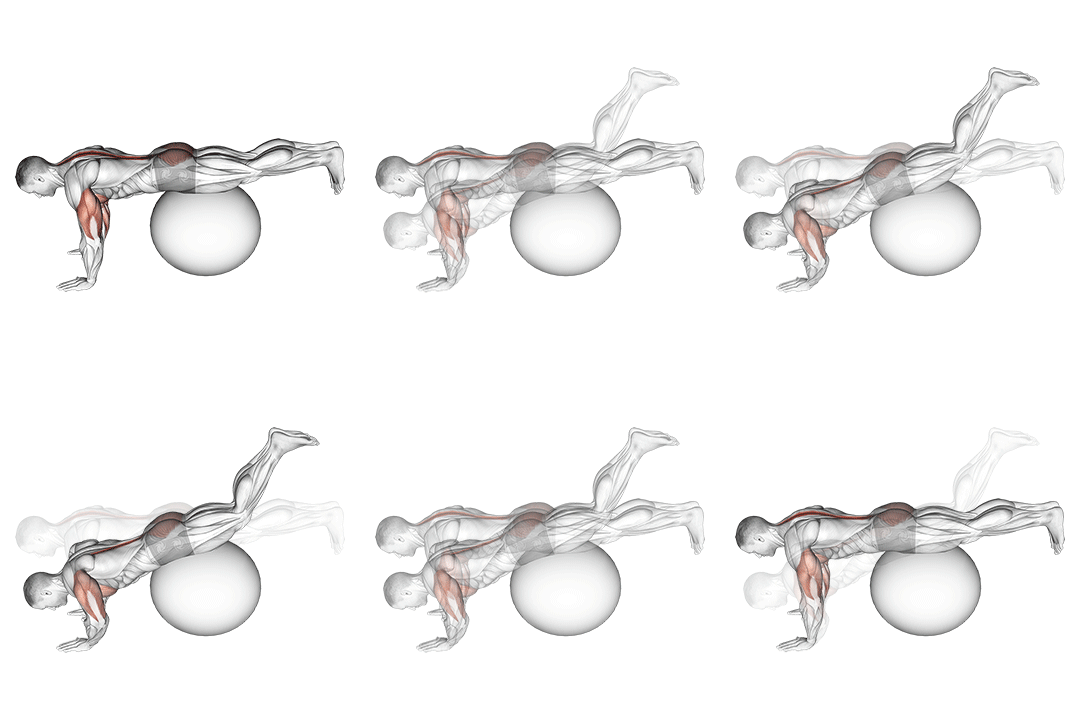
4. Exercise Ball Prone Leg Raise
81% match- Spine
- Stability-ball
- Intermediate
- Compound
How to perform this exercise
- Lie face down on a mat with your legs extended and your toes resting on top of the stability ball.
- Place your hands on the ground, shoulder-width apart, and engage your core muscles.
- Keeping your legs straight, slowly lift them off the ground, using your lower back and glutes to raise them as high as possible.
- Pause for a moment at the top, then slowly lower your legs back down to the starting position.
- Repeat for the desired number of repetitions.
Sets and reps: 3 or 4 sets of 6 to 10 reps.
Why this matches
- Primary muscle: spine, the same as the Lower Back Curl
- Equipment: bodyweight only, the same as the Lower Back Curl
- Body position: lying face down, the same as the Lower Back Curl
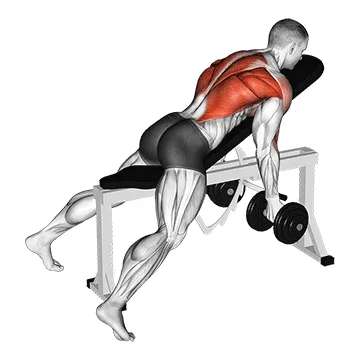
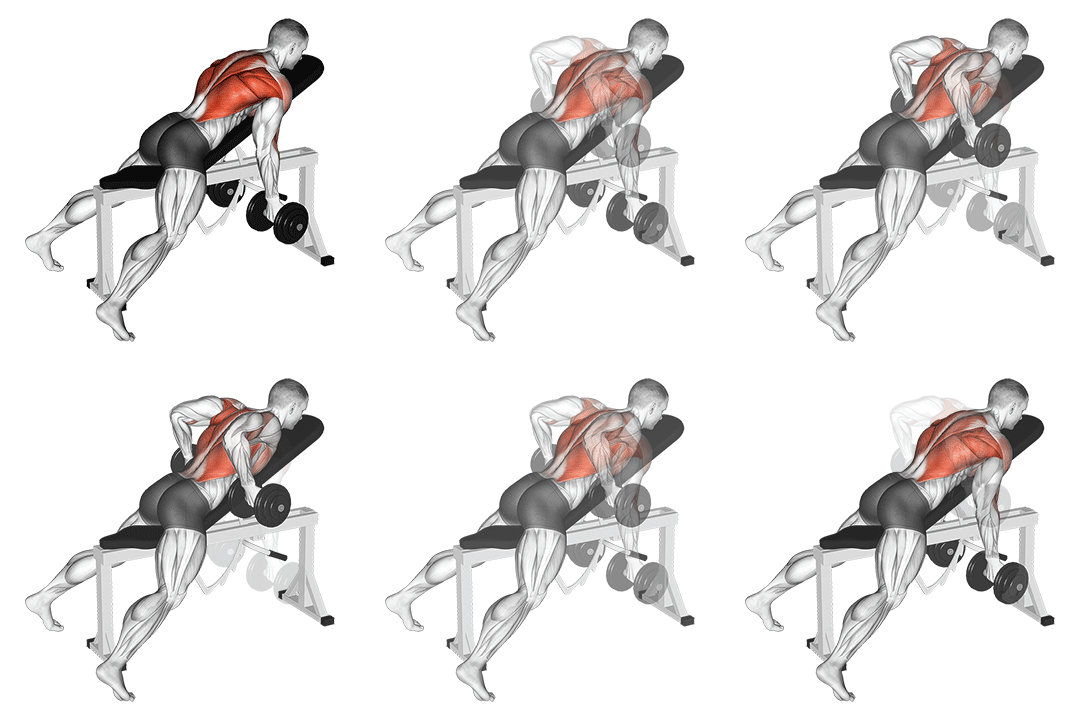
5. Dumbbell Lying Rear Delt Row
70% match- Upper Back
- Dumbbell
- Intermediate
- Isolation
A looser match: it works the upper back rather than the spinal erectors.
How to perform this exercise
- Lie face down on a flat bench with a dumbbell in each hand, palms facing inwards.
- Extend your arms straight down towards the floor, keeping a slight bend in your elbows.
- Engaging your back muscles, lift the dumbbells up towards your chest, squeezing your shoulder blades together.
- Pause for a moment at the top, then slowly lower the dumbbells back down to the starting position.
- Repeat for the desired number of repetitions.
Sets and reps: 3 sets of 10 to 15 reps.
Why this matches
- Primary muscle: upper back, not spine
- Equipment: free weights, not bodyweight only
- Body position: lying face down, the same as the Lower Back Curl
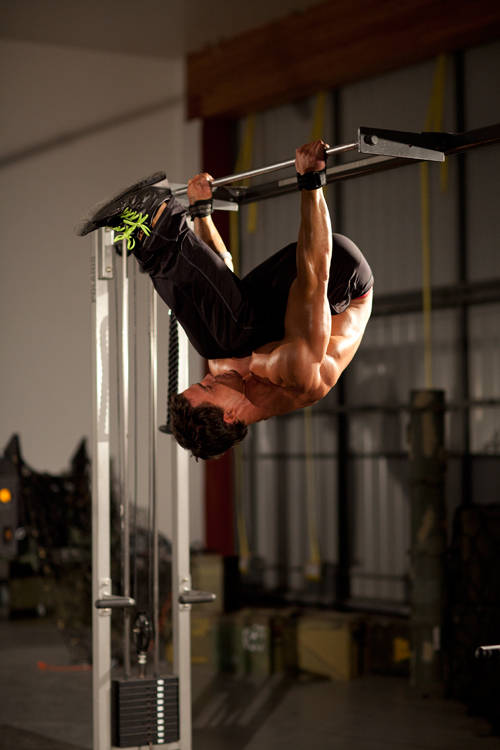
6. Bodyweight Mid Row
69% match- Middle Back
- Other
- Intermediate
- Compound
A looser match: it works the middle back rather than the spinal erectors.
How to perform this exercise
- Begin by taking a medium to wide grip on a pull-up apparatus with your palms facing away from you. From a hanging position, tuck your knees to your chest, leaning back and getting your legs over your side of the pull-up apparatus. This will be your starting position.
- Beginning with your arms straight, flex the elbows and retract the shoulder blades to raise your body up until your legs contact the pull-up apparatus.
- After a brief pause, return to the starting position.
Sets and reps: 3 or 4 sets of 6 to 10 reps.
Why this matches
- Primary muscle: middle back, not spine
- Equipment: bodyweight only, the same as the Lower Back Curl
- Body position: lying face down, the same as the Lower Back Curl
- Balance: harder to stay steady on than the Lower Back Curl
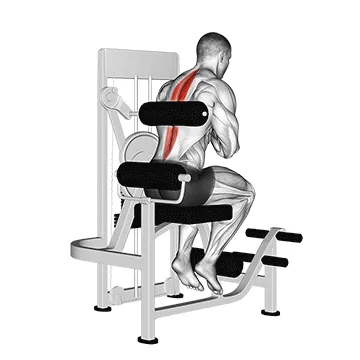
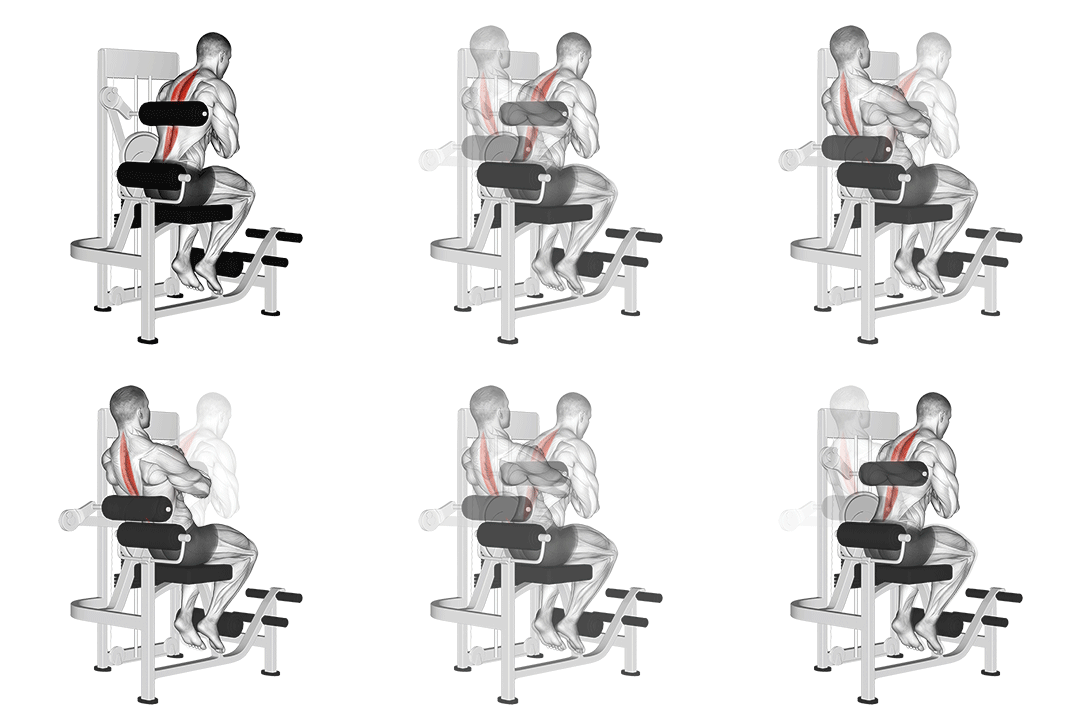
7. Lever Back Extension
67% match- Spine
- Lever
- Intermediate
- Isolation
A good swap when you have a lever machine to work with, and it still works the spinal erectors.
How to perform this exercise
- Adjust the machine to fit your body size and range of motion.
- Sit on the machine with your back against the pad and your feet secured.
- Place your hands on the handles or grip bars.
- Engage your core and slowly lean forward, allowing your back to round slightly.
- Pause for a moment at the bottom position, feeling a stretch in your lower back.
- Using your back muscles, slowly raise your torso back to the starting position.
- Repeat for the desired number of repetitions.
Sets and reps: 3 sets of 10 to 15 reps.
Why this matches
- Primary muscle: spine, the same as the Lower Back Curl
- Equipment: a machine, not bodyweight only
- Body position: seated, not lying face down
- Spine
- Stability-ball
- Beginner
- Compound
How to perform this exercise
- Place the stability ball on the ground and lie face down on top of it, with your hips resting on the ball and your feet against a wall for stability.
- Extend your arms straight out in front of you, with your palms facing down.
- Engage your core and slowly lift your upper body off the ball, keeping your back straight and your neck in line with your spine.
- Pause for a moment at the top, then slowly lower your upper body back down to the starting position.
- Repeat for the desired number of repetitions.
Sets and reps: 3 sets of 8 to 12 reps, and add reps before you add load.
Why this matches
- Primary muscle: spine, the same as the Lower Back Curl
- Equipment: bodyweight only, the same as the Lower Back Curl
- Body position: lying face down, the same as the Lower Back Curl
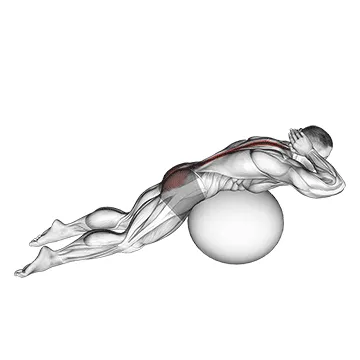
- Spine
- Stability-ball
- Beginner
- Compound
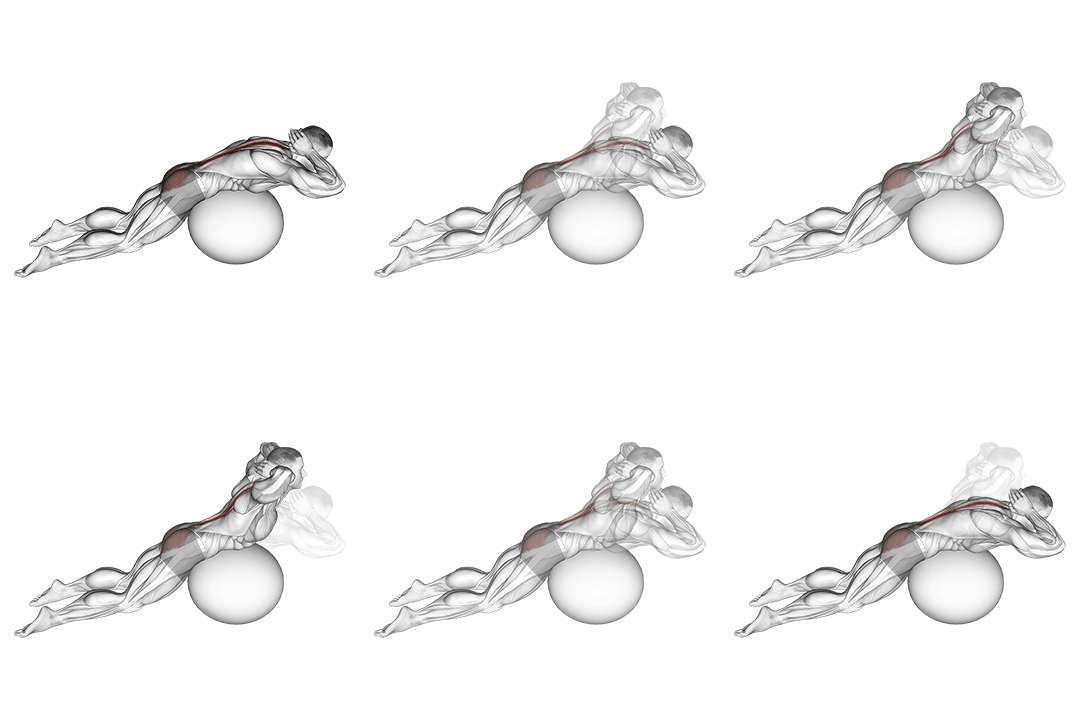
How to perform this exercise
- Place the stability ball on the ground and lie face down on top of it with your hips resting on the ball.
- Position your feet against a wall or other stable surface for support.
- Cross your arms behind your head, with your hands touching the back of your head.
- Engage your core and slowly lift your upper body off the ball, extending your back until your body forms a straight line from your head to your hips.
- Pause for a moment at the top of the movement, then slowly lower your upper body back down to the starting position.
- Repeat for the desired number of repetitions.
Sets and reps: 3 sets of 8 to 12 reps, and add reps before you add load.
Why this matches
- Primary muscle: spine, the same as the Lower Back Curl
- Equipment: bodyweight only, the same as the Lower Back Curl
- Body position: lying face down, the same as the Lower Back Curl
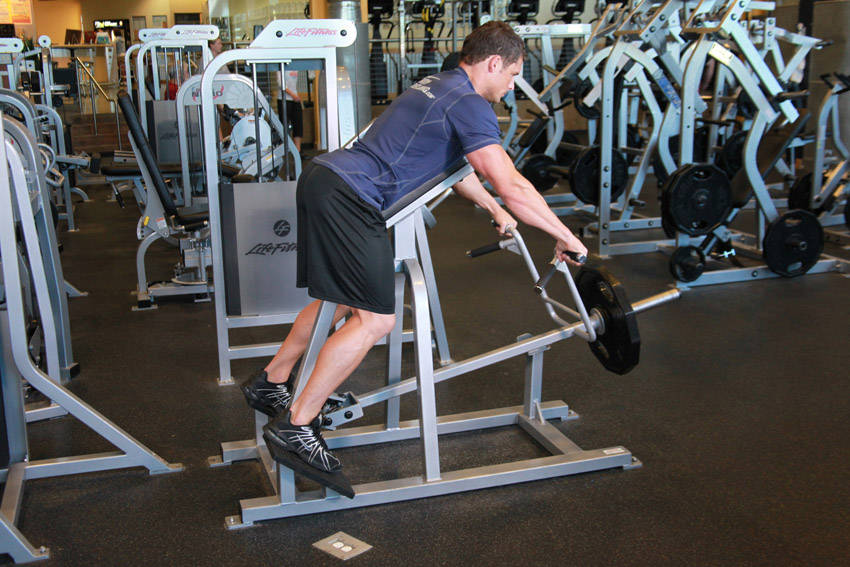
10. Lying T-Bar Row
65% match- Middle Back
- Machine
- Intermediate
- Compound
How to perform this exercise
- Load up the T-bar Row Machine with the desired weight and adjust the leg height so that your upper chest is at the top of the pad. Tip: In some machines all you can do is stand on the appropriate step that allows you to be at a height that has the upper chest at the top of the pad.
- Lay face down on the pad and grab the handles. You can either use a palms down, palms up, or palms in position depending on what part of your back you want to emphasize.
- Lift the bar off the rack and extend your arms in front of you. This will be your starting position.
- As you exhale slowly pull the weight up and squeeze your back at the top of the movement. Tip: Keep the upper arms as close to the torso as possible throughout the movement in order to better engage the back muscles. Also, do not lift your body off of the pad at any time and refrain from using the biceps to lift the weight.
- After a second contraction at the top of the movement, as you inhale, slowly go back down to the starting position.
- Repeat for the recommended amount of repetitions.
Sets and reps: 3 or 4 sets of 6 to 10 reps.
Why this matches
- Primary muscle: middle back, not spine
- Equipment: a machine, not bodyweight only
- Body position: lying face down, the same as the Lower Back Curl
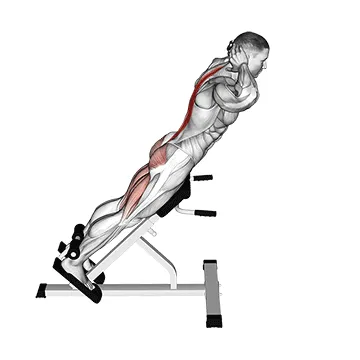
Lower Back Curl FAQ
What muscles does Lower Back Curl work?
Lower Back Curl primarily targets the spinal erectors (longissimus, iliocostalis) and deep stabilizers like the multifidus. Cue lumbar extension through the erectors while avoiding a thoracic thrust to ensure the lumbar extensors, not compensatory muscles, carry the load.
What is the best bodyweight alternative to Lower Back Curl?
The prone Superman is the best bodyweight alternative for isolated spinal extension. Lie face down, keep the pelvis grounded, lift chest and legs 1–3 inches while squeezing your spinal erectors, and avoid neck hyperextension to maintain proper activation.
Find Alternatives for Any Exercise
Search the exercise database and filter the ranked substitutes by the equipment you own.
Similarity scores compare exercise metadata such as movement pattern, muscles, equipment and body position. They are not a safety rating or a check that you own the equipment. Learn about our methodology