

10 Best Dumbbell Lying Pronation Alternatives for Forearm Strength
The Dumbbell Lying Pronation is done lying on your back with dumbbells. Ranked closest by our scoring: the Incline Twisting Sit-up, the Crab Twist Toe Touch and the Side Hip (On Parallel Bars).
Updated Ranked by our 12-factor similarity model How it works
Original Exercise: Dumbbell Lying Pronation
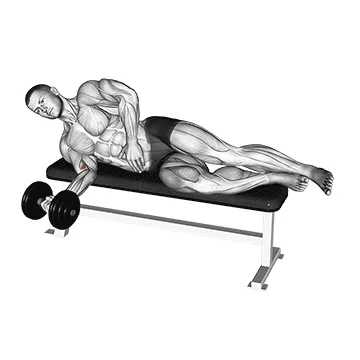
- Primary muscle
- Forearms
- Equipment
- Dumbbell
- Difficulty
- Beginner
- Type
- Isolation
Secondary muscles: Biceps, Shoulders
How to perform Dumbbell Lying Pronation
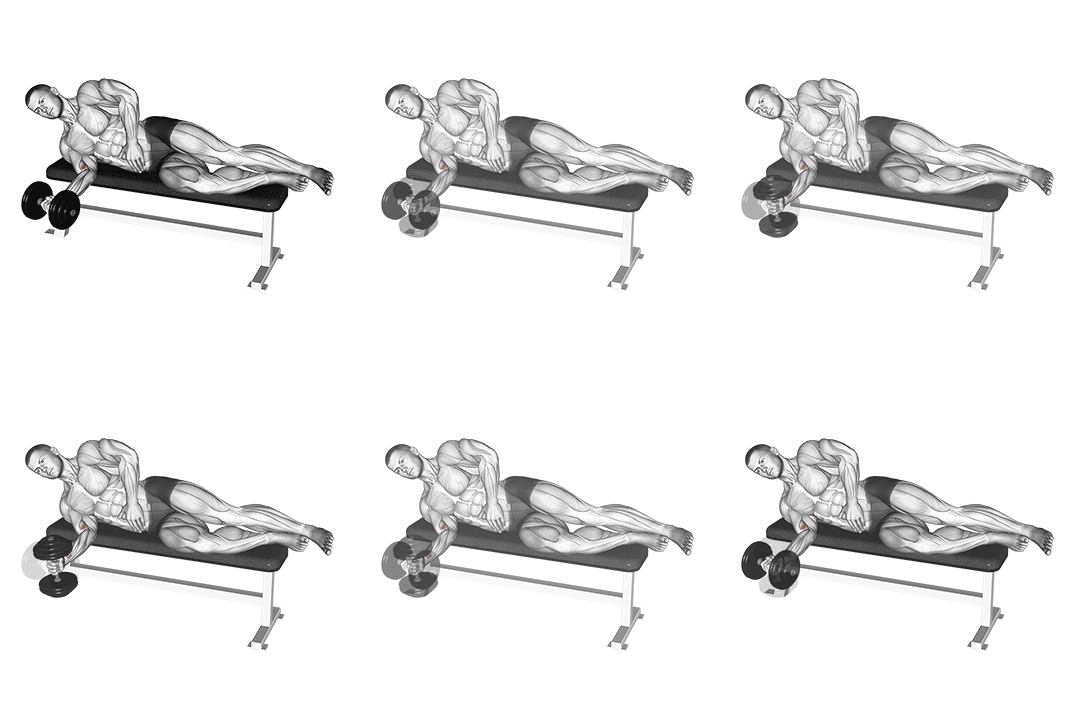
- Lie flat on a bench with your chest facing down and your arms extended straight down, holding a dumbbell in each hand.
- Rotate your palms so they are facing up.
- Keeping your upper arms stationary, exhale and curl the dumbbells as you rotate your palms to face down.
- Inhale and slowly lower the dumbbells back to the starting position.
- Repeat for the desired number of repetitions.
Ranked Dumbbell Lying Pronation Alternatives
10 substitutes, ranked by how closely each one matches the Dumbbell Lying Pronation on movement pattern, muscles worked, equipment and body position. The higher the score, the less you change. Open "How to perform this exercise" on a card for the steps; every card title links to that exercise's own alternatives page.
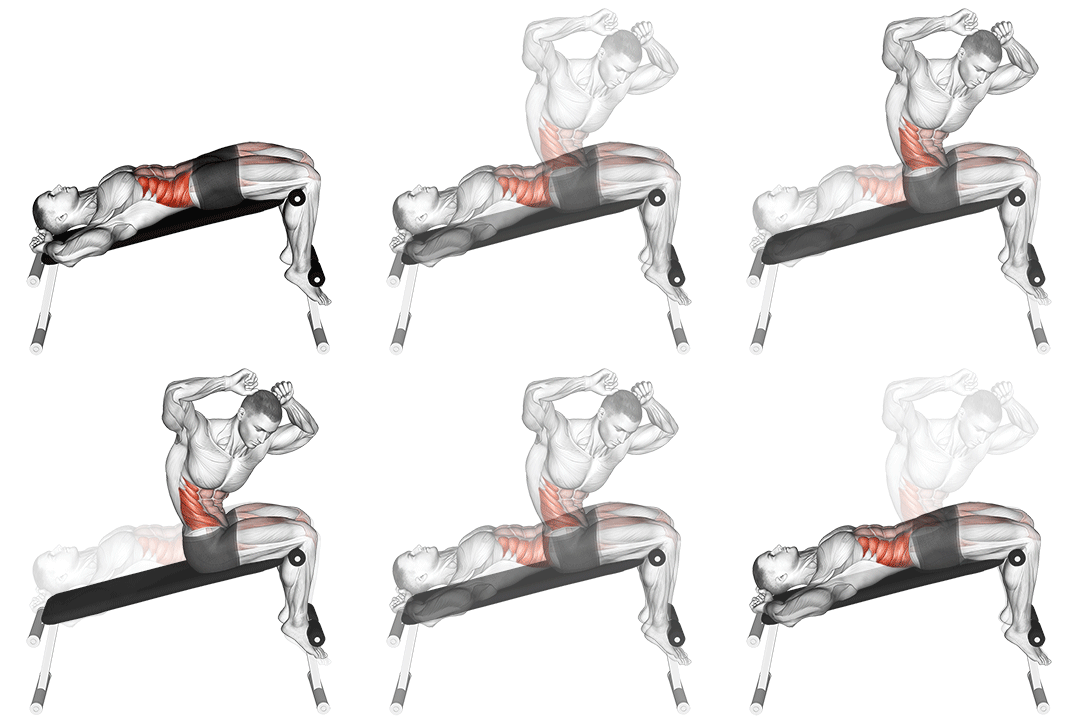
1. Incline Twisting Sit-up
62% match- Abs
- Bodyweight
- Intermediate
- Compound
A looser match: it works the abs rather than the forearms.
How to perform this exercise
- Set up an incline bench at a 45-degree angle.
- Lie down on the bench with your feet secured under the foot pads.
- Place your hands behind your head or across your chest.
- Engage your abs and lift your upper body off the bench, curling forward.
- As you curl up, twist your torso to one side, bringing your elbow towards the opposite knee.
- Pause for a moment at the top, then slowly lower your upper body back down to the starting position.
- Repeat the movement, this time twisting your torso to the other side.
- Continue alternating sides for the desired number of repetitions.
Sets and reps: 3 or 4 sets of 6 to 10 reps.
Why this matches
- Primary muscle: abs, not forearms
- Equipment: bodyweight only, not free weights
- Body position: lying on your back, the same as the Dumbbell Lying Pronation
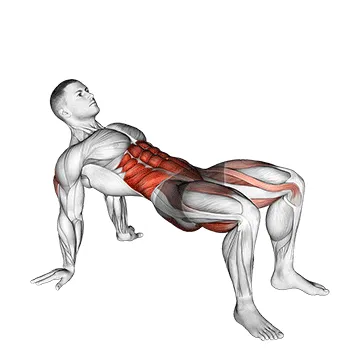
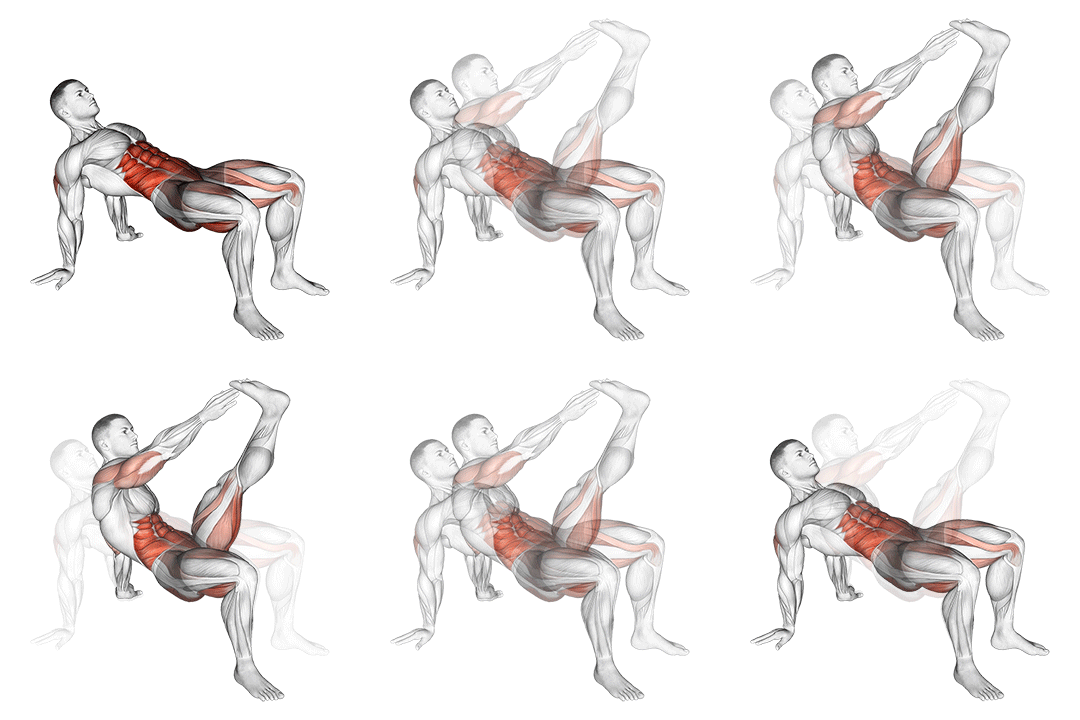
2. Crab Twist Toe Touch
50% match- Abs
- Bodyweight
- Intermediate
- Compound
How to perform this exercise
- Start by sitting on the ground with your knees bent and feet flat on the floor.
- Place your hands behind you, fingers pointing towards your feet, and lift your hips off the ground.
- Extend one leg straight out in front of you while simultaneously reaching your opposite hand towards your toes.
- Return to the starting position and repeat on the other side.
- Continue alternating sides for the desired number of repetitions.
Sets and reps: 3 or 4 sets of 6 to 10 reps on each side.
Why this matches
- Primary muscle: abs, not forearms
- Equipment: bodyweight only, not free weights
- Body position: seated, not lying on your back
- Balance: harder to stay steady on than the Dumbbell Lying Pronation
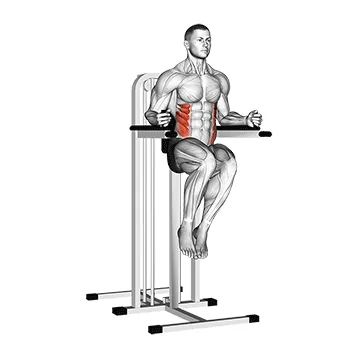
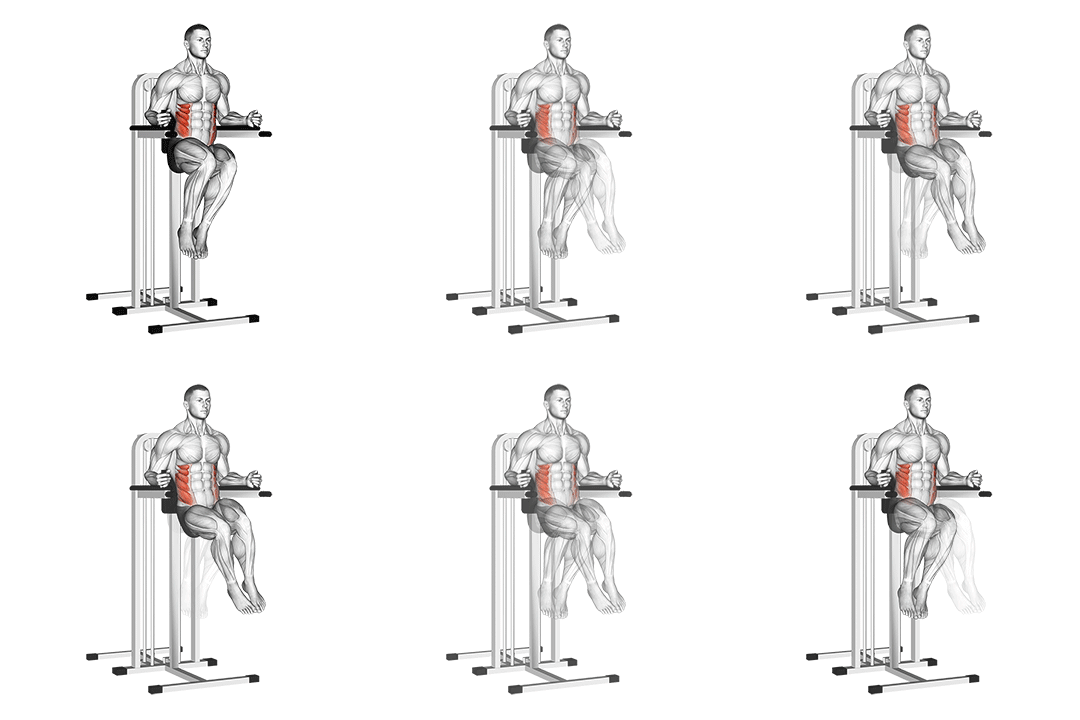
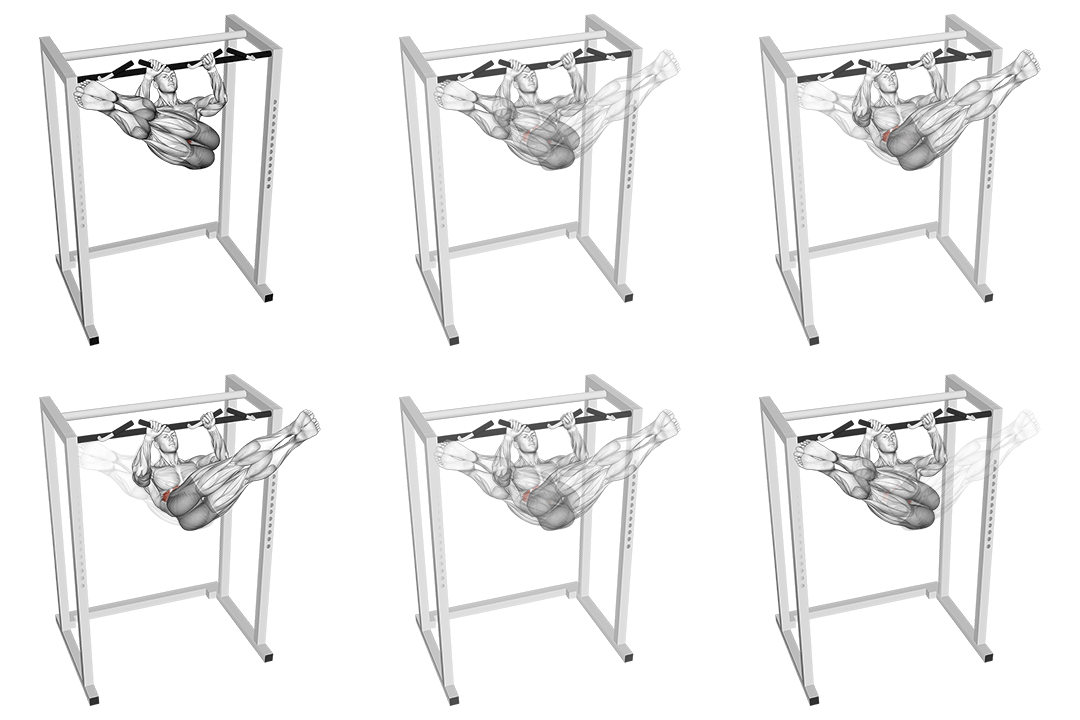
3. Side Hip (On Parallel Bars)
50% match- Abs
- Bodyweight
- Advanced
- Compound
How to perform this exercise
- Stand between two parallel bars with your feet shoulder-width apart.
- Place your hands on the bars and lift your body off the ground, supporting your weight on your arms.
- Engage your abs and slowly lift your legs to the side, keeping them straight.
- Pause for a moment at the top, then slowly lower your legs back down to the starting position.
- Repeat for the desired number of repetitions.
Sets and reps: 3 or 4 sets of 6 to 10 reps.
Why this matches
- Primary muscle: abs, not forearms
- Equipment: bodyweight only, not free weights
- Body position: hanging, not lying on your back
- Balance: harder to stay steady on than the Dumbbell Lying Pronation
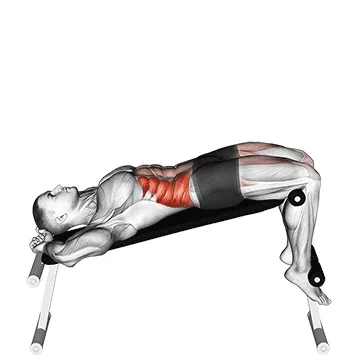
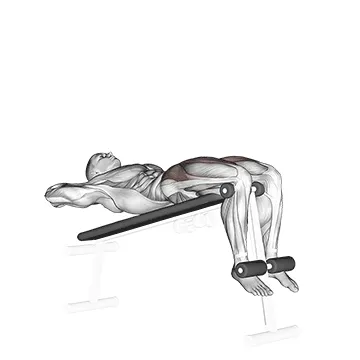
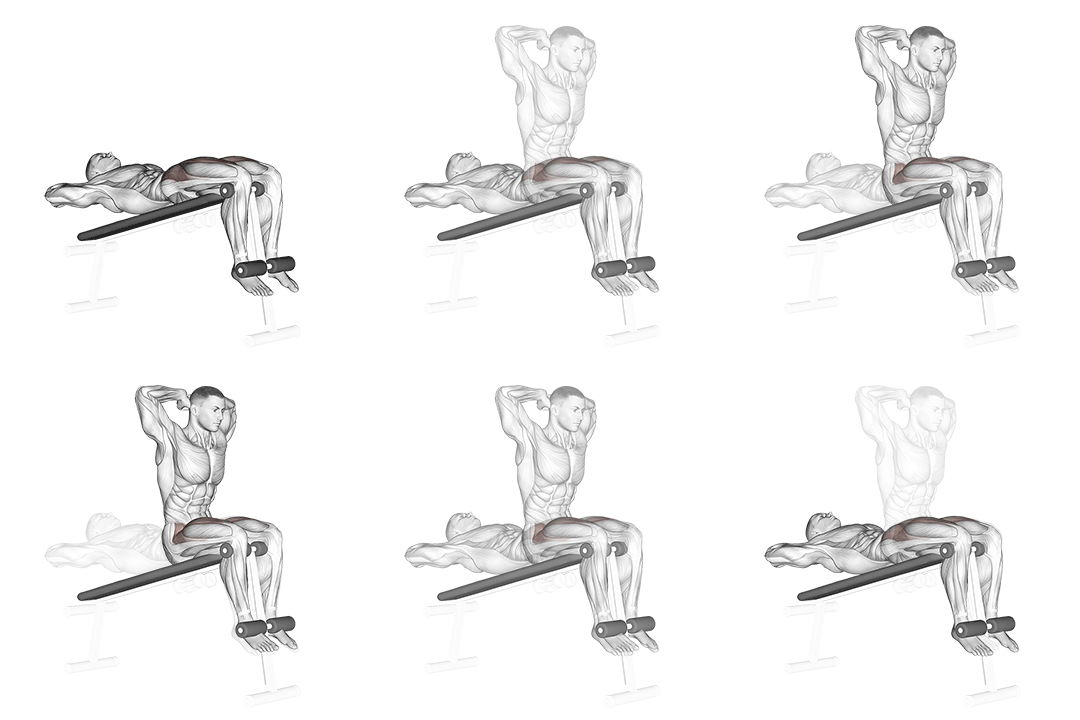
4. Decline Sit-up
47% match- Abs
- Bodyweight
- Intermediate
- Compound
How to perform this exercise
- Lie on a decline bench with your feet secured and your knees bent.
- Place your hands behind your head or across your chest.
- Engage your abs and lift your upper body off the bench, curling forward towards your knees.
- Pause for a moment at the top, then slowly lower your upper body back down to the starting position.
- Repeat for the desired number of repetitions.
Sets and reps: 3 or 4 sets of 6 to 10 reps.
Why this matches
- Primary muscle: abs, not forearms
- Equipment: bodyweight only, not free weights
- Body position: lying on your back, the same as the Dumbbell Lying Pronation
- Abs
- Bodyweight
- Advanced
- Compound
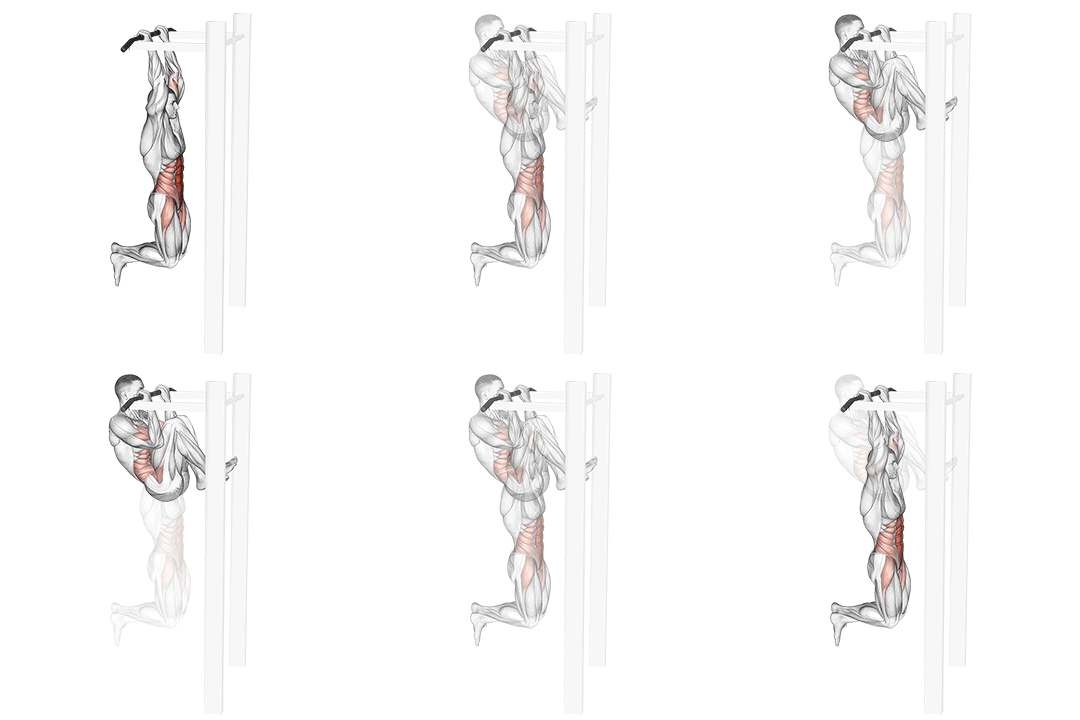
How to perform this exercise
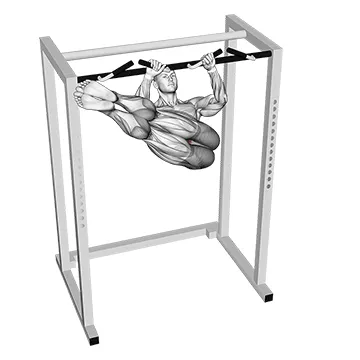
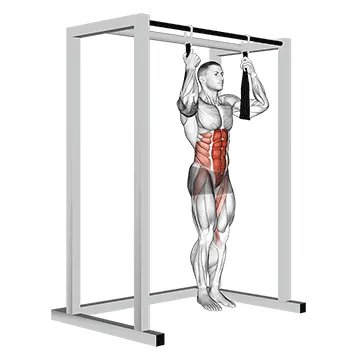
- Hang from a pull-up bar with your arms fully extended and your legs straight.
- Engage your core and lift your legs up towards your chest, keeping them straight.
- Once your legs are parallel to the ground, twist your hips to one side, bringing your legs towards that side.
- Pause for a moment, then return to the starting position.
- Repeat the movement, but this time twist your hips to the opposite side.
- Continue alternating sides for the desired number of repetitions.
Sets and reps: 3 or 4 sets of 6 to 10 reps.
Why this matches
- Primary muscle: abs, not forearms
- Equipment: bodyweight only, not free weights
- Body position: hanging, not lying on your back
- Balance: harder to stay steady on than the Dumbbell Lying Pronation
6. Gorilla Chin
45% match- Abs
- Bodyweight
- Intermediate
- Compound
How to perform this exercise
- Stand with your feet shoulder-width apart and your knees slightly bent.
- Grasp a pull-up bar with an overhand grip, slightly wider than shoulder-width apart.
- Hang from the bar with your arms fully extended and your palms facing away from you.
- Engage your core and pull your body up towards the bar, bringing your chin above the bar.
- Pause for a moment at the top, then slowly lower your body back down to the starting position.
- Repeat for the desired number of repetitions.
Sets and reps: 3 or 4 sets of 6 to 10 reps on each side.
Why this matches
- Primary muscle: abs, not forearms
- Equipment: bodyweight only, not free weights
- Body position: hanging, not lying on your back
- Balance: harder to stay steady on than the Dumbbell Lying Pronation
7. Hanging Oblique Knee Raise
42% match- Abs
- Bodyweight
- Advanced
- Compound
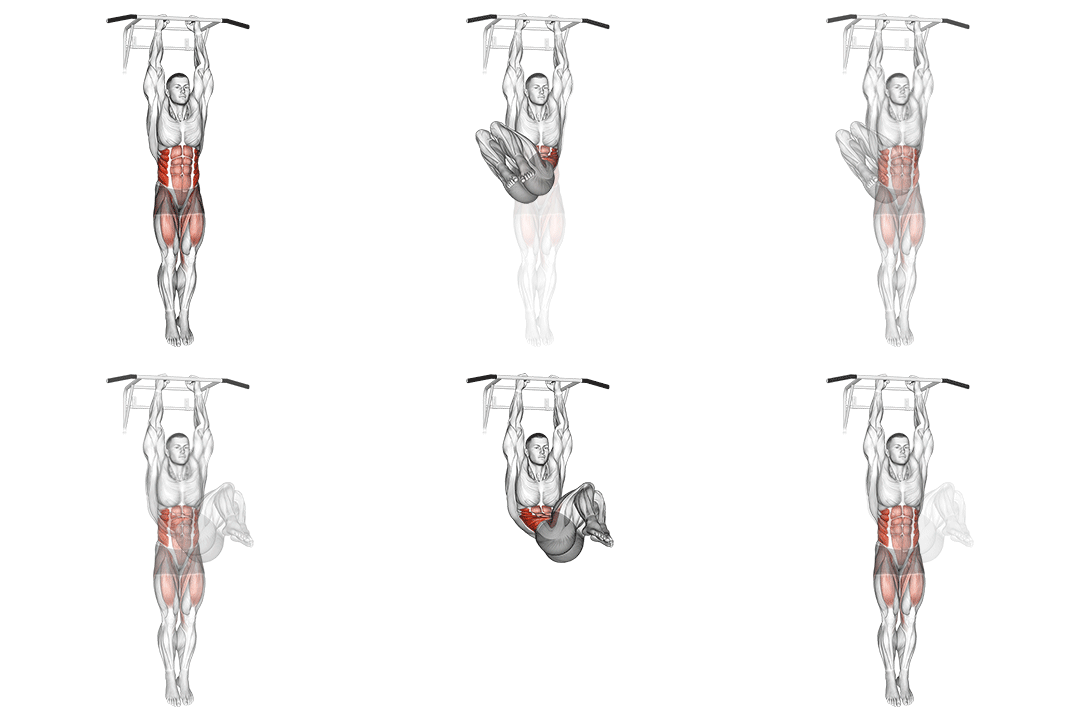
How to perform this exercise
- Hang from a pull-up bar with your arms fully extended and your palms facing away from you.
- Engage your core and lift your knees towards your chest, twisting your torso to the side as you do so.
- Pause for a moment at the top, then slowly lower your legs back down to the starting position.
- Repeat on the other side, twisting your torso in the opposite direction.
- Continue alternating sides for the desired number of repetitions.
Sets and reps: 3 or 4 sets of 6 to 10 reps on each side.
Why this matches
- Primary muscle: abs, not forearms
- Equipment: bodyweight only, not free weights
- Body position: hanging, not lying on your back
- Balance: harder to stay steady on than the Dumbbell Lying Pronation
- Abs
- Bodyweight
- Intermediate
- Compound
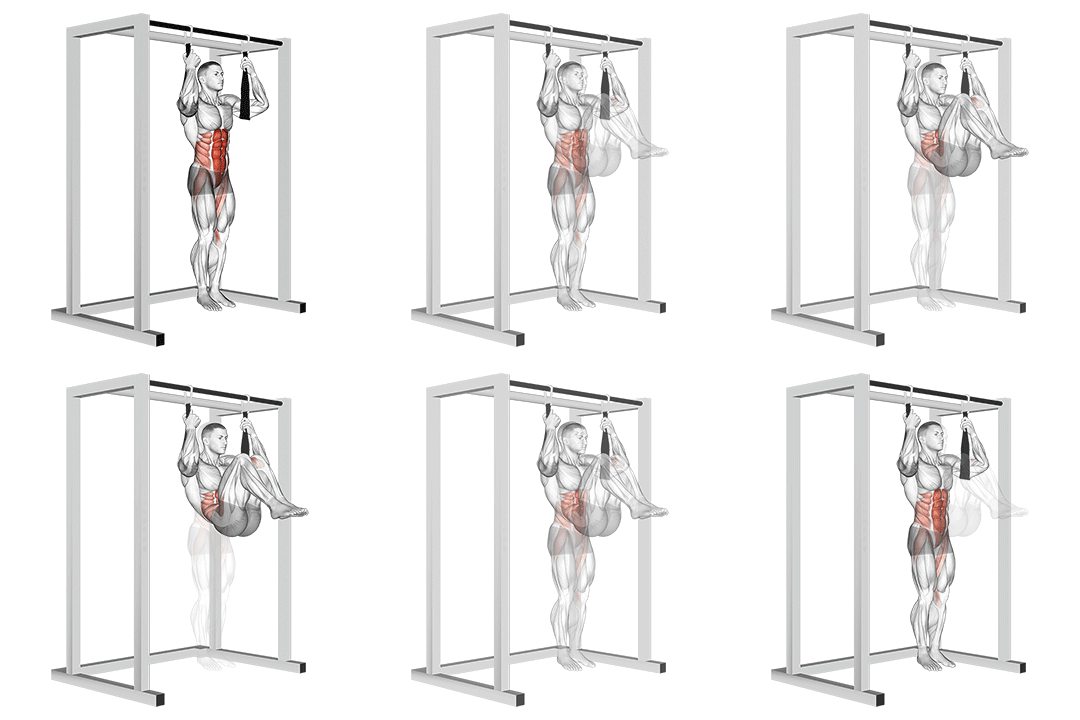
How to perform this exercise
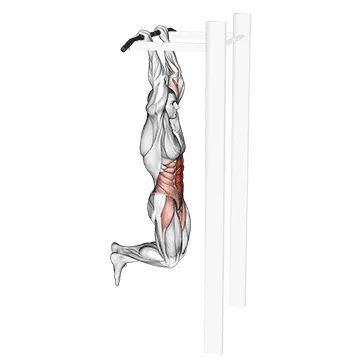
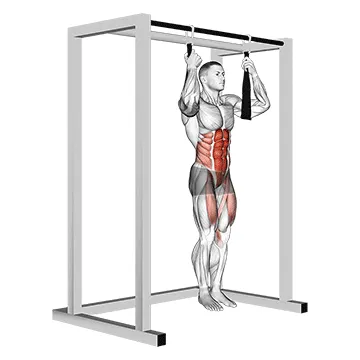
- Hang from a pull-up bar with your arms fully extended and your knees bent at a 90-degree angle.
- Engage your core and lift your knees towards your chest, bringing them as close to your elbows as possible.
- Slowly lower your legs back down to the starting position.
- Repeat for the desired number of repetitions.
Sets and reps: 3 or 4 sets of 6 to 10 reps on each side.
Why this matches
- Primary muscle: abs, not forearms
- Equipment: bodyweight only, not free weights
- Body position: hanging, not lying on your back
- Balance: harder to stay steady on than the Dumbbell Lying Pronation
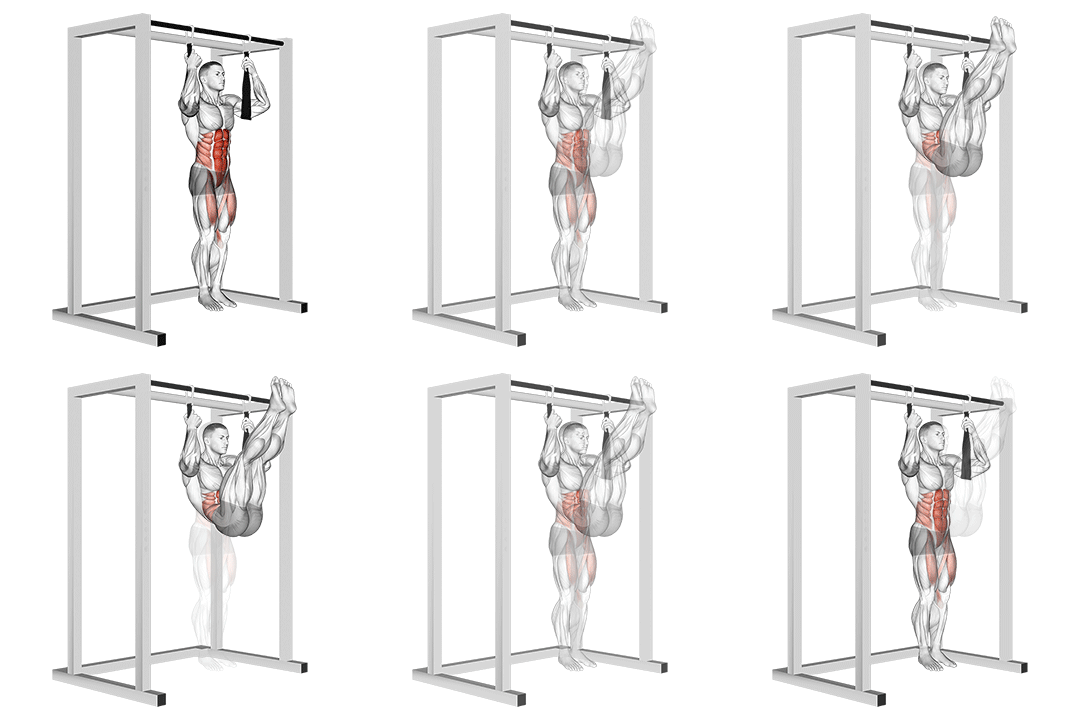
- Abs
- Bodyweight
- Advanced
- Compound
How to perform this exercise
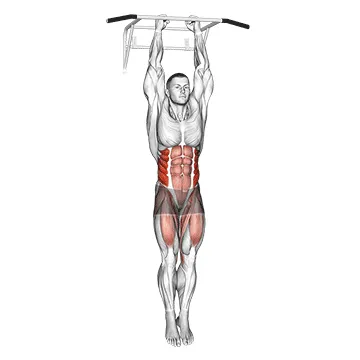
- Hang from a pull-up bar with your arms fully extended and your legs straight down.
- Engage your core and lift your legs up in front of you until they are parallel to the ground.
- Hold for a moment at the top, then slowly lower your legs back down to the starting position.
- Repeat for the desired number of repetitions.
Sets and reps: 3 or 4 sets of 6 to 10 reps on each side.
Why this matches
- Primary muscle: abs, not forearms
- Equipment: bodyweight only, not free weights
- Body position: hanging, not lying on your back
- Balance: harder to stay steady on than the Dumbbell Lying Pronation
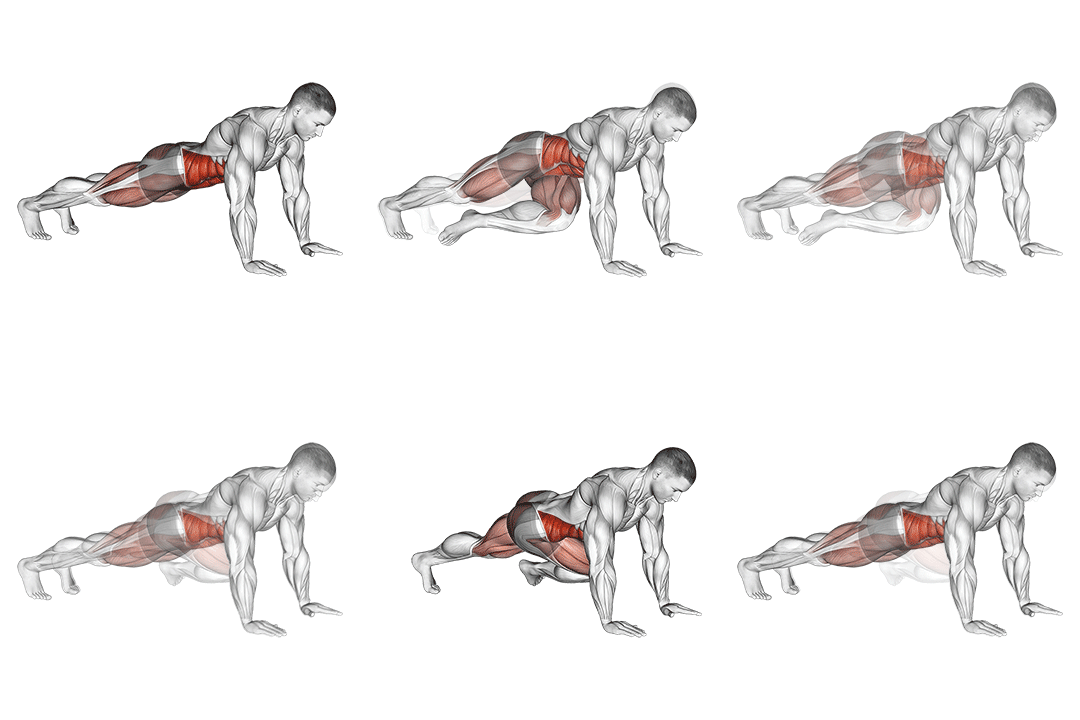
- Abs
- Bodyweight
- Intermediate
- Compound
How to perform this exercise
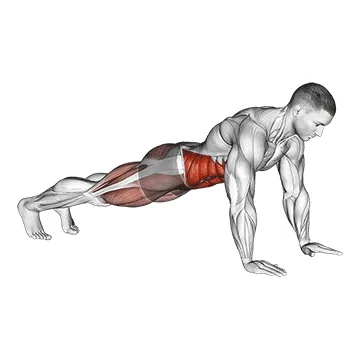
- Start in a high plank position with your hands directly under your shoulders and your body in a straight line.
- Engage your core and lift your right foot off the ground, bringing your right knee towards your left elbow.
- Return your right foot to the starting position and repeat the movement with your left foot towards your right elbow.
- Continue alternating sides, moving at a controlled pace.
- Keep your hips level and avoid lifting your hips too high or sagging them too low.
- Maintain a steady breathing pattern throughout the exercise.
- Repeat for the desired number of repetitions.
Sets and reps: 3 or 4 sets of 6 to 10 reps on each side.
Why this matches
- Primary muscle: abs, not forearms
- Equipment: bodyweight only, not free weights
- Body position: lying face down, not lying on your back
Dumbbell Lying Pronation FAQ
What muscles does Dumbbell Lying Pronation work?
Dumbbell Lying Pronation primarily targets the pronator teres and pronator quadratus while recruiting wrist flexors for stabilization. With the elbow supported, it isolates forearm rotation; cue: keep the upper arm stationary and rotate the palm from supinated to pronated to maximize pronator activation.
What is the best bodyweight alternative to Dumbbell Lying Pronation?
A practical bodyweight alternative is an isometric doorframe pronation: press the back of your hand into a fixed frame and attempt to rotate the palm downward against immovable resistance. Cue: hold the elbow at 90°, create tension with the forearm, and maintain steady force to engage the pronators without external load.
Find Alternatives for Any Exercise
Search the exercise database and filter the ranked substitutes by the equipment you own.
Similarity scores compare exercise metadata such as movement pattern, muscles, equipment and body position. They are not a safety rating or a check that you own the equipment. Learn about our methodology