

10 Best Dumbbell Over Bench Wrist Curl Alternatives for Limited Equipment
The Dumbbell Over Bench Wrist Curl is done seated with dumbbells. Ranked closest by our scoring: the Modified Push Up To Lower Arms.
Updated Ranked by our 12-factor similarity model How it works
Original Exercise: Dumbbell Over Bench Wrist Curl
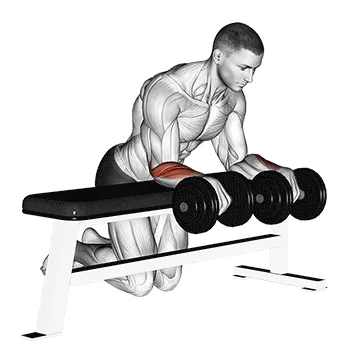
- Primary muscle
- Forearms
- Equipment
- Dumbbell
- Difficulty
- Beginner
- Type
- Isolation
Secondary muscles: Biceps, Brachialis
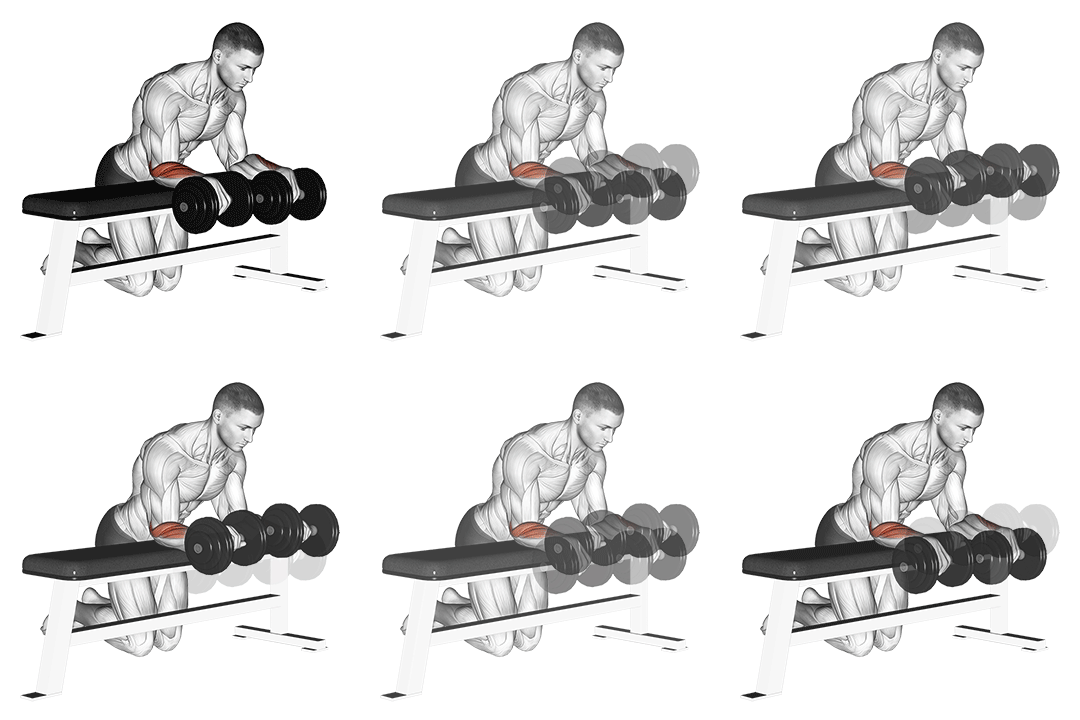
How to perform Dumbbell Over Bench Wrist Curl
- Sit on a bench with your forearms resting on the bench and your palms facing up, holding a dumbbell in each hand.
- Allow your wrists to hang over the edge of the bench.
- Slowly curl your wrists upward, squeezing your forearms at the top of the movement.
- Pause for a moment, then slowly lower your wrists back down to the starting position.
- Repeat for the desired number of repetitions.
Ranked Dumbbell Over Bench Wrist Curl Alternatives
10 substitutes, ranked by how closely each one matches the Dumbbell Over Bench Wrist Curl on movement pattern, muscles worked, equipment and body position. The higher the score, the less you change. Open "How to perform this exercise" on a card for the steps; every card title links to that exercise's own alternatives page.
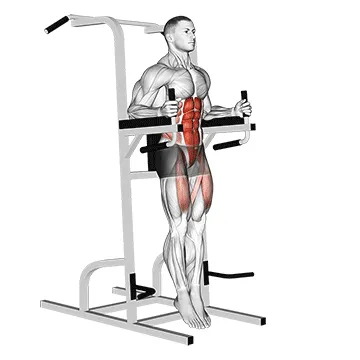
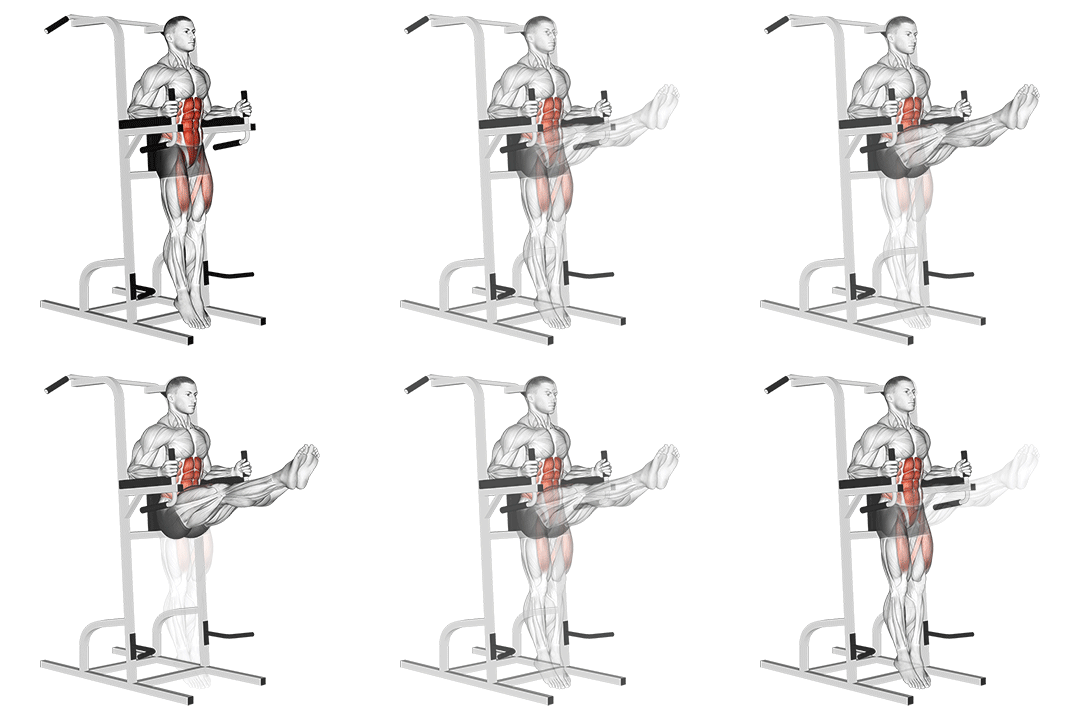
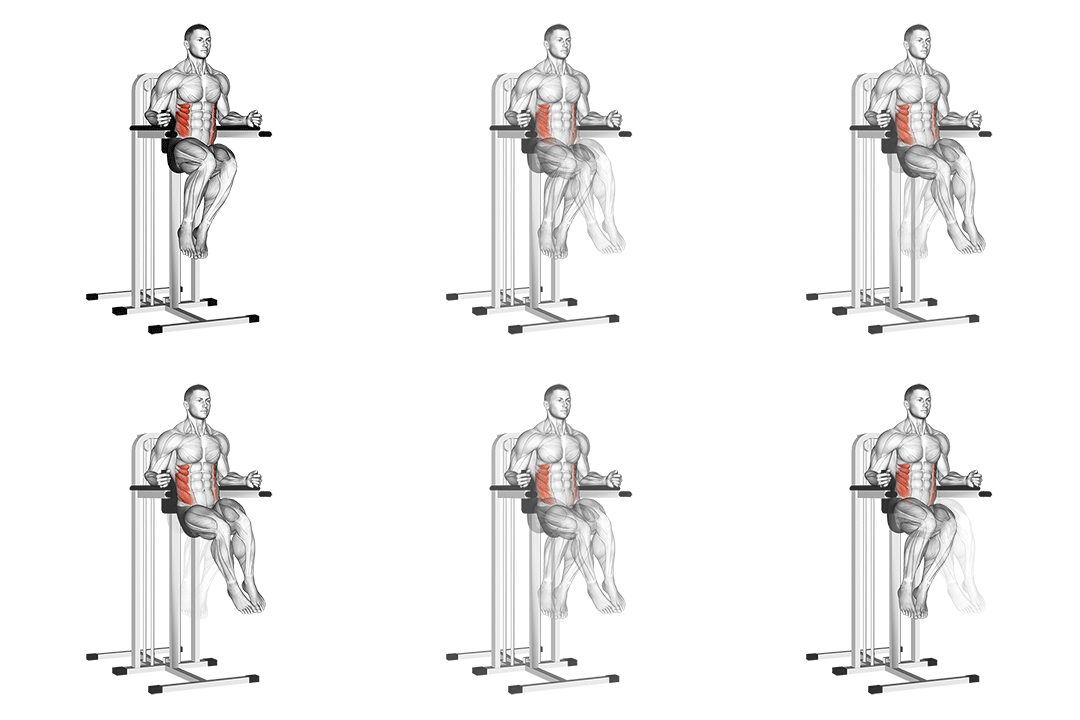
1. Captains Chair Straight Leg Raise
38% match- Abs
- Bodyweight
- Intermediate
- Compound
A looser match: it works the abs rather than the forearms.
How to perform this exercise
- Sit on the captain's chair with your back against the backrest and your forearms resting on the arm pads.
- Keep your upper body stable and your back straight.
- Engage your abs and lift your legs up in front of you, keeping them straight.
- Continue lifting until your legs are parallel to the ground or as high as you can comfortably go.
- Pause for a moment at the top, then slowly lower your legs back down to the starting position.
- Repeat for the desired number of repetitions.
Sets and reps: 3 or 4 sets of 6 to 10 reps.
Why this matches
- Primary muscle: abs, not forearms
- Equipment: bodyweight only, not free weights
- Body position: hanging, not seated
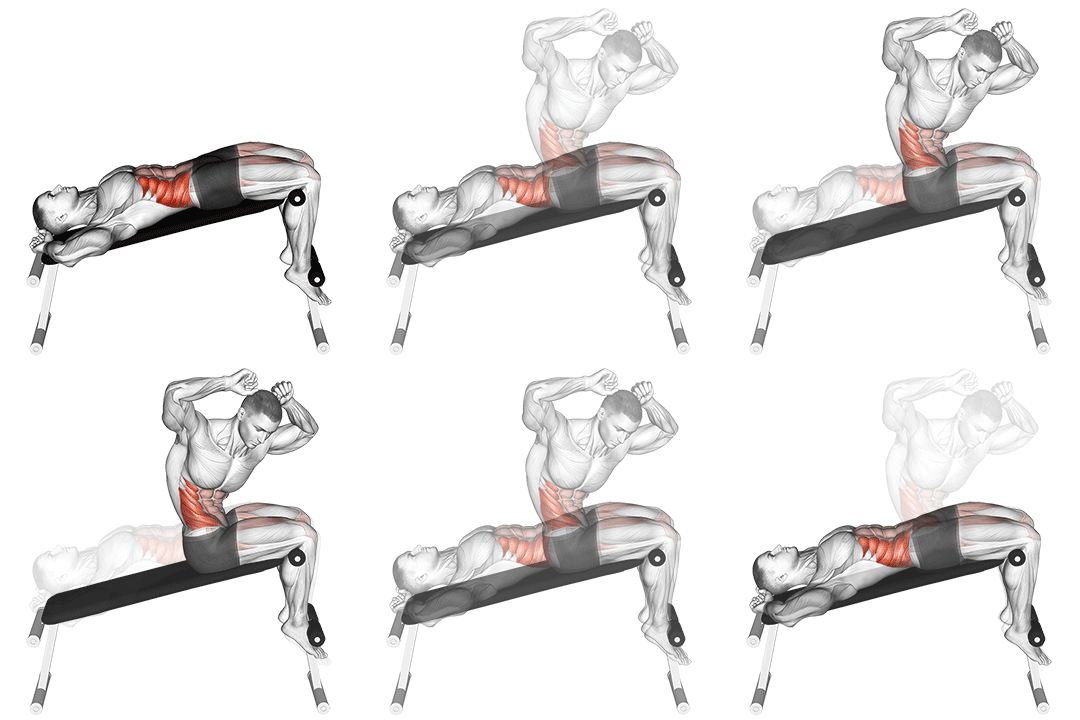
2. Incline Twisting Sit-up
37% match- Abs
- Bodyweight
- Intermediate
- Compound
How to perform this exercise
- Set up an incline bench at a 45-degree angle.
- Lie down on the bench with your feet secured under the foot pads.
- Place your hands behind your head or across your chest.
- Engage your abs and lift your upper body off the bench, curling forward.
- As you curl up, twist your torso to one side, bringing your elbow towards the opposite knee.
- Pause for a moment at the top, then slowly lower your upper body back down to the starting position.
- Repeat the movement, this time twisting your torso to the other side.
- Continue alternating sides for the desired number of repetitions.
Sets and reps: 3 or 4 sets of 6 to 10 reps.
Why this matches
- Primary muscle: abs, not forearms
- Equipment: bodyweight only, not free weights
- Body position: lying on your back, not seated
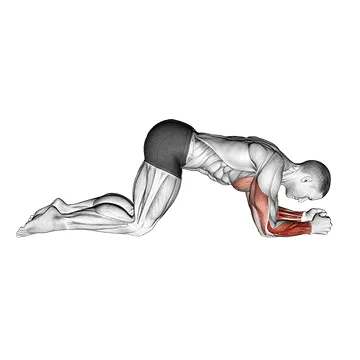
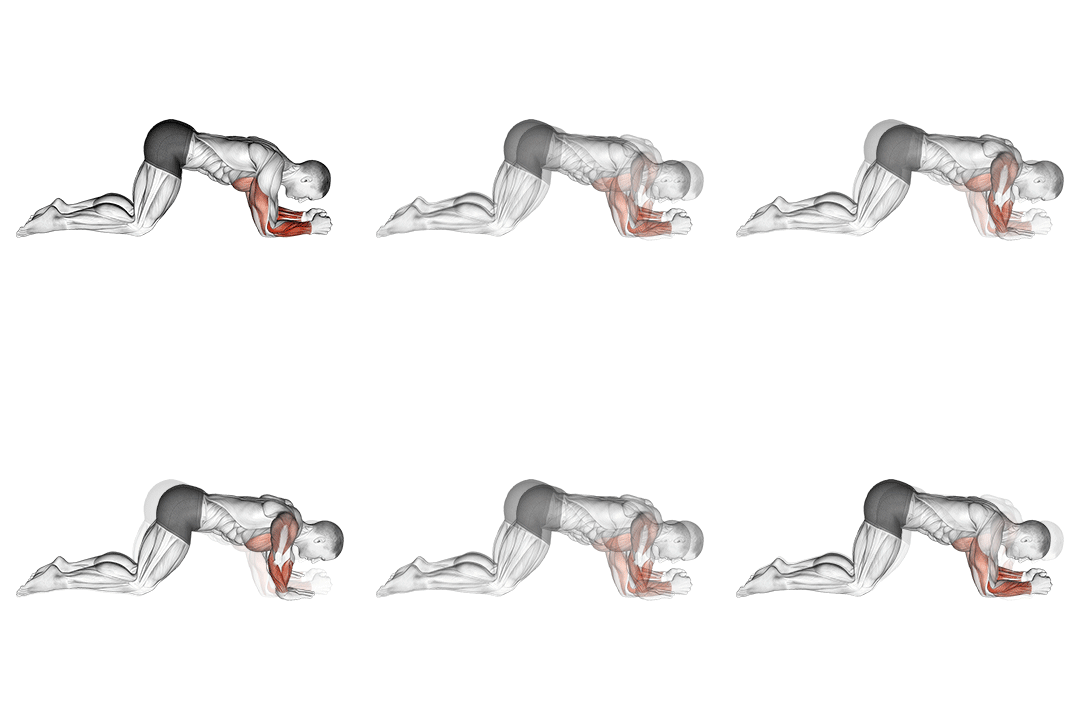
Best match 3. Modified Push Up To Lower Arms
36% match- Forearms
- Bodyweight
- Beginner
- Compound
Use this when you have nothing to train with, because it works the forearms with bodyweight alone.
How to perform this exercise
- Start in a push-up position with your hands directly under your shoulders and your body in a straight line.
- Lower your body down towards the ground by bending your elbows, keeping them close to your sides.
- Once your elbows are at a 90-degree angle, lower your forearms to the ground, keeping your elbows directly under your shoulders.
- Pause for a moment, then push through your palms to lift your forearms back up to the starting position.
- Repeat for the desired number of repetitions.
Sets and reps: 3 sets of 8 to 12 reps, and add reps before you add load.
Why this matches
- Primary muscle: forearms, the same as the Dumbbell Over Bench Wrist Curl
- Equipment: bodyweight only, not free weights
- Body position: kneeling, not seated
- Balance: harder to stay steady on than the Dumbbell Over Bench Wrist Curl
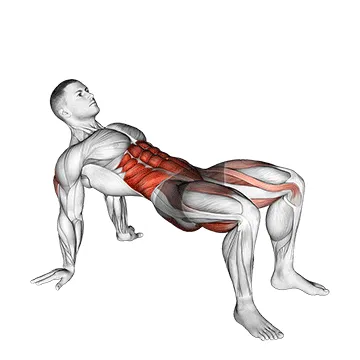
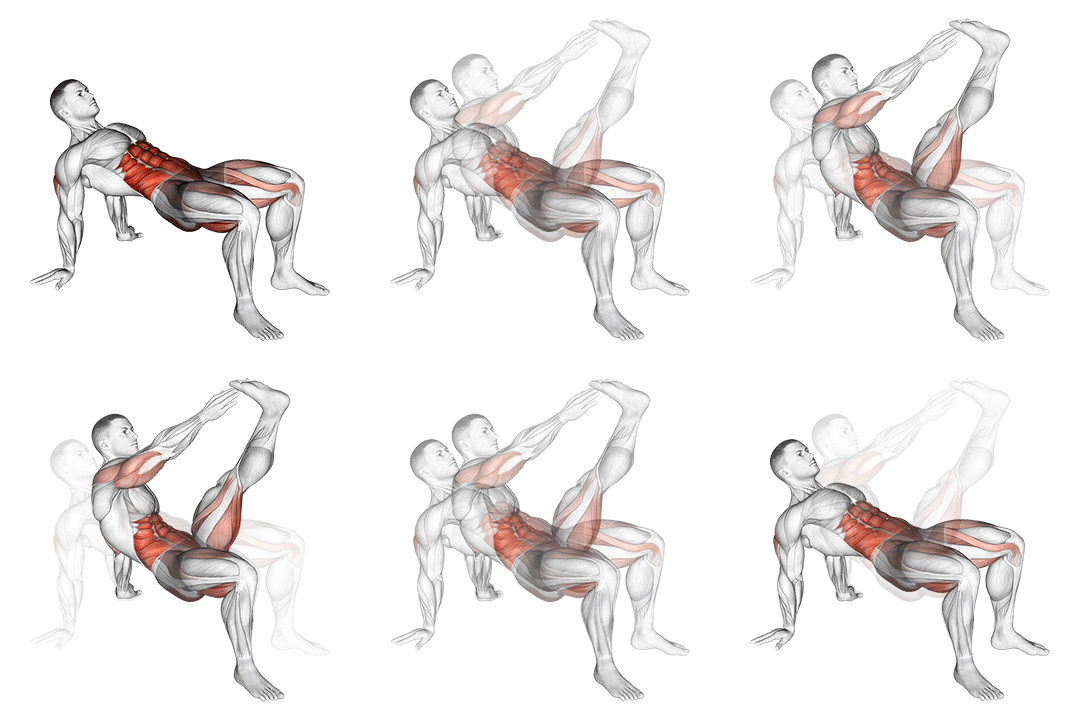
4. Crab Twist Toe Touch
34% match- Abs
- Bodyweight
- Intermediate
- Compound
How to perform this exercise
- Start by sitting on the ground with your knees bent and feet flat on the floor.
- Place your hands behind you, fingers pointing towards your feet, and lift your hips off the ground.
- Extend one leg straight out in front of you while simultaneously reaching your opposite hand towards your toes.
- Return to the starting position and repeat on the other side.
- Continue alternating sides for the desired number of repetitions.
Sets and reps: 3 or 4 sets of 6 to 10 reps on each side.
Why this matches
- Primary muscle: abs, not forearms
- Equipment: bodyweight only, not free weights
- Body position: seated, the same as the Dumbbell Over Bench Wrist Curl
- Balance: harder to stay steady on than the Dumbbell Over Bench Wrist Curl
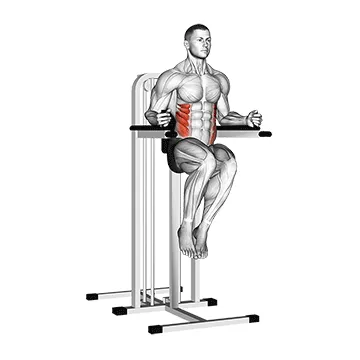
5. Side Hip (On Parallel Bars)
33% match- Abs
- Bodyweight
- Advanced
- Compound
How to perform this exercise
- Stand between two parallel bars with your feet shoulder-width apart.
- Place your hands on the bars and lift your body off the ground, supporting your weight on your arms.
- Engage your abs and slowly lift your legs to the side, keeping them straight.
- Pause for a moment at the top, then slowly lower your legs back down to the starting position.
- Repeat for the desired number of repetitions.
Sets and reps: 3 or 4 sets of 6 to 10 reps.
Why this matches
- Primary muscle: abs, not forearms
- Equipment: bodyweight only, not free weights
- Body position: hanging, not seated
- Balance: harder to stay steady on than the Dumbbell Over Bench Wrist Curl
- Abs
- Bodyweight
- Advanced
- Compound
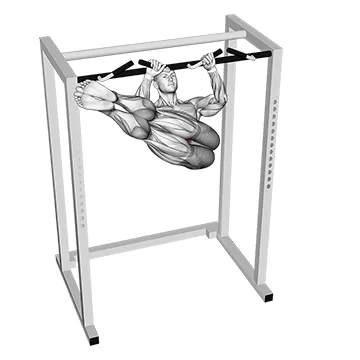
How to perform this exercise
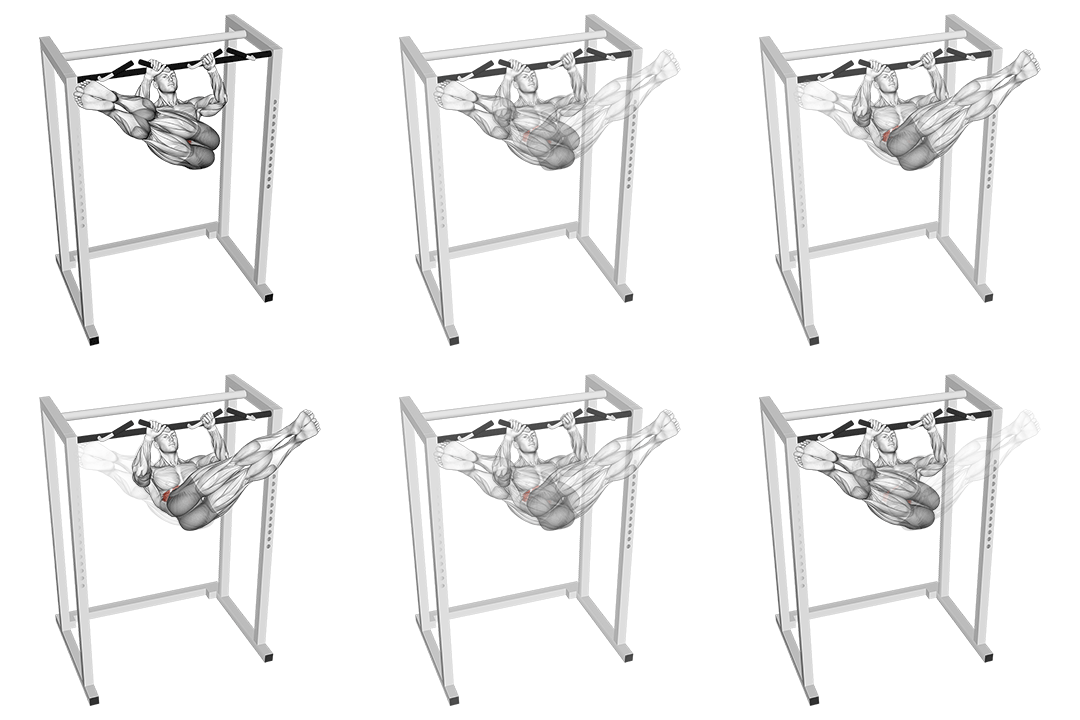
- Hang from a pull-up bar with your arms fully extended and your legs straight.
- Engage your core and lift your legs up towards your chest, keeping them straight.
- Once your legs are parallel to the ground, twist your hips to one side, bringing your legs towards that side.
- Pause for a moment, then return to the starting position.
- Repeat the movement, but this time twist your hips to the opposite side.
- Continue alternating sides for the desired number of repetitions.
Sets and reps: 3 or 4 sets of 6 to 10 reps.
Why this matches
- Primary muscle: abs, not forearms
- Equipment: bodyweight only, not free weights
- Body position: hanging, not seated
- Balance: harder to stay steady on than the Dumbbell Over Bench Wrist Curl
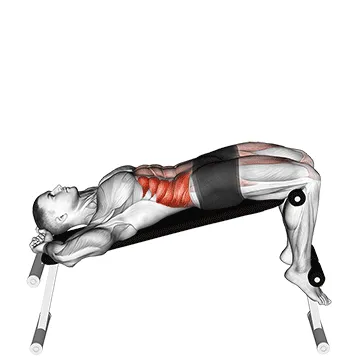
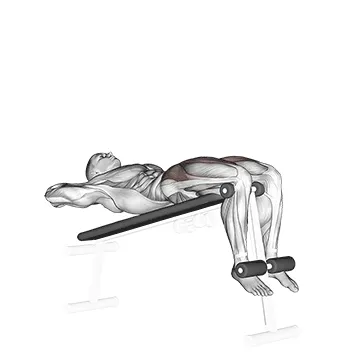
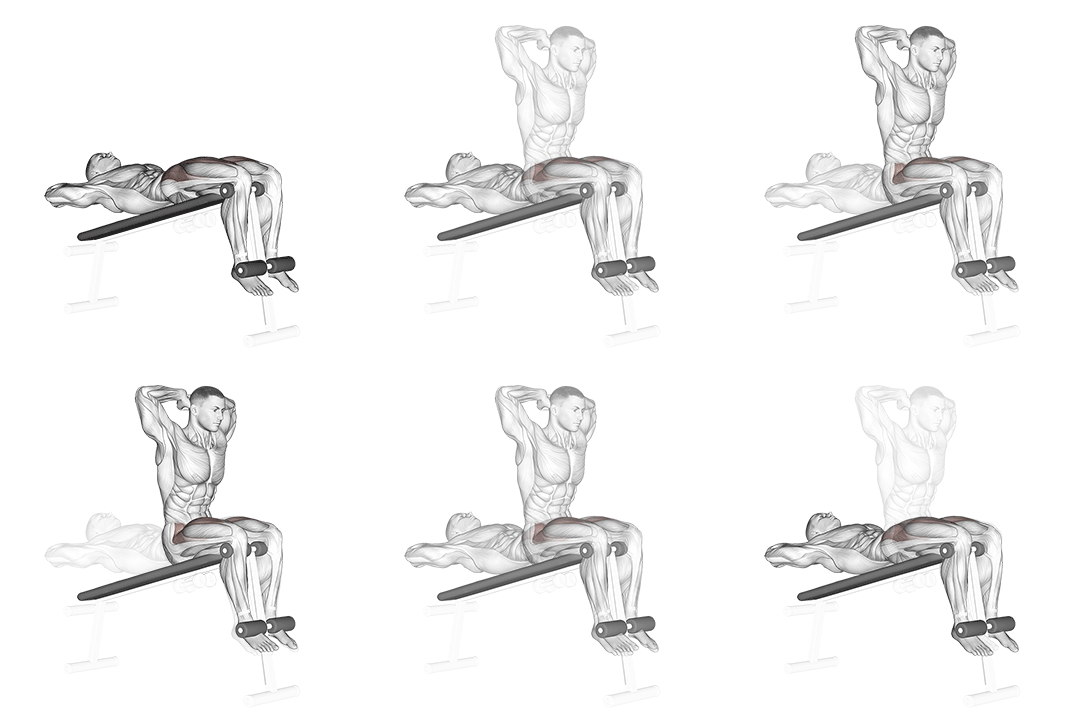
7. Decline Sit-up
32% match- Abs
- Bodyweight
- Intermediate
- Compound
How to perform this exercise
- Lie on a decline bench with your feet secured and your knees bent.
- Place your hands behind your head or across your chest.
- Engage your abs and lift your upper body off the bench, curling forward towards your knees.
- Pause for a moment at the top, then slowly lower your upper body back down to the starting position.
- Repeat for the desired number of repetitions.
Sets and reps: 3 or 4 sets of 6 to 10 reps.
Why this matches
- Primary muscle: abs, not forearms
- Equipment: bodyweight only, not free weights
- Body position: lying on your back, not seated
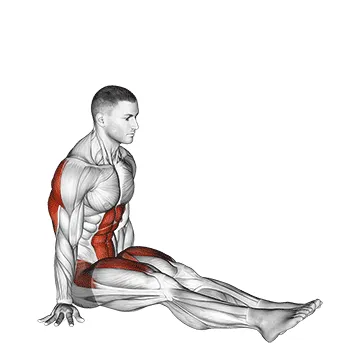
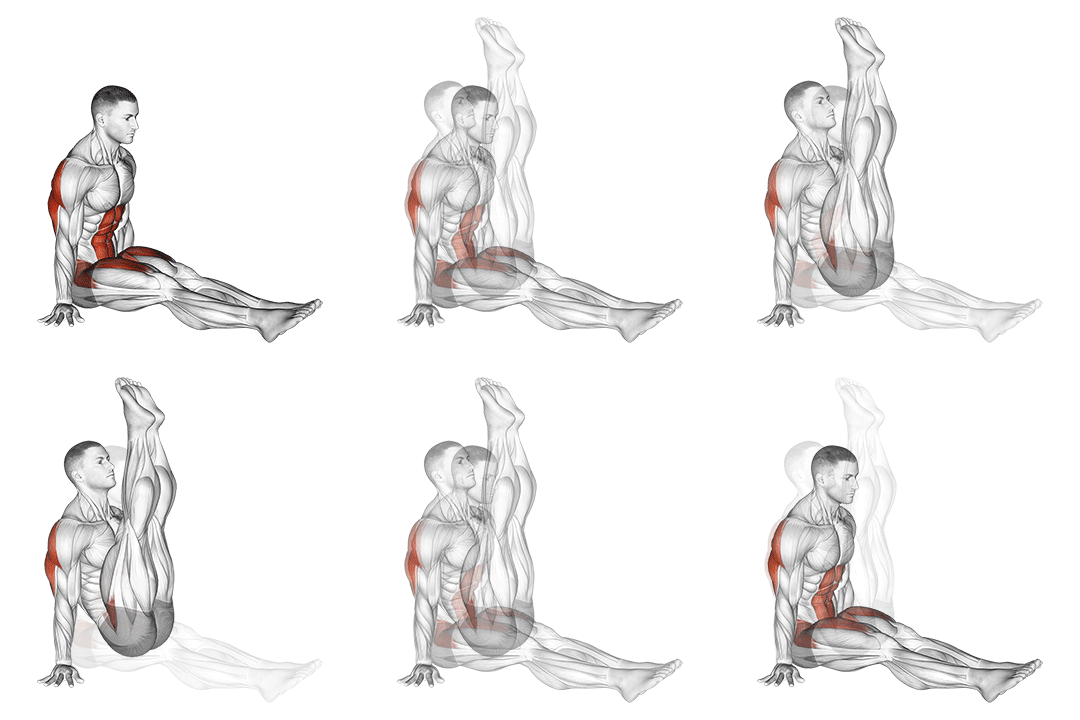
8. V-sit On Floor
31% match- Abs
- Bodyweight
- Advanced
- Compound
How to perform this exercise
- Sit on the floor with your legs extended in front of you.
- Lean back slightly and lift your legs off the ground, keeping them straight.
- Simultaneously, lift your upper body off the ground and reach your arms towards your legs.
- Hold this position for a few seconds, then slowly lower your upper body and legs back down to the starting position.
- Repeat for the desired number of repetitions.
Sets and reps: 3 or 4 sets of 6 to 10 reps.
Why this matches
- Movement: anti-rotation hold, not curl
- Primary muscle: abs, not forearms
- Equipment: bodyweight only, not free weights
- Body position: seated, the same as the Dumbbell Over Bench Wrist Curl
- Balance: harder to stay steady on than the Dumbbell Over Bench Wrist Curl
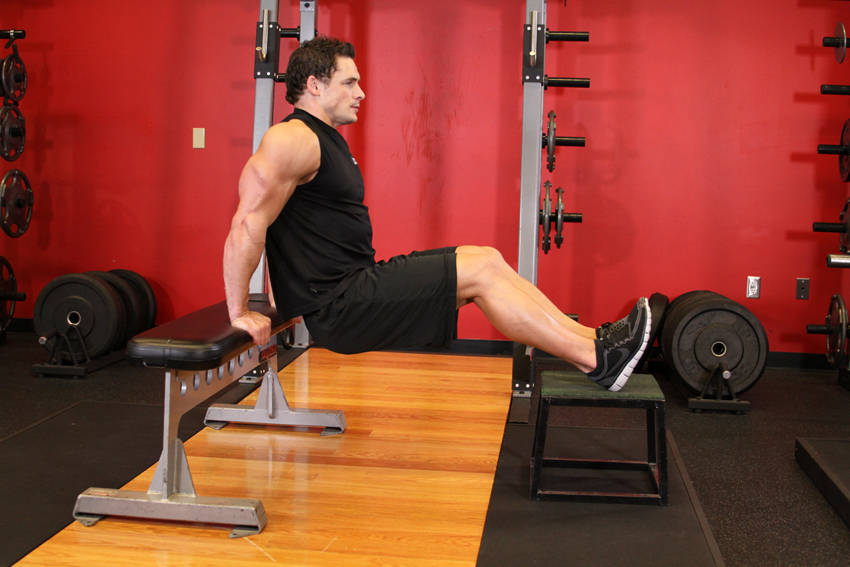
9. Bench Dips
31% match- Triceps
- Bodyweight
- Intermediate
- Compound
How to perform this exercise
- For this exercise you will need to place a bench behind your back. With the bench perpendicular to your body, and while looking away from it, hold on to the bench on its edge with the hands fully extended, separated at shoulder width. The legs will be extended forward, bent at the waist and perpendicular to your torso. This will be your starting position.
- Slowly lower your body as you inhale by bending at the elbows until you lower yourself far enough to where there is an angle slightly smaller than 90 degrees between the upper arm and the forearm. Tip: Keep the elbows as close as possible throughout the movement. Forearms should always be pointing down.
- Using your triceps to bring your torso up again, lift yourself back to the starting position.
- Repeat for the recommended amount of repetitions.
Sets and reps: 3 or 4 sets of 6 to 10 reps.
Why this matches
- Primary muscle: triceps, not forearms
- Equipment: bodyweight only, not free weights
- Body position: seated, the same as the Dumbbell Over Bench Wrist Curl
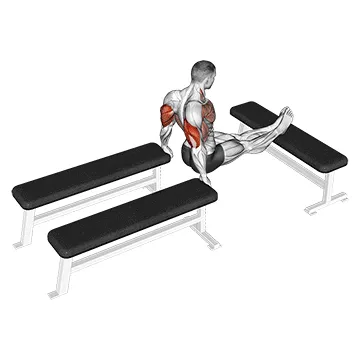
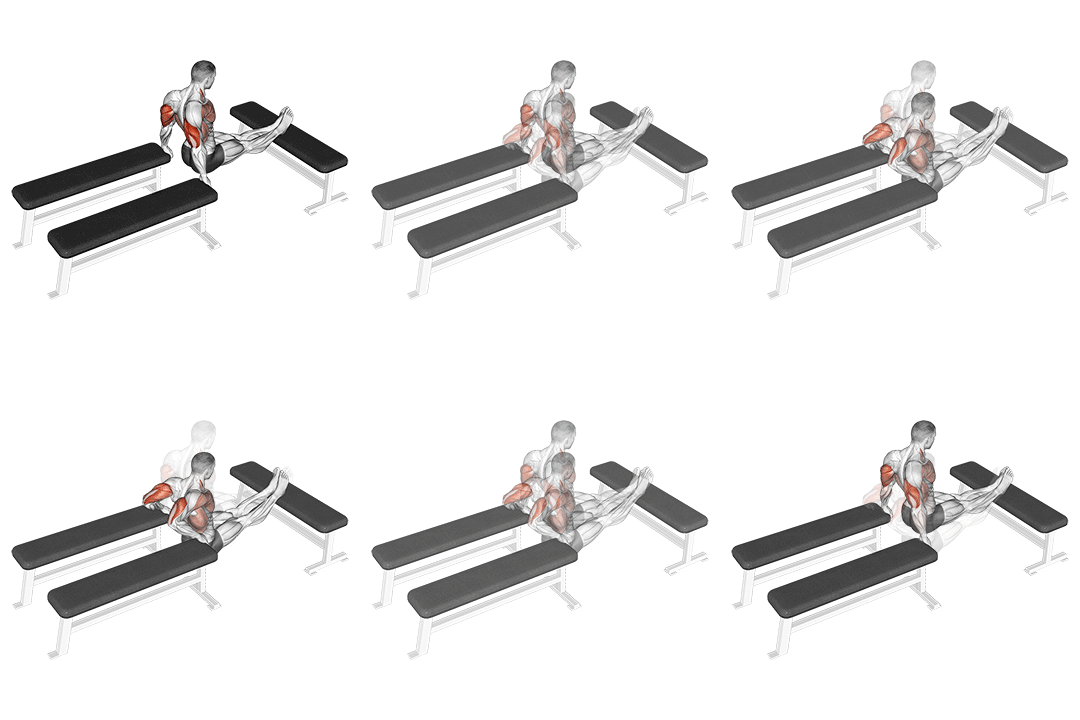
10. Three Bench Dip
30% match- Triceps
- Bodyweight
- Intermediate
- Compound
How to perform this exercise
- Sit on a bench with your hands gripping the edge, fingers pointing forward.
- Slide your butt off the bench, supporting your weight with your hands.
- Bend your elbows and lower your body until your upper arms are parallel to the ground.
- Push yourself back up to the starting position.
- Repeat for the desired number of repetitions.
Sets and reps: 3 or 4 sets of 6 to 10 reps.
Why this matches
- Primary muscle: triceps, not forearms
- Equipment: bodyweight only, not free weights
- Body position: seated, the same as the Dumbbell Over Bench Wrist Curl
Dumbbell Over Bench Wrist Curl FAQ
What muscles does Dumbbell Over Bench Wrist Curl work?
It primarily trains the wrist flexors, flexor carpi radialis, flexor carpi ulnaris, and palmaris longus, and recruits the finger flexors for grip. Cue: rest your forearm on the bench, let the wrist fully extend, then curl through wrist flexion while keeping the elbow locked to isolate forearm flexor activation.
Find Alternatives for Any Exercise
Search the exercise database and filter the ranked substitutes by the equipment you own.
Similarity scores compare exercise metadata such as movement pattern, muscles, equipment and body position. They are not a safety rating or a check that you own the equipment. Learn about our methodology