

10 Best Dumbbell Seated Kickback Alternatives for Triceps Growth
The Dumbbell Seated Kickback is done seated with dumbbells. Ranked closest by our scoring: the Dumbbell Seated One Arm Kickback, the Dumbbell Seated Bent Over Alternate Kickback and the Dumbbell One Arm Kickback. Three harder versions, the Dumbbell One Arm Triceps Extension (On Bench), the Dumbbell Standing Kickback and the Dumbbell Seated Bench Extension, are listed below as progressions rather than swaps.
Updated Ranked by our 12-factor similarity model How it works
Original Exercise: Dumbbell Seated Kickback
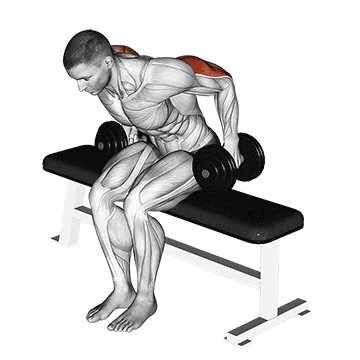
- Primary muscle
- Triceps
- Equipment
- Dumbbell
- Difficulty
- Beginner
- Type
- Isolation
Secondary muscles: Shoulders
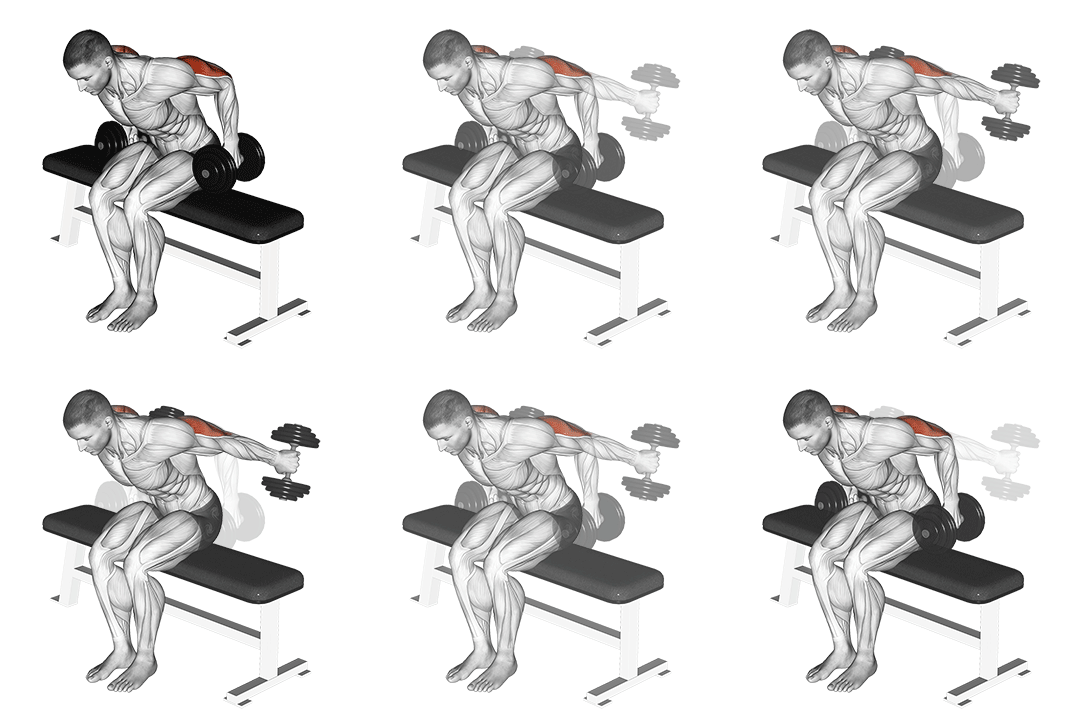
How to perform Dumbbell Seated Kickback
- Sit on a bench with your feet flat on the ground and hold a dumbbell in each hand.
- Bend your knees slightly and lean forward from your hips, keeping your back straight.
- Bring your upper arms close to your sides and keep your elbows bent at a 90-degree angle.
- Extend your arms straight back, squeezing your triceps at the top of the movement.
- Pause for a moment, then slowly lower the dumbbells back to the starting position.
- Repeat for the desired number of repetitions.
Ranked Dumbbell Seated Kickback Alternatives
10 substitutes, ranked by how closely each one matches the Dumbbell Seated Kickback on movement pattern, muscles worked, equipment and body position. The higher the score, the less you change. Open "How to perform this exercise" on a card for the steps; every card title links to that exercise's own alternatives page. Harder versions are tagged as progressions and kept out of the top spot even when they score higher.
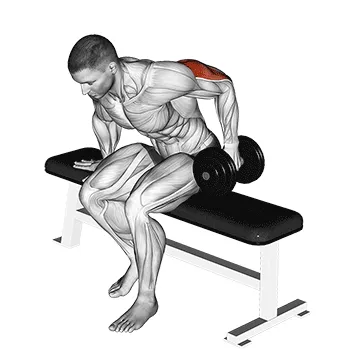
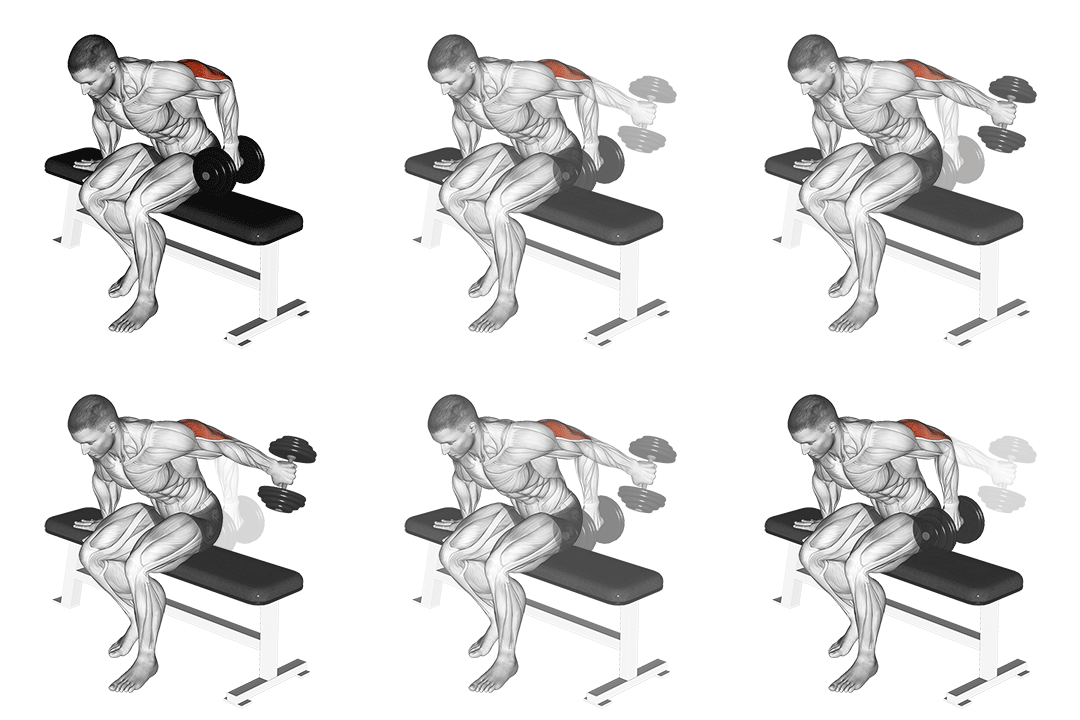
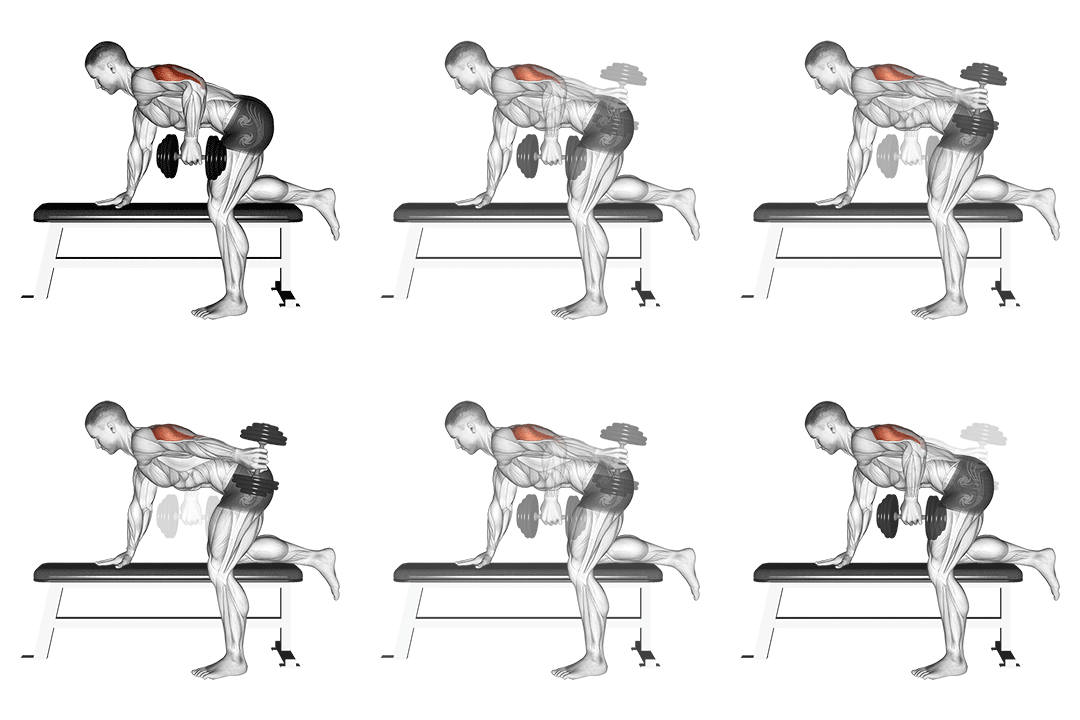
Best match 1. Dumbbell Seated One Arm Kickback
95% match- Triceps
- Dumbbell
- Beginner
- Isolation
It uses the same equipment and still works the triceps.
How to perform this exercise
- Sit on a bench with your feet flat on the ground and hold a dumbbell in one hand.
- Bend your torso forward at the waist, keeping your back straight and parallel to the ground.
- Extend your arm straight back, keeping your elbow close to your body.
- Pause for a moment at the top, then slowly lower the dumbbell back to the starting position.
- Repeat for the desired number of repetitions, then switch arms.
Sets and reps: 3 sets of 10 to 15 reps on each side.
Why this matches
- Movement: kickback, the same as the Dumbbell Seated Kickback
- Primary muscle: triceps, the same as the Dumbbell Seated Kickback
- Equipment: free weights, the same as the Dumbbell Seated Kickback
- Body position: seated, the same as the Dumbbell Seated Kickback
- Triceps
- Dumbbell
- Beginner
- Isolation
How to perform this exercise
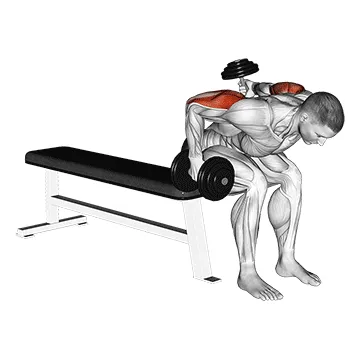
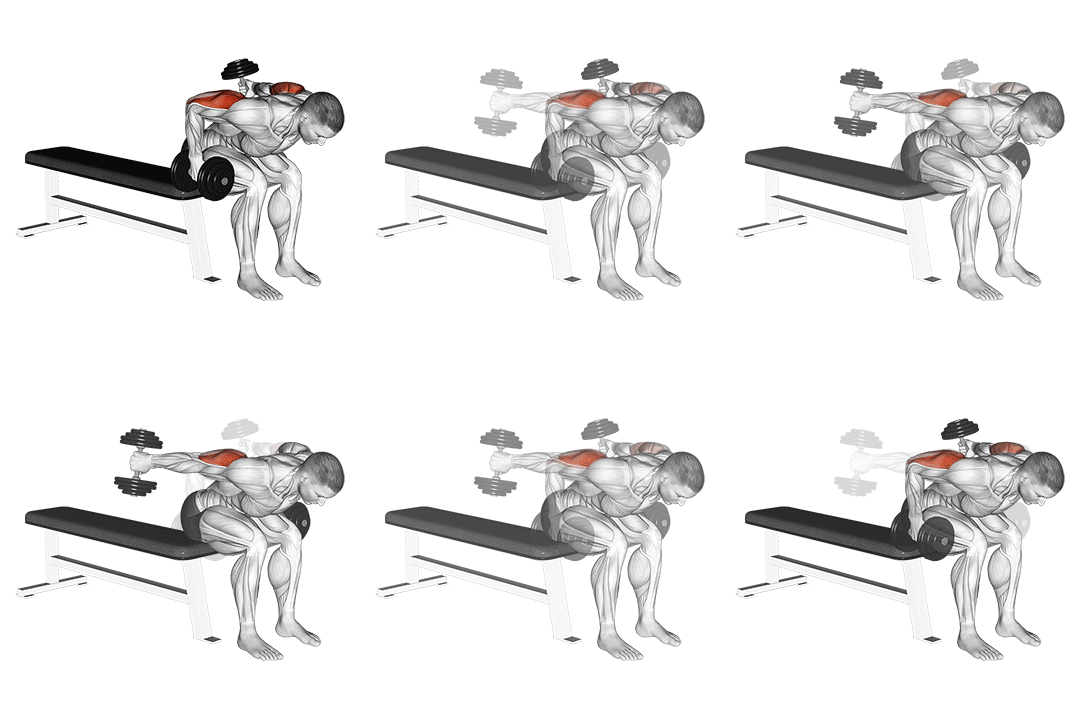
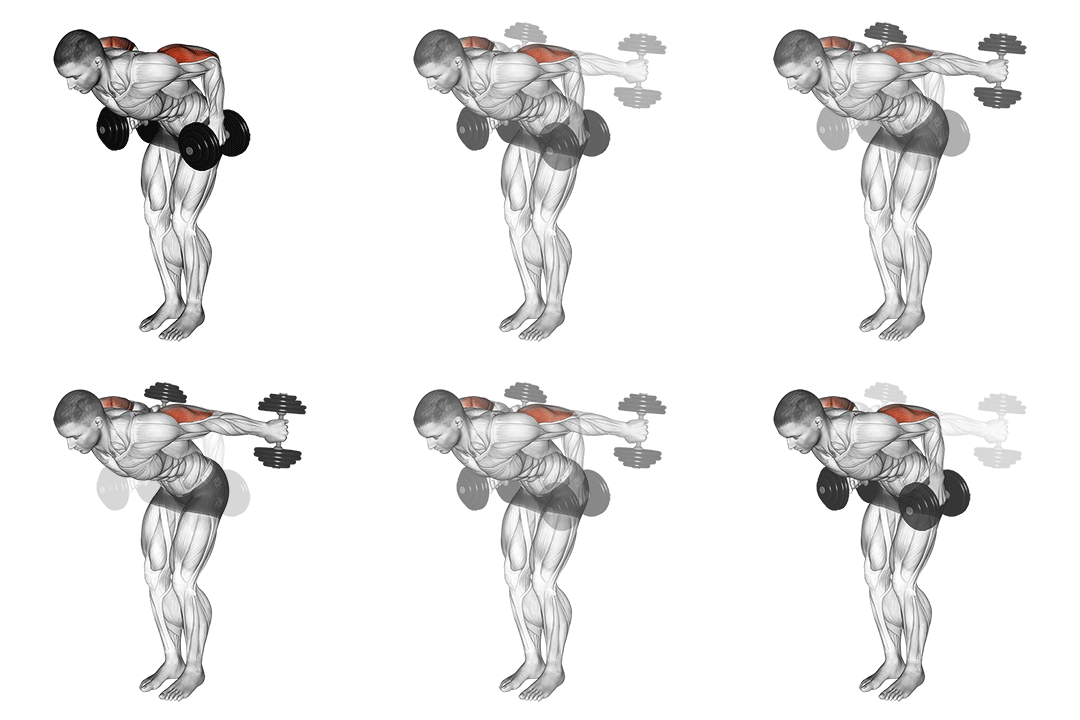
- Sit on a bench with a dumbbell in each hand, palms facing inwards.
- Bend forward at the waist, keeping your back straight and parallel to the ground.
- Extend one arm straight back, keeping it close to your body, until your arm is fully extended.
- Pause for a moment, then slowly lower the dumbbell back to the starting position.
- Repeat with the other arm.
- Continue alternating arms for the desired number of repetitions.
Sets and reps: 3 sets of 10 to 15 reps on each side.
Why this matches
- Movement: kickback, the same as the Dumbbell Seated Kickback
- Primary muscle: triceps, the same as the Dumbbell Seated Kickback
- Equipment: free weights, the same as the Dumbbell Seated Kickback
- Body position: seated, the same as the Dumbbell Seated Kickback
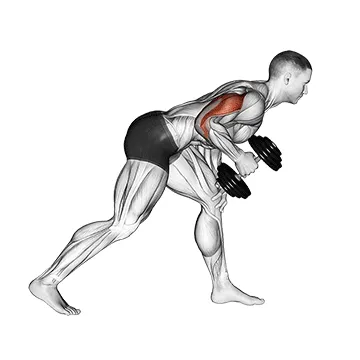
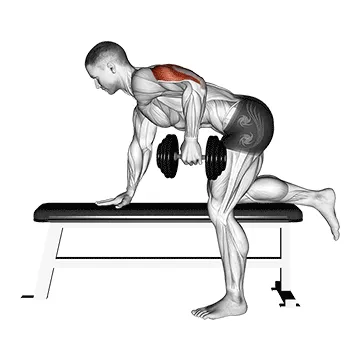
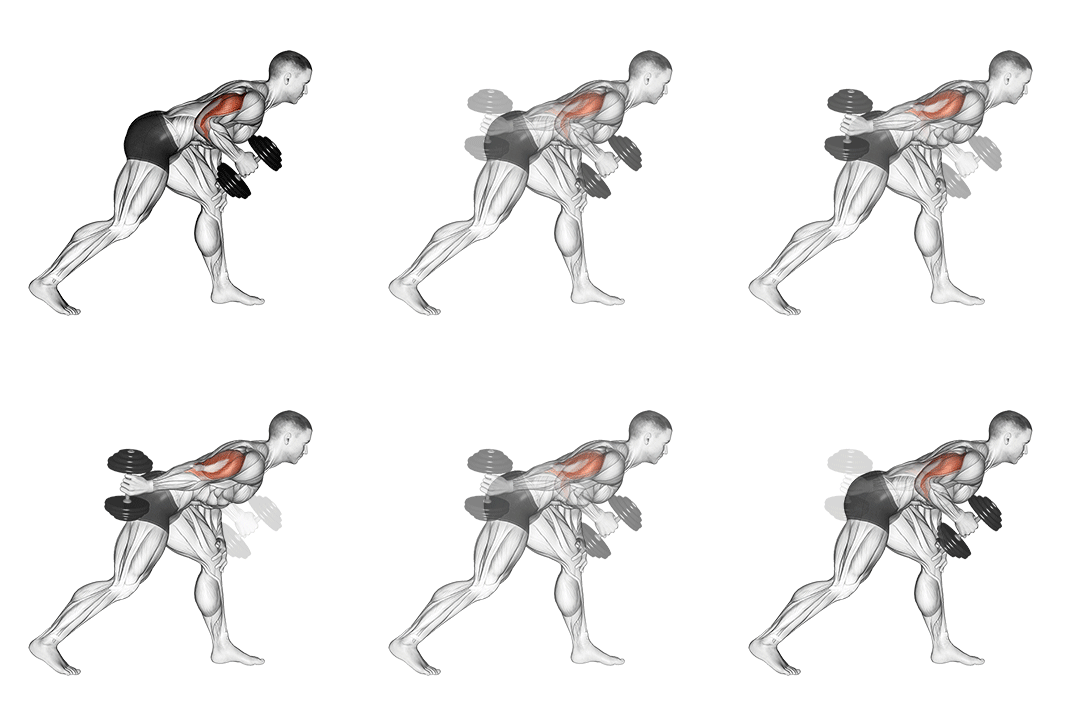
3. Dumbbell One Arm Kickback
90% match- Triceps
- Dumbbell
- Beginner
- Isolation
Pick this when you want to work the triceps with more balance to manage.
How to perform this exercise
- Stand with your feet shoulder-width apart and hold a dumbbell in your right hand.
- Bend your knees slightly and hinge forward at the hips, keeping your back straight.
- Bring your right elbow up to your side, keeping it bent at a 90-degree angle.
- Extend your right arm straight back, squeezing your triceps at the top of the movement.
- Slowly lower the dumbbell back to the starting position.
- Repeat for the desired number of repetitions, then switch sides.
Sets and reps: 3 sets of 10 to 15 reps on each side.
Why this matches
- Movement: kickback, the same as the Dumbbell Seated Kickback
- Primary muscle: triceps, the same as the Dumbbell Seated Kickback
- Equipment: free weights, the same as the Dumbbell Seated Kickback
- Body position: standing, not seated
- Balance: harder to stay steady on than the Dumbbell Seated Kickback
Progression
- Triceps
- Dumbbell
- Intermediate
- Isolation
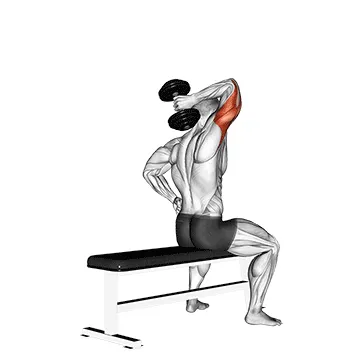
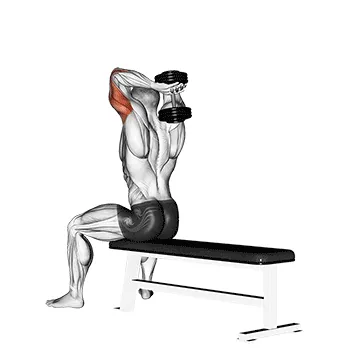
Pick this when you want a harder version that still works the triceps.
How to perform this exercise
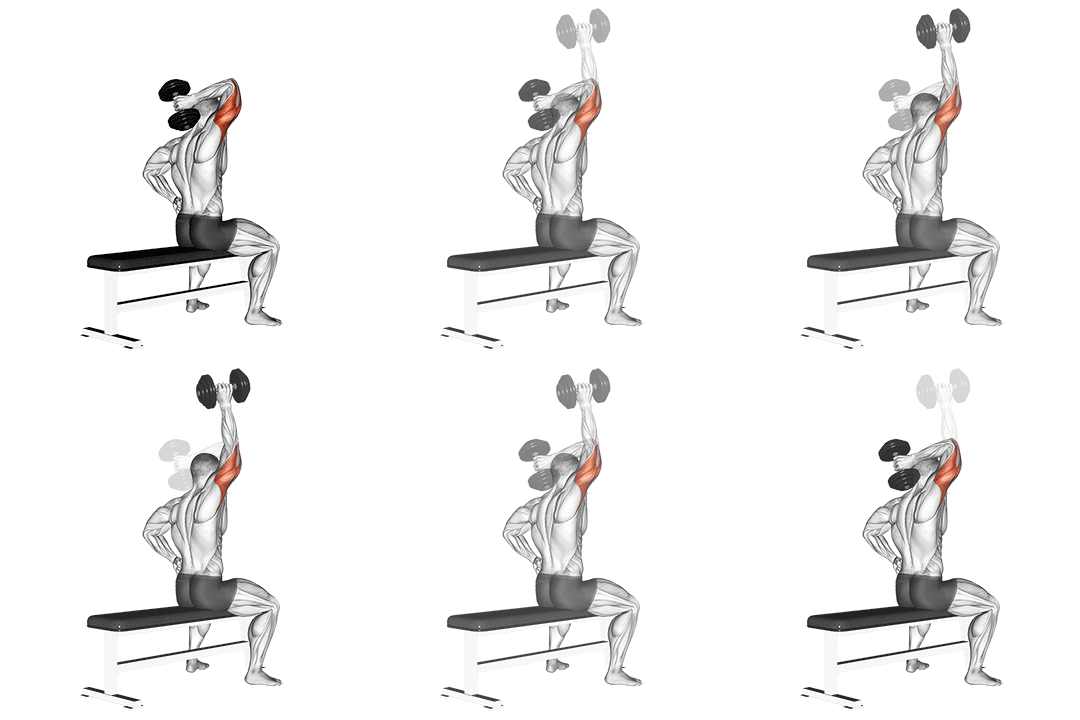
- Sit on a bench with your back straight and feet flat on the ground.
- Hold a dumbbell in one hand and place your other hand on the bench for support.
- Raise the dumbbell overhead, keeping your upper arm close to your head and your elbow pointing forward.
- Lower the dumbbell behind your head by bending your elbow, keeping your upper arm stationary.
- Extend your arm back up to the starting position, fully straightening your elbow.
- Repeat for the desired number of repetitions, then switch arms.
Sets and reps: 3 sets of 10 to 15 reps on each side.
Why this matches
- Primary muscle: triceps, the same as the Dumbbell Seated Kickback
- Equipment: free weights, the same as the Dumbbell Seated Kickback
- Body position: seated, the same as the Dumbbell Seated Kickback
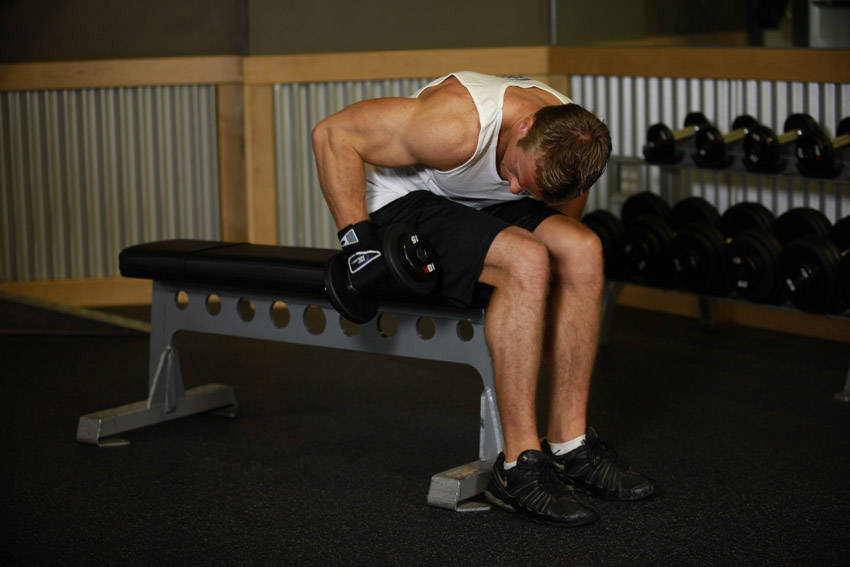
- Triceps
- Dumbbell
- Intermediate
- Isolation
How to perform this exercise
- Sit down at the end of a flat bench with a dumbbell in one arm using a neutral grip (palms of the hand facing you).
- Bend your knees slightly and bring your torso forward, by bending at the waist, while keeping the back straight until it is almost parallel to the floor. Make sure that you keep the head up.
- The upper arm with the dumbbell should be close to the torso and aligned with it (lifted up until it is parallel to the floor while the forearms are pointing towards the floor as the hands hold the weights). Tip: There should be a 90-degree angle between the forearms and the upper arm. This is your starting position.
- Keeping the upper arm stationary, use the triceps to lift the weight as you exhale until the forearm is parallel to the floor and the whole arm is extended. Like many other arm exercises, only the forearm moves.
- After a second contraction at the top, slowly lower the dumbbell back to the starting position as you inhale.
- Repeat the movement for the prescribed amount of repetitions.
- Switch arms and repeat the exercise.
Sets and reps: 3 sets of 10 to 15 reps on each side.
Why this matches
- Primary muscle: triceps, the same as the Dumbbell Seated Kickback
- Equipment: free weights, the same as the Dumbbell Seated Kickback
- Body position: seated, the same as the Dumbbell Seated Kickback
- Balance: harder to stay steady on than the Dumbbell Seated Kickback
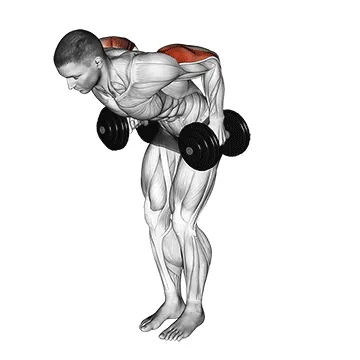
6. Dumbbell Kickback
86% match- Triceps
- Dumbbell
- Beginner
- Isolation
How to perform this exercise
- Stand with your feet shoulder-width apart and hold a dumbbell in each hand.
- Bend your knees slightly and hinge forward at the hips, keeping your back straight.
- Bring your upper arms close to your sides, with your elbows bent at a 90-degree angle.
- Extend your arms straight back, squeezing your triceps at the top of the movement.
- Pause for a moment, then slowly lower the dumbbells back to the starting position.
- Repeat for the desired number of repetitions.
Sets and reps: 3 sets of 10 to 15 reps on each side.
Why this matches
- Movement: kickback, the same as the Dumbbell Seated Kickback
- Primary muscle: triceps, the same as the Dumbbell Seated Kickback
- Equipment: free weights, the same as the Dumbbell Seated Kickback
- Body position: standing, not seated
- Balance: harder to stay steady on than the Dumbbell Seated Kickback
Progression
7. Dumbbell Standing Kickback
86% match- Triceps
- Dumbbell
- Intermediate
- Isolation
How to perform this exercise
- Stand with your feet shoulder-width apart and hold a dumbbell in each hand.
- Bend your knees slightly and hinge forward at the hips, keeping your back straight.
- Extend your arms straight back, squeezing your triceps at the top of the movement.
- Pause for a moment, then slowly lower the dumbbells back to the starting position.
- Repeat for the desired number of repetitions.
Sets and reps: 3 sets of 10 to 15 reps on each side.
Why this matches
- Movement: kickback, the same as the Dumbbell Seated Kickback
- Primary muscle: triceps, the same as the Dumbbell Seated Kickback
- Equipment: free weights, the same as the Dumbbell Seated Kickback
- Body position: standing, not seated
- Balance: harder to stay steady on than the Dumbbell Seated Kickback
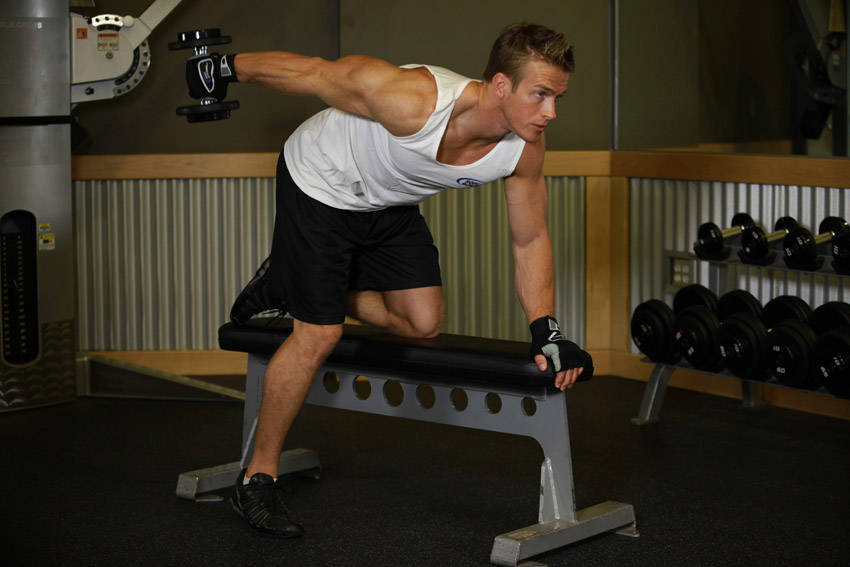
8. Tricep Dumbbell Kickback
86% match- Triceps
- Dumbbell
- Beginner
- Isolation
How to perform this exercise
- Start with a dumbbell in each hand and your palms facing your torso. Keep your back straight with a slight bend in the knees and bend forward at the waist. Your torso should be almost parallel to the floor. Make sure to keep your head up. Your upper arms should be close to your torso and parallel to the floor. Your forearms should be pointed towards the floor as you hold the weights. There should be a 90-degree angle formed between your forearm and upper arm. This is your starting position.
- Now, while keeping your upper arms stationary, exhale and use your triceps to lift the weights until the arm is fully extended. Focus on moving the forearm.
- After a brief pause at the top contraction, inhale and slowly lower the dumbbells back down to the starting position.
- Repeat the movement for the prescribed amount of repetitions.
Sets and reps: 3 sets of 10 to 15 reps on each side.
Why this matches
- Movement: kickback, the same as the Dumbbell Seated Kickback
- Primary muscle: triceps, the same as the Dumbbell Seated Kickback
- Equipment: free weights, the same as the Dumbbell Seated Kickback
- Body position: standing, not seated
- Balance: harder to stay steady on than the Dumbbell Seated Kickback
Progression
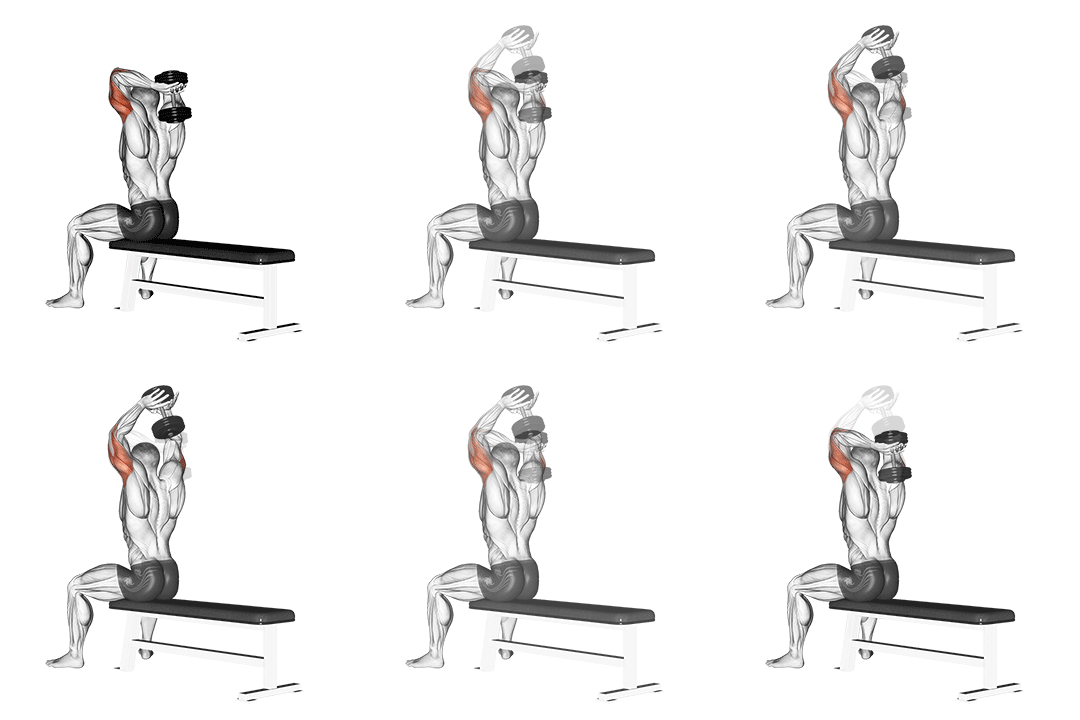
9. Dumbbell Seated Bench Extension
82% match- Triceps
- Dumbbell
- Intermediate
- Isolation
How to perform this exercise
- Sit on a bench with your back straight and feet flat on the ground.
- Hold a dumbbell with both hands and extend your arms straight up above your head.
- Slowly lower the dumbbell behind your head, keeping your elbows close to your ears.
- Pause for a moment, then raise the dumbbell back up to the starting position.
- Repeat for the desired number of repetitions.
Sets and reps: 3 sets of 10 to 15 reps.
Why this matches
- Primary muscle: triceps, the same as the Dumbbell Seated Kickback
- Equipment: free weights, the same as the Dumbbell Seated Kickback
- Body position: seated, the same as the Dumbbell Seated Kickback
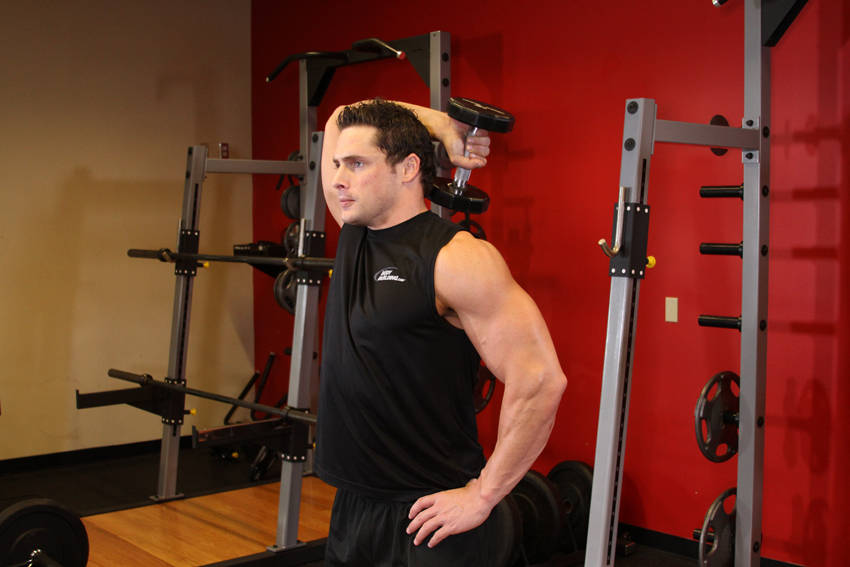
- Triceps
- Dumbbell
- Beginner
- Isolation
How to perform this exercise
- Grab a dumbbell and either sit on a military press bench or a utility bench that has a back support on it as you place the dumbbells upright on top of your thighs or stand up straight.
- Clean the dumbbell up to bring it to shoulder height and then extend the arm over your head so that the whole arm is perpendicular to the floor and next to your head. The dumbbell should be on top of you. The other hand can be kept fully extended to the side, by the waist, supporting the upper arm that has the dumbbell or grabbing a fixed surface.
- Rotate the wrist so that the palm of your hand is facing forward and the pinkie is facing the ceiling. This will be your starting position.
- Slowly lower the dumbbell behind your head as you hold the upper arm stationary. Inhale as you perform this movement and pause when your triceps are fully stretched.
- Return to the starting position by flexing your triceps as you breathe out. Tip: It is imperative that only the forearm moves. The upper arm should remain at all times stationary next to your head.
- Repeat for the recommended amount of repetitions and switch arms.
Sets and reps: 3 sets of 10 to 15 reps on each side.
Why this matches
- Primary muscle: triceps, the same as the Dumbbell Seated Kickback
- Equipment: free weights, the same as the Dumbbell Seated Kickback
- Body position: standing, not seated
Why You Might Need a Dumbbell Seated Kickback Alternative
You may substitute the seated kickback for pain, equipment limits, or training goals. Elbow or wrist irritation, shoulder instability, or no-access to dumbbells are common reasons to switch; cables and bands alter the lever arm and can reduce joint load. Cables provide constant tension, anchor your elbow at your side and press until full elbow extension while keeping the scapula stable. Overhead variants shift emphasis to the long head via increased shoulder flexion torque; cue a tall torso and full elbow flexion to maximize long-head stretch. Choose options that retain strict elbow-extension mechanics and allow progressive overload.
Dumbbell Seated Kickback FAQ
What muscles does Dumbbell Seated Kickback work?
The seated kickback isolates the triceps brachii, primarily engaging the lateral and medial heads with modest long-head involvement. Keep the upper arm fixed and extend at the elbow so the triceps does the work; squeeze at lockout for peak activation.
Can I build muscle without doing Dumbbell Seated Kickback?
Yes. Build triceps size with other movements like pushdowns, skullcrushers, overhead extensions, or weighted dips by applying progressive overload. Focus on strict elbow-extension mechanics, full range of motion, and controlled eccentrics (2–3 seconds) to maximize muscle damage and growth.
Find Alternatives for Any Exercise
Search the exercise database and filter the ranked substitutes by the equipment you own.
Similarity scores compare exercise metadata such as movement pattern, muscles, equipment and body position. They are not a safety rating or a check that you own the equipment. Learn about our methodology