

10 Best Dumbbell Single Arm Overhead Carry Alternatives for Shoulders
The Dumbbell Single Arm Overhead Carry is done standing with dumbbells. Ranked closest by our scoring: the Left Hook. Boxing.
Updated Ranked by our 12-factor similarity model How it works
Original Exercise: Dumbbell Single Arm Overhead Carry
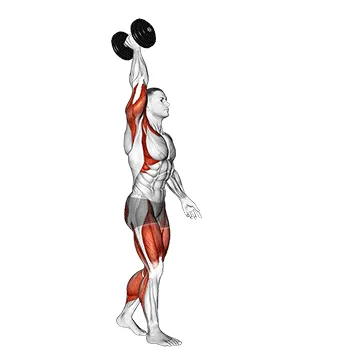
- Primary muscle
- Delts
- Equipment
- Dumbbell
- Difficulty
- Intermediate
- Type
- Compound
Secondary muscles: Traps, Core
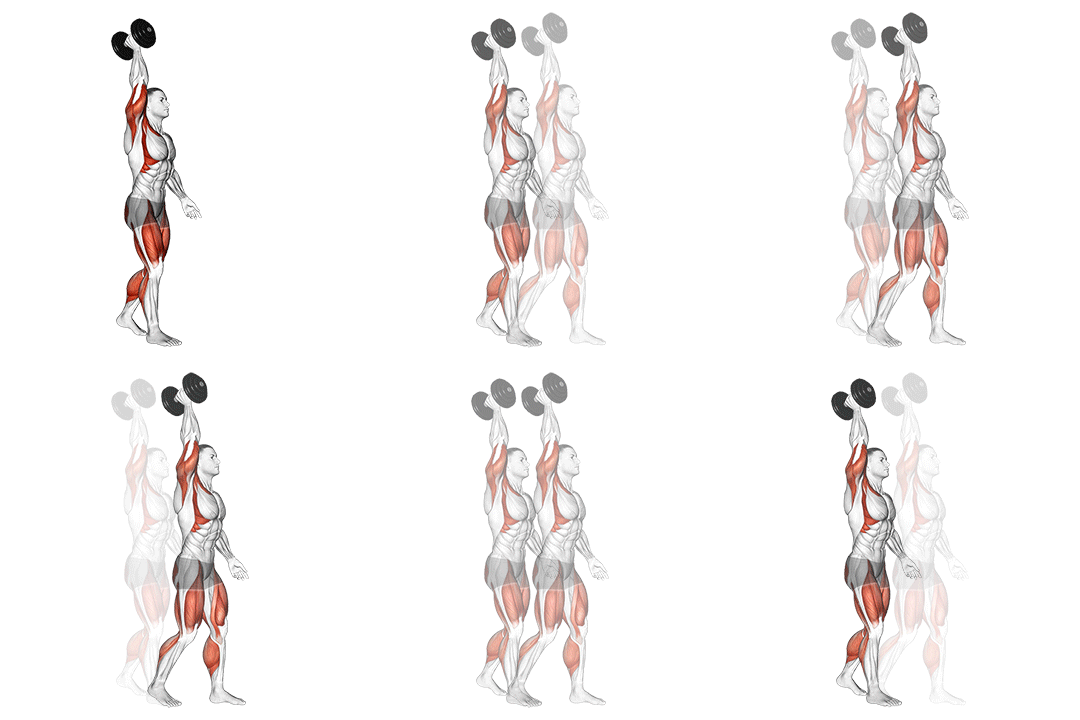
How to perform Dumbbell Single Arm Overhead Carry
- Stand tall with your feet shoulder-width apart, holding a dumbbell in one hand.
- Raise the dumbbell overhead, fully extending your arm.
- Engage your core and keep your back straight as you walk forward, maintaining the dumbbell overhead.
- Continue walking for the desired distance or time.
- Switch hands and repeat the exercise.
Ranked Dumbbell Single Arm Overhead Carry Alternatives
10 substitutes, ranked by how closely each one matches the Dumbbell Single Arm Overhead Carry on movement pattern, muscles worked, equipment and body position. The higher the score, the less you change. Open "How to perform this exercise" on a card for the steps; every card title links to that exercise's own alternatives page.
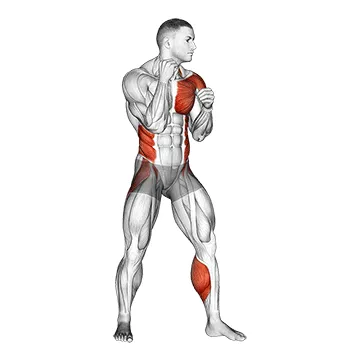
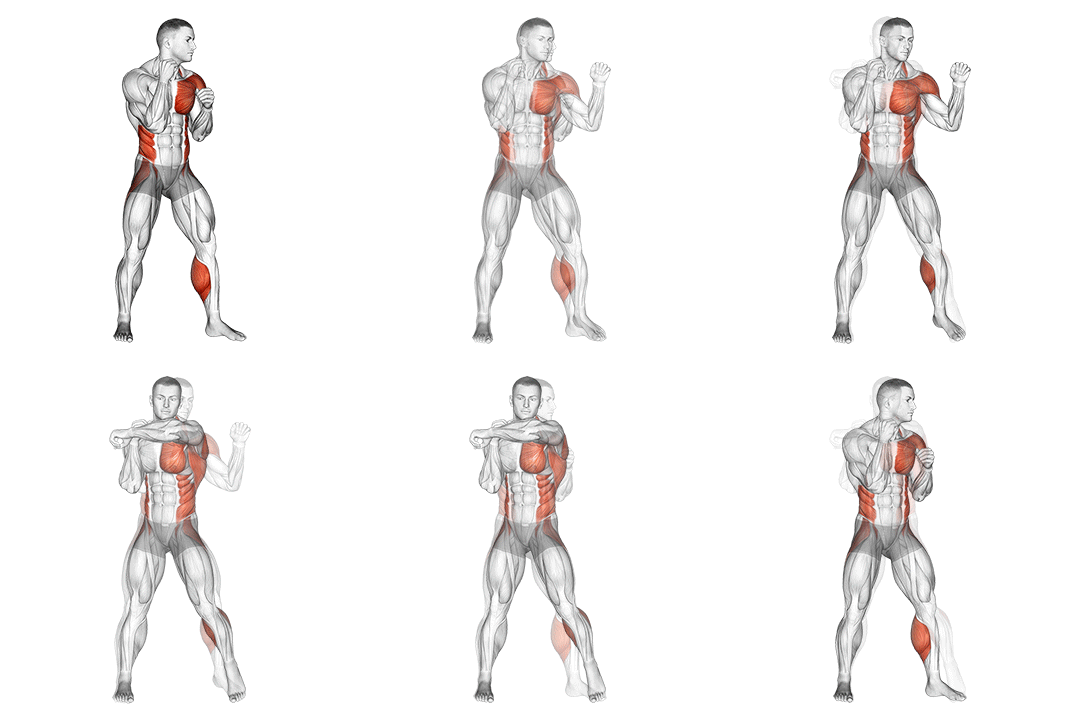
Best match 1. Left Hook. Boxing
50% match- Delts
- Bodyweight
- Intermediate
- Compound
Use this when you have nothing to train with, because it works the delts with bodyweight alone.
How to perform this exercise
- Stand with your feet shoulder-width apart and your knees slightly bent.
- Keep your left hand up to protect your face and your right hand by your chin.
- Rotate your hips and pivot on your left foot as you extend your left arm forward in a punching motion.
- Twist your torso and engage your core muscles to generate power in the punch.
- Snap your arm back to the starting position and repeat for the desired number of repetitions.
Sets and reps: 3 or 4 sets of 6 to 10 reps on each side.
Why this matches
- Primary muscle: delts, the same as the Dumbbell Single Arm Overhead Carry
- Equipment: bodyweight only, not free weights
- Body position: standing, the same as the Dumbbell Single Arm Overhead Carry
2. Plank
42% match- Abs
- Bodyweight
- Beginner
- Compound
A looser match: it works the abs rather than the delts.
How to perform this exercise
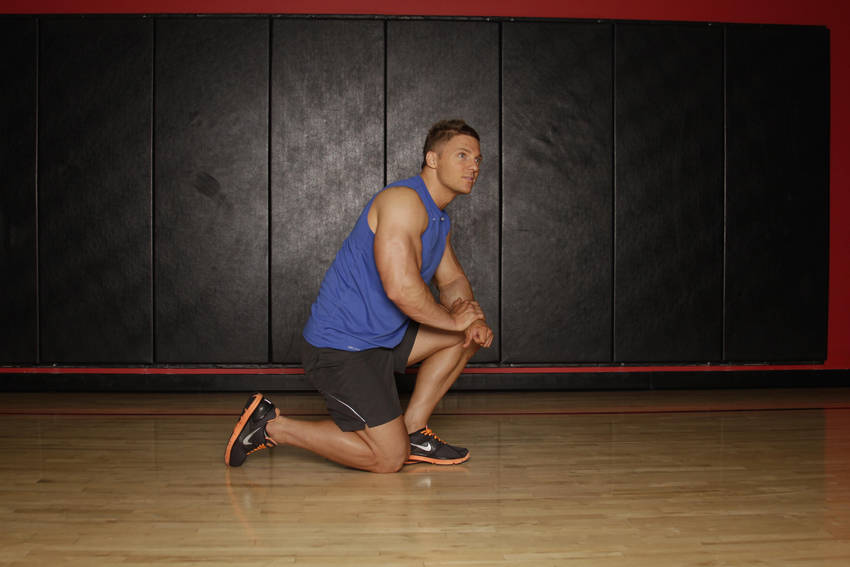
- Get into a prone position on the floor, supporting your weight on your toes and your forearms. Your arms are bent and directly below the shoulder.
- Keep your body straight at all times, and hold this position as long as possible. To increase difficulty, an arm or leg can be raised.
Sets and reps: Hold for 20 to 30 seconds, 3 sets.
Why this matches
- Primary muscle: abs, not delts
- Equipment: bodyweight only, not free weights
- Body position: lying face down, not standing
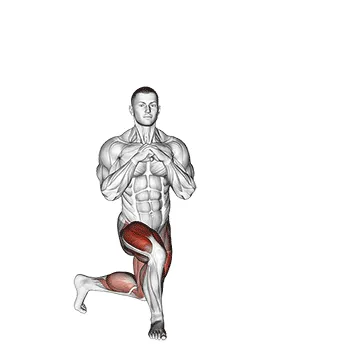
3. Crossover Reverse Lunge
40% match- Glutes
- Bodyweight
- Intermediate
- Compound
A looser match: it works the glutes rather than the delts.
How to perform this exercise
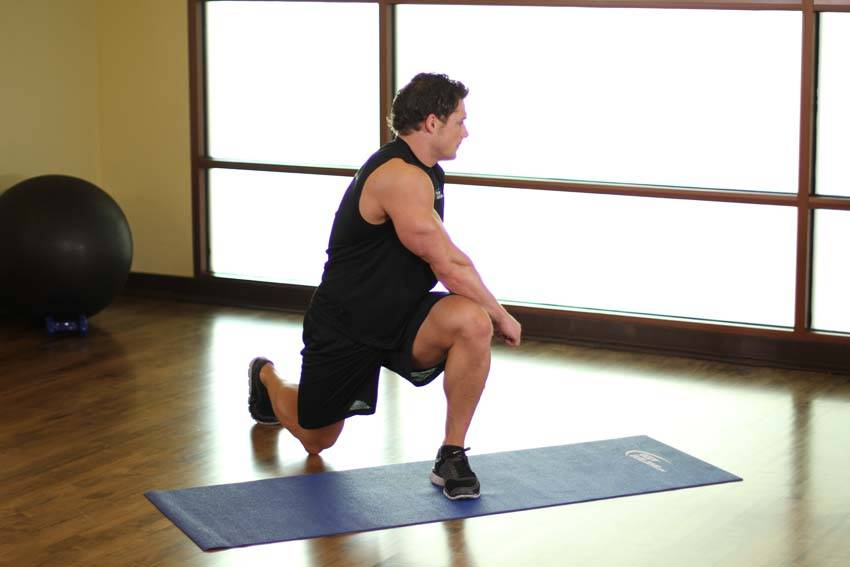
- Stand with your feet shoulder width apart. This will be your starting position.
- Perform a rear lunge by stepping back with one foot and flexing the hips and front knee. As you do so, rotate your torso across the front leg.
- After a brief pause, return to the starting position and repeat on the other side, continuing in an alternating fashion.
Sets and reps: 3 or 4 sets of 6 to 10 reps on each side.
Why this matches
- Primary muscle: glutes, not delts
- Equipment: bodyweight only, not free weights
- Body position: standing, the same as the Dumbbell Single Arm Overhead Carry
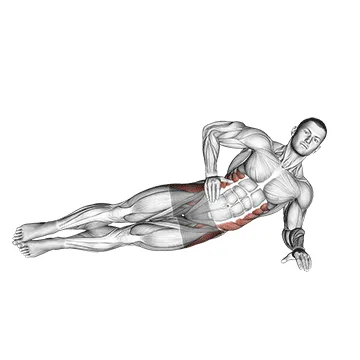
4. Side Bridge
37% match- Abs
- Bodyweight
- Intermediate
- Compound
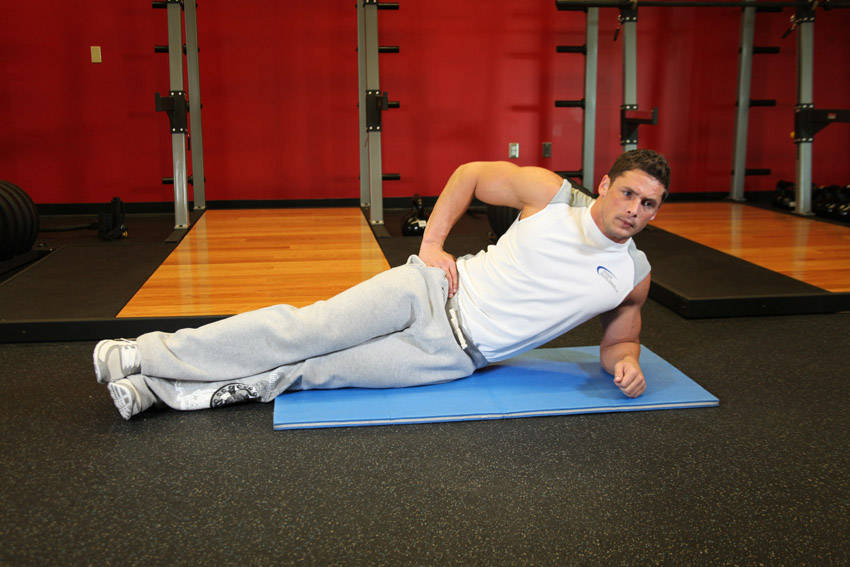
How to perform this exercise
Sets and reps: Hold for 20 to 30 seconds on each side, 3 sets.
Why this matches
- Movement: anti-rotation hold, not overhead carry
- Primary muscle: abs, not delts
- Equipment: bodyweight only, not free weights
- Body position: lying face down, not standing
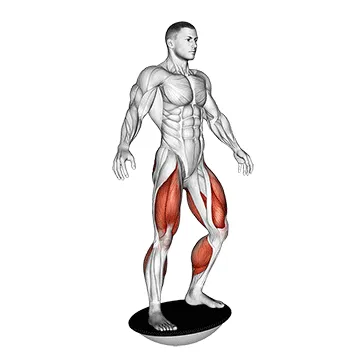
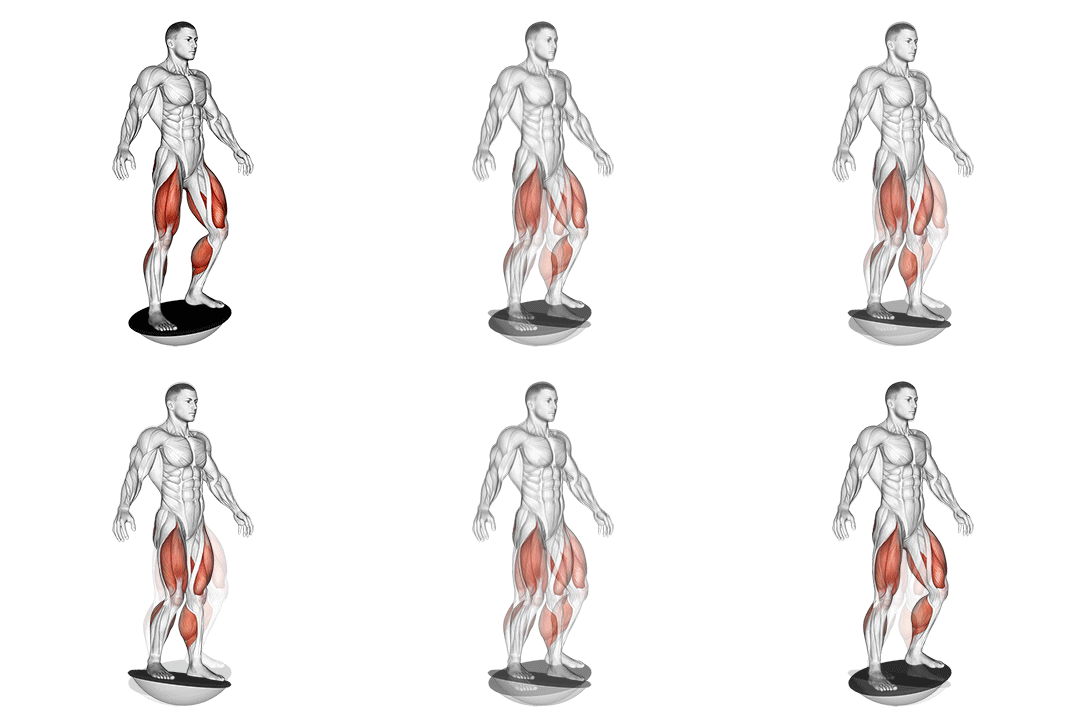
5. Balance Board
37% match- Quads
- Bodyweight
- Intermediate
- Compound
A looser match: it works the quads rather than the delts.
How to perform this exercise
- Place the balance board on a flat surface.
- Step onto the balance board with one foot, ensuring it is centered.
- Slowly shift your weight onto the foot on the balance board, keeping your core engaged.
- Maintain your balance and stability as you hold the position for a desired amount of time.
- Repeat the exercise with the other foot.
Sets and reps: Hold for 20 to 30 seconds, 3 sets.
Why this matches
- Primary muscle: quads, not delts
- Equipment: bodyweight only, not free weights
- Body position: standing, the same as the Dumbbell Single Arm Overhead Carry
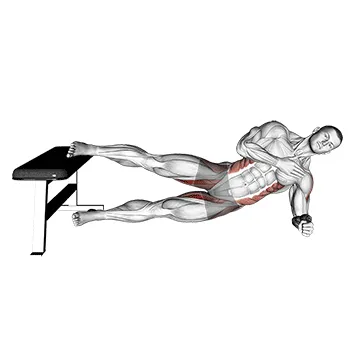
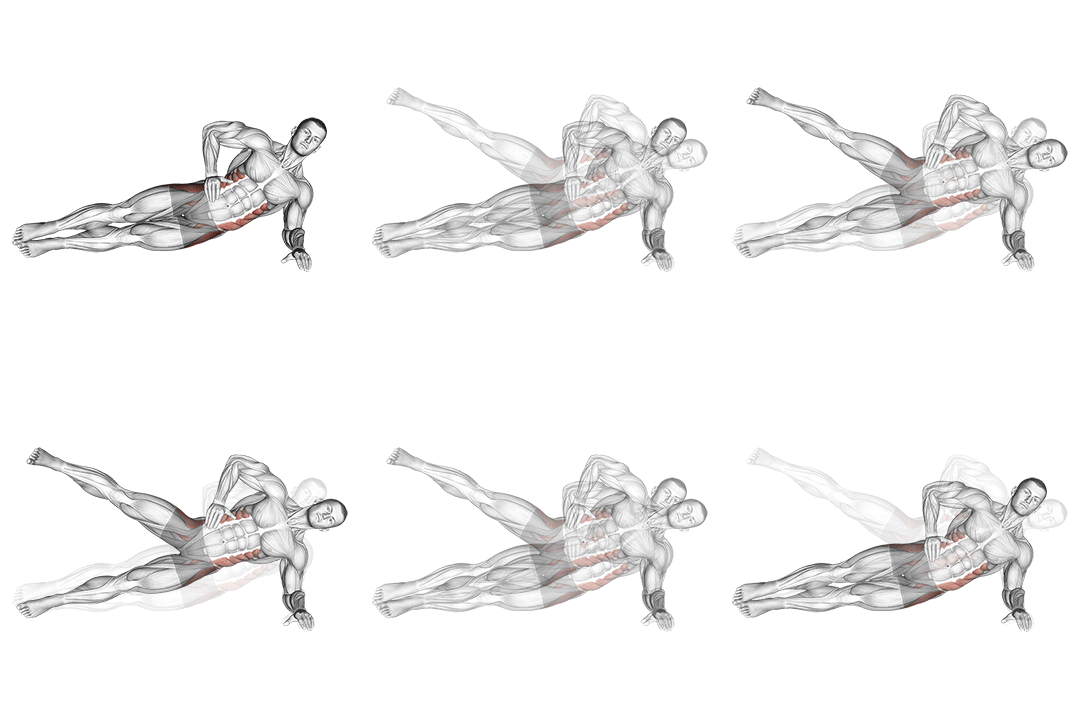
6. Side Bridge Hip Abduction
36% match- Abductors
- Bodyweight
- Intermediate
- Compound
A looser match: it works the abductors rather than the delts.
How to perform this exercise
- Lie on your side with your legs extended and stacked on top of each other.
- Prop yourself up on your forearm, keeping your elbow directly below your shoulder.
- Engage your core and lift your hips off the ground, creating a straight line from your head to your feet.
- While keeping your core engaged, lift your top leg as high as possible without rotating your hips.
- Pause for a moment at the top, then lower your leg back down.
- Repeat for the desired number of repetitions, then switch sides.
Sets and reps: 3 or 4 sets of 6 to 10 reps on each side.
Why this matches
- Primary muscle: abductors, not delts
- Equipment: bodyweight only, not free weights
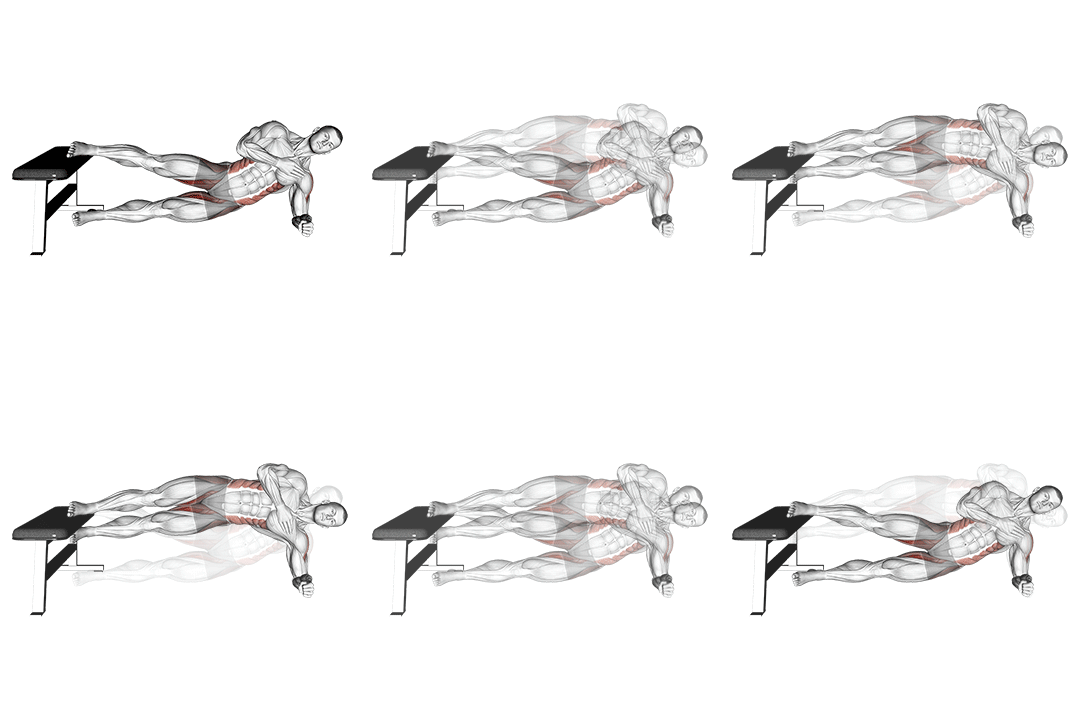
7. Side Plank Hip Adduction
36% match- Adductors
- Bodyweight
- Intermediate
- Compound
A looser match: it works the adductors rather than the delts.
How to perform this exercise
- Start by lying on your side with your legs extended and stacked on top of each other.
- Prop yourself up on your forearm, keeping your elbow directly below your shoulder.
- Engage your core and lift your hips off the ground, creating a straight line from your head to your feet.
- While maintaining the side plank position, lift your top leg towards the ceiling, keeping it straight.
- Slowly lower your leg back down to the starting position.
- Repeat for the desired number of repetitions, then switch sides.
Sets and reps: 3 or 4 sets of 6 to 10 reps on each side.
Why this matches
- Primary muscle: adductors, not delts
- Equipment: bodyweight only, not free weights
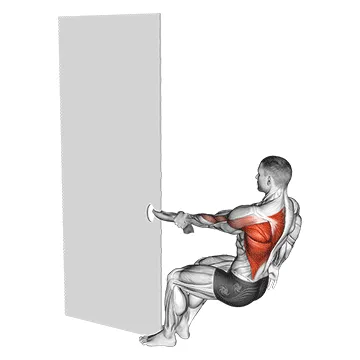
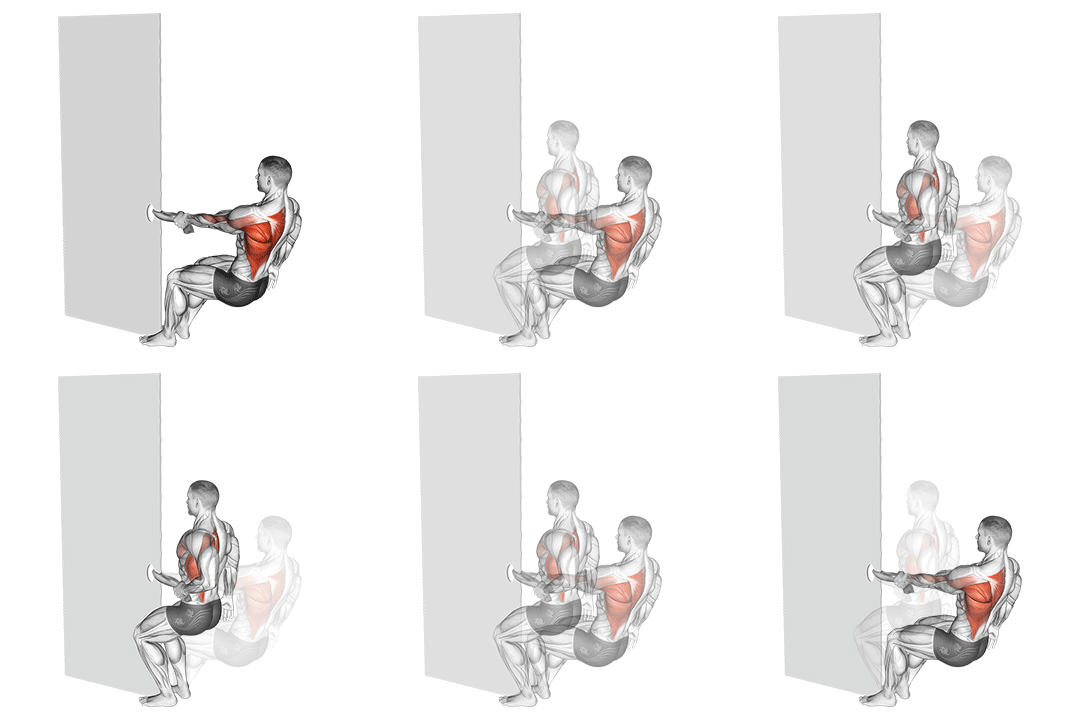
8. One Arm Towel Row
35% match- Upper Back
- Bodyweight
- Intermediate
- Compound
How to perform this exercise
- Stand with your feet shoulder-width apart, knees slightly bent, and hold a towel with one hand.
- Bend forward at the waist, keeping your back straight and your core engaged.
- Extend your arm fully, allowing the towel to hang in front of you.
- Pull the towel towards your chest, squeezing your shoulder blades together.
- Pause for a moment at the top, then slowly lower the towel back to the starting position.
- Repeat for the desired number of repetitions, then switch arms.
Sets and reps: 3 or 4 sets of 6 to 10 reps on each side.
Why this matches
- Primary muscle: upper back, not delts
- Equipment: bodyweight only, not free weights
- Body position: standing, the same as the Dumbbell Single Arm Overhead Carry
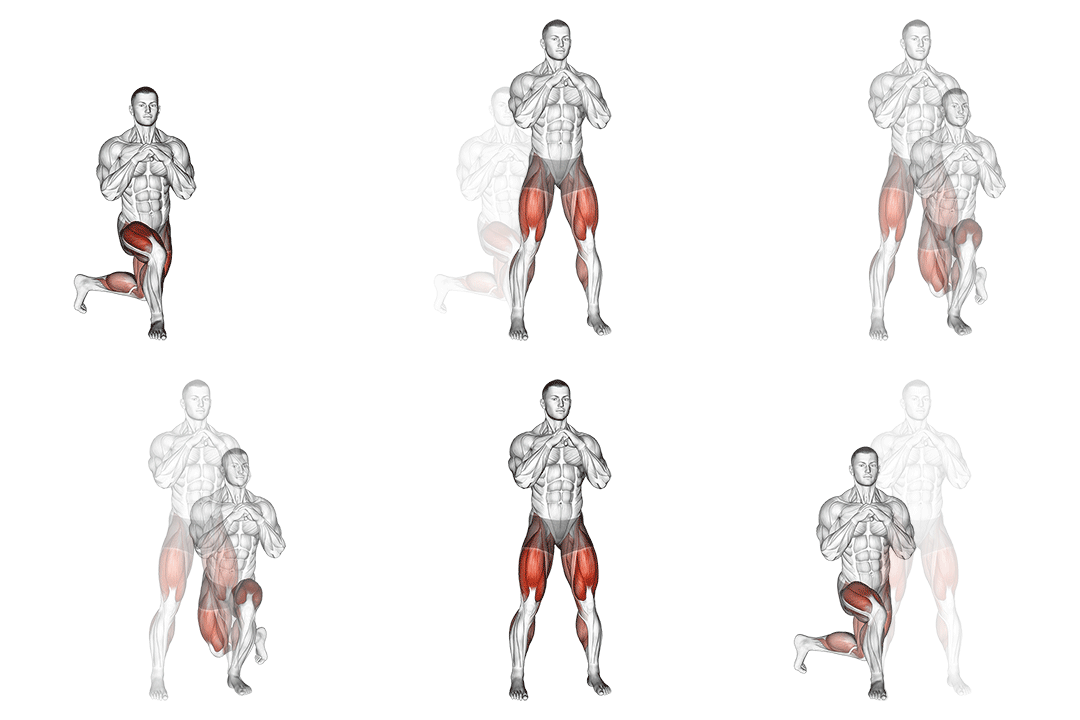
9. Curtsey Squat
35% match- Glutes
- Bodyweight
- Beginner
- Compound
How to perform this exercise
- Stand with your feet shoulder-width apart.
- Take a step diagonally behind and across your body with your right foot, crossing it behind your left leg.
- Bend both knees as if you were curtsying, lowering your body towards the ground.
- Keep your torso upright and your weight on your front foot.
- Push through your front foot to return to the starting position.
- Repeat on the other side, stepping diagonally behind and across your body with your left foot.
Sets and reps: 3 sets of 8 to 12 reps on each side, and add reps before you add load.
Why this matches
- Primary muscle: glutes, not delts
- Equipment: bodyweight only, not free weights
- Body position: standing, the same as the Dumbbell Single Arm Overhead Carry
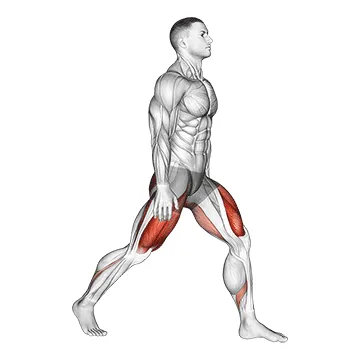
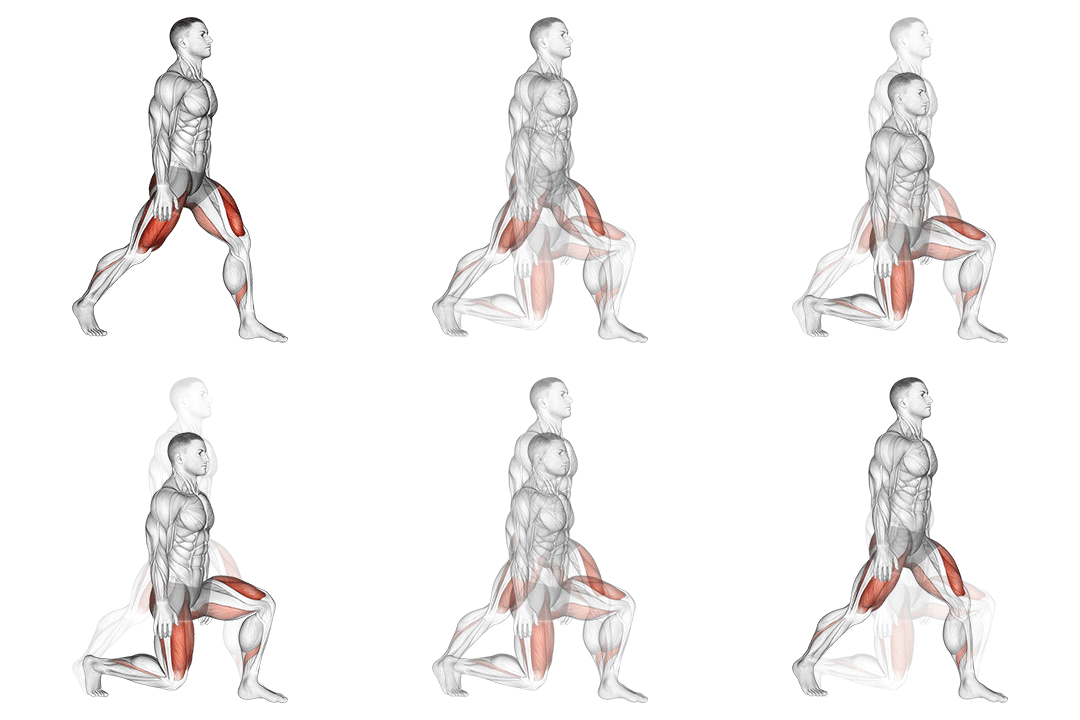
10. Split Squats
35% match- Quads
- Bodyweight
- Intermediate
- Compound
How to perform this exercise
- Stand with your feet shoulder-width apart.
- Take a step forward with one foot and place it about two feet in front of the other foot.
- Lower your body by bending your knees and hips, keeping your back straight.
- Continue lowering until your front thigh is parallel to the ground, and your back knee is hovering just above the ground.
- Pause for a moment, then push through your front heel to return to the starting position.
- Repeat for the desired number of repetitions, then switch legs and repeat.
Sets and reps: 3 or 4 sets of 6 to 10 reps on each side.
Why this matches
- Primary muscle: quads, not delts
- Equipment: bodyweight only, not free weights
- Body position: standing, the same as the Dumbbell Single Arm Overhead Carry
Why You Might Need a Dumbbell Single Arm Overhead Carry Alternative
You might substitute the dumbbell single-arm overhead carry for shoulder pain, limited mobility, or lack of equipment. Overhead carries demand rotator cuff control, scapular upward rotation, and anti-extension core strength; if any of those are compromised you need a safer option. For rehab, pick loaded holds with shorter duration and lighter weight; cue a neutral wrist and packed shoulder to reduce impingement and keep deltoid activation. For travel or busy gyms, use a kettlebell or sandbag overhead hold to approximate the same deltoid and scapular stabilizer recruitment while reducing wrist strain.
How to Choose the Right Dumbbell Single Arm Overhead Carry Substitute
Select a substitute based on shoulder mobility, available equipment, and training goal. For strength and hypertrophy prioritize heavier, controlled holds or single-arm overhead presses with tempo; cue a locked elbow and scapular upward rotation to ensure delt loading. For stability and conditioning favor carries with lighter weight and longer walks to train anti-lateral-flexion and core bracing; cue a tall posture and braced ribs to prevent lumbar extension. If you have rotator cuff issues, choose bilateral overhead holds or isometric press holds to distribute load and reduce shear on the glenohumeral joint.
Dumbbell Single Arm Overhead Carry FAQ
What muscles does Dumbbell Single Arm Overhead Carry work?
The exercise primarily targets the deltoids, especially the middle and posterior heads, while demanding rotator cuff and scapular stabilizer engagement to maintain an elevated humerus. It also recruits the obliques and lumbar extensors for anti-lateral-flexion and anti-extension; cue a locked elbow and packed shoulder to maximize delt activation.
What is the best bodyweight alternative to Dumbbell Single Arm Overhead Carry?
A wall-facing handstand hold is the best bodyweight alternative because it loads the delts and trains scapular control without external weight. Set your hands shoulder-width, push through the palms to protract the scapulae, and keep the core braced to mimic the anti-extension demand of carries.
Find Alternatives for Any Exercise
Search the exercise database and filter the ranked substitutes by the equipment you own.
Similarity scores compare exercise metadata such as movement pattern, muscles, equipment and body position. They are not a safety rating or a check that you own the equipment. Learn about our methodology