

10 Best Exercise Ball Back Extension With Rotation Alternatives for Gym
If you can't use a stability ball, replace the Exercise Ball Back Extension With Rotation with exercises that preserve spinal extension and rotational control. Top options: Romanian deadlift, Roman-chair back extension, kettlebell swing, reverse hyper, and bird-dog with rotation. Cue: maintain a neutral lumbar spine and initiate rotation from the thoracic spine to protect the erector spinae.
Original Exercise: Exercise Ball Back Extension With Rotation
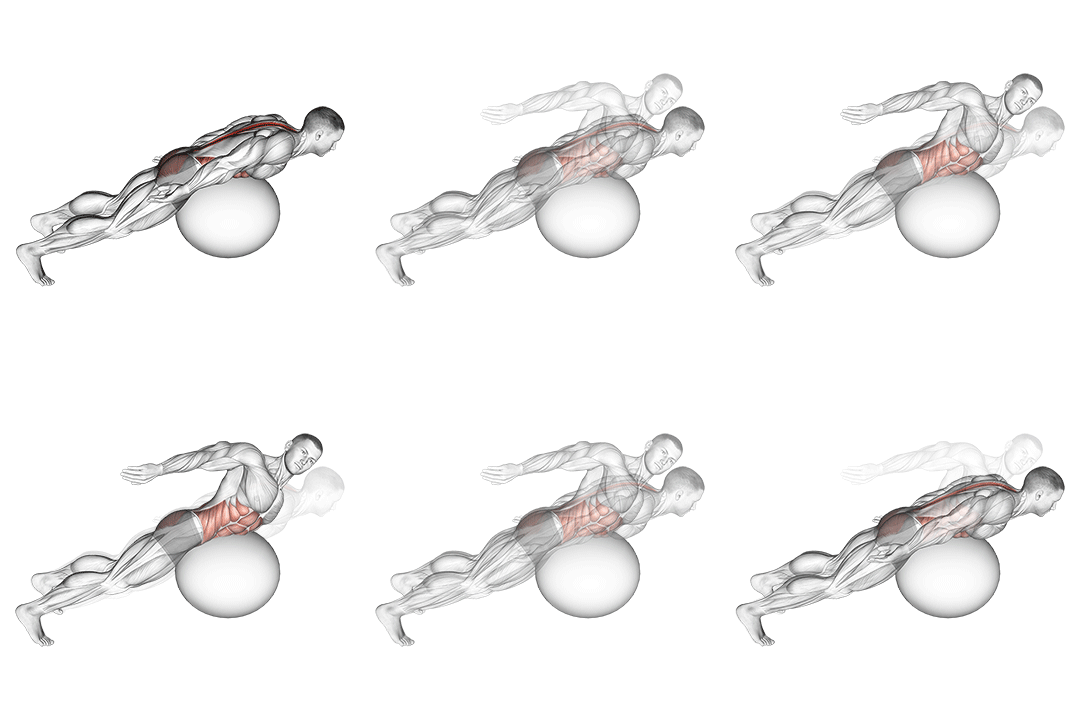
How to Perform Exercise Ball Back Extension With Rotation
- Start by lying face down on the stability ball with your hips resting on the ball and your feet firmly planted on the ground.
- Place your hands behind your head or cross them over your chest.
- Engage your core and slowly lift your upper body off the ball, extending your back until your body forms a straight line from your head to your heels.
- Pause for a moment at the top, then slowly rotate your torso to one side, keeping your hips and legs stable.
- Return to the center and repeat the rotation to the other side.
- Lower your upper body back down to the starting position and repeat for the desired number of repetitions.
Ranked Exercise Ball Back Extension With Rotation Alternatives
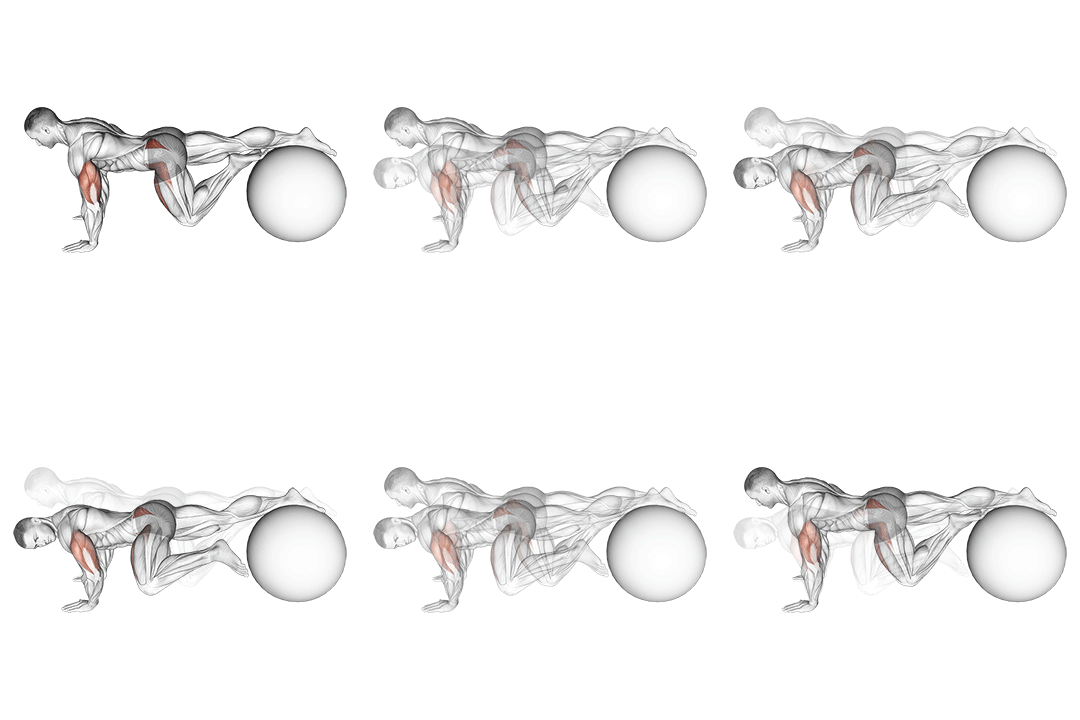
1. Exercise Ball One Leg Prone Lower Body Rotation
76.7% MatchHow to perform this exercise
- Lie face down on the stability ball with your hips resting on the ball and your legs extended straight behind you.
- Place your hands on the ground in front of you for support.
- Engage your glutes and core muscles to stabilize your body.
- Slowly lift one leg off the ground, keeping it straight and parallel to the floor.
- Rotate your leg outward, away from your body, while keeping your hips and upper body stable.
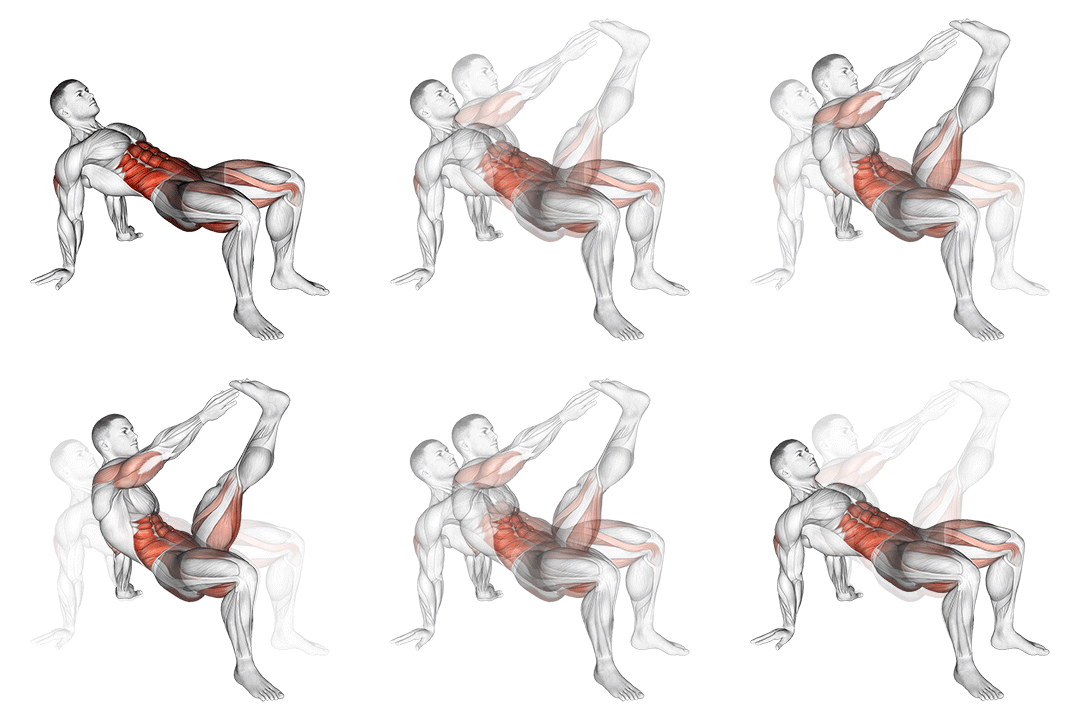
2. Crab Twist Toe Touch
76.2% MatchHow to perform this exercise
- Start by sitting on the ground with your knees bent and feet flat on the floor.
- Place your hands behind you, fingers pointing towards your feet, and lift your hips off the ground.
- Extend one leg straight out in front of you while simultaneously reaching your opposite hand towards your toes.
- Return to the starting position and repeat on the other side.
- Continue alternating sides for the desired number of repetitions.
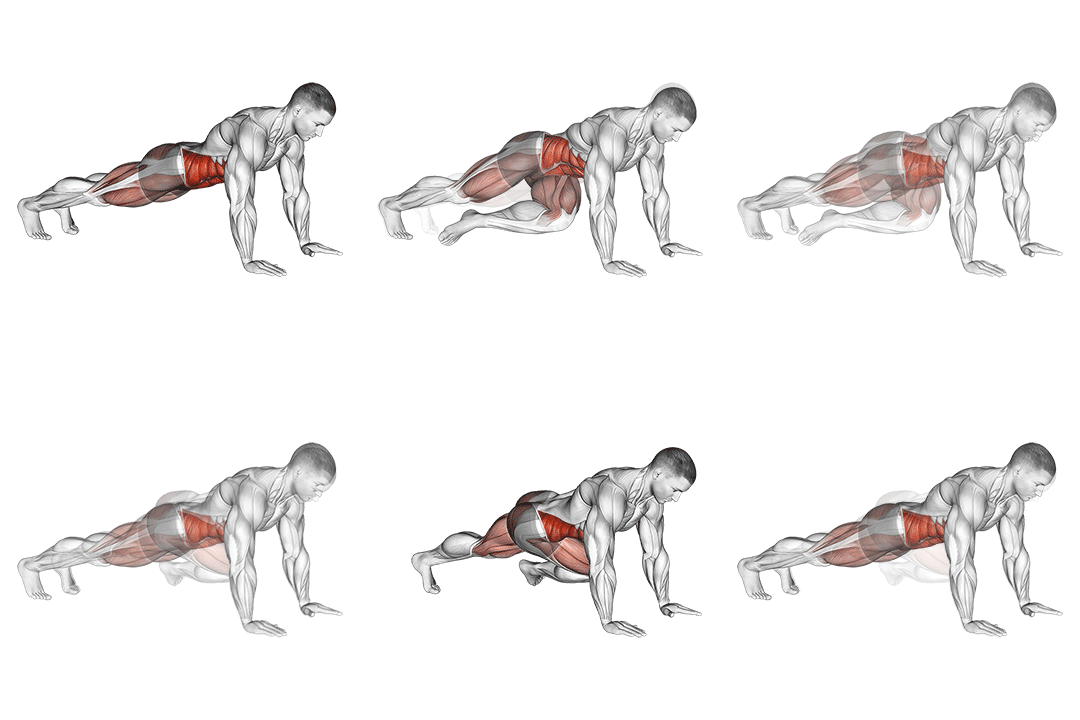
3. Bridge - Mountain Climber (cross Body)
76% MatchHow to perform this exercise
- Start in a high plank position with your hands directly under your shoulders and your body in a straight line.
- Engage your core and lift your right foot off the ground, bringing your right knee towards your left elbow.
- Return your right foot to the starting position and repeat the movement with your left foot towards your right elbow.
- Continue alternating sides, moving at a controlled pace.
- Keep your hips level and avoid lifting your hips too high or sagging them too low.
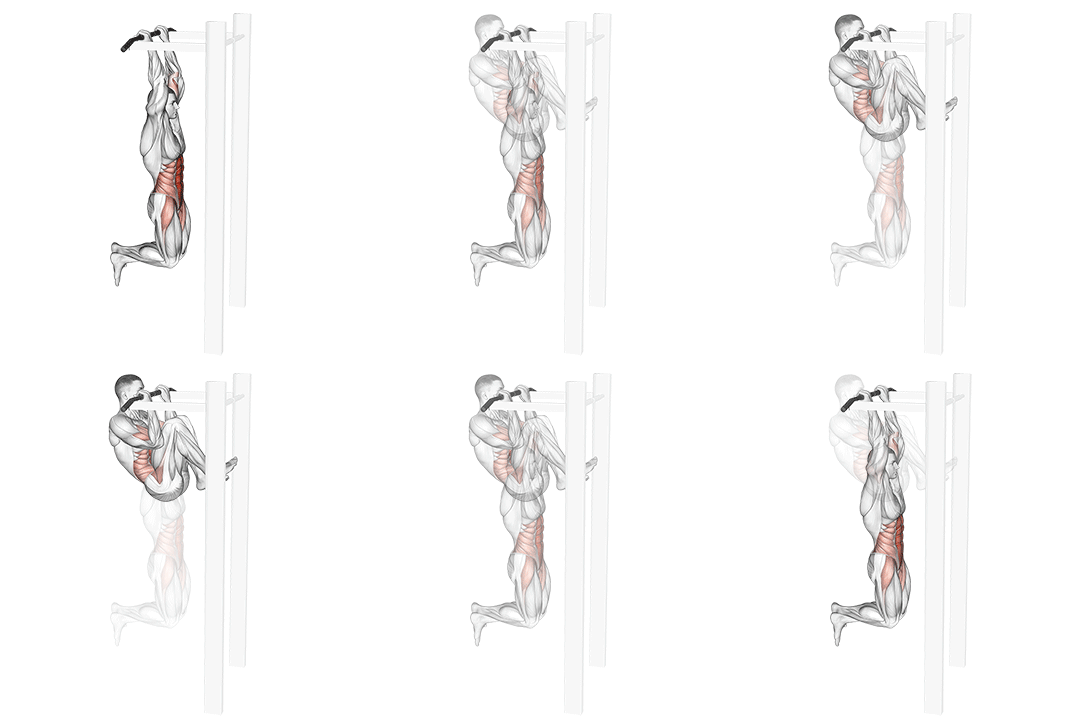
4. Gorilla Chin
72.4% MatchHow to perform this exercise
- Stand with your feet shoulder-width apart and your knees slightly bent.
- Grasp a pull-up bar with an overhand grip, slightly wider than shoulder-width apart.
- Hang from the bar with your arms fully extended and your palms facing away from you.
- Engage your core and pull your body up towards the bar, bringing your chin above the bar.
- Pause for a moment at the top, then slowly lower your body back down to the starting position.
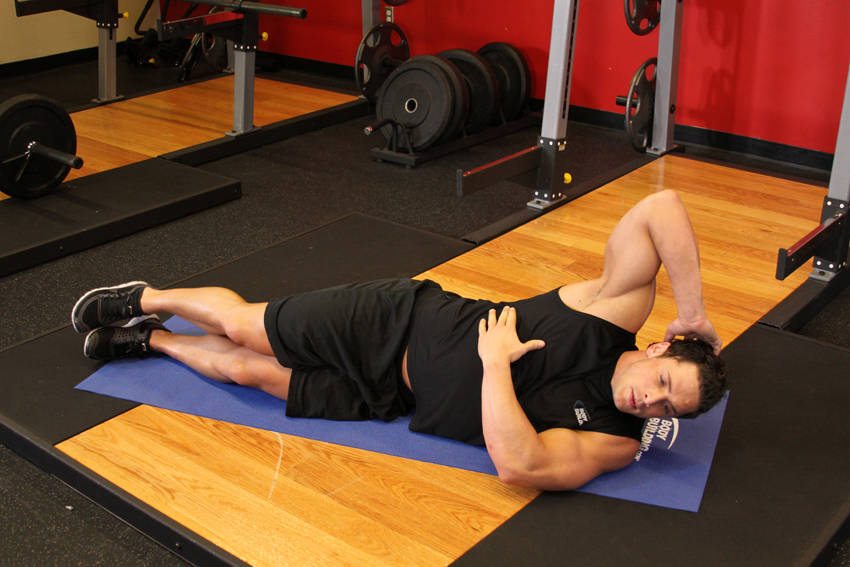
5. Side Jackknife
72.4% Match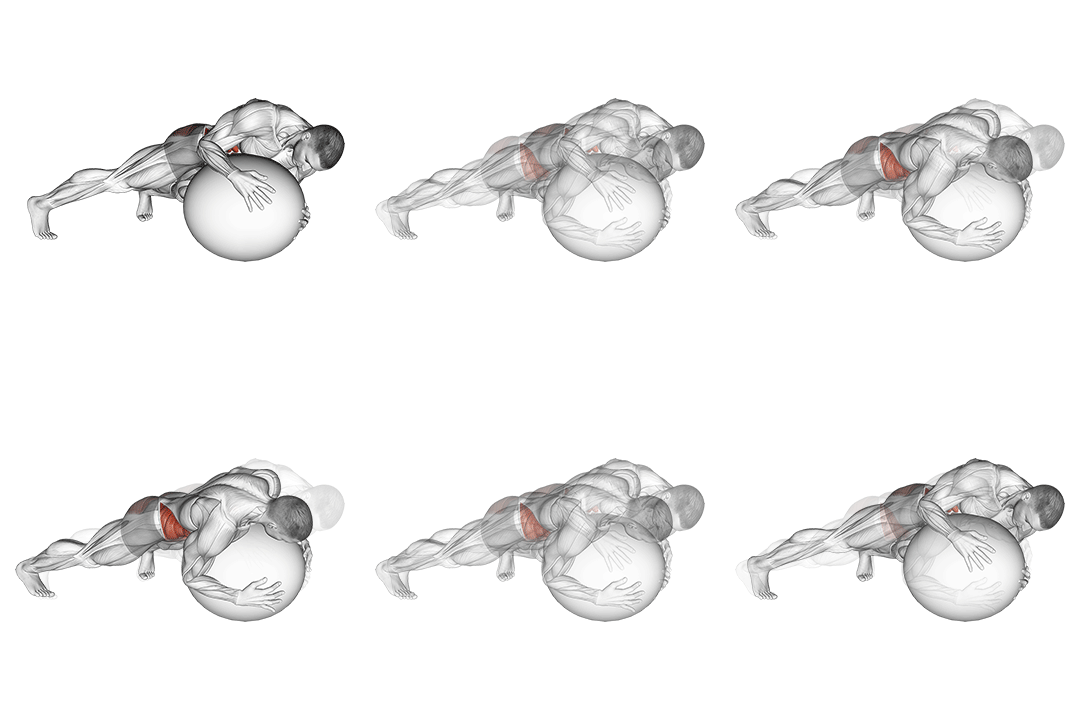
6. Prone Twist On Stability Ball
71.7% MatchHow to perform this exercise
- Start by lying face down on a stability ball with your feet shoulder-width apart and your toes touching the ground.
- Place your hands behind your head or cross them over your chest.
- Engage your core muscles and slowly lift your upper body off the ball, keeping your back straight.
- Rotate your torso to one side, bringing your shoulder towards your hip. Keep your hips and legs stable throughout the movement.
- Pause for a moment, then return to the starting position.
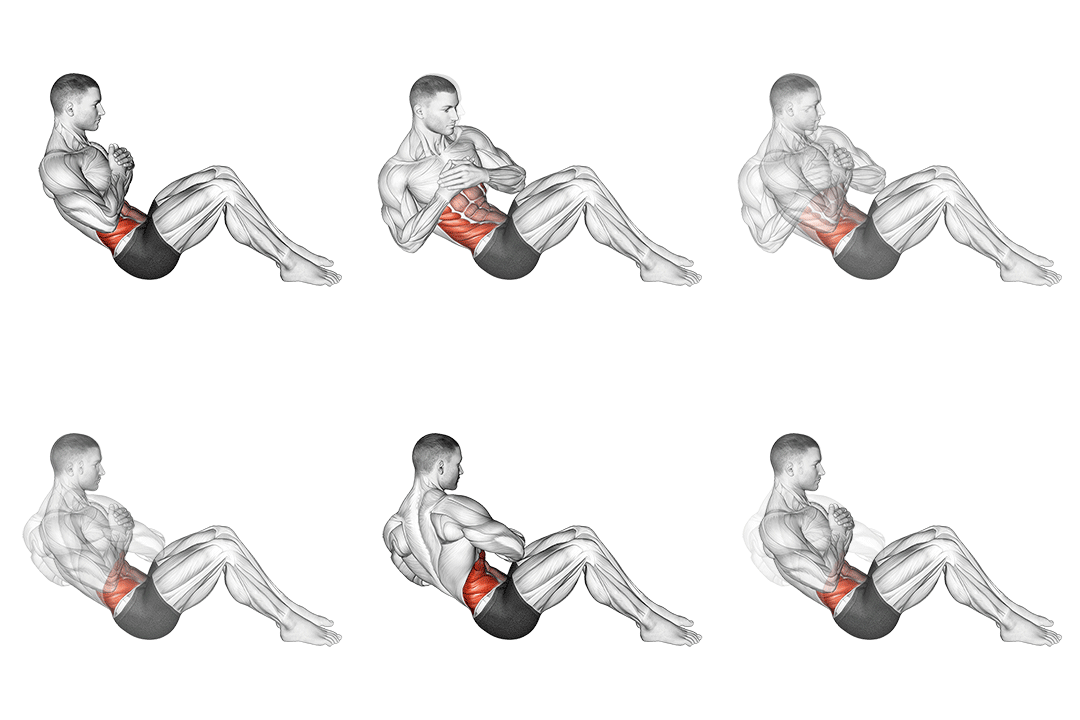
7. Russian Twist
69.3% MatchHow to perform this exercise
- Sit on the ground with your knees bent and feet flat on the floor.
- Lean back slightly while keeping your back straight and your core engaged.
- Hold your hands together in front of your chest or hold a weight if desired.
- Lift your feet off the ground, balancing on your sit bones.
- Twist your torso to the right, bringing your hands or weight towards the right side of your body.
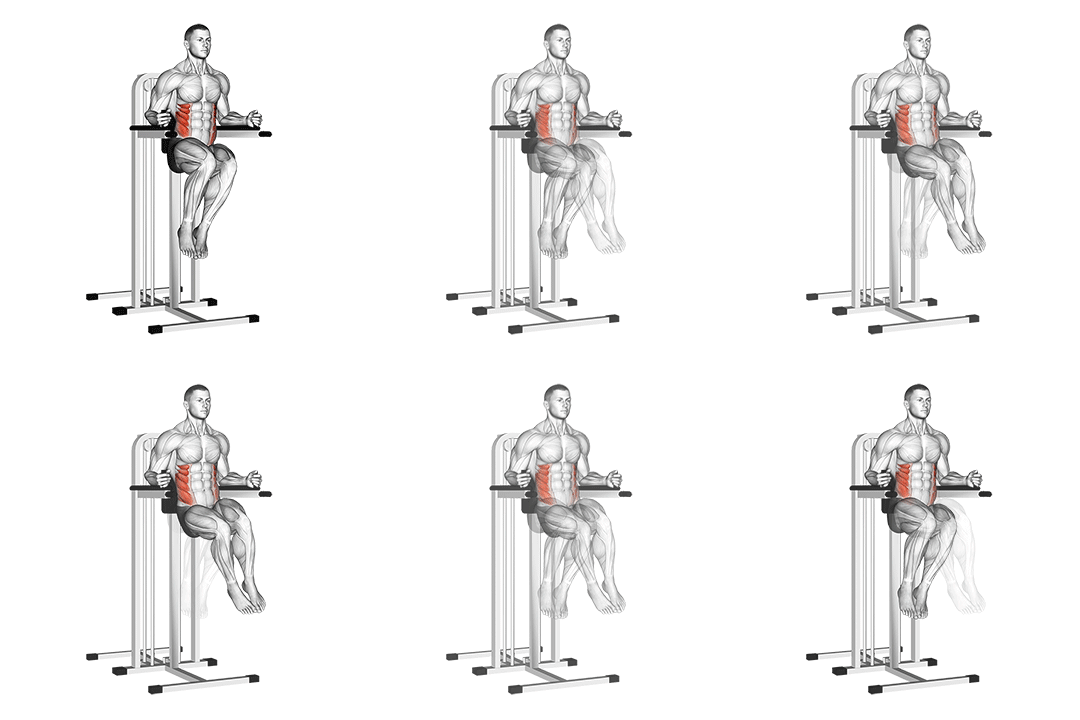
8. Side Hip (on Parallel Bars)
69.2% MatchHow to perform this exercise
- Stand between two parallel bars with your feet shoulder-width apart.
- Place your hands on the bars and lift your body off the ground, supporting your weight on your arms.
- Engage your abs and slowly lift your legs to the side, keeping them straight.
- Pause for a moment at the top, then slowly lower your legs back down to the starting position.
- Repeat for the desired number of repetitions.
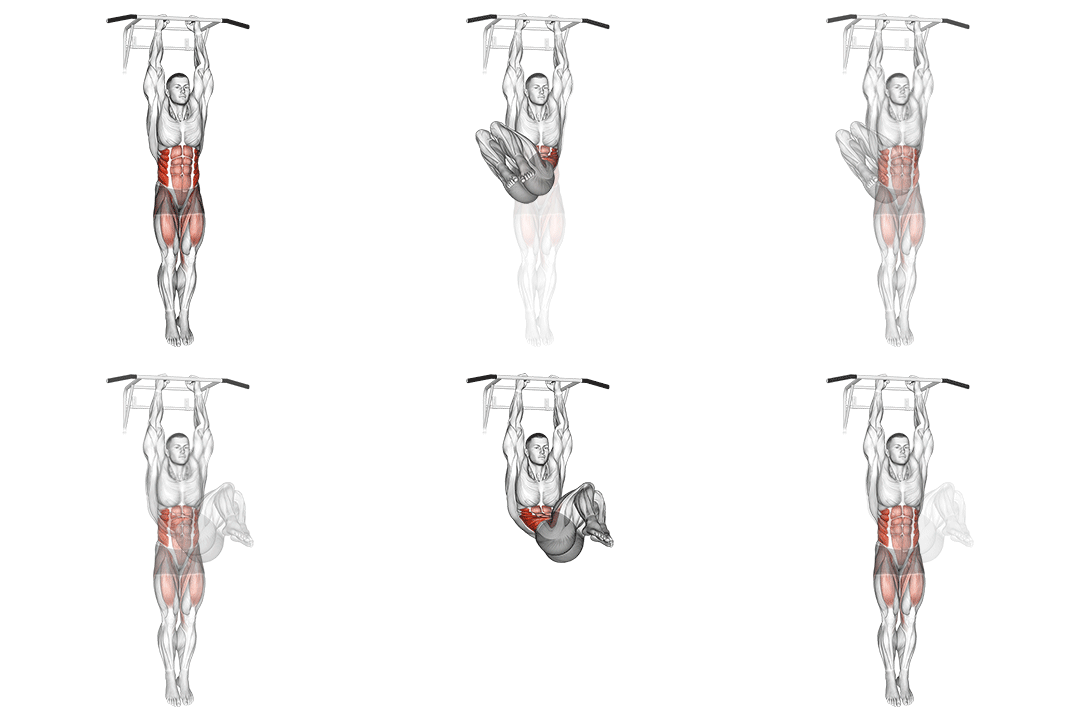
9. Hanging Oblique Knee Raise
68.2% MatchHow to perform this exercise
- Hang from a pull-up bar with your arms fully extended and your palms facing away from you.
- Engage your core and lift your knees towards your chest, twisting your torso to the side as you do so.
- Pause for a moment at the top, then slowly lower your legs back down to the starting position.
- Repeat on the other side, twisting your torso in the opposite direction.
- Continue alternating sides for the desired number of repetitions.
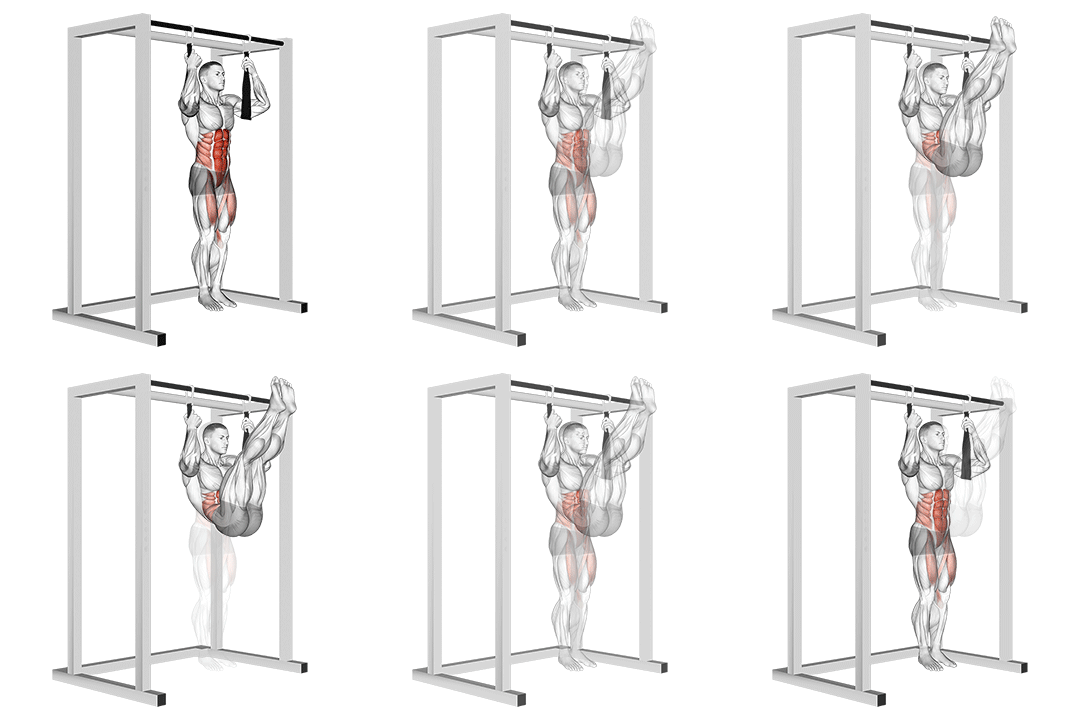
10. Arm Slingers Hanging Straight Legs
68% MatchHow to perform this exercise
- Hang from a pull-up bar with your arms fully extended and your legs straight down.
- Engage your core and lift your legs up in front of you until they are parallel to the ground.
- Hold for a moment at the top, then slowly lower your legs back down to the starting position.
- Repeat for the desired number of repetitions.
Why You Might Need a Exercise Ball Back Extension With Rotation Alternative
You might substitute this exercise for several reasons: no stability ball, acute low-back pain, rehab protocols that limit loaded rotation, or a need for greater progressive overload. Substitutes let you target the same spinal erectors and obliques while changing load, range of motion, or stabilization demands. For example, Romanian deadlifts shift work to the hip extensors and hamstrings while keeping the lumbar spine neutral; cue: hinge at the hips with a long thoracic spine. Bird-dogs reduce shear and train multifidus and deep stabilizers with anti-extension cues: keep the pelvis square and reach actively through the fingertips.
How to Choose the Right Substitute
Choose a substitute based on your goal, available equipment, and injury history. For strength and muscle growth pick loaded hip-hinge movements (RDLs) that emphasize eccentric control of the posterior chain, cue: push hips back and keep weight mid-foot. For spinal stability or rehab favor anti-extension patterns like bird-dogs or floor reverse hypers that activate multifidus and reduce lumbar shear; cue: brace the core and perform controlled reps. If you need rotation specifically, choose thoracic-driven exercises (seated cable rotations or controlled Russian twists) and cue rotation from the ribs, not lumbar extension. Progress by increasing load, range, or time under tension while maintaining a neutral lumbar spine.
Frequently Asked Questions
What muscles does Exercise Ball Back Extension With Rotation work?
The move primarily targets the spinal erectors (erector spinae and multifidus) and the obliques during rotational phases, with secondary activation of glutes and hamstrings. Cue: lift through the thoracic spine and rotate from the ribs to load the intended muscles rather than stressing the lumbar vertebrae.
What is the best bodyweight alternative to Exercise Ball Back Extension With Rotation?
Bird-dog with rotation is the best bodyweight option because it trains spinal extensors and rotational control with minimal shear. Cue: keep the pelvis square, extend the opposite arm and leg, then rotate the thorax toward the extended arm while holding core bracing to engage multifidus and obliques.
Can I build muscle without doing Exercise Ball Back Extension With Rotation?
Yes. You can build the posterior chain using loaded alternatives like Romanian deadlifts, kettlebell swings, or Roman-chair back extensions that provide progressive overload. Cue: maintain a neutral lumbar spine, hinge at the hips, and increase load or volume gradually to stimulate hypertrophy in the erectors and glutes.
More Exercise Alternatives
Find Alternatives for Any Exercise
Use the exercise substitution finder to compare ranked alternatives for your available equipment and training preference.
Try the Exercise Substitution Finder →