

10 Best Incline Bench Pull Alternatives for Strength & Hypertrophy
The Incline Bench Pull is done lying face down with a barbell. Ranked closest by our scoring: the Hyperextension, the Hyperextension (On Bench) and the Inverted Row.
Updated Ranked by our 12-factor similarity model How it works
Original Exercise: Incline Bench Pull
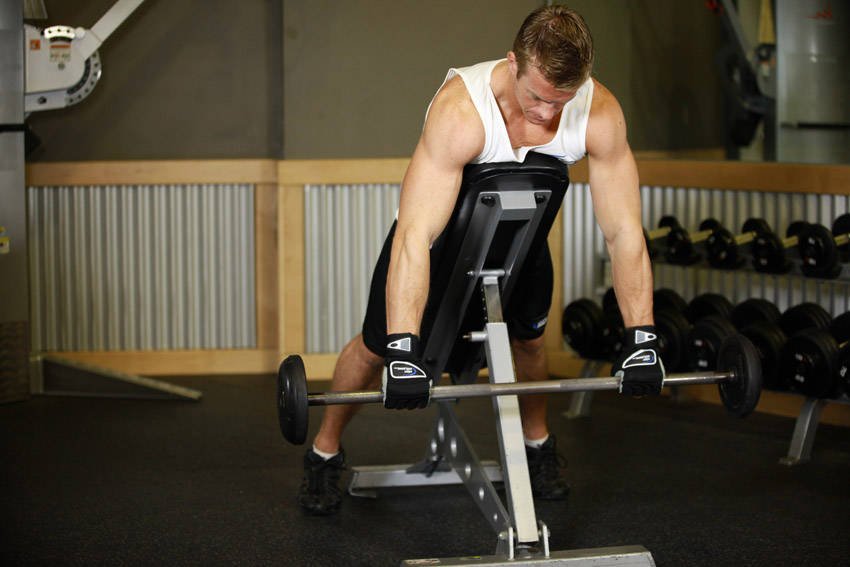
- Primary muscle
- Middle Back
- Equipment
- Barbell
- Difficulty
- Intermediate
- Type
- Compound
Secondary muscles: Lats, Shoulders
How to perform Incline Bench Pull
- Grab a dumbbell in each hand and lie face down on an incline bench that is set to an incline that is approximately 30 degrees.
- Let the arms hang to your sides fully extended as they point to the floor.
- Turn the wrists until your hands have a pronated (palms down) grip.
- Now flare the elbows out. This will be your starting position.
- As you breathe out, start to pull the dumbbells up as if you are doing a reverse bench press. You will do this by bending at the elbows and bringing the upper arms up as you let the forearms hang. Continue this motion until the upper arms are at the same level as your back. Tip: The elbows will come out to the side and your upper arms and torso should make the letter "T" at the top of the movement. Hold the contraction at the top for a second.
- Slowly go back down to the starting position as you breathe in.
- Repeat for the recommended amount of repetitions.
Ranked Incline Bench Pull Alternatives
10 substitutes, ranked by how closely each one matches the Incline Bench Pull on movement pattern, muscles worked, equipment and body position. The higher the score, the less you change. Open "How to perform this exercise" on a card for the steps; every card title links to that exercise's own alternatives page.
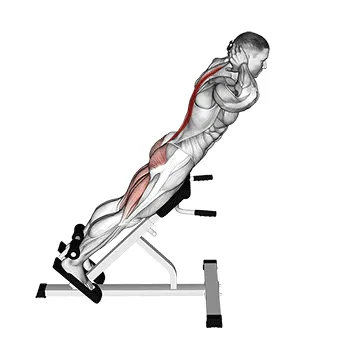
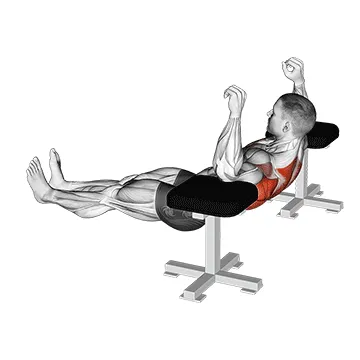
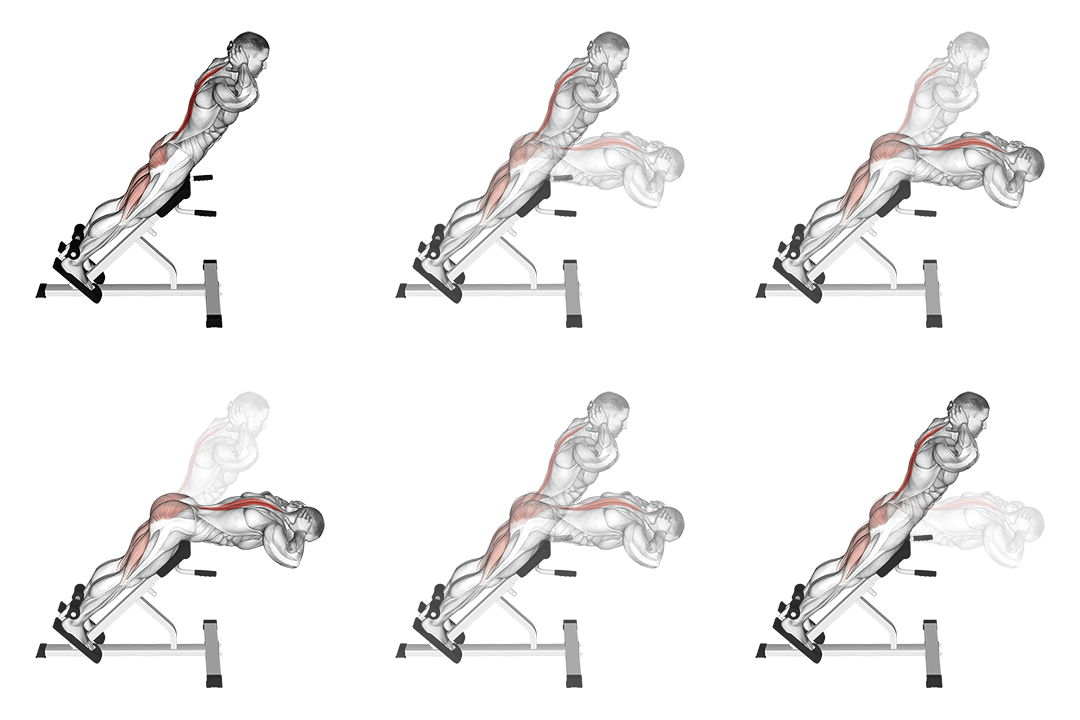
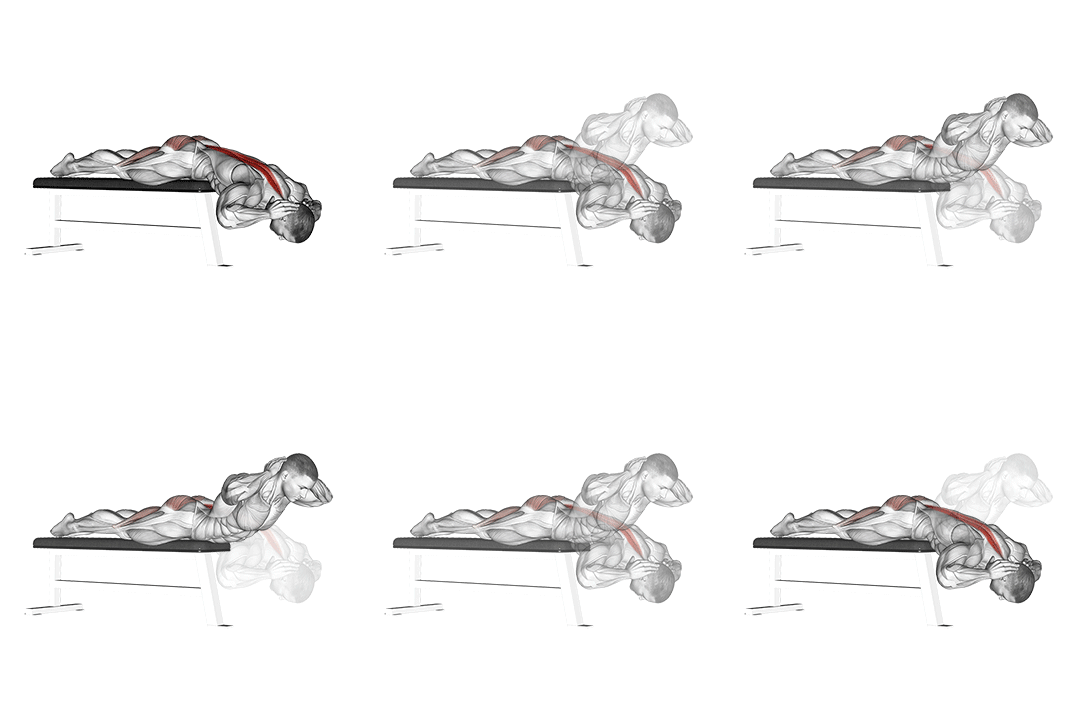
1. Hyperextension
55% match- Spine
- Bodyweight
- Intermediate
- Compound
A looser match: it works the spinal erectors rather than the middle back.
How to perform this exercise
- Adjust the hyperextension bench so that your upper thighs are resting on the pad and your feet are secured.
- Cross your arms over your chest or place your hands behind your head.
- Lower your upper body towards the ground while keeping your back straight.
- Pause for a moment at the bottom, then raise your upper body back up until it is in line with your legs.
- Repeat for the desired number of repetitions.
Sets and reps: 3 or 4 sets of 6 to 10 reps.
Why this matches
- Primary muscle: spine, not middle back
- Equipment: bodyweight only, not free weights
- Body position: lying face down, the same as the Incline Bench Pull
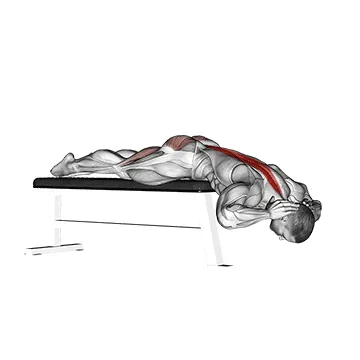
2. Hyperextension (On Bench)
55% match- Spine
- Bodyweight
- Intermediate
- Compound
How to perform this exercise
- Adjust the hyperextension bench so that your hips are resting comfortably on the pad and your feet are secured.
- Cross your arms over your chest or place your hands behind your head.
- Slowly lower your upper body towards the ground while keeping your back straight.
- Pause for a moment at the bottom, then raise your upper body back up until it is in line with your legs.
- Repeat for the desired number of repetitions.
Sets and reps: 3 or 4 sets of 6 to 10 reps.
Why this matches
- Primary muscle: spine, not middle back
- Equipment: bodyweight only, not free weights
- Body position: lying face down, the same as the Incline Bench Pull
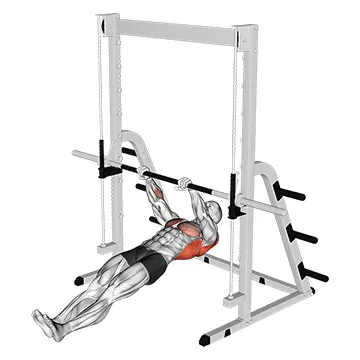
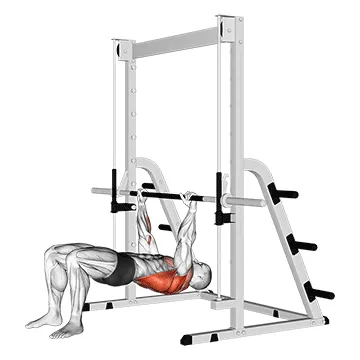
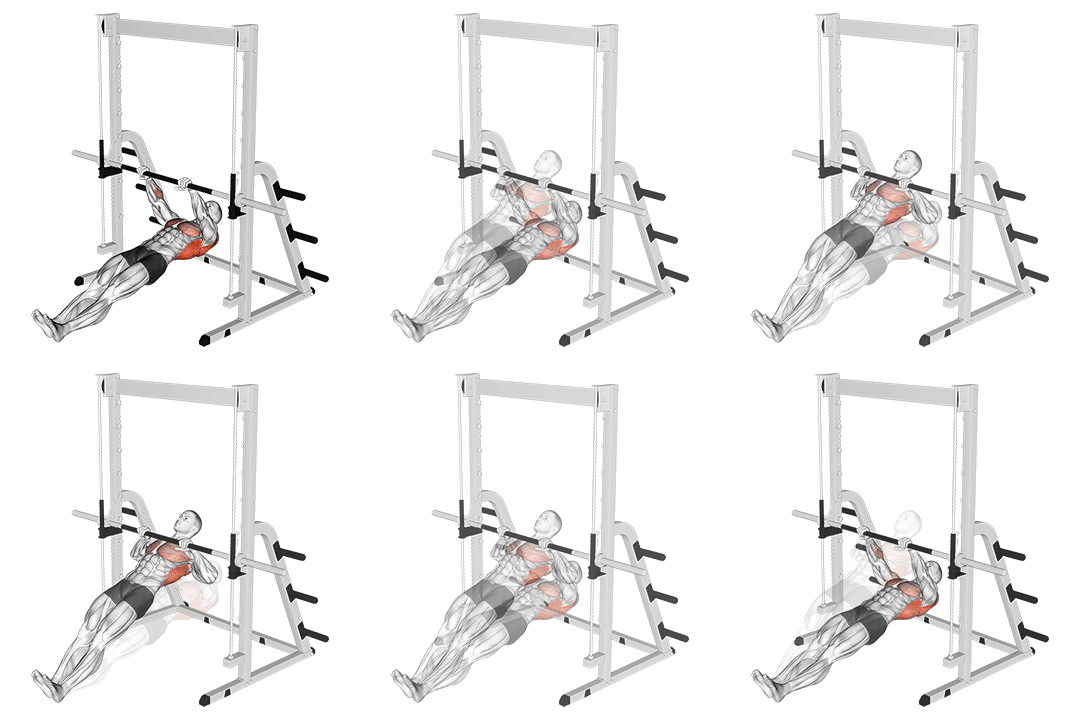
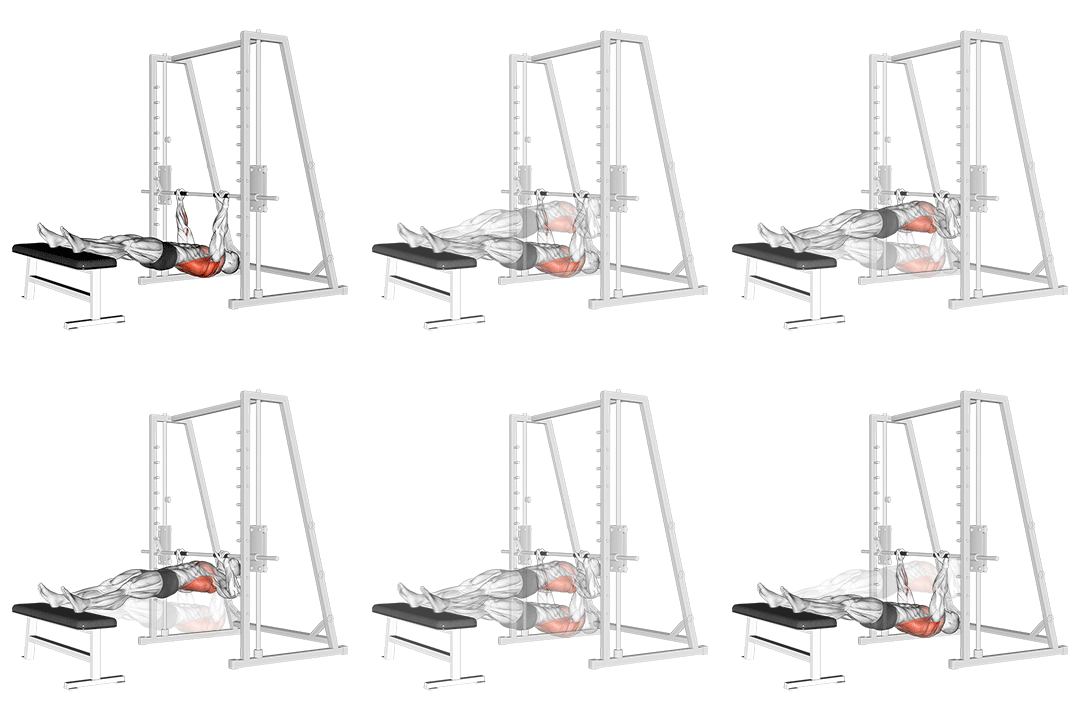
3. Inverted Row
50% match- Lats
- Bodyweight
- Intermediate
- Compound
A looser match: it works the lats rather than the middle back.
How to perform this exercise
- Set up a bar at waist height or use a suspension trainer.
- Stand facing the bar or suspension trainer, with your feet shoulder-width apart.
- Grab the bar or handles with an overhand grip, slightly wider than shoulder-width apart.
- Lean back, keeping your body straight and your heels on the ground.
- Pull your chest towards the bar or handles, squeezing your shoulder blades together.
- Pause for a moment at the top, then slowly lower yourself back to the starting position.
- Repeat for the desired number of repetitions.
Sets and reps: 3 or 4 sets of 6 to 10 reps.
Why this matches
- Primary muscle: lats, not middle back
- Equipment: bodyweight only, not free weights
- Body position: hanging, not lying face down
- Balance: harder to stay steady on than the Incline Bench Pull
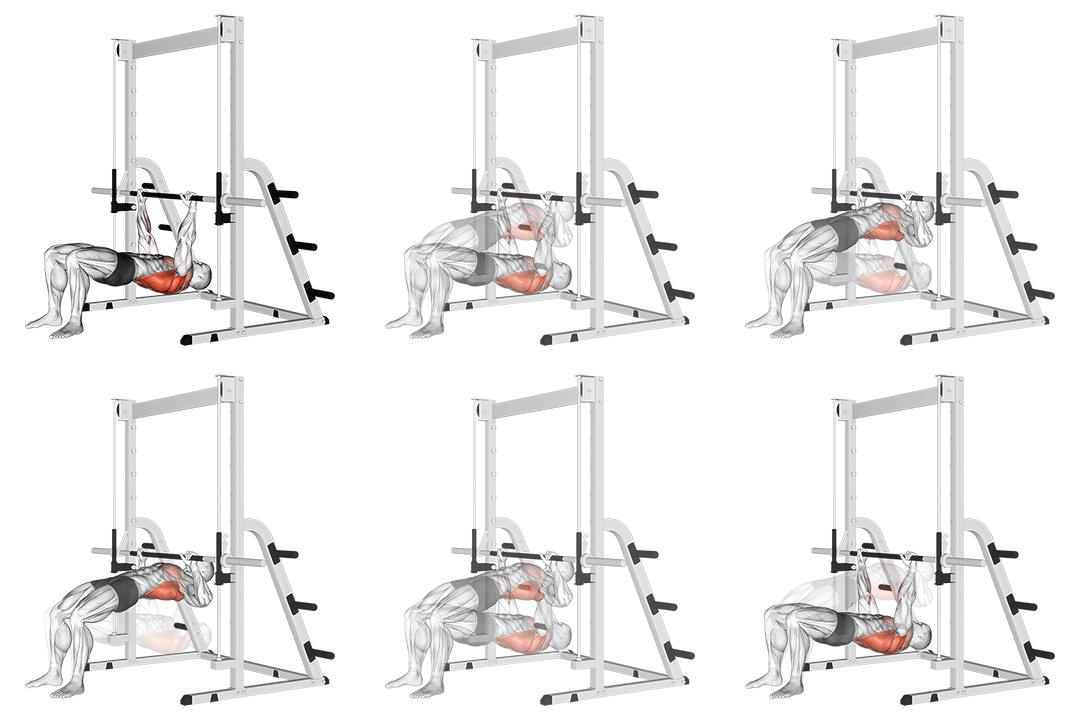
4. Inverted Row Bent Knees
50% match- Upper Back
- Bodyweight
- Beginner
- Compound
A looser match: it works the upper back rather than the middle back.
How to perform this exercise
- Set up a bar at waist height and lie underneath it.
- Grab the bar with an overhand grip, slightly wider than shoulder-width apart.
- Position your body so that your heels are on the ground and your body is straight.
- Pull your chest up towards the bar by squeezing your shoulder blades together.
- Pause for a moment at the top, then slowly lower your body back down to the starting position.
- Repeat for the desired number of repetitions.
Sets and reps: 3 sets of 8 to 12 reps, and add reps before you add load.
Why this matches
- Primary muscle: upper back, not middle back
- Equipment: bodyweight only, not free weights
- Body position: hanging, not lying face down
- Balance: harder to stay steady on than the Incline Bench Pull
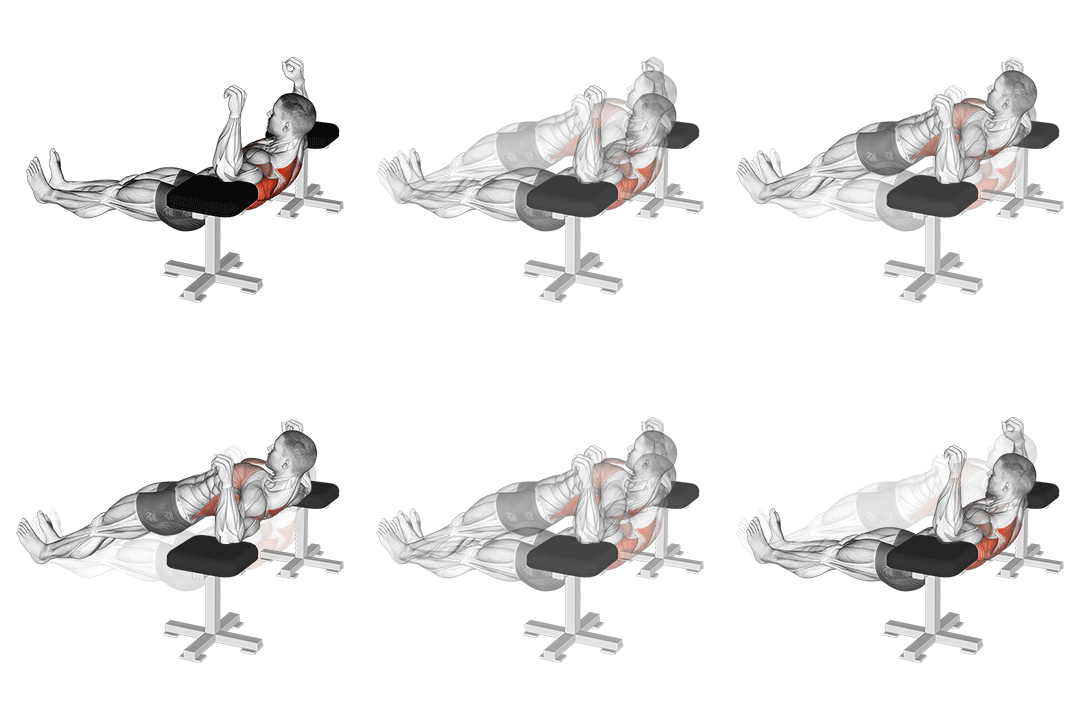
5. Elbow Lift - Reverse Push-up
50% match- Upper Back
- Bodyweight
- Intermediate
- Compound
How to perform this exercise
- Start by lying face down on the ground with your legs extended and your hands placed directly under your shoulders.
- Engage your core and press through your palms to lift your upper body off the ground, keeping your elbows close to your sides.
- Pause at the top for a moment, squeezing your upper back muscles.
- Slowly lower your body back down to the starting position.
- Repeat for the desired number of repetitions.
Sets and reps: 3 or 4 sets of 6 to 10 reps.
Why this matches
- Primary muscle: upper back, not middle back
- Equipment: bodyweight only, not free weights
- Body position: lying on your back, not lying face down
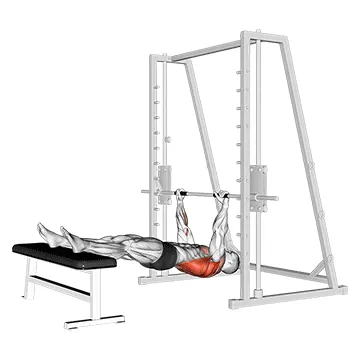
6. Inverted Row On Bench
49% match- Upper Back
- Bodyweight
- Intermediate
- Compound
How to perform this exercise
- Set up a bench at a height that allows your body to hang freely underneath it.
- Lie face up on the ground with your head towards the bench.
- Reach up and grab the bench with an overhand grip, slightly wider than shoulder-width apart.
- Position your body so that your heels are on the ground and your arms are fully extended.
- Engage your core and squeeze your shoulder blades together as you pull your chest up towards the bench.
- Pause for a moment at the top of the movement, then slowly lower your body back down to the starting position.
- Repeat for the desired number of repetitions.
Sets and reps: 3 or 4 sets of 6 to 10 reps.
Why this matches
- Primary muscle: upper back, not middle back
- Equipment: bodyweight only, not free weights
- Body position: hanging, not lying face down
- Balance: harder to stay steady on than the Incline Bench Pull
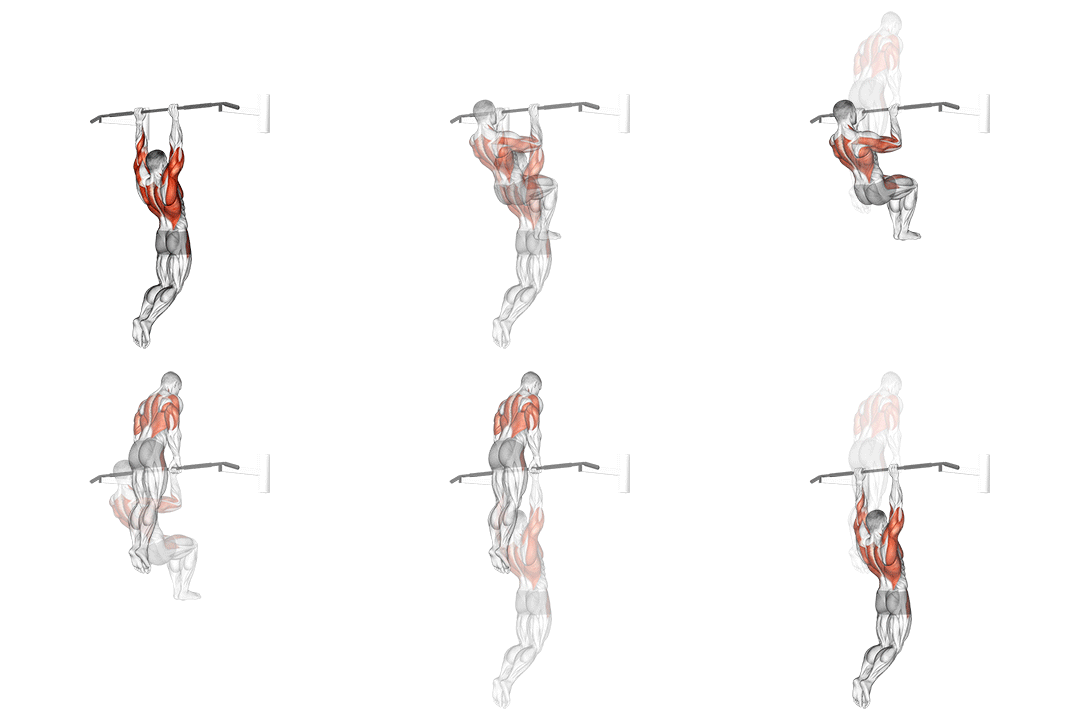
7. Muscle-up (On Vertical Bar)
47% match- Lats
- Bodyweight
- Advanced
- Compound
How to perform this exercise
- Start by hanging from a vertical bar with your palms facing away from you and your arms fully extended.
- Engage your core and pull your body up towards the bar, leading with your chest.
- As you pull yourself up, lean back slightly and bring your elbows towards your sides.
- Continue pulling until your chest reaches the bar and your elbows are fully bent.
- Pause for a moment at the top, then slowly lower yourself back down to the starting position.
- Repeat for the desired number of repetitions.
Sets and reps: 3 or 4 sets of 6 to 10 reps.
Why this matches
- Primary muscle: lats, not middle back
- Equipment: bodyweight only, not free weights
- Body position: hanging, not lying face down
- Balance: harder to stay steady on than the Incline Bench Pull
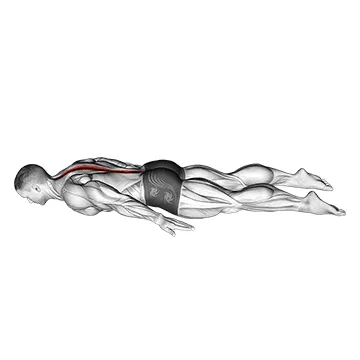
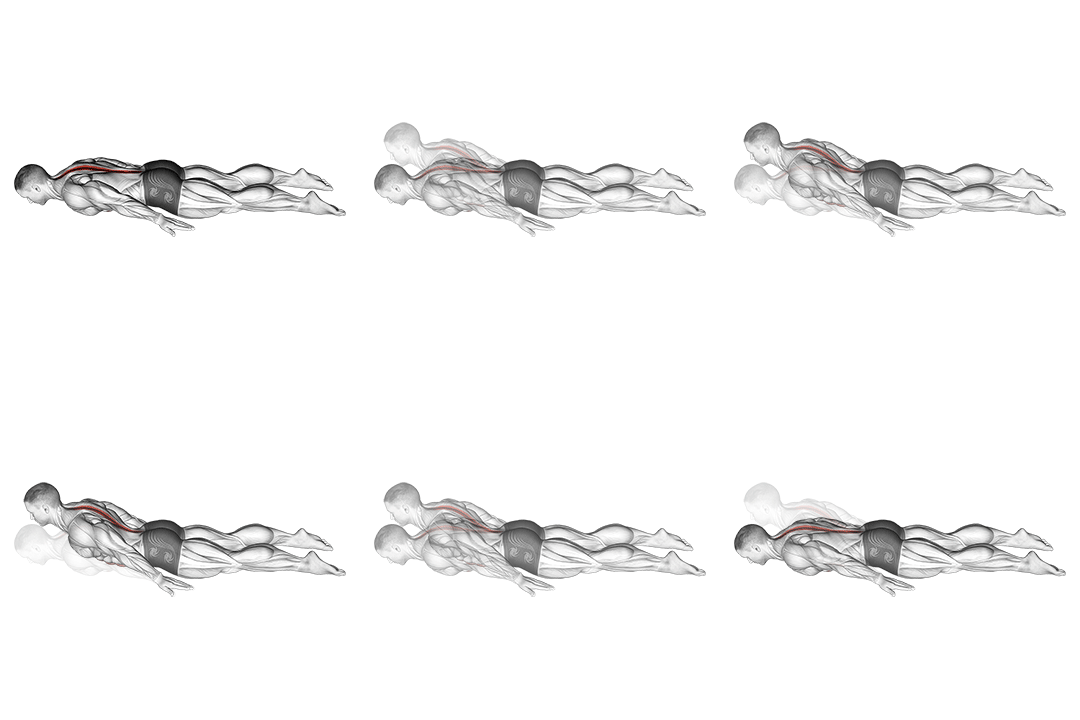
8. Lower Back Curl
46% match- Spine
- Bodyweight
- Intermediate
- Isolation
How to perform this exercise
- Lie flat on your stomach with your legs extended and your arms by your sides.
- Engage your glutes and hamstrings, and slowly lift your upper body off the ground, curling your back upwards.
- Pause for a moment at the top, then slowly lower your upper body back down to the starting position.
- Repeat for the desired number of repetitions.
Sets and reps: 3 sets of 10 to 15 reps.
Why this matches
- Primary muscle: spine, not middle back
- Equipment: bodyweight only, not free weights
- Body position: lying face down, the same as the Incline Bench Pull
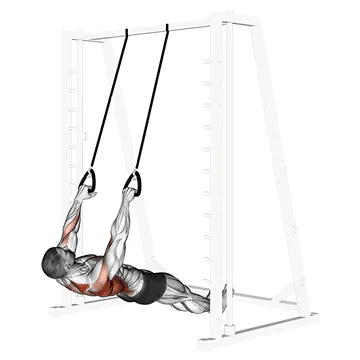
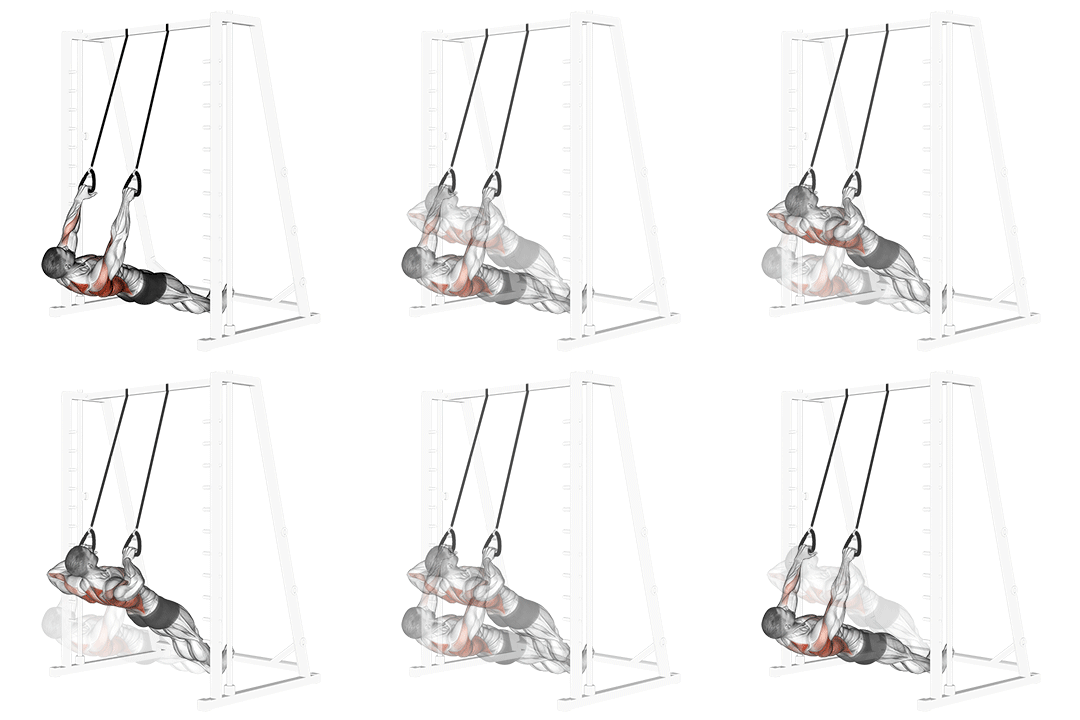
9. Inverted Row With Straps
45% match- Lats
- Bodyweight
- Intermediate
- Compound
How to perform this exercise
- Set up a suspension trainer or straps at chest height.
- Stand facing the anchor point and grab the handles with an overhand grip.
- Walk your feet forward, leaning back until your body is at an angle.
- Keep your body straight and engage your core.
- Pull your chest towards the handles, squeezing your shoulder blades together.
- Pause for a moment at the top, then slowly lower yourself back to the starting position.
- Repeat for the desired number of repetitions.
Sets and reps: 3 or 4 sets of 6 to 10 reps.
Why this matches
- Primary muscle: lats, not middle back
- Equipment: a suspension trainer, not free weights
- Body position: hanging, not lying face down
- Balance: harder to stay steady on than the Incline Bench Pull
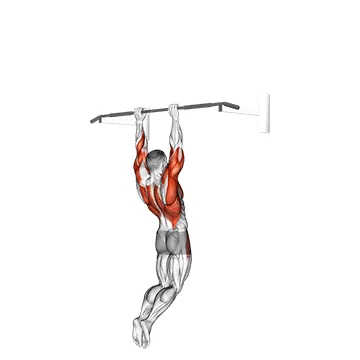
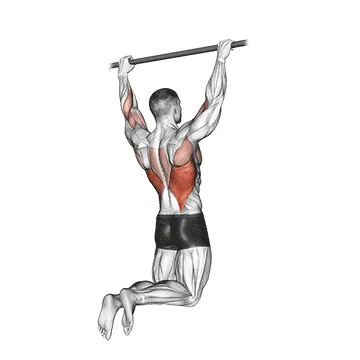
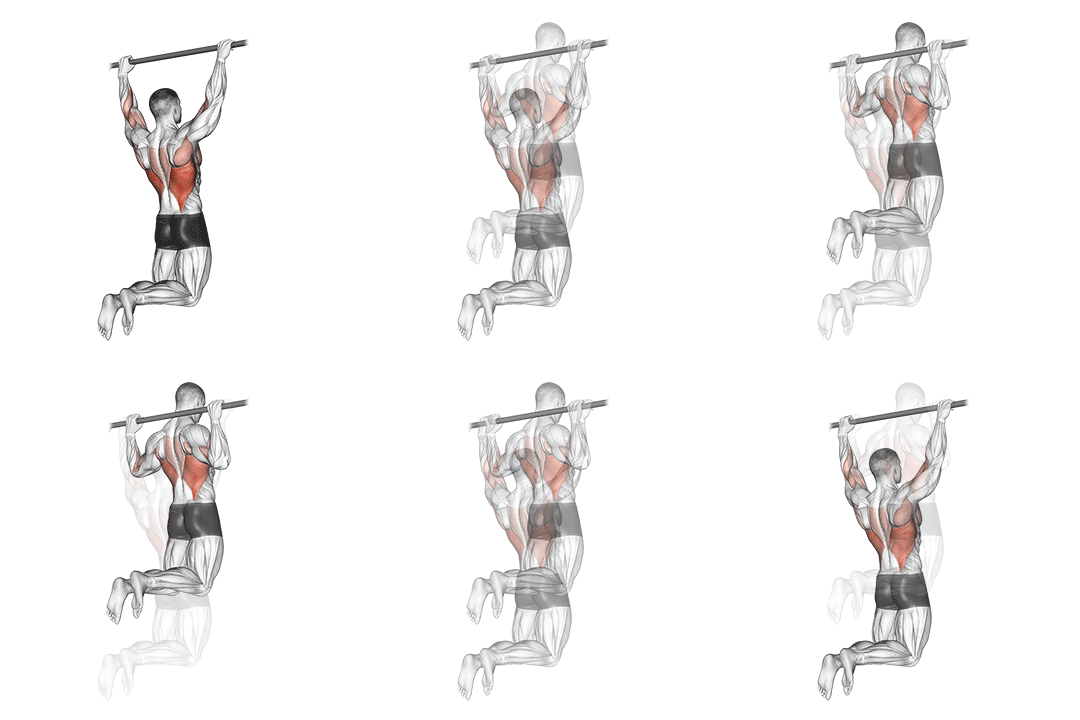
10. Rear Pull-up
44% match- Lats
- Bodyweight
- Intermediate
- Compound
How to perform this exercise
- Grab the pull-up bar with an overhand grip, slightly wider than shoulder-width apart.
- Hang from the bar with your arms fully extended and your body straight.
- Engage your back muscles and pull your body up towards the bar, keeping your elbows close to your body.
- Continue pulling until your chin is above the bar.
- Pause for a moment at the top, then slowly lower your body back down to the starting position.
- Repeat for the desired number of repetitions.
Sets and reps: 3 or 4 sets of 6 to 10 reps.
Why this matches
- Primary muscle: lats, not middle back
- Equipment: bodyweight only, not free weights
- Body position: hanging, not lying face down
- Balance: harder to stay steady on than the Incline Bench Pull
Why You Might Need an Incline Bench Pull Alternative
You may need an alternative due to shoulder pain, limited equipment, poor thoracic mobility, or program variety. For example, chest-supported rows reduce spinal shear when a heavy barbell row aggravates a low back injury; cue a neutral spine and scapular retraction to shift load to the mid-back. If you lack a bench or barbell, single-arm dumbbell rows or inverted rows let you maintain a horizontal pull while controlling torso angle and elbow path, preserving rhomboid and posterior delt activation without the same setup demands.
Incline Bench Pull FAQ
What is the best bodyweight alternative to Incline Bench Pull?
Inverted rows (body rows) are the best bodyweight substitute; set the bar at a height that lets you pull the chest to the bar while keeping the body straight. Focus on squeezing the shoulder blades together and driving the elbows toward the ribcage to load the mid-back effectively.
Can I build muscle without doing Incline Bench Pull?
Yes, you can build mid-back muscle with a mix of bent-over rows, chest-supported rows, single-arm dumbbell rows, and progressive loading on cables or machines. Prioritize full scapular retraction, consistent range of motion, and controlled eccentrics to stimulate hypertrophy without that specific exercise.
Find Alternatives for Any Exercise
Search the exercise database and filter the ranked substitutes by the equipment you own.
Similarity scores compare exercise metadata such as movement pattern, muscles, equipment and body position. They are not a safety rating or a check that you own the equipment. Learn about our methodology