

10 Best Kettlebell Figure 8 Alternatives for Core Strength
If you can't perform the kettlebell figure 8, choose moves that train transverse core control and anti-rotation under load. Use kettlebell windmills, Russian twists, suitcase carries, half‑kneeling chops, or alternating single‑arm rows. Cue: brace the abs, maintain a neutral spine, and initiate rotation from the obliques and transverse abdominis.
Original Exercise: Kettlebell Figure 8
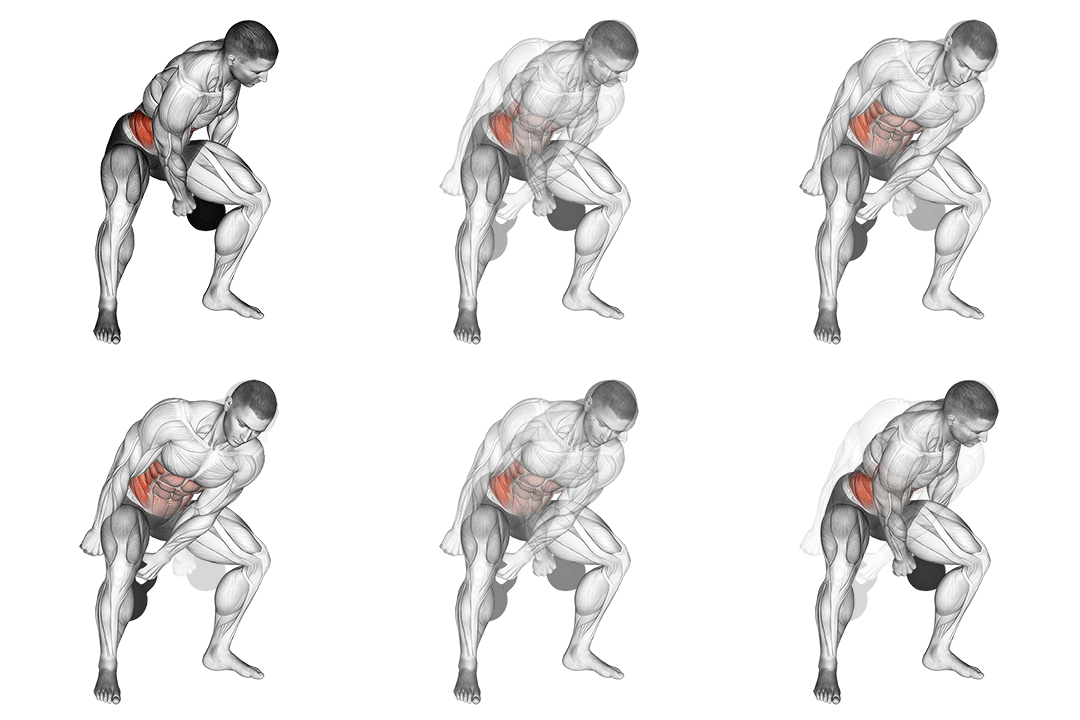
How to Perform Kettlebell Figure 8
- Stand with your feet shoulder-width apart, holding a kettlebell in one hand.
- Bend your knees slightly and hinge forward at the hips, keeping your back straight.
- Pass the kettlebell between your legs, switching hands as it reaches the back of your legs.
- As the kettlebell comes forward, pass it to the other hand between your legs.
- Continue passing the kettlebell between your legs in a figure 8 motion.
- Maintain a steady pace and engage your core throughout the exercise.
- Repeat for the desired number of repetitions.
Best Kettlebell Figure 8 Alternatives
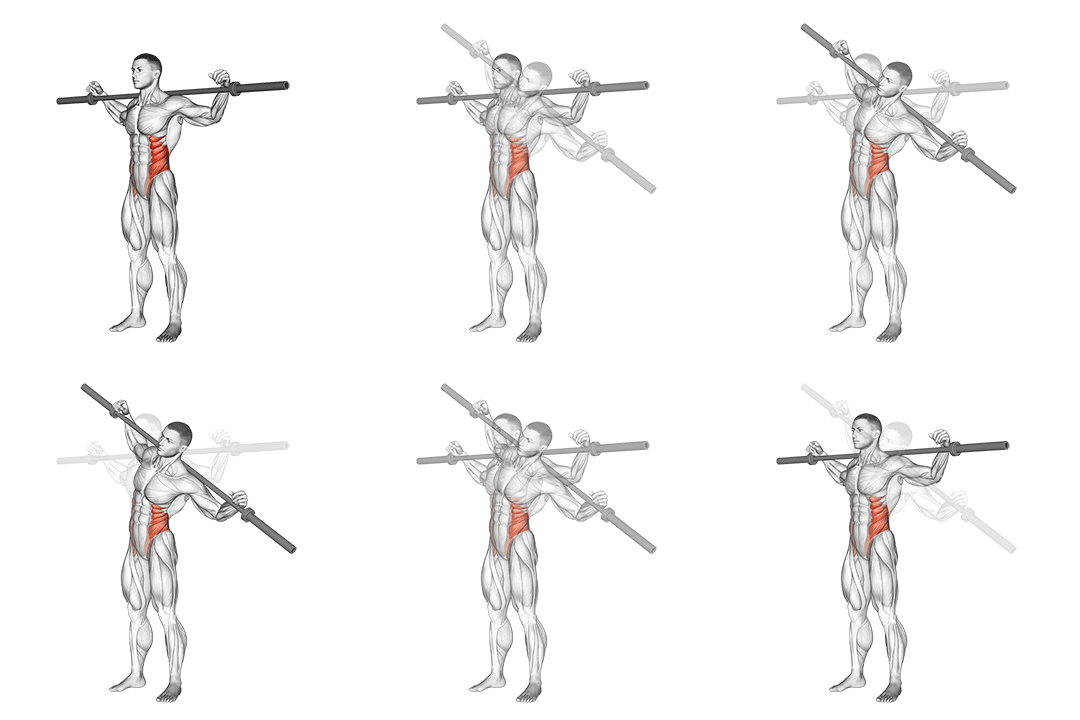
1. Barbell Side Bent V. 2
84.4% MatchHow to perform this exercise
- Stand with your feet shoulder-width apart and hold a barbell with both hands, palms facing down.
- Keep your back straight and core engaged throughout the exercise.
- Slowly bend your torso to the right side, lowering the barbell towards your right knee.
- Pause for a moment, then return to the starting position.
- Repeat the movement on the left side.
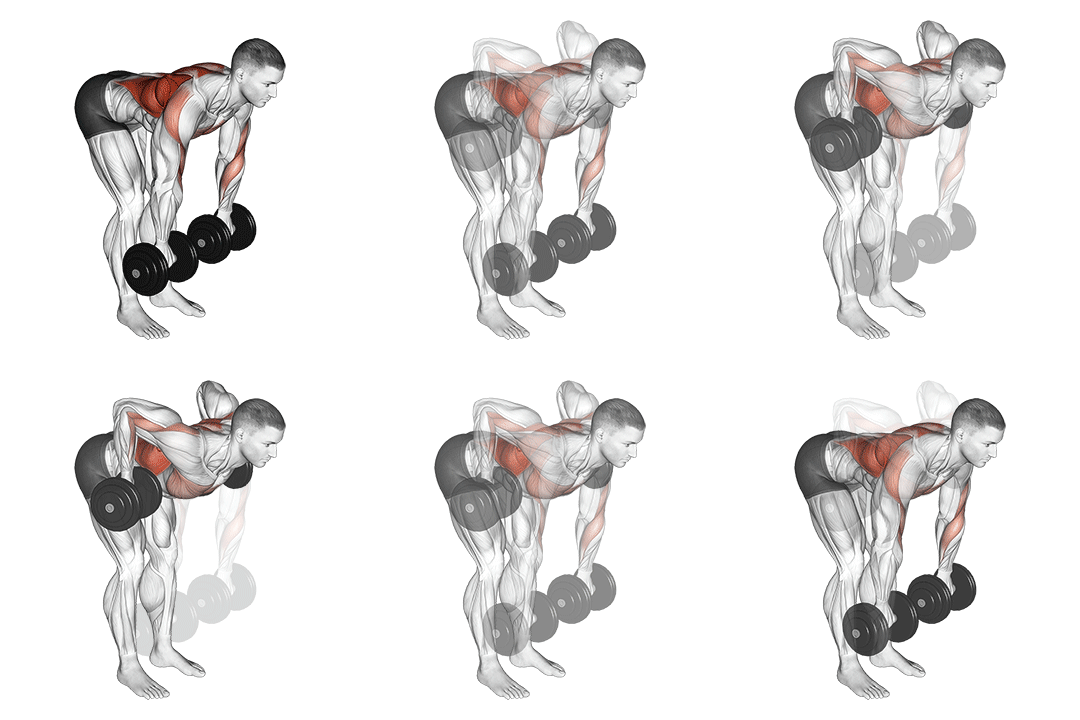
2. Dumbbell Palm Rotational Bent Over Row
84.2% MatchHow to perform this exercise
- Stand with your feet shoulder-width apart, holding a dumbbell in each hand with an overhand grip.
- Bend forward at the hips, keeping your back straight and your knees slightly bent.
- Let your arms hang straight down, palms facing your body.
- Engage your core and pull the dumbbells up towards your chest, keeping your elbows close to your body.
- As you pull the dumbbells up, rotate your palms so they face away from your body.
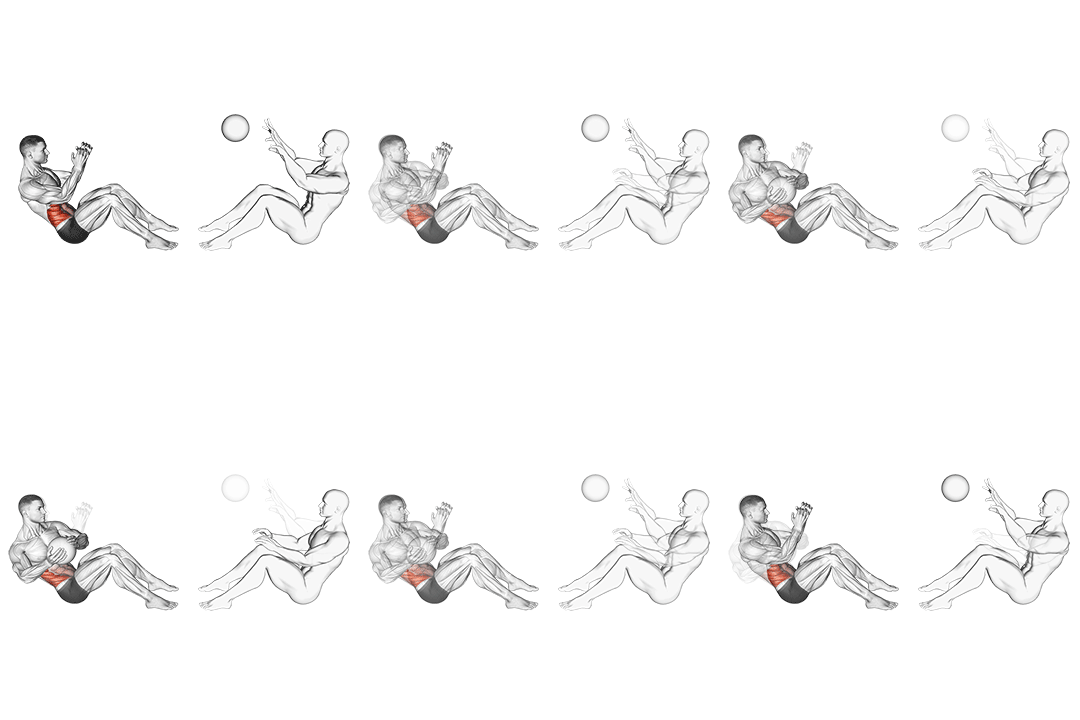
3. Assisted Motion Russian Twist
83.6% MatchHow to perform this exercise
- Sit on the ground with your knees bent and feet flat on the floor.
- Hold the medicine ball with both hands in front of your chest.
- Lean back slightly, engaging your abs and keeping your back straight.
- Slowly twist your torso to the right, bringing the medicine ball towards the right side of your body.
- Pause for a moment, then twist your torso to the left, bringing the medicine ball towards the left side of your body.
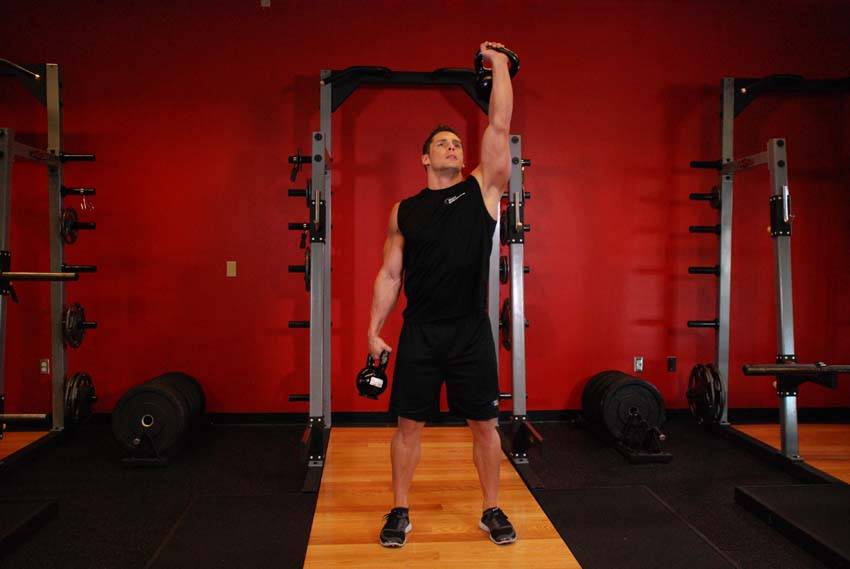
4. Double Kettlebell Windmill
82.4% MatchHow to perform this exercise
- Place a kettlebell in front of your front foot and clean and press a kettlebell overhead with your opposite arm. Clean the kettlebell to your shoulder by extending through the legs and hips as you pull the kettlebell towards your shoulders. Rotate your wrist as you do so, so that the palm faces forward.
- Keeping the kettlebell locked out at all times, push your butt out in the direction of the locked out kettlebell. Turn your feet out at a forty-five degree angle from the arm with the locked out kettlebell.
- Bending at the hip to one side, sticking your butt out, slowly lean until you can retrieve the kettlebell from the floor. Keep your eyes on the kettlebell that you hold over your head at all times.
- Pause for a second after retrieving the kettlebell from the ground and reverse the motion back to the starting position.
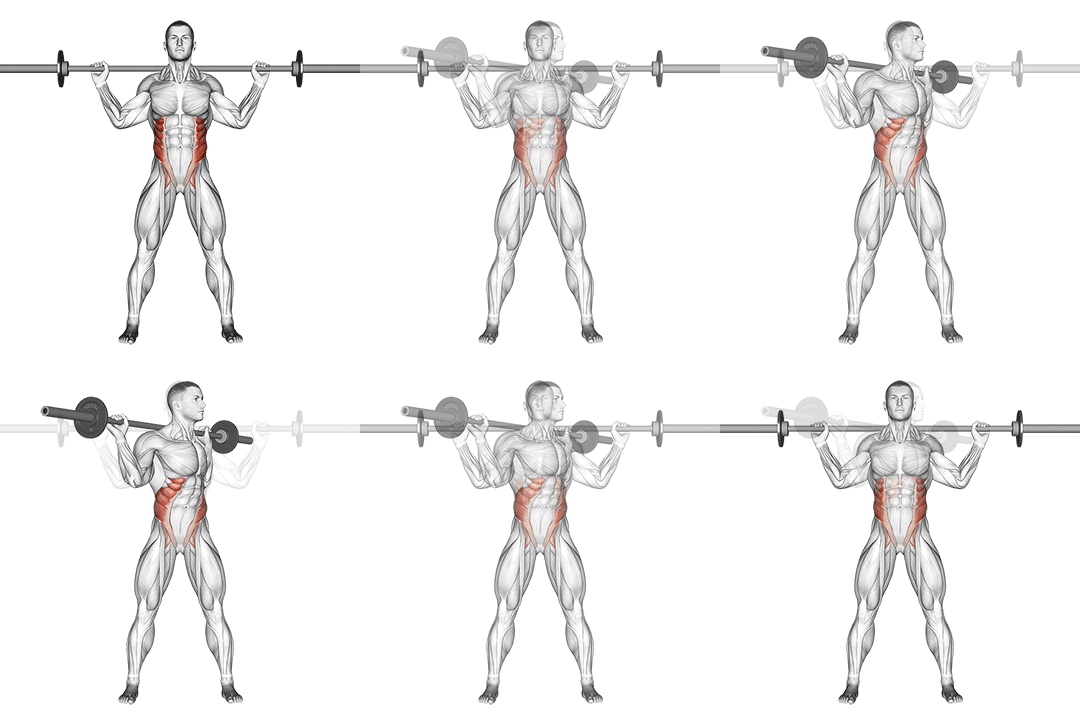
5. Barbell Standing Twist
81.3% MatchHow to perform this exercise
- Stand with your feet shoulder-width apart and hold a barbell in front of your chest with both hands, palms facing down.
- Engage your core and keep your back straight throughout the exercise.
- Slowly twist your torso to the right, pivoting on your feet and hips, while keeping your lower body stable.
- Pause for a moment at the end of the twist, then slowly return to the starting position.
- Repeat the twist to the left side.
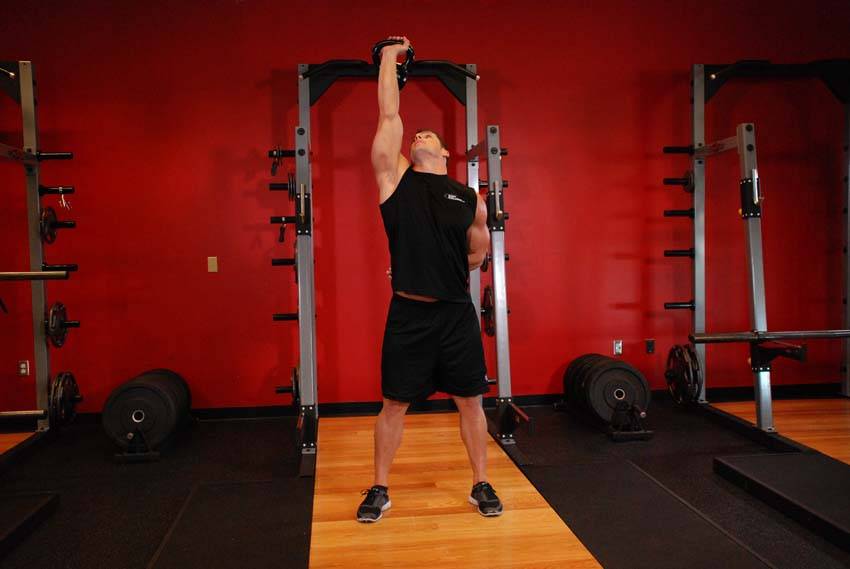
6. Advanced Kettlebell Windmill
81.1% MatchHow to perform this exercise
- Clean and press a kettlebell overhead with one arm.
- Keeping the kettlebell locked out at all times, push your butt out in the direction of the locked out kettlebell. Keep the non-working arm behind your back and turn your feet out at a forty-five degree angle from the arm with the kettlebell.
- Lower yourself as far as possible.
- Pause for a second and reverse the motion back to the starting position.
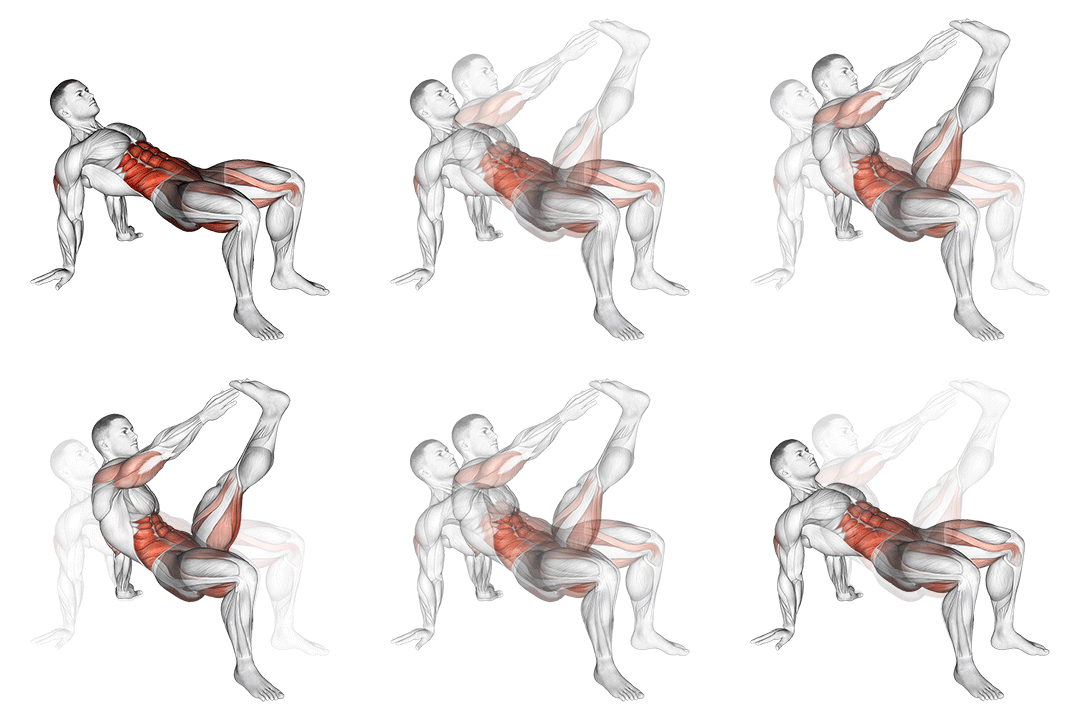
7. Crab Twist Toe Touch
80.7% MatchHow to perform this exercise
- Start by sitting on the ground with your knees bent and feet flat on the floor.
- Place your hands behind you, fingers pointing towards your feet, and lift your hips off the ground.
- Extend one leg straight out in front of you while simultaneously reaching your opposite hand towards your toes.
- Return to the starting position and repeat on the other side.
- Continue alternating sides for the desired number of repetitions.
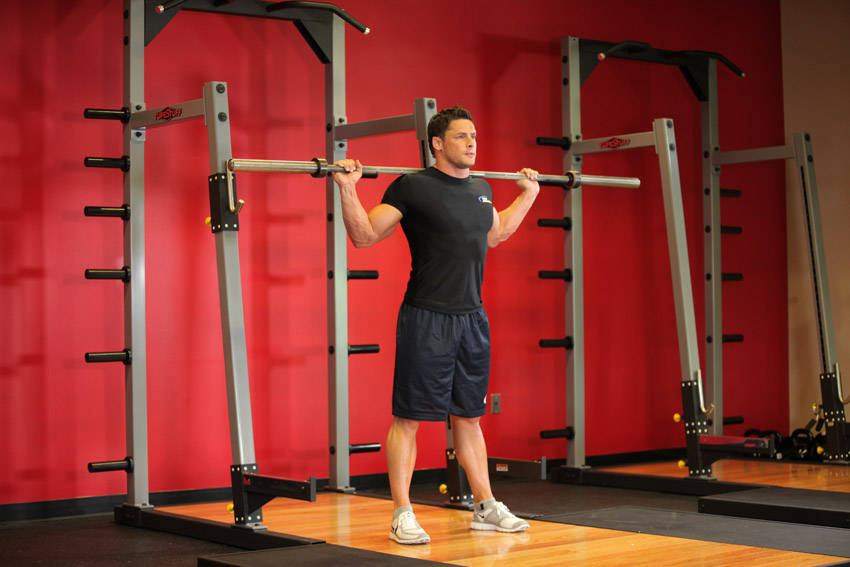
8. Barbell Side Bend
79.9% MatchHow to perform this exercise
- Stand up straight while holding a barbell placed on the back of your shoulders (slightly below the neck). Your feet should be shoulder width apart. This will be your starting position.
- While keeping your back straight and your head up, bend only at the waist to the right as far as possible. Breathe in as you bend to the side. Then hold for a second and come back up to the starting position as you exhale. Tip: Keep the rest of the body stationary.
- Now repeat the movement but bending to the left instead. Hold for a second and come back to the starting position.
- Repeat for the recommended amount of repetitions.
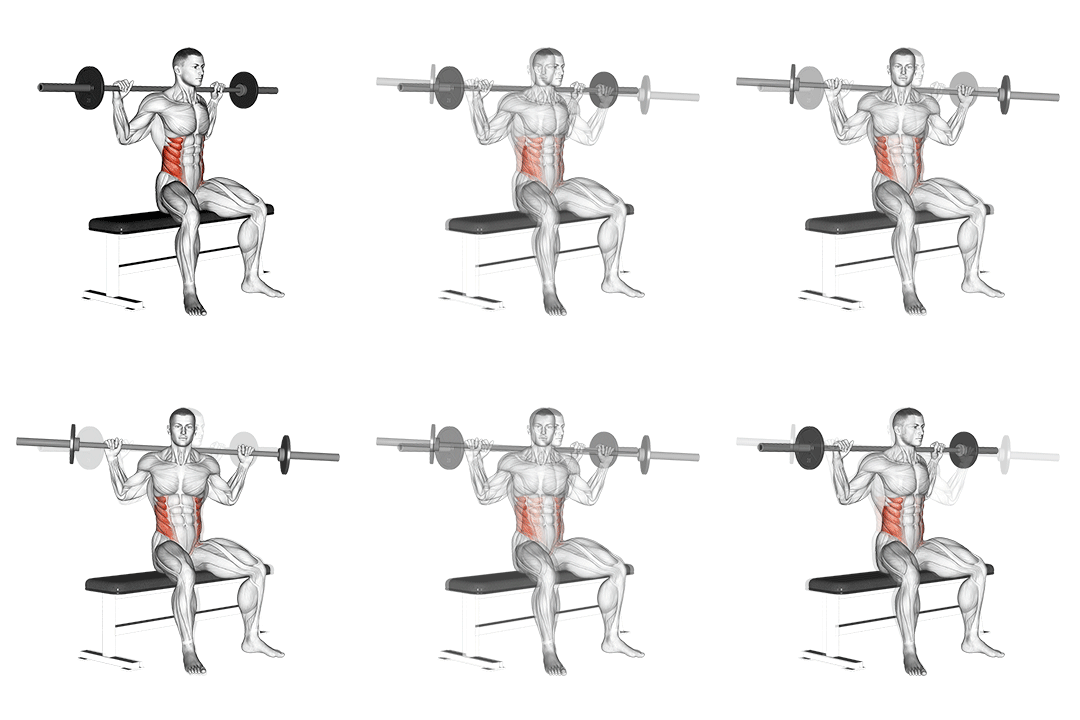
9. Barbell Seated Twist
74.9% MatchHow to perform this exercise
- Sit on a flat bench with your feet flat on the ground and your knees bent.
- Hold a barbell with both hands in front of your chest, keeping your elbows slightly bent.
- Engage your core and slowly twist your torso to one side, keeping your back straight.
- Pause for a moment at the end of the twist, then slowly rotate back to the starting position.
- Repeat the twist to the other side.
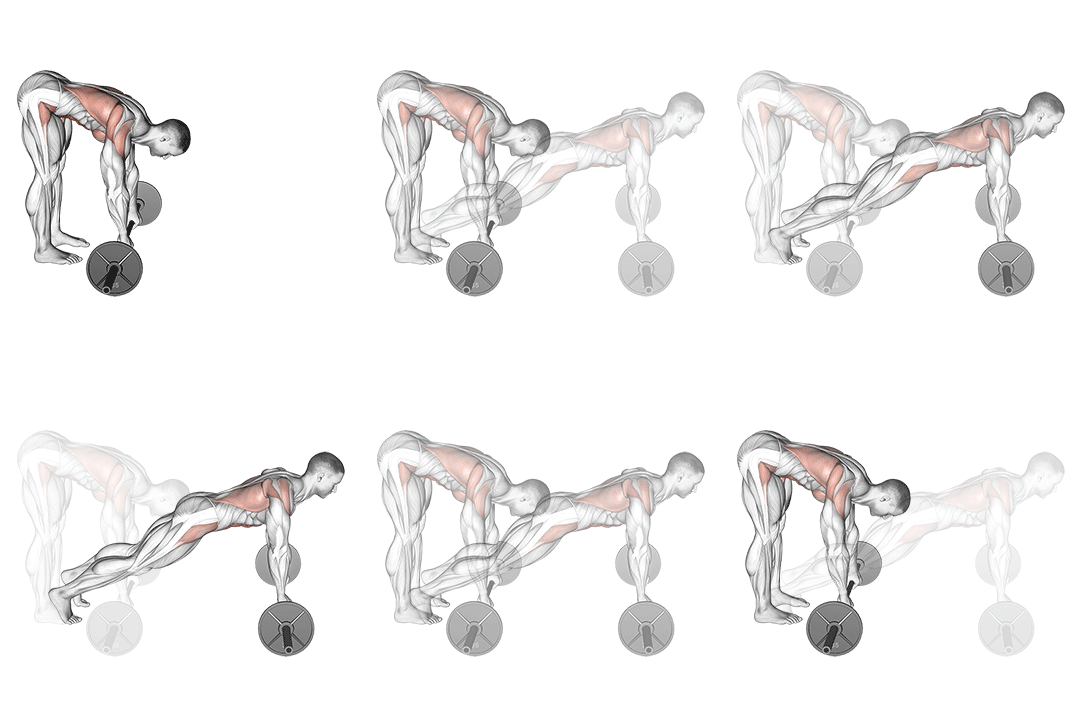
10. Barbell Standing Ab Rollerout
73.7% MatchHow to perform this exercise
- Stand upright with your feet shoulder-width apart and hold the barbell with both hands in front of your thighs.
- Engage your core and slowly roll the barbell down towards the ground, keeping your back straight and your arms extended.
- Continue rolling the barbell forward until your body is fully extended and your hands are directly above your head.
- Pause for a moment, then slowly roll the barbell back towards your thighs, maintaining control and keeping your core engaged.
- Repeat for the desired number of repetitions.
Why You Might Need a Kettlebell Figure 8 Alternative
You may need substitutes for shoulder pain, lower‑back irritation, lack of kettlebell access, or to emphasize a different pattern. The figure 8 combines anti‑rotation core work with hip drive and shoulder stability; it loads the obliques, transverse abdominis, and glutes through transverse and sagittal coupling. If rotation under load causes lumbar shear, pick carries or controlled chops that limit transverse torque. For equipment limits, use band‑resisted chops or single‑leg anti‑rotation holds to maintain oblique activation. Cue: keep ribs down, maintain a neutral pelvis, and exhale on exertion to improve deep core recruitment.
How to Choose the Right Substitute
Base your choice on training goal, available load, and movement pattern transfer. For pure anti‑rotation and lateral stiffness pick suitcase or single‑arm farmer carries—cue: stand tall, push the floor away, and resist lateral collapse to load the obliques and quadratus lumborum. For hip‑hinge transfer and rotational power use kettlebell windmills with a staggered stance and hinged hips to recruit glutes and obliques. If you need minimal gear, band‑resisted chops bias oblique eccentric control. Match the substitute to the figure 8’s triple‑chain demand: core anti‑rotation, hip drive, and shoulder stability, then progress load, ROM, or stance complexity.
Frequently Asked Questions
What muscles does Kettlebell Figure 8 work?
The kettlebell figure 8 targets the obliques and transverse abdominis for transverse‑plane control, plus the rectus abdominis for flexion. It also recruits glutes and hip extensors during the hip drive and requires shoulder girdle stability from the deltoids and lats. Cue: brace the core and move through the hips, not by flinging the torso.
What is the best bodyweight alternative to Kettlebell Figure 8?
A dead bug with slow, opposing arm and leg extensions is the best bodyweight substitute to isolate transverse ab activation and anti‑extension control. Cue: draw the navel to the spine and exhale on each extension to keep the transverse abdominis engaged and prevent lumbar arching.
Can I build muscle without doing Kettlebell Figure 8?
Yes. Focus on progressive overload and time under tension with alternatives that load the same motor patterns—progress from carries to loaded chops or windmills. Cue: slow the eccentric, hold end ranges, and prioritize bracing to maximize oblique and transverse abdominis activation for hypertrophy.
More Exercise Alternatives
Find Alternatives for Any Exercise
Use our free tool to discover the best substitute exercises based on your available equipment and goals.
Try the Exercise Substitution Finder →