

10 Best Plate Twist Alternatives for Home or Gym
The Plate Twist is done standing. Ranked closest by our scoring: the Barbell Standing Twist, the Landmine 180 and the Seated Barbell Twist.
Updated Ranked by our 12-factor similarity model How it works
Original Exercise: Plate Twist
- Primary muscle
- Abs
- Equipment
- Other
- Difficulty
- Intermediate
- Type
- Isolation
How to perform Plate Twist
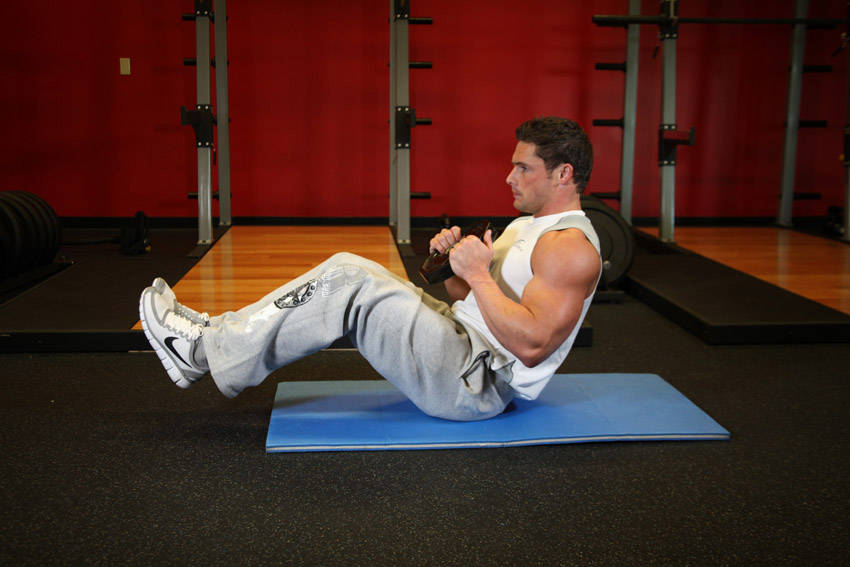
- Lie down on the floor or an exercise mat with your legs fully extended and your upper body upright. Grab the plate by its sides with both hands out in front of your abdominals with your arms slightly bent.
- Slowly cross your legs near your ankles and lift them up off the ground. Your knees should also be bent slightly. Note: Move your upper body back slightly to help keep you balanced turning this exercise. This is the starting position.
- Move the plate to the left side and touch the floor with it. Breathe out as you perform that movement.
- Come back to the starting position as you breathe in and then repeat the movement but this time to the right side of the body. Tip: Use a slow controlled movement at all times. Jerking motions can injure the back.
- Repeat for the recommended amount of repetitions.
Ranked Plate Twist Alternatives
10 substitutes, ranked by how closely each one matches the Plate Twist on movement pattern, muscles worked, equipment and body position. The higher the score, the less you change. Open "How to perform this exercise" on a card for the steps; every card title links to that exercise's own alternatives page.
Best match 1. Barbell Standing Twist
94% match- Abs
- Barbell
- Intermediate
- Isolation
A straight swap when you want to keep working the abs.
How to perform this exercise
- Stand with your feet shoulder-width apart and hold a barbell in front of your chest with both hands, palms facing down.
- Engage your core and keep your back straight throughout the exercise.
- Slowly twist your torso to the right, pivoting on your feet and hips, while keeping your lower body stable.
- Pause for a moment at the end of the twist, then slowly return to the starting position.
- Repeat the twist to the left side.
- Continue alternating twists for the desired number of repetitions.
Sets and reps: 3 sets of 10 to 15 reps.
Why this matches
- Movement: anti-rotation twist, the same as the Plate Twist
- Primary muscle: abs, the same as the Plate Twist
- Equipment: free weights, the same as the Plate Twist
- Body position: standing, the same as the Plate Twist
2. Landmine 180
93% match- Abs
- Barbell
- Intermediate
- Compound
Pick this when you want a harder version that still works the abs.
How to perform this exercise
- Stand with your feet shoulder-width apart and hold the barbell with both hands in front of your chest.
- Bend your knees slightly and rotate your torso to the right, swinging the barbell down towards your right hip.
- As you reach the bottom of the movement, quickly reverse the motion and rotate your torso to the left, swinging the barbell up and across your body towards your left shoulder.
- Continue this twisting motion, alternating sides, for the desired number of repetitions.
Sets and reps: 3 to 5 sets of 5 to 8 reps.
Why this matches
- Primary muscle: abs, the same as the Plate Twist
- Equipment: free weights, the same as the Plate Twist
- Body position: standing, the same as the Plate Twist
3. Seated Barbell Twist
87% match- Abs
- Barbell
- Intermediate
- Isolation
How to perform this exercise
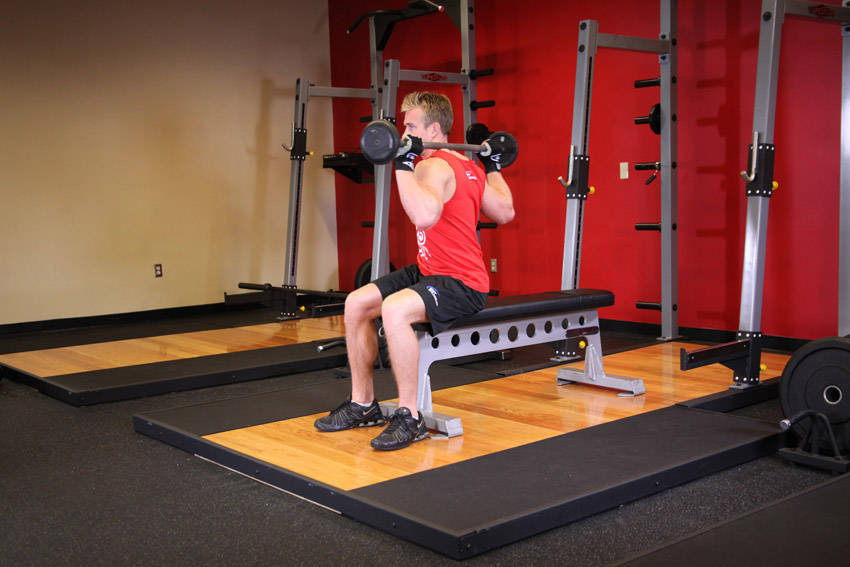
- Start out by sitting at the end of a flat bench with a barbell placed on top of your thighs. Your feet should be shoulder width apart from each other.
- Grip the bar with your palms facing down and make sure your hands are wider than shoulder width apart from each other. Begin to lift the barbell up over your head until your arms are fully extended.
- Now lower the barbell behind your head until it is resting along the base of your neck. This is the starting position.
- While keeping your feet and head stationary, move your waist from side to side so that your oblique muscles feel the contraction. Only move from side to side as far as your waist will allow you to go. Stretching or moving too far can cause an injury to occur. Tip: Use a slow and controlled motion.
- Remember to breathe out while twisting your body to the side and in when moving back to the starting position.
- Repeat for the recommended amount of repetitions.
Sets and reps: 3 sets of 10 to 15 reps.
Why this matches
- Movement: anti-rotation twist, the same as the Plate Twist
- Primary muscle: abs, the same as the Plate Twist
- Equipment: free weights, the same as the Plate Twist
- Body position: seated, not standing
4. Kettlebell Pass Between The Legs
86% match- Abs
- Kettlebell
- Intermediate
- Compound
Pick this when you want a harder version that works the abs one side at a time.
How to perform this exercise
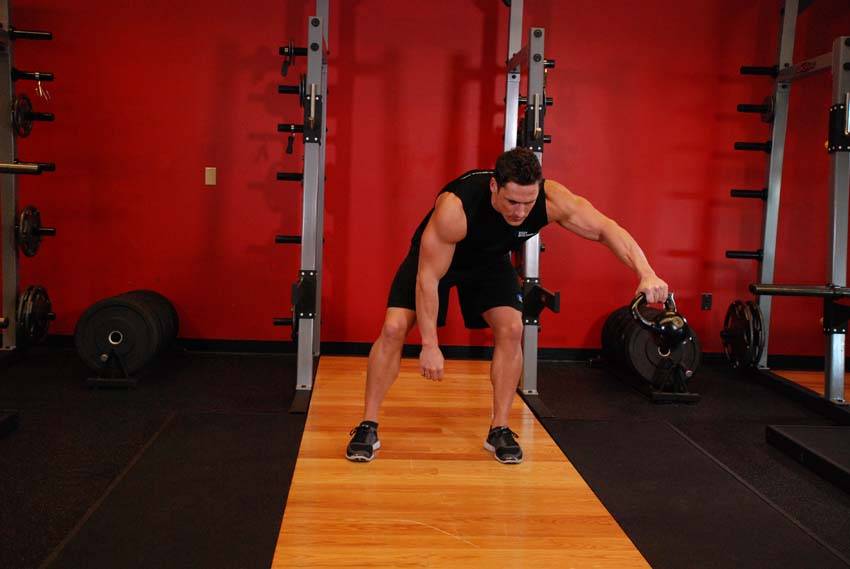
- Place one kettlebell between your legs and take a comfortable stance. Bend over by pushing your butt out and keeping your back flat.
- Pick up a kettlebell and pass it to your other hand between your legs, in the fashion of a "W". Go back and forth for several repetitions.
Sets and reps: 3 or 4 sets of 6 to 10 reps on each side.
Why this matches
- Primary muscle: abs, the same as the Plate Twist
- Equipment: free weights, the same as the Plate Twist
- Body position: standing, the same as the Plate Twist
5. Landmine 180's
86% match- Abs
- Barbell
- Intermediate
- Compound
How to perform this exercise
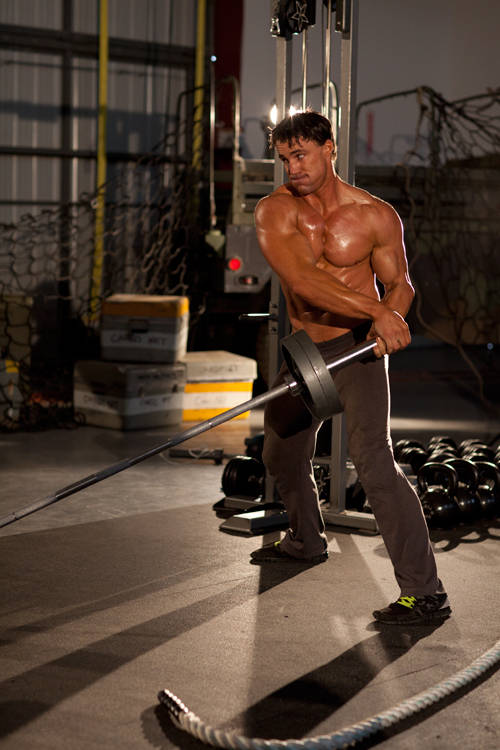
- Position a bar into a landmine or securely anchor it in a corner. Load the bar to an appropriate weight.
- Raise the bar from the floor, taking it to shoulder height with both hands with your arms extended in front of you. Adopt a wide stance. This will be your starting position.
- Perform the movement by rotating the trunk and hips as you swing the weight all the way down to one side. Keep your arms extended throughout the exercise.
- Reverse the motion to swing the weight all the way to the opposite side.
- Continue alternating the movement until the set is complete.
Sets and reps: 3 to 5 sets of 5 to 8 reps on each side.
Why this matches
- Primary muscle: abs, the same as the Plate Twist
- Equipment: free weights, the same as the Plate Twist
- Body position: standing, the same as the Plate Twist
6. Band Standing Twisting Crunch
85% match- Abs
- Band
- Beginner
- Isolation
Pick this when you want an easier version that still works the abs.
How to perform this exercise
- Stand with your feet shoulder-width apart and place the band around your upper back, crossing it in front of your chest.
- Hold the ends of the band with your hands, keeping your elbows bent and close to your sides.
- Engage your abs and twist your torso to one side, bringing your elbow towards the opposite knee.
- Pause for a moment, then return to the starting position.
- Repeat on the other side.
- Continue alternating sides for the desired number of repetitions.
Sets and reps: 3 sets of 10 to 15 reps.
Why this matches
- Primary muscle: abs, the same as the Plate Twist
- Equipment: a band, not free weights
- Body position: standing, the same as the Plate Twist
7. Cable Twist
85% match- Abs
- Cable
- Intermediate
- Isolation
How to perform this exercise
- Stand with your feet shoulder-width apart, facing the cable machine.
- Hold the cable handle with both hands in front of your chest, keeping your arms slightly bent.
- Engage your core and twist your torso to the right, pulling the cable across your body.
- Pause for a moment at the end of the movement, feeling the contraction in your abs and obliques.
- Slowly return to the starting position, resisting the cable's pull.
- Repeat the movement to the left side.
- Continue alternating sides for the desired number of repetitions.
Sets and reps: 3 sets of 10 to 15 reps.
Why this matches
- Movement: anti-rotation twist, the same as the Plate Twist
- Primary muscle: abs, the same as the Plate Twist
- Equipment: a cable, not free weights
- Body position: standing, the same as the Plate Twist
8. Barbell Side Bent
84% match- Abs
- Barbell
- Beginner
- Compound
How to perform this exercise
- Stand with your feet shoulder-width apart and hold a barbell with both hands, palms facing down.
- Keep your back straight and core engaged throughout the exercise.
- Slowly bend your torso to the right side, lowering the barbell towards your right knee.
- Pause for a moment, then return to the starting position.
- Repeat the movement on the left side.
- Continue alternating sides for the desired number of repetitions.
Sets and reps: 3 or 4 sets of 6 to 10 reps on each side.
Why this matches
- Primary muscle: abs, the same as the Plate Twist
- Equipment: free weights, the same as the Plate Twist
- Body position: standing, the same as the Plate Twist
9. Assisted Motion Russian Twist
84% match- Abs
- Medicine-ball
- Intermediate
- Isolation
How to perform this exercise
- Sit on the ground with your knees bent and feet flat on the floor.
- Hold the medicine ball with both hands in front of your chest.
- Lean back slightly, engaging your abs and keeping your back straight.
- Slowly twist your torso to the right, bringing the medicine ball towards the right side of your body.
- Pause for a moment, then twist your torso to the left, bringing the medicine ball towards the left side of your body.
- Continue alternating sides for the desired number of repetitions.
Sets and reps: 3 sets of 10 to 15 reps on each side.
Why this matches
- Movement: anti-rotation twist, the same as the Plate Twist
- Primary muscle: abs, the same as the Plate Twist
- Equipment: free weights, the same as the Plate Twist
- Body position: seated, not standing
10. Kettlebell Figure 8
83% match- Abs
- Kettlebell
- Intermediate
- Compound
How to perform this exercise
- Stand with your feet shoulder-width apart, holding a kettlebell in one hand.
- Bend your knees slightly and hinge forward at the hips, keeping your back straight.
- Pass the kettlebell between your legs, switching hands as it reaches the back of your legs.
- As the kettlebell comes forward, pass it to the other hand between your legs.
- Continue passing the kettlebell between your legs in a figure 8 motion.
- Maintain a steady pace and engage your core throughout the exercise.
- Repeat for the desired number of repetitions.
Sets and reps: 3 to 5 sets of 5 to 8 reps on each side.
Why this matches
- Primary muscle: abs, the same as the Plate Twist
- Equipment: free weights, the same as the Plate Twist
- Body position: standing, the same as the Plate Twist
- Balance: harder to stay steady on than the Plate Twist
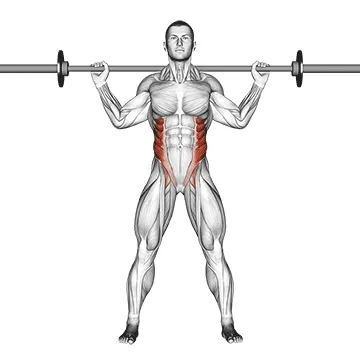
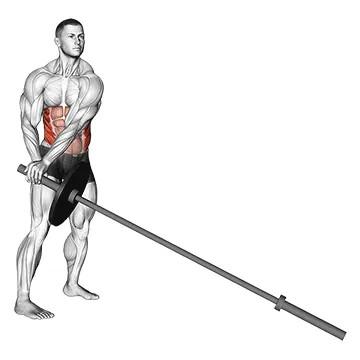
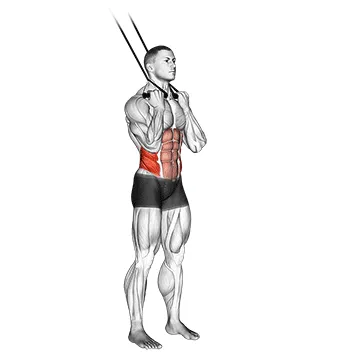
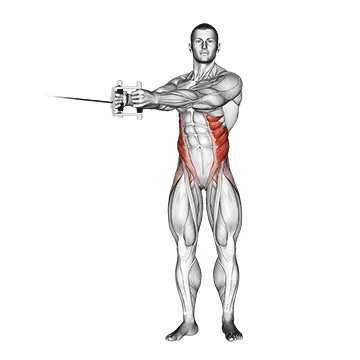
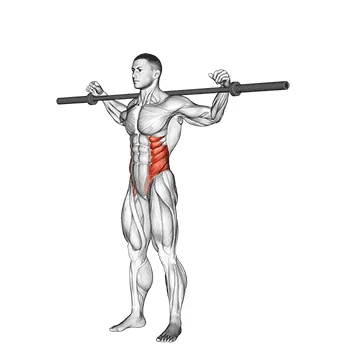
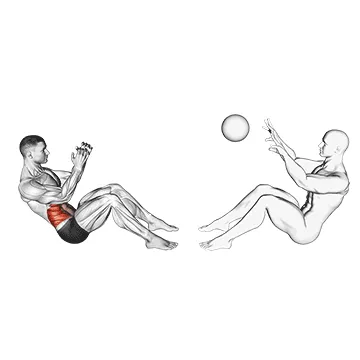
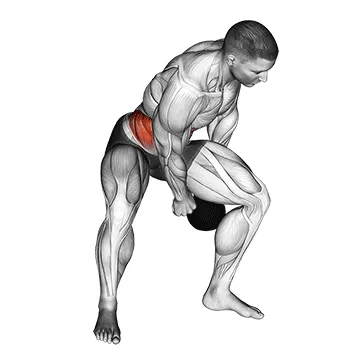
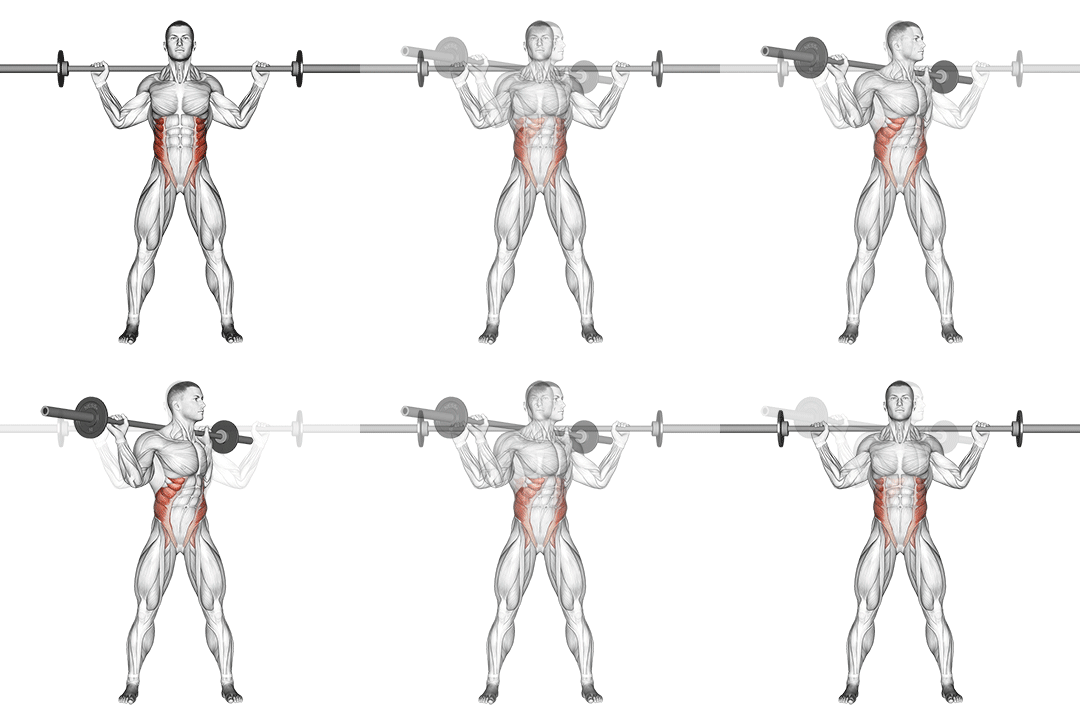
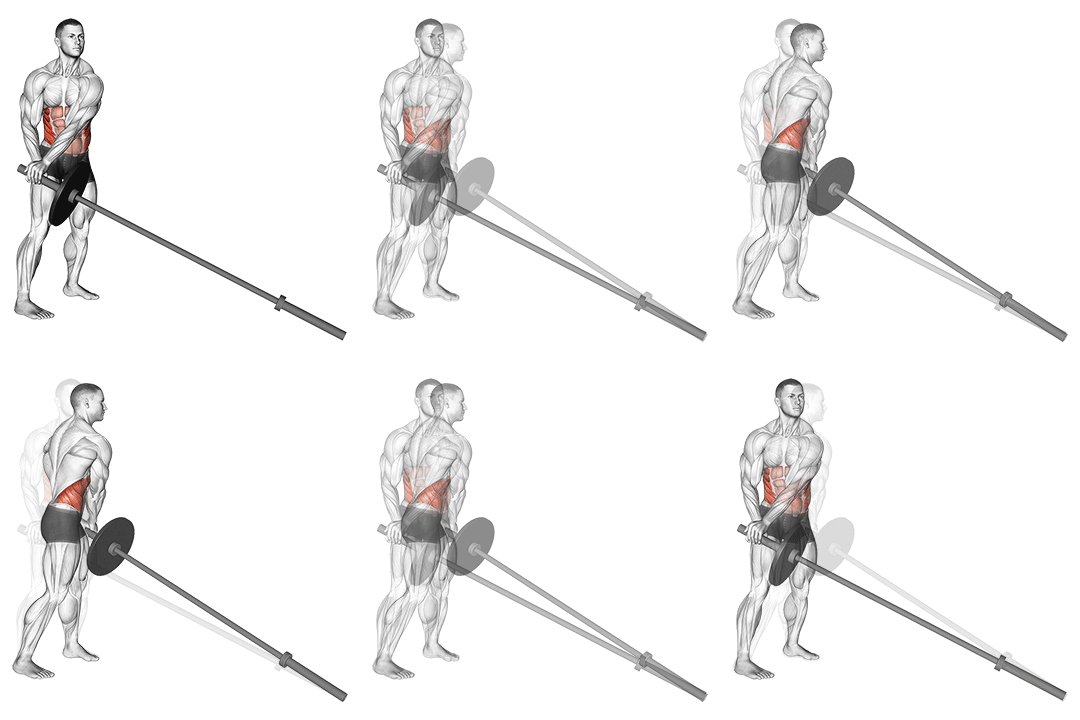
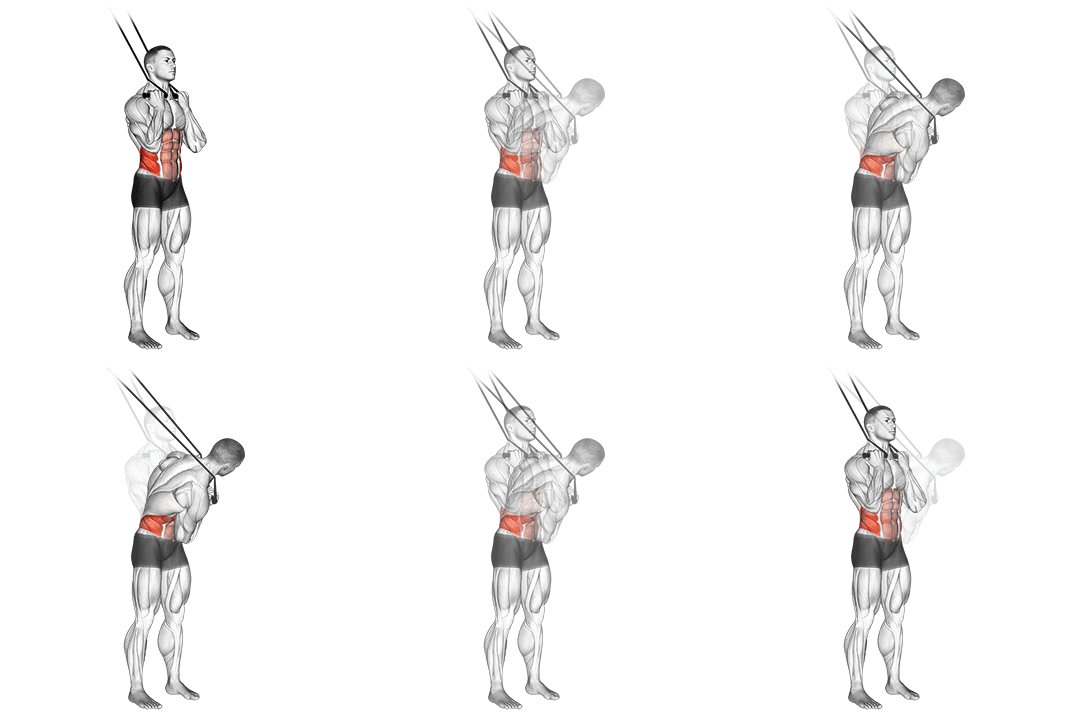
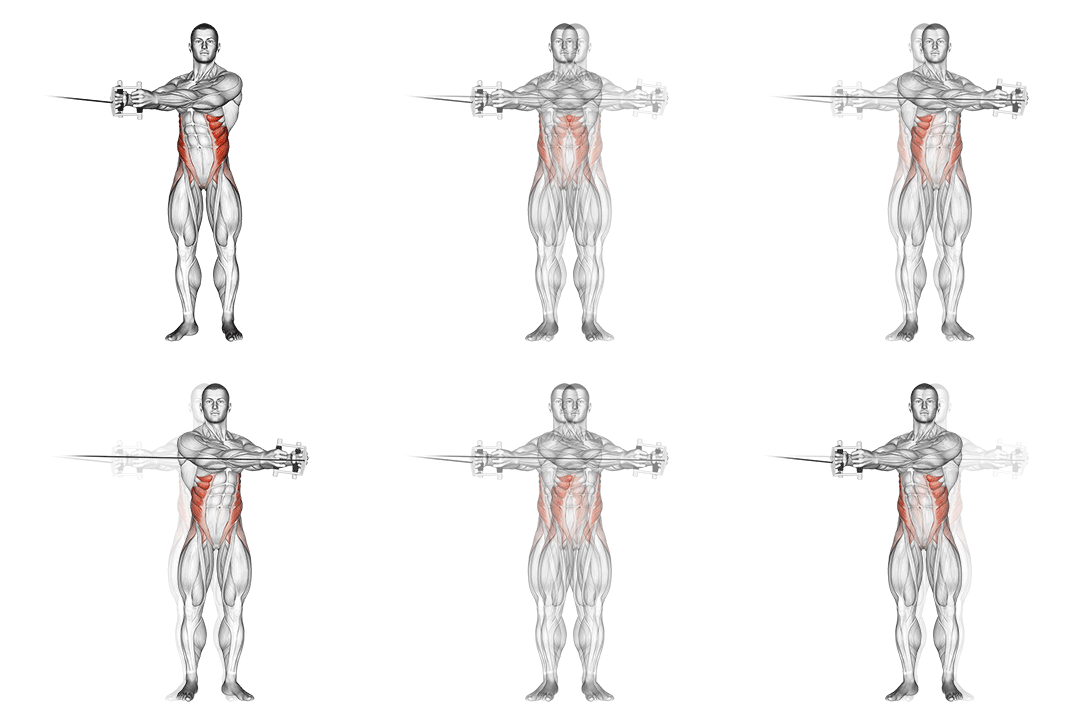
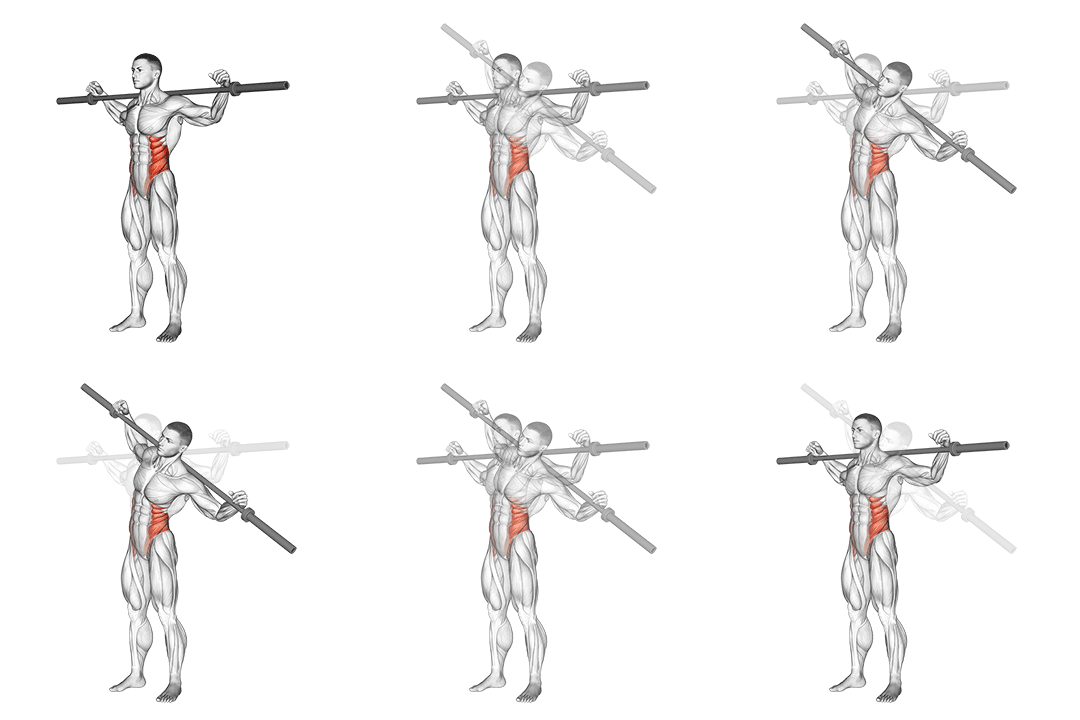
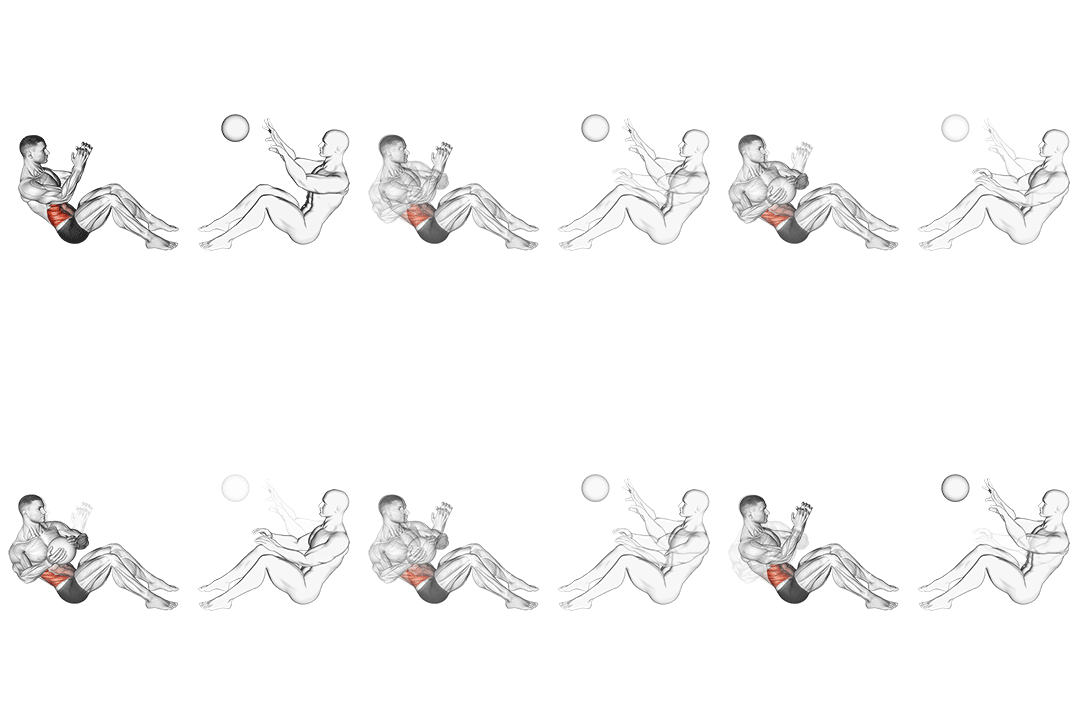
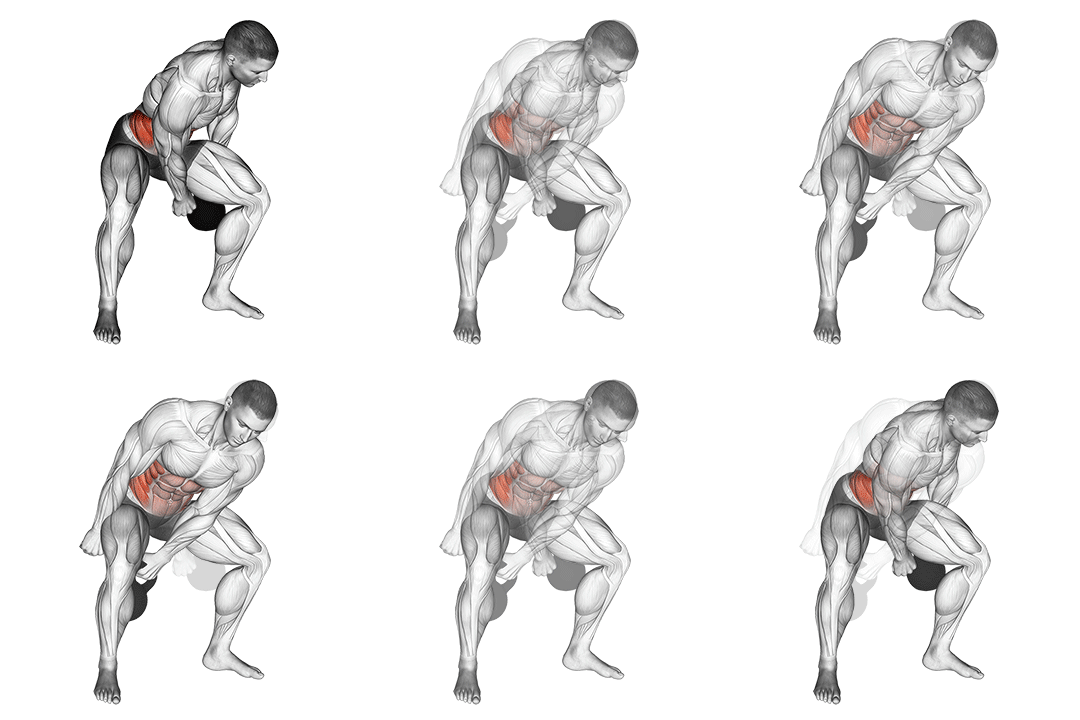
Plate Twist FAQ
What muscles does Plate Twist work?
Plate Twist primarily targets the external and internal obliques and the rectus abdominis while demanding stabilization from the transverse abdominis and lumbar erectors. Cue a tall chest and rotate from the thoracic spine so the obliques, not the lumbar spine, produce the torque.
Find Alternatives for Any Exercise
Search the exercise database and filter the ranked substitutes by the equipment you own.
Similarity scores compare exercise metadata such as movement pattern, muscles, equipment and body position. They are not a safety rating or a check that you own the equipment. Learn about our methodology