

10 Best Full Maltese Alternatives for Core Strength
The Full Maltese is done hanging. Ranked closest by our scoring: the Straddle Maltese, the Full Planche and the Straddle Planche.
Updated Ranked by our 12-factor similarity model How it works
Original Exercise: Full Maltese
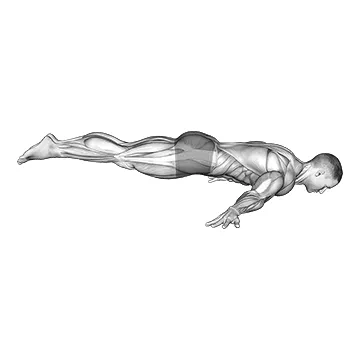
- Primary muscle
- Abs
- Equipment
- Bodyweight
- Difficulty
- Advanced
- Type
- Compound
Secondary muscles: Shoulders, Chest
How to perform Full Maltese
- Start by standing with your feet shoulder-width apart and your arms extended straight out to the sides.
- Slowly lean forward, keeping your arms straight, until your upper body is parallel to the ground.
- Engage your core and hold this position for a few seconds.
- Return to the starting position by pushing through your feet and standing back up.
- Repeat for the desired number of repetitions.
Ranked Full Maltese Alternatives
10 substitutes, ranked by how closely each one matches the Full Maltese on movement pattern, muscles worked, equipment and body position. The higher the score, the less you change. Open "How to perform this exercise" on a card for the steps; every card title links to that exercise's own alternatives page.
Best match 1. Straddle Maltese
99% match- Abs
- Bodyweight
- Advanced
- Compound
It uses the same equipment and still works the abs.
How to perform this exercise
- Start by hanging from a pair of rings with your arms fully extended and your body in a straight line.
- Spread your legs wide apart, forming a straddle position.
- Engage your core and slowly lower your body until your arms are parallel to the ground.
- Hold this position for a few seconds, then push yourself back up to the starting position.
- Repeat for the desired number of repetitions.
Sets and reps: 3 or 4 sets of 6 to 10 reps.
Why this matches
- Primary muscle: abs, the same as the Full Maltese
- Equipment: bodyweight only, the same as the Full Maltese
- Body position: hanging, the same as the Full Maltese
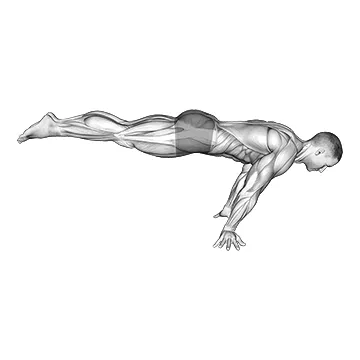
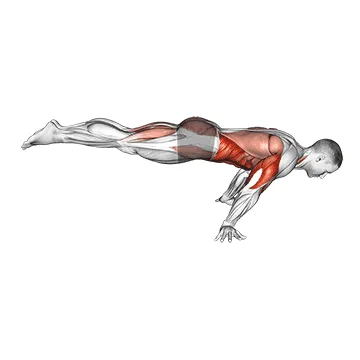
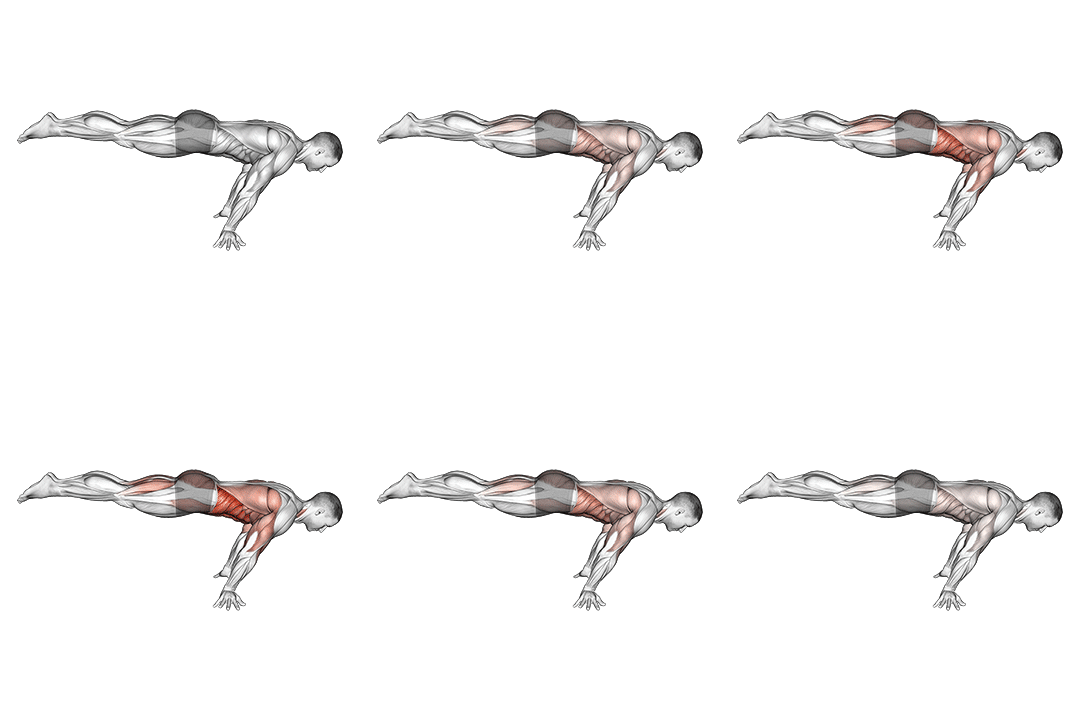
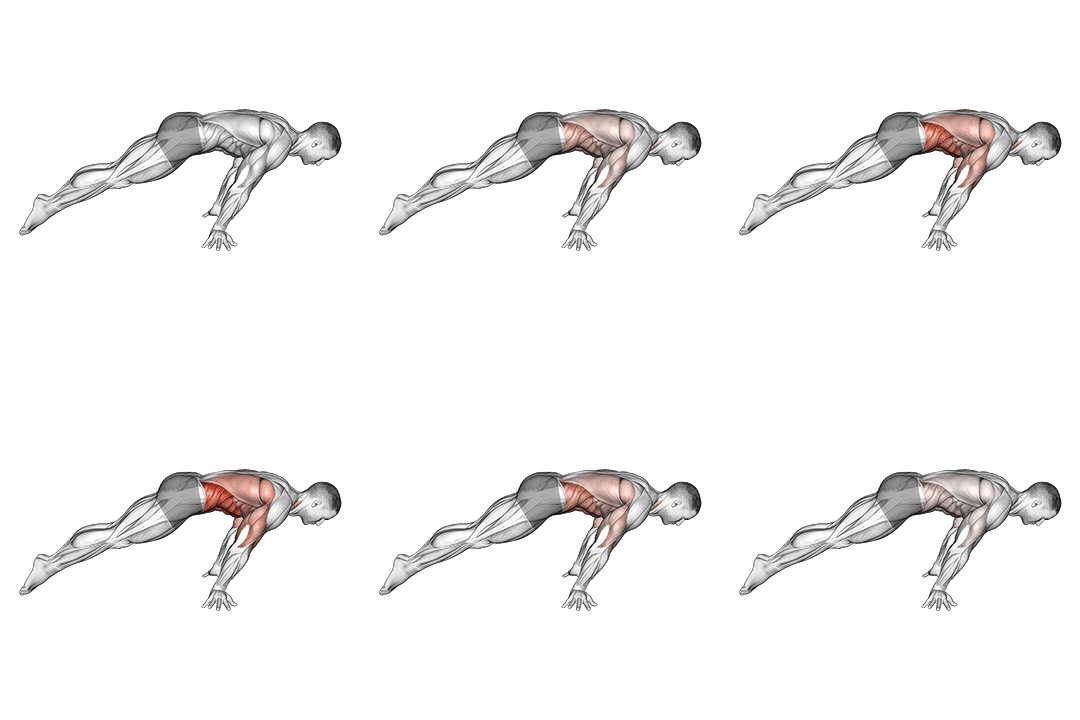
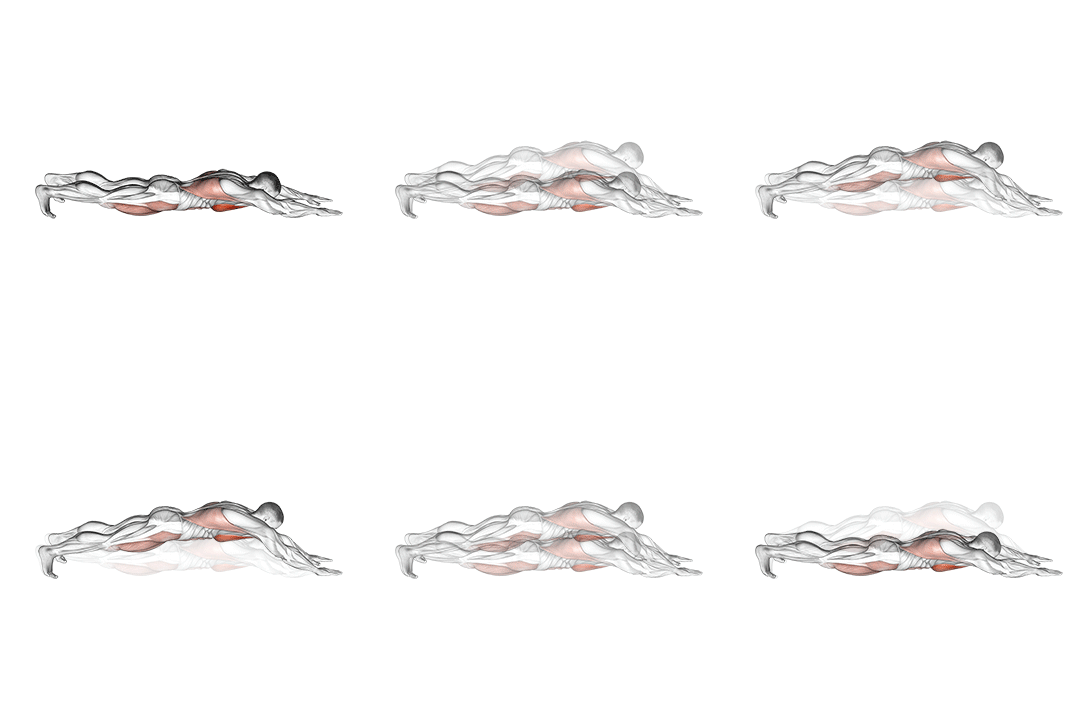
2. Full Planche
92% match- Abs
- Bodyweight
- Advanced
- Compound
The same equipment, done lying face down instead.
How to perform this exercise
- Start in a push-up position with your hands shoulder-width apart and your fingers pointing forward.
- Engage your core and slowly shift your weight forward, lifting your feet off the ground.
- Continue shifting your weight forward until your body is parallel to the ground, balancing on your hands.
- Hold this position for as long as you can, maintaining a straight body line.
- Slowly lower your feet back to the ground and return to the starting position.
- Repeat for the desired number of repetitions.
Sets and reps: Hold for 20 to 30 seconds, 3 sets.
Why this matches
- Primary muscle: abs, the same as the Full Maltese
- Equipment: bodyweight only, the same as the Full Maltese
- Body position: lying face down, not hanging
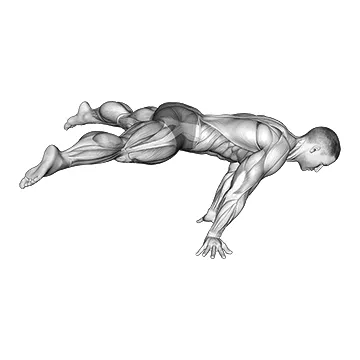
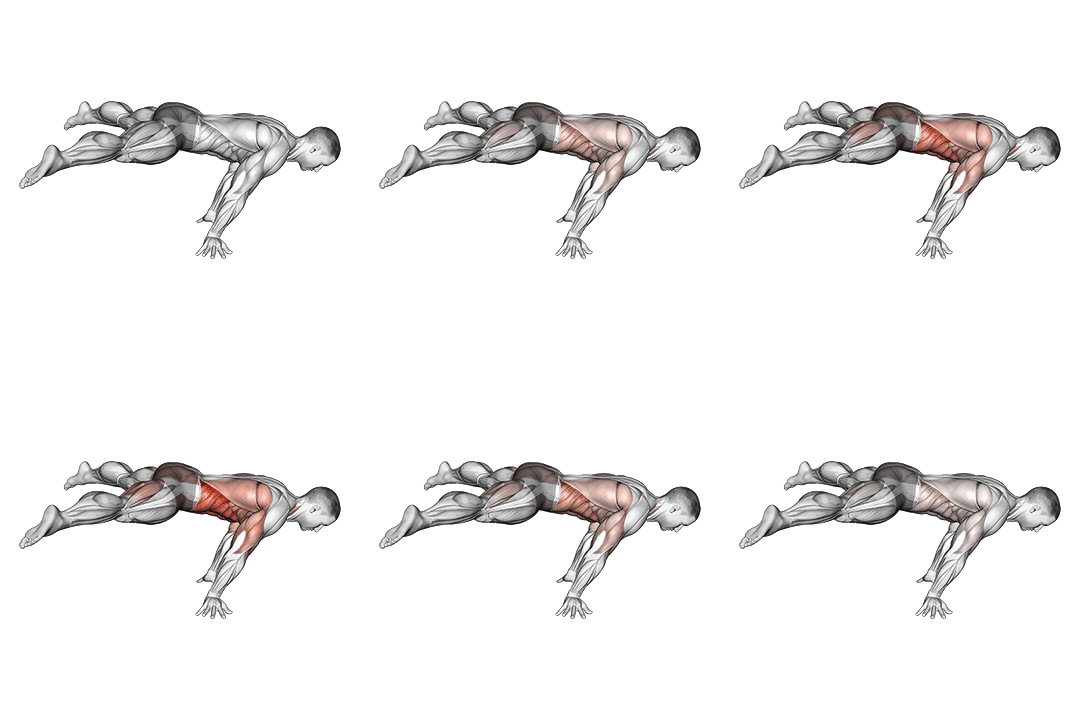
3. Straddle Planche
91% match- Abs
- Bodyweight
- Advanced
- Compound
How to perform this exercise
- Start in a push-up position with your hands shoulder-width apart and your feet spread wide apart.
- Engage your core and slowly shift your weight forward, bringing your shoulders over your hands.
- Bend your elbows and lower your body towards the ground, keeping your elbows close to your sides.
- Pause for a moment at the bottom, then push through your hands to straighten your arms and lift your body back up to the starting position.
- Repeat for the desired number of repetitions.
Sets and reps: 3 or 4 sets of 6 to 10 reps.
Why this matches
- Primary muscle: abs, the same as the Full Maltese
- Equipment: bodyweight only, the same as the Full Maltese
- Body position: lying face down, not hanging
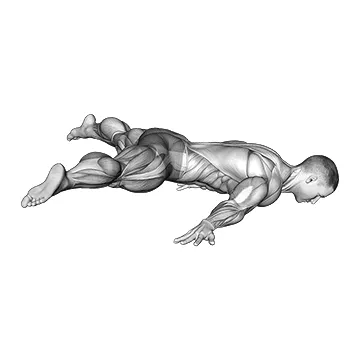
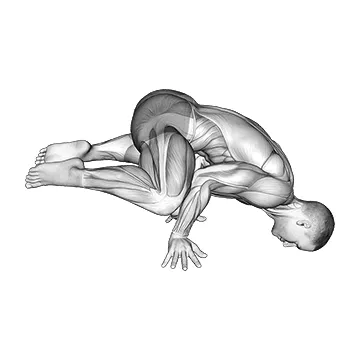
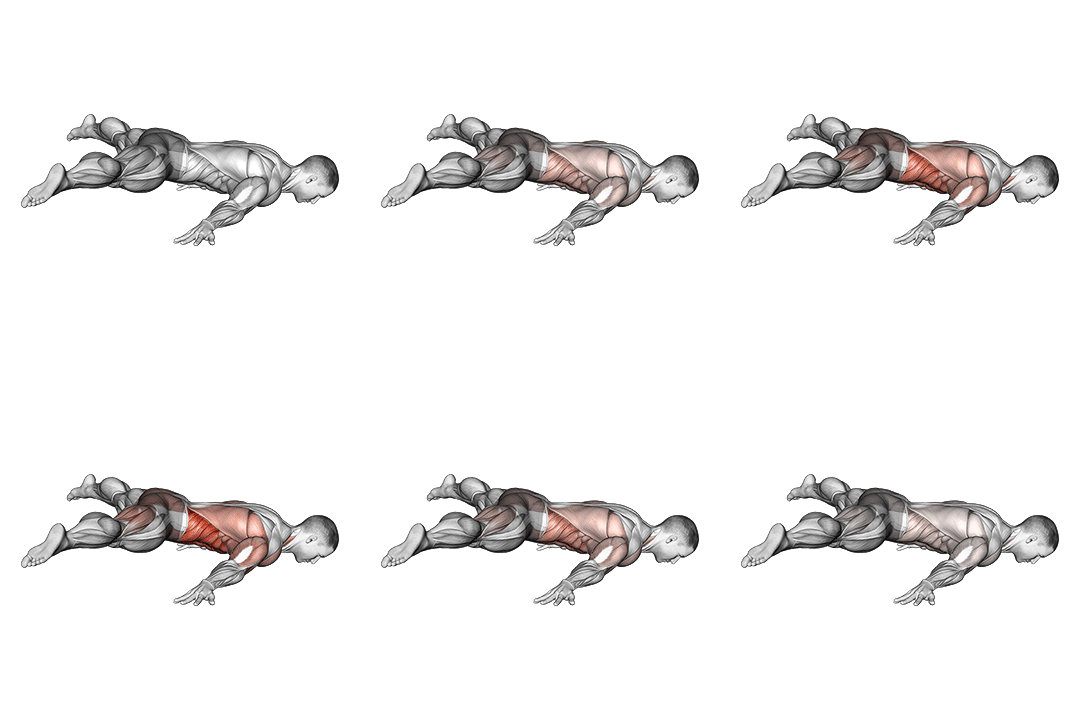
4. Frog Planche
90% match- Abs
- Bodyweight
- Advanced
- Compound
Pick this when you want an easier version that still works the abs.
How to perform this exercise
- Start in a push-up position with your hands shoulder-width apart and your feet together.
- Bend your elbows and lower your body towards the ground, keeping your back straight.
- As you lower your body, lift your feet off the ground and bring your knees towards your chest.
- Hold this position for a few seconds, then extend your legs back out and push yourself back up to the starting position.
- Repeat for the desired number of repetitions.
Sets and reps: 3 or 4 sets of 6 to 10 reps.
Why this matches
- Primary muscle: abs, the same as the Full Maltese
- Equipment: bodyweight only, the same as the Full Maltese
- Body position: lying face down, not hanging
5. Lean Planche
90% match- Abs
- Bodyweight
- Advanced
- Compound
How to perform this exercise
- Start in a push-up position with your hands shoulder-width apart and your body straight.
- Engage your core and slowly shift your weight forward, bringing your shoulders past your hands.
- Keep your elbows slightly bent and your body straight as you lean forward.
- Hold this position for a few seconds, then slowly return to the starting position.
- Repeat for the desired number of repetitions.
Sets and reps: 3 or 4 sets of 6 to 10 reps.
Why this matches
- Primary muscle: abs, the same as the Full Maltese
- Equipment: bodyweight only, the same as the Full Maltese
- Body position: lying face down, not hanging
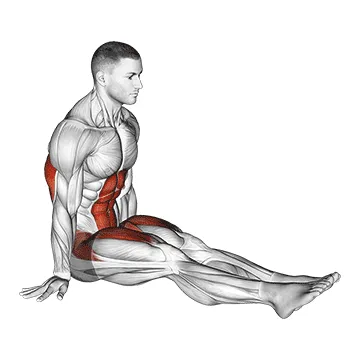
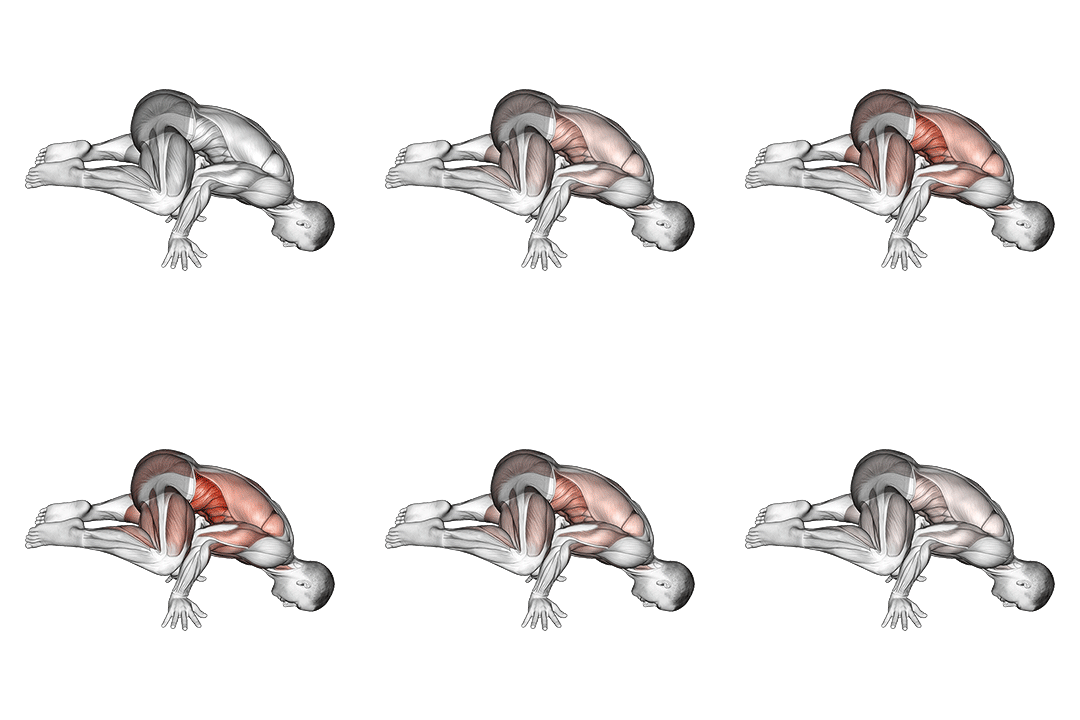
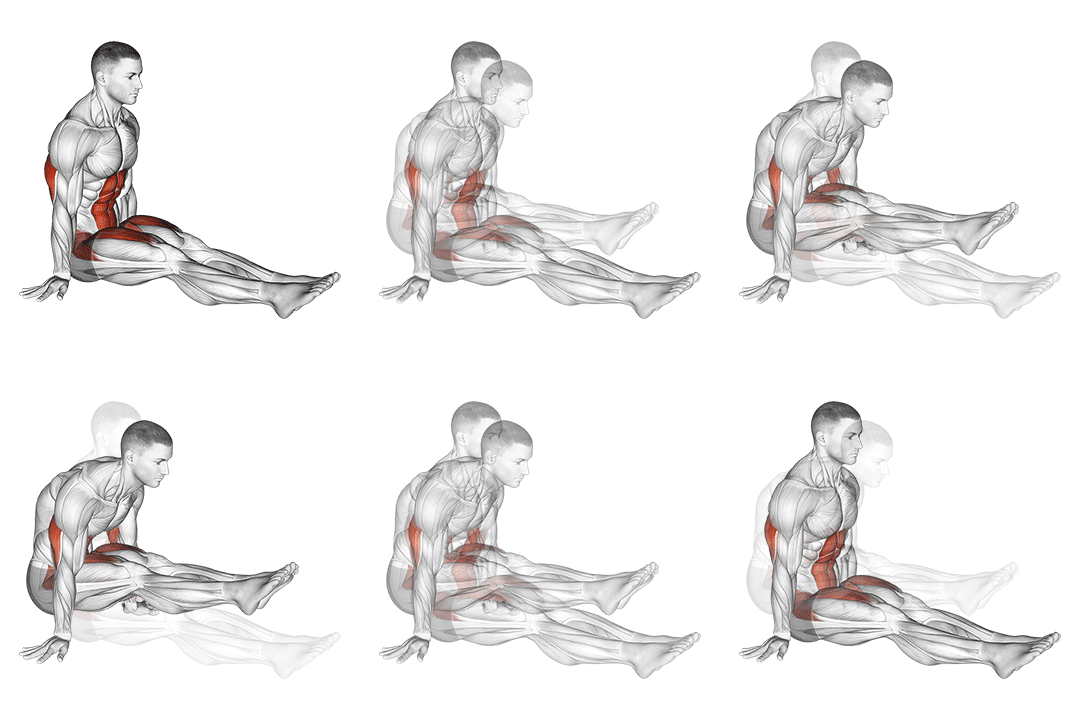
6. L-sit On Floor
86% match- Abs
- Bodyweight
- Intermediate
- Compound
How to perform this exercise
- Sit on the floor with your legs extended in front of you.
- Place your hands on the floor beside your hips, fingers pointing forward.
- Engage your core and lift your legs off the ground, keeping them straight.
- Try to bring your legs parallel to the floor, forming an 'L' shape with your body.
- Hold this position for as long as you can.
- Slowly lower your legs back down to the starting position.
- Repeat for the desired number of repetitions.
Sets and reps: Hold for 20 to 30 seconds, 3 sets.
Why this matches
- Primary muscle: abs, the same as the Full Maltese
- Equipment: bodyweight only, the same as the Full Maltese
- Body position: seated, not hanging
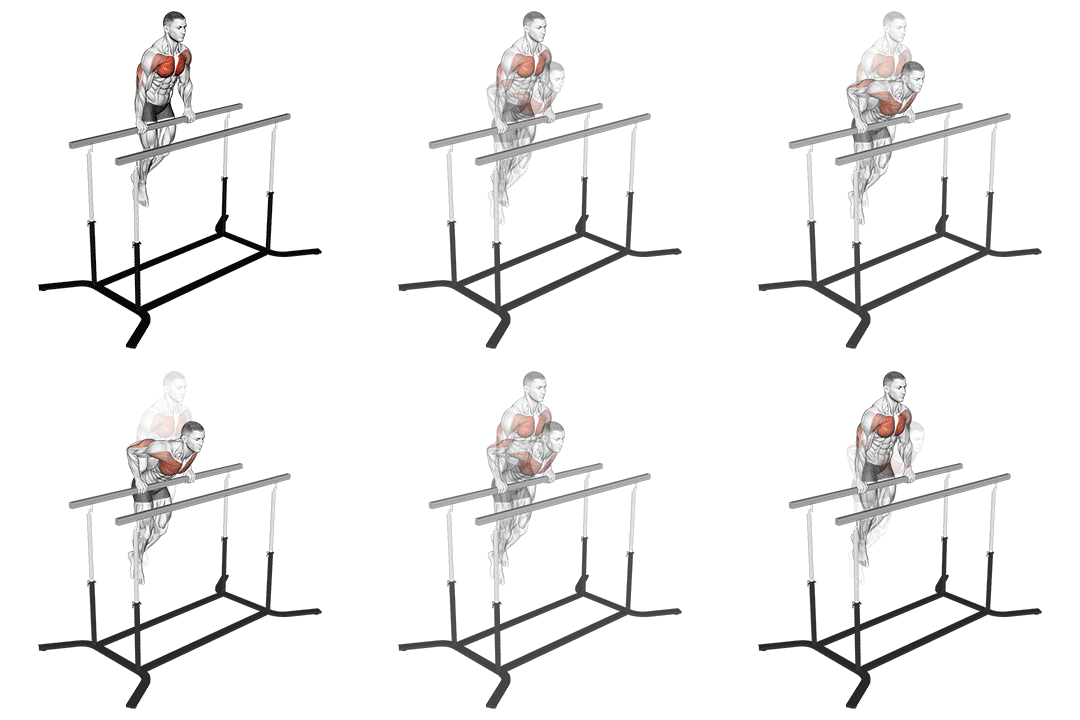
7. Triceps Dip
72% match- Triceps
- Bodyweight
- Intermediate
- Compound
A looser match: it uses the same equipment, but it works the triceps rather than the abs.
How to perform this exercise
- Sit on the edge of a bench or chair with your hands gripping the edge, fingers pointing forward.
- Slide your butt off the bench, supporting your weight with your hands.
- Bend your elbows and lower your body towards the ground, keeping your back close to the bench.
- Pause for a moment at the bottom, then push yourself back up to the starting position.
- Repeat for the desired number of repetitions.
Sets and reps: 3 or 4 sets of 6 to 10 reps.
Why this matches
- Primary muscle: triceps, not abs
- Equipment: bodyweight only, the same as the Full Maltese
- Body position: hanging, the same as the Full Maltese
- Balance: easier to stay steady on than the Full Maltese
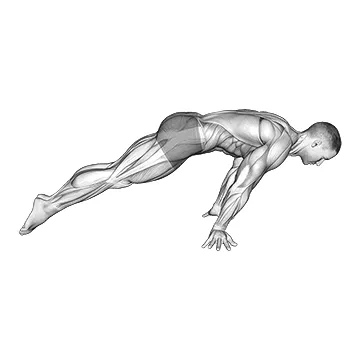
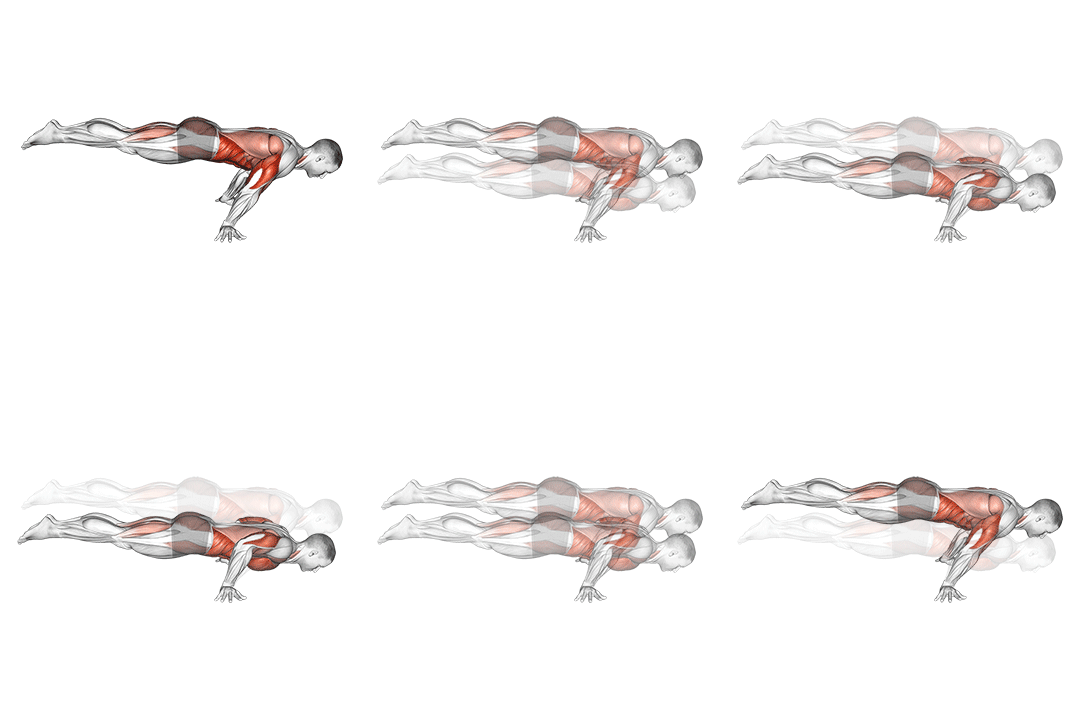
8. Full Planche Push-up
68% match- Pectorals
- Bodyweight
- Advanced
- Compound
How to perform this exercise
- Start in a push-up position with your hands placed slightly wider than shoulder-width apart.
- Engage your core and lower your body down towards the ground, keeping your elbows close to your sides.
- As you lower yourself, lean your body forward and lift your feet off the ground, balancing on your hands.
- Continue to lower your body until your chest is just above the ground.
- Push through your hands and extend your arms to lift your body back up to the starting position.
- Maintain a straight line from your head to your heels throughout the movement.
- Repeat for the desired number of repetitions.
Sets and reps: 3 or 4 sets of 6 to 10 reps.
Why this matches
- Primary muscle: pectorals, not abs
- Equipment: bodyweight only, the same as the Full Maltese
- Body position: lying face down, not hanging
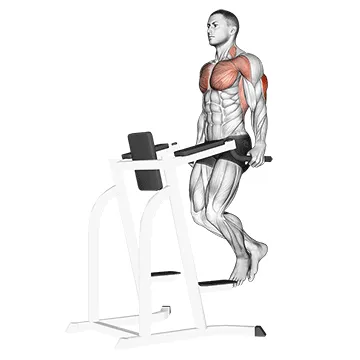
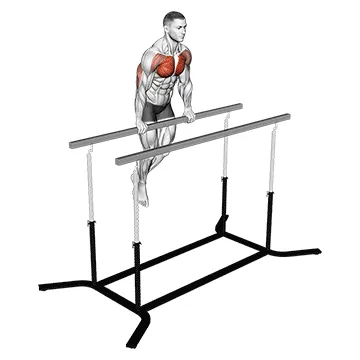
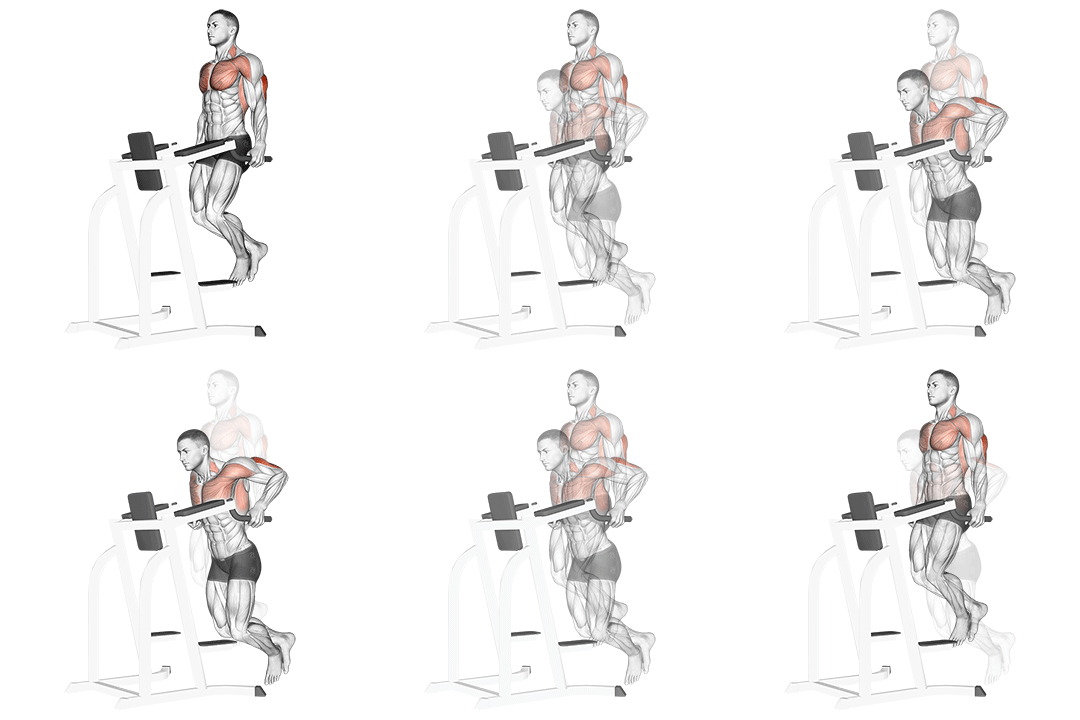
9. Chest Dip On Straight Bar
67% match- Pectorals
- Bodyweight
- Intermediate
- Compound
How to perform this exercise
- Grab the parallel bars with your palms facing down and your arms fully extended.
- Bend your knees and cross your ankles.
- Lower your body by bending your arms until your shoulders are below your elbows.
- Push yourself back up to the starting position by straightening your arms.
- Repeat for the desired number of repetitions.
Sets and reps: 3 or 4 sets of 6 to 10 reps.
Why this matches
- Primary muscle: pectorals, not abs
- Equipment: bodyweight only, the same as the Full Maltese
- Body position: hanging, the same as the Full Maltese
- Balance: easier to stay steady on than the Full Maltese
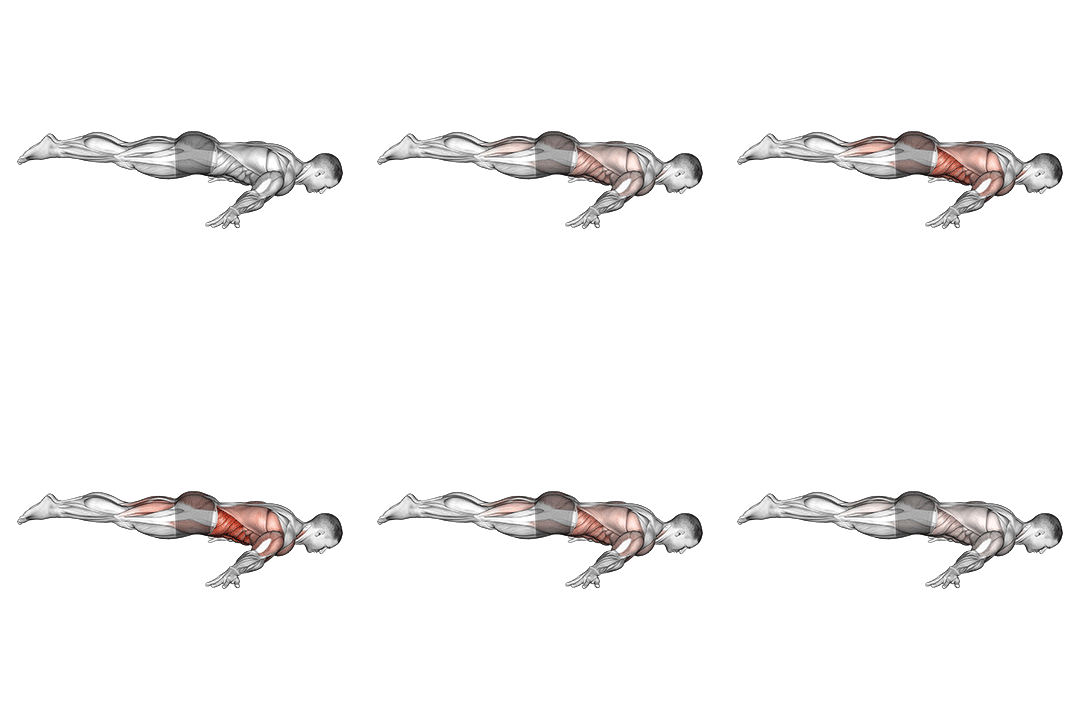
10. Superman Push-up
66% match- Pectorals
- Bodyweight
- Advanced
- Compound
How to perform this exercise
- Start in a high plank position with your hands slightly wider than shoulder-width apart and your feet together.
- Engage your core and lower your body towards the ground, keeping your elbows close to your sides.
- As you lower your body, simultaneously lift your right arm and left leg off the ground, extending them straight out.
- Pause for a moment at the top, then lower your arm and leg back down while pushing yourself back up to the starting position.
- Repeat the movement, this time lifting your left arm and right leg.
- Continue alternating sides for the desired number of repetitions.
Sets and reps: 3 or 4 sets of 6 to 10 reps.
Why this matches
- Primary muscle: pectorals, not abs
- Equipment: bodyweight only, the same as the Full Maltese
- Body position: lying face down, not hanging
Why You Might Need a Full Maltese Alternative
You might substitute the Full Maltese for shoulder pain, limited ring access, or insufficient strength and coordination. The Maltese demands extreme shoulder horizontal adduction and full-body tension; alternatives let you isolate the anti-extension and anti-rotation challenge without maximal shoulder loading. Choose movements that recreate the long-lever torque on the rectus abdominis and obliques while allowing easier progressions, use shorter lever lengths or bent-knee regressions, keep the transverse abdominis braced, and emphasize controlled eccentric phases to build the same core stiffness safely.
Full Maltese FAQ
What is the best bodyweight alternative to Full Maltese?
The dragon flag is the closest bodyweight substitute for long-lever anti-extension, engaging the rectus abdominis and obliques under high load. Cue a tight hollow shape, control the descent, and stop short of lumbar collapse to progress safely.
Find Alternatives for Any Exercise
Search the exercise database and filter the ranked substitutes by the equipment you own.
Similarity scores compare exercise metadata such as movement pattern, muscles, equipment and body position. They are not a safety rating or a check that you own the equipment. Learn about our methodology