

10 Best Knee Across The Body Alternatives for Glute Isolation
If you can't do Knee Across The Body, switch to single-leg glute bridges, clamshells, lateral band walks, curtsy lunges, or standing hip adductions to target the glutes and hip stabilizers. Cue: brace your core and squeeze the glute at peak contraction while keeping the pelvis level to preserve glute medius activation and avoid lumbar compensation.
Original Exercise: Knee Across The Body
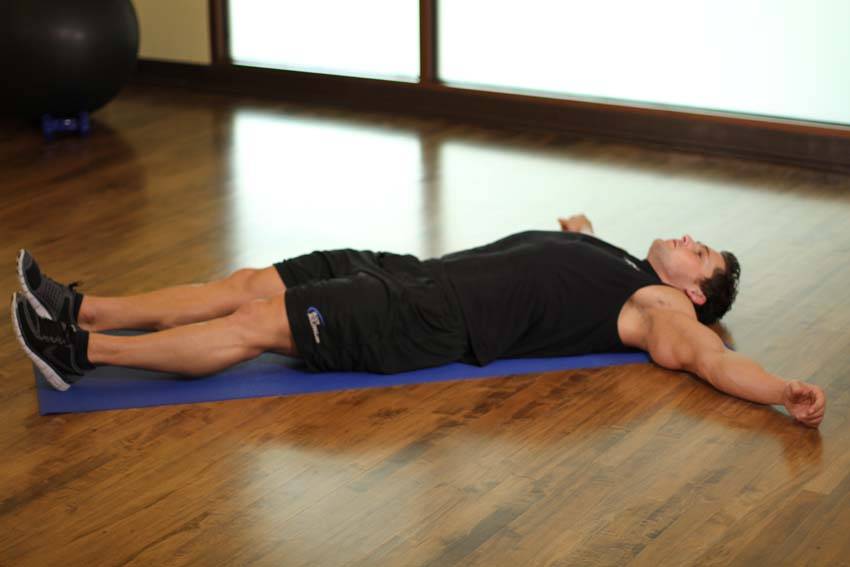
How to Perform Knee Across The Body
- Lie down on the floor with your right leg straight. Bend your left leg and lower it across your body, holding the knee down toward the floor with your right hand. (The knee doesn't need to touch the floor if you're tight.)
- Place your left arm comfortably beside you and turn your head to the left. Imagine you have a weight tied to your tailbone. let your tailbone fall back toward the floor as your chest reaches in the opposite direction to stretch your lower back. Switch sides.
Pro Tips
- Category: Stretching
- Force: Static
Best Knee Across The Body Alternatives
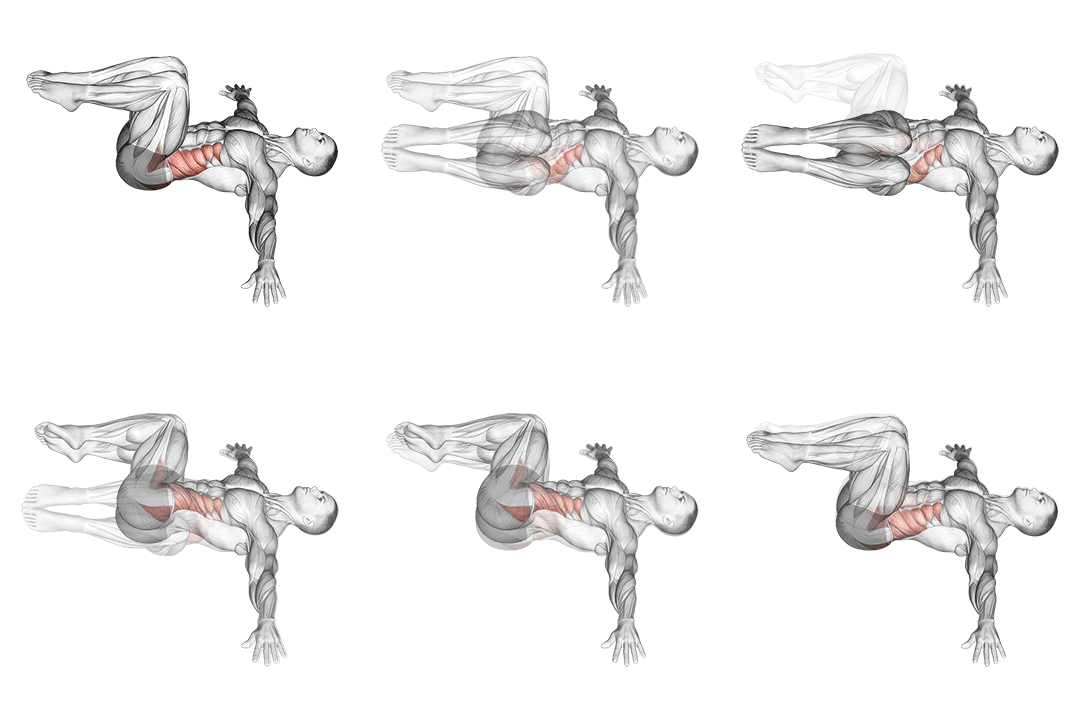
1. Bent Knee Lying Twist (male)
88.4% MatchHow to perform this exercise
- Lie flat on your back with your knees bent and feet flat on the ground.
- Extend your arms out to the sides, perpendicular to your body.
- Keeping your knees together, slowly lower them to one side, aiming to touch the ground with your knees.
- Pause for a moment, then engage your core and slowly lift your knees back to the starting position.
- Repeat the movement to the other side.
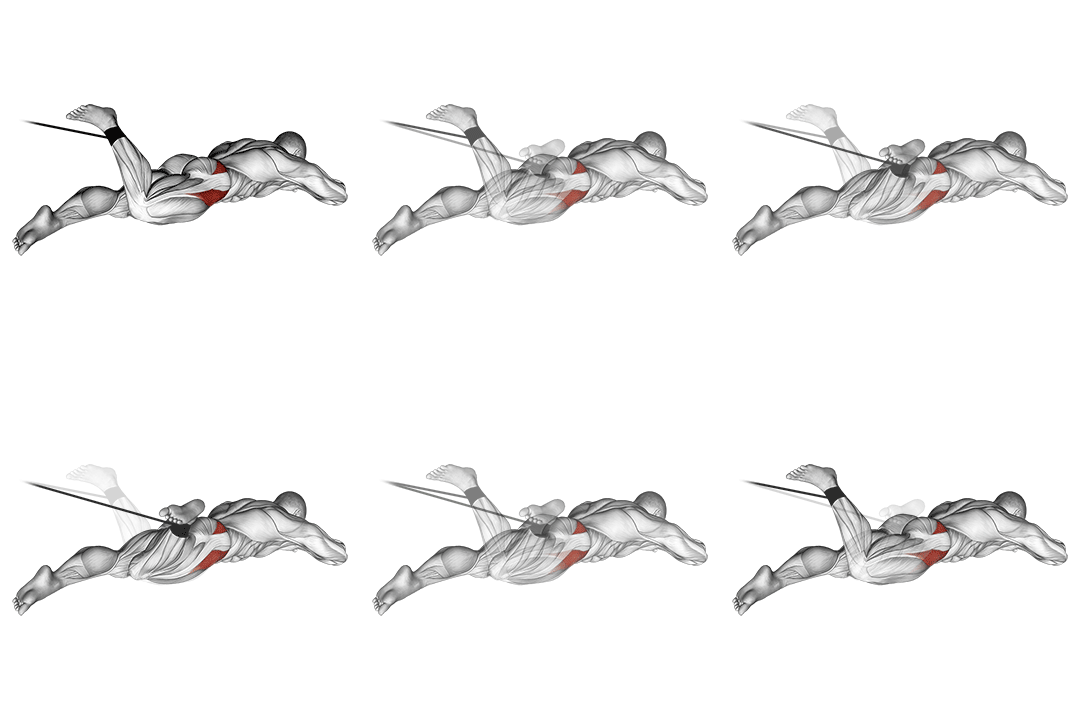
2. Band Lying Hip Internal Rotation
85.4% MatchHow to perform this exercise
- Lie on your back with your legs straight and a resistance band looped around your feet.
- Bend your knees and bring them towards your chest, keeping your feet together.
- Slowly rotate your knees outwards, away from each other, while keeping your feet together.
- Pause for a moment at the end of the rotation, then slowly return to the starting position.
- Repeat for the desired number of repetitions.
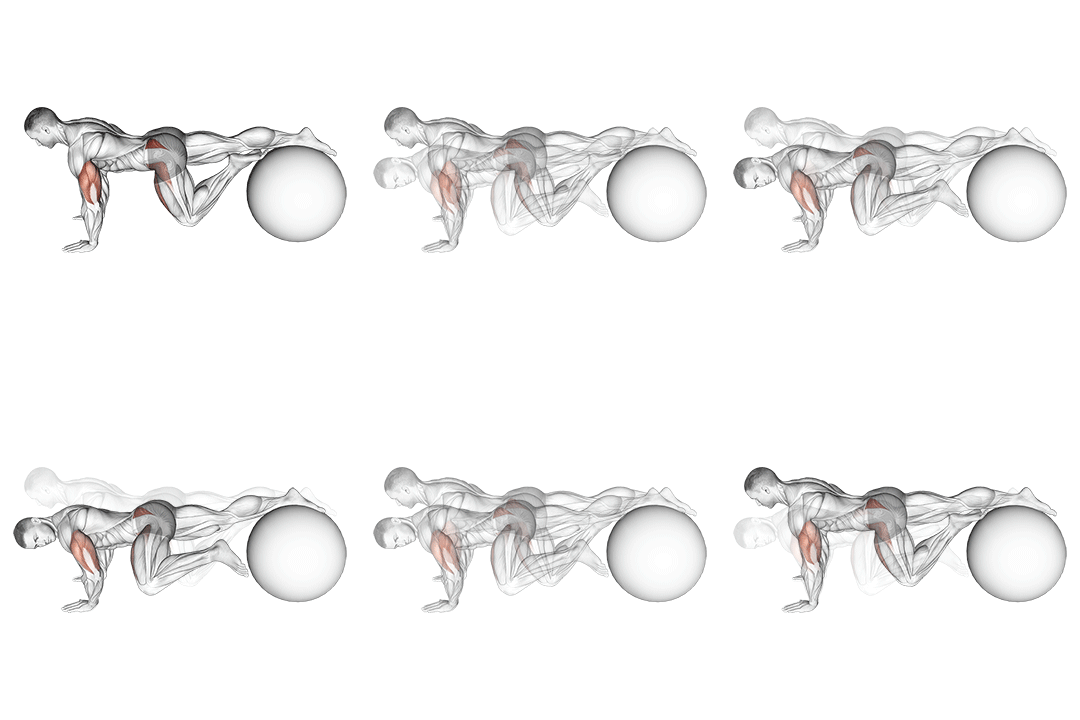
3. Exercise Ball One Leg Prone Lower Body Rotation
78.2% MatchHow to perform this exercise
- Lie face down on the stability ball with your hips resting on the ball and your legs extended straight behind you.
- Place your hands on the ground in front of you for support.
- Engage your glutes and core muscles to stabilize your body.
- Slowly lift one leg off the ground, keeping it straight and parallel to the floor.
- Rotate your leg outward, away from your body, while keeping your hips and upper body stable.
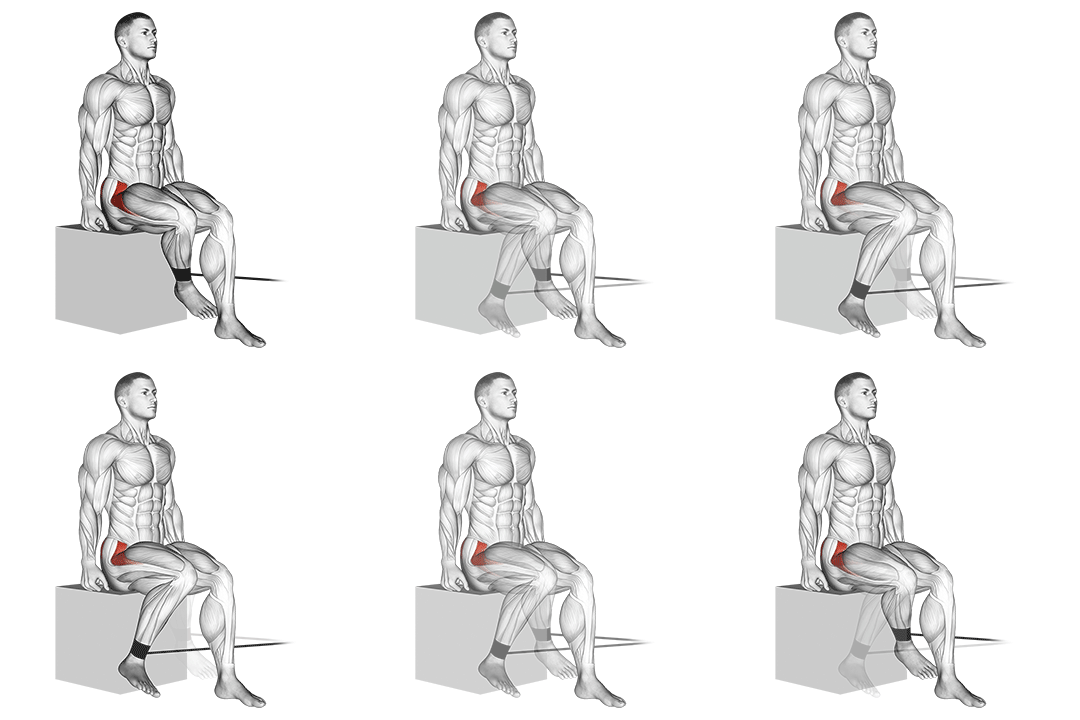
4. Band Seated Hip Internal Rotation
76.7% MatchHow to perform this exercise
- Sit on a chair or bench with your back straight and feet flat on the ground.
- Place a resistance band around your thighs, just above your knees.
- Keep your knees bent at a 90-degree angle and your feet shoulder-width apart.
- Engage your glutes and slowly rotate your knees outward, pushing against the resistance of the band.
- Pause for a moment at the end of the movement, then slowly return to the starting position.
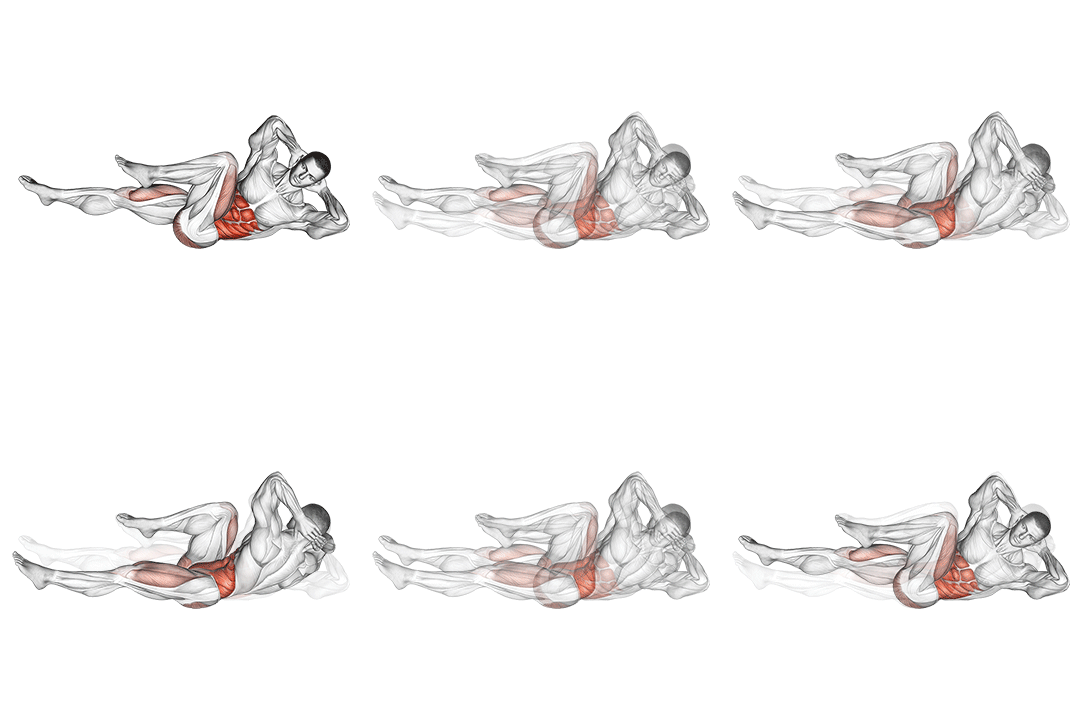
5. Elbow-to-knee
76.1% MatchHow to perform this exercise
- Start by lying flat on your back with your knees bent and feet flat on the ground.
- Place your hands behind your head with your elbows pointing outwards.
- Engage your abs and lift your upper body off the ground, bringing your right elbow towards your left knee.
- At the same time, bring your left knee towards your right elbow, creating a twisting motion.
- Pause for a moment at the top, then slowly lower your upper body and extend your legs back to the starting position.
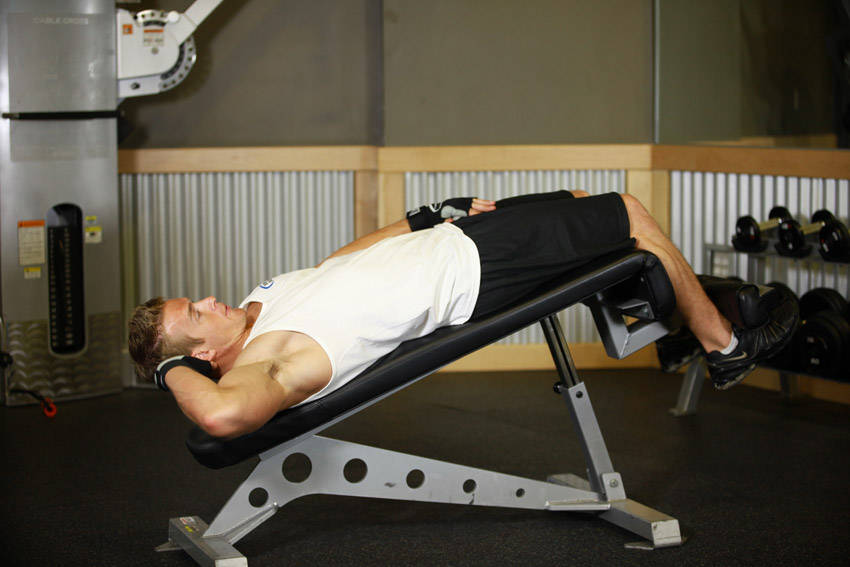
6. Decline Oblique Crunch
73.4% MatchHow to perform this exercise
- Secure your legs at the end of the decline bench and slowly lay down on the bench.
- Raise your upper body off the bench until your torso is about 35-45 degrees if measured from the floor.
- Put one hand beside your head and the other on your thigh. This will be your starting position.
- Raise your upper body slowly from the starting position while turning your torso to the left. Continue crunching up as you exhale until your right elbow touches your left knee. Hold this contracted position for a second. Tip: Focus on keeping your abs tight and keeping the movement slow and controlled.
- Lower your body back down slowly to the starting position as you inhale.
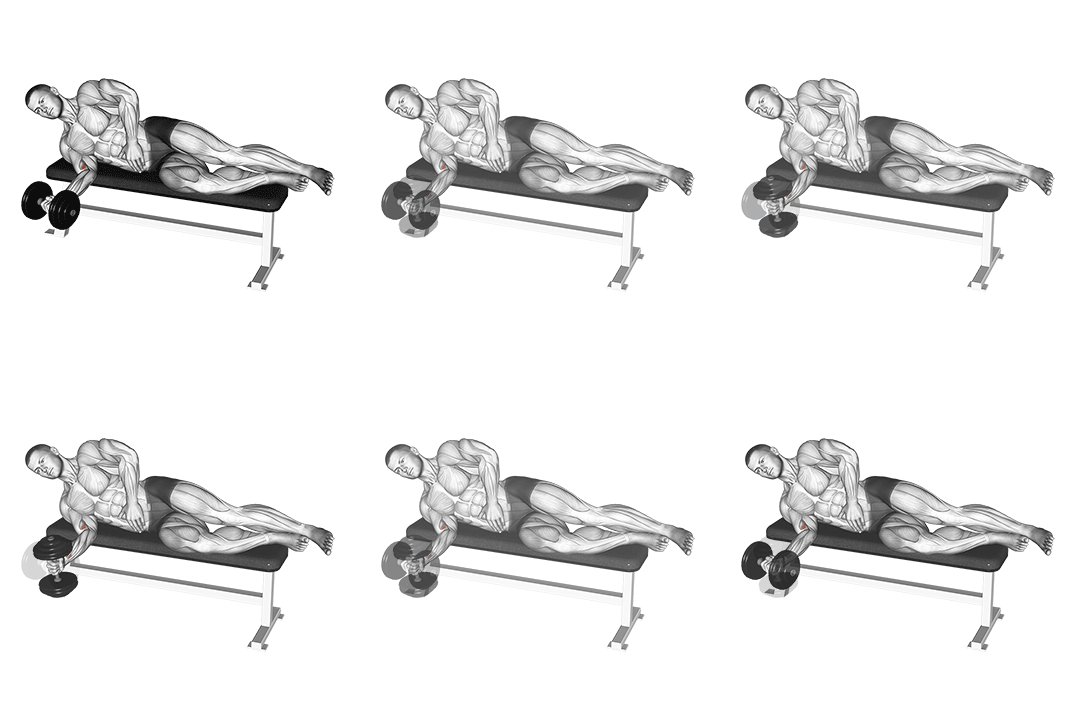
7. Dumbbell Lying Pronation
73.1% MatchHow to perform this exercise
- Lie flat on a bench with your chest facing down and your arms extended straight down, holding a dumbbell in each hand.
- Rotate your palms so they are facing up.
- Keeping your upper arms stationary, exhale and curl the dumbbells as you rotate your palms to face down.
- Inhale and slowly lower the dumbbells back to the starting position.
- Repeat for the desired number of repetitions.
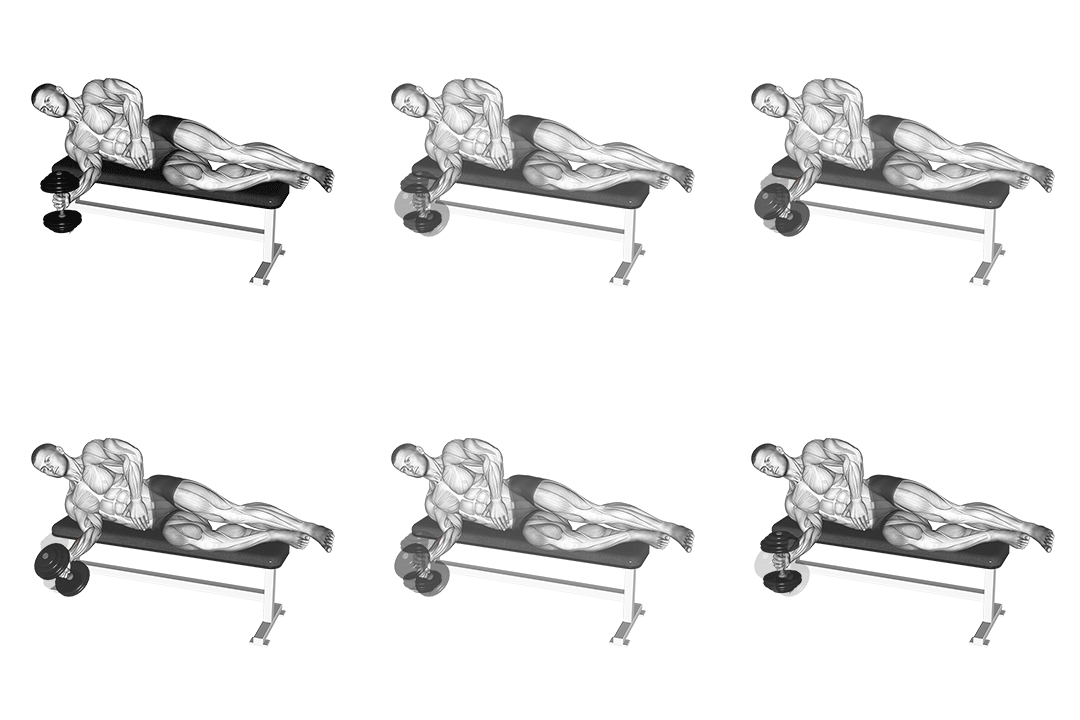
8. Dumbbell Lying Supination
73.1% MatchHow to perform this exercise
- Lie flat on a bench with your feet flat on the ground.
- Hold a dumbbell in each hand with your palms facing up and your arms fully extended.
- Keeping your upper arms stationary, curl the dumbbells towards your shoulders by contracting your forearms.
- Pause for a moment at the top, then slowly lower the dumbbells back to the starting position.
- Repeat for the desired number of repetitions.
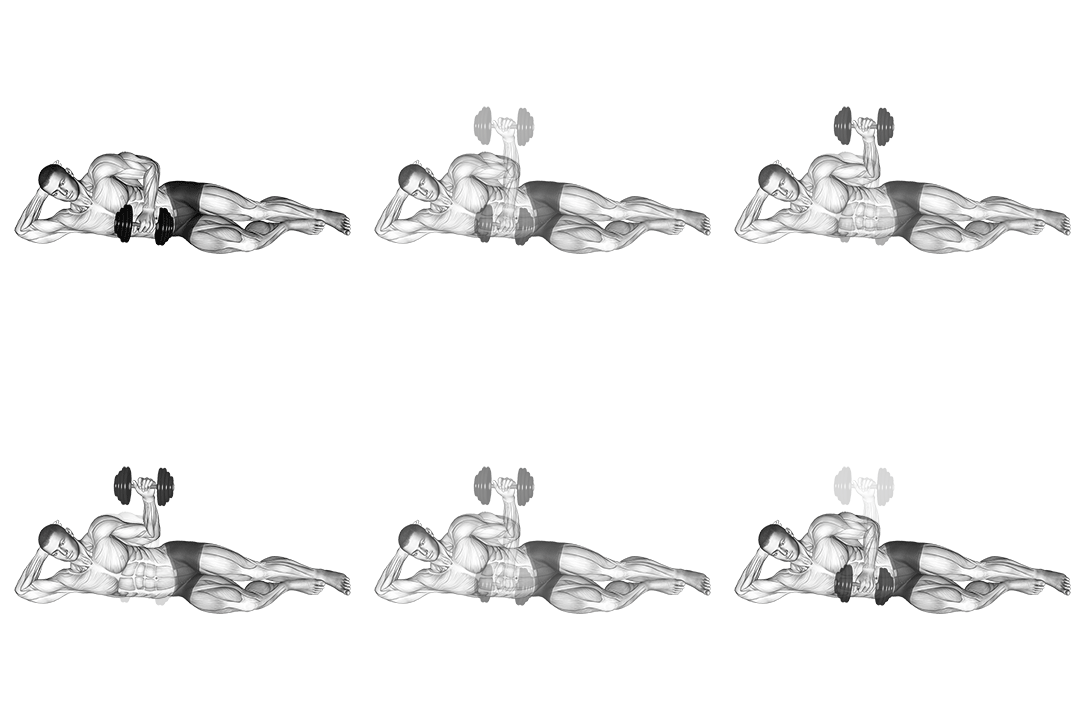
9. Dumbbell Lying External Shoulder Rotation
72.6% MatchHow to perform this exercise
- Lie on your side on a flat bench with your upper arm against your side and your elbow bent 90 degrees.
- Hold a dumbbell in your hand with your palm facing down.
- Keeping your upper arm against your side, slowly rotate your forearm upward as far as possible.
- Pause for a moment at the top, then slowly lower your forearm back down to the starting position.
- Repeat for the desired number of repetitions, then switch sides.
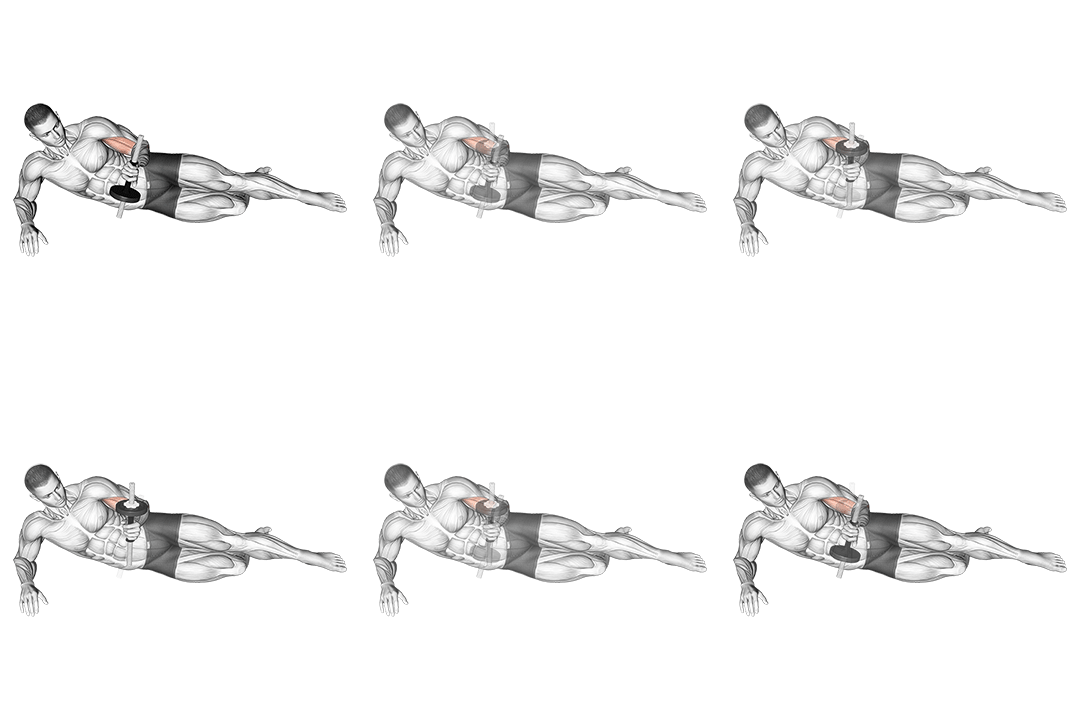
10. Dumbbell Lying Supination On Floor
70.4% MatchHow to perform this exercise
- Lie flat on your back on the floor with your legs extended and your arms by your sides, holding a dumbbell in each hand.
- Rotate your palms to face up, keeping your elbows close to your sides.
- Slowly curl the dumbbells towards your shoulders, squeezing your forearms.
- Pause for a moment at the top, then slowly lower the dumbbells back down to the starting position.
- Repeat for the desired number of repetitions.
Why You Might Need a Knee Across The Body Alternative
You may need alternatives due to hip pain, limited mobility, poor balance, or lack of progression options with a bodyweight isolation move. Substitutes let you keep training stimulus while reducing joint stress or adding overload. Choose exercises that preserve the key biomechanics: hip extension and external rotation to load the gluteus maximus and lateral abduction control to train the gluteus medius. Technique cue: keep the pelvis neutral, avoid lumbar hyperextension, and drive through the heel or abducting foot to maximize glute recruitment and minimize compensatory hip flexor or adductor activity.
How to Choose the Right Substitute
Match the substitute to the primary movement pattern and your limitation. If you need hip extension and loading, pick single-leg glute bridges; for lateral stability work, choose clamshells or band walks to emphasize gluteus medius. Consider unilateral options for asymmetry, tempo or pause reps for time under tension, and external load when ready. Technique cue: maintain a neutral pelvis, press through the heel or abducting foot, and pause 1–2 seconds at peak contraction to confirm glute activation and avoid using the hamstrings or low back.
Frequently Asked Questions
What muscles does Knee Across The Body work?
Knee Across The Body primarily targets the glute muscles—both the gluteus medius for lateral stability and the gluteus maximus for extension. It also requires core bracing and eccentric control from the hip adductors to guide the cross-body motion.
What is the best bodyweight alternative to Knee Across The Body?
The single-leg glute bridge is the best bodyweight alternative for overall glute development because it emphasizes hip extension under unilateral load. Cue: drive the heel into the floor, lift until the torso forms a straight line, and squeeze the glute at the top while keeping the pelvis level.
Can I build muscle without doing Knee Across The Body?
Yes. Use progressive overload via unilateral variations, higher reps, slower tempo, or added bands to increase time under tension and stimulus for the glutes. Cue: increase resistance or add a 2-second isometric squeeze at peak contraction to enhance muscle recruitment.
More Exercise Alternatives
Find Alternatives for Any Exercise
Use our free tool to discover the best substitute exercises based on your available equipment and goals.
Try the Exercise Substitution Finder →