

10 Best Lever Seated Leg Raise Crunch Alternatives for Limited Equipment
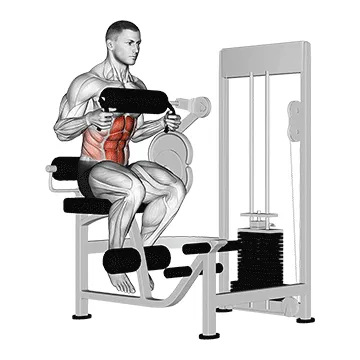
The Lever Seated Leg Raise Crunch is done seated with a lever machine. Ranked closest by our scoring: the Lever Seated Crunch (Chest Pad), the Lever Seated Crunch and the Leg Pull In Flat Bench.
Updated Ranked by our 12-factor similarity model How it works
Original Exercise: Lever Seated Leg Raise Crunch
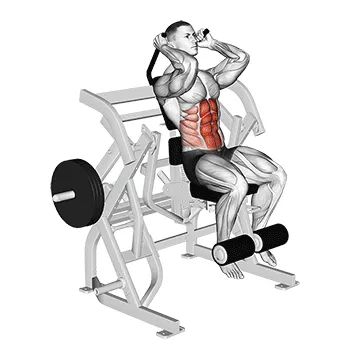
- Primary muscle
- Abs
- Equipment
- Lever
- Difficulty
- Beginner
- Type
- Isolation
Secondary muscles: Hip Flexors
How to perform Lever Seated Leg Raise Crunch
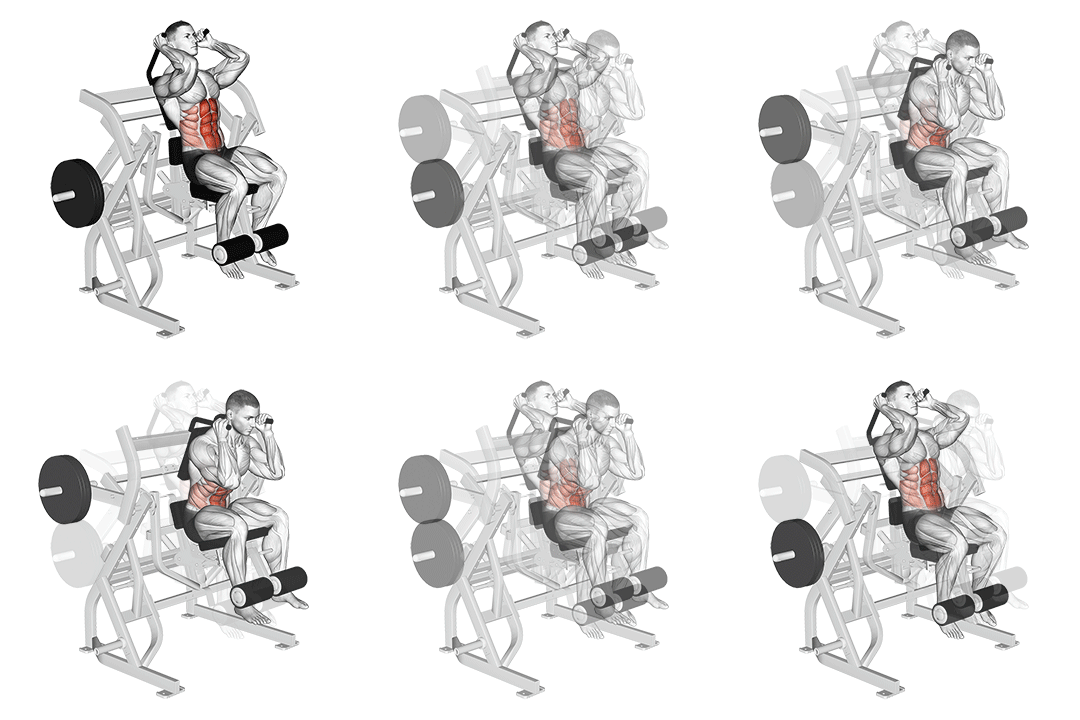
- Sit on the leverage machine with your back against the backrest and your feet on the footrests.
- Grasp the handles or sidebars for stability.
- Engage your abs and slowly raise your legs up towards your chest, curling your torso forward at the same time.
- Pause for a moment at the top, then slowly lower your legs and torso back to the starting position.
- Repeat for the desired number of repetitions.
Ranked Lever Seated Leg Raise Crunch Alternatives
10 substitutes, ranked by how closely each one matches the Lever Seated Leg Raise Crunch on movement pattern, muscles worked, equipment and body position. The higher the score, the less you change. Open "How to perform this exercise" on a card for the steps; every card title links to that exercise's own alternatives page.
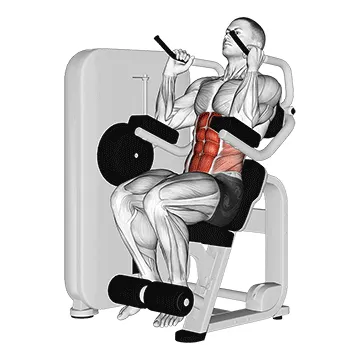
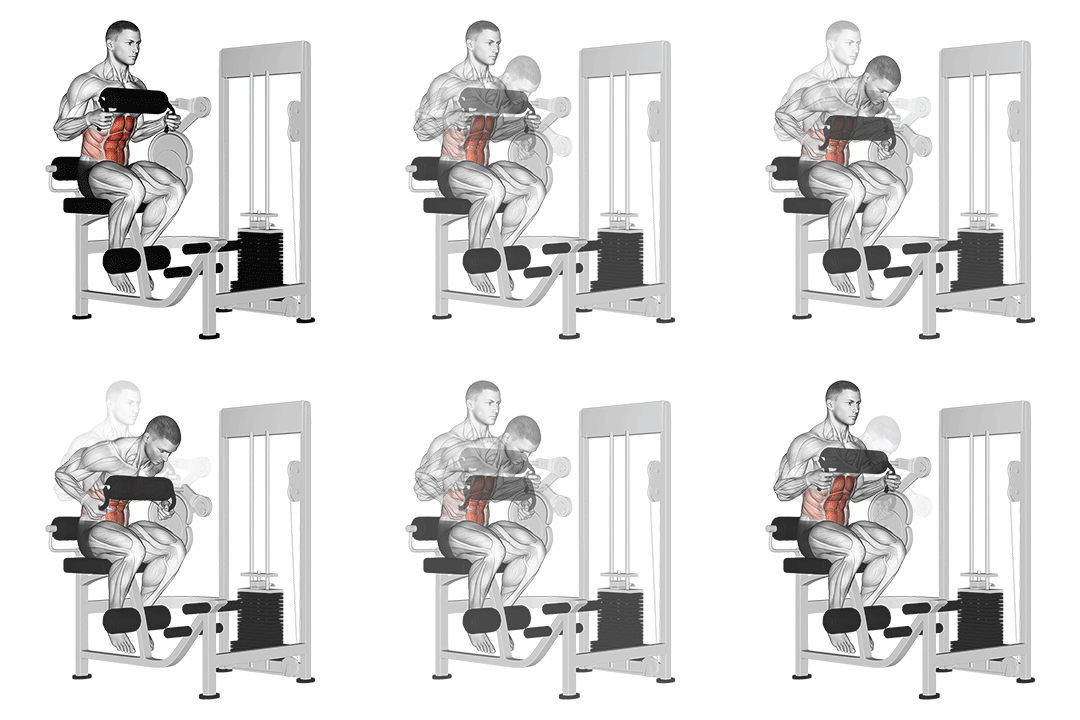
Best match 1. Lever Seated Crunch (Chest Pad)
99% match- Abs
- Lever
- Beginner
- Isolation
It uses the same equipment and still works the abs.
How to perform this exercise
- Adjust the seat height and chest pad position according to your comfort.
- Sit on the machine with your back against the chest pad and your feet flat on the floor.
- Grasp the handles or side bars for stability.
- Engage your abs and slowly lean back, allowing the chest pad to move with you.
- Pause for a moment at the maximum contraction, feeling the tension in your abs.
- Slowly return to the starting position by contracting your abs and pulling yourself back up.
- Repeat for the desired number of repetitions.
Sets and reps: 3 sets of 10 to 15 reps.
Why this matches
- Primary muscle: abs, the same as the Lever Seated Leg Raise Crunch
- Equipment: a machine, the same as the Lever Seated Leg Raise Crunch
- Body position: seated, the same as the Lever Seated Leg Raise Crunch
2. Lever Seated Crunch
96% match- Abs
- Lever
- Beginner
- Isolation
How to perform this exercise
- Sit on the leverage machine with your back against the pad and your feet flat on the floor.
- Grasp the handles or place your hands on the side pads for support.
- Engage your abs and slowly lean back, allowing the pad to move with you.
- Once your upper body is at a 45-degree angle, contract your abs and crunch forward, bringing your chest towards your knees.
- Pause for a moment at the top, then slowly release and return to the starting position.
- Repeat for the desired number of repetitions.
Sets and reps: 3 sets of 10 to 15 reps.
Why this matches
- Primary muscle: abs, the same as the Lever Seated Leg Raise Crunch
- Equipment: a machine, the same as the Lever Seated Leg Raise Crunch
- Body position: seated, the same as the Lever Seated Leg Raise Crunch
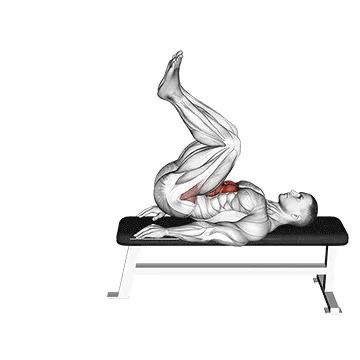
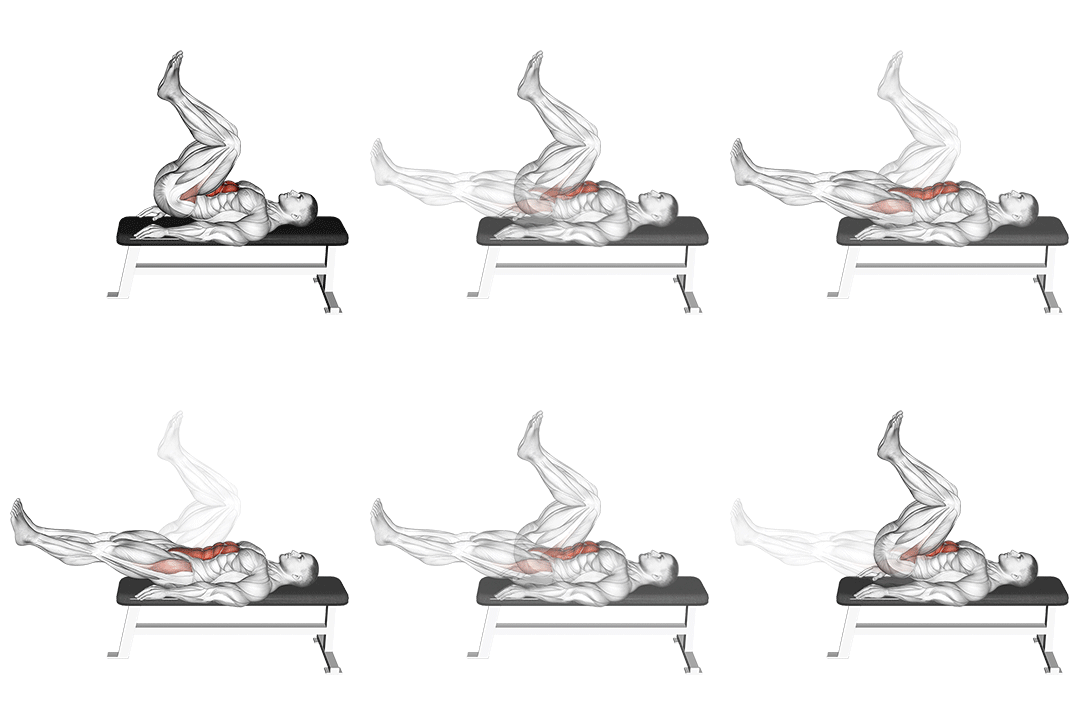
3. Leg Pull In Flat Bench
84% match- Abs
- Bodyweight
- Intermediate
- Isolation
Use this when you have nothing to train with, because it works the abs with bodyweight alone.
How to perform this exercise
- Sit on a flat bench with your legs extended straight out in front of you.
- Place your hands on the bench beside your hips for support.
- Engage your abs and lift your legs off the ground, bringing your knees towards your chest.
- Pause for a moment at the top, then slowly lower your legs back down to the starting position.
- Repeat for the desired number of repetitions.
Sets and reps: 3 sets of 10 to 15 reps.
Why this matches
- Primary muscle: abs, the same as the Lever Seated Leg Raise Crunch
- Equipment: bodyweight only, not a machine
- Body position: seated, the same as the Lever Seated Leg Raise Crunch
- Balance: harder to stay steady on than the Lever Seated Leg Raise Crunch
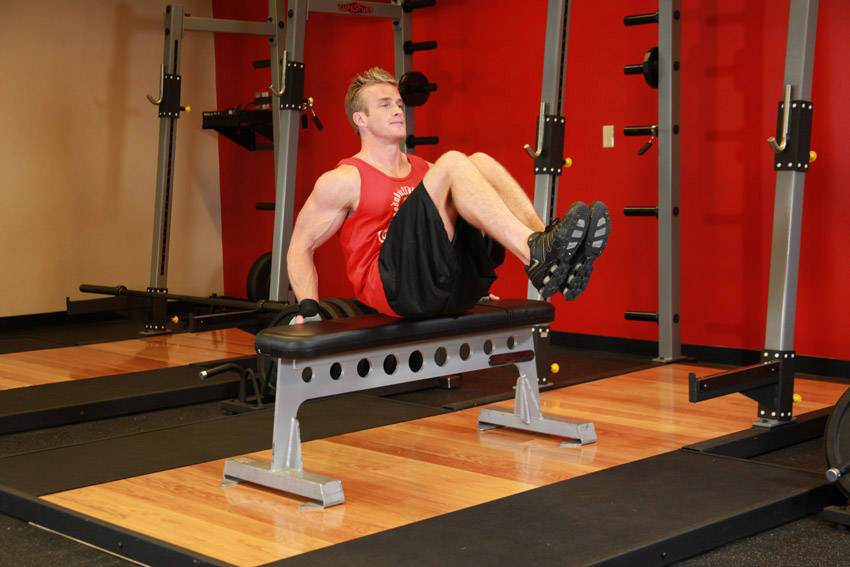
4. Seated Leg Tucks
83% match- Abs
- Bodyweight
- Intermediate
- Isolation
How to perform this exercise
- Sit on a bench with the legs stretched out in front of you slightly below parallel and your arms holding on to the sides of the bench. Your torso should be leaning backwards around a 45-degree angle from the bench. This will be your starting position.
- Bring the knees in toward you as you move your torso closer to them at the same time. Breathe out as you perform this movement.
- After a second pause, go back to the starting position as you inhale.
- Repeat for the recommended amount of repetitions.
Sets and reps: 3 sets of 10 to 15 reps.
Why this matches
- Primary muscle: abs, the same as the Lever Seated Leg Raise Crunch
- Equipment: bodyweight only, not a machine
- Body position: seated, the same as the Lever Seated Leg Raise Crunch
- Balance: harder to stay steady on than the Lever Seated Leg Raise Crunch
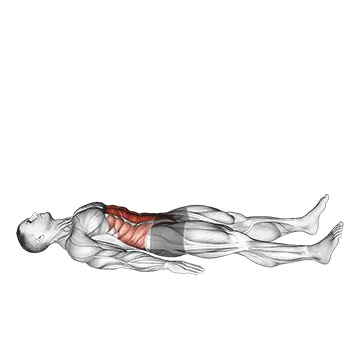
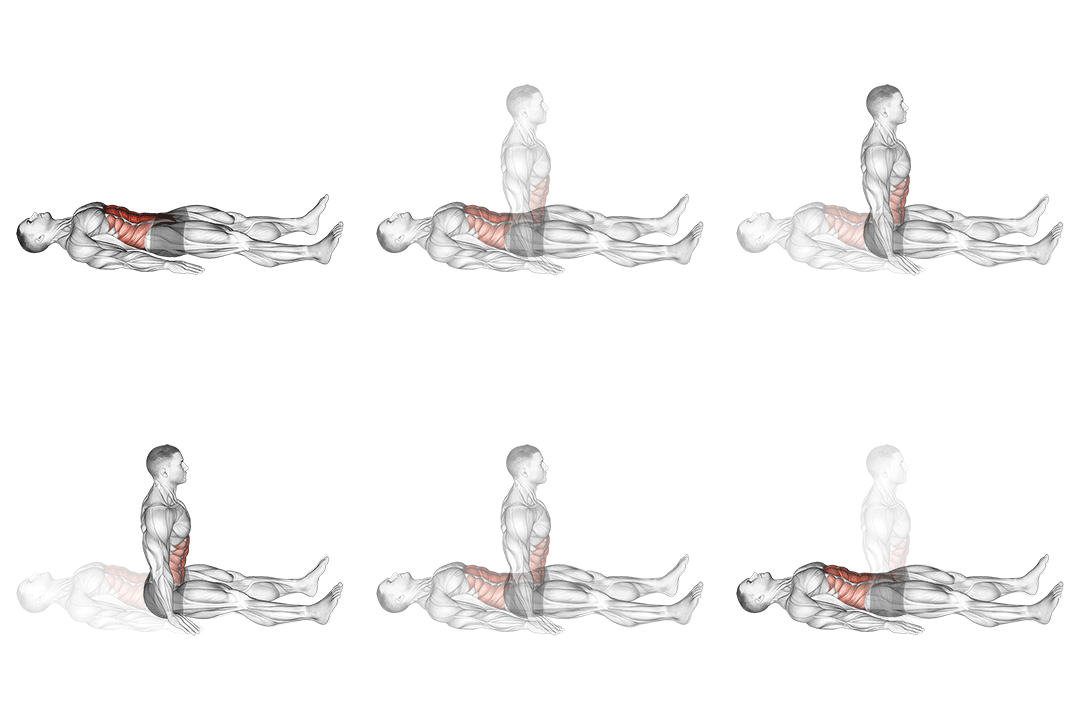
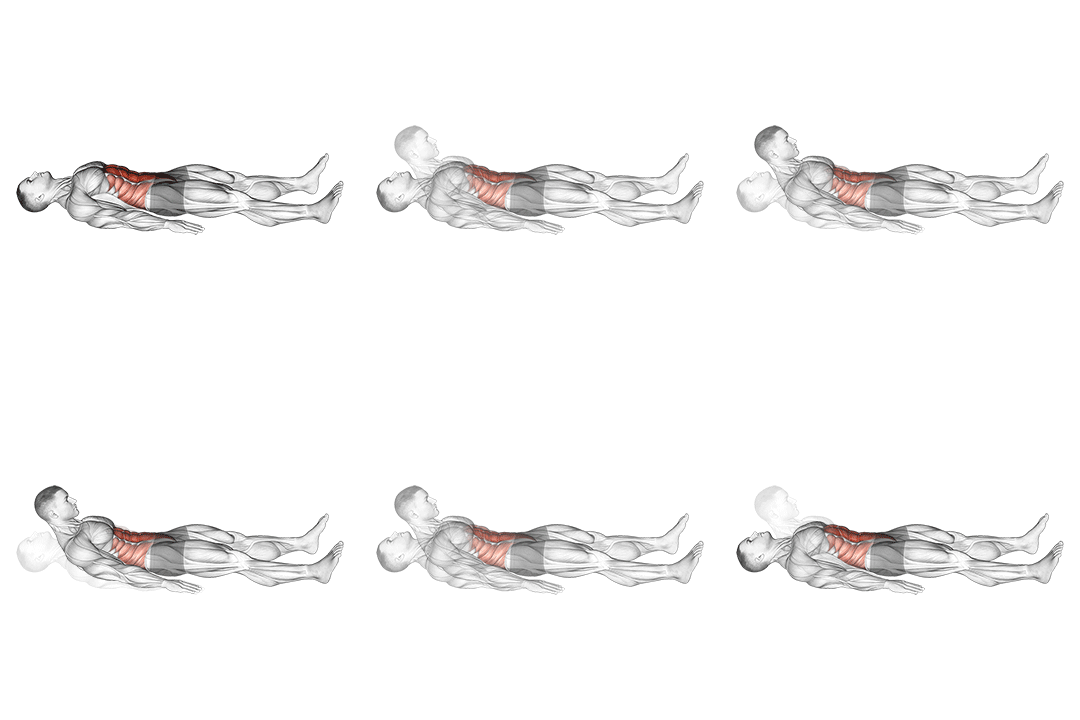
5. Half Sit-up
82% match- Abs
- Bodyweight
- Beginner
- Isolation
How to perform this exercise
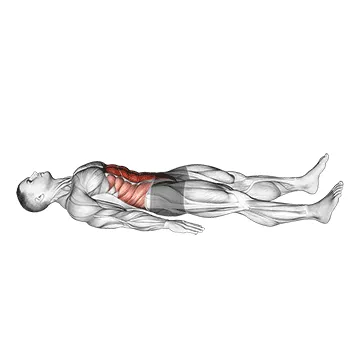
- Lie flat on your back with your knees bent and feet flat on the ground.
- Place your hands behind your head with your elbows pointing outwards.
- Engaging your abs, slowly lift your upper body off the ground, curling forward until your torso is at a 45-degree angle.
- Pause for a moment at the top, then slowly lower your upper body back down to the starting position.
- Repeat for the desired number of repetitions.
Sets and reps: 3 sets of 8 to 12 reps, and add reps before you add load.
Why this matches
- Primary muscle: abs, the same as the Lever Seated Leg Raise Crunch
- Equipment: bodyweight only, not a machine
- Body position: lying on your back, not seated
6. Quarter Sit-up
82% match- Abs
- Bodyweight
- Beginner
- Isolation
How to perform this exercise
- Lie flat on your back with your knees bent and feet flat on the ground.
- Place your hands behind your head with your elbows pointing outwards.
- Engaging your abs, slowly lift your upper body off the ground, curling forward until your torso is at a 45-degree angle.
- Pause for a moment at the top, then slowly lower your upper body back down to the starting position.
- Repeat for the desired number of repetitions.
Sets and reps: 3 sets of 8 to 12 reps, and add reps before you add load.
Why this matches
- Primary muscle: abs, the same as the Lever Seated Leg Raise Crunch
- Equipment: bodyweight only, not a machine
- Body position: lying on your back, not seated
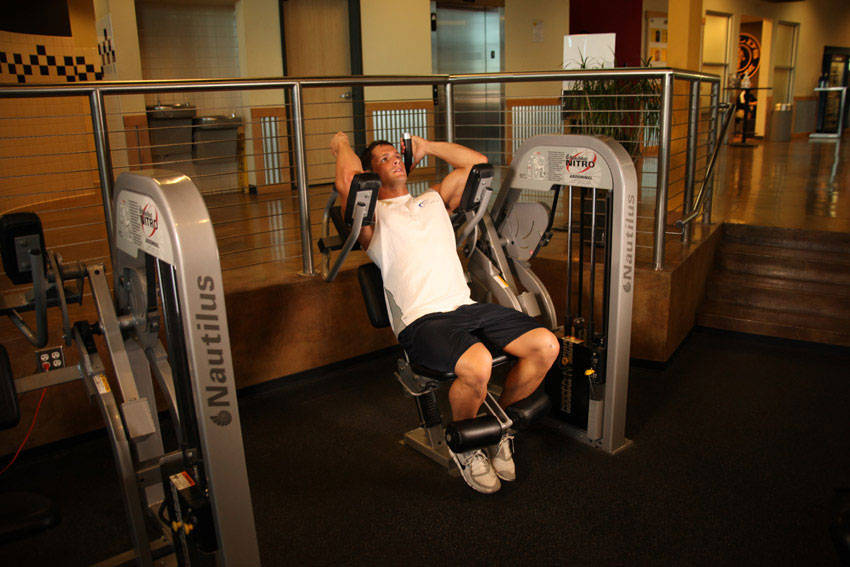
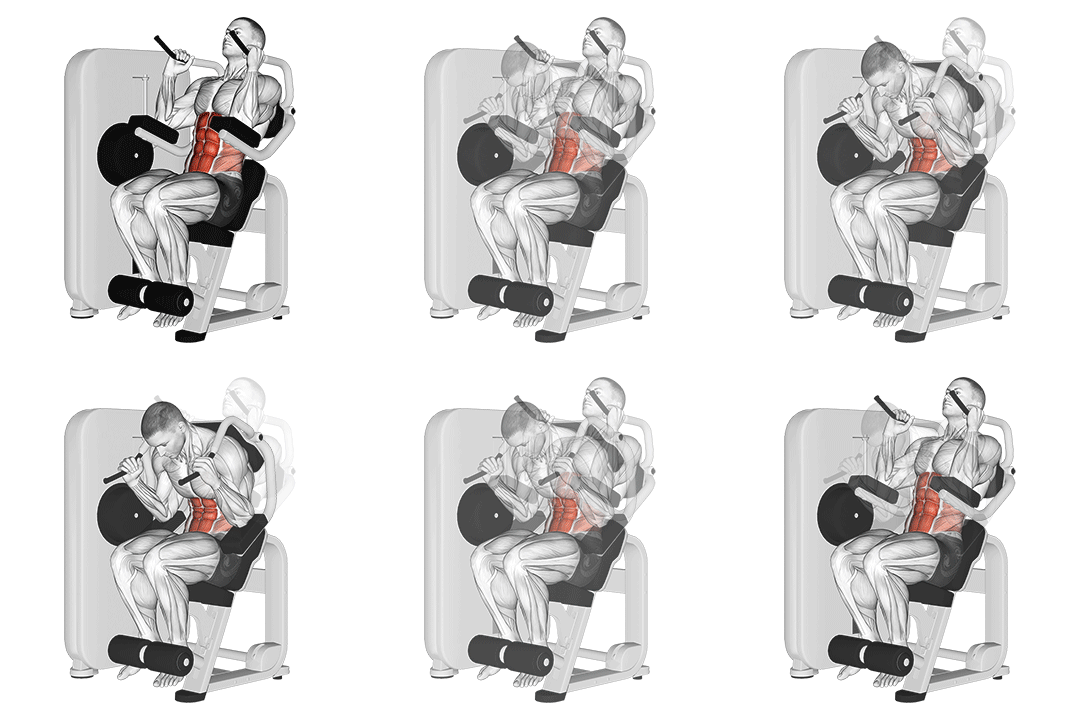
7. Ab Crunch Machine
82% match- Abs
- Machine
- Beginner
- Isolation
A good swap when you have a machine to work with, and it still works the abs.
How to perform this exercise
- Select a light resistance and sit down on the ab machine placing your feet under the pads provided and grabbing the top handles. Your arms should be bent at a 90 degree angle as you rest the triceps on the pads provided. This will be your starting position.
- At the same time, begin to lift the legs up as you crunch your upper torso. Breathe out as you perform this movement. Tip: Be sure to use a slow and controlled motion. Concentrate on using your abs to move the weight while relaxing your legs and feet.
- After a second pause, slowly return to the starting position as you breathe in.
- Repeat the movement for the prescribed amount of repetitions.
Sets and reps: 3 sets of 10 to 15 reps.
Why this matches
- Primary muscle: abs, the same as the Lever Seated Leg Raise Crunch
- Equipment: a machine, the same as the Lever Seated Leg Raise Crunch
- Body position: seated, the same as the Lever Seated Leg Raise Crunch
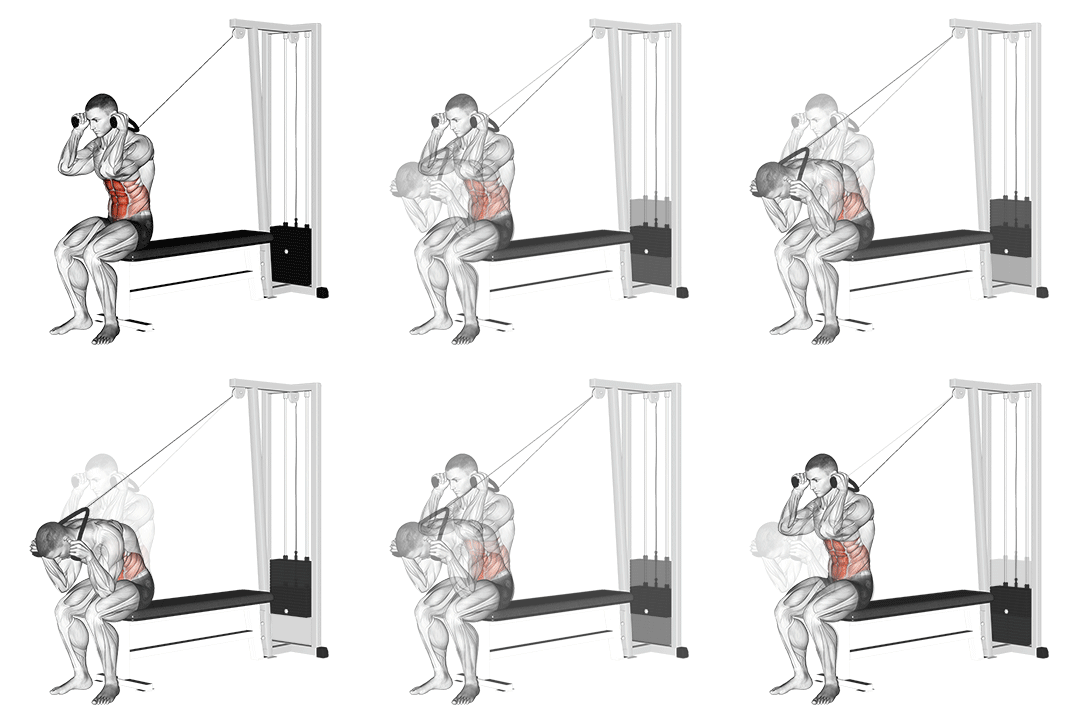
8. Cable Seated Crunch
81% match- Abs
- Cable
- Intermediate
- Isolation
How to perform this exercise
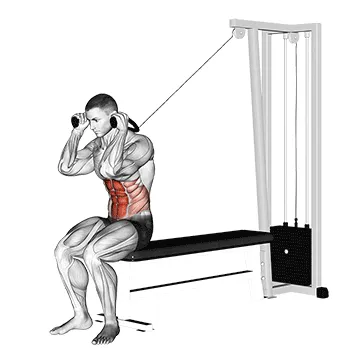
- Sit on a cable machine with your feet flat on the ground and your knees bent.
- Hold the cable handle with both hands and position it behind your head.
- Engage your abs and slowly curl your upper body forward, bringing your chest towards your knees.
- Pause for a moment at the top, then slowly return to the starting position.
- Repeat for the desired number of repetitions.
Sets and reps: 3 sets of 10 to 15 reps.
Why this matches
- Primary muscle: abs, the same as the Lever Seated Leg Raise Crunch
- Equipment: a cable, not a machine
- Body position: seated, the same as the Lever Seated Leg Raise Crunch
9. Assisted Sit-up
78% match- Abs
- Machine
- Beginner
- Isolation
How to perform this exercise
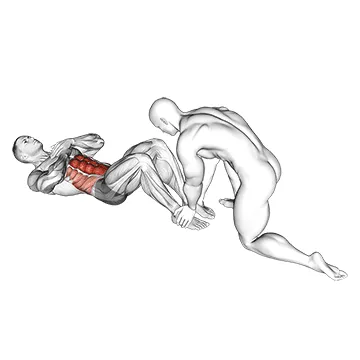
- Sit on the edge of a bench or have someone hold your feet down.
- Lie flat on your back with your knees bent and feet flat on the ground.
- Place your hands behind your head with your elbows pointing outwards.
- Engaging your abs, slowly lift your upper body off the ground, curling forward until your torso is at a 45-degree angle.
- Pause for a moment at the top, then slowly lower your upper body back down to the starting position.
- Repeat for the desired number of repetitions.
Sets and reps: 3 sets of 10 to 15 reps.
Why this matches
- Primary muscle: abs, the same as the Lever Seated Leg Raise Crunch
- Equipment: a machine, the same as the Lever Seated Leg Raise Crunch
- Body position: lying on your back, not seated
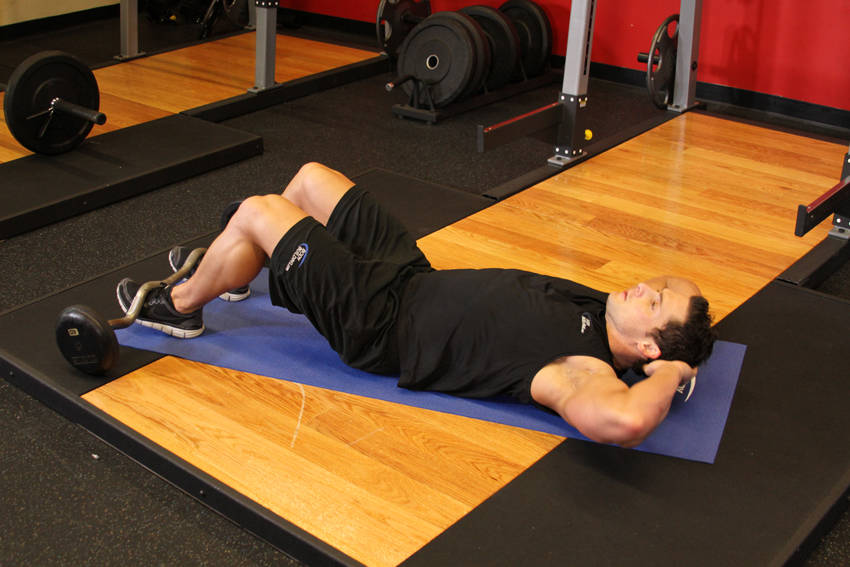
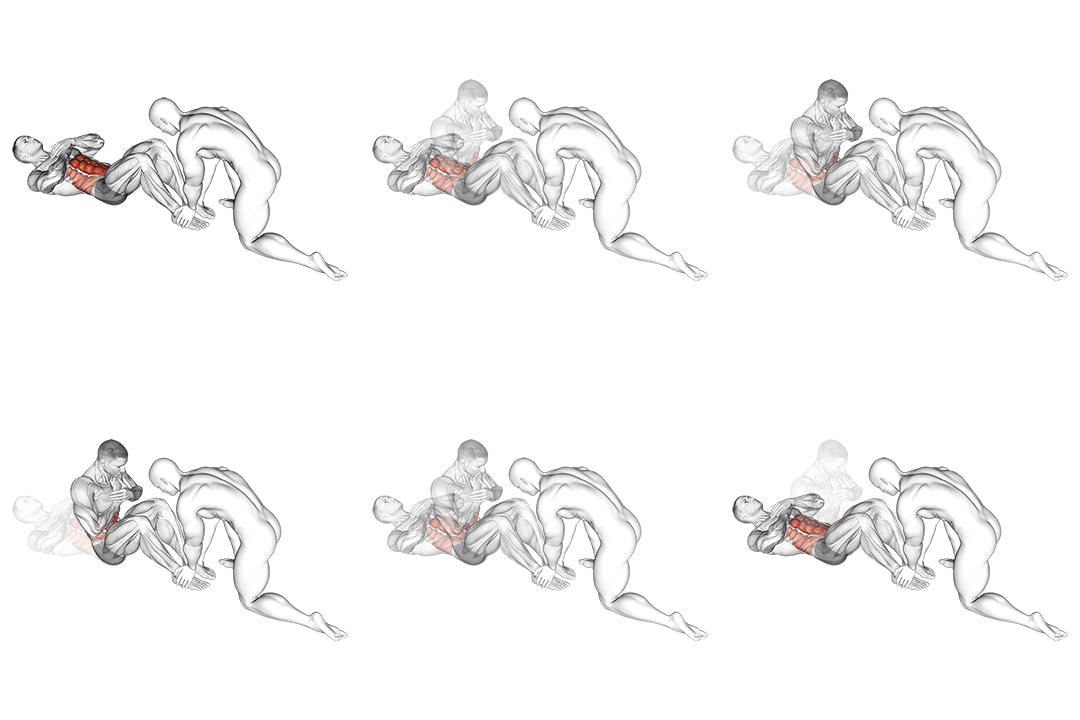
10. Sit-up
78% match- Abs
- Bodyweight
- Beginner
- Isolation
How to perform this exercise
- Lie down on the floor placing your feet either under something that will not move or by having a partner hold them. Your legs should be bent at the knees.
- Place your hands behind your head and lock them together by clasping your fingers. This is the starting position.
- Elevate your upper body so that it creates an imaginary V-shape with your thighs. Breathe out when performing this part of the exercise.
- Once you feel the contraction for a second, lower your upper body back down to the starting position while inhaling.
- Repeat for the recommended amount of repetitions.
Sets and reps: 3 sets of 8 to 12 reps, and add reps before you add load.
Why this matches
- Primary muscle: abs, the same as the Lever Seated Leg Raise Crunch
- Equipment: bodyweight only, not a machine
- Body position: lying on your back, not seated
Find Alternatives for Any Exercise
Search the exercise database and filter the ranked substitutes by the equipment you own.
Similarity scores compare exercise metadata such as movement pattern, muscles, equipment and body position. They are not a safety rating or a check that you own the equipment. Learn about our methodology