

10 Best One Arm Chin-up Alternatives for Progression & Rehab
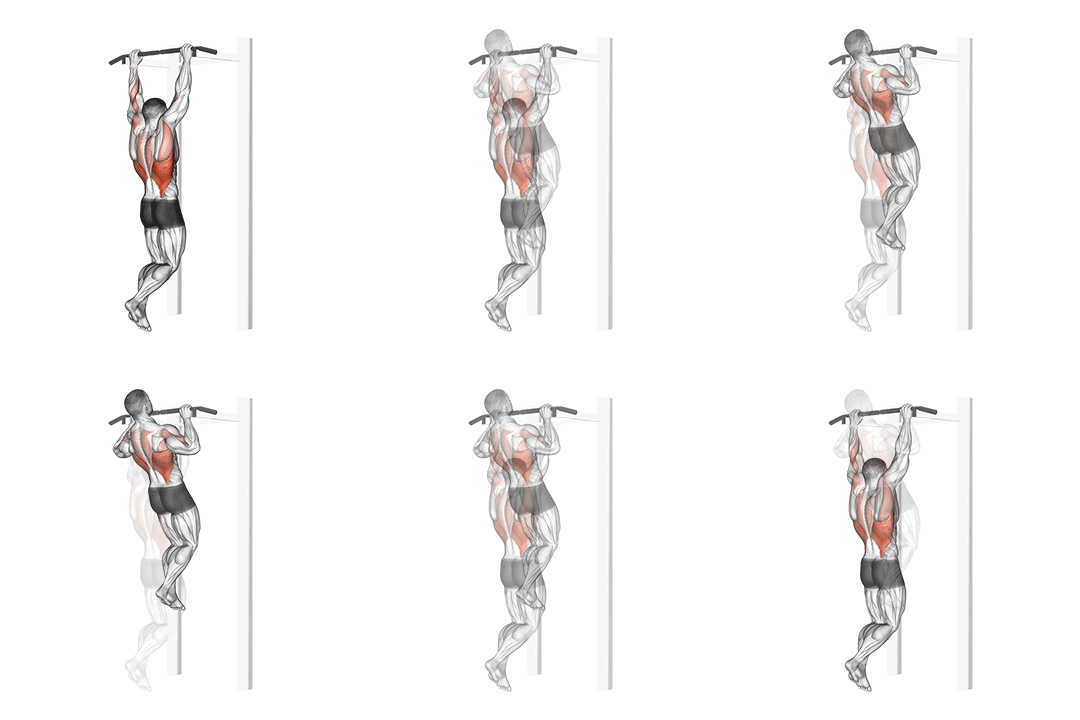
The One Arm Chin-up is done hanging. Ranked closest by our scoring: the Gironda Sternum Chin, Gironda Sternum Chins and the Archer Pull Up.
Updated Ranked by our 12-factor similarity model How it works
Original Exercise: One Arm Chin-up
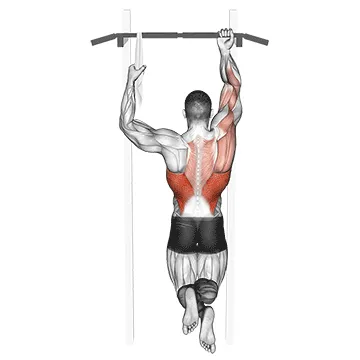
- Primary muscle
- Lats
- Equipment
- Bodyweight
- Difficulty
- Advanced
- Type
- Compound
Secondary muscles: Biceps, Forearms
How to perform One Arm Chin-up
- Stand facing a pull-up bar with your feet shoulder-width apart.
- Reach up and grab the bar with an underhand grip, with one hand gripping the bar and the other hand holding your wrist for support.
- Hang from the bar with your arm fully extended, keeping your body straight and your core engaged.
- Pull yourself up towards the bar by bending your elbow and squeezing your back muscles.
- Continue pulling until your chin is above the bar, then slowly lower yourself back down to the starting position.
- Repeat for the desired number of repetitions, then switch arms and repeat.
Ranked One Arm Chin-up Alternatives
10 substitutes, ranked by how closely each one matches the One Arm Chin-up on movement pattern, muscles worked, equipment and body position. The higher the score, the less you change. Open "How to perform this exercise" on a card for the steps; every card title links to that exercise's own alternatives page.
Best match 1. Gironda Sternum Chin
91% match- Lats
- Bodyweight
- Advanced
- Compound
Pick this when you want to work the lats with less balance to manage.
How to perform this exercise
- Stand facing a high bar with your feet shoulder-width apart.
- Reach up and grab the bar with an overhand grip, slightly wider than shoulder-width apart.
- Hang from the bar with your arms fully extended and your body straight.
- Engage your lats and biceps to pull your chest up towards the bar, leading with your sternum.
- Pause for a moment at the top, then slowly lower yourself back down to the starting position.
- Repeat for the desired number of repetitions.
Sets and reps: 3 or 4 sets of 6 to 10 reps.
Why this matches
- Primary muscle: lats, the same as the One Arm Chin-up
- Equipment: bodyweight only, the same as the One Arm Chin-up
- Body position: hanging, the same as the One Arm Chin-up
- Balance: easier to stay steady on than the One Arm Chin-up
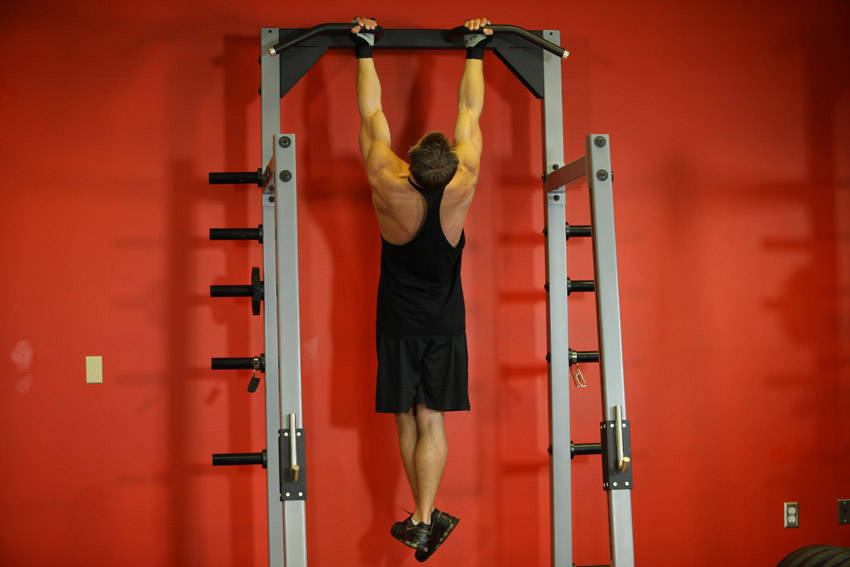
2. Gironda Sternum Chins
90% match- Lats
- Other
- Advanced
- Compound
How to perform this exercise
- Grasp the pull-up bar with a shoulder width underhand grip.
- Now hang with your arms fully extended and stick your chest out and lean back. Tip: You will be leaning back throughout the entire movement. This will be your starting position.
- Start pulling yourself towards the bar with your spine arched throughout the movement and your head leaning back as far away from the bar as possible. Exhale as you perform this portion of the movement. Tip: At the upper end of the movement, your hips and legs will be at about a 45-degree angle to the floor.
- Keep pulling until your collarbone passes the bar and your lower chest or sternum area touches it. Hold that contraction for a second. Tip: By the time you've completed this portion of the movement; your head will be parallel to the floor.
- Slowly start going back to the starting position as you inhale.
- Repeat for the recommended amount of repetitions.
Sets and reps: 3 or 4 sets of 6 to 10 reps.
Why this matches
- Primary muscle: lats, the same as the One Arm Chin-up
- Equipment: bodyweight only, the same as the One Arm Chin-up
- Body position: hanging, the same as the One Arm Chin-up
- Balance: easier to stay steady on than the One Arm Chin-up
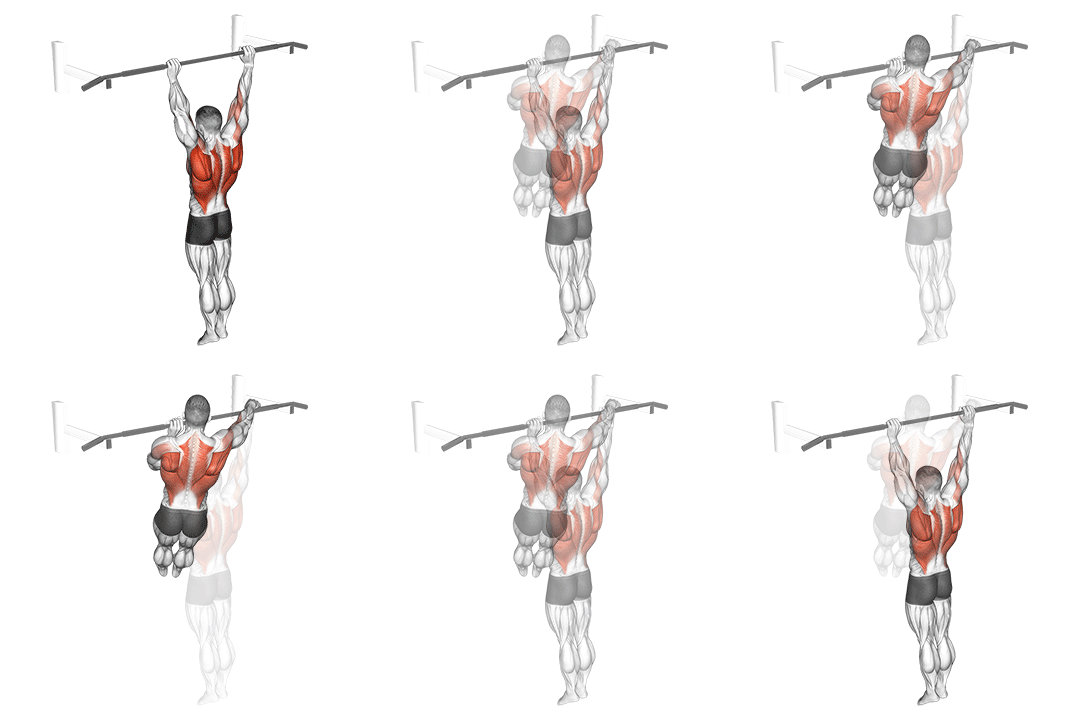
3. Archer Pull Up
88% match- Lats
- Bodyweight
- Advanced
- Compound
The same equipment, taken with a wide grip.
How to perform this exercise
- Start by hanging from a pull-up bar with an overhand grip, slightly wider than shoulder-width apart.
- Engage your core and pull your shoulder blades down and back.
- As you pull yourself up, bend one arm and bring your elbow towards your side, while keeping the other arm straight.
- Continue pulling until your chin is above the bar and your bent arm is fully flexed.
- Lower yourself back down with control, straightening the bent arm and repeating the movement on the other side.
- Alternate sides with each repetition.
Sets and reps: 3 or 4 sets of 6 to 10 reps on each side.
Why this matches
- Primary muscle: lats, the same as the One Arm Chin-up
- Equipment: bodyweight only, the same as the One Arm Chin-up
- Body position: hanging, the same as the One Arm Chin-up
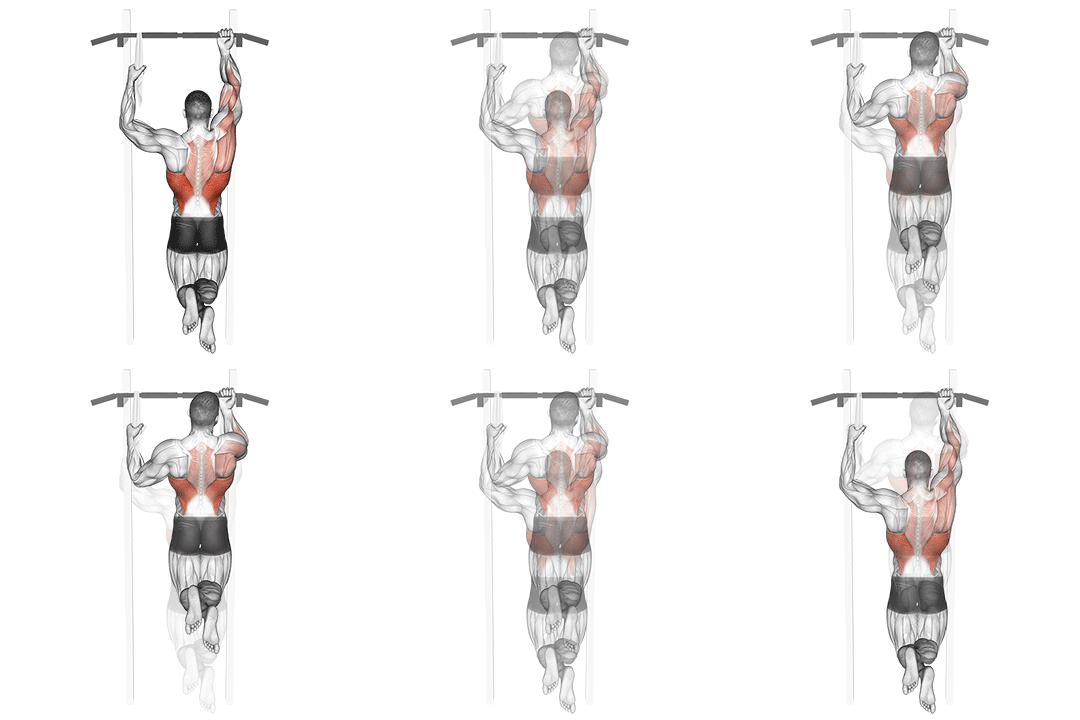
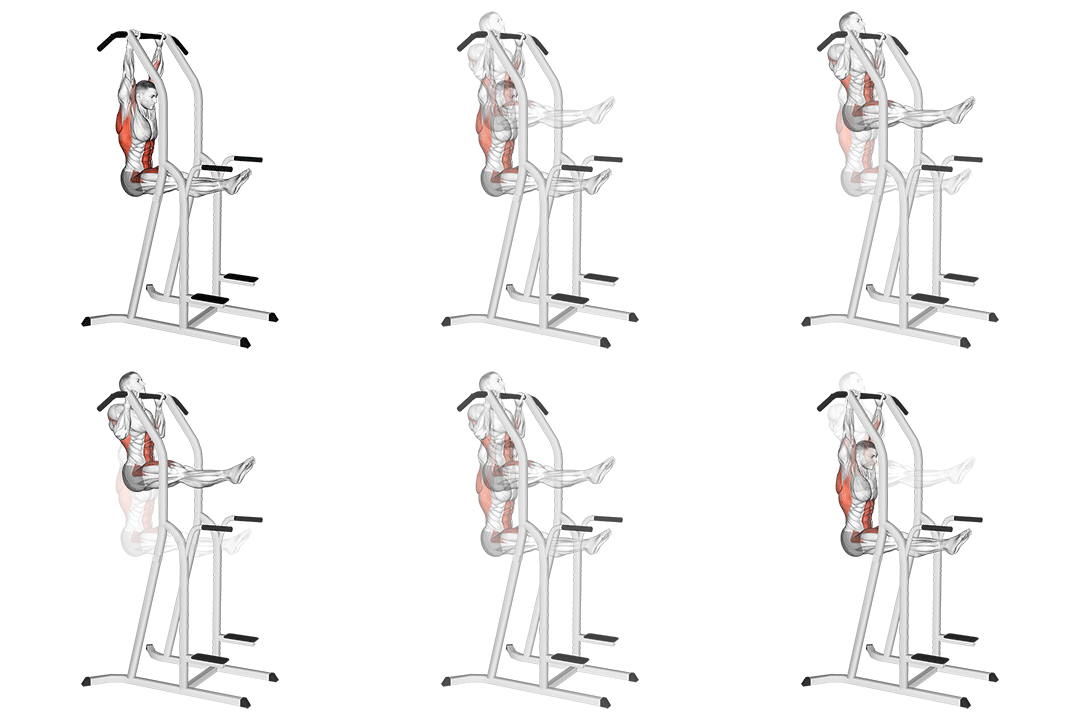
4. L-pull-up
87% match- Lats
- Bodyweight
- Intermediate
- Compound
Pick this when you want an easier version that still works the lats.
How to perform this exercise
- Grab the pull-up bar with an overhand grip, slightly wider than shoulder-width apart.
- Hang with your arms fully extended and your body straight.
- Engage your lats and biceps to pull your body up towards the bar, keeping your elbows close to your body.
- Continue pulling until your chin is above the bar.
- Pause for a moment at the top, then slowly lower your body back down to the starting position.
- Repeat for the desired number of repetitions.
Sets and reps: 3 or 4 sets of 6 to 10 reps.
Why this matches
- Primary muscle: lats, the same as the One Arm Chin-up
- Equipment: bodyweight only, the same as the One Arm Chin-up
- Body position: hanging, the same as the One Arm Chin-up
- Balance: easier to stay steady on than the One Arm Chin-up
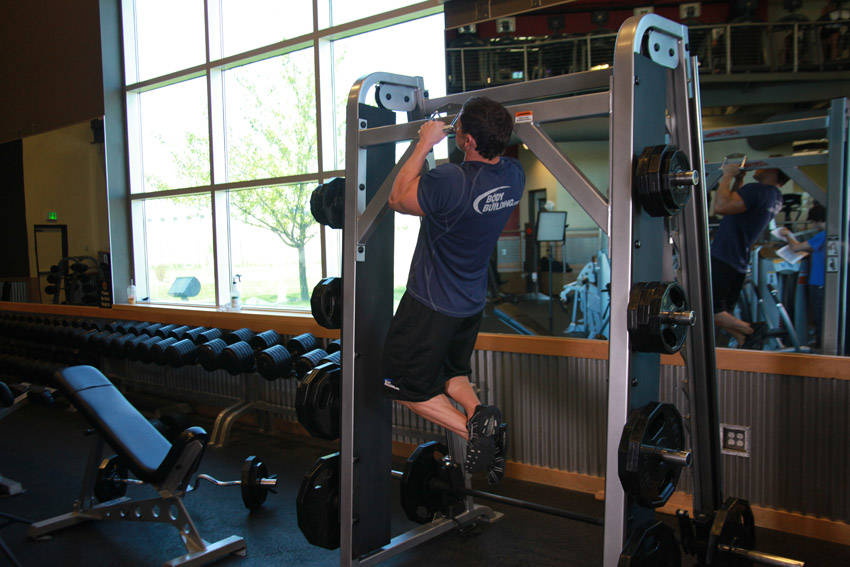
5. V-bar Pullup
86% match- Lats
- Bodyweight
- Intermediate
- Compound
How to perform this exercise
- Start by placing the middle of the V-bar in the middle of the pull-up bar (assuming that the pull-up station you are using does not have neutral grip handles). The V-Bar handles will be facing down so that you can hang from the pull-up bar through the use of the handles.
- Once you securely place the V-bar, take a hold of the bar from each side and hang from it. Stick your chest out and lean yourself back slightly in order to better engage the lats. This will be your starting position.
- Using your lats, pull your torso up while leaning your head back slightly so that you do not hit yourself with the chin-up bar. Continue until your chest nearly touches the V-bar. Exhale as you execute this motion.
- After a second hold on the contracted position, slowly lower your body back to the starting position as you breathe in.
- Repeat for the prescribed number of repetitions.
Sets and reps: 3 or 4 sets of 6 to 10 reps.
Why this matches
- Primary muscle: lats, the same as the One Arm Chin-up
- Equipment: bodyweight only, the same as the One Arm Chin-up
- Body position: hanging, the same as the One Arm Chin-up
- Balance: easier to stay steady on than the One Arm Chin-up
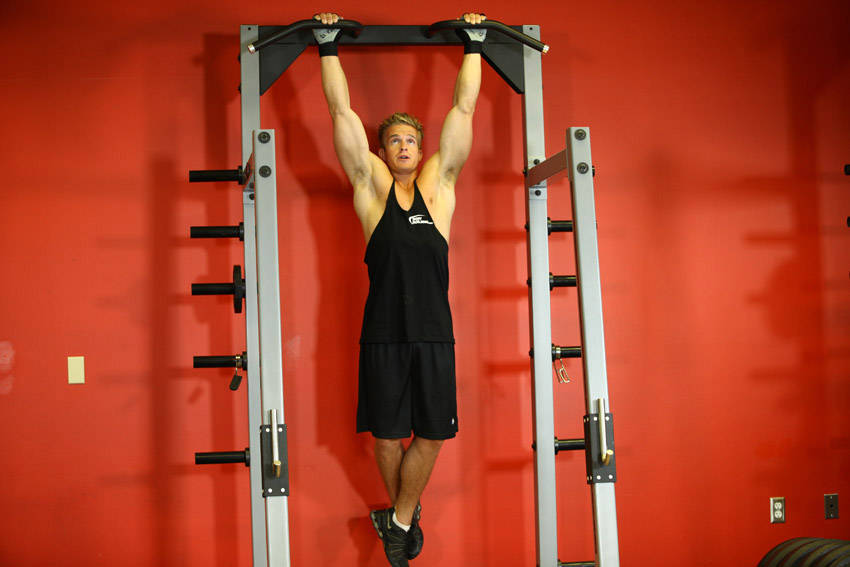
6. Rocky Pull-ups/pulldowns
86% match- Lats
- Other
- Intermediate
- Compound
How to perform this exercise
- Grab the pull-up bar with the palms facing forward using a wide grip.
- As you have both arms extended in front of you holding the bar at the chosen grip width, bring your torso back around 30 degrees or so while creating a curvature on your lower back and sticking your chest out. This is your starting position.
- Pull your torso up until the bar touches your upper chest by drawing the shoulders and the upper arms down and back. Exhale as you perform this portion of the movement. Tip: Concentrate on squeezing the back muscles once you reach the full contracted position. The upper torso should remain stationary as it moves through space and only the arms should move. The forearms should do no other work other than hold the bar.
- After a second on the contracted position, start to inhale and slowly lower your torso back to the starting position when your arms are fully extended and the lats are fully stretched.
- Now repeat the same movements as described above except this time your torso will remain straight as you go up and the bar will touch the back of the neck instead of the upper chest. Tip: Use the head to lean forward slightly as it will help you properly execute this portion of the exercise.
- Once you have lowered yourself back down to the starting position, repeat the exercise for the prescribed amount of repetitions in your program.
Sets and reps: 3 or 4 sets of 6 to 10 reps.
Why this matches
- Primary muscle: lats, the same as the One Arm Chin-up
- Equipment: bodyweight only, the same as the One Arm Chin-up
- Body position: hanging, the same as the One Arm Chin-up
- Balance: easier to stay steady on than the One Arm Chin-up
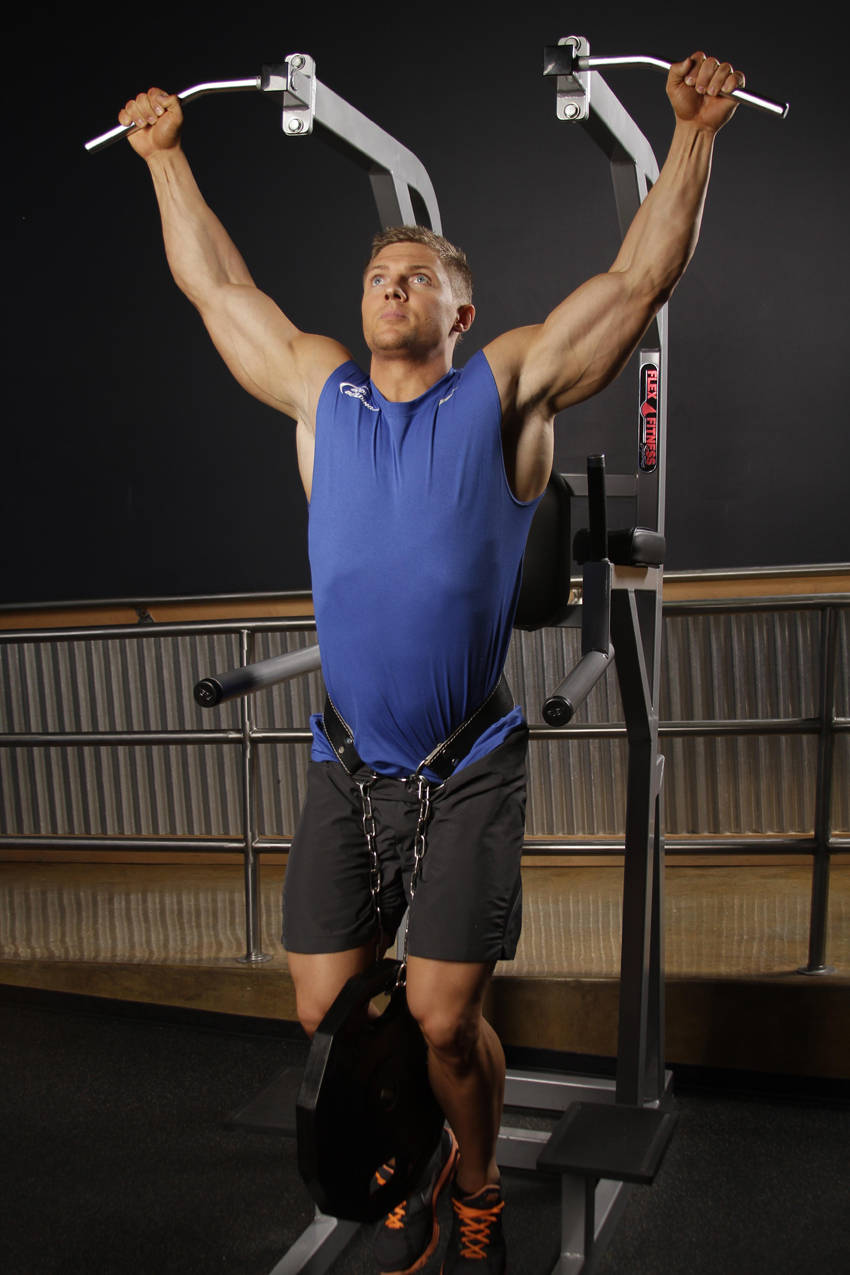
7. Weighted Pull Ups
86% match- Lats
- Other
- Advanced
- Compound
How to perform this exercise
- Attach a weight to a dip belt and secure it around your waist. Grab the pull-up bar with the palms of your hands facing forward. For a medium grip, your hands should be spaced at shoulder width. Both arms should be extended in front of you holding the bar at the chosen grip.
- You'll want to bring your torso back about 30 degrees while creating a curvature in your lower back and sticking your chest out. This will be your starting position.
- Now, exhale and pull your torso up until your head is above your hands. Concentrate on squeezing yourshoulder blades back and down as you reach the top contracted position.
- After a brief moment at the top contracted position, inhale and slowly lower your torso back to the starting position with your arms extended and your lats fully stretched.
Sets and reps: 3 or 4 sets of 6 to 10 reps.
Why this matches
- Primary muscle: lats, the same as the One Arm Chin-up
- Equipment: bodyweight only, the same as the One Arm Chin-up
- Body position: hanging, the same as the One Arm Chin-up
- Balance: easier to stay steady on than the One Arm Chin-up
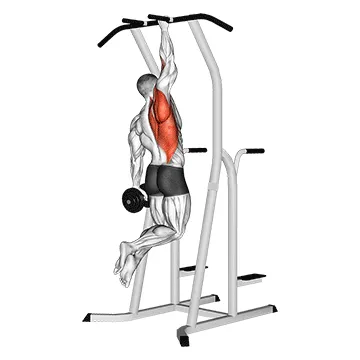
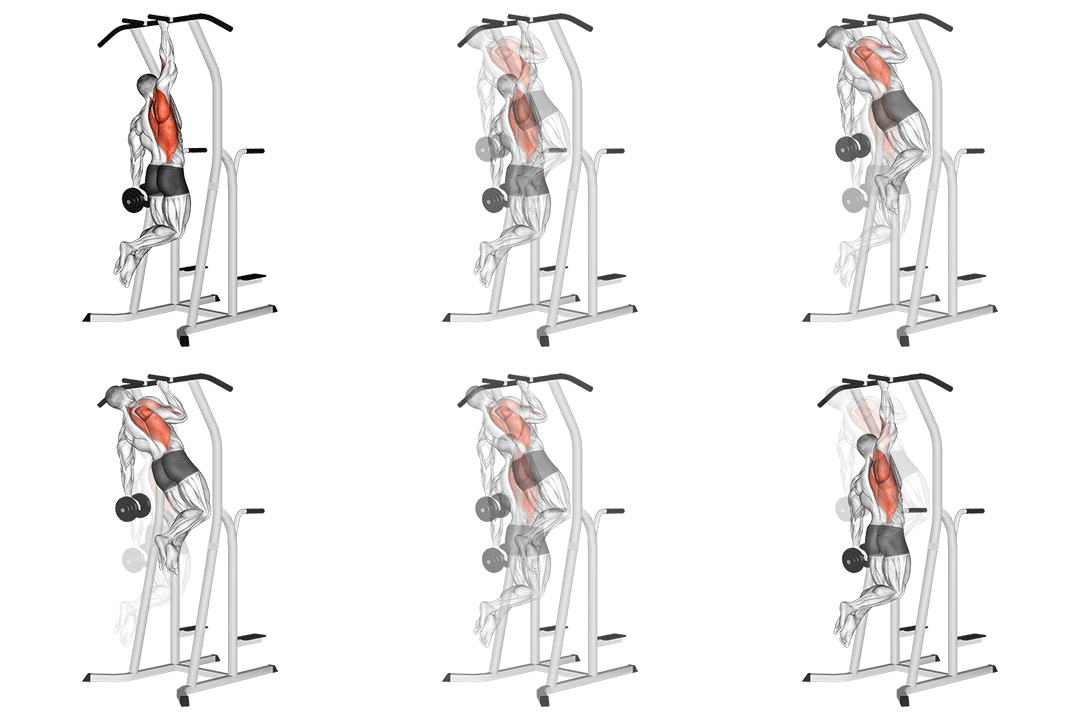
8. Weighted One Hand Pull Up
86% match- Lats
- Weighted
- Advanced
- Compound
How to perform this exercise
- Grab the pull-up bar with an overhand grip, slightly wider than shoulder-width apart.
- Hang from the bar with your arm fully extended and your body straight.
- Engage your core and pull your body up towards the bar by bending your elbow and squeezing your back muscles.
- Continue pulling until your chin is above the bar.
- Lower your body back down to the starting position with control.
- Repeat for the desired number of repetitions.
Sets and reps: 3 to 5 sets of 5 to 8 reps on each side.
Why this matches
- Primary muscle: lats, the same as the One Arm Chin-up
- Equipment: free weights, not bodyweight only
- Body position: hanging, the same as the One Arm Chin-up
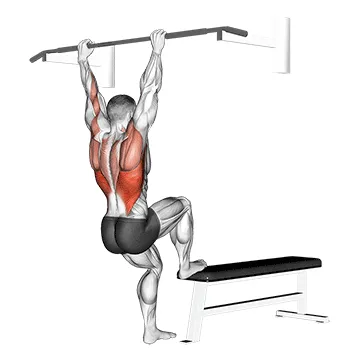
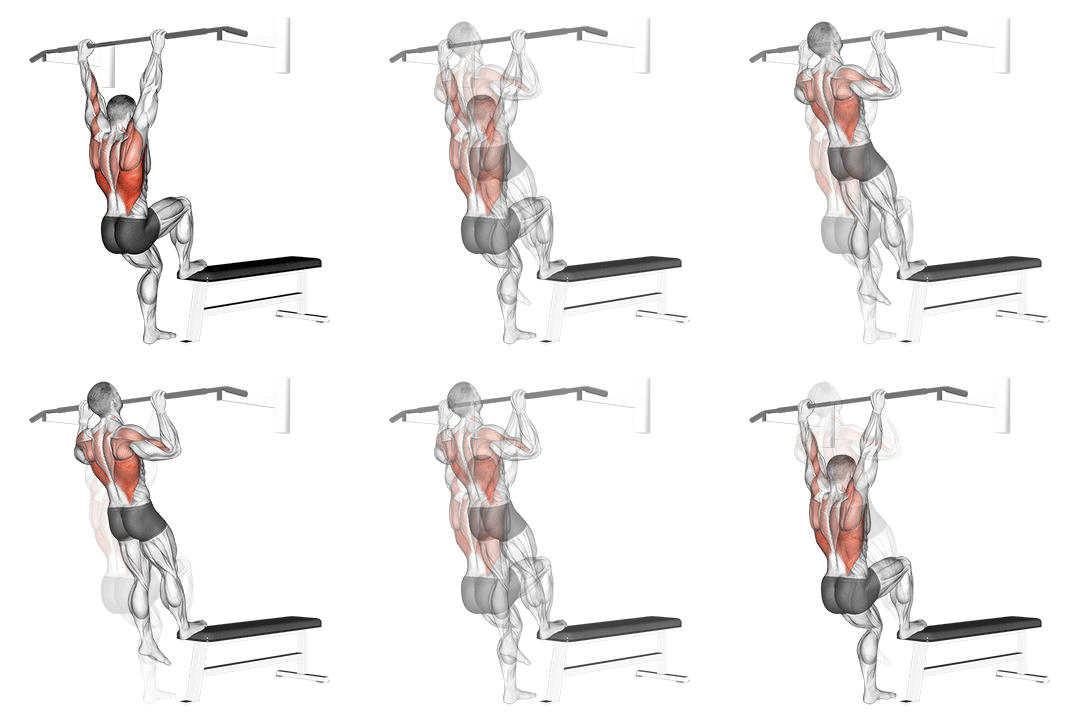
9. Bench Pull-ups
86% match- Lats
- Bodyweight
- Intermediate
- Compound
How to perform this exercise
- Position yourself under a bar or a sturdy horizontal surface that is at chest height.
- Grab the bar or surface with an overhand grip, slightly wider than shoulder-width apart.
- Hang with your arms fully extended and your body straight.
- Pull your chest towards the bar or surface by squeezing your shoulder blades together and bending your elbows.
- Continue pulling until your chin is above the bar or surface.
- Lower yourself back down to the starting position with control.
- Repeat for the desired number of repetitions.
Sets and reps: 3 or 4 sets of 6 to 10 reps.
Why this matches
- Primary muscle: lats, the same as the One Arm Chin-up
- Equipment: bodyweight only, the same as the One Arm Chin-up
- Body position: hanging, the same as the One Arm Chin-up
- Balance: easier to stay steady on than the One Arm Chin-up
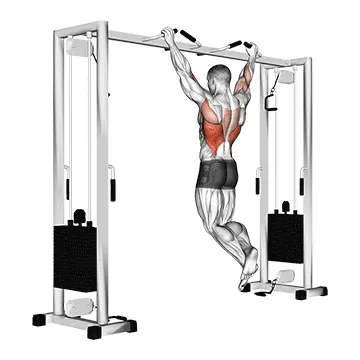
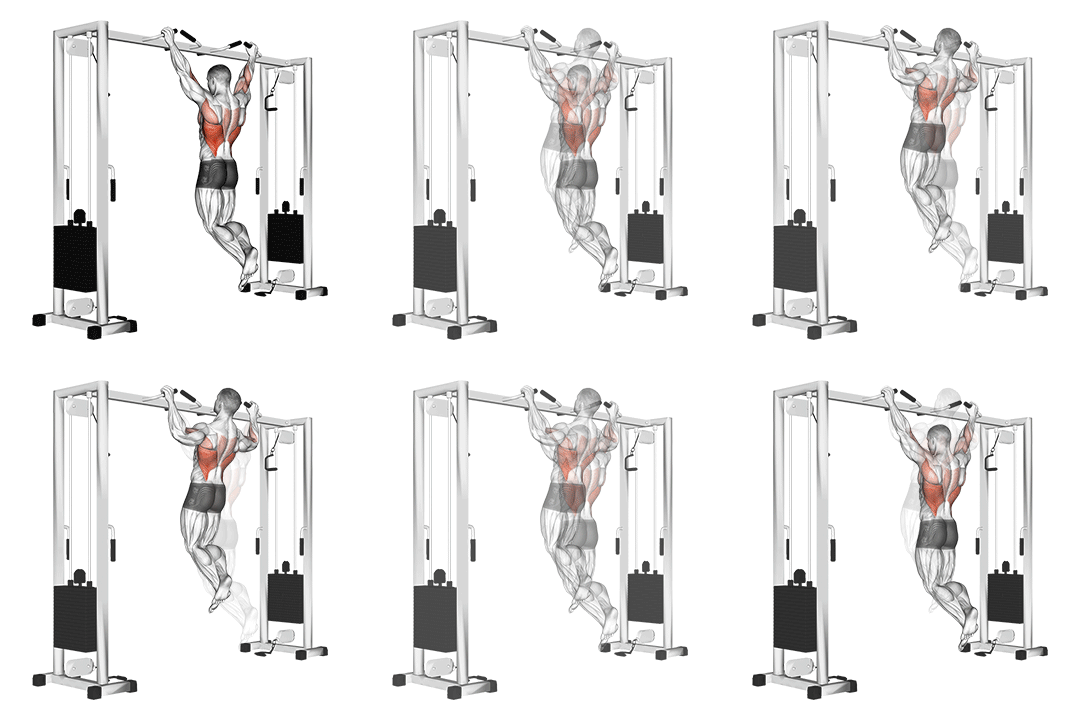
10. Pull Up (Neutral Grip)
86% match- Lats
- Bodyweight
- Advanced
- Compound
How to perform this exercise
- Hang from a pull-up bar with a neutral grip (palms facing each other) and your arms fully extended.
- Engage your core and squeeze your shoulder blades together.
- Pull your body up towards the bar by bending your elbows and driving your elbows down towards your hips.
- Continue pulling until your chin is above the bar.
- Pause for a moment at the top, then slowly lower your body back down to the starting position with control.
- Repeat for the desired number of repetitions.
Sets and reps: 3 or 4 sets of 6 to 10 reps.
Why this matches
- Primary muscle: lats, the same as the One Arm Chin-up
- Equipment: bodyweight only, the same as the One Arm Chin-up
- Body position: hanging, the same as the One Arm Chin-up
- Balance: easier to stay steady on than the One Arm Chin-up
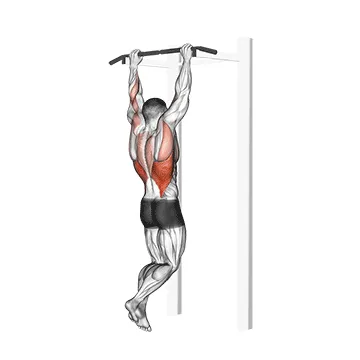
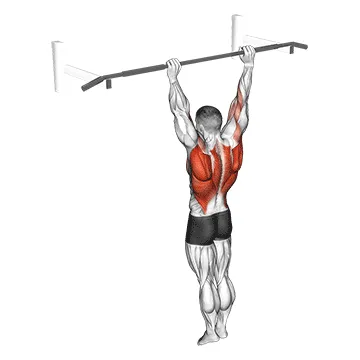
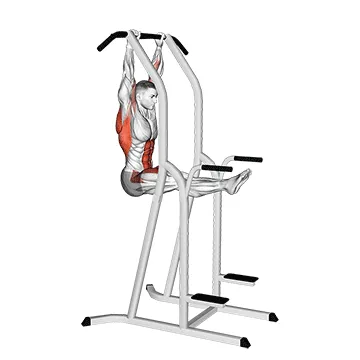
Why You Might Need a One Arm Chin-up Alternative
You may substitute a one-arm chin-up because of strength limits, shoulder or elbow pain, lack of specific equipment, or programming goals like hypertrophy instead of maximal skill. Substitutes reduce the lever arm and peak joint torque, letting you overload the latissimus dorsi and scapular stabilizers without full unilateral demand. For example, band-assisted negatives cut concentric load while preserving eccentric tension; keep the scapula set and drive the elbow down and back to emphasize lats and limit biceps dominance. Choose progressions that control the moment arm and maintain vertical pull mechanics for safer strength gains.
One Arm Chin-up FAQ
What muscles does One Arm Chin-up work?
The one-arm chin-up mainly targets the latissimus dorsi while heavily recruiting the biceps brachii, brachialis, teres major, and scapular stabilizers. It creates a large adduction and internal rotation moment at the shoulder, so the lats and scapular retractors must generate high force while the elbow flexors supply concentric pull.
What is the best bodyweight alternative to One Arm Chin-up?
An archer pull-up is the top bodyweight alternative because it biases one side while the other arm provides partial assistance. Shift your weight to the working side, extend the non-working arm, and control a 3–5 second eccentric to maximize unilateral lat loading.
Can I build muscle without doing One Arm Chin-up?
Yes. You can build lats and upper-back muscle with progressive overload via single-arm lat pulldowns, weighted rows, archer pull-ups, and tempo-controlled negatives. Focus on full scapular retraction, leading with the elbow, and gradually increase load or time under tension to stimulate hypertrophy.
Find Alternatives for Any Exercise
Search the exercise database and filter the ranked substitutes by the equipment you own.
Similarity scores compare exercise metadata such as movement pattern, muscles, equipment and body position. They are not a safety rating or a check that you own the equipment. Learn about our methodology