

10 Best Piriformis-smr Alternatives for Mobility and Glute Relief
If you can't do Piriformis-smr, use targeted ball work, active stretches, or activation drills to relieve the piriformis and nearby glutes. For example, place a lacrosse ball under the glute and shift bodyweight onto the sore spot for 20–30 seconds, or perform a supine figure‑4 and pull the knee toward your chest to unload the muscle.
Original Exercise: Piriformis-smr
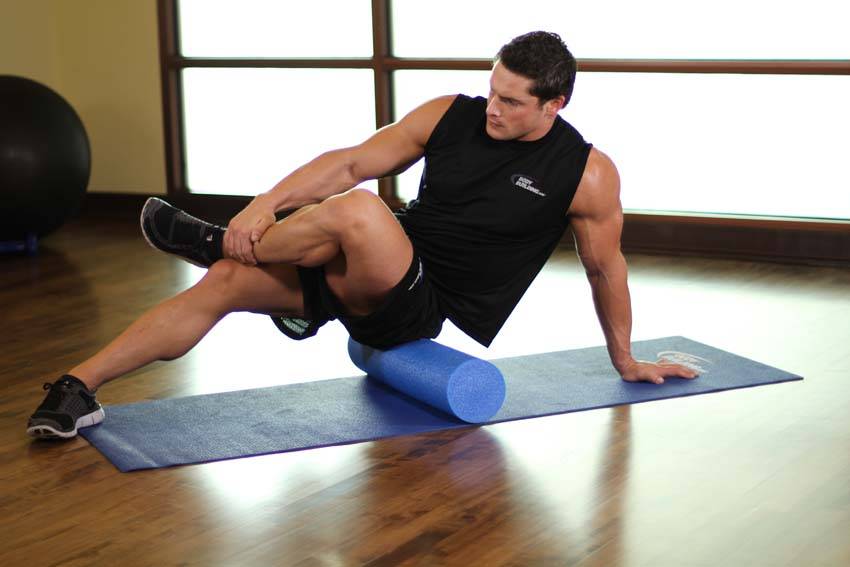
How to Perform Piriformis-smr
- Sit with your buttocks on top of a foam roll. Bend your knees, and then cross one leg so that the ankle is over the knee. This will be your starting position.
- Shift your weight to the side of the crossed leg, rolling over the buttocks until you feel tension in your upper glute. You may assist the stretch by using one hand to pull the bent knee towards your chest. Hold this position for 10-30 seconds, and then switch sides.
Pro Tips
- Category: Stretching
- Force: Static
- Movement type: Isolation
Best Piriformis-smr Alternatives
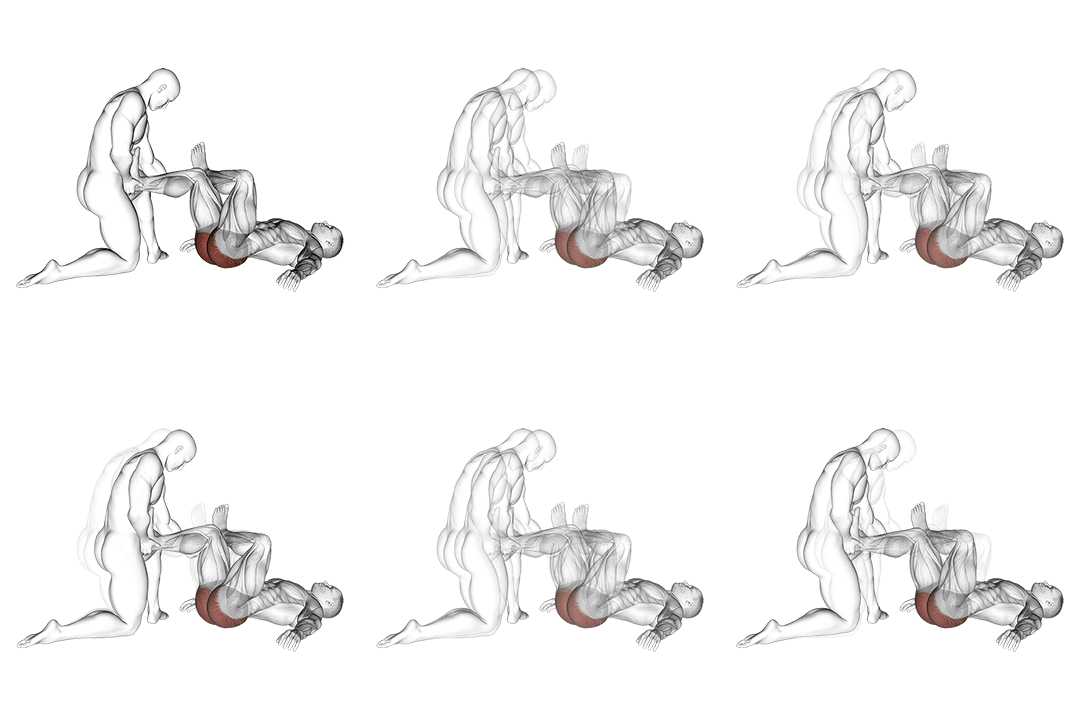
1. Assisted Lying Gluteus And Piriformis Stretch
90.2% MatchHow to perform this exercise
- Lie on your back with your legs extended.
- Bend your right knee and place your right ankle on your left thigh, just above the knee.
- Grasp your left thigh with both hands and gently pull it towards your chest.
- Hold the stretch for 20-30 seconds.
- Release the stretch and repeat on the other side.
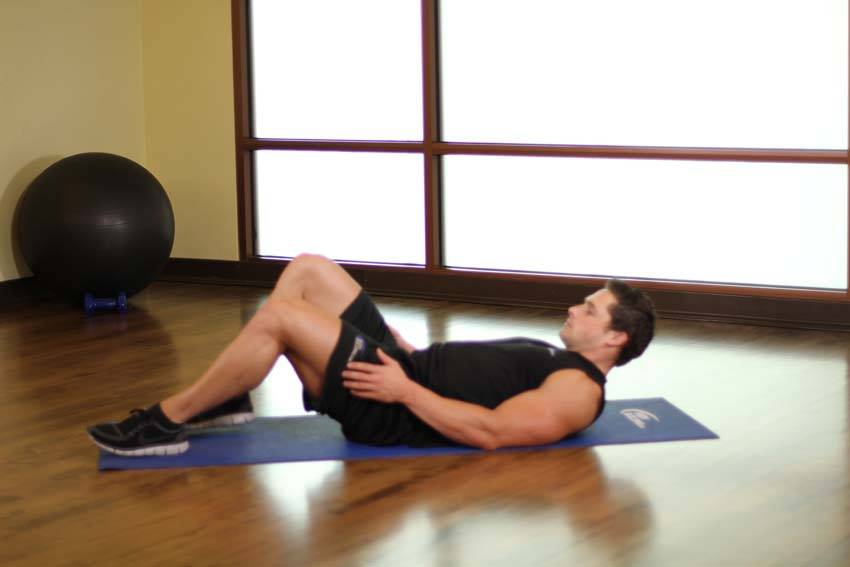
2. Ankle On The Knee
82.2% MatchHow to perform this exercise
- From a lying position, bend your knees and keep your feet on the floor.
- Place your ankle of one foot on your opposite knee.
- Grasp the thigh or knee of the bottom leg and pull both of your legs into the chest. Relax your neck and shoulders. Hold for 10-20 seconds and then switch sides.
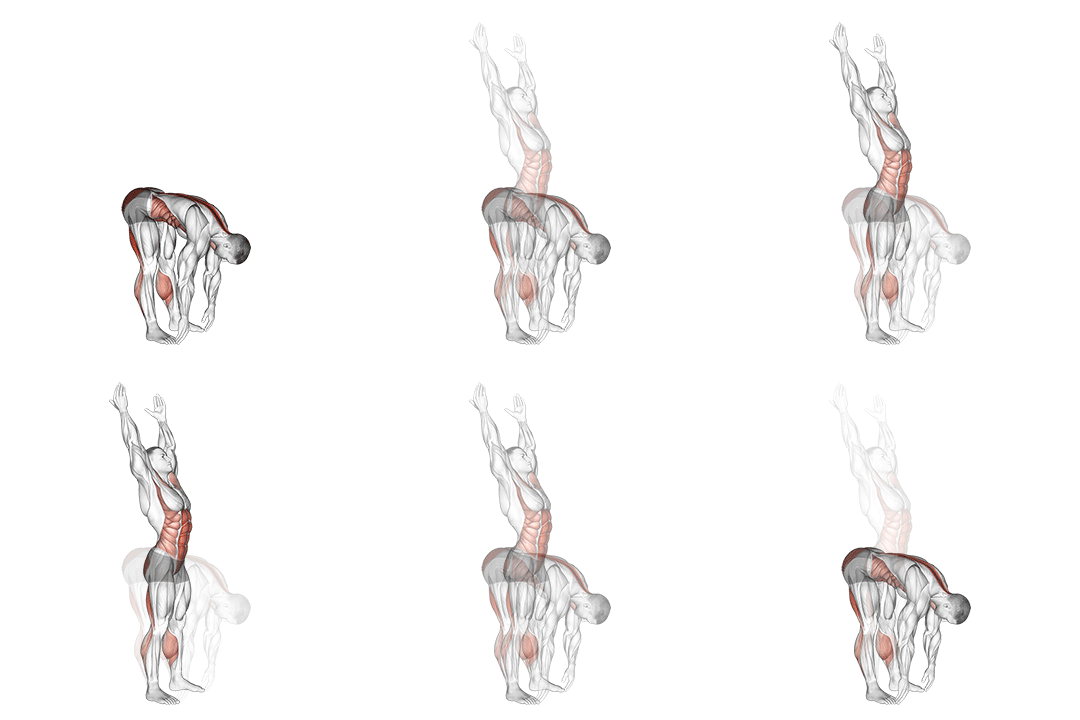
3. Basic Toe Touch (male)
81% MatchHow to perform this exercise
- Stand with your feet shoulder-width apart and your arms by your sides.
- Bend forward at the waist, keeping your back straight and your knees slightly bent.
- Reach down towards your toes with your hands, keeping your legs as straight as possible.
- Pause for a moment at the bottom, then slowly return to the starting position.
- Repeat for the desired number of repetitions.
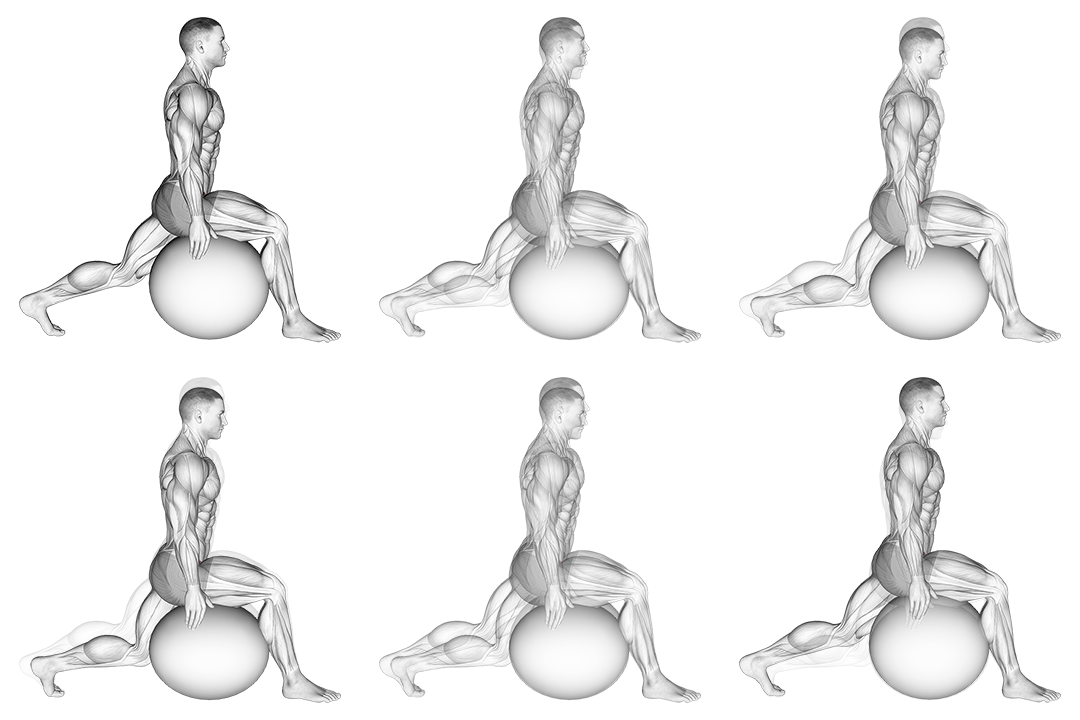
4. Exercise Ball Hip Flexor Stretch
80.9% MatchHow to perform this exercise
- Place the stability ball on the ground and kneel in front of it.
- Place your right foot on top of the stability ball, with your knee bent at a 90-degree angle.
- Extend your left leg behind you, keeping it straight.
- Lean forward, pushing your hips towards the stability ball, until you feel a stretch in your right hip flexor.
- Hold the stretch for 20-30 seconds, then switch sides and repeat.
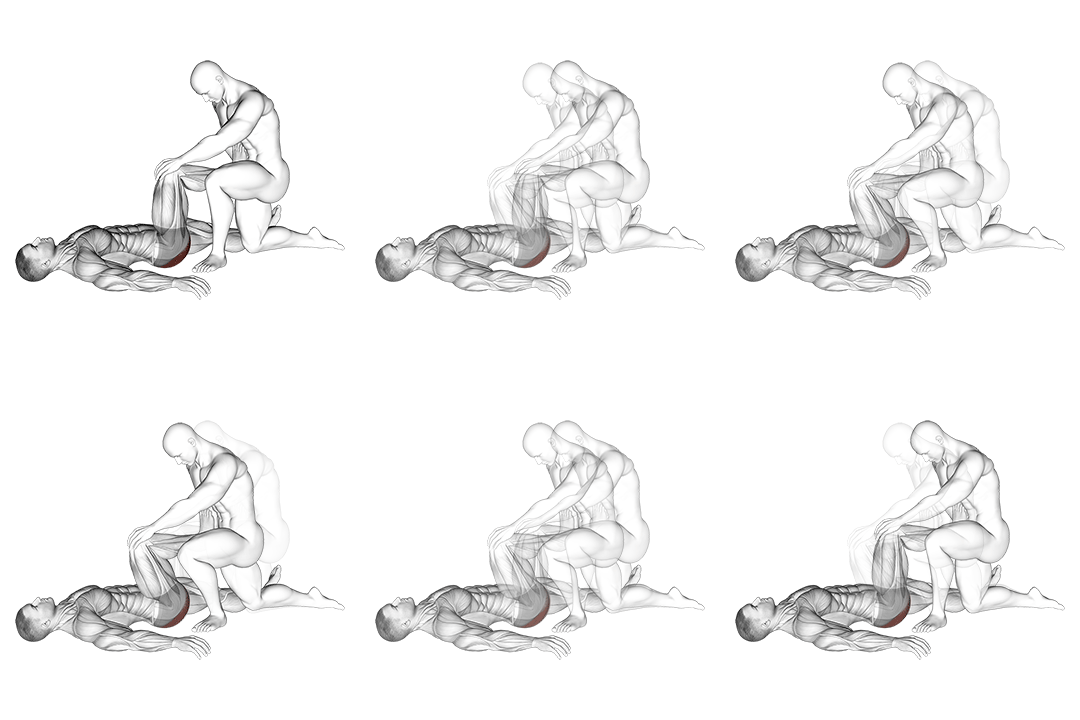
5. Assisted Lying Glutes Stretch
80.2% MatchHow to perform this exercise
- Lie on your back with your legs extended.
- Bend your right knee and place your right ankle on your left thigh, just above the knee.
- Grasp your left thigh with both hands and gently pull it towards your chest.
- Hold the stretch for 20-30 seconds.
- Release and repeat on the other side.
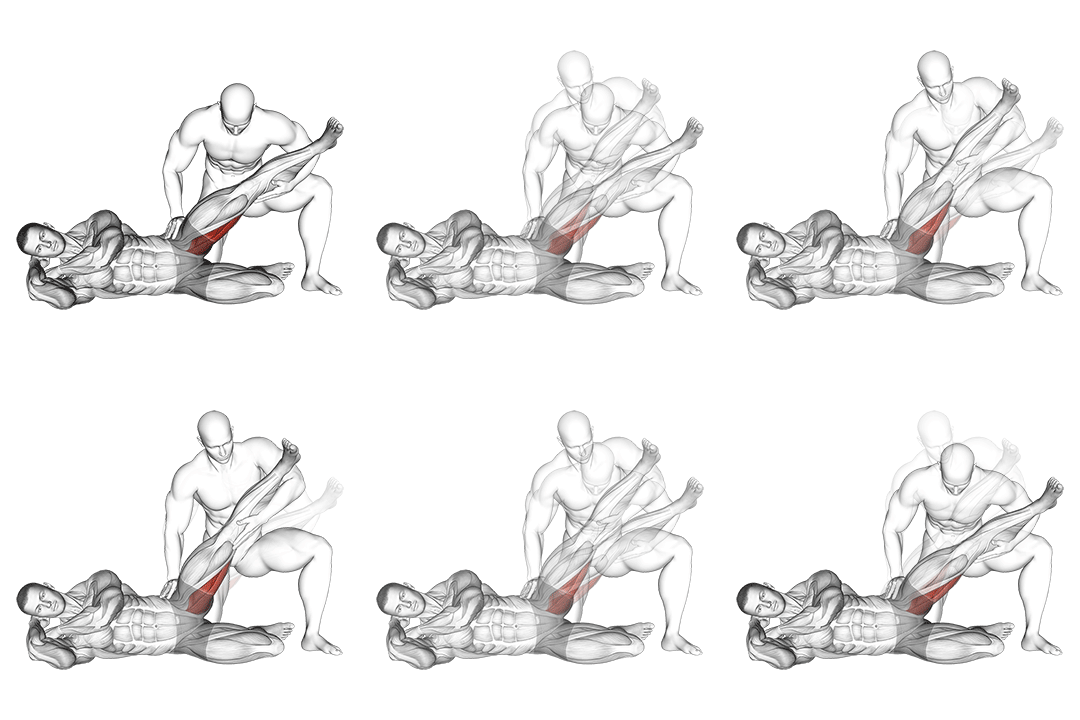
6. Assisted Side Lying Adductor Stretch
75.2% MatchHow to perform this exercise
- Lie on your side with your legs straight and stacked on top of each other.
- Bend your bottom leg slightly for stability.
- Place your top foot on a stable surface, such as a bench or step.
- Keeping your top leg straight, slowly lower it towards the ground, feeling a stretch in your inner thigh.
- Hold the stretch for 20-30 seconds.
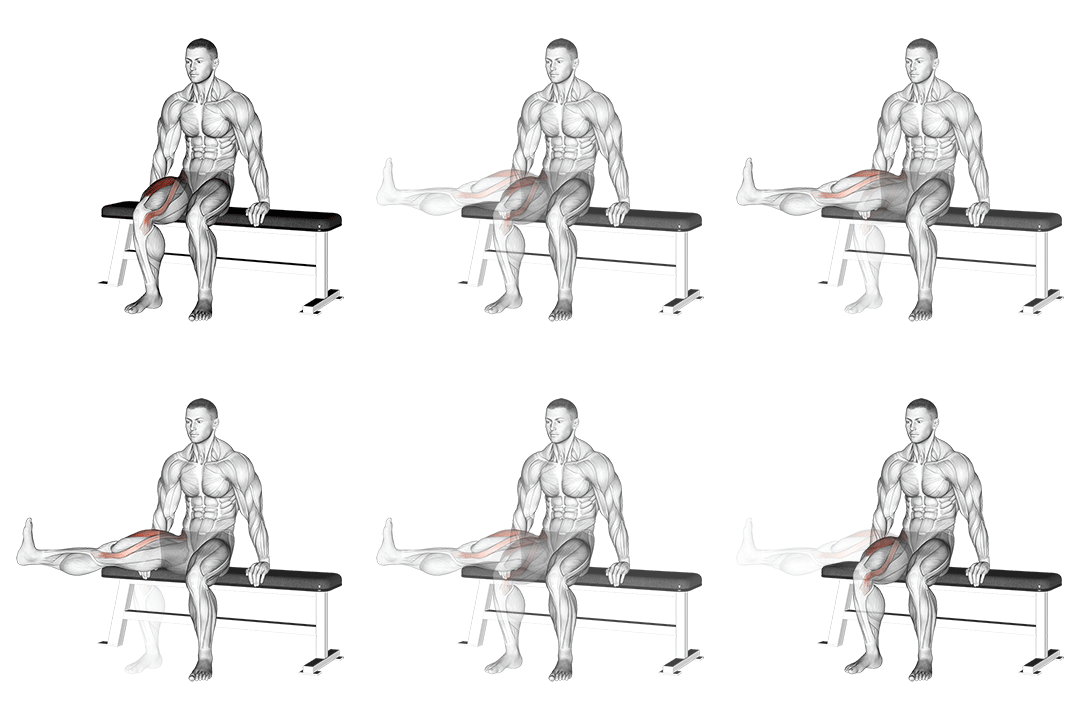
7. Chair Leg Extended Stretch
72.2% MatchHow to perform this exercise
- Sit on the edge of a chair with your back straight and feet flat on the ground.
- Extend one leg straight out in front of you, keeping your heel on the ground.
- Lean forward slightly, feeling a stretch in your quadriceps.
- Hold this position for 20-30 seconds.
- Switch legs and repeat the stretch.
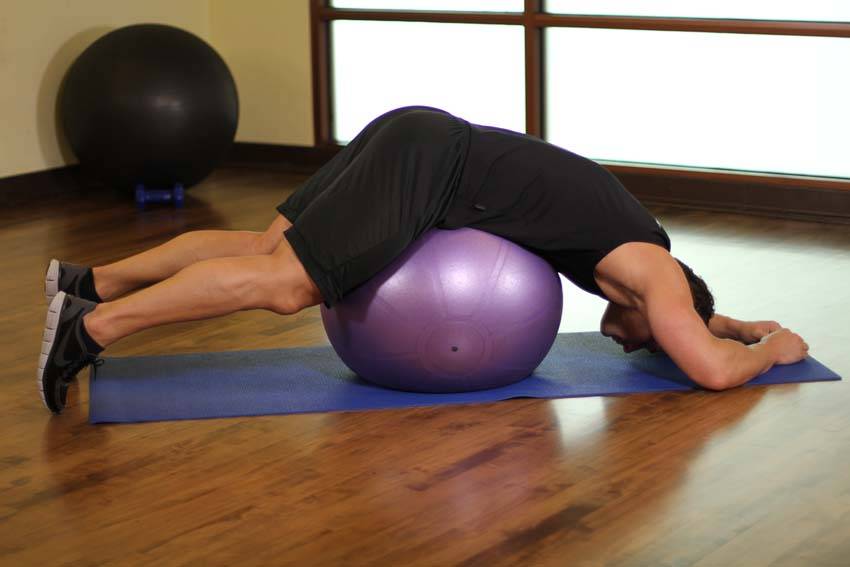
8. Downward Facing Balance
72% MatchHow to perform this exercise
- Lie facedown on top of an exercise ball.
- While resting on your stomach on the ball, walk your hands forward along the floor and lift your legs, extending your elbows and knees.
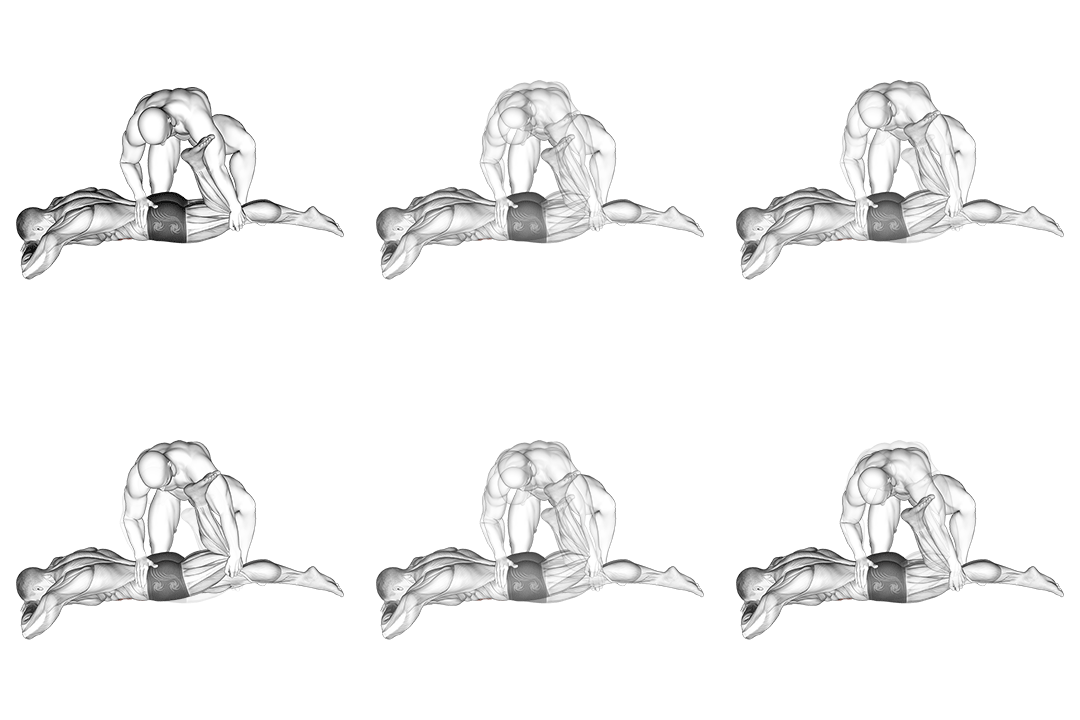
9. Assisted Prone Rectus Femoris Stretch
67.2% MatchHow to perform this exercise
- Lie face down on the ground with your legs straight.
- Bend your right knee and reach back with your right hand to grab your right foot or ankle.
- Gently pull your right foot or ankle towards your glutes, feeling a stretch in the front of your right thigh.
- Hold the stretch for 20-30 seconds.
- Release and repeat on the other side.
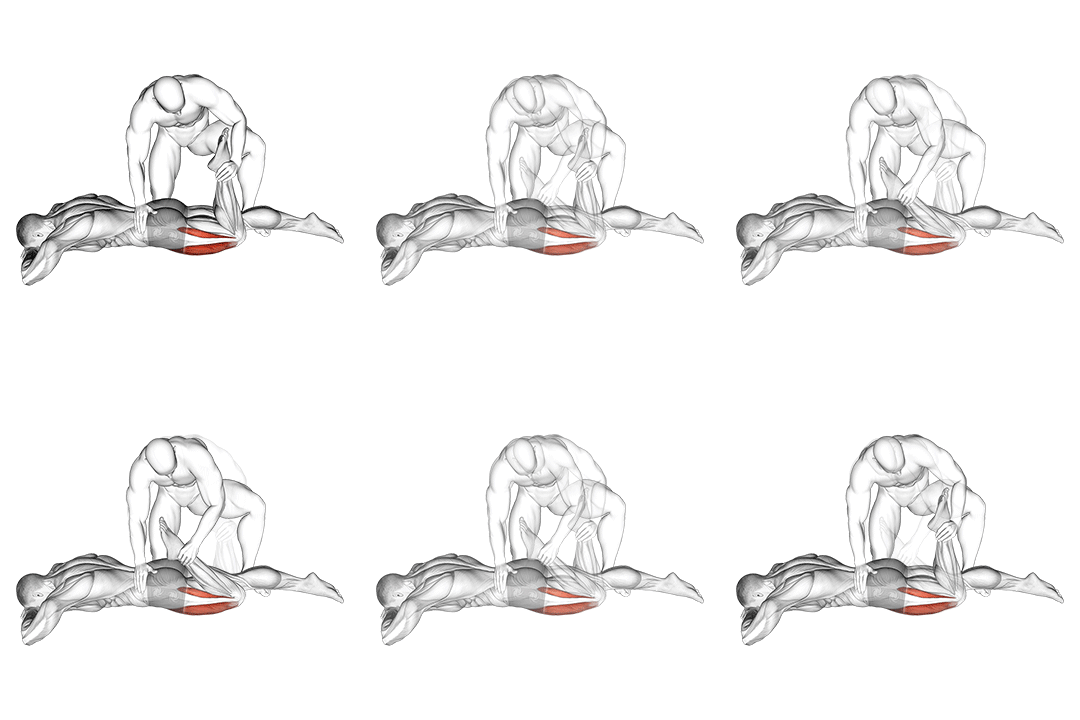
10. Assisted Prone Lying Quads Stretch
67.2% MatchHow to perform this exercise
- Lie face down on the ground with your legs extended.
- Bend your left knee and reach back with your left hand to grab your left foot or ankle.
- Gently pull your left foot towards your glutes, feeling a stretch in your left quad.
- Hold the stretch for 20-30 seconds, then release.
- Repeat with your right leg.
Why You Might Need a Piriformis-smr Alternative
You may need a substitute because foam-rolling can irritate acute sciatica, be too intense for hypersensitive tissue, or simply require equipment you don't have. Alternatives let you modulate pressure and load while addressing the same tissues: the piriformis and adjacent gluteals that control hip external rotation and lateral stability. Choose a ball or stretch to apply localized pressure with controlled hip flexion, or pick activation drills that reinforce gluteal motor patterns. For example, when using a lacrosse ball, keep the hip at ~90° flexion and breathe into the tension for 20–30 seconds to encourage fascial relaxation without overstretching the external rotators.
How to Choose the Right Substitute
Select a substitute based on pain level, goal (release vs. activation), and available equipment. If the tissue is very tender, pick a smaller ball (tennis or lacrosse) and use brief pressure holds; place the ball under the glute and gently shift until you locate a tender spot. If your aim is neuromuscular control, choose activation exercises like clamshells or single‑leg bridges that load the gluteus medius and maximus through hip external rotation and extension. Also consider biomechanics: limited hip internal rotation favors mobility stretches, while poor hip abduction strength calls for progressive activation sets with controlled tempo.
Frequently Asked Questions
What muscles does Piriformis-smr work?
Piriformis‑smr targets the piriformis and nearby gluteal tissue—primarily gluteus maximus, medius, and minimus. Rolling compresses the muscle and fascia, altering mechanoreceptor input and temporarily reducing tone in the external rotators that influence hip stability.
What is the best bodyweight alternative to Piriformis-smr?
The supine figure‑4 stretch is the best bodyweight option for isolating the piriformis without equipment. Lie on your back, cross the ankle over the opposite knee, pull the supporting thigh toward your chest until you feel a localized stretch under the glute, and hold 30 seconds while breathing steadily.
Can I build muscle without doing Piriformis-smr?
Yes—Piriformis‑smr is a recovery tool, not a hypertrophy method. Build the glutes with progressive resistance like hip thrusts, squats, and lunges; cue a strong glute squeeze at the top of hip thrusts while keeping a neutral pelvis to maximize gluteus maximus activation.
More Exercise Alternatives
Find Alternatives for Any Exercise
Use our free tool to discover the best substitute exercises based on your available equipment and goals.
Try the Exercise Substitution Finder →