

10 Best Plate Pinch Alternatives for Home and Gym
The Plate Pinch is done standing. Ranked closest by our scoring: the Modified Push Up To Lower Arms.
Updated Ranked by our 12-factor similarity model How it works
Original Exercise: Plate Pinch
- Primary muscle
- Forearms
- Equipment
- Other
- Difficulty
- Beginner
- Type
- Isolation
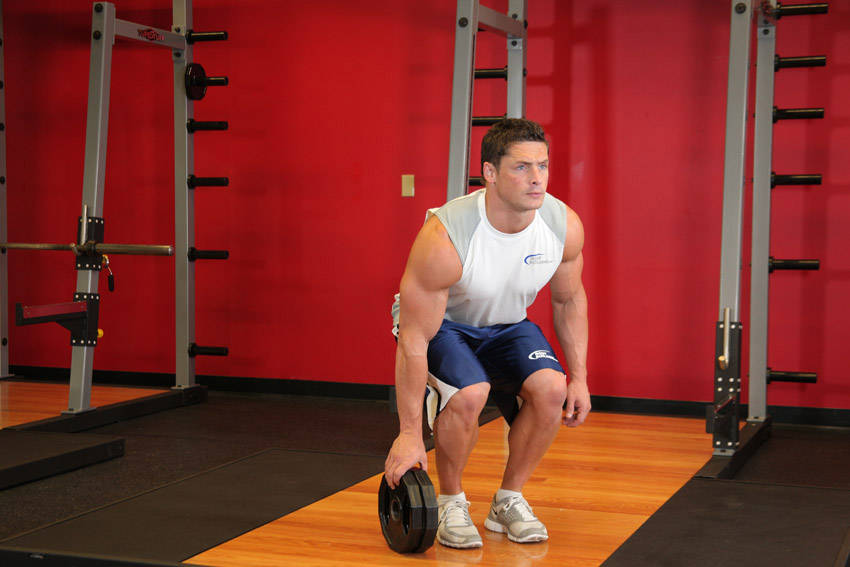
How to perform Plate Pinch
- Grab two wide-rimmed plates and put them together with the smooth sides facing outward
- Use your fingers to grip the outside part of the plate and your thumb for the other side thus holding both plates together. This is the starting position.
- Squeeze the plate with your fingers and thumb. Hold this position for as long as you can.
- Repeat for the recommended amount of sets prescribed in your program.
- Switch arms and repeat the movements.
Ranked Plate Pinch Alternatives
10 substitutes, ranked by how closely each one matches the Plate Pinch on movement pattern, muscles worked, equipment and body position. The higher the score, the less you change. Open "How to perform this exercise" on a card for the steps; every card title links to that exercise's own alternatives page.
1. Plank
52% match- Abs
- Bodyweight
- Beginner
- Compound
A looser match: it works the abs rather than the forearms.
How to perform this exercise
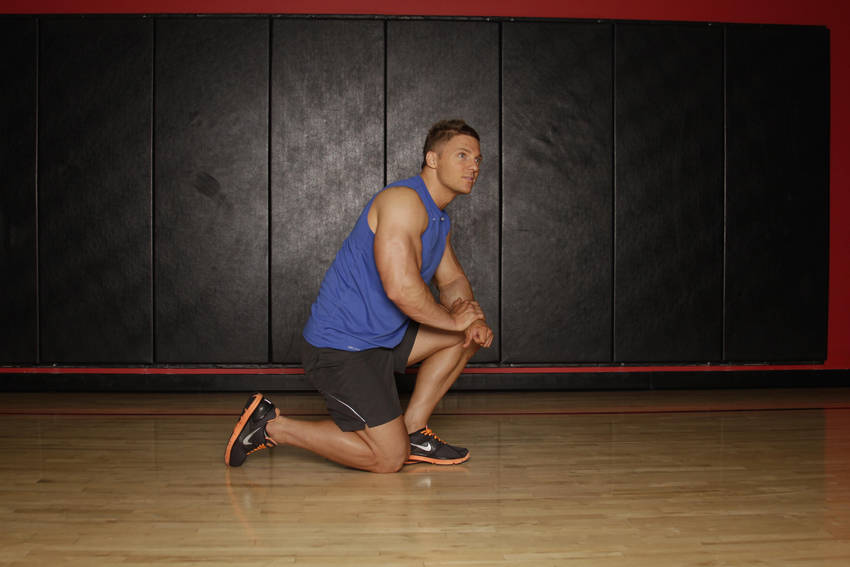
- Get into a prone position on the floor, supporting your weight on your toes and your forearms. Your arms are bent and directly below the shoulder.
- Keep your body straight at all times, and hold this position as long as possible. To increase difficulty, an arm or leg can be raised.
Sets and reps: Hold for 20 to 30 seconds, 3 sets.
Why this matches
- Primary muscle: abs, not forearms
- Equipment: bodyweight only, not free weights
- Body position: lying face down, not standing
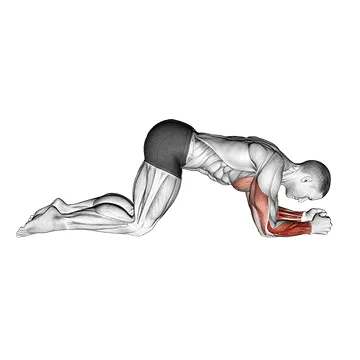
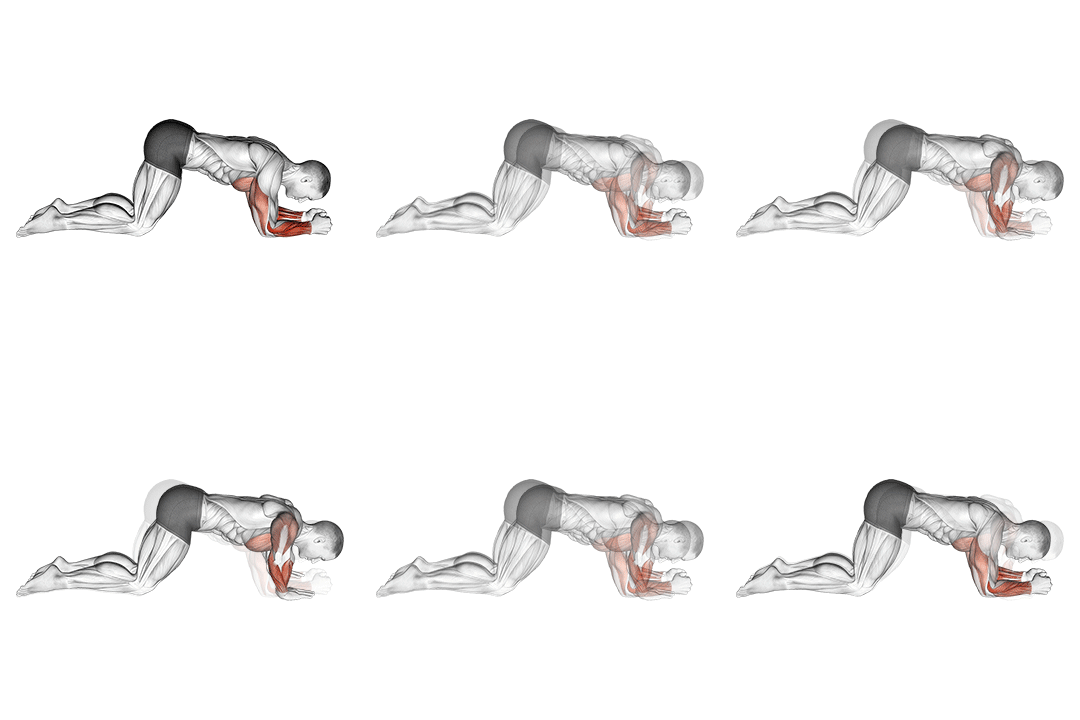
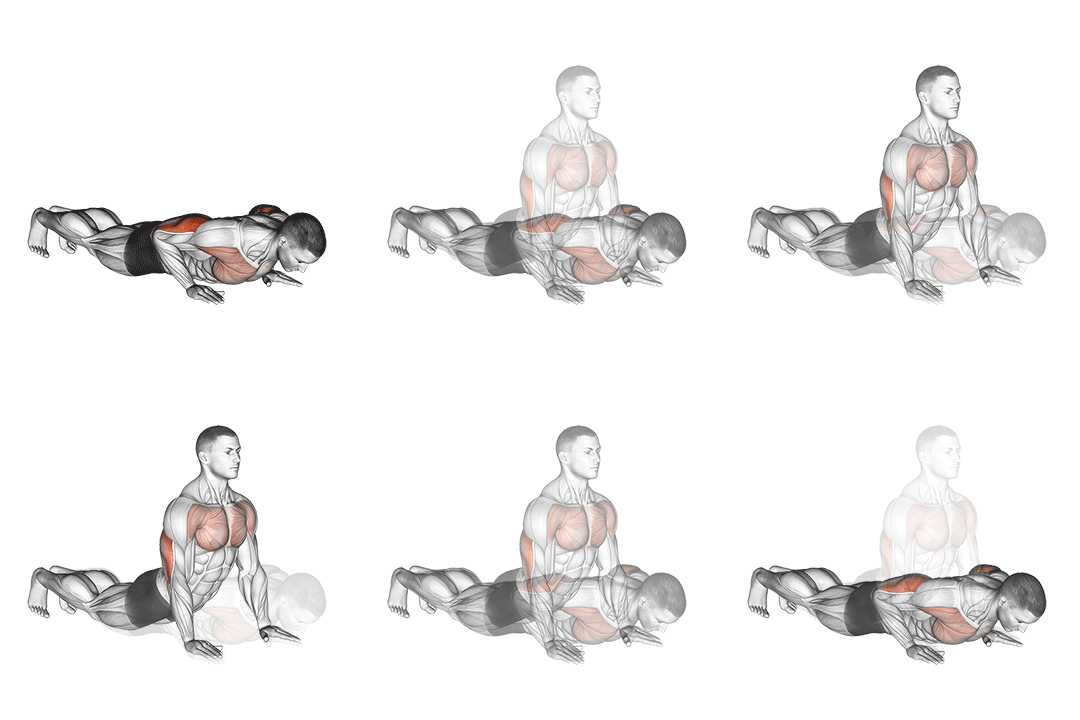
Best match 2. Modified Push Up To Lower Arms
33% match- Forearms
- Bodyweight
- Beginner
- Compound
It still works the forearms, through a different movement.
How to perform this exercise
- Start in a push-up position with your hands directly under your shoulders and your body in a straight line.
- Lower your body down towards the ground by bending your elbows, keeping them close to your sides.
- Once your elbows are at a 90-degree angle, lower your forearms to the ground, keeping your elbows directly under your shoulders.
- Pause for a moment, then push through your palms to lift your forearms back up to the starting position.
- Repeat for the desired number of repetitions.
Sets and reps: 3 sets of 8 to 12 reps, and add reps before you add load.
Why this matches
- Primary muscle: forearms, the same as the Plate Pinch
- Equipment: bodyweight only, not free weights
- Body position: kneeling, not standing
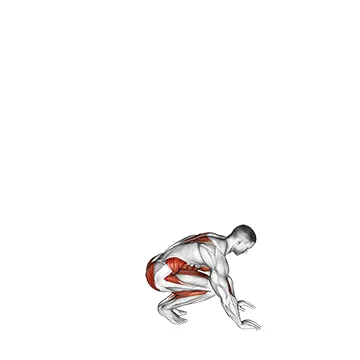
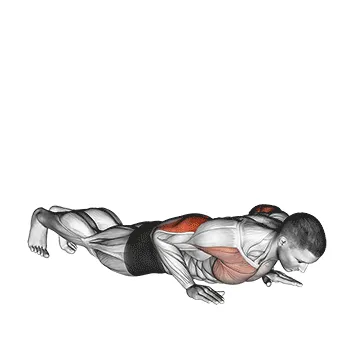
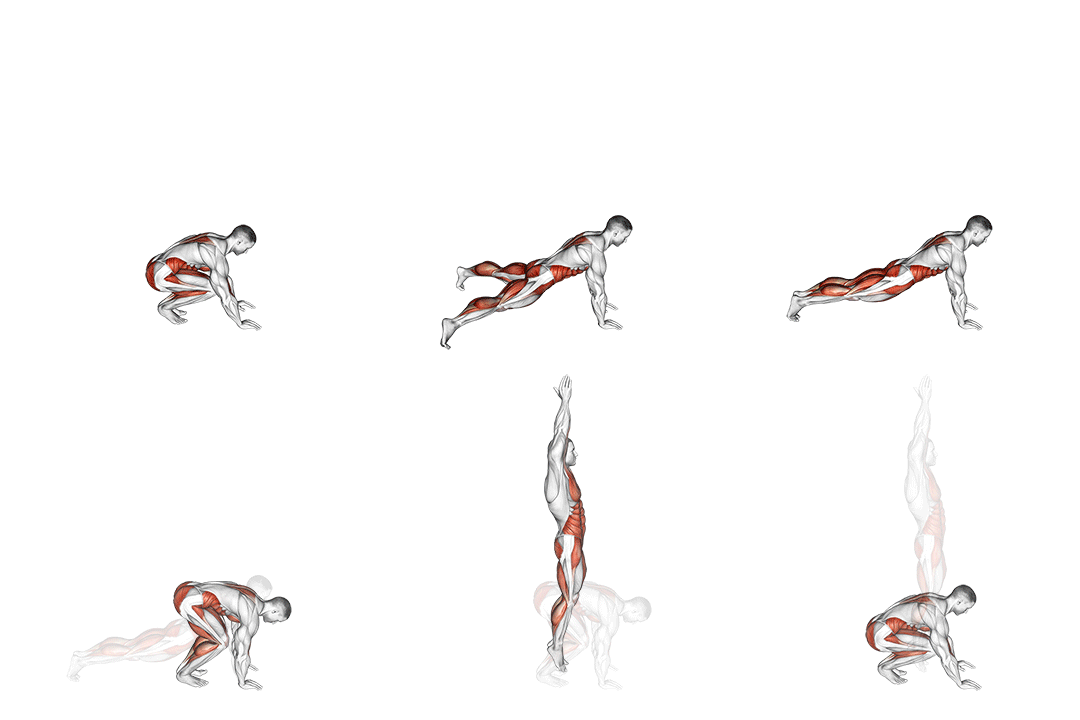
3. Jack Burpee
31% match- Cardio
- Bodyweight
- Intermediate
- Compound
A looser match: it works the cardiovascular rather than the forearms.
How to perform this exercise
- Start in a standing position with your feet shoulder-width apart.
- Lower your body into a squat position, placing your hands on the ground in front of you.
- Kick your feet back, landing in a push-up position.
- Perform a push-up, lowering your chest to the ground and then pushing back up.
- Jump your feet forward, landing in a squat position.
- Jump up explosively, reaching your arms overhead.
- Land softly and immediately lower back into the squat position to begin the next repetition.
Sets and reps: Work for 30 to 60 seconds, rest as long as you worked, and repeat 6 to 10 times.
Why this matches
- Primary muscle: your heart and lungs, not forearms
- Equipment: bodyweight only, not free weights
- Body position: standing, the same as the Plate Pinch
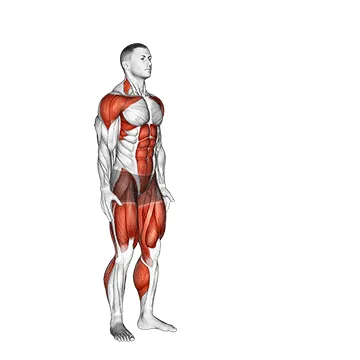
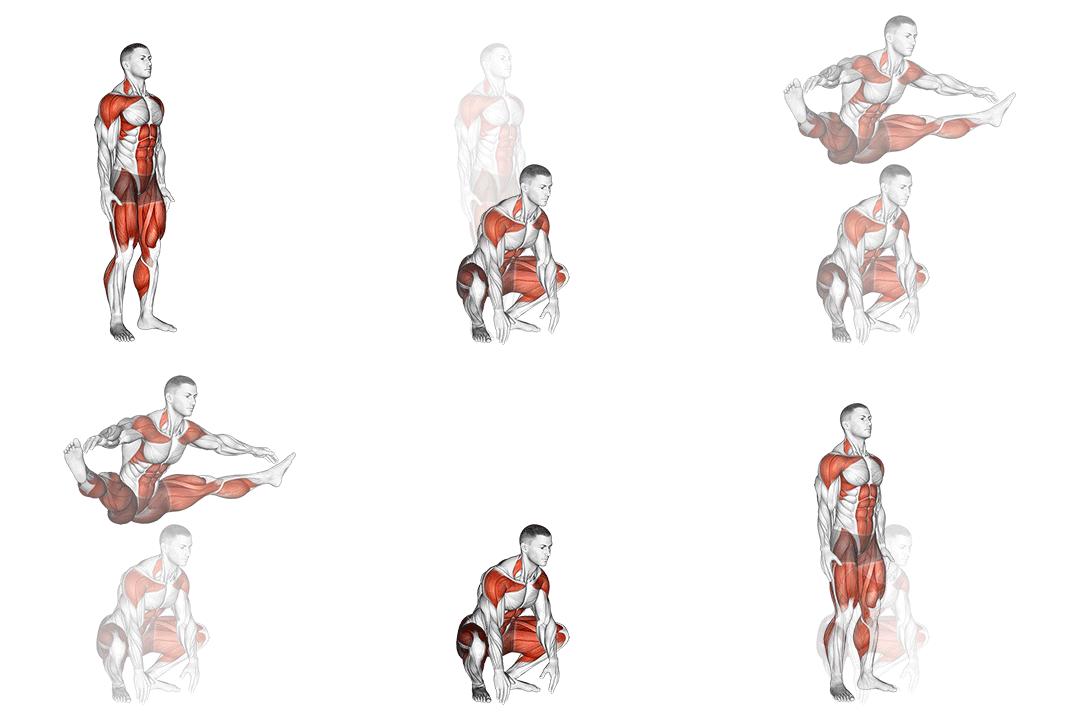
4. Star Jump
31% match- Quads
- Bodyweight
- Intermediate
- Compound
A looser match: it works the quads rather than the forearms.
How to perform this exercise
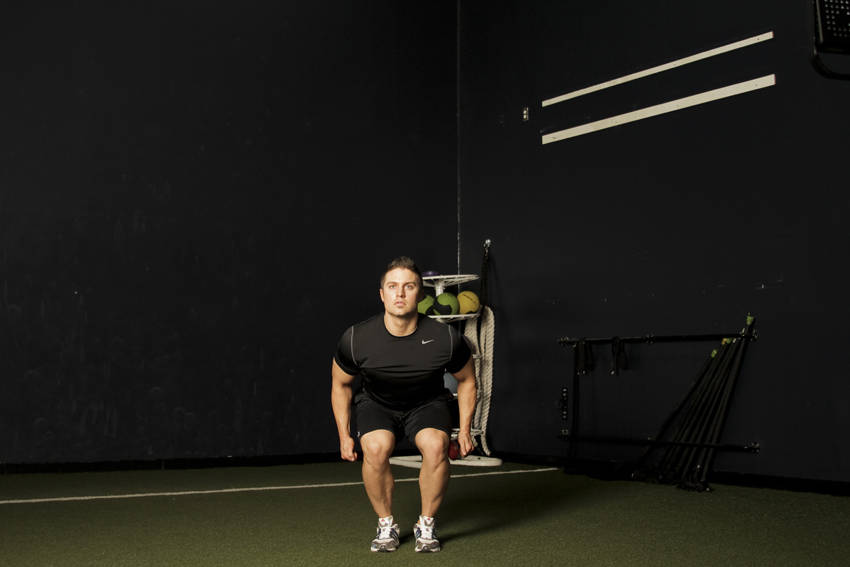
- Begin in a relaxed stance with your feet shoulder width apart and hold your arms close to the body.
- To initiate the move, squat down halfway and explode back up as high as possible. Fully extend your entire body, spreading your legs and arms away from the body.
- As you land, bring your limbs back in and absorb your impact through the legs.
Sets and reps: Work for 30 to 60 seconds, rest as long as you worked, and repeat 6 to 10 times.
Why this matches
- Primary muscle: quads, not forearms
- Equipment: bodyweight only, not free weights
- Body position: standing, the same as the Plate Pinch
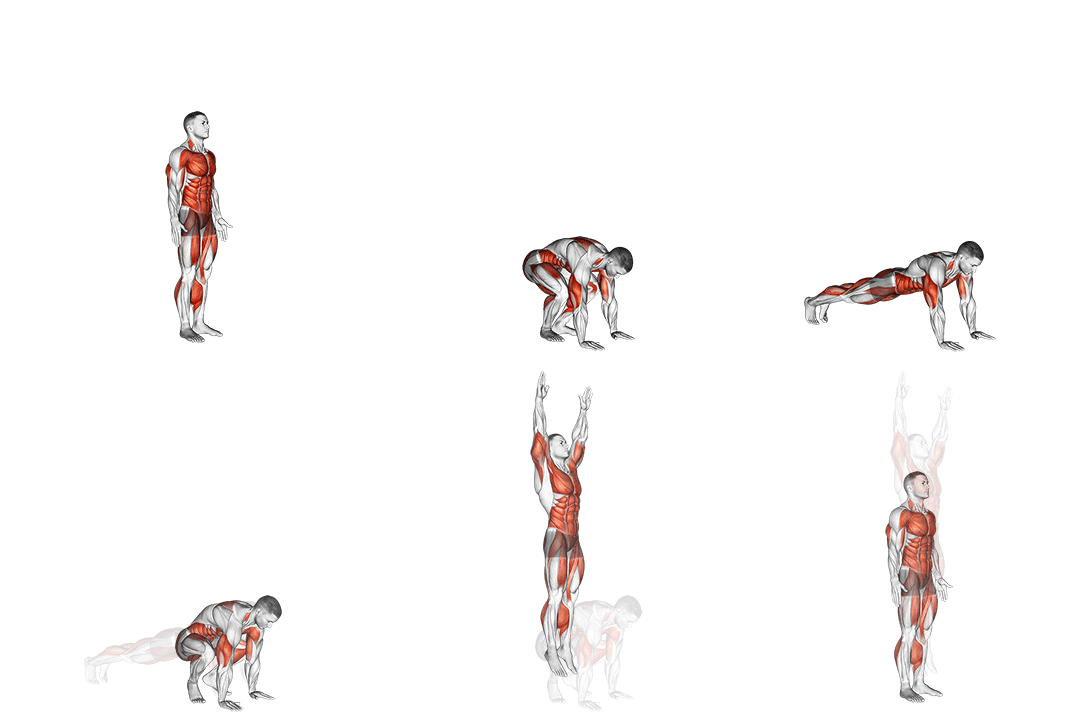
5. Burpee
31% match- Cardio
- Bodyweight
- Intermediate
- Compound
A looser match: it works the heart and lungs rather than the forearms.
How to perform this exercise
- Start in a standing position with your feet shoulder-width apart.
- Lower your body into a squat position by bending your knees and placing your hands on the floor in front of you.
- Kick your feet back into a push-up position.
- Perform a push-up, keeping your body in a straight line.
- Jump your feet back into the squat position.
- Jump up explosively, reaching your arms overhead.
- Land softly and immediately lower back into a squat position to begin the next repetition.
Sets and reps: Work for 30 to 60 seconds, rest as long as you worked, and repeat 6 to 10 times.
Why this matches
- Primary muscle: your heart and lungs, not forearms
- Equipment: bodyweight only, not free weights
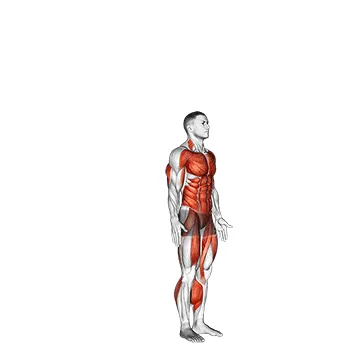
6. Jack Jump
30% match- Cardio
- Bodyweight
- Beginner
- Compound
How to perform this exercise
- Stand with your feet together and your arms by your sides.
- Jump up, spreading your feet apart and raising your arms above your head.
- As you land, quickly jump back to the starting position.
- Repeat for the desired number of repetitions.
Sets and reps: Work for 30 to 60 seconds, rest as long as you worked, and repeat 6 to 10 times.
Why this matches
- Primary muscle: your heart and lungs, not forearms
- Equipment: bodyweight only, not free weights
- Body position: standing, the same as the Plate Pinch
- Balance: easier to stay steady on than the Plate Pinch
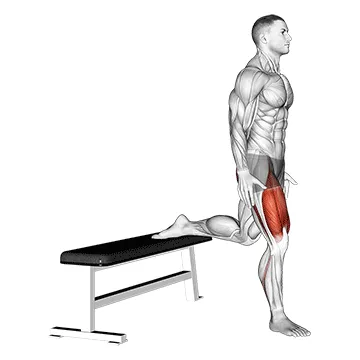
7. Quads
30% match- Quads
- Bodyweight
- Beginner
- Compound
How to perform this exercise
- Stand with your feet shoulder-width apart.
- Lower your body by bending your knees and pushing your hips back as if sitting on a chair.
- Keep your chest up and your back straight.
- Lower yourself until your thighs are parallel to the ground.
- Push through your heels to return to the starting position.
- Repeat for the desired number of repetitions.
Sets and reps: 3 sets of 8 to 12 reps, and add reps before you add load.
Why this matches
- Primary muscle: quads, not forearms
- Equipment: bodyweight only, not free weights
- Body position: standing, the same as the Plate Pinch
- Balance: easier to stay steady on than the Plate Pinch
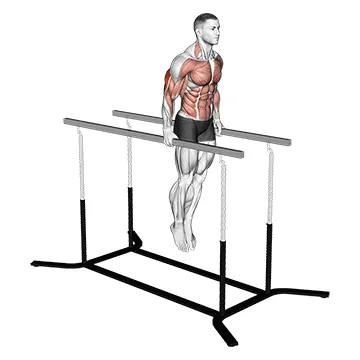
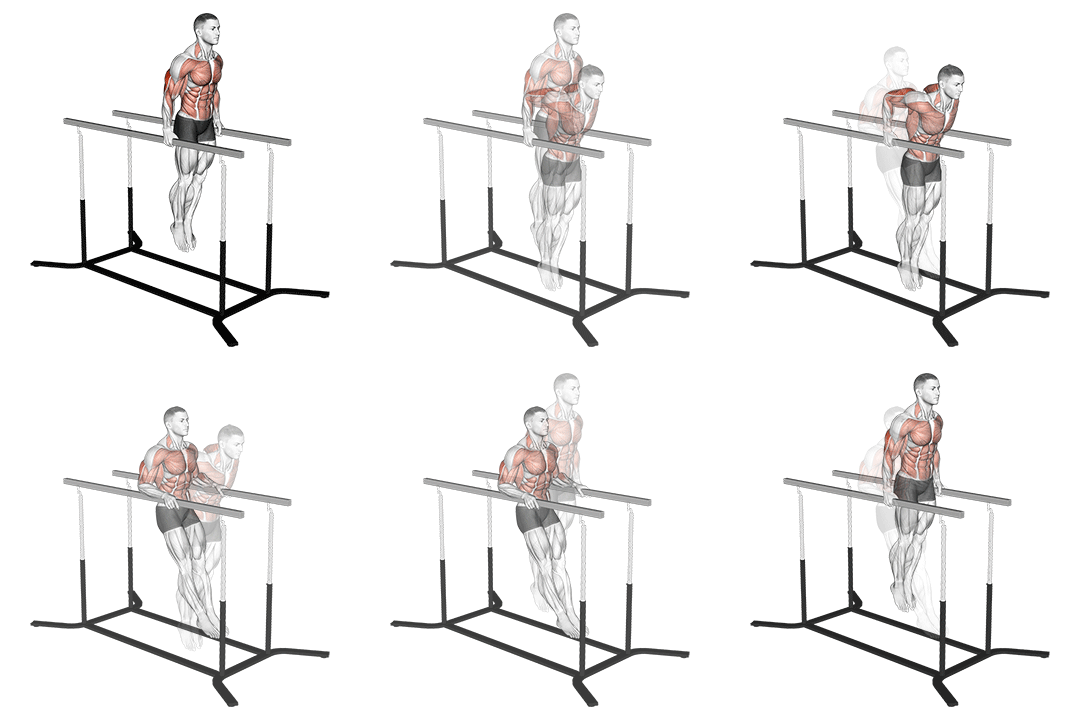
8. Reverse Dip
30% match- Triceps
- Bodyweight
- Intermediate
- Compound
How to perform this exercise
- Position yourself between two parallel bars with your arms fully extended and your body straight.
- Lower your body by bending your elbows until your upper arms are parallel to the ground.
- Pause for a moment, then push yourself back up to the starting position by straightening your arms.
- Repeat for the desired number of repetitions.
Sets and reps: 3 or 4 sets of 6 to 10 reps.
Why this matches
- Primary muscle: triceps, not forearms
- Equipment: bodyweight only, not free weights
- Body position: standing, the same as the Plate Pinch
9. Bench Jump
30% match- Quads
- Bodyweight
- Intermediate
- Compound
How to perform this exercise
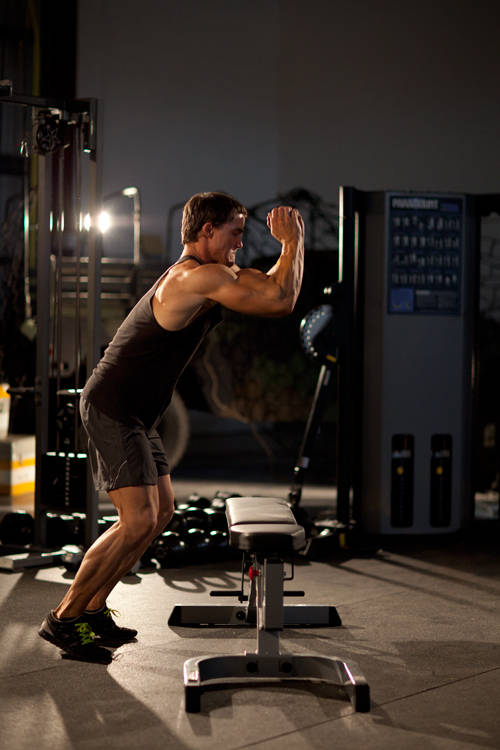
- Begin with a box or bench 1-2 feet in front of you. Stand with your feet shoulder width apart. This will be your starting position.
- Perform a short squat in preparation for the jump; swing your arms behind you.
- Rebound out of this position, extending through the hips, knees, and ankles to jump as high as possible. Swing your arms forward and up.
- Jump over the bench, landing with the knees bent, absorbing the impact through the legs.
- Turn around and face the opposite direction, then jump back over the bench.
Sets and reps: 3 or 4 sets of 6 to 10 reps.
Why this matches
- Primary muscle: quads, not forearms
- Equipment: bodyweight only, not free weights
- Body position: standing, the same as the Plate Pinch
10. Elbow Dips
30% match- Triceps
- Bodyweight
- Intermediate
- Compound
How to perform this exercise
- Sit on the edge of a bench or chair with your hands gripping the edge next to your hips.
- Slide your hips forward off the bench and straighten your legs, keeping your heels on the ground.
- Bend your elbows and lower your body towards the ground, keeping your back close to the bench.
- Pause for a moment at the bottom, then push through your hands to straighten your arms and lift your body back up to the starting position.
- Repeat for the desired number of repetitions.
Sets and reps: 3 or 4 sets of 6 to 10 reps.
Why this matches
- Primary muscle: triceps, not forearms
- Equipment: bodyweight only, not free weights
- Body position: standing, the same as the Plate Pinch
Why You Might Need a Plate Pinch Alternative
You might substitute Plate Pinch for several reasons: no plate access, finger pain, thumb joint issues, or a desire for progressive overload. Plate Pinch places high compressive load on the thumb adductor and finger flexors (flexor digitorum and flexor pollicis longus); if you have acute joint pain you can lower torque by using a thicker handle or towel pinch to spread load across the palm. Alternatives let you manipulate load, hand position, and movement pattern so you can emphasize pinch-specific isometrics or transition to dynamic forearm work while protecting tendons and improving carryover to lifts.
How to Choose the Right Plate Pinch Substitute
Select a substitute based on the specific grip quality you need: pure pinch (thumb vs fingers), crush (whole-hand compression), or support (neutral hold). For pure pinch choose dumbbell-head or plate-style pinches and keep wrist neutral with elbow slightly flexed to limit shoulder compensation. For tendon recovery choose towel-pinches or lighter fingertip hangs and slow progressions of 5–10 seconds per session. Prioritize exercises that let you increase load or time under tension in small steps and monitor thumb joint pain; adjust hand width or handle diameter to shift activation between finger flexors and wrist flexors.
Plate Pinch FAQ
What muscles does Plate Pinch work?
Plate Pinch primarily targets the finger flexors (flexor digitorum profundus and superficialis) and the thumb adductor (adductor pollicis), with secondary activation of wrist flexors and intrinsic hand muscles. Cue a tight thumb press and active fingertip squeeze to maximize flexor and intrinsic activation while keeping the wrist neutral to avoid radial deviation.
Find Alternatives for Any Exercise
Search the exercise database and filter the ranked substitutes by the equipment you own.
Similarity scores compare exercise metadata such as movement pattern, muscles, equipment and body position. They are not a safety rating or a check that you own the equipment. Learn about our methodology