

10 Best Platform Hamstring Slides Alternatives for Home Workouts
Platform Hamstring Slides are done lying on your back. Ranked closest by our scoring: the Inverse Leg Curl (Bench Support), the Self Assisted Inverse Leg Curl and the Self Assisted Inverse Leg Curl (On Floor).
Updated Ranked by our 12-factor similarity model How it works
Original Exercise: Platform Hamstring Slides
- Primary muscle
- Hamstrings
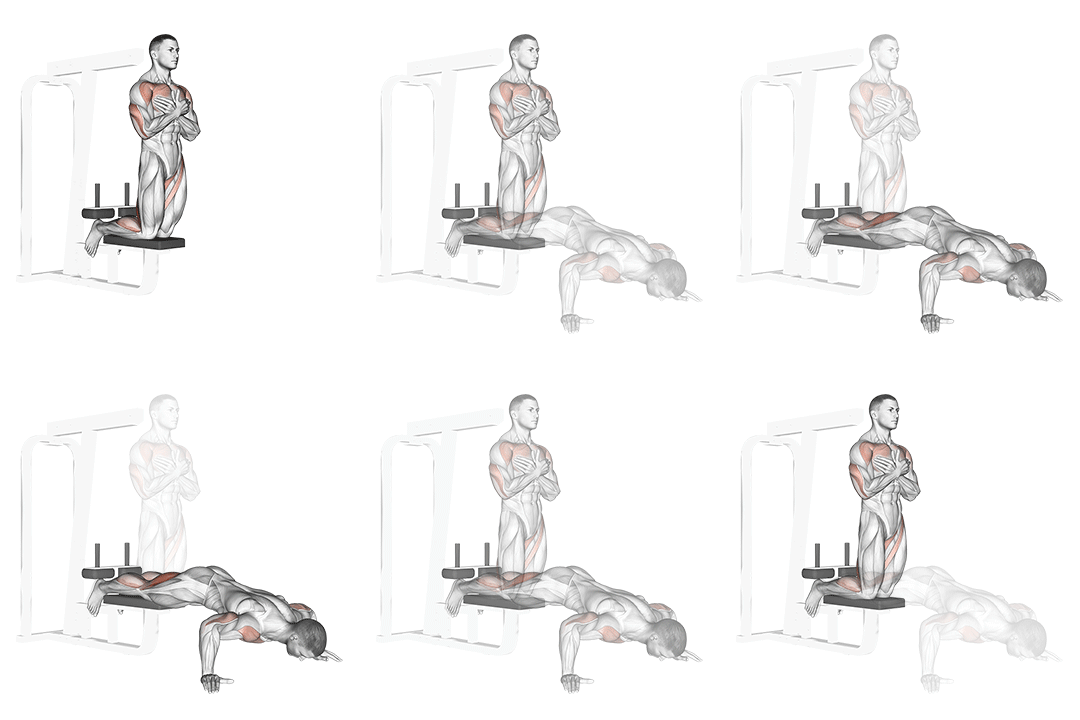
- Equipment
- Other
- Difficulty
- Intermediate
- Type
- Isolation
Secondary muscles: Glutes
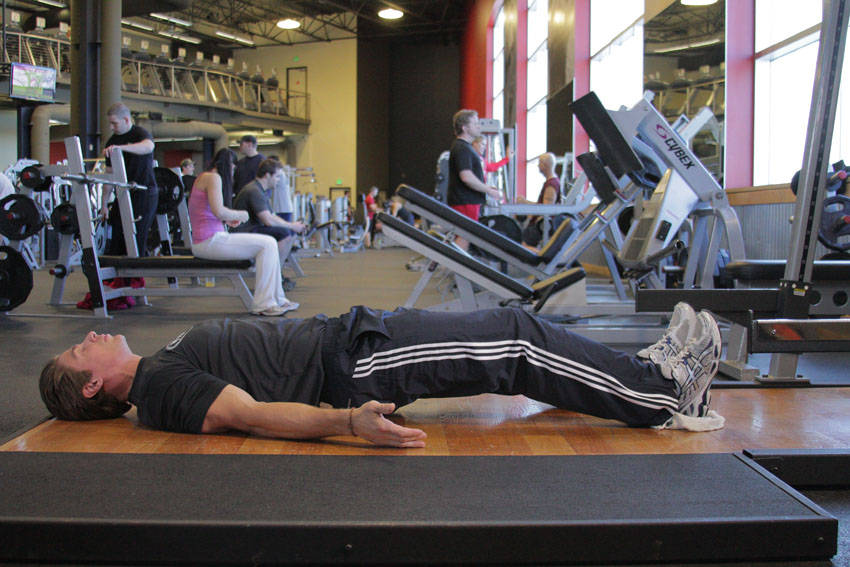
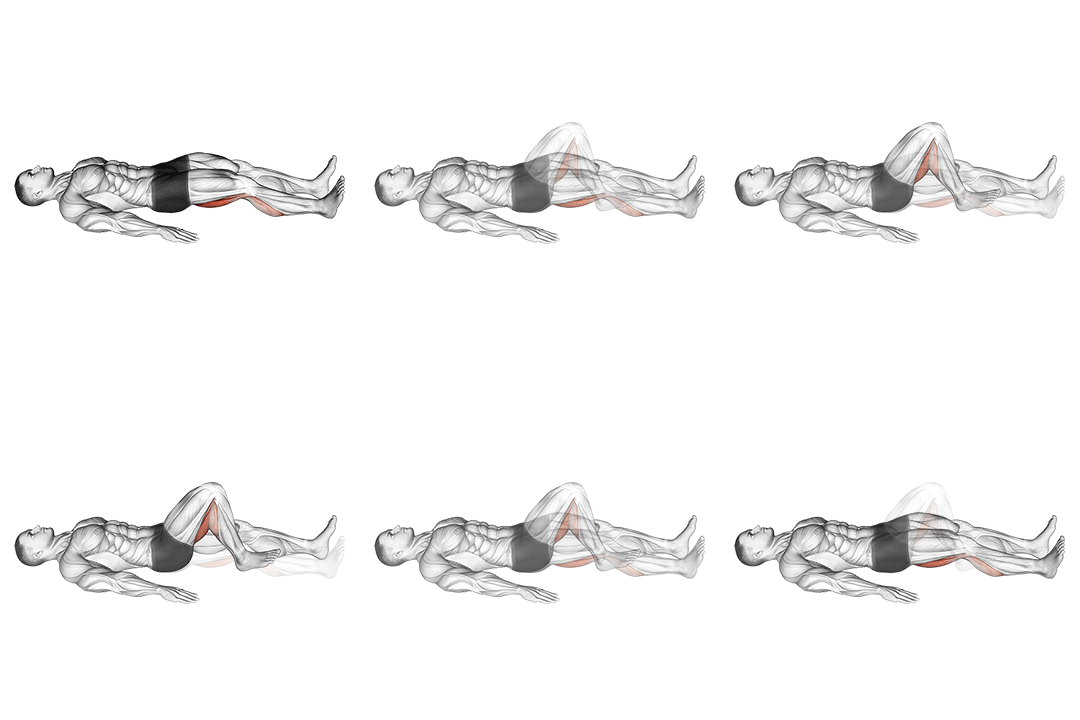
How to perform Platform Hamstring Slides
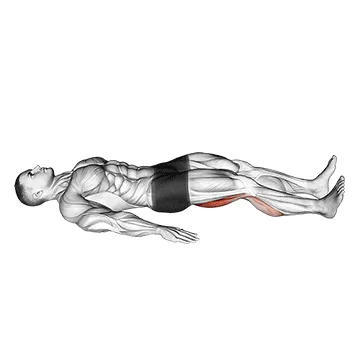
- For this movement a wooden floor or similar is needed. Lay on your back with your legs extended. Place a gym towel or a light weight underneath your heel. This will be your starting position.
- Begin the movement by flexing the knee, keeping your other leg straight.
- Continue bringing the heel closer to you, sliding it on the floor.
- At full knee flexion, reverse the movement to return to the starting position.
Ranked Platform Hamstring Slides Alternatives
10 substitutes, ranked by how closely each one matches Platform Hamstring Slides on movement pattern, muscles worked, equipment and body position. The higher the score, the less you change. Open "How to perform this exercise" on a card for the steps; every card title links to that exercise's own alternatives page.
Best match 1. Inverse Leg Curl (Bench Support)
83% match- Hamstrings
- Bodyweight
- Intermediate
- Isolation
Pick this when you want a harder version that still works the hamstrings.
How to perform this exercise
- Lie face down on a bench with your hips at the edge and your legs extended straight behind you.
- Hold onto the bench for support.
- Keeping your upper body still, bend your knees and curl your legs towards your glutes.
- Pause for a moment at the top, then slowly extend your legs back to the starting position.
- Repeat for the desired number of repetitions.
Sets and reps: 3 sets of 10 to 15 reps.
Why this matches
- Primary muscle: hamstrings, the same as Platform Hamstring Slides
- Equipment: bodyweight only, the same as Platform Hamstring Slides
- Body position: lying face down, not lying on your back
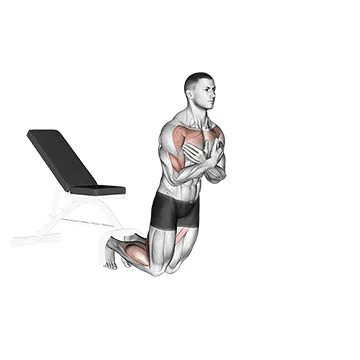
2. Self Assisted Inverse Leg Curl
81% match- Hamstrings
- Bodyweight
- Intermediate
- Isolation
Pick this when you want an easier version that still works the hamstrings.
How to perform this exercise
- Lie flat on your back on a mat or bench with your legs extended.
- Place your hands by your sides or under your glutes for support.
- Bend your knees and lift your feet off the ground, bringing your thighs towards your chest.
- Pause for a moment at the top, then slowly lower your legs back to the starting position.
- Repeat for the desired number of repetitions.
Sets and reps: 3 sets of 10 to 15 reps.
Why this matches
- Primary muscle: hamstrings, the same as Platform Hamstring Slides
- Equipment: bodyweight only, the same as Platform Hamstring Slides
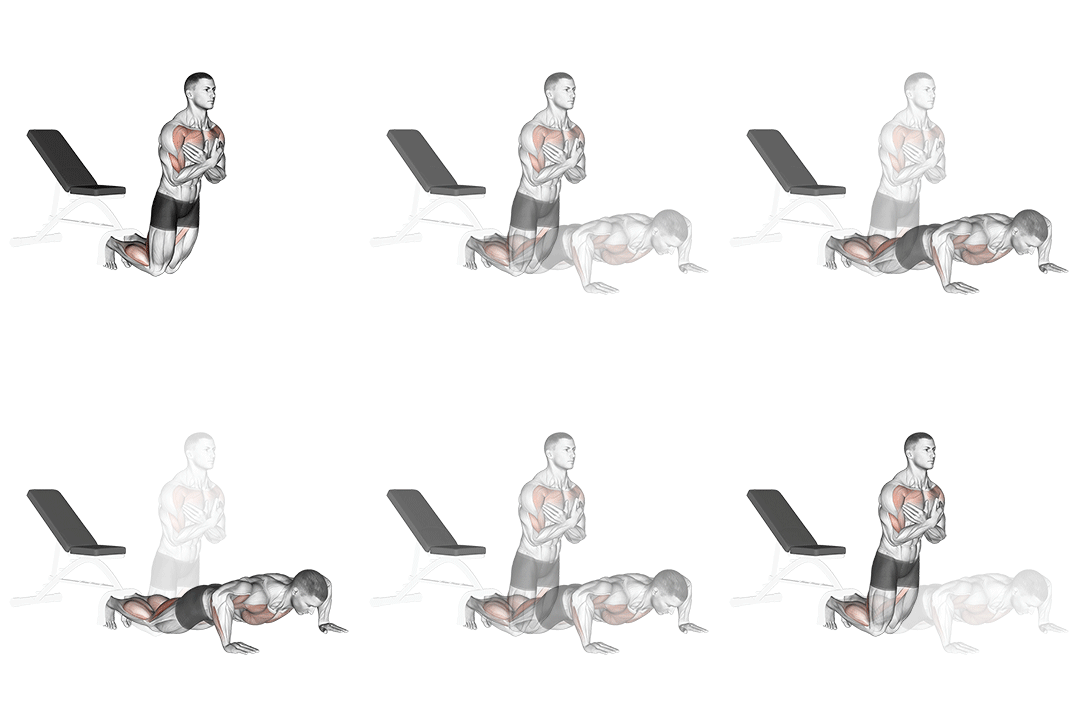
- Body position: kneeling, not lying on your back
- Hamstrings
- Bodyweight
- Beginner
- Isolation
How to perform this exercise
- Lie flat on your back with your legs extended and your arms by your sides.
- Bend your knees and place your feet flat on the ground, hip-width apart.
- Lift your hips off the ground, engaging your glutes and hamstrings.
- Slowly curl your legs towards your glutes, keeping your hips lifted.
- Pause for a moment at the top, then slowly extend your legs back to the starting position.
- Lower your hips back down to the ground.
- Repeat for the desired number of repetitions.
Sets and reps: 3 sets of 8 to 12 reps, and add reps before you add load.
Why this matches
- Primary muscle: hamstrings, the same as Platform Hamstring Slides
- Equipment: bodyweight only, the same as Platform Hamstring Slides
- Body position: kneeling, not lying on your back
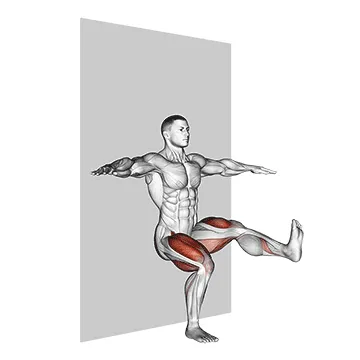
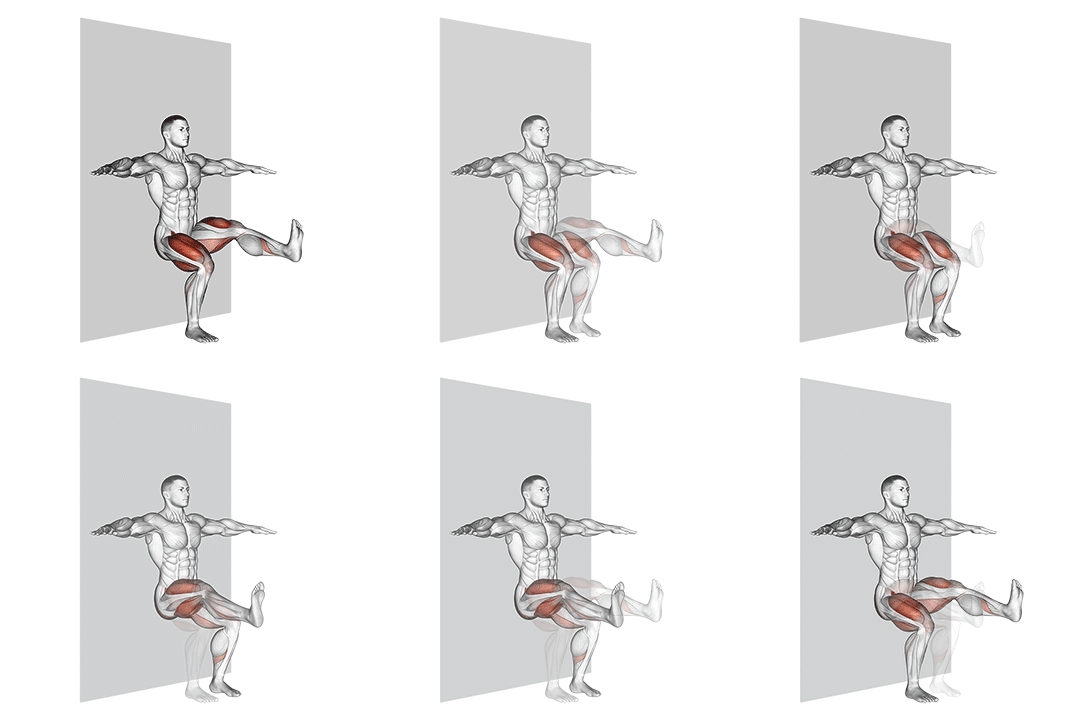
4. Kick Out Sit
80% match- Hamstrings
- Bodyweight
- Intermediate
- Compound
Pick this when you want to work the hamstrings one side at a time.
How to perform this exercise
- Sit on the edge of a bench or chair with your feet flat on the ground and your knees bent at a 90-degree angle.
- Lean back slightly and place your hands on the edge of the bench or chair for support.
- Engaging your hamstrings, lift your feet off the ground and extend your legs straight out in front of you.
- Pause for a moment at the top, then slowly bend your knees and bring your feet back towards your body.
- Repeat for the desired number of repetitions.
Sets and reps: 3 or 4 sets of 6 to 10 reps on each side.
Why this matches
- Primary muscle: hamstrings, the same as Platform Hamstring Slides
- Equipment: bodyweight only, the same as Platform Hamstring Slides
- Body position: standing, not lying on your back
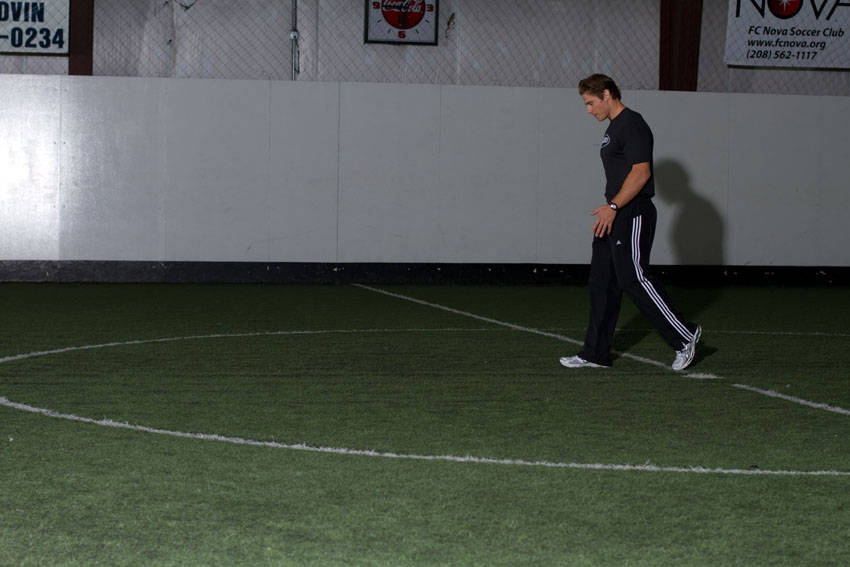
5. Moving Claw Series
79% match- Hamstrings
- Bodyweight
- Intermediate
- Compound
Pick this when you want an easier version that works the hamstrings one side at a time.
How to perform this exercise
- This move helps prepare your running form to help you excel at sprinting. As you run, be sure to flex the knee, aiming to kick your glutes as the hip extends.
- Reload the quad as the leg moves back forward, attacking the ground on the next step.
- Ensure that as you run, you block with the arms, punching through in a rapid 1-2 motion.
Sets and reps: 3 or 4 sets of 6 to 10 reps on each side.
Why this matches
- Primary muscle: hamstrings, the same as Platform Hamstring Slides
- Equipment: bodyweight only, the same as Platform Hamstring Slides
- Body position: standing, not lying on your back
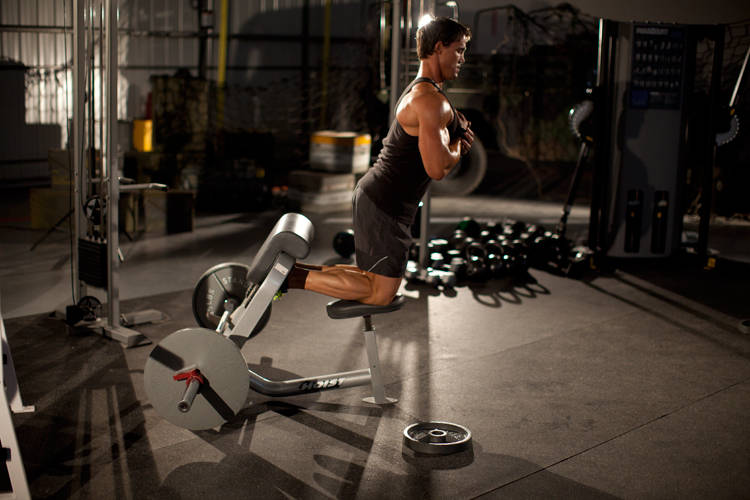
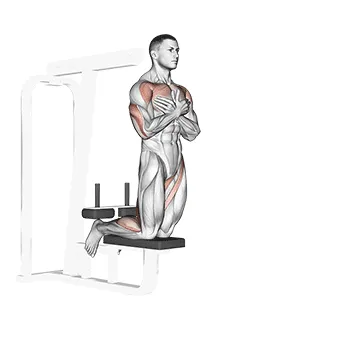
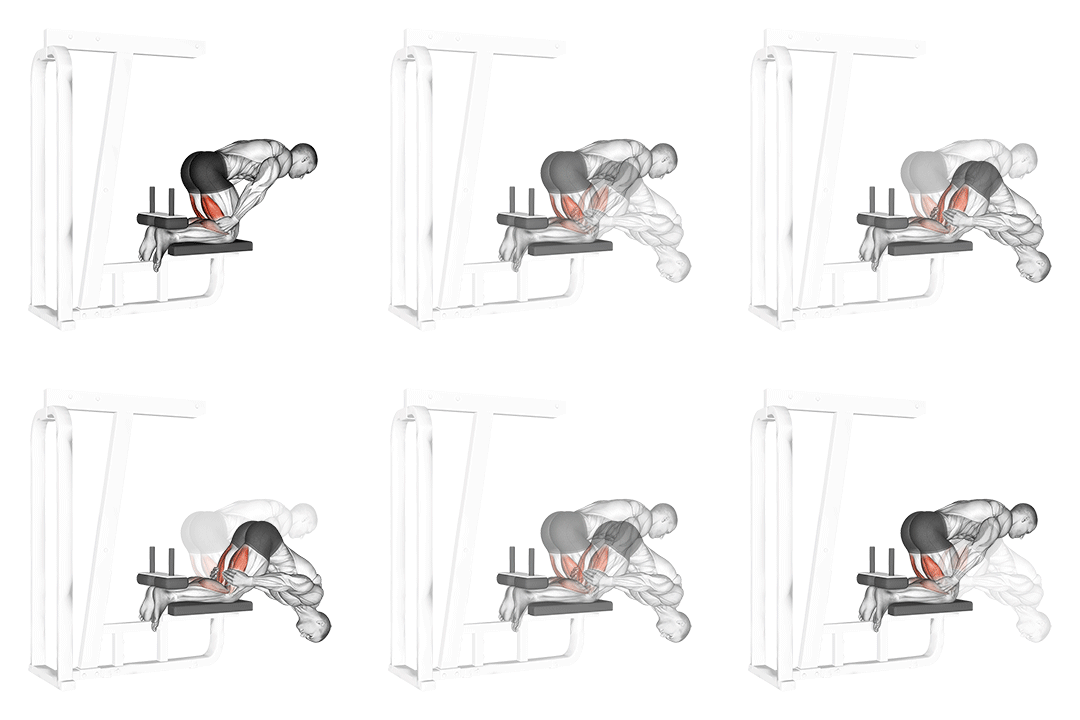
6. Natural Glute Ham Raise
76% match- Hamstrings
- Bodyweight
- Advanced
- Compound
How to perform this exercise
- Using the leg pad of a lat pulldown machine or a preacher bench, position yourself so that your ankles are under the pads, knees on the seat, and you are facing away from the machine. You should be upright and maintaining good posture.
- This will be your starting position. Lower yourself under control until your knees are almost completely straight.
- Remaining in control, raise yourself back up to the starting position.
- If you are unable to complete a rep, use a band, a partner, or push off of a box to aid in completing a repetition.
Sets and reps: 3 or 4 sets of 6 to 10 reps.
Why this matches
- Primary muscle: hamstrings, the same as Platform Hamstring Slides
- Equipment: bodyweight only, the same as Platform Hamstring Slides
- Body position: kneeling, not lying on your back
7. Single Leg Platform Slide
73% match- Hamstrings
- Bodyweight
- Intermediate
- Compound
Pick this when you want a harder single-leg version that still works the hamstrings.
How to perform this exercise
- Start by standing with one foot on a platform or slide board.
- Bend your knee slightly and slide the foot on the platform backward, extending your leg.
- Keep your core engaged and maintain a straight posture throughout the movement.
- Slowly return to the starting position by sliding your foot back to the initial position.
- Repeat the movement for the desired number of repetitions, then switch legs.
Sets and reps: 3 or 4 sets of 6 to 10 reps on each side.
Why this matches
- Primary muscle: hamstrings, the same as Platform Hamstring Slides
- Equipment: bodyweight only, the same as Platform Hamstring Slides
- Body position: standing, not lying on your back
- Balance: harder to stay steady on than Platform Hamstring Slides
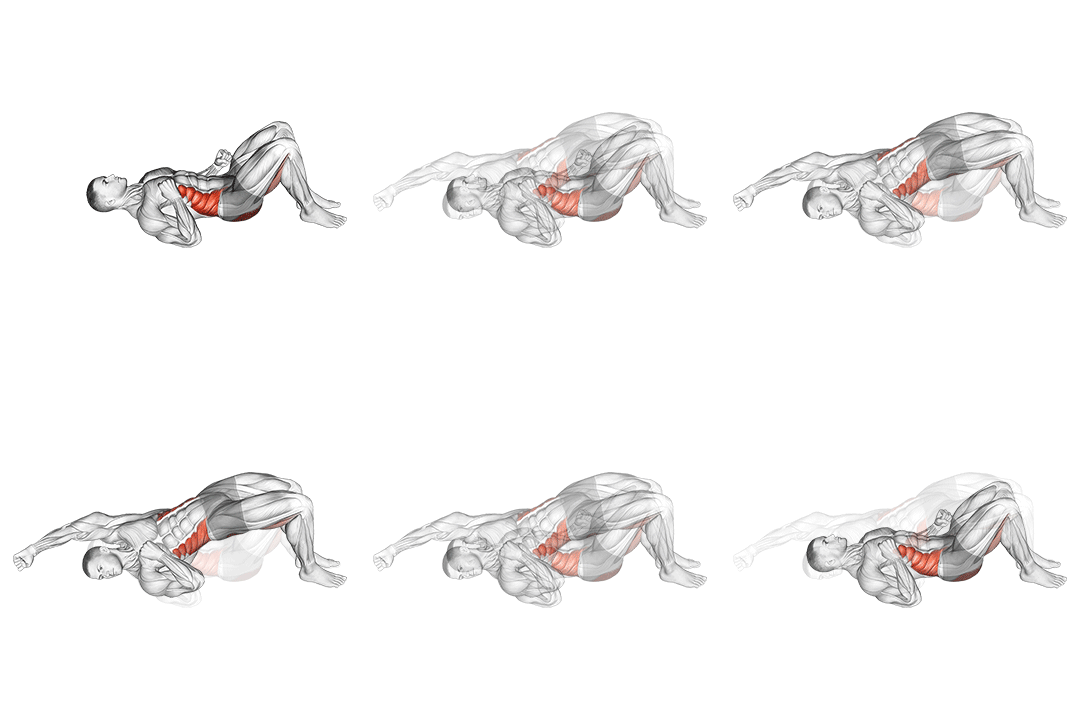
8. Twist Hip Lift
68% match- Glutes
- Bodyweight
- Beginner
- Isolation
How to perform this exercise
- Lie on your back with your knees bent and feet flat on the ground.
- Place your hands by your sides for support.
- Engage your glutes and lift your hips off the ground, forming a straight line from your knees to your shoulders.
- While keeping your hips lifted, twist your lower body to the right side, bringing your knees towards the ground.
- Return to the starting position and repeat the twist to the left side.
- Continue alternating twists for the desired number of repetitions.
Sets and reps: 3 sets of 8 to 12 reps, and add reps before you add load.
Why this matches
- Primary muscle: glutes, not hamstrings
- Equipment: bodyweight only, the same as Platform Hamstring Slides
- Body position: lying on your back, the same as Platform Hamstring Slides
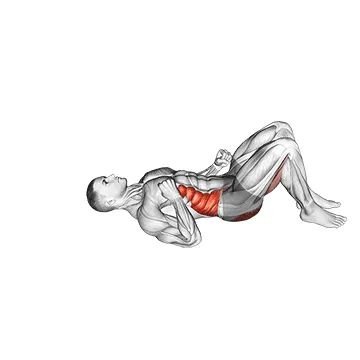
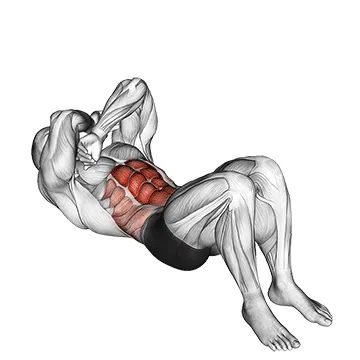
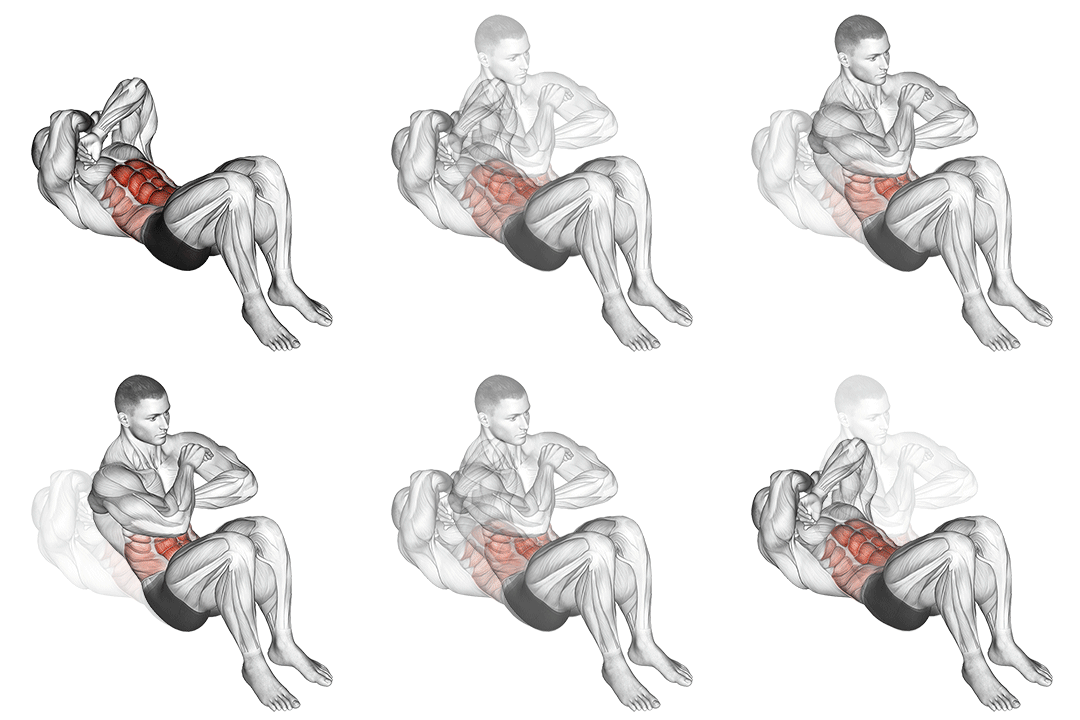
9. Janda Sit-up
67% match- Abs
- Bodyweight
- Advanced
- Compound
How to perform this exercise
- Lie flat on your back with your knees bent and feet flat on the ground.
- Place your hands behind your head with your elbows pointing outwards.
- Engaging your abs, slowly lift your upper body off the ground, curling forward until your torso is at a 45-degree angle.
- Pause for a moment at the top, then slowly lower your upper body back down to the starting position.
- Repeat for the desired number of repetitions.
Sets and reps: 3 or 4 sets of 6 to 10 reps.
Why this matches
- Primary muscle: abs, not hamstrings
- Equipment: bodyweight only, the same as Platform Hamstring Slides
- Body position: lying on your back, the same as Platform Hamstring Slides
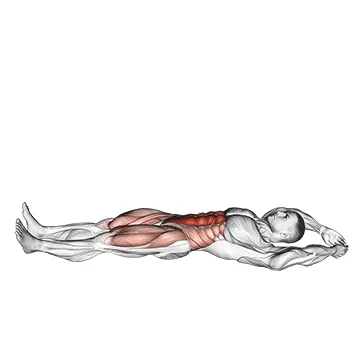
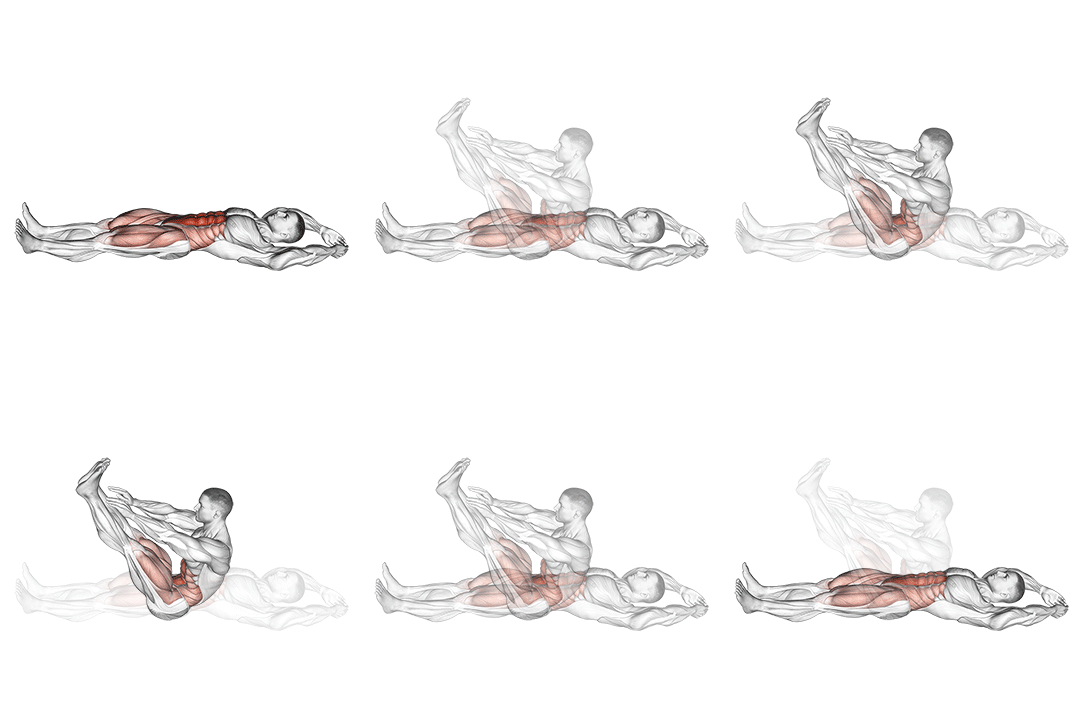
10. Jackknife Sit-up
67% match- Abs
- Bodyweight
- Intermediate
- Compound
How to perform this exercise
- Lie flat on your back with your legs extended and your arms overhead.
- Engage your core and lift your legs and upper body simultaneously, reaching your hands towards your toes.
- Pause for a moment at the top, then slowly lower your legs and upper body back down to the starting position.
- Repeat for the desired number of repetitions.
Sets and reps: 3 or 4 sets of 6 to 10 reps.
Why this matches
- Primary muscle: abs, not hamstrings
- Equipment: bodyweight only, the same as Platform Hamstring Slides
- Body position: lying on your back, the same as Platform Hamstring Slides
Platform Hamstring Slides FAQ
What muscles does Platform Hamstring Slides work?
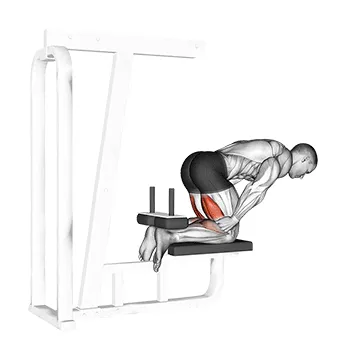
Platform Hamstring Slides primarily target the hamstrings (biceps femoris, semitendinosus, semimembranosus) through knee flexion and eccentric control. They also engage the glutes for hip stability and the core to maintain a neutral pelvis; cue: keep hips elevated and spinal alignment while sliding.
What is the best bodyweight alternative to Platform Hamstring Slides?
The Nordic hamstring curl is the top bodyweight alternative because it overloads the hamstrings eccentrically and builds strength through knee flexion. Anchor your feet, keep a rigid plank line, and lower slowly to maximize hamstring activation.
Find Alternatives for Any Exercise
Search the exercise database and filter the ranked substitutes by the equipment you own.
Similarity scores compare exercise metadata such as movement pattern, muscles, equipment and body position. They are not a safety rating or a check that you own the equipment. Learn about our methodology