

10 Best Moving Claw Series Alternatives for Bodyweight Hamstring Training
Moving Claw Series are done standing. Ranked closest by our scoring: the Linear Acceleration Wall Drill, the Kettlebell One-legged Deadlift and Platform Hamstring Slides. Two harder versions, the Kick Out Sit and the Single Leg Platform Slide, are listed below as progressions rather than swaps.
Updated Ranked by our 12-factor similarity model How it works
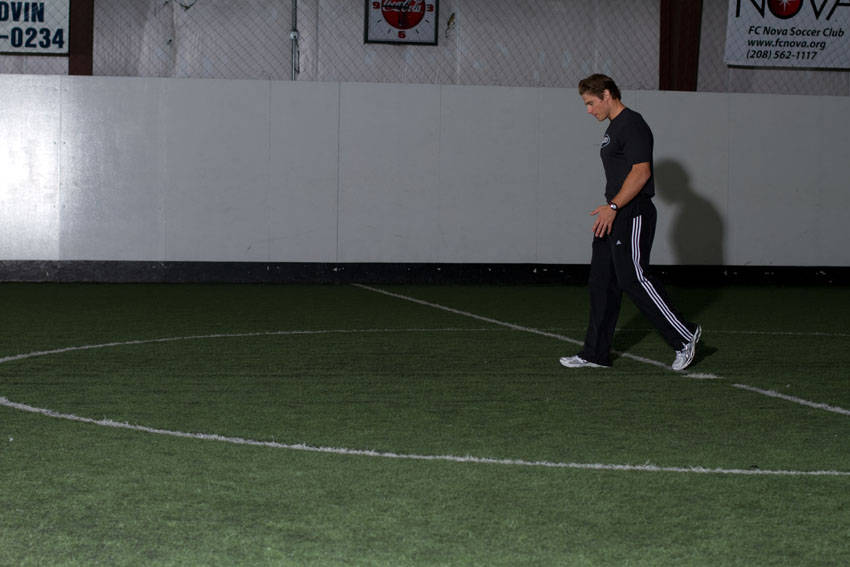
Original Exercise: Moving Claw Series
- Primary muscle
- Hamstrings
- Equipment
- Bodyweight
- Difficulty
- Intermediate
- Type
- Compound
Secondary muscles: Calves, Quadriceps
How to perform Moving Claw Series
- This move helps prepare your running form to help you excel at sprinting. As you run, be sure to flex the knee, aiming to kick your glutes as the hip extends.
- Reload the quad as the leg moves back forward, attacking the ground on the next step.
- Ensure that as you run, you block with the arms, punching through in a rapid 1-2 motion.
Ranked Moving Claw Series Alternatives
10 substitutes, ranked by how closely each one matches Moving Claw Series on movement pattern, muscles worked, equipment and body position. The higher the score, the less you change. Open "How to perform this exercise" on a card for the steps; every card title links to that exercise's own alternatives page. Harder versions are tagged as progressions and kept out of the top spot even when they score higher.
Best match 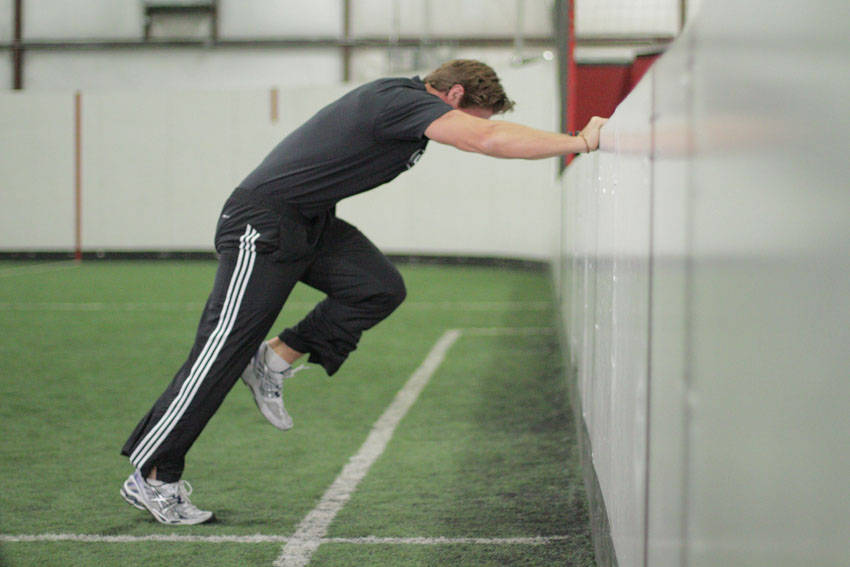
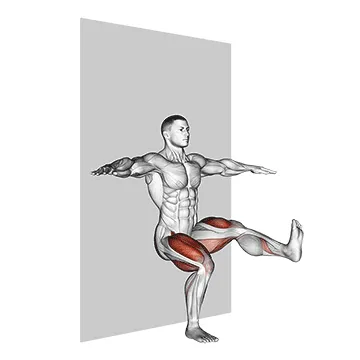
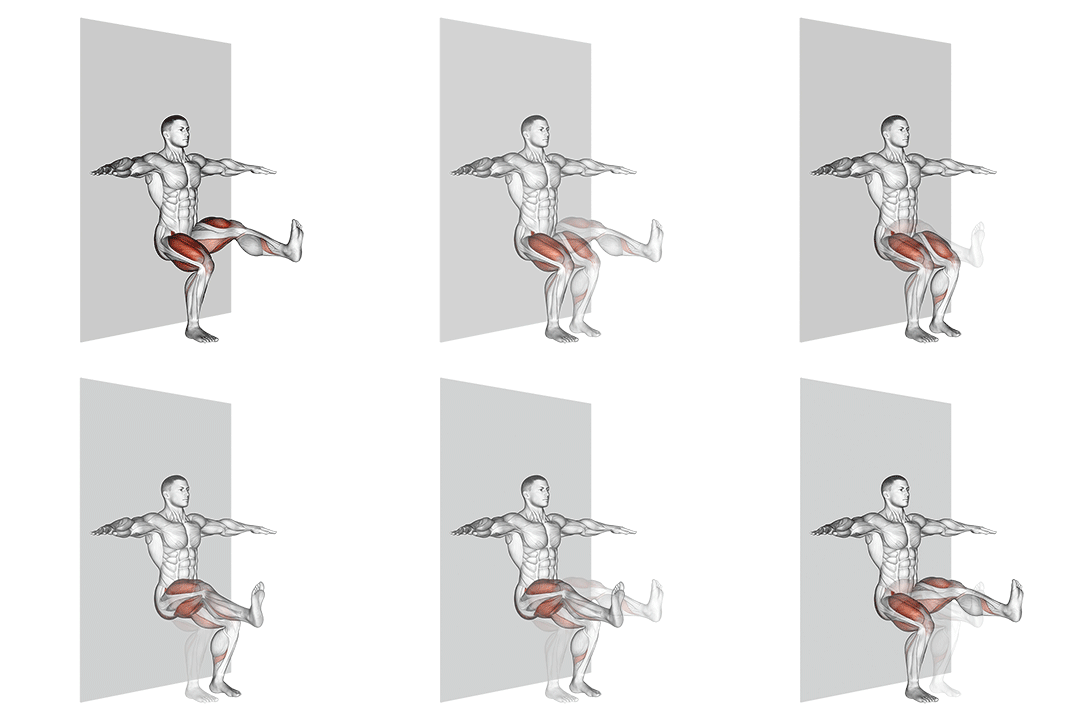
1. Linear Acceleration Wall Drill
83% match- Hamstrings
- Bodyweight
- Intermediate
- Compound
Pick this when you want to work the hamstrings with less balance to manage.
How to perform this exercise
- Lean at around 45 degrees against a wall. Your feet should be together, glutes contracted.
- Begin by lifting your right knee quickly, pausing, and then driving it straight down into the ground.
- Switch legs, raising the opposite knee, and then attacking the ground straight down.
- Repeat once more with your right leg, and as soon as the right foot strikes the ground hammer them out rapidly, alternating left and right as fast as you can.
Sets and reps: 3 or 4 sets of 6 to 10 reps on each side.
Why this matches
- Primary muscle: hamstrings, the same as Moving Claw Series
- Equipment: bodyweight only, the same as Moving Claw Series
- Body position: standing, the same as Moving Claw Series
- Balance: easier to stay steady on than Moving Claw Series
Progression
2. Kick Out Sit
92% match- Hamstrings
- Bodyweight
- Intermediate
- Compound
Pick this when you want a harder version that still works the hamstrings.
How to perform this exercise
- Sit on the edge of a bench or chair with your feet flat on the ground and your knees bent at a 90-degree angle.
- Lean back slightly and place your hands on the edge of the bench or chair for support.
- Engaging your hamstrings, lift your feet off the ground and extend your legs straight out in front of you.
- Pause for a moment at the top, then slowly bend your knees and bring your feet back towards your body.
- Repeat for the desired number of repetitions.
Sets and reps: 3 or 4 sets of 6 to 10 reps on each side.
Why this matches
- Primary muscle: hamstrings, the same as Moving Claw Series
- Equipment: bodyweight only, the same as Moving Claw Series
- Body position: standing, the same as Moving Claw Series
Progression
3. Single Leg Platform Slide
87% match- Hamstrings
- Bodyweight
- Intermediate
- Compound
How to perform this exercise
- Start by standing with one foot on a platform or slide board.
- Bend your knee slightly and slide the foot on the platform backward, extending your leg.
- Keep your core engaged and maintain a straight posture throughout the movement.
- Slowly return to the starting position by sliding your foot back to the initial position.
- Repeat the movement for the desired number of repetitions, then switch legs.
Sets and reps: 3 or 4 sets of 6 to 10 reps on each side.
Why this matches
- Primary muscle: hamstrings, the same as Moving Claw Series
- Equipment: bodyweight only, the same as Moving Claw Series
- Body position: standing, the same as Moving Claw Series
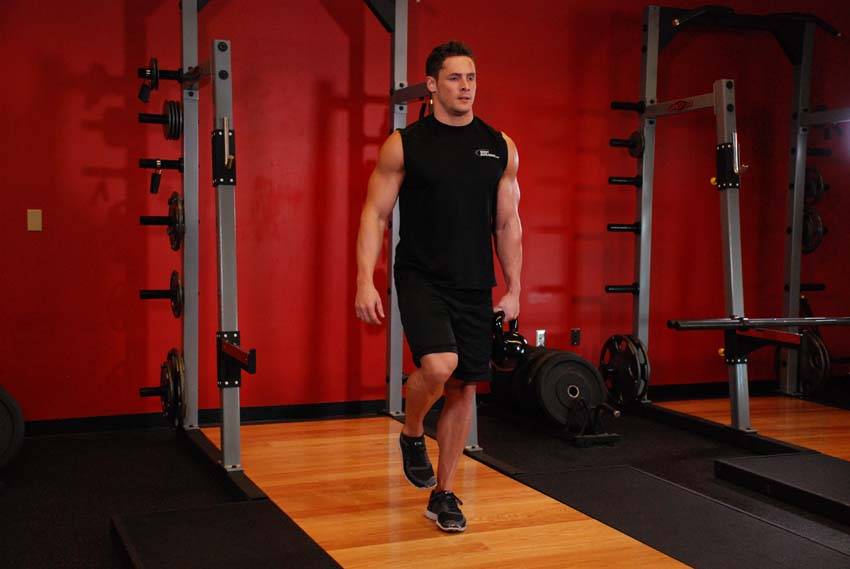
4. Kettlebell One-legged Deadlift
82% match- Hamstrings
- Kettlebell
- Intermediate
- Compound
A good swap when you have a kettlebell to work with, and it still works the hamstrings.
How to perform this exercise
- Hold a kettlebell by the handle in one hand. Stand on one leg, on the same side that you hold the kettlebell.
- Keeping that knee slightly bent, perform a stiff legged deadlift by bending at the hip, extending your free leg behind you for balance.
- Continue lowering the kettlebell until you are parallel to the ground, and then return to the upright position.
Sets and reps: 3 or 4 sets of 6 to 10 reps on each side.
Why this matches
- Primary muscle: hamstrings, the same as Moving Claw Series
- Equipment: free weights, not bodyweight only
- Body position: standing, the same as Moving Claw Series
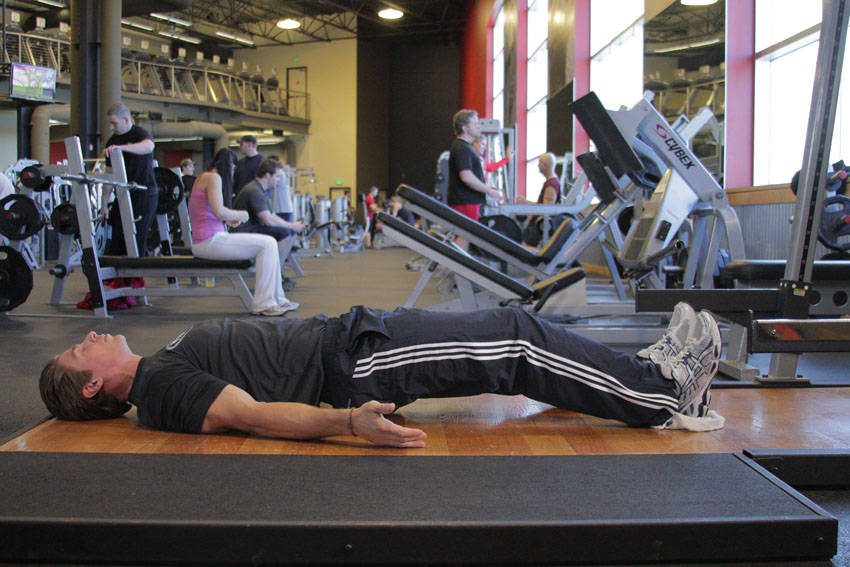
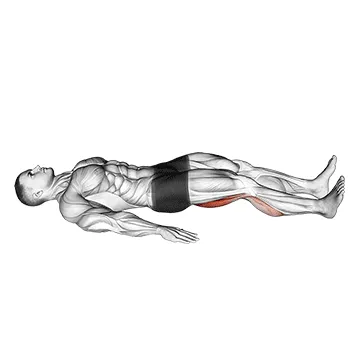
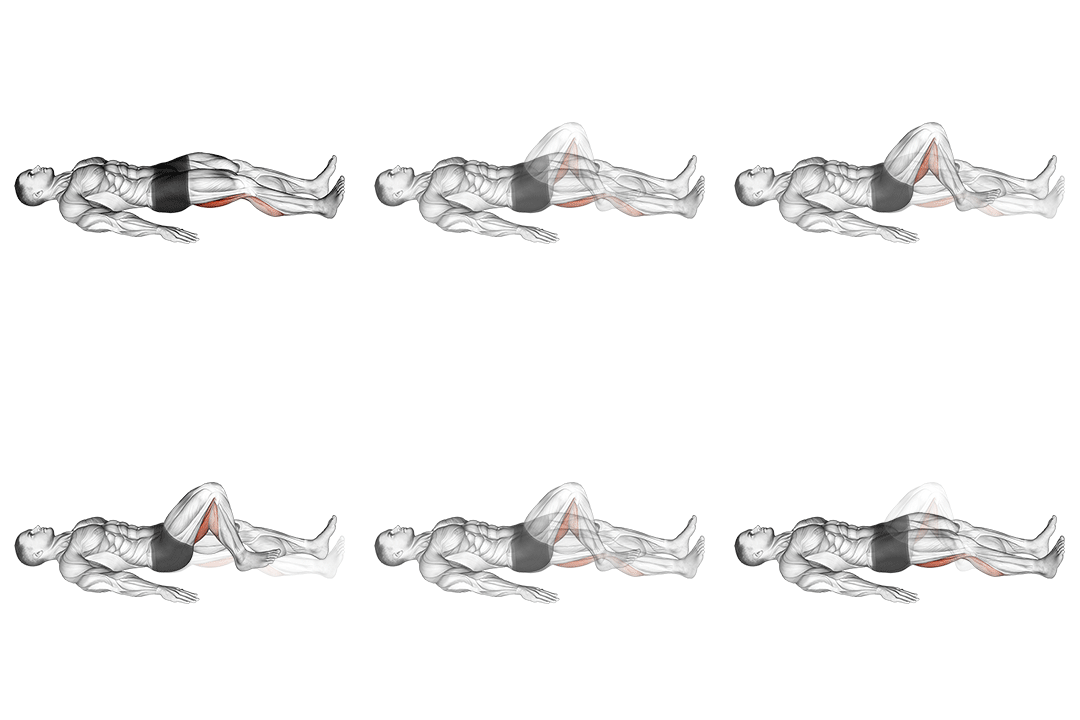
5. Platform Hamstring Slides
79% match- Hamstrings
- Other
- Intermediate
- Isolation
How to perform this exercise
- For this movement a wooden floor or similar is needed. Lay on your back with your legs extended. Place a gym towel or a light weight underneath your heel. This will be your starting position.
- Begin the movement by flexing the knee, keeping your other leg straight.
- Continue bringing the heel closer to you, sliding it on the floor.
- At full knee flexion, reverse the movement to return to the starting position.
Sets and reps: 3 sets of 10 to 15 reps.
Why this matches
- Primary muscle: hamstrings, the same as Moving Claw Series
- Equipment: bodyweight only, the same as Moving Claw Series
- Body position: lying on your back, not standing
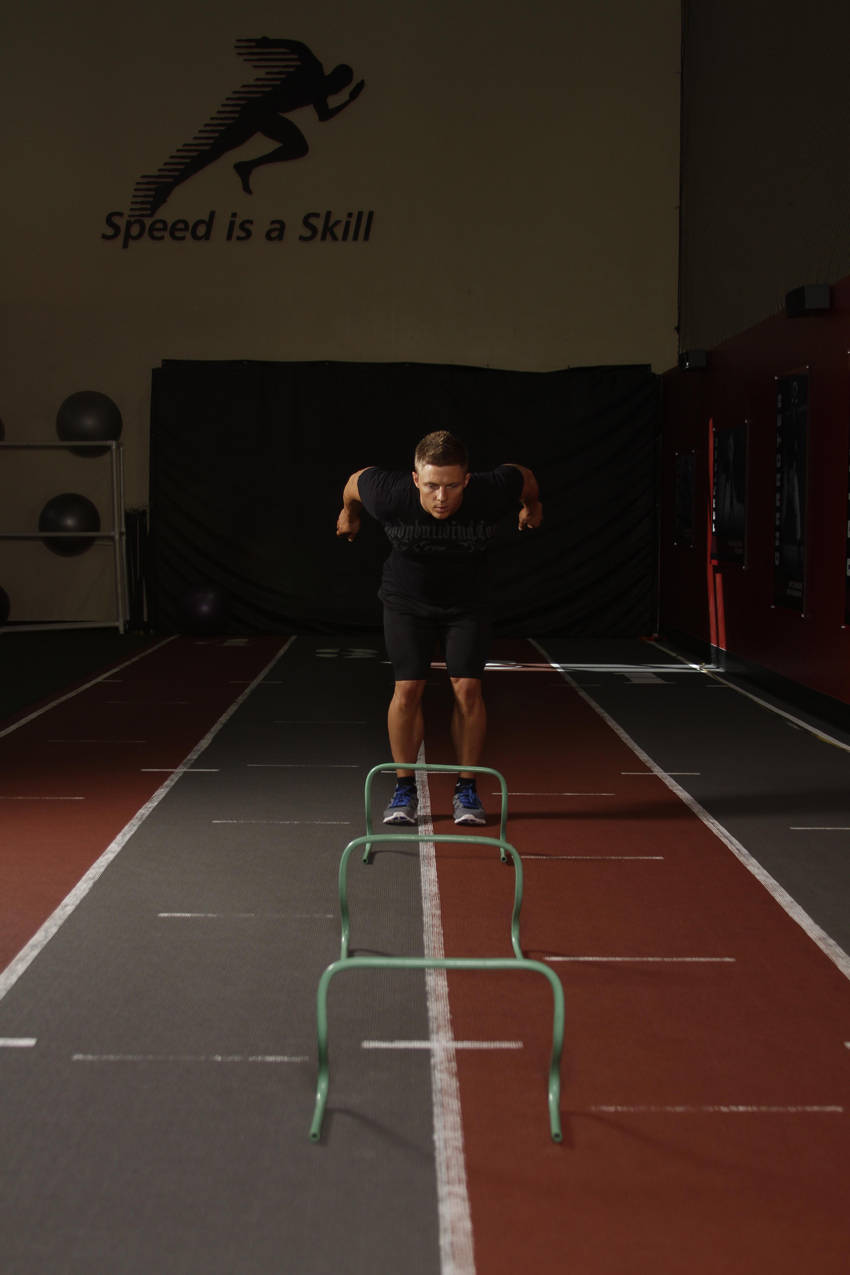
6. Hurdle Hops
78% match- Hamstrings
- Other
- Intermediate
- Compound
How to perform this exercise
- Set up a row of hurdles or other small barriers, placing them a few feet apart.
- Stand in front of the first hurdle with your feet shoulder width apart. This will be your starting position.
- Begin by jumping with both feet over the first hurdle, swinging both arms as you jump.
- Absorb the impact of landing by bending the knees, rebounding out of the first leap by jumping over the next hurdle. Continue until you have jumped over all of the hurdles.
Sets and reps: 3 or 4 sets of 6 to 10 reps.
Why this matches
- Primary muscle: hamstrings, the same as Moving Claw Series
- Equipment: bodyweight only, the same as Moving Claw Series
- Body position: standing, the same as Moving Claw Series
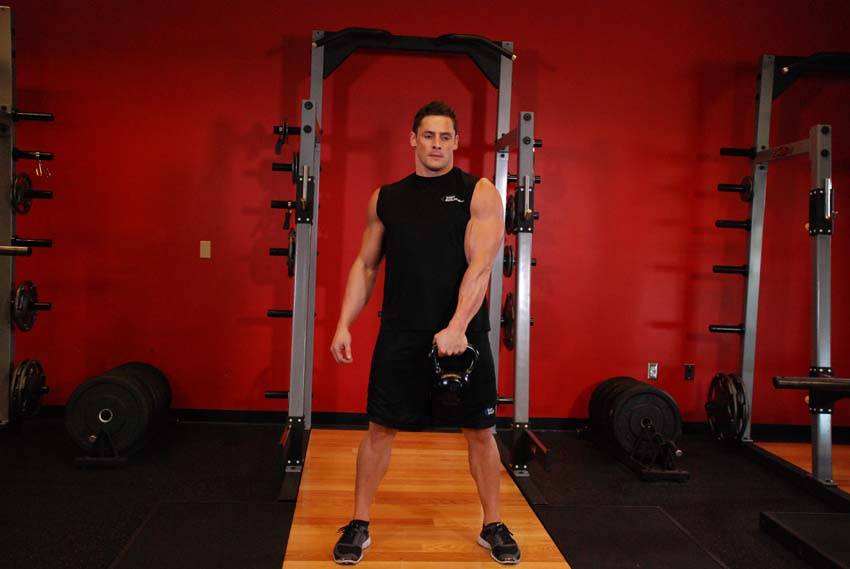
7. One-arm Kettlebell Swings
78% match- Hamstrings
- Kettlebell
- Intermediate
- Compound
How to perform this exercise
Sets and reps: 3 or 4 sets of 6 to 10 reps on each side.
Why this matches
- Primary muscle: hamstrings, the same as Moving Claw Series
- Equipment: free weights, not bodyweight only
- Body position: standing, the same as Moving Claw Series
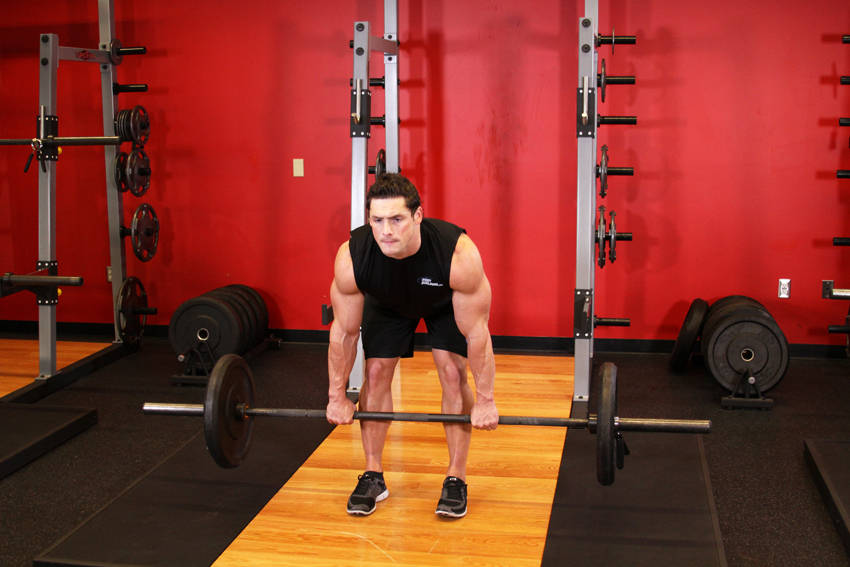
8. Romanian Deadlift
77% match- Hamstrings
- Barbell
- Intermediate
- Compound
How to perform this exercise
- Put a barbell in front of you on the ground and grab it using a pronated (palms facing down) grip that a little wider than shoulder width. Tip: Depending on the weight used, you may need wrist wraps to perform the exercise and also a raised platform in order to allow for better range of motion.
- Bend the knees slightly and keep the shins vertical, hips back and back straight. This will be your starting position.
- Keeping your back and arms completely straight at all times, use your hips to lift the bar as you exhale. Tip: The movement should not be fast but steady and under control.
- Once you are standing completely straight up, lower the bar by pushing the hips back, only slightly bending the knees, unlike when squatting. Tip: Take a deep breath at the start of the movement and keep your chest up. Hold your breath as you lower and exhale as you complete the movement.
- Repeat for the recommended amount of repetitions.
Sets and reps: 3 or 4 sets of 6 to 10 reps.
Why this matches
- Primary muscle: hamstrings, the same as Moving Claw Series
- Equipment: free weights, not bodyweight only
- Body position: standing, the same as Moving Claw Series
- Balance: easier to stay steady on than Moving Claw Series
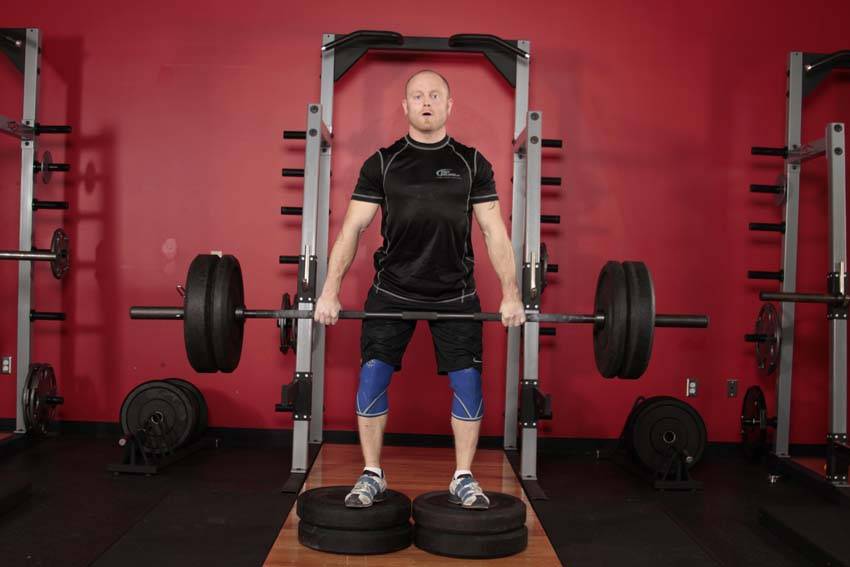
9. Romanian Deadlift From Deficit
77% match- Hamstrings
- Barbell
- Advanced
- Compound
How to perform this exercise
- Begin standing while holding a bar at arm's length in front of you. You can stand on a raised platform to increase the range of motion.
- Begin by flexing the knees slightly, and then flex at the hip, moving your butt back as far as possible, lowering the torso as far as flexibility allows. The back should remain in absolute extension at all times, and the bar should remain in contact with the legs. If done properly, there should be heavy tension felt in the hamstrings.
- Reverse the motion to return to the starting position.
Sets and reps: 3 to 5 sets of 5 to 8 reps.
Why this matches
- Primary muscle: hamstrings, the same as Moving Claw Series
- Equipment: free weights, not bodyweight only
- Body position: standing, the same as Moving Claw Series
- Balance: easier to stay steady on than Moving Claw Series
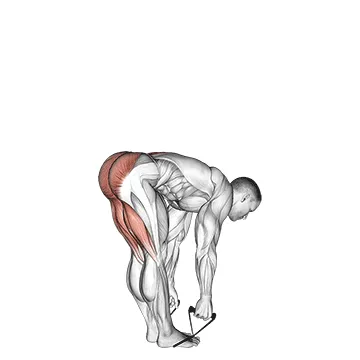
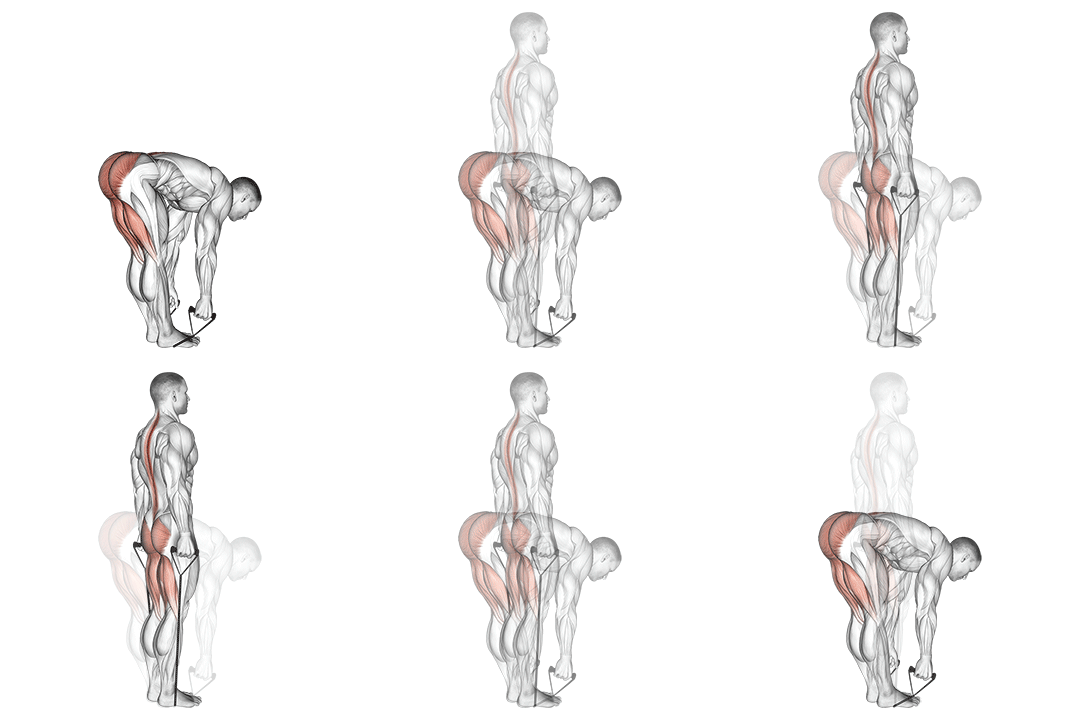
10. Band Straight Leg Deadlift
76% match- Hamstrings
- Band
- Intermediate
- Compound
How to perform this exercise
- Stand with your feet shoulder-width apart and place the band around your feet.
- Hold the band with both hands, palms facing your body, and keep your arms straight.
- Engage your core and maintain a slight bend in your knees.
- Slowly hinge forward at your hips, keeping your back straight and chest lifted.
- Lower the band towards the ground while keeping your legs straight.
- Pause for a moment at the bottom, then squeeze your glutes and hamstrings to return to the starting position.
- Repeat for the desired number of repetitions.
Sets and reps: 3 or 4 sets of 6 to 10 reps.
Why this matches
- Primary muscle: hamstrings, the same as Moving Claw Series
- Equipment: a band, not bodyweight only
- Body position: standing, the same as Moving Claw Series
- Balance: easier to stay steady on than Moving Claw Series
Why You Might Need a Moving Claw Series Alternative
You may substitute the Moving Claw Series because of previous hamstring strains, knee or ankle limitations, lack of an anchor point, or a need for progression. Pain or poor tolerance often means shifting to unilateral or assisted variations to reduce spinal and knee shear. Substitutes let you preserve eccentric control (3–5 second lower) and maintain hamstring lengthening under load, which targets distal biceps femoris and semitendinosus differently than pure hip extensions. Varying movements also reduces overuse while allowing you to prioritize hip-hinge torque or knee-flexion strength depending on your sport or rehab goals.
How to Choose the Right Moving Claw Series Substitute
Pick a substitute by matching the primary movement pattern (hip hinge versus knee flexion) and the loading method you can access. If you lack an anchor, choose single-leg RDLs or glute bridges to emphasize hip extension and hamstring activation with proper posterior chain recruitment; cue: initiate from the hips, keep a soft knee and neutral spine. If you need eccentric overload, use Nordic curls or slider leg curls with a controlled 3–5 second descent to maximize lengthening under tension. Also weigh stability, unilateral balance, and progression options (adding tempo, reps, or external load) to ensure ongoing hypertrophy and strength gains.
Moving Claw Series FAQ
What muscles does Moving Claw Series work?
The Moving Claw Series primarily targets the hamstrings (biceps femoris, semitendinosus, semimembranosus) and secondary hip extensors like the gluteus maximus. Biomechanically it combines eccentric lengthening and concentric hip extension, so it stresses both knee-flexion and hip-hinge components of hamstring function.
What is the best bodyweight alternative to Moving Claw Series?
The Nordic hamstring curl is the best pure bodyweight alternative because it loads eccentric knee flexion strongly. Anchor your ankles, keep the hips stacked over the knees, and lower slowly for 3–5 seconds while resisting with the hamstrings to maximize activation.
Can I build muscle without doing Moving Claw Series?
Yes. You can build hamstring mass using progressive overload through tempo, volume, unilateral variations, and added resistance. For example, increase eccentric duration on single-leg RDLs or add a backpack for glute-bridge progressions to progressively overload the hamstrings and stimulate hypertrophy.
Find Alternatives for Any Exercise
Search the exercise database and filter the ranked substitutes by the equipment you own.
Similarity scores compare exercise metadata such as movement pattern, muscles, equipment and body position. They are not a safety rating or a check that you own the equipment. Learn about our methodology