

10 Best Prone Manual Hamstring Alternatives for When You Can't Perform It
The Prone Manual Hamstring is done lying face down. Ranked closest by our scoring: the Inverse Leg Curl (Bench Support), the Standing Single Leg Curl and the Double Leg Butt Kick.
Updated Ranked by our 12-factor similarity model How it works
Original Exercise: Prone Manual Hamstring
- Primary muscle
- Hamstrings
- Equipment
- Other
- Difficulty
- Beginner
- Type
- Isolation
How to perform Prone Manual Hamstring
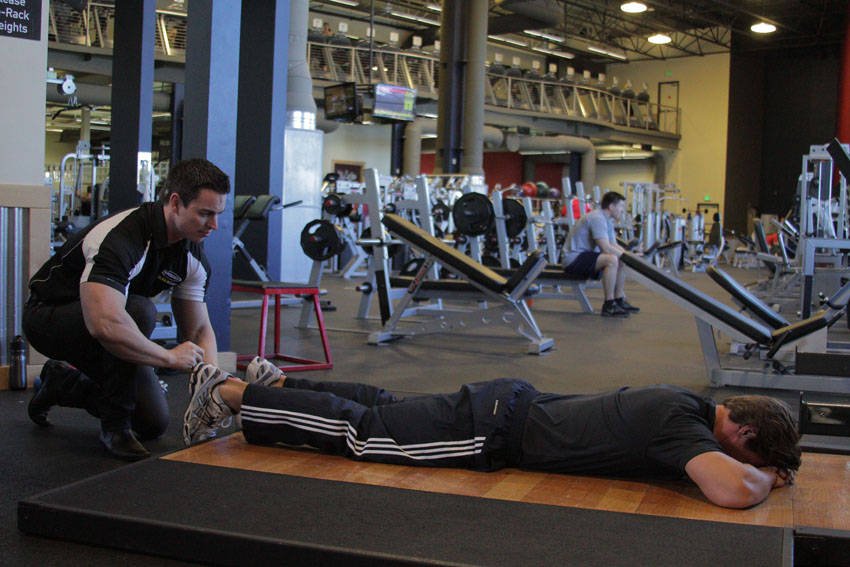
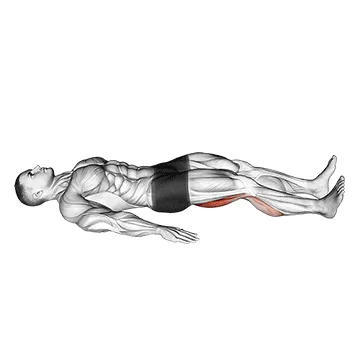
- You will need a partner for this exercise. Lay face down with your legs straight. Your assistant will place their hand on your heel.
- To begin, flex the knee to curl your leg up. Your partner should provide resistance, starting light and increasing the pressure as the movement is completed. Communicate with your partner to monitor appropriate resistance levels.
- Pause at the top, returning the leg to the starting position as your partner provides resistance going the other direction.
Ranked Prone Manual Hamstring Alternatives
10 substitutes, ranked by how closely each one matches the Prone Manual Hamstring on movement pattern, muscles worked, equipment and body position. The higher the score, the less you change. Open "How to perform this exercise" on a card for the steps; every card title links to that exercise's own alternatives page.
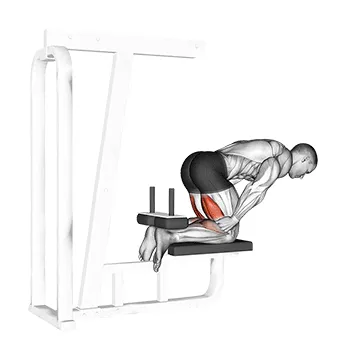
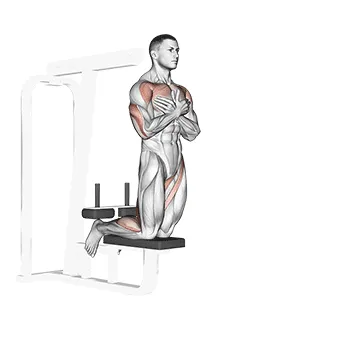
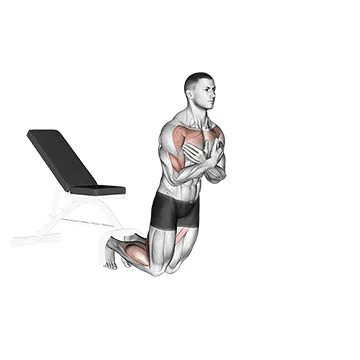
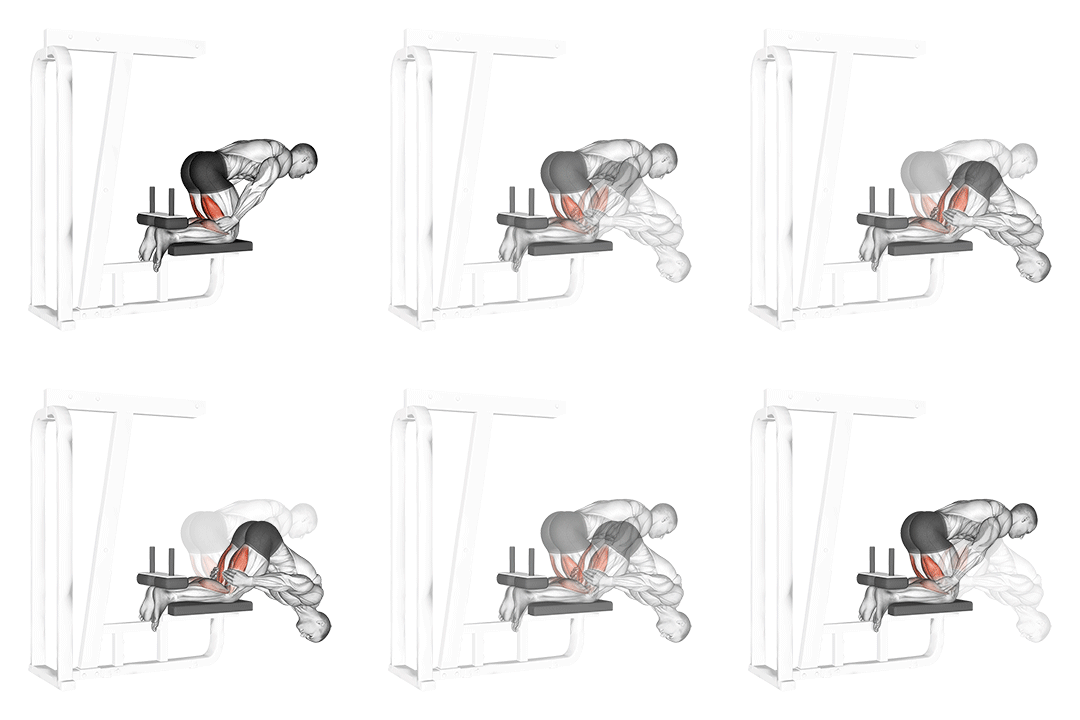
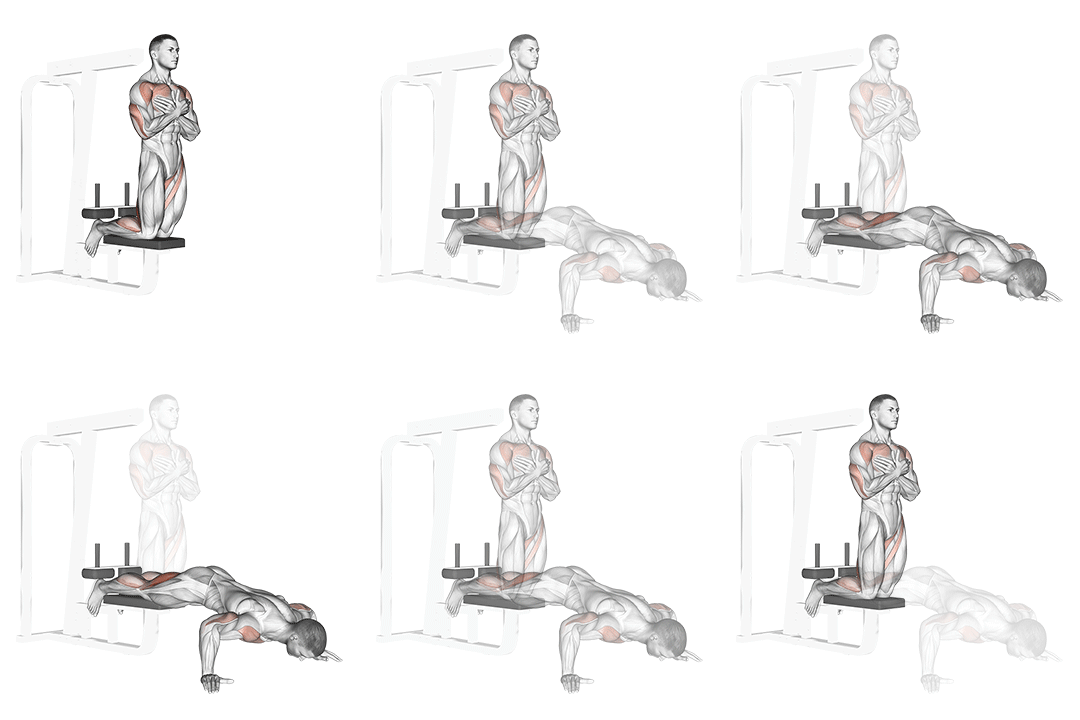
Best match 1. Inverse Leg Curl (Bench Support)
52% match- Hamstrings
- Bodyweight
- Intermediate
- Isolation
It still works the hamstrings, through a different movement.
How to perform this exercise
- Lie face down on a bench with your hips at the edge and your legs extended straight behind you.
- Hold onto the bench for support.
- Keeping your upper body still, bend your knees and curl your legs towards your glutes.
- Pause for a moment at the top, then slowly extend your legs back to the starting position.
- Repeat for the desired number of repetitions.
Sets and reps: 3 sets of 10 to 15 reps.
Why this matches
- Primary muscle: hamstrings, the same as the Prone Manual Hamstring
- Equipment: bodyweight only, the same as the Prone Manual Hamstring
- Body position: lying face down, the same as the Prone Manual Hamstring
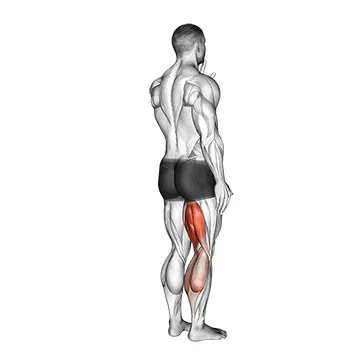
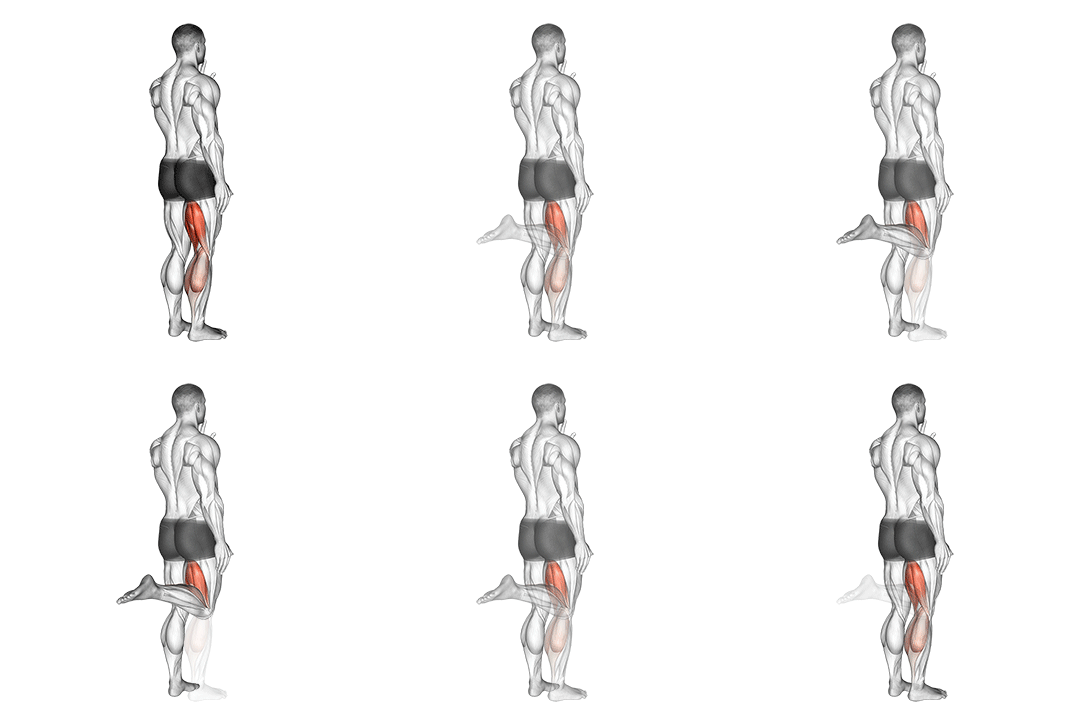
2. Standing Single Leg Curl
46% match- Hamstrings
- Bodyweight
- Intermediate
- Isolation
How to perform this exercise
- Stand with your feet hip-width apart and your hands on your hips.
- Shift your weight onto your left leg and lift your right foot off the ground, bending your knee.
- Slowly curl your right heel towards your glutes, squeezing your hamstring.
- Pause for a moment at the top, then slowly lower your right foot back down to the starting position.
- Repeat for the desired number of repetitions, then switch legs.
Sets and reps: 3 sets of 10 to 15 reps on each side.
Why this matches
- Primary muscle: hamstrings, the same as the Prone Manual Hamstring
- Equipment: bodyweight only, the same as the Prone Manual Hamstring
- Body position: standing, not lying face down
- Balance: harder to stay steady on than the Prone Manual Hamstring
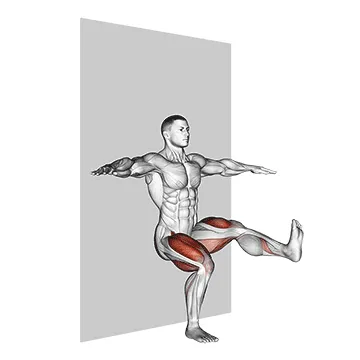
3. Double Leg Butt Kick
46% match- Hamstrings
- Bodyweight
- Beginner
- Isolation
How to perform this exercise
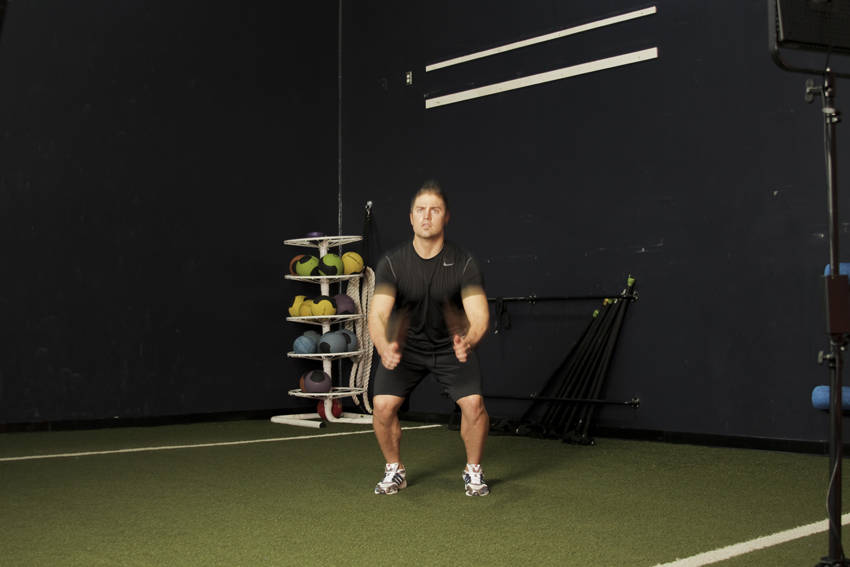
- Begin standing with your knees slightly bent.
- Quickly squat a short distance, flexing the hips and knees, and immediately extend to jump for maximum vertical height.
- As you go up, tuck your heels by flexing the knees, attempting to touch the buttocks.
- Finish the motion by landing with the knees only partially bent, using your legs to absorb the impact.
Sets and reps: Work for 30 to 60 seconds, rest as long as you worked, and repeat 6 to 10 times.
Why this matches
- Primary muscle: hamstrings, the same as the Prone Manual Hamstring
- Equipment: bodyweight only, the same as the Prone Manual Hamstring
- Body position: standing, not lying face down
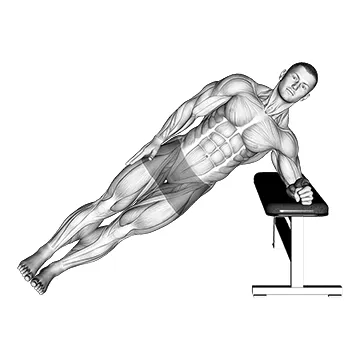
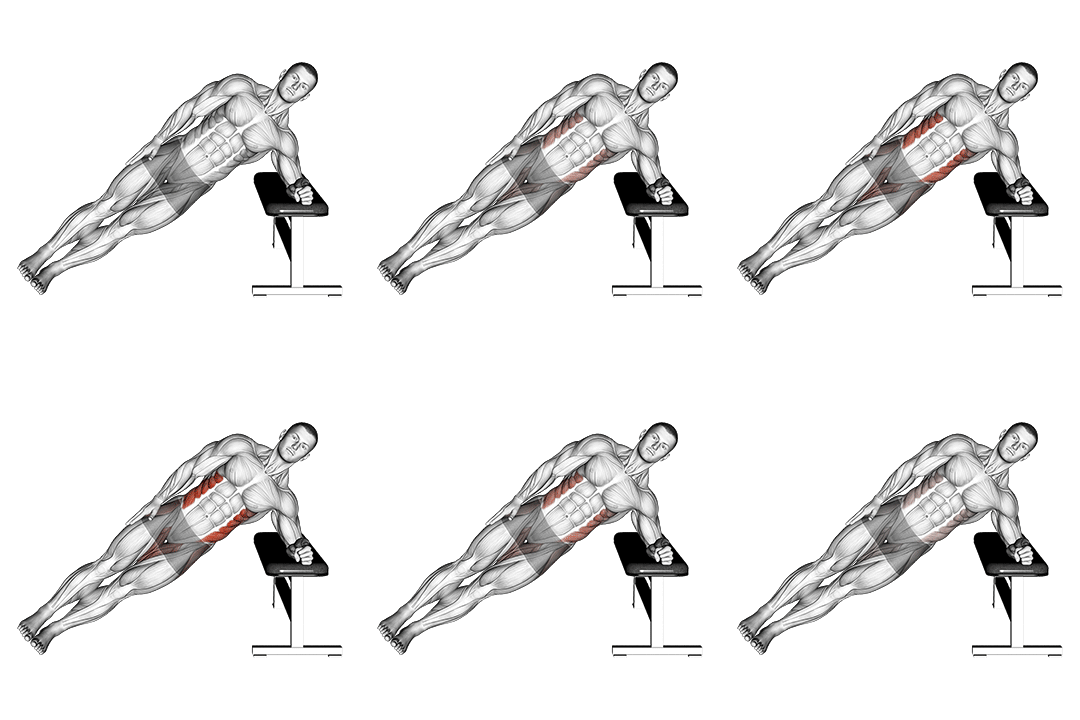
4. Bodyweight Incline Side Plank
42% match- Abs
- Bodyweight
- Intermediate
- Compound
A looser match: it works the abs rather than the hamstrings.
How to perform this exercise
- Start by lying on your side with your legs extended and stacked on top of each other.
- Place your forearm on the ground directly below your shoulder, with your elbow bent at a 90-degree angle.
- Engage your core and lift your hips off the ground, creating a straight line from your head to your feet.
- Hold this position for the desired amount of time.
- Lower your hips back down to the ground and repeat on the other side.
Sets and reps: Hold for 20 to 30 seconds on each side, 3 sets.
Why this matches
- Movement: a lateral hold, close to the Prone Manual Hamstring
- Primary muscle: abs, not hamstrings
- Equipment: bodyweight only, the same as the Prone Manual Hamstring
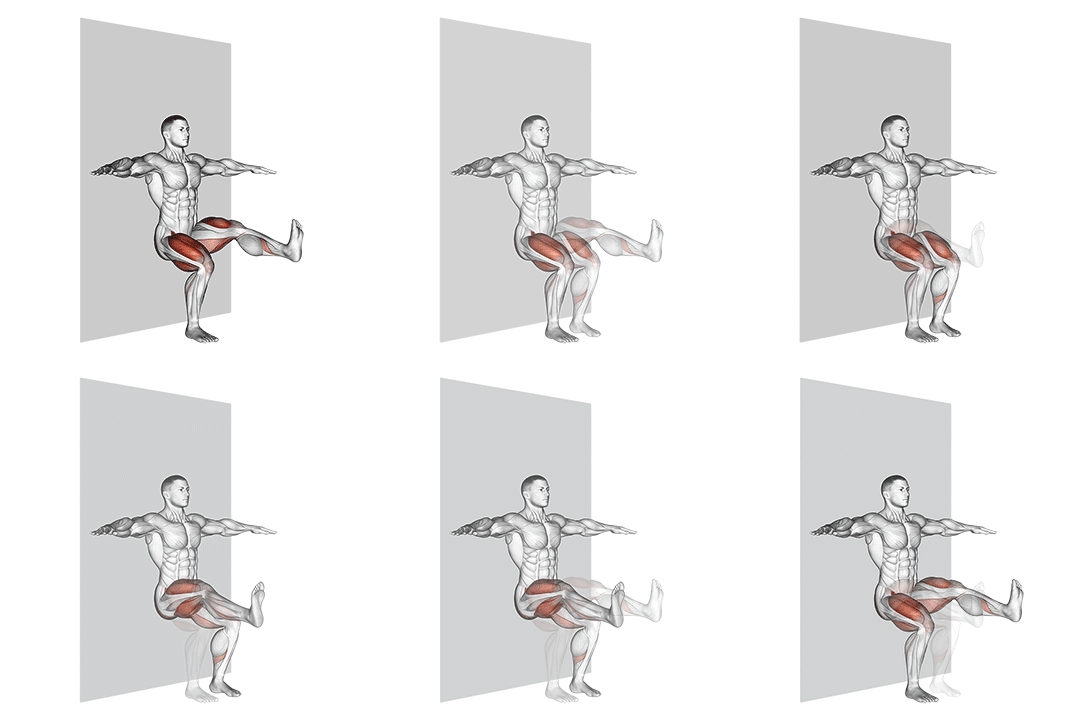
5. Kick Out Sit
42% match- Hamstrings
- Bodyweight
- Intermediate
- Compound
How to perform this exercise
- Sit on the edge of a bench or chair with your feet flat on the ground and your knees bent at a 90-degree angle.
- Lean back slightly and place your hands on the edge of the bench or chair for support.
- Engaging your hamstrings, lift your feet off the ground and extend your legs straight out in front of you.
- Pause for a moment at the top, then slowly bend your knees and bring your feet back towards your body.
- Repeat for the desired number of repetitions.
Sets and reps: 3 or 4 sets of 6 to 10 reps on each side.
Why this matches
- Primary muscle: hamstrings, the same as the Prone Manual Hamstring
- Equipment: bodyweight only, the same as the Prone Manual Hamstring
- Body position: standing, not lying face down
- Balance: harder to stay steady on than the Prone Manual Hamstring
6. Self Assisted Inverse Leg Curl
41% match- Hamstrings
- Bodyweight
- Intermediate
- Isolation
How to perform this exercise
- Lie flat on your back on a mat or bench with your legs extended.
- Place your hands by your sides or under your glutes for support.
- Bend your knees and lift your feet off the ground, bringing your thighs towards your chest.
- Pause for a moment at the top, then slowly lower your legs back to the starting position.
- Repeat for the desired number of repetitions.
Sets and reps: 3 sets of 10 to 15 reps.
Why this matches
- Primary muscle: hamstrings, the same as the Prone Manual Hamstring
- Equipment: bodyweight only, the same as the Prone Manual Hamstring
- Body position: kneeling, not lying face down
- Hamstrings
- Bodyweight
- Beginner
- Isolation
How to perform this exercise
- Lie flat on your back with your legs extended and your arms by your sides.
- Bend your knees and place your feet flat on the ground, hip-width apart.
- Lift your hips off the ground, engaging your glutes and hamstrings.
- Slowly curl your legs towards your glutes, keeping your hips lifted.
- Pause for a moment at the top, then slowly extend your legs back to the starting position.
- Lower your hips back down to the ground.
- Repeat for the desired number of repetitions.
Sets and reps: 3 sets of 8 to 12 reps, and add reps before you add load.
Why this matches
- Primary muscle: hamstrings, the same as the Prone Manual Hamstring
- Equipment: bodyweight only, the same as the Prone Manual Hamstring
- Body position: kneeling, not lying face down
8. Plank
40% match- Abs
- Bodyweight
- Beginner
- Compound
How to perform this exercise
- Get into a prone position on the floor, supporting your weight on your toes and your forearms. Your arms are bent and directly below the shoulder.
- Keep your body straight at all times, and hold this position as long as possible. To increase difficulty, an arm or leg can be raised.
Sets and reps: Hold for 20 to 30 seconds, 3 sets.
Why this matches
- Primary muscle: abs, not hamstrings
- Equipment: bodyweight only, the same as the Prone Manual Hamstring
- Body position: lying face down, the same as the Prone Manual Hamstring
9. Single Leg Platform Slide
40% match- Hamstrings
- Bodyweight
- Intermediate
- Compound
How to perform this exercise
- Start by standing with one foot on a platform or slide board.
- Bend your knee slightly and slide the foot on the platform backward, extending your leg.
- Keep your core engaged and maintain a straight posture throughout the movement.
- Slowly return to the starting position by sliding your foot back to the initial position.
- Repeat the movement for the desired number of repetitions, then switch legs.
Sets and reps: 3 or 4 sets of 6 to 10 reps on each side.
Why this matches
- Primary muscle: hamstrings, the same as the Prone Manual Hamstring
- Equipment: bodyweight only, the same as the Prone Manual Hamstring
- Body position: standing, not lying face down
- Balance: harder to stay steady on than the Prone Manual Hamstring
10. Side Bridge
39% match- Abs
- Bodyweight
- Intermediate
- Compound
How to perform this exercise
Sets and reps: Hold for 20 to 30 seconds on each side, 3 sets.
Why this matches
- Movement: anti-rotation hold, not PNF stretch
- Primary muscle: abs, not hamstrings
- Equipment: bodyweight only, the same as the Prone Manual Hamstring
- Body position: lying face down, the same as the Prone Manual Hamstring
- Balance: harder to stay steady on than the Prone Manual Hamstring
Why You Might Need a Prone Manual Hamstring Alternative
You may substitute the prone manual hamstring for several practical reasons: lack of a trained partner, limited prone positioning, pain with direct manual resistance, or rehab progressions. Alternatives let you target the same knee-flexion and hip-extension functions while adjusting load and joint angles. For example, hip-dominant moves like single-leg RDLs bias the proximal hamstrings and glutes; cue a neutral spine and hinge at the hips to shift torque away from the knee. Eccentric-focused variations (Nordic curls, slow slider curls) replicate the lengthening stress that drives hamstring strength without manual handling.
How to Choose the Right Prone Manual Hamstring Substitute
Select a substitute based on equipment, movement pattern, and your training goal. If you lack equipment but need high eccentric overload, choose Nordic hamstring curls and cue braced core and controlled descent. For hip-dominant strength and carryover to deadlifts, pick single-leg RDLs and focus on a long posterior chain stretch and hamstring tension at the hinge. Use slider or cable leg curls when you want isolated knee flexion with adjustable resistance; cue heels pulling and avoid lumbar extension. Prioritize pain-free range, progressive overload, and exercises that reproduce the hamstring's role in your sport or rehab.
Prone Manual Hamstring FAQ
What muscles does Prone Manual Hamstring work?
Prone manual hamstring primarily targets the hamstrings (biceps femoris, semitendinosus, semimembranosus) through knee flexion and some hip extension. It also recruits the gastrocnemius during end-range knee flexion and requires core stabilization to prevent lumbar compensation.
Find Alternatives for Any Exercise
Search the exercise database and filter the ranked substitutes by the equipment you own.
Similarity scores compare exercise metadata such as movement pattern, muscles, equipment and body position. They are not a safety rating or a check that you own the equipment. Learn about our methodology