

10 Best Smith One Leg Floor Calf Raise Alternatives
The Smith One Leg Floor Calf Raise is done standing with a Smith machine. Ranked closest by our scoring: the One Leg Floor Calf Raise, the One Leg Donkey Calf Raise and the Standing Calf Raise (On A Staircase).
Updated Ranked by our 12-factor similarity model How it works
Original Exercise: Smith One Leg Floor Calf Raise
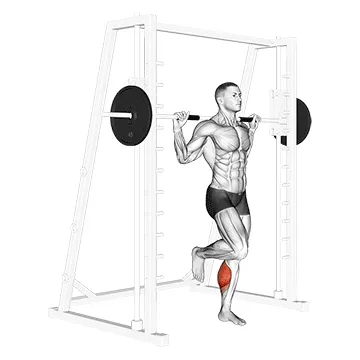
- Primary muscle
- Calves
- Equipment
- Smith-machine
- Difficulty
- Intermediate
- Type
- Isolation
Secondary muscles: Hamstrings, Glutes
How to perform Smith One Leg Floor Calf Raise
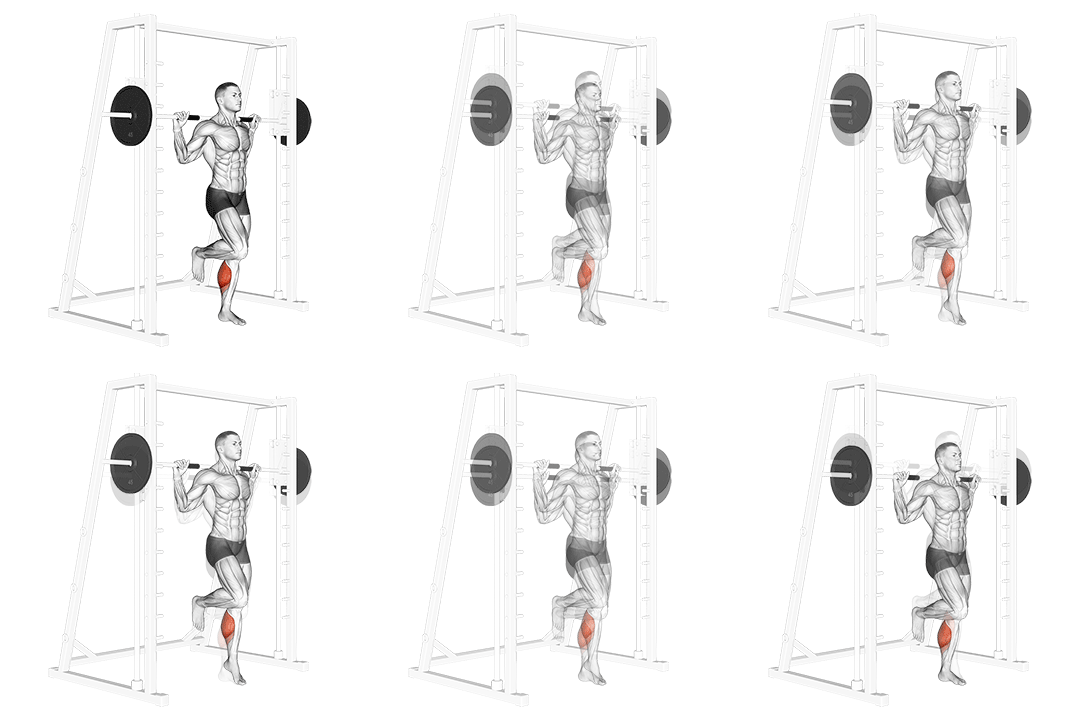
- Position yourself on the floor under the smith machine bar, facing away from the machine.
- Place the balls of your feet on a raised surface, such as a weight plate or block.
- Position the smith machine bar across your lower legs, just above your ankles.
- Hold onto the bar with your hands for stability.
- Raise your heels off the ground by extending your ankles, lifting your body up.
- Pause at the top of the movement, then slowly lower your heels back down to the starting position.
- Repeat for the desired number of repetitions.
Ranked Smith One Leg Floor Calf Raise Alternatives
10 substitutes, ranked by how closely each one matches the Smith One Leg Floor Calf Raise on movement pattern, muscles worked, equipment and body position. The higher the score, the less you change. Open "How to perform this exercise" on a card for the steps; every card title links to that exercise's own alternatives page.
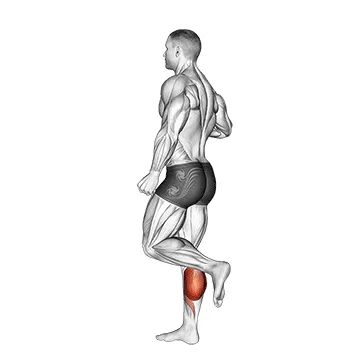
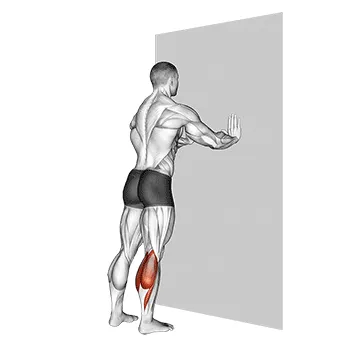
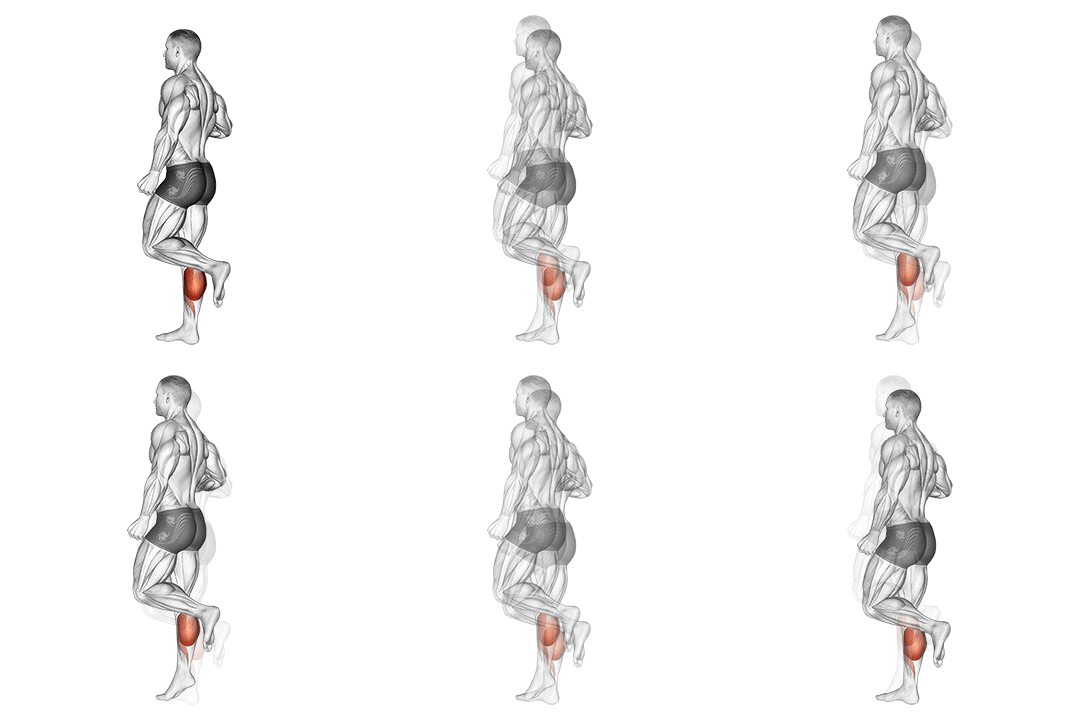
Best match 1. One Leg Floor Calf Raise
82% match- Calves
- Bodyweight
- Beginner
- Isolation
Use this when you have nothing to train with, because it works the calves with bodyweight alone.
How to perform this exercise
- Stand with your feet hip-width apart and place your hands on a wall or sturdy object for balance.
- Lift one foot off the ground and balance on the other foot.
- Slowly raise your heel off the ground, lifting your body up onto the ball of your foot.
- Pause for a moment at the top, then slowly lower your heel back down to the starting position.
- Repeat for the desired number of repetitions, then switch legs and repeat.
Sets and reps: 3 sets of 8 to 12 reps on each side, and add reps before you add load.
Why this matches
- Movement: raise, the same as the Smith One Leg Floor Calf Raise
- Primary muscle: calves, the same as the Smith One Leg Floor Calf Raise
- Equipment: bodyweight only, not a machine
- Body position: standing, the same as the Smith One Leg Floor Calf Raise
- Balance: harder to stay steady on than the Smith One Leg Floor Calf Raise
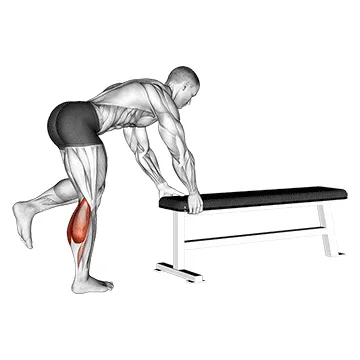
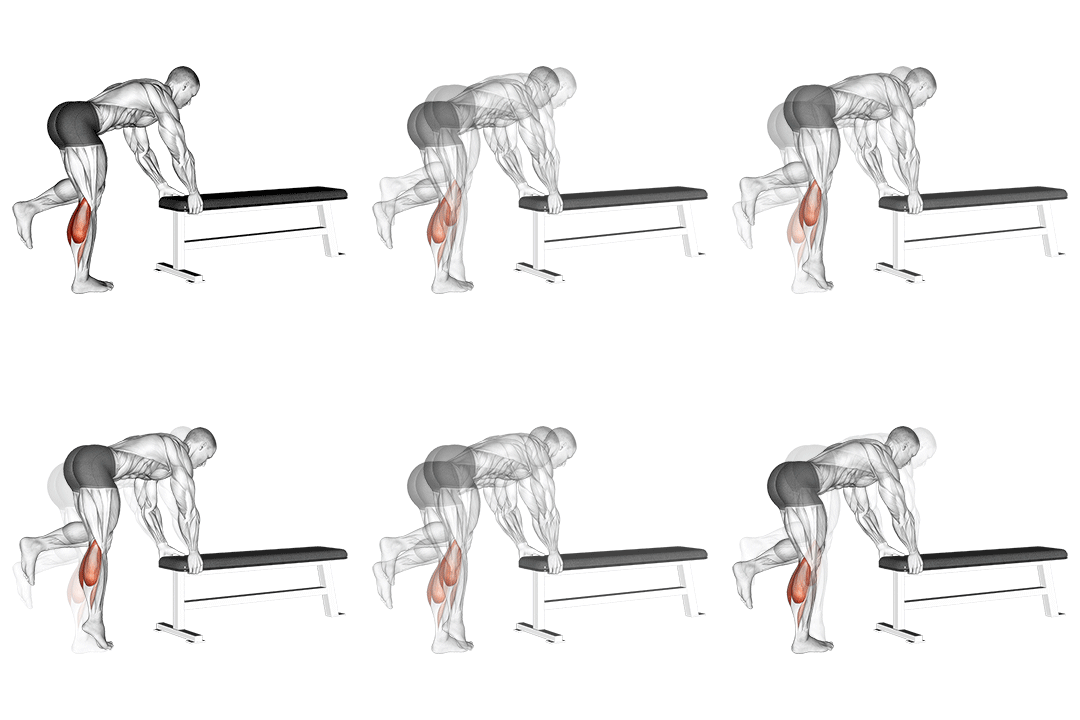
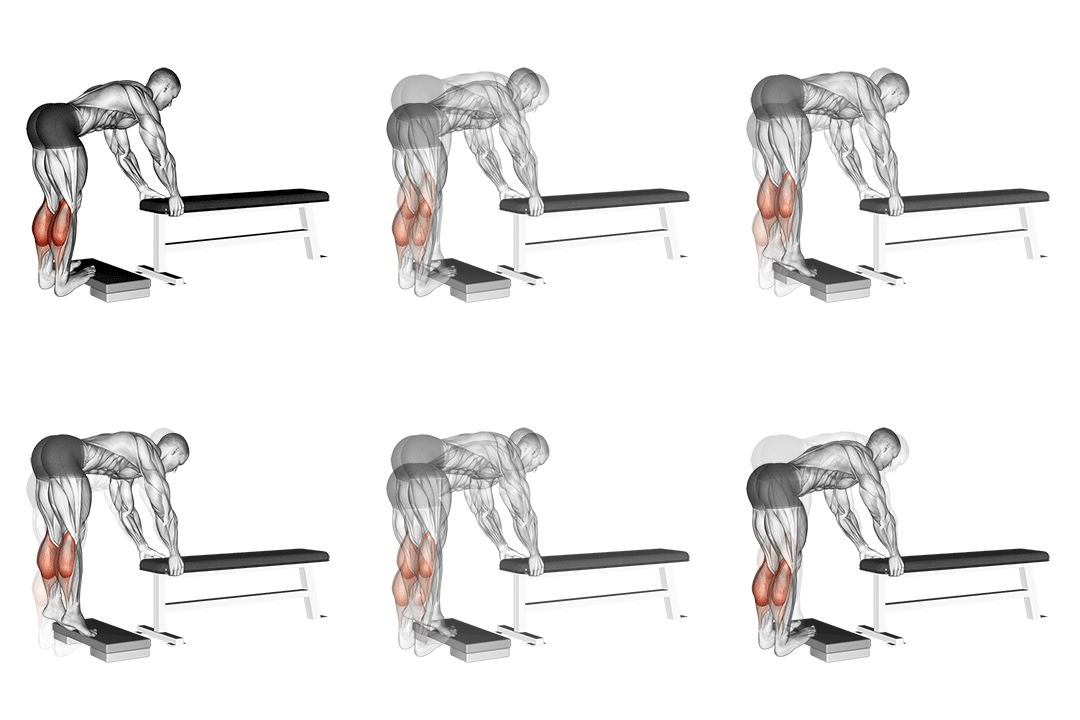
2. One Leg Donkey Calf Raise
82% match- Calves
- Bodyweight
- Beginner
- Isolation
How to perform this exercise
- Stand with your feet shoulder-width apart, toes pointing forward.
- Place your hands on a stable surface for support, such as a wall or a bar.
- Lift one leg off the ground, keeping your knee slightly bent.
- Raise your heel as high as possible, using your calf muscles.
- Pause for a moment at the top, then slowly lower your heel back down.
- Repeat for the desired number of repetitions, then switch legs.
Sets and reps: 3 sets of 8 to 12 reps on each side, and add reps before you add load.
Why this matches
- Movement: raise, the same as the Smith One Leg Floor Calf Raise
- Primary muscle: calves, the same as the Smith One Leg Floor Calf Raise
- Equipment: bodyweight only, not a machine
- Body position: standing, the same as the Smith One Leg Floor Calf Raise
- Balance: harder to stay steady on than the Smith One Leg Floor Calf Raise
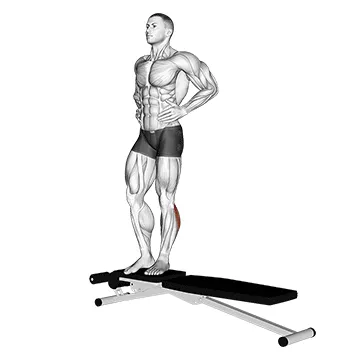
- Calves
- Bodyweight
- Beginner
- Isolation
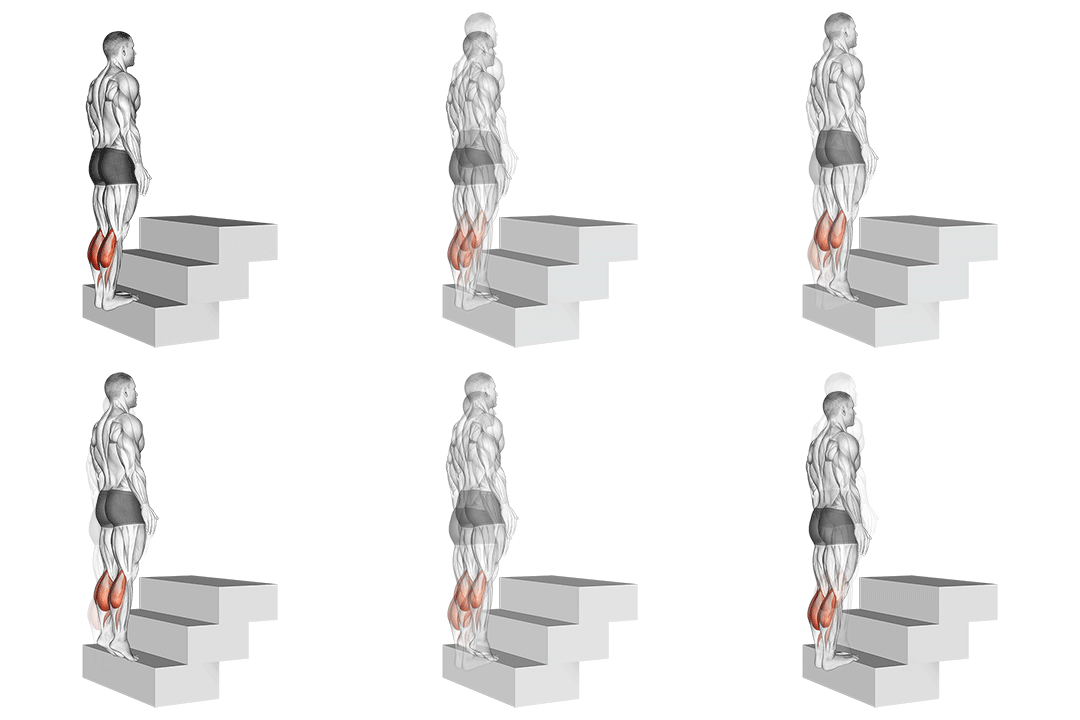
How to perform this exercise
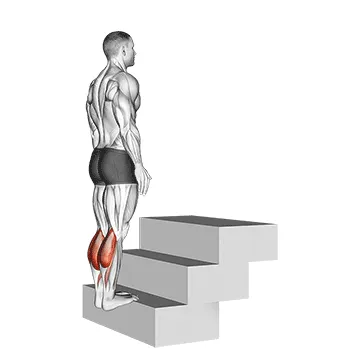
- Stand on the edge of a step or a sturdy platform with your heels hanging off and your toes on the step.
- Hold onto a railing or wall for balance if needed.
- Slowly raise your heels as high as possible, lifting your body weight onto the balls of your feet.
- Pause for a moment at the top, then slowly lower your heels back down to the starting position.
- Repeat for the desired number of repetitions.
Sets and reps: 3 sets of 8 to 12 reps, and add reps before you add load.
Why this matches
- Movement: raise, the same as the Smith One Leg Floor Calf Raise
- Primary muscle: calves, the same as the Smith One Leg Floor Calf Raise
- Equipment: bodyweight only, not a machine
- Body position: standing, the same as the Smith One Leg Floor Calf Raise
- Balance: harder to stay steady on than the Smith One Leg Floor Calf Raise
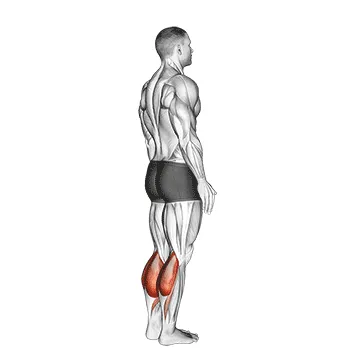
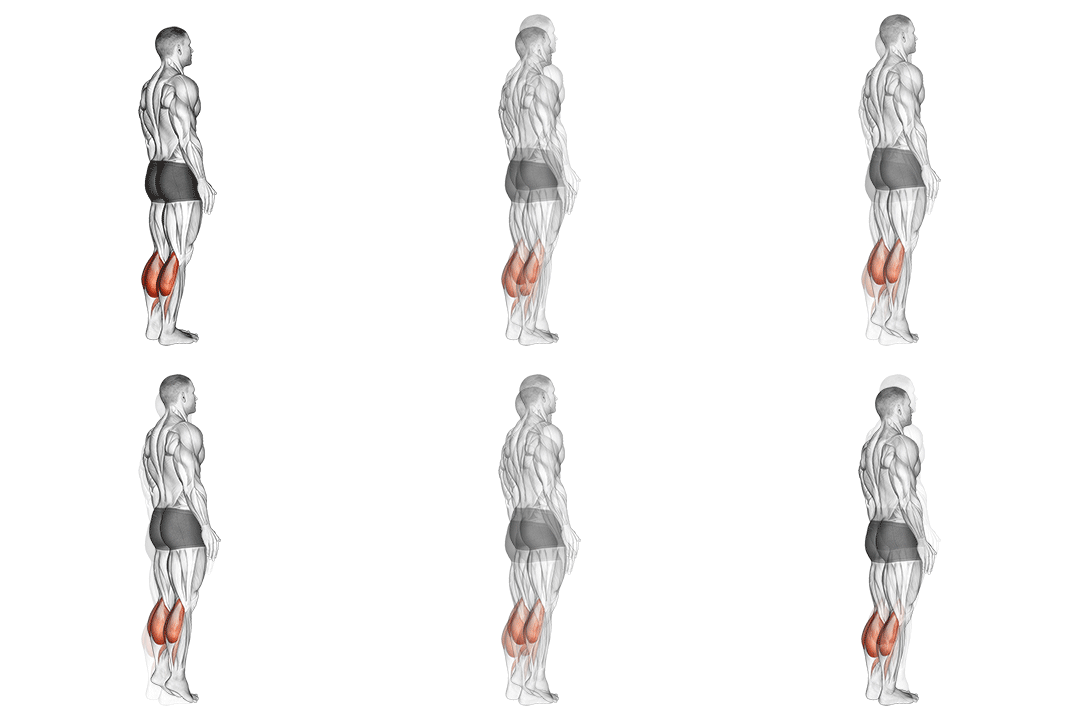
4. Standing Calves
77% match- Calves
- Bodyweight
- Beginner
- Isolation
How to perform this exercise
- Stand with your feet shoulder-width apart, toes pointing forward.
- Raise your heels off the ground as high as possible, standing on your toes.
- Hold the position for a moment, then slowly lower your heels back down to the starting position.
- Repeat for the desired number of repetitions.
Sets and reps: 3 sets of 8 to 12 reps, and add reps before you add load.
Why this matches
- Primary muscle: calves, the same as the Smith One Leg Floor Calf Raise
- Equipment: bodyweight only, not a machine
- Body position: standing, the same as the Smith One Leg Floor Calf Raise
- Balance: harder to stay steady on than the Smith One Leg Floor Calf Raise
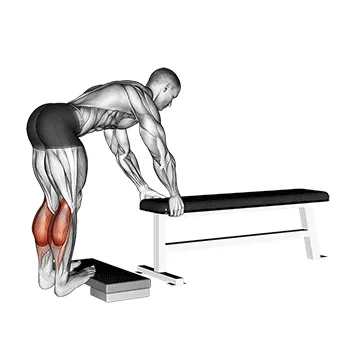
5. Donkey Calf Raise
55% match- Calves
- Bodyweight
- Beginner
- Isolation
How to perform this exercise
- Stand with your toes on an elevated surface, such as a step or block.
- Place your hands on a stable support, such as a wall or railing, for balance.
- Raise your heels as high as possible, lifting your body weight onto the balls of your feet.
- Pause for a moment at the top, then slowly lower your heels back down to the starting position.
- Repeat for the desired number of repetitions.
Sets and reps: 3 sets of 8 to 12 reps, and add reps before you add load.
Why this matches
- Primary muscle: calves, the same as the Smith One Leg Floor Calf Raise
- Equipment: bodyweight only, not a machine
- Body position: standing, the same as the Smith One Leg Floor Calf Raise
6. Bodyweight Standing Calf Raise
54% match- Calves
- Bodyweight
- Beginner
- Isolation
How to perform this exercise
- Stand with your feet shoulder-width apart, toes pointing forward.
- Place your hands on a wall or stable surface for balance.
- Slowly raise your heels off the ground, lifting your body weight onto the balls of your feet.
- Pause for a moment at the top, then slowly lower your heels back down to the starting position.
- Repeat for the desired number of repetitions.
Sets and reps: 3 sets of 8 to 12 reps, and add reps before you add load.
Why this matches
- Primary muscle: calves, the same as the Smith One Leg Floor Calf Raise
- Equipment: bodyweight only, not a machine
- Body position: standing, the same as the Smith One Leg Floor Calf Raise
7. Quick Feet
43% match- Calves
- Bodyweight
- Beginner
- Isolation
How to perform this exercise
- Stand with your feet shoulder-width apart and your arms by your sides.
- Begin by rapidly moving your feet up and down, as if you were running in place.
- Keep your movements quick and light, focusing on staying on the balls of your feet.
- Continue for the desired duration or number of repetitions.
Sets and reps: Work for 30 to 60 seconds, rest as long as you worked, and repeat 6 to 10 times.
Why this matches
- Primary muscle: calves, the same as the Smith One Leg Floor Calf Raise
- Equipment: bodyweight only, not a machine
- Body position: standing, the same as the Smith One Leg Floor Calf Raise
- Balance: harder to stay steady on than the Smith One Leg Floor Calf Raise
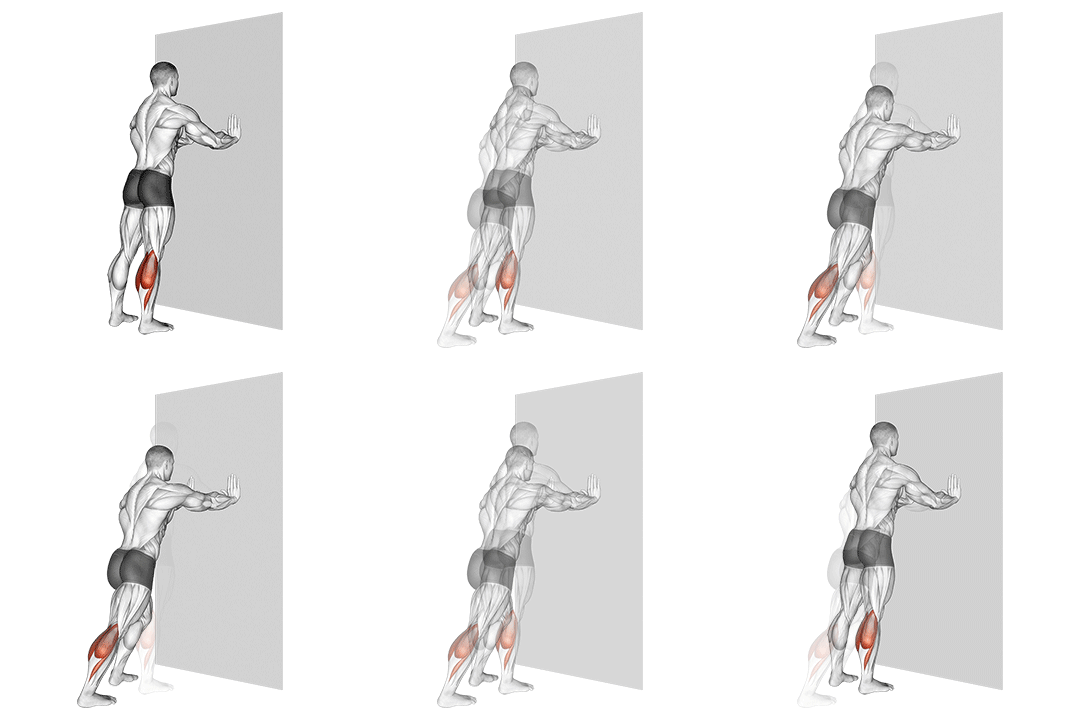
- Calves
- Bodyweight
- Intermediate
- Compound
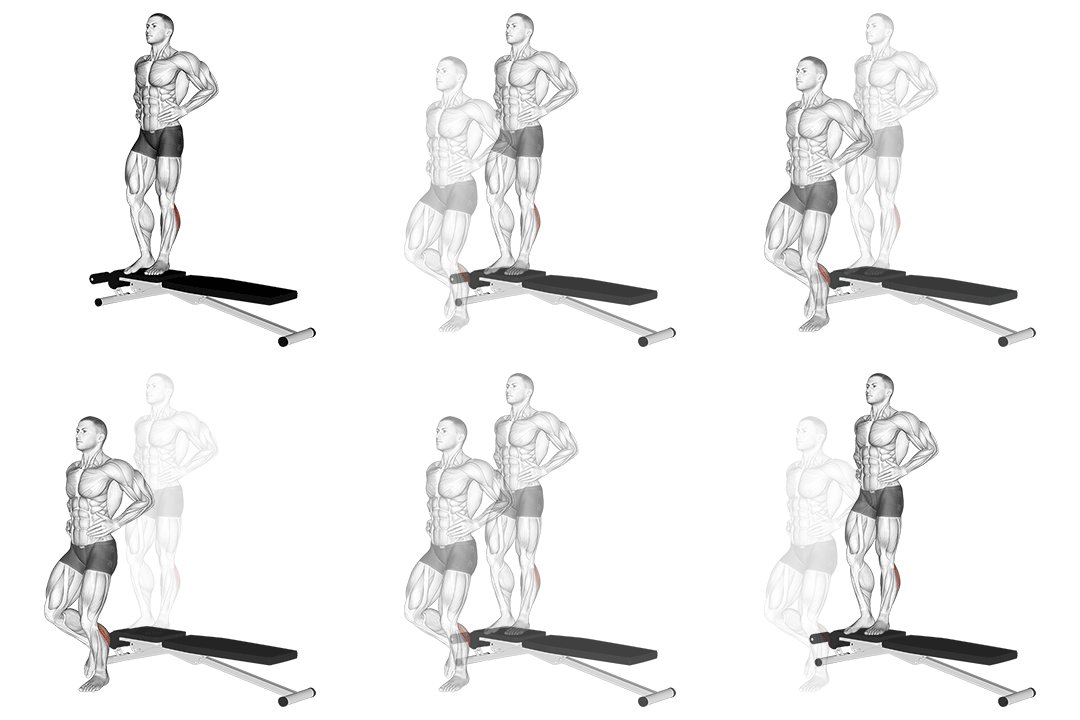
How to perform this exercise
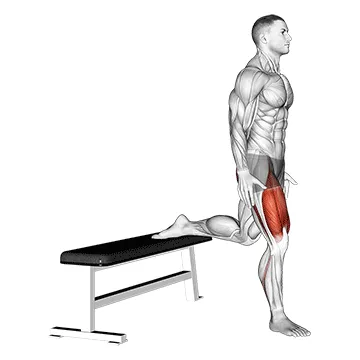
- Stand in front of a box or platform with your feet shoulder-width apart.
- Bend your knees and jump onto the box, landing softly with one foot on the box and the other foot hanging off the edge.
- Stabilize yourself on the box with the foot that is on it, while keeping the other foot off the ground.
- Hold this position for a few seconds, engaging your calf muscles to maintain balance.
- Slowly step down with the foot that is on the box, returning to the starting position.
- Repeat the exercise with the other leg.
Sets and reps: 3 or 4 sets of 6 to 10 reps on each side.
Why this matches
- Primary muscle: calves, the same as the Smith One Leg Floor Calf Raise
- Equipment: bodyweight only, not a machine
- Body position: standing, the same as the Smith One Leg Floor Calf Raise
- Balance: harder to stay steady on than the Smith One Leg Floor Calf Raise
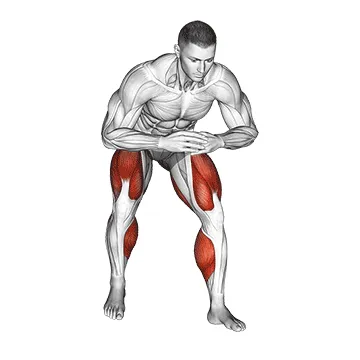
9. Quads
38% match- Quads
- Bodyweight
- Beginner
- Compound
How to perform this exercise
- Stand with your feet shoulder-width apart.
- Lower your body by bending your knees and pushing your hips back as if sitting on a chair.
- Keep your chest up and your back straight.
- Lower yourself until your thighs are parallel to the ground.
- Push through your heels to return to the starting position.
- Repeat for the desired number of repetitions.
Sets and reps: 3 sets of 8 to 12 reps, and add reps before you add load.
Why this matches
- Primary muscle: quads, not calves
- Equipment: bodyweight only, not a machine
- Body position: standing, the same as the Smith One Leg Floor Calf Raise
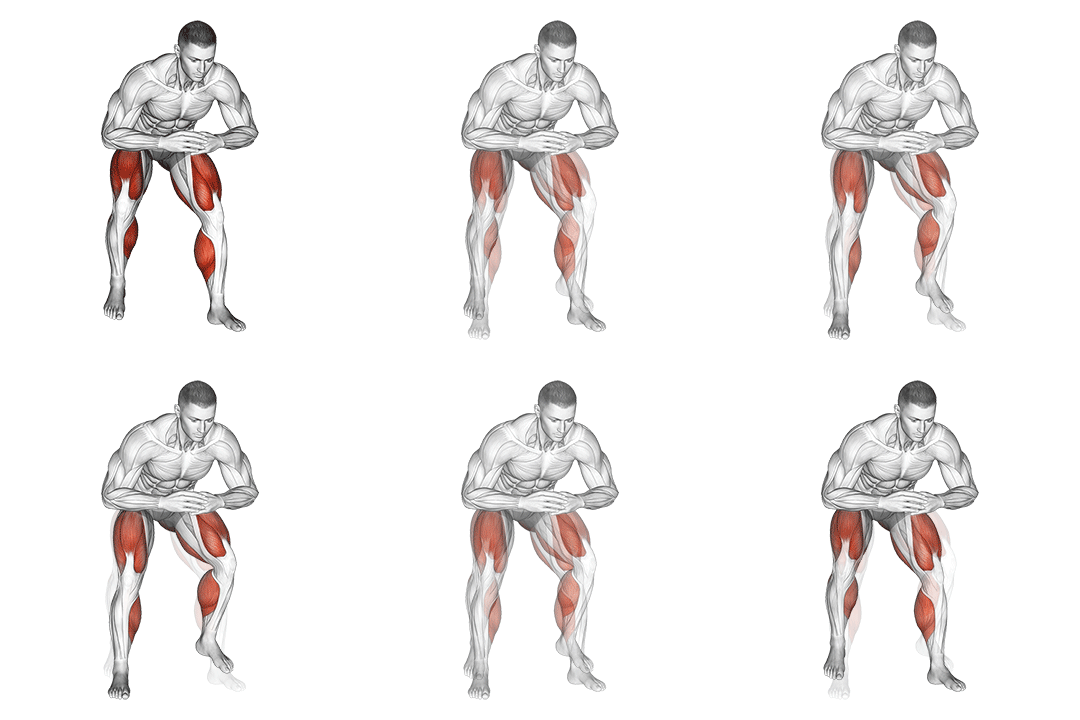
10. Curtsey Squat
37% match- Glutes
- Bodyweight
- Beginner
- Compound
How to perform this exercise
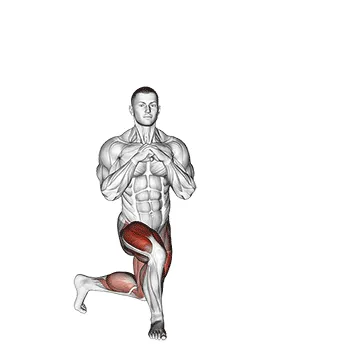
- Stand with your feet shoulder-width apart.
- Take a step diagonally behind and across your body with your right foot, crossing it behind your left leg.
- Bend both knees as if you were curtsying, lowering your body towards the ground.
- Keep your torso upright and your weight on your front foot.
- Push through your front foot to return to the starting position.
- Repeat on the other side, stepping diagonally behind and across your body with your left foot.
Sets and reps: 3 sets of 8 to 12 reps on each side, and add reps before you add load.
Why this matches
- Primary muscle: glutes, not calves
- Equipment: bodyweight only, not a machine
- Body position: standing, the same as the Smith One Leg Floor Calf Raise
- Balance: harder to stay steady on than the Smith One Leg Floor Calf Raise
Why You Might Need a Smith One Leg Floor Calf Raise Alternative
You might substitute the Smith one‑leg floor calf raise for several reasons: no Smith machine, ankle or knee pain, balance deficits, or a desire for different loading patterns. A standing single‑leg variation stresses the gastrocnemius with an extended knee, while seated or bent‑knee raises shift tension to the soleus. Use a step to increase ankle range of motion and cue a slow 2:1:2 tempo (2s descent, 1s pause, 2s ascent) to maximize time under tension. If machine access is limited, banded or dumbbell variations let you progressively overload the calves without a fixed bar path.
Smith One Leg Floor Calf Raise FAQ
What muscles does Smith One Leg Floor Calf Raise work?
The exercise primarily targets the gastrocnemius and soleus, the two major calf muscles. With the knee near extension the gastrocnemius takes more load; bending the knee shifts tension toward the soleus, so cue slight knee angle to modulate activation.
What is the best bodyweight alternative to Smith One Leg Floor Calf Raise?
A single‑leg calf raise on a step is the top bodyweight substitute: let the heel drop past the step for full dorsiflexion, then press up through the ball of the foot and pause at the top. Keep your torso upright and control the eccentric to increase soleus and gastrocnemius recruitment.
Find Alternatives for Any Exercise
Search the exercise database and filter the ranked substitutes by the equipment you own.
Similarity scores compare exercise metadata such as movement pattern, muscles, equipment and body position. They are not a safety rating or a check that you own the equipment. Learn about our methodology