

10 Best Thigh Abductor Alternatives When You Lack the Machine
The Thigh Abductor is done seated with a machine. Ranked closest by our scoring: the Straight Leg Outer Hip Abductor, the Side Hip Abduction and the Side Bridge Hip Abduction.
Updated Ranked by our 12-factor similarity model How it works
Original Exercise: Thigh Abductor
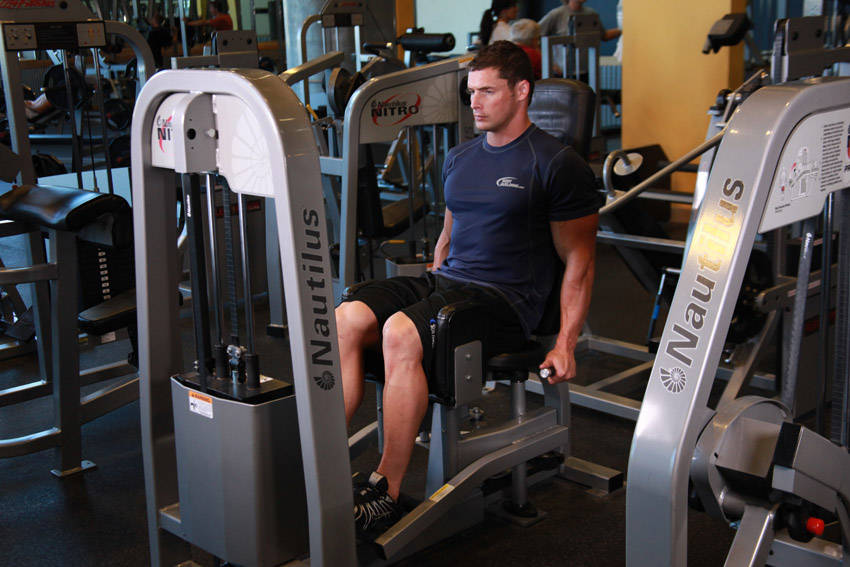
- Primary muscle
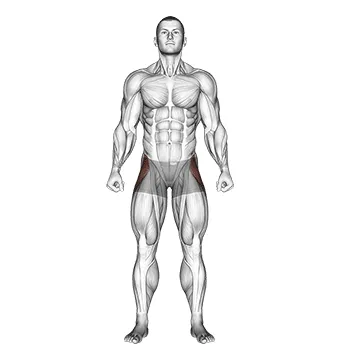
- Abductors
- Equipment
- Machine
- Difficulty
- Beginner
- Type
- Isolation
Secondary muscles: Glutes
How to perform Thigh Abductor
- To begin, sit down on the abductor machine and select a weight you are comfortable with. When your legs are positioned properly, grip the handles on each side. Your entire upper body (from the waist up) should be stationary. This is the starting position.
- Slowly press against the machine with your legs to move them away from each other while exhaling.
- Feel the contraction for a second and begin to move your legs back to the starting position while breathing in. Note: Remember to keep your upper body stationary to prevent any injuries from occurring.
- Repeat for the recommended amount of repetitions.
Ranked Thigh Abductor Alternatives
10 substitutes, ranked by how closely each one matches the Thigh Abductor on movement pattern, muscles worked, equipment and body position. The higher the score, the less you change. Open "How to perform this exercise" on a card for the steps; every card title links to that exercise's own alternatives page.
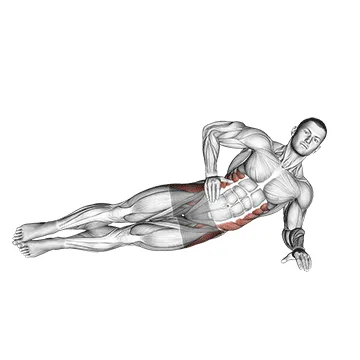
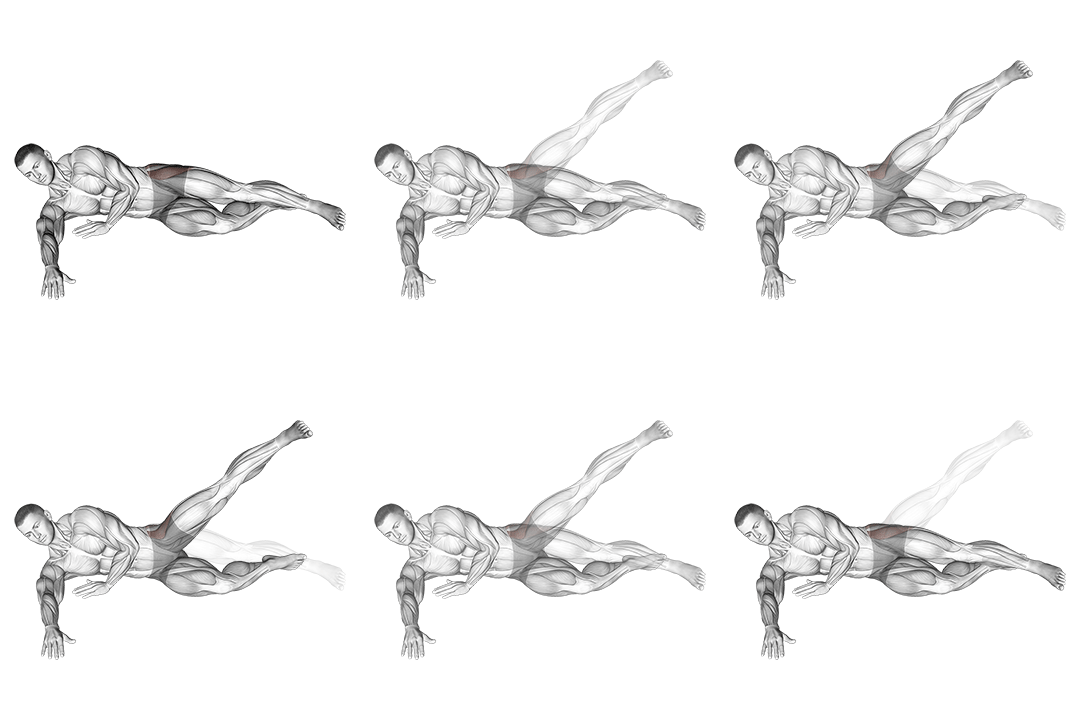
Best match 1. Straight Leg Outer Hip Abductor
69% match- Abductors
- Bodyweight
- Beginner
- Isolation
Pick this when you want to work the abductors one side at a time.
How to perform this exercise
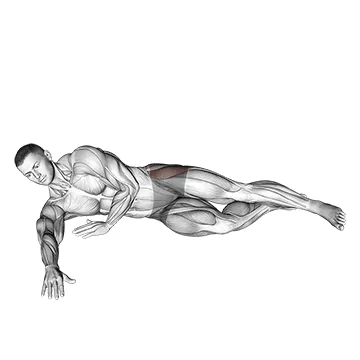
- Lie on your side with your legs straight and stacked on top of each other.
- Place your bottom arm under your head for support.
- Engage your core and lift your top leg as high as possible without rotating your hips or leaning backward.
- Pause for a moment at the top, then slowly lower your leg back down to the starting position.
- Repeat for the desired number of repetitions, then switch sides.
Sets and reps: 3 sets of 8 to 12 reps on each side, and add reps before you add load.
Why this matches
- Primary muscle: abductors, the same as the Thigh Abductor
- Equipment: bodyweight only, not a machine
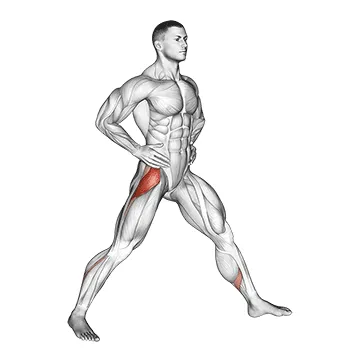
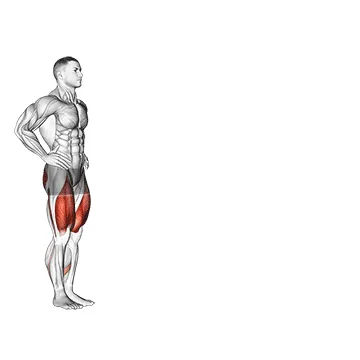
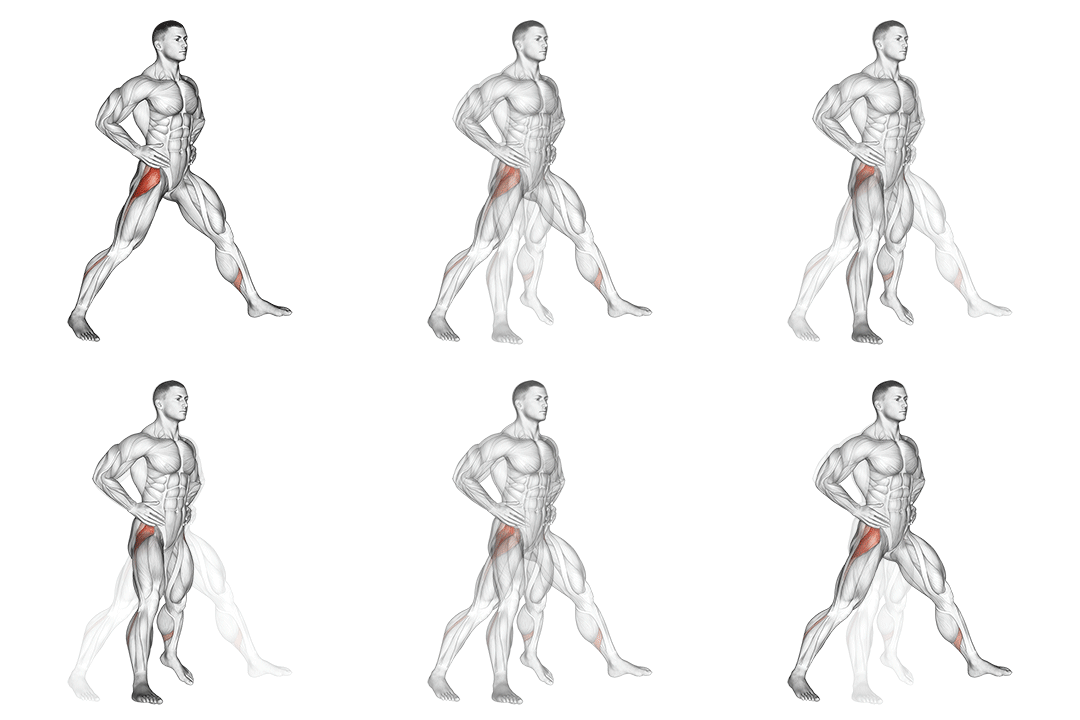
2. Side Hip Abduction
68% match- Abductors
- Bodyweight
- Beginner
- Isolation
How to perform this exercise
- Stand with your feet shoulder-width apart and your hands on your hips.
- Shift your weight to one leg and lift the opposite leg out to the side, keeping it straight.
- Pause for a moment at the top, then slowly lower your leg back down to the starting position.
- Repeat on the other side.
- Continue alternating sides for the desired number of repetitions.
Sets and reps: 3 sets of 8 to 12 reps on each side, and add reps before you add load.
Why this matches
- Primary muscle: abductors, the same as the Thigh Abductor
- Equipment: bodyweight only, not a machine
- Body position: standing, not seated
- Balance: harder to stay steady on than the Thigh Abductor
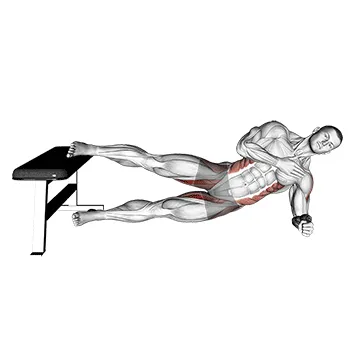
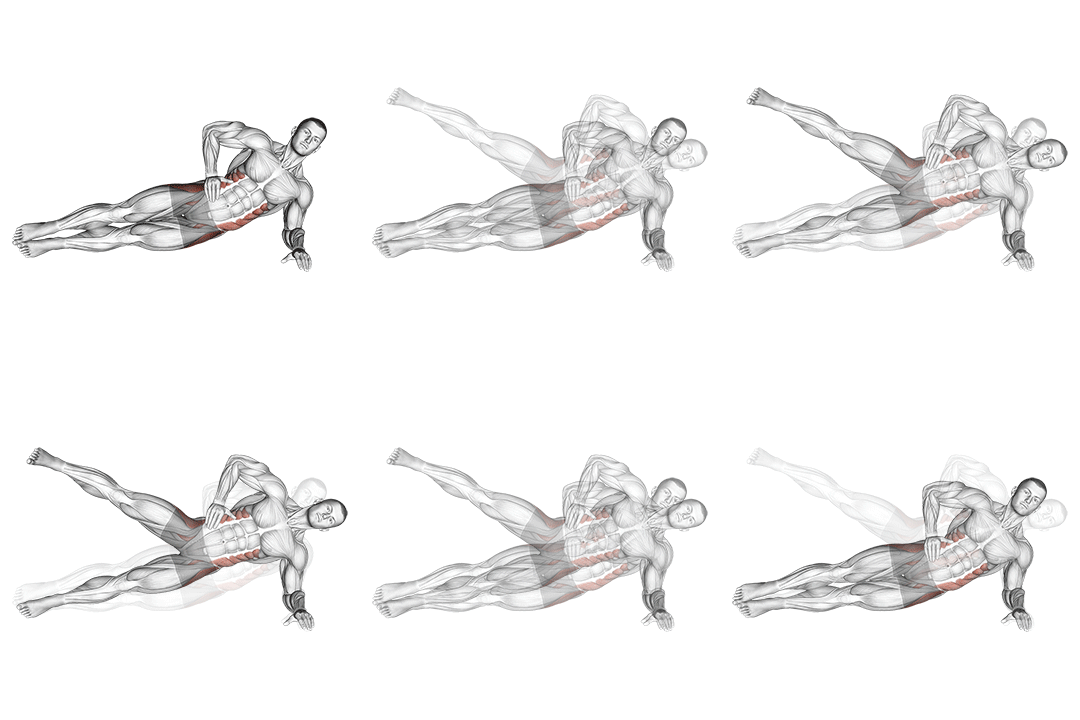
3. Side Bridge Hip Abduction
57% match- Abductors
- Bodyweight
- Intermediate
- Compound
Pick this when you want a harder version that works the abductors one side at a time.
How to perform this exercise
- Lie on your side with your legs extended and stacked on top of each other.
- Prop yourself up on your forearm, keeping your elbow directly below your shoulder.
- Engage your core and lift your hips off the ground, creating a straight line from your head to your feet.
- While keeping your core engaged, lift your top leg as high as possible without rotating your hips.
- Pause for a moment at the top, then lower your leg back down.
- Repeat for the desired number of repetitions, then switch sides.
Sets and reps: 3 or 4 sets of 6 to 10 reps on each side.
Why this matches
- Primary muscle: abductors, the same as the Thigh Abductor
- Equipment: bodyweight only, not a machine
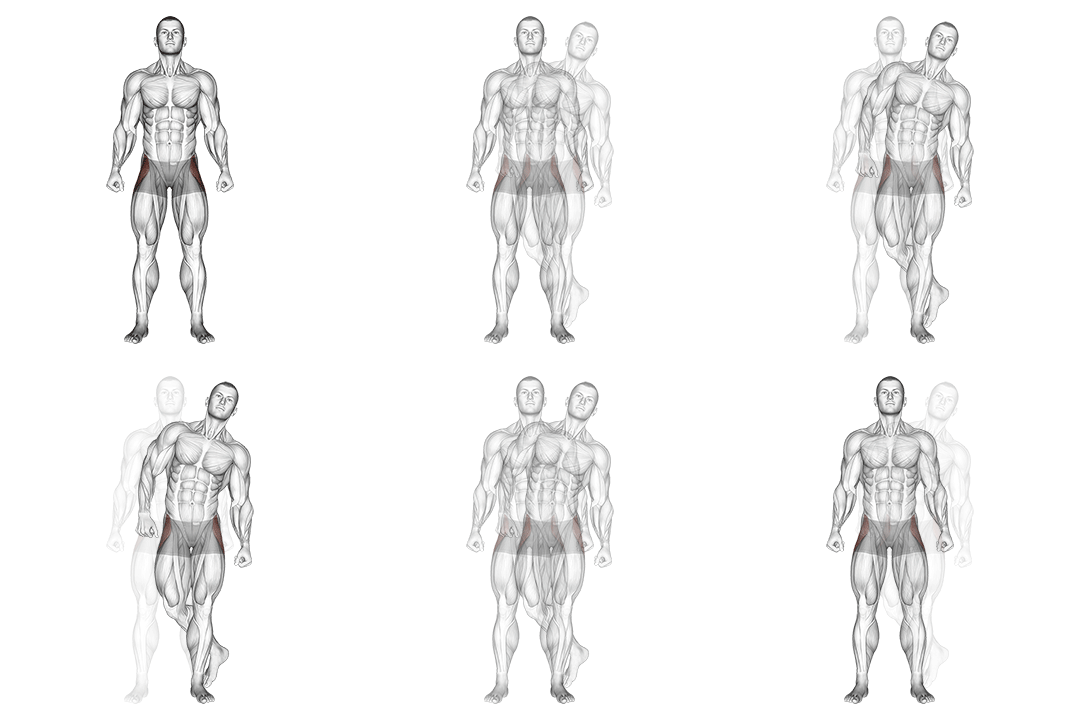
4. Monster Walk
45% match- Glutes
- Bodyweight
- Intermediate
- Compound
A looser match: it works the glutes rather than the abductors.
How to perform this exercise
- Place a resistance band around your ankles.
- Stand with your feet shoulder-width apart and slightly bend your knees.
- Take a step to the side with your right foot, maintaining tension on the resistance band.
- Follow with your left foot, stepping to the side to return to the starting position.
- Repeat for the desired number of repetitions, then switch sides.
Sets and reps: 3 or 4 sets of 6 to 10 reps on each side.
Why this matches
- Primary muscle: glutes, not abductors
- Equipment: bodyweight only, not a machine
- Body position: standing, not seated
- Balance: harder to stay steady on than the Thigh Abductor
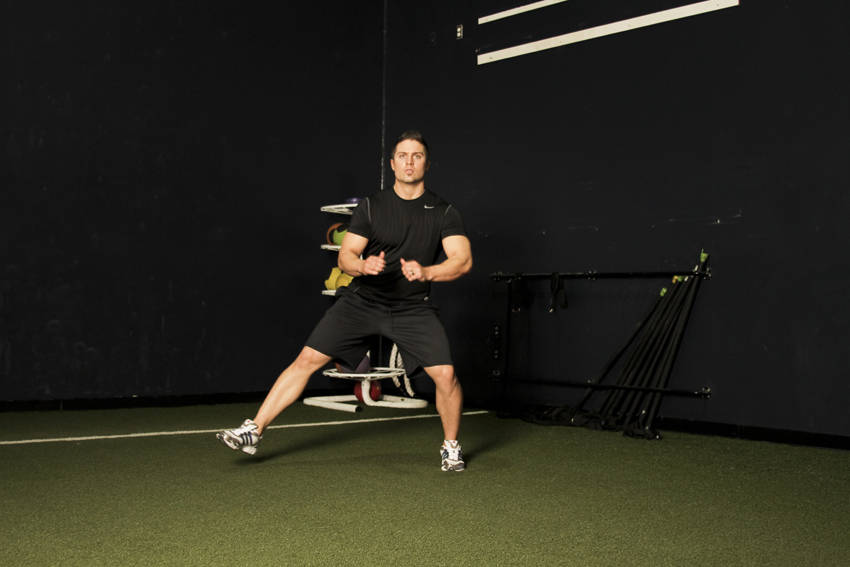
5. Lateral Bound
42% match- Adductors
- Bodyweight
- Advanced
- Compound
A looser match: it works the adductors rather than the abductors.
How to perform this exercise
- Assume a half squat position facing 90 degrees from your direction of travel. This will be your starting position.
- Allow your lead leg to do a countermovement inward as you shift your weight to the outside leg.
- Immediately push off and extend, attempting to bound to the side as far as possible.
- Upon landing, immediately push off in the opposite direction, returning to your original start position.
- Continue back and forth for several repetitions.
Sets and reps: 3 or 4 sets of 6 to 10 reps on each side.
Why this matches
- Primary muscle: adductors, not abductors
- Equipment: bodyweight only, not a machine
- Body position: standing, not seated
- Balance: harder to stay steady on than the Thigh Abductor
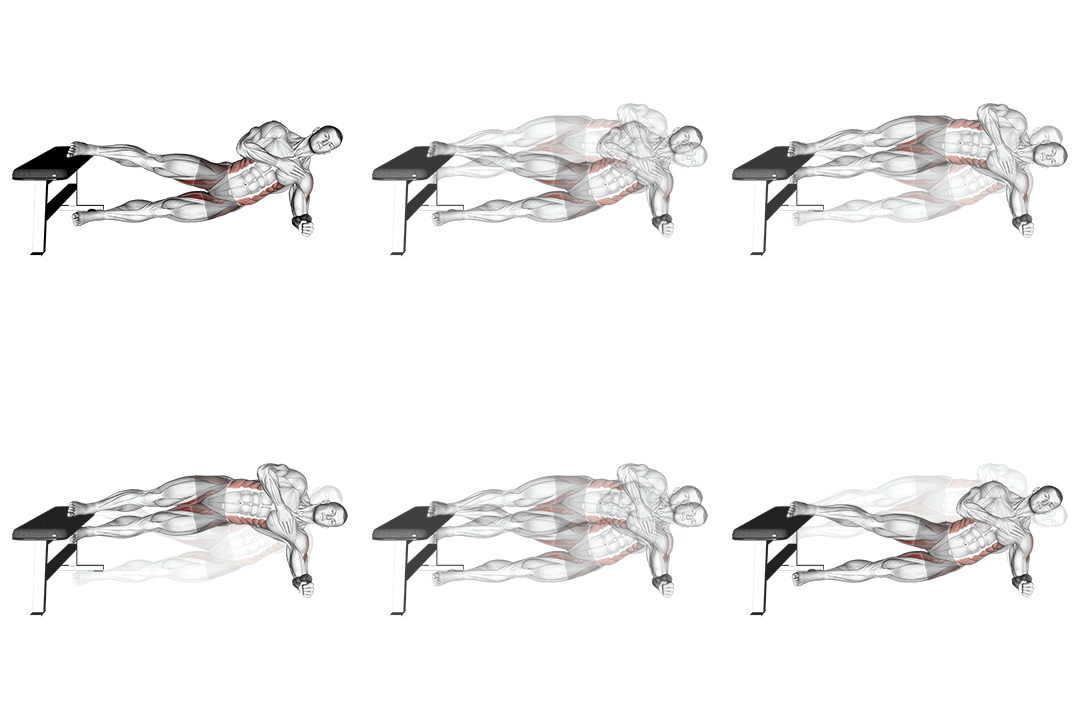
6. Side Plank Hip Adduction
42% match- Adductors
- Bodyweight
- Intermediate
- Compound
How to perform this exercise
- Start by lying on your side with your legs extended and stacked on top of each other.
- Prop yourself up on your forearm, keeping your elbow directly below your shoulder.
- Engage your core and lift your hips off the ground, creating a straight line from your head to your feet.
- While maintaining the side plank position, lift your top leg towards the ceiling, keeping it straight.
- Slowly lower your leg back down to the starting position.
- Repeat for the desired number of repetitions, then switch sides.
Sets and reps: 3 or 4 sets of 6 to 10 reps on each side.
Why this matches
- Primary muscle: adductors, not abductors
- Equipment: bodyweight only, not a machine
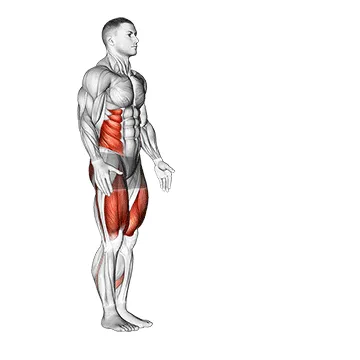
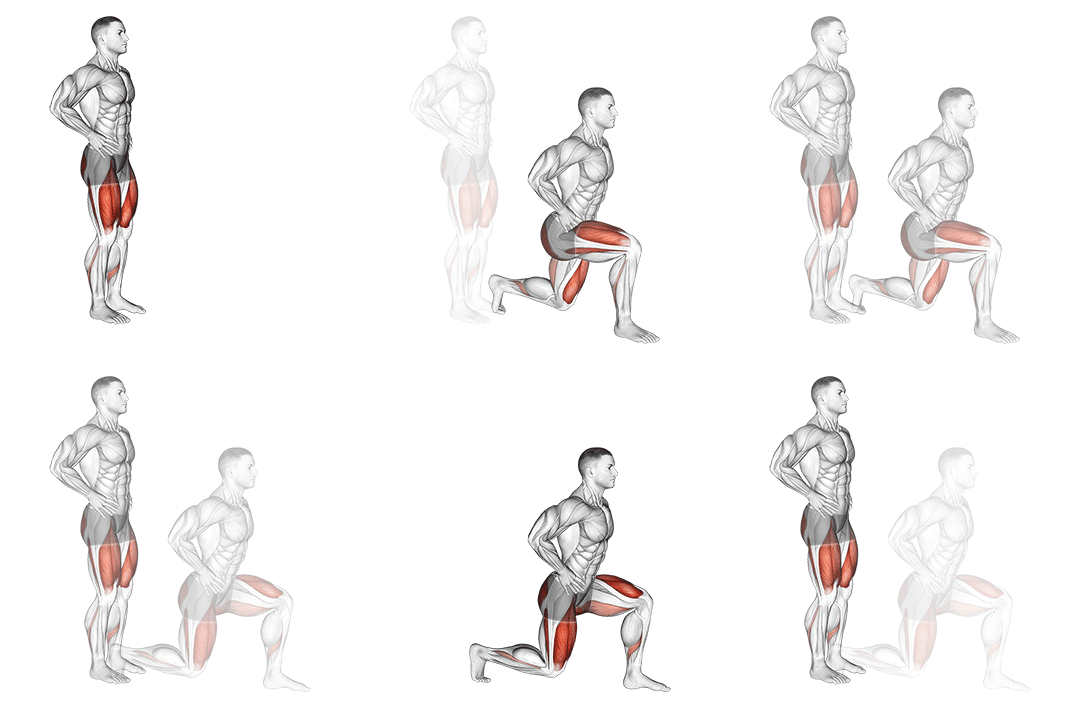
7. Forward Lunge
38% match- Glutes
- Bodyweight
- Beginner
- Compound
How to perform this exercise
- Stand with your feet hip-width apart and hands on your hips.
- Take a big step forward with your right foot, lowering your body into a lunge position.
- Bend your right knee to about 90 degrees, keeping your knee aligned with your ankle.
- Push off with your right foot and return to the starting position.
- Repeat with your left leg, alternating sides for the desired number of repetitions.
Sets and reps: 3 sets of 8 to 12 reps on each side, and add reps before you add load.
Why this matches
- Primary muscle: glutes, not abductors
- Equipment: bodyweight only, not a machine
- Body position: standing, not seated
- Balance: harder to stay steady on than the Thigh Abductor
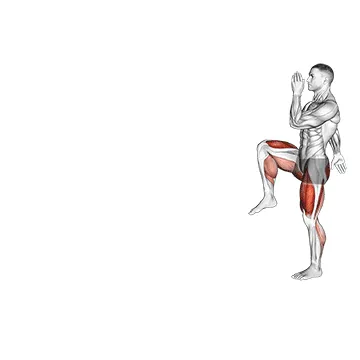
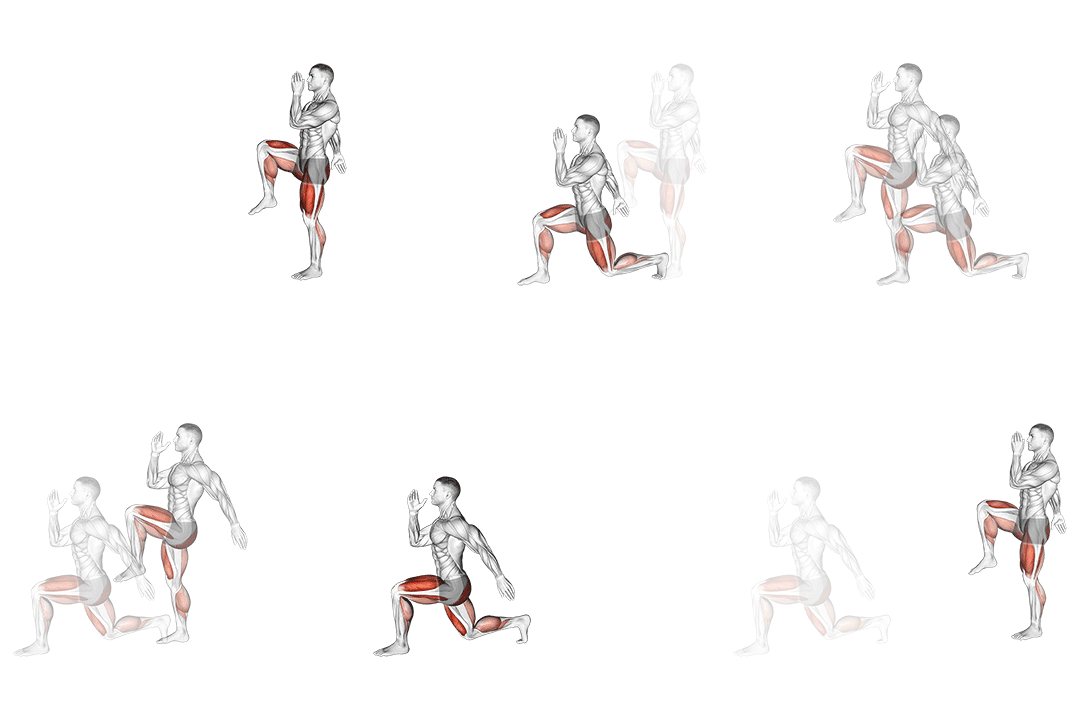
8. Walking High Knees Lunge
38% match- Cardio
- Bodyweight
- Beginner
- Compound
How to perform this exercise
- Stand with your feet hip-width apart.
- Lift your right knee up towards your chest as high as you can while balancing on your left leg.
- Step forward with your right foot and lower your body into a lunge position, bending both knees to a 90-degree angle.
- Push off with your right foot and bring your left knee up towards your chest.
- Step forward with your left foot and lower your body into a lunge position.
- Continue alternating legs and lunging forward, keeping your core engaged and maintaining a steady pace.
- Repeat for the desired number of repetitions.
Sets and reps: 3 sets of 8 to 12 reps on each side, and add reps before you add load.
Why this matches
- Primary muscle: your heart and lungs, not abductors
- Equipment: bodyweight only, not a machine
- Body position: standing, not seated
- Balance: harder to stay steady on than the Thigh Abductor
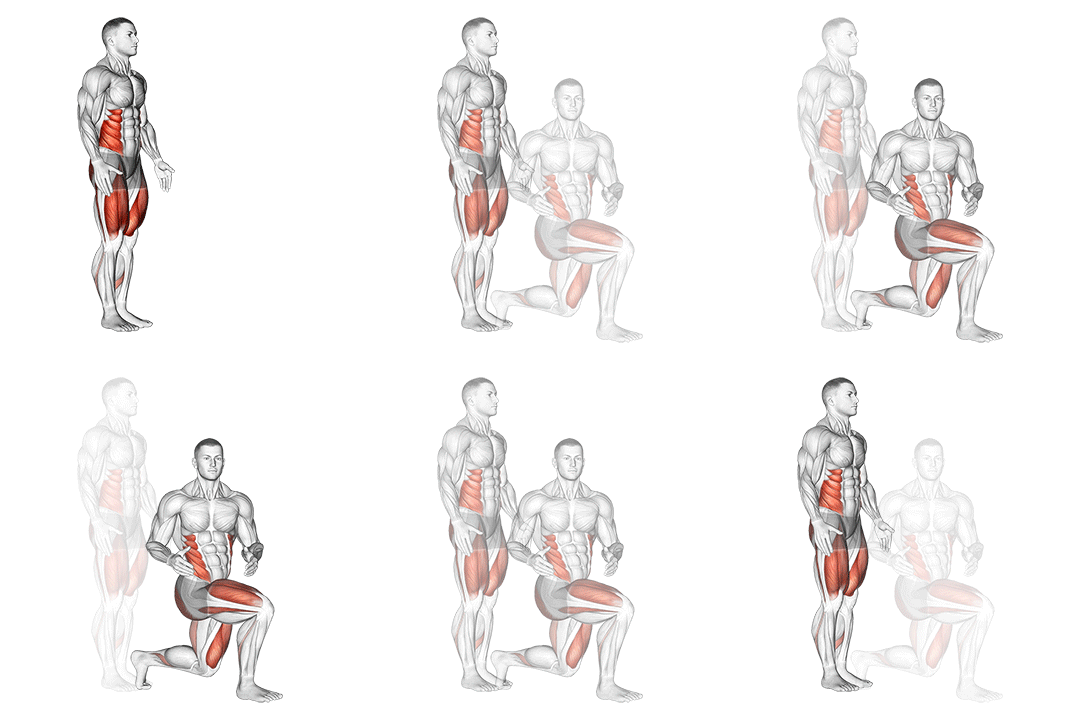
9. Lunge With Twist
38% match- Abs
- Bodyweight
- Intermediate
- Compound
How to perform this exercise
- Start by standing with your feet shoulder-width apart.
- Take a step forward with your right foot, lowering your body into a lunge position.
- As you lunge, twist your torso to the right, bringing your left elbow towards your right knee.
- Pause for a moment, then return to the starting position.
- Repeat on the other side, stepping forward with your left foot and twisting your torso to the left.
- Continue alternating sides for the desired number of repetitions.
Sets and reps: 3 or 4 sets of 6 to 10 reps on each side.
Why this matches
- Primary muscle: abs, not abductors
- Equipment: bodyweight only, not a machine
- Body position: standing, not seated
- Balance: harder to stay steady on than the Thigh Abductor
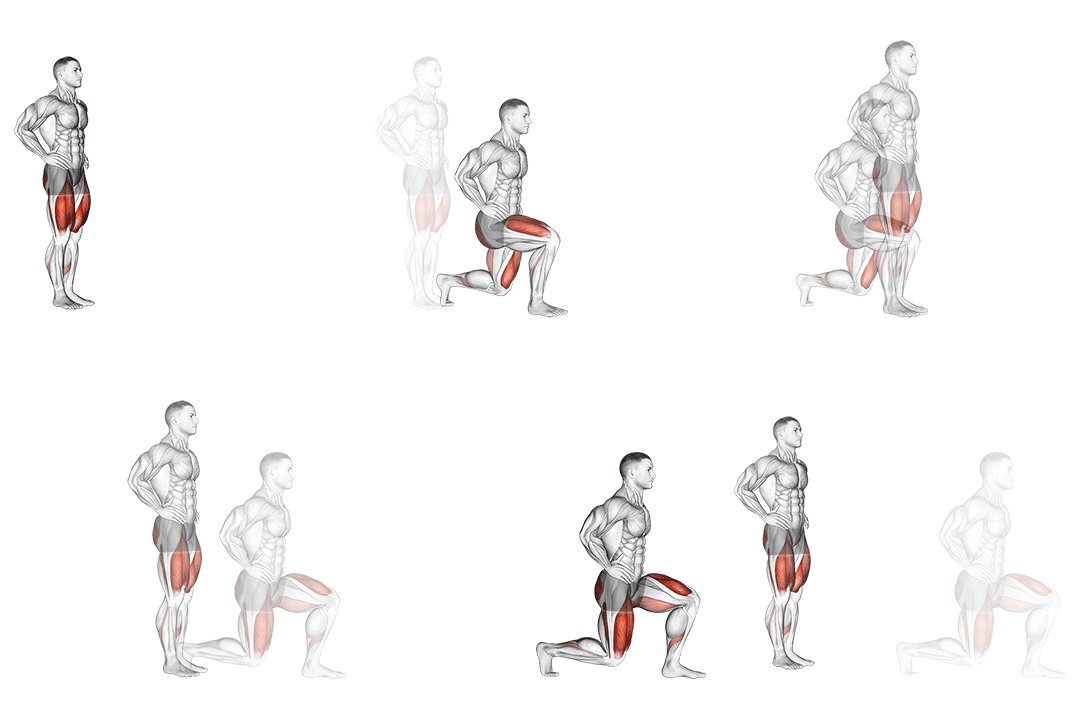
10. Walking Lunge
37% match- Glutes
- Bodyweight
- Intermediate
- Compound
How to perform this exercise
- Stand with your feet shoulder-width apart.
- Take a step forward with your right leg, lowering your body into a lunge position.
- Keep your torso upright and your front knee aligned with your ankle.
- Push off with your right foot and bring your left foot forward, stepping into a lunge position with your left leg.
- Continue alternating legs and walking forward, maintaining a controlled and steady pace.
- Repeat for the desired number of repetitions.
Sets and reps: 3 or 4 sets of 6 to 10 reps on each side.
Why this matches
- Primary muscle: glutes, not abductors
- Equipment: bodyweight only, not a machine
- Body position: standing, not seated
- Balance: harder to stay steady on than the Thigh Abductor
Why You Might Need a Thigh Abductor Alternative
You might substitute the Thigh Abductor because the machine is unavailable, causes discomfort, or doesn't match your training goals. Machines isolate hip abduction but limit joint angles and functional carryover; alternatives let you alter load, plane of movement and stability demands. For pain or rehab, pick side-lying abductions or clamshells and cue a neutral pelvis with a slow eccentric to reduce joint shear. For athletic transfer, use lateral step-ups or single-leg RDLs to load the gluteus medius eccentrically and train frontal-plane control. Substitutes let you progress with bands, cables or added weight while targeting specific fibers and balance.
How to Choose the Right Thigh Abductor Substitute
Base your choice on objective, equipment and tolerance. For isolation and high gluteus medius recruitment choose side-lying hip abductions or clamshells; cue toes forward and lift from the hip, not the knee. For progressive overload use cable abduction or weighted lateral step-ups to add external load while preserving frontal-plane mechanics. For stability and sport transfer use banded lateral walks or single-leg deadlifts to emphasize eccentric control and pelvic stabilization. Also consider joint position: open-chain moves emphasize the hip abductors, closed-chain lifts recruit gluteus maximus and adductors. Track tempo, reps and perceived glute engagement to progress effectively.
Thigh Abductor FAQ
What muscles does Thigh Abductor work?
The Thigh Abductor primarily targets the hip abductors, gluteus medius and gluteus minimus, with contribution from the tensor fasciae latae. It produces frontal-plane hip abduction and helps resist pelvic drop and excessive internal rotation during single-leg stance.
What is the best bodyweight alternative to Thigh Abductor?
Side-lying hip abduction is the best pure bodyweight substitute: lie on your side with hips stacked, keep the top leg straight and toes pointing forward, then lift the leg from the hip. Pause at the top and lower slowly to maximize gluteus medius activation and eccentric control.
Find Alternatives for Any Exercise
Search the exercise database and filter the ranked substitutes by the equipment you own.
Similarity scores compare exercise metadata such as movement pattern, muscles, equipment and body position. They are not a safety rating or a check that you own the equipment. Learn about our methodology