

10 Best Side Hip Abduction Alternatives for Rehab & Strength
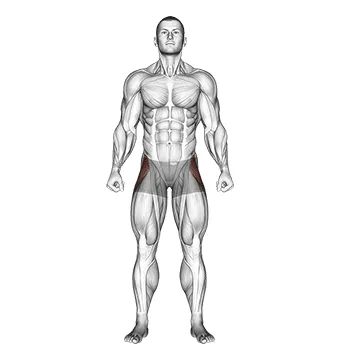
The Side Hip Abduction is done standing. Ranked closest by our scoring: the Straight Leg Outer Hip Abductor, the Lever Seated Hip Abduction and the Thigh Abductor. Five harder versions, among them the Side Bridge Hip Abduction and the Crossover Reverse Lunge, are listed below as progressions rather than swaps.
Updated Ranked by our 12-factor similarity model How it works
Original Exercise: Side Hip Abduction
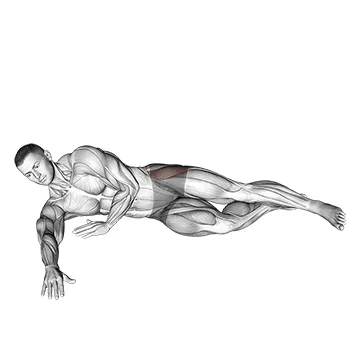
- Primary muscle
- Abductors
- Equipment
- Bodyweight
- Difficulty
- Beginner
- Type
- Isolation
Secondary muscles: Glutes, Quadriceps
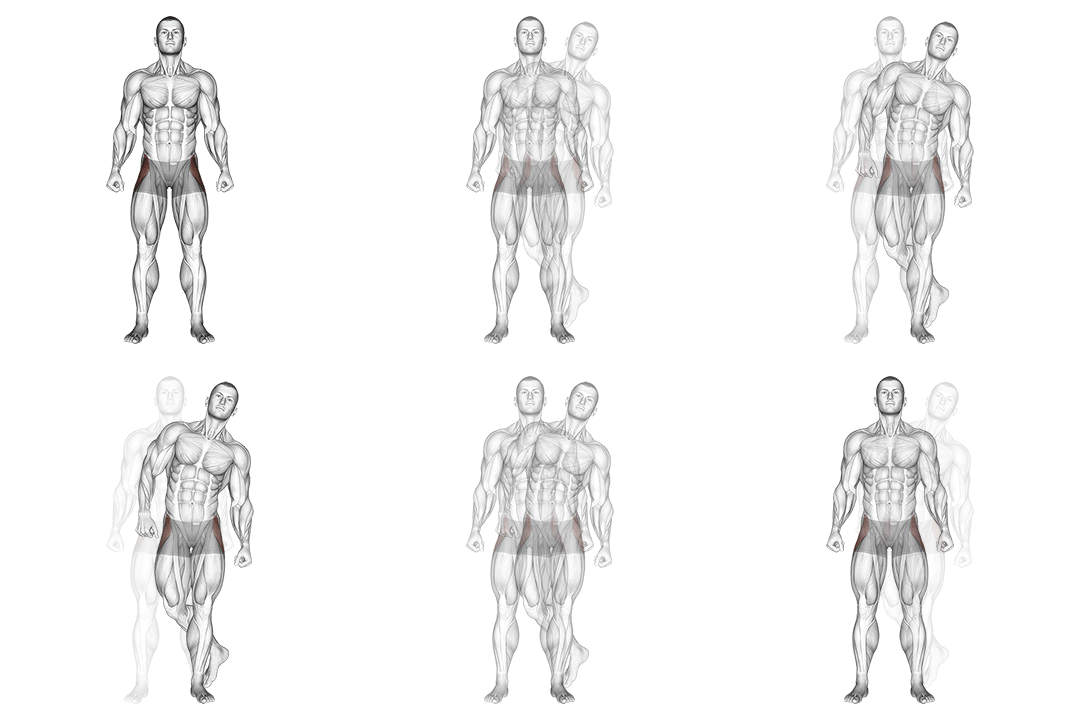
How to perform Side Hip Abduction
- Stand with your feet shoulder-width apart and your hands on your hips.
- Shift your weight to one leg and lift the opposite leg out to the side, keeping it straight.
- Pause for a moment at the top, then slowly lower your leg back down to the starting position.
- Repeat on the other side.
- Continue alternating sides for the desired number of repetitions.
Ranked Side Hip Abduction Alternatives
10 substitutes, ranked by how closely each one matches the Side Hip Abduction on movement pattern, muscles worked, equipment and body position. The higher the score, the less you change. Open "How to perform this exercise" on a card for the steps; every card title links to that exercise's own alternatives page. Harder versions are tagged as progressions and kept out of the top spot even when they score higher.
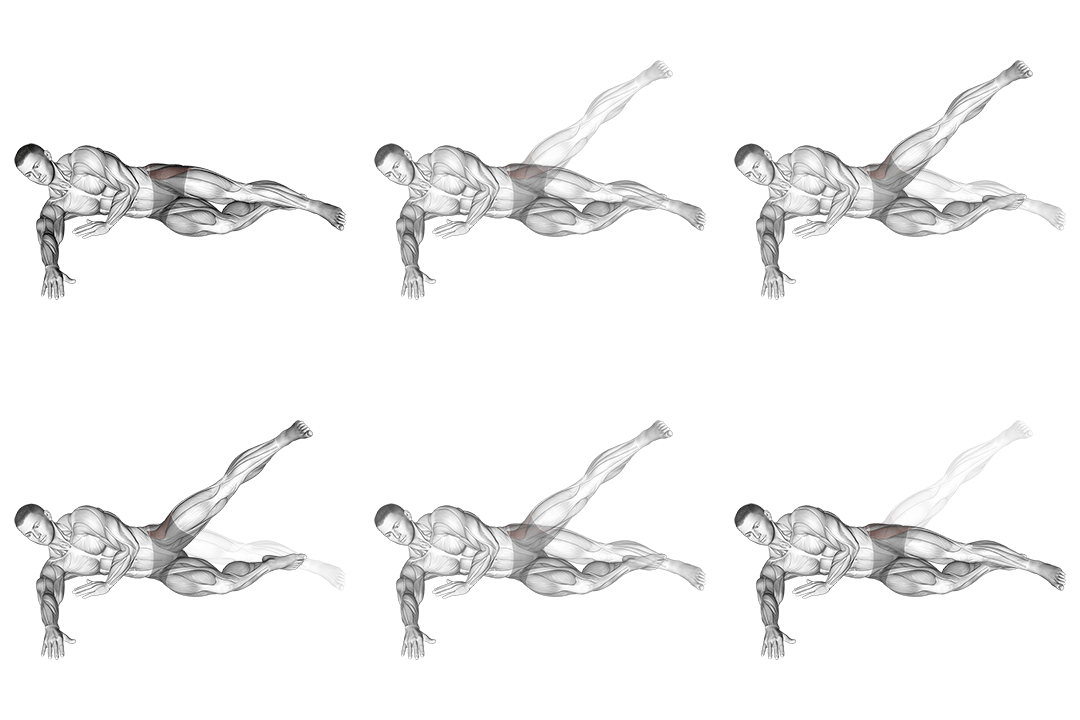
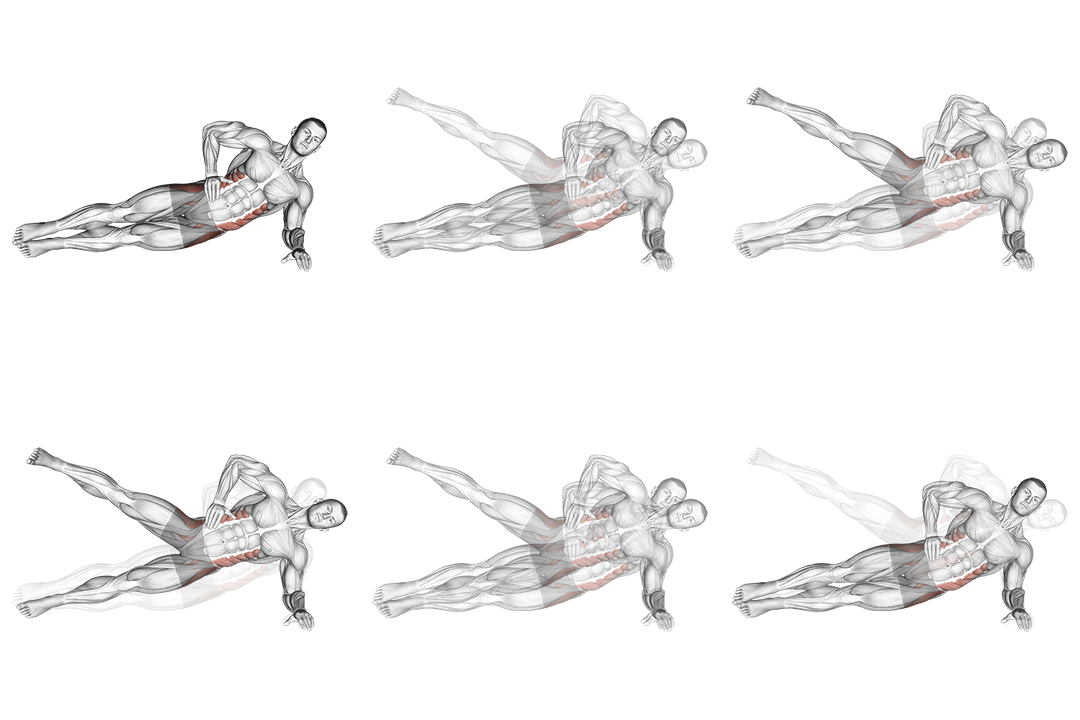
Best match 1. Straight Leg Outer Hip Abductor
99% match- Abductors
- Bodyweight
- Beginner
- Isolation
It uses the same equipment and still works the abductors.
How to perform this exercise
- Lie on your side with your legs straight and stacked on top of each other.
- Place your bottom arm under your head for support.
- Engage your core and lift your top leg as high as possible without rotating your hips or leaning backward.
- Pause for a moment at the top, then slowly lower your leg back down to the starting position.
- Repeat for the desired number of repetitions, then switch sides.
Sets and reps: 3 sets of 8 to 12 reps on each side, and add reps before you add load.
Why this matches
- Primary muscle: abductors, the same as the Side Hip Abduction
- Equipment: bodyweight only, the same as the Side Hip Abduction
Progression
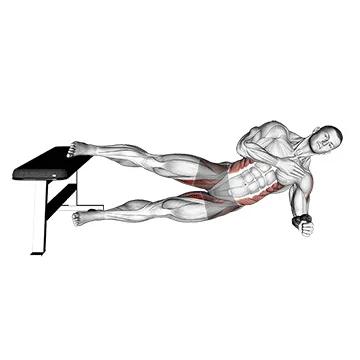
2. Side Bridge Hip Abduction
81% match- Abductors
- Bodyweight
- Intermediate
- Compound
Pick this when you want a harder version that still works the abductors.
How to perform this exercise
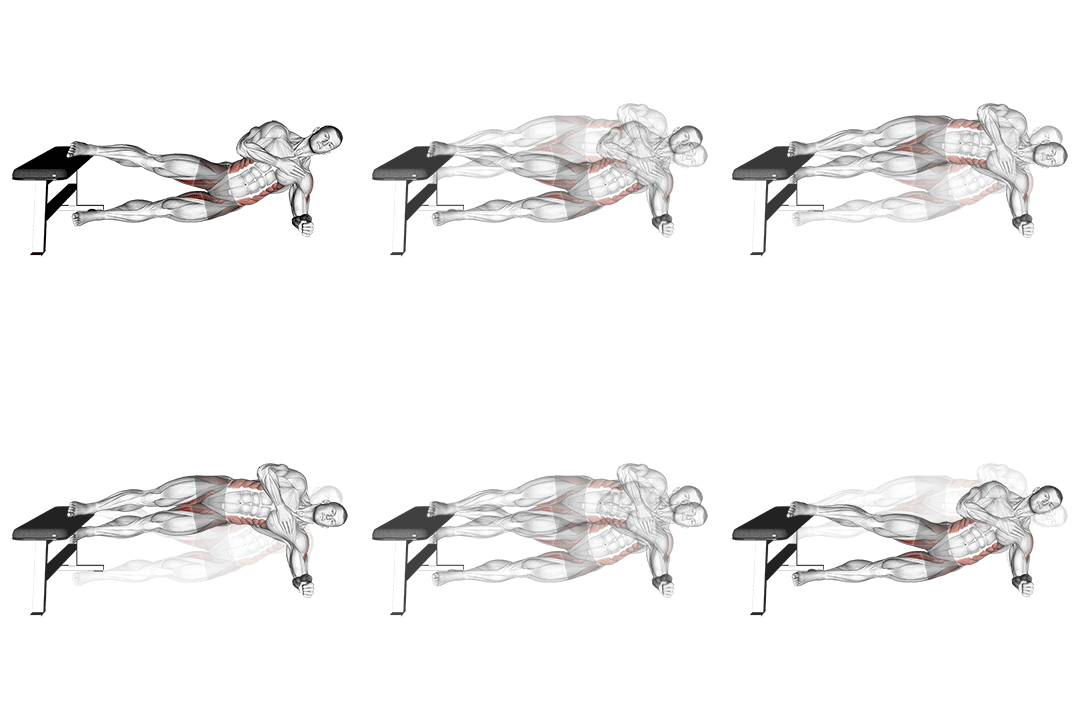
- Lie on your side with your legs extended and stacked on top of each other.
- Prop yourself up on your forearm, keeping your elbow directly below your shoulder.
- Engage your core and lift your hips off the ground, creating a straight line from your head to your feet.
- While keeping your core engaged, lift your top leg as high as possible without rotating your hips.
- Pause for a moment at the top, then lower your leg back down.
- Repeat for the desired number of repetitions, then switch sides.
Sets and reps: 3 or 4 sets of 6 to 10 reps on each side.
Why this matches
- Primary muscle: abductors, the same as the Side Hip Abduction
- Equipment: bodyweight only, the same as the Side Hip Abduction
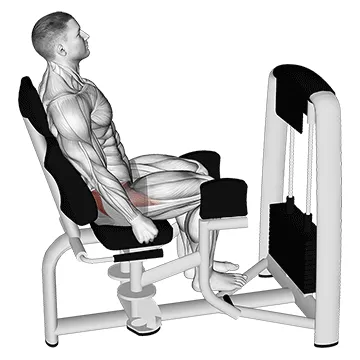
3. Lever Seated Hip Abduction
69% match- Abductors
- Lever
- Beginner
- Isolation
A good swap when you have a lever machine to work with, and it still works the abductors.
How to perform this exercise
- Adjust the seat height so that your knees are at a 90-degree angle.
- Sit on the machine with your back against the backrest and your feet on the footrests.
- Place your hands on the side handles for stability.
- Engage your abductors and slowly push your legs apart, away from the midline of your body.
- Pause for a moment at the end of the movement, then slowly bring your legs back together to the starting position.
- Repeat for the desired number of repetitions.
Sets and reps: 3 sets of 10 to 15 reps.
Why this matches
- Primary muscle: abductors, the same as the Side Hip Abduction
- Equipment: a machine, not bodyweight only
- Body position: seated, not standing
- Balance: easier to stay steady on than the Side Hip Abduction
Progression
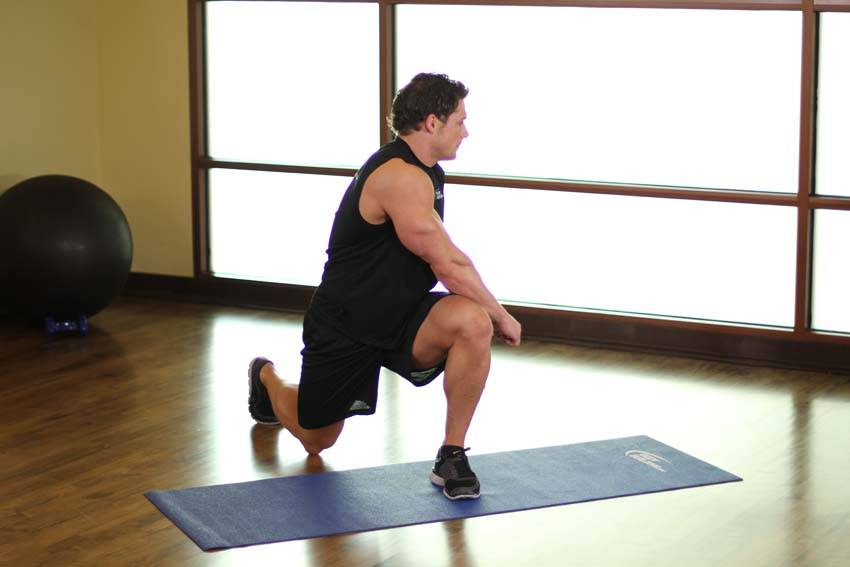
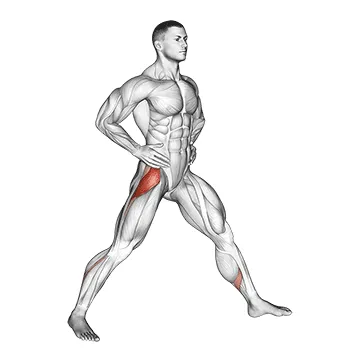
4. Crossover Reverse Lunge
69% match- Glutes
- Bodyweight
- Intermediate
- Compound
A looser match: it uses the same equipment, but it works the glutes rather than the abductors.
How to perform this exercise
- Stand with your feet shoulder width apart. This will be your starting position.
- Perform a rear lunge by stepping back with one foot and flexing the hips and front knee. As you do so, rotate your torso across the front leg.
- After a brief pause, return to the starting position and repeat on the other side, continuing in an alternating fashion.
Sets and reps: 3 or 4 sets of 6 to 10 reps on each side.
Why this matches
- Primary muscle: glutes, not abductors
- Equipment: bodyweight only, the same as the Side Hip Abduction
- Body position: standing, the same as the Side Hip Abduction
Progression
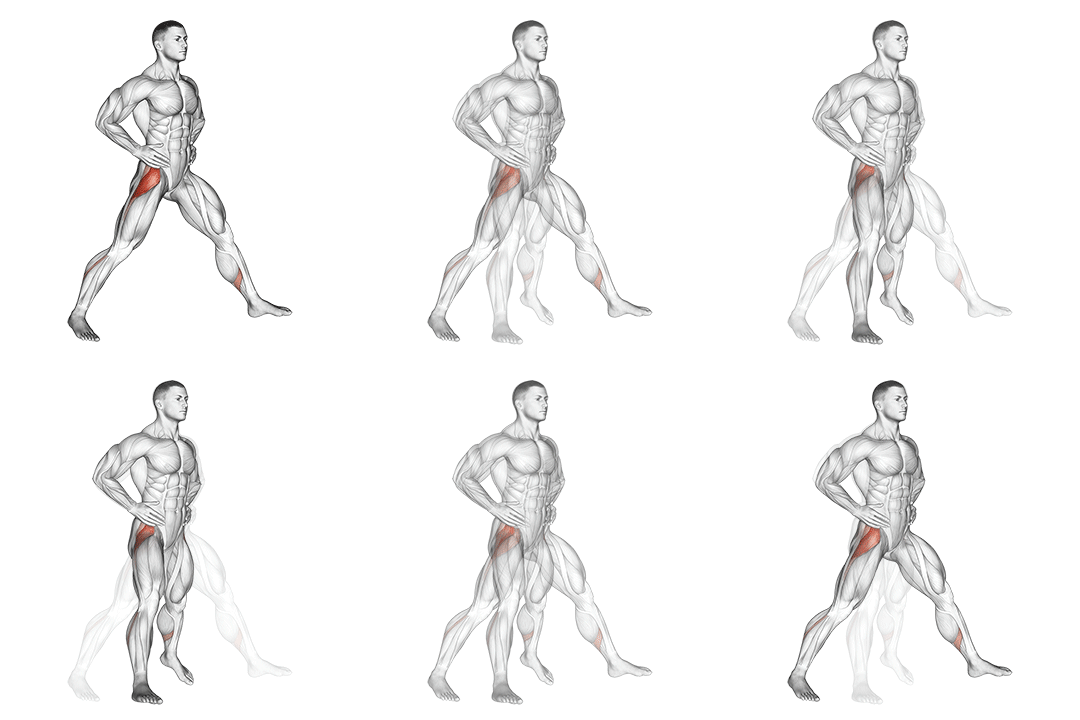
5. Monster Walk
68% match- Glutes
- Bodyweight
- Intermediate
- Compound
How to perform this exercise
- Place a resistance band around your ankles.
- Stand with your feet shoulder-width apart and slightly bend your knees.
- Take a step to the side with your right foot, maintaining tension on the resistance band.
- Follow with your left foot, stepping to the side to return to the starting position.
- Repeat for the desired number of repetitions, then switch sides.
Sets and reps: 3 or 4 sets of 6 to 10 reps on each side.
Why this matches
- Primary muscle: glutes, not abductors
- Equipment: bodyweight only, the same as the Side Hip Abduction
- Body position: standing, the same as the Side Hip Abduction
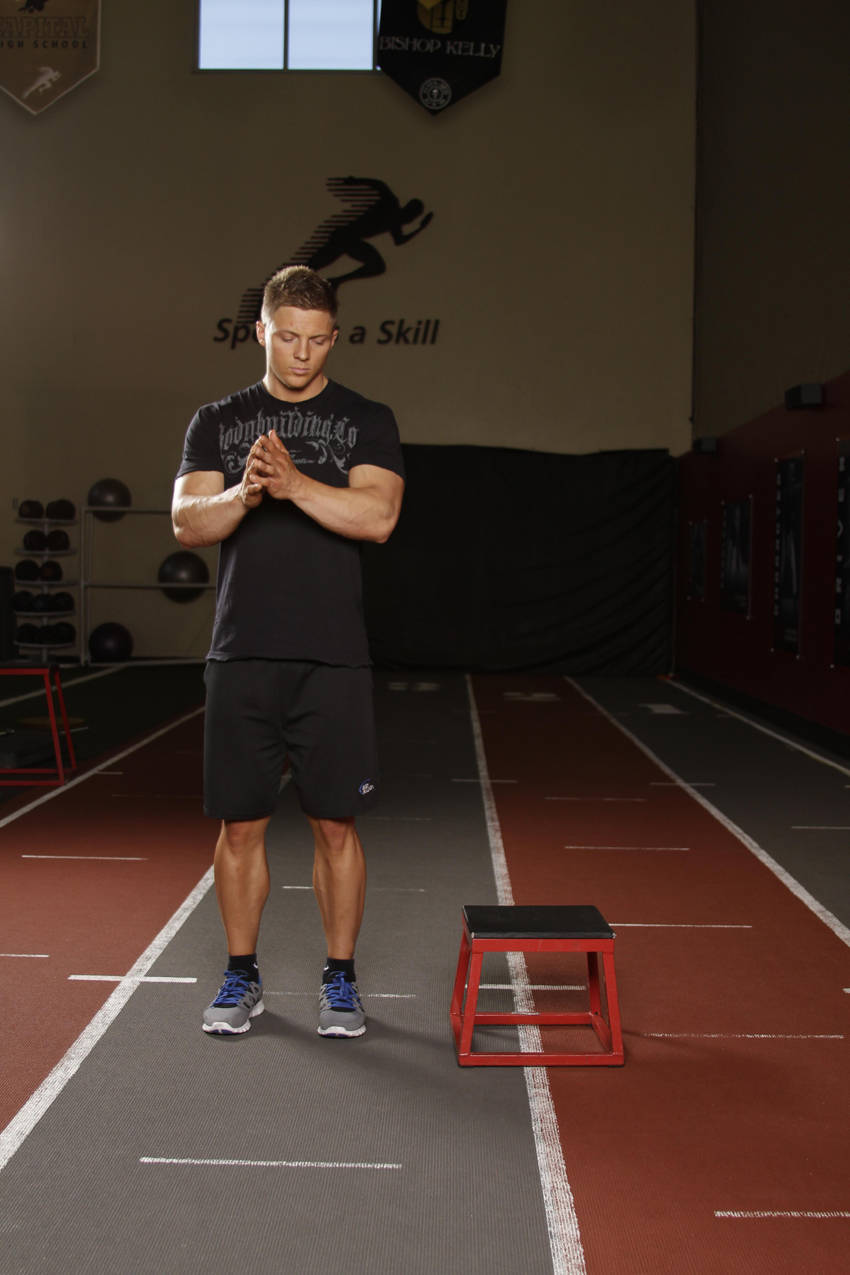
6. Lateral Box Jump
68% match- Adductors
- Other
- Advanced
- Compound
A looser match: it works the adductors rather than the abductors.
How to perform this exercise
- Assume a comfortable standing position, with a short box positioned next to you. This will be your starting position.
- Quickly dip into a quarter squat to initiate the stretch reflex, and immediately reverse direction to jump up and to the side.
- Bring your knees high enough to ensure your feet have good clearance over the box.
- Land on the center of the box, using your legs to absorb the impact.
- Carefully jump down to the other side of the box, and continue going back and forth for several repetitions.
Sets and reps: 3 or 4 sets of 6 to 10 reps.
Why this matches
- Primary muscle: adductors, not abductors
- Equipment: bodyweight only, the same as the Side Hip Abduction
- Body position: standing, the same as the Side Hip Abduction
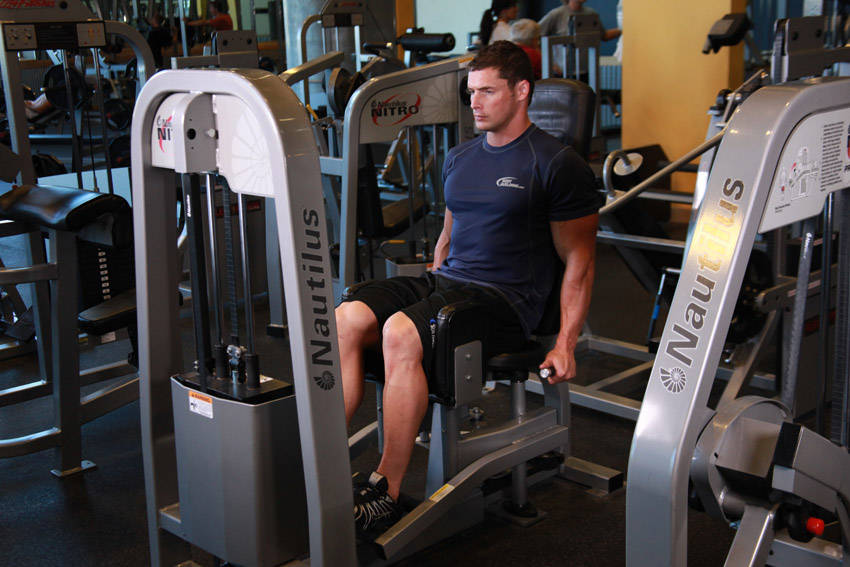
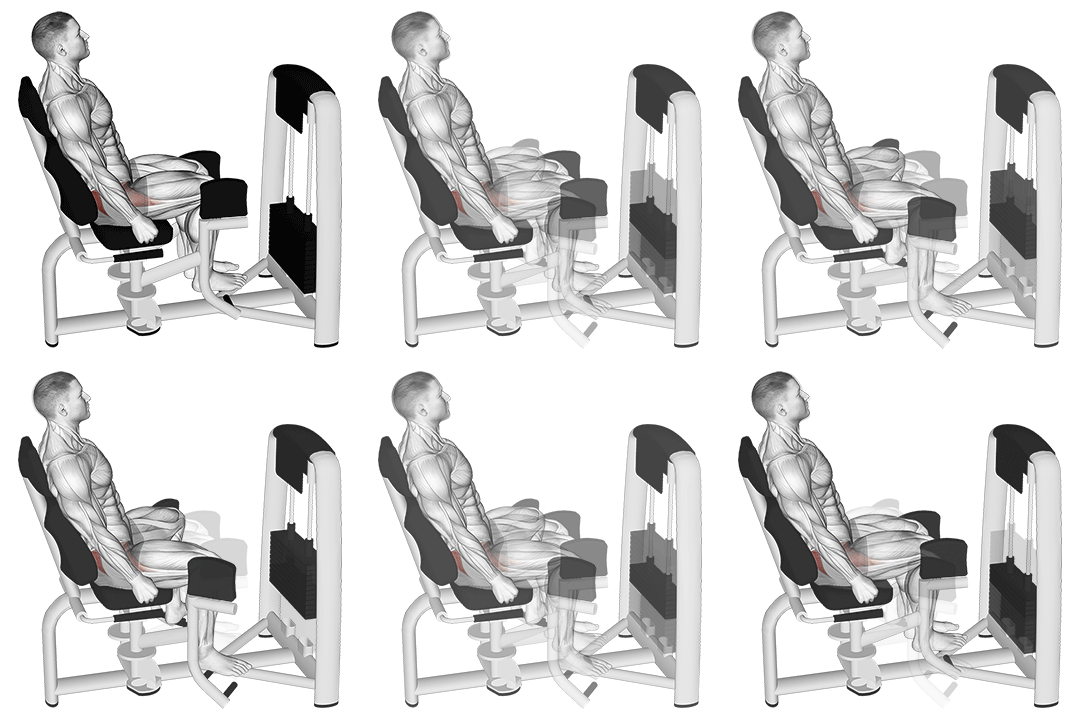
7. Thigh Abductor
68% match- Abductors
- Machine
- Beginner
- Isolation
A good swap when you have a machine to work with, and it still works the abductors.
How to perform this exercise
- To begin, sit down on the abductor machine and select a weight you are comfortable with. When your legs are positioned properly, grip the handles on each side. Your entire upper body (from the waist up) should be stationary. This is the starting position.
- Slowly press against the machine with your legs to move them away from each other while exhaling.
- Feel the contraction for a second and begin to move your legs back to the starting position while breathing in. Note: Remember to keep your upper body stationary to prevent any injuries from occurring.
- Repeat for the recommended amount of repetitions.
Sets and reps: 3 sets of 10 to 15 reps.
Why this matches
- Primary muscle: abductors, the same as the Side Hip Abduction
- Equipment: a machine, not bodyweight only
- Body position: seated, not standing
- Balance: easier to stay steady on than the Side Hip Abduction
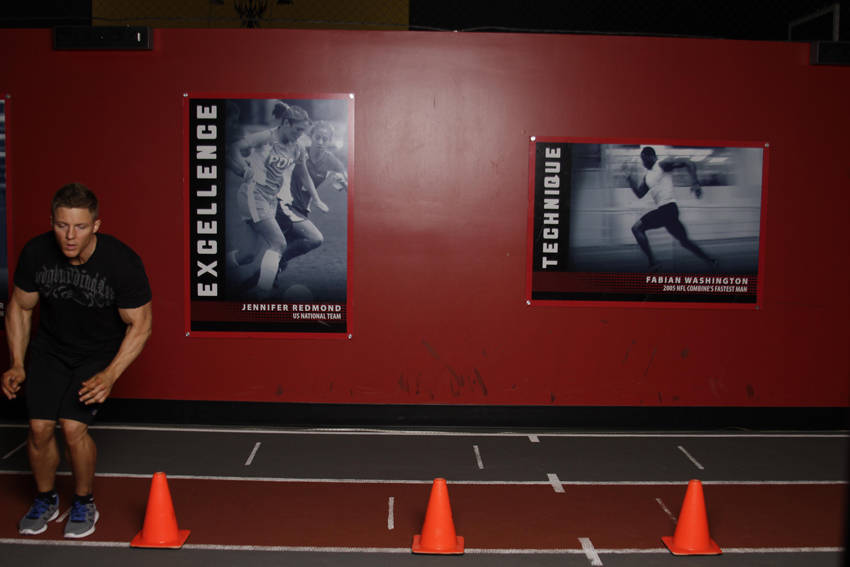
8. Lateral Cone Hops
68% match- Adductors
- Other
- Intermediate
- Compound
How to perform this exercise
- Position a number of cones in a row several feet apart.
- Stand next to the end of the cones, facing 90 degrees to the direction of travel. This will be your starting position.
- Begin the jump by dipping with the knees to initiate a stretch reflex, and immediately reverse direction to push off the ground, jumping up and sideways over the cone.
- Use your legs to absorb impact upon landing, and rebound into the next jump, continuing down the row of cones.
Sets and reps: 3 or 4 sets of 6 to 10 reps on each side.
Why this matches
- Primary muscle: adductors, not abductors
- Equipment: bodyweight only, the same as the Side Hip Abduction
- Body position: standing, the same as the Side Hip Abduction
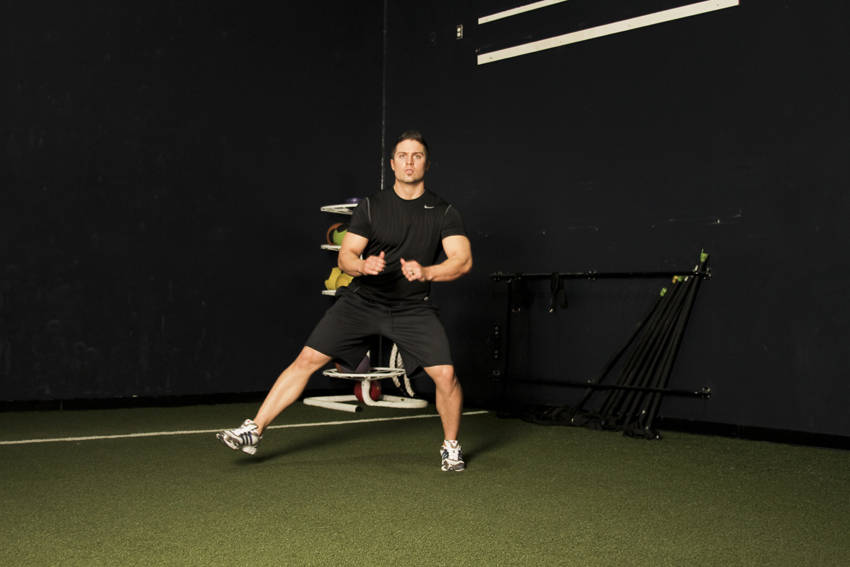
Progression
9. Lateral Bound
67% match- Adductors
- Bodyweight
- Advanced
- Compound
How to perform this exercise
- Assume a half squat position facing 90 degrees from your direction of travel. This will be your starting position.
- Allow your lead leg to do a countermovement inward as you shift your weight to the outside leg.
- Immediately push off and extend, attempting to bound to the side as far as possible.
- Upon landing, immediately push off in the opposite direction, returning to your original start position.
- Continue back and forth for several repetitions.
Sets and reps: 3 or 4 sets of 6 to 10 reps on each side.
Why this matches
- Primary muscle: adductors, not abductors
- Equipment: bodyweight only, the same as the Side Hip Abduction
- Body position: standing, the same as the Side Hip Abduction
Progression
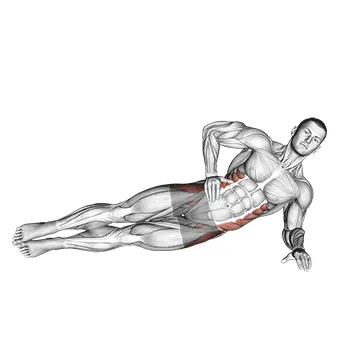
10. Side Plank Hip Adduction
66% match- Adductors
- Bodyweight
- Intermediate
- Compound
How to perform this exercise
- Start by lying on your side with your legs extended and stacked on top of each other.
- Prop yourself up on your forearm, keeping your elbow directly below your shoulder.
- Engage your core and lift your hips off the ground, creating a straight line from your head to your feet.
- While maintaining the side plank position, lift your top leg towards the ceiling, keeping it straight.
- Slowly lower your leg back down to the starting position.
- Repeat for the desired number of repetitions, then switch sides.
Sets and reps: 3 or 4 sets of 6 to 10 reps on each side.
Why this matches
- Primary muscle: adductors, not abductors
- Equipment: bodyweight only, the same as the Side Hip Abduction
Why You Might Need a Side Hip Abduction Alternative
You might substitute side hip abductions for several reasons: shoulder or neck pain during the lying position, lack of floor space or band access, a rehab protocol that limits repeat hip loading, or a goal to progress toward heavier, functional patterns. Substitutes let you still load the gluteus medius and minimus, key frontal-plane stabilizers, while respecting pain and equipment limits. Use cues like maintaining neutral pelvis and slight external hip rotation to bias glute medius over the tensor fasciae latae. Choose progressive options (bands, single-leg versions) to increase eccentric demand and neuromuscular control when direct isolation isn’t possible.
Side Hip Abduction FAQ
What muscles does Side Hip Abduction work?
Side hip abduction primarily targets the gluteus medius and minimus, with secondary activation of the tensor fasciae latae and sartorius. Biomechanically it produces frontal-plane hip abduction and stabilizes the pelvis during single-leg stance; cue a level pelvis and initiate from the lateral hip to feel correct activation.
What is the best bodyweight alternative to Side Hip Abduction?
Banded lateral walks are the best bodyweight-style alternative because they load the abductors through a long range and challenge pelvic control. Cue a slight squat, tension the band around the knees or ankles, step laterally with controlled abduction, and feel the gluteus medius fire to resist hip adduction and internal rotation.
Can I build muscle without doing Side Hip Abduction?
Yes. You can build the abductors using progressive alternatives like single-leg RDLs, banded lateral walks, and weighted standing hip abductions to increase mechanical tension. Focus on increasing resistance, time under tension, and quality of eccentric control while keeping the pelvis level to ensure the glute medius receives the stimulus.
Find Alternatives for Any Exercise
Search the exercise database and filter the ranked substitutes by the equipment you own.
Similarity scores compare exercise metadata such as movement pattern, muscles, equipment and body position. They are not a safety rating or a check that you own the equipment. Learn about our methodology