

10 Best Weighted Pull Ups Alternatives for Limited Equipment
If you can’t do weighted pull-ups, use exercises that load the lats and mimic vertical-pulling biomechanics. Try weighted chin-ups, neutral-grip pull-ups, lat pulldowns, chest-supported rows, or inverted rows. Cue: initiate each rep by retracting the scapula and pulling the elbows down to the ribcage to maximize lat activation.
Original Exercise: Weighted Pull Ups
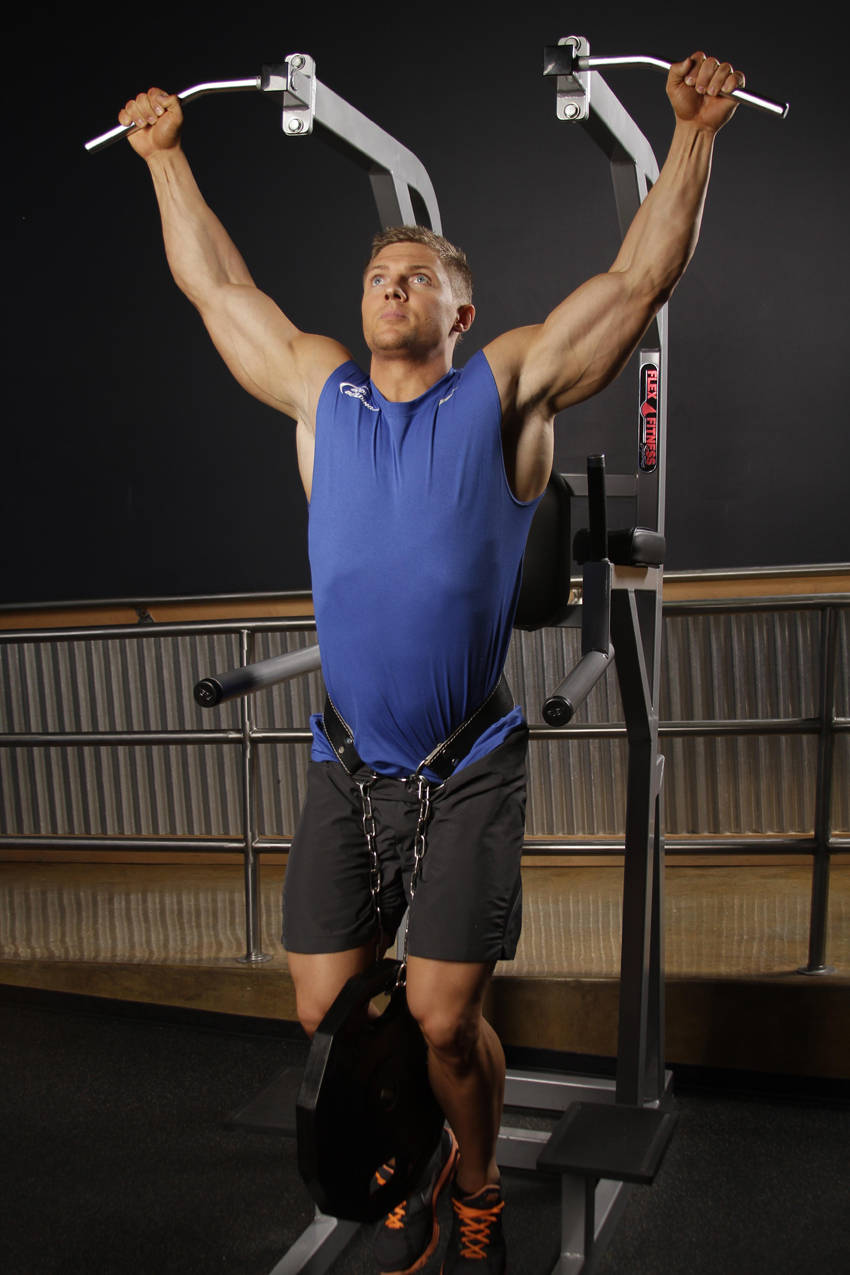
How to Perform Weighted Pull Ups
- Attach a weight to a dip belt and secure it around your waist. Grab the pull-up bar with the palms of your hands facing forward. For a medium grip, your hands should be spaced at shoulder width. Both arms should be extended in front of you holding the bar at the chosen grip.
- You'll want to bring your torso back about 30 degrees while creating a curvature in your lower back and sticking your chest out. This will be your starting position.
- Now, exhale and pull your torso up until your head is above your hands. Concentrate on squeezing yourshoulder blades back and down as you reach the top contracted position.
- After a brief moment at the top contracted position, inhale and slowly lower your torso back to the starting position with your arms extended and your lats fully stretched.
Pro Tips
- Category: Strength
- Force: Pull
- Movement type: Compound
Ranked Weighted Pull Ups Alternatives
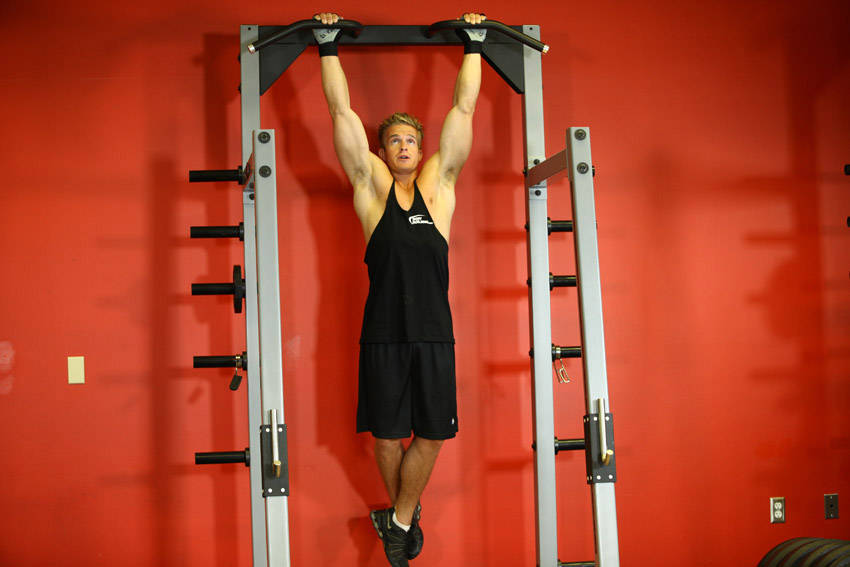
1. Rocky Pull-Ups/Pulldowns
99.9% MatchHow to perform this exercise
- Grab the pull-up bar with the palms facing forward using a wide grip.
- As you have both arms extended in front of you holding the bar at the chosen grip width, bring your torso back around 30 degrees or so while creating a curvature on your lower back and sticking your chest out. This is your starting position.
- Pull your torso up until the bar touches your upper chest by drawing the shoulders and the upper arms down and back. Exhale as you perform this portion of the movement. Tip: Concentrate on squeezing the back muscles once you reach the full contracted position. The upper torso should remain stationary as it moves through space and only the arms should move. The forearms should do no other work other than hold the bar.
- After a second on the contracted position, start to inhale and slowly lower your torso back to the starting position when your arms are fully extended and the lats are fully stretched.
- Now repeat the same movements as described above except this time your torso will remain straight as you go up and the bar will touch the back of the neck instead of the upper chest. Tip: Use the head to lean forward slightly as it will help you properly execute this portion of the exercise.
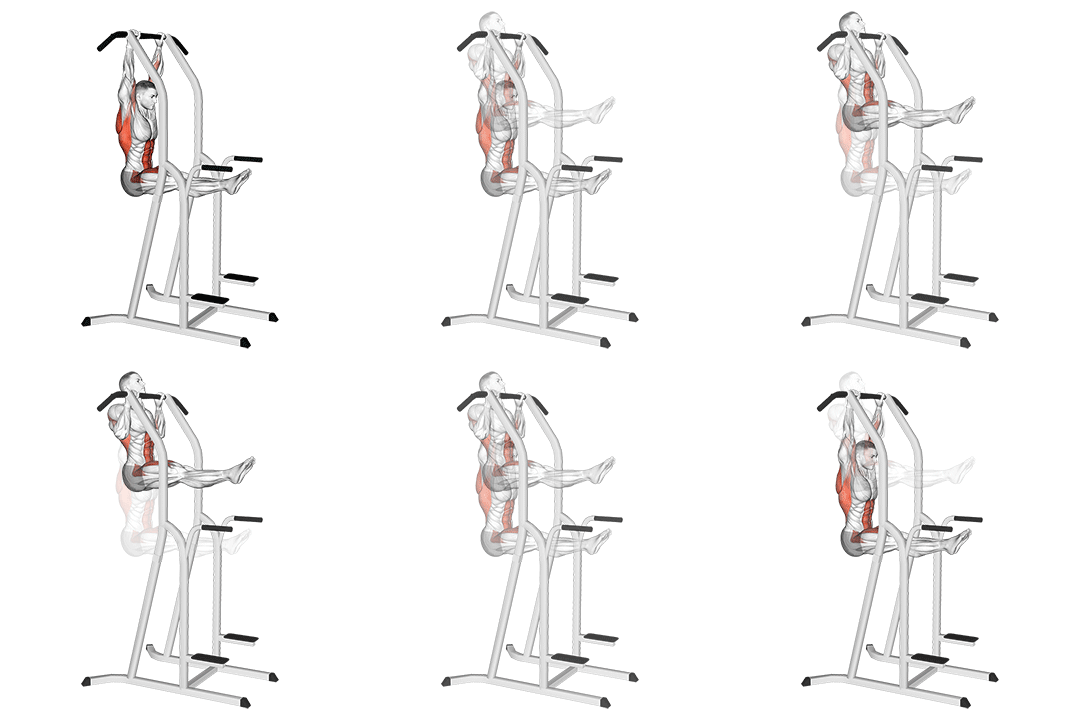
2. L-pull-up
99.4% MatchHow to perform this exercise
- Grab the pull-up bar with an overhand grip, slightly wider than shoulder-width apart.
- Hang with your arms fully extended and your body straight.
- Engage your lats and biceps to pull your body up towards the bar, keeping your elbows close to your body.
- Continue pulling until your chin is above the bar.
- Pause for a moment at the top, then slowly lower your body back down to the starting position.
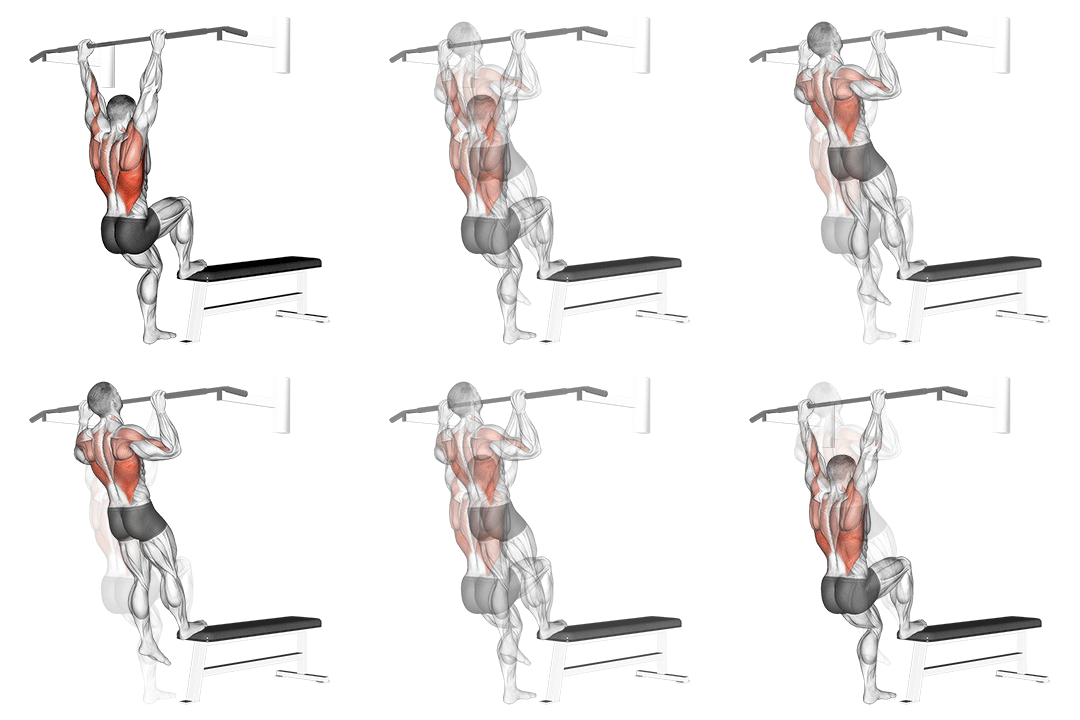
3. Bench Pull-ups
99.2% MatchHow to perform this exercise
- Position yourself under a bar or a sturdy horizontal surface that is at chest height.
- Grab the bar or surface with an overhand grip, slightly wider than shoulder-width apart.
- Hang with your arms fully extended and your body straight.
- Pull your chest towards the bar or surface by squeezing your shoulder blades together and bending your elbows.
- Continue pulling until your chin is above the bar or surface.
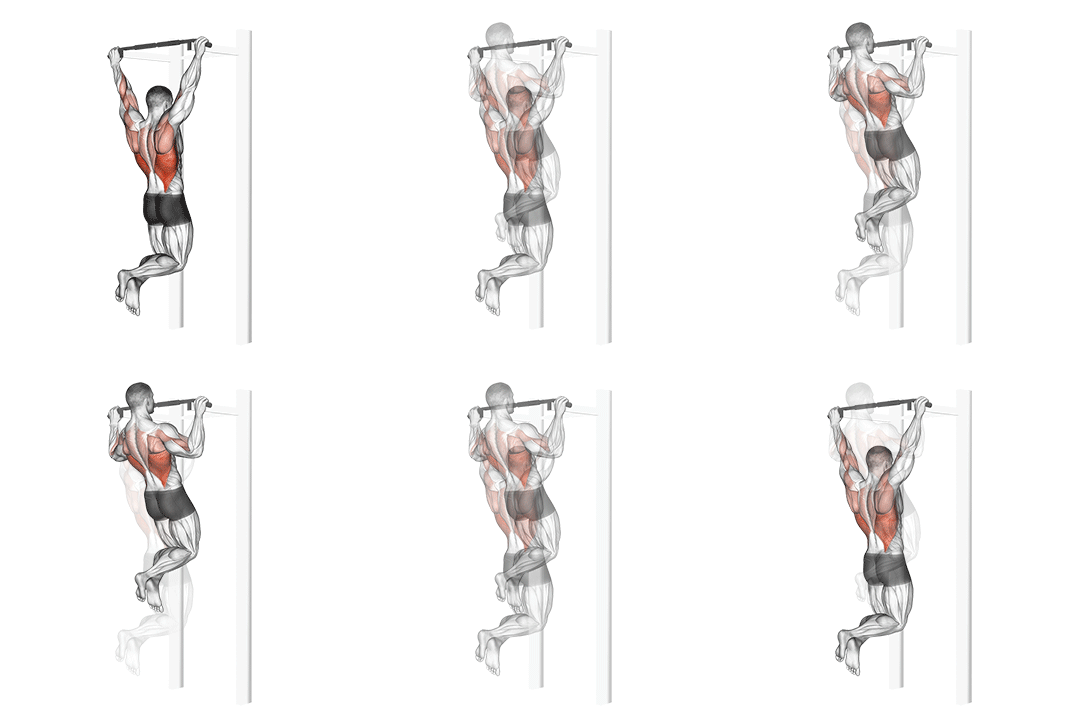
4. Pull-up
99.2% MatchHow to perform this exercise
- Hang from a pull-up bar with your palms facing away from you and your arms fully extended.
- Engage your core and squeeze your shoulder blades together.
- Pull your body up towards the bar by bending your elbows and bringing your chest towards the bar.
- Pause at the top of the movement, then slowly lower your body back down to the starting position.
- Repeat for the desired number of repetitions.
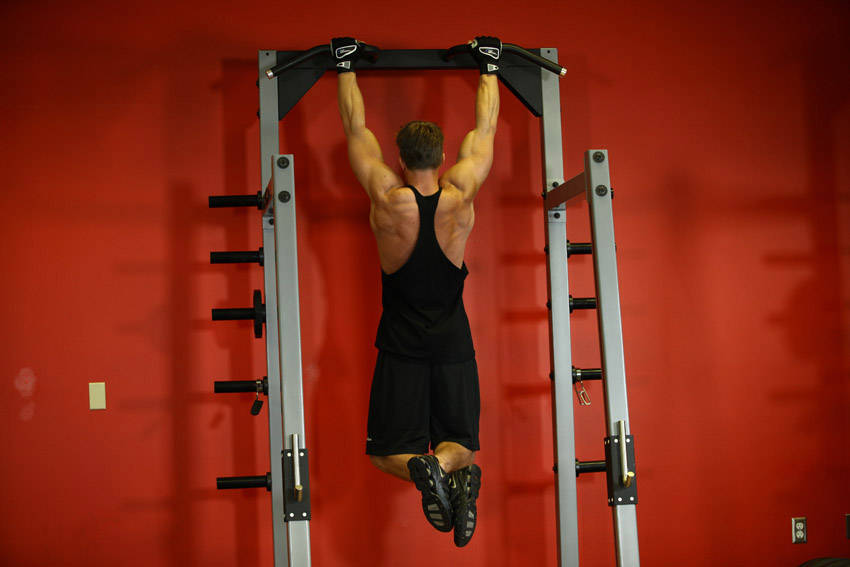
5. Pullups
99.2% MatchHow to perform this exercise
- Grab the pull-up bar with the palms facing forward using the prescribed grip. Note on grips: For a wide grip, your hands need to be spaced out at a distance wider than your shoulder width. For a medium grip, your hands need to be spaced out at a distance equal to your shoulder width and for a close grip at a distance smaller than your shoulder width.
- As you have both arms extended in front of you holding the bar at the chosen grip width, bring your torso back around 30 degrees or so while creating a curvature on your lower back and sticking your chest out. This is your starting position.
- Pull your torso up until the bar touches your upper chest by drawing the shoulders and the upper arms down and back. Exhale as you perform this portion of the movement. Tip: Concentrate on squeezing the back muscles once you reach the full contracted position. The upper torso should remain stationary as it moves through space and only the arms should move. The forearms should do no other work other than hold the bar.
- After a second on the contracted position, start to inhale and slowly lower your torso back to the starting position when your arms are fully extended and the lats are fully stretched.
- Repeat this motion for the prescribed amount of repetitions.
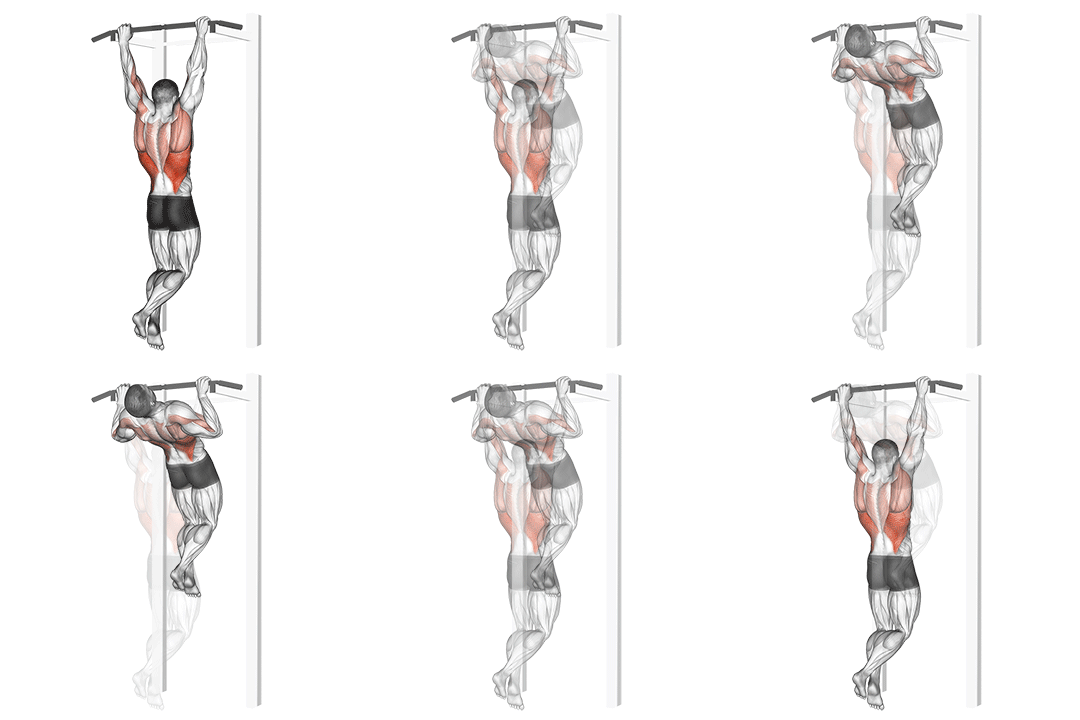
6. Rocky Pull-up Pulldown
99.2% MatchHow to perform this exercise
- Stand in front of a pull-up bar with your feet shoulder-width apart.
- Reach up and grab the bar with an overhand grip, slightly wider than shoulder-width apart.
- Hang from the bar with your arms fully extended and your body straight.
- Engage your back muscles and pull your body up towards the bar, leading with your chest.
- Pause for a moment at the top, then slowly lower your body back down to the starting position.
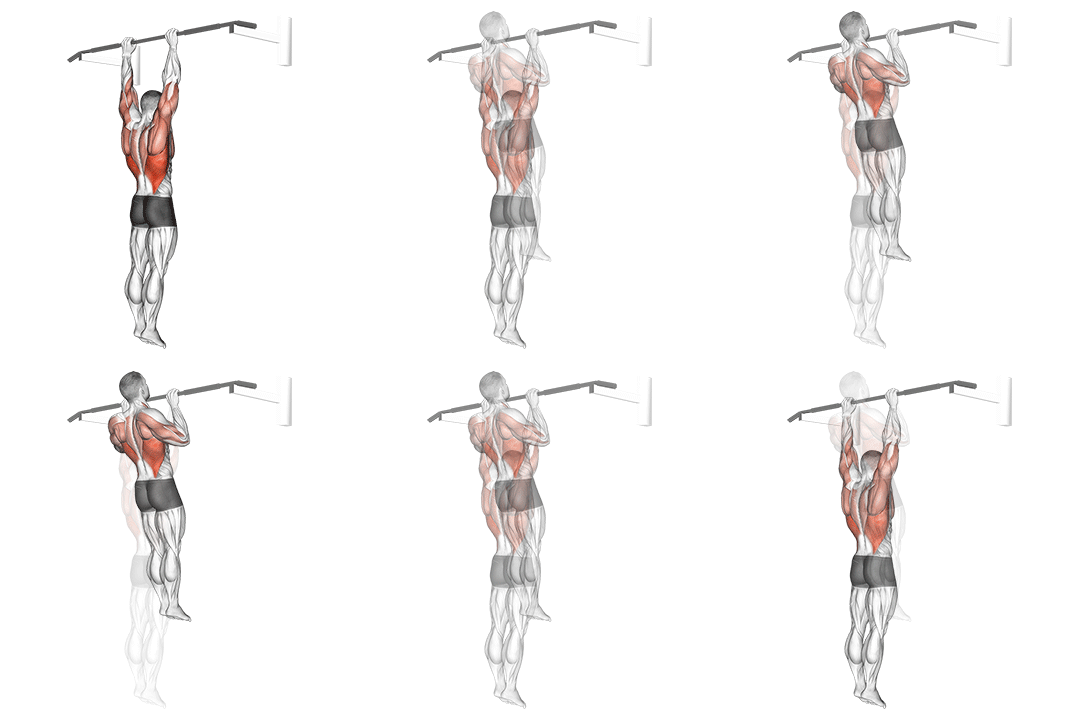
7. Shoulder Grip Pull-up
99.2% MatchHow to perform this exercise
- Grab the pull-up bar with a shoulder-width grip, palms facing away from you.
- Hang freely with your arms fully extended.
- Engage your back muscles and pull your body up towards the bar until your chin is above the bar.
- Pause for a moment at the top, then slowly lower your body back down to the starting position.
- Repeat for the desired number of repetitions.
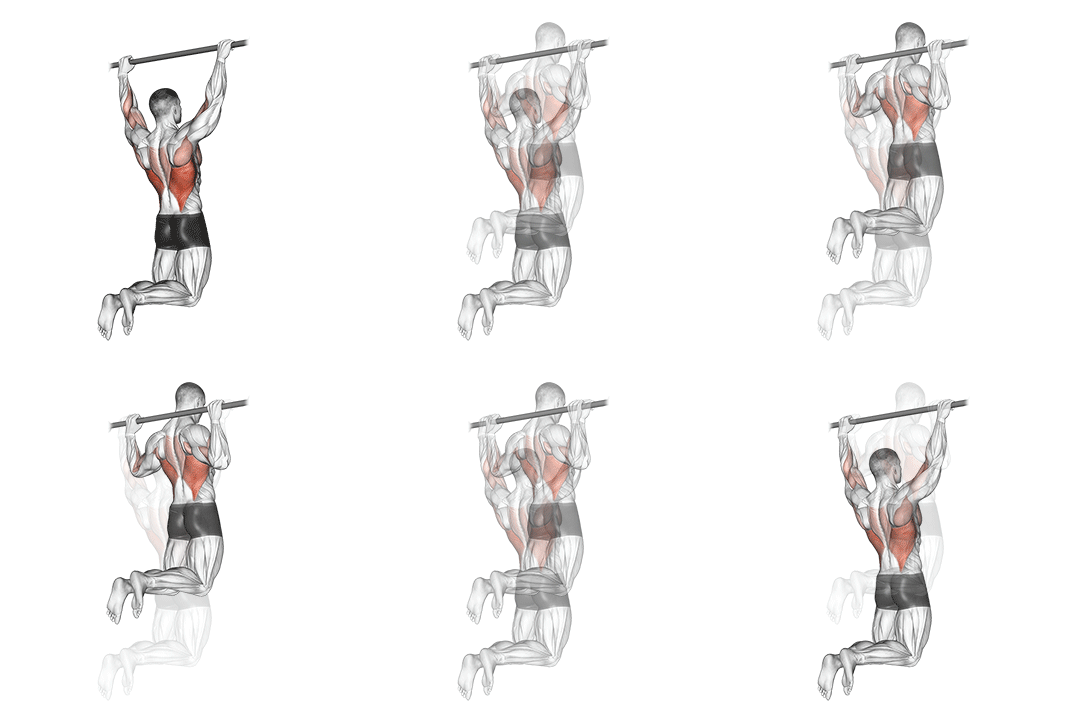
8. Rear Pull-up
98.4% MatchHow to perform this exercise
- Grab the pull-up bar with an overhand grip, slightly wider than shoulder-width apart.
- Hang from the bar with your arms fully extended and your body straight.
- Engage your back muscles and pull your body up towards the bar, keeping your elbows close to your body.
- Continue pulling until your chin is above the bar.
- Pause for a moment at the top, then slowly lower your body back down to the starting position.
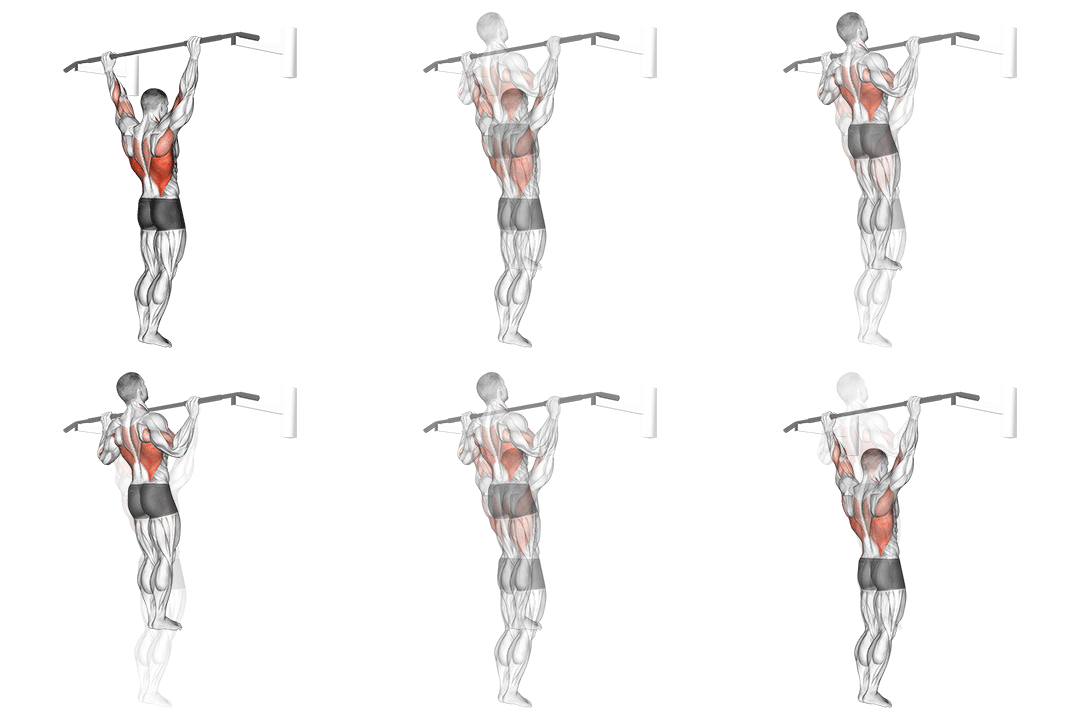
9. Wide Grip Pull-up
97.2% MatchHow to perform this exercise
- Hang from a pull-up bar with your palms facing away from you and your hands wider than shoulder-width apart.
- Engage your core and squeeze your shoulder blades together.
- Pull your body up towards the bar until your chin is above the bar.
- Lower your body back down to the starting position with control.
- Repeat for the desired number of repetitions.
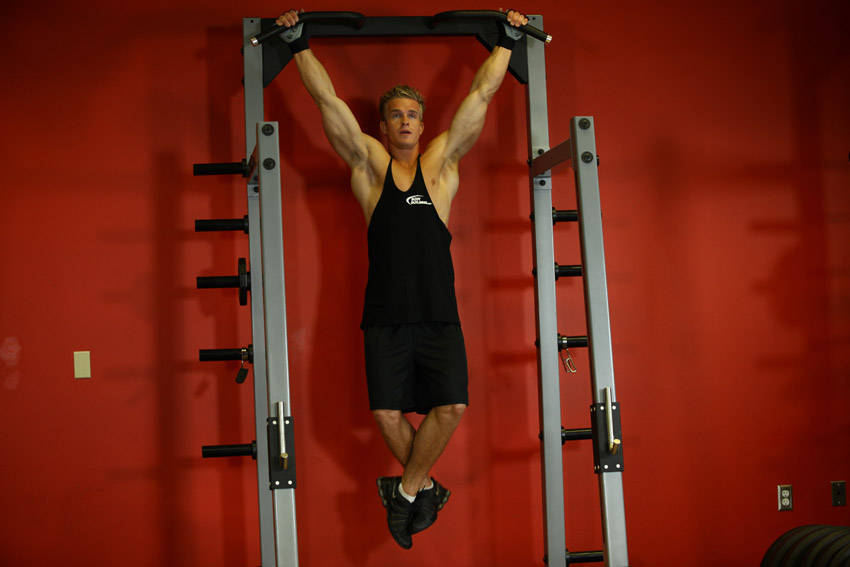
10. Wide-Grip Rear Pull-Up
97.2% MatchHow to perform this exercise
- Grab the pull-up bar with the palms facing forward using a wide grip.
- As you have both arms extended in front of you holding the bar, bring your torso forward and head so that there is an imaginary line from the pull-up bar to the back of your neck. This is your starting position.
- Pull your torso up until the bar is near the back of your neck. To do this, draw the shoulders and upper arms down and back while slightly leaning your head forward. Exhale as you perform this portion of the movement. Tip: Concentrate on squeezing the back muscles once you reach the full contracted position. The upper torso should remain stationary as it moves through space and only the arms should move. The forearms should do no other work other than hold the bar.
- After a second on the contracted position, start to inhale and slowly lower your torso back to the starting position when your arms are fully extended and the lats are fully stretched.
- Repeat this motion for the prescribed amount of repetitions.
Why You Might Need a Weighted Pull Ups Alternative
You may substitute weighted pull-ups for several reasons: lack of a dipping belt, shoulder pain, limited pulling strength, or training variety. Injuries often require reducing axial load or changing grip to relieve the rotator cuff; for example, neutral-grip pull-ups reduce external rotation stress. Equipment limits push you to machines or horizontal pulls that replicate lat lengthening and elbow extension under load. Choose alternatives that preserve the vertical-pull plane or provide progressive overload (eccentric emphasis or added weight) so you still target the latissimus dorsi and the scapular retractors effectively.
How to Choose the Right Substitute
Select a substitute based on your goal, available equipment, and injury history. For pure strength transfer, pick vertical-pull options (weighted chin-ups or lat pulldowns) and emphasize full shoulder extension and elbow flexion; cue: pull the elbows straight down and avoid shrugging. If you lack a bar, use chest-supported rows to reduce lumbar stress while targeting the lats, keep the chest firmly on the pad and retract the scapula before the pull. For rehab or lower load, use band-assisted or inverted rows and focus on controlled eccentrics to build tendon tolerance.
Frequently Asked Questions
What muscles does Weighted Pull Ups work?
Weighted pull-ups primarily target the latissimus dorsi while also stressing the teres major, biceps brachii, and the posterior deltoids. The scapular retractors and core stabilize the torso; cue: engage the lats first by depressing the scapula before elbow flexion.
What is the best bodyweight alternative to Weighted Pull Ups?
Inverted rows are the top bodyweight substitute because they keep the pulling pattern while allowing load manipulation via foot position. Cue: keep a straight plank line and pull the chest to the bar, initiating with scapular retraction to maximize lat engagement.
Can I build muscle without doing Weighted Pull Ups?
Yes. You can hypertrophy the lats using lat pulldowns, single-arm dumbbell rows, or high-volume inverted rows while applying progressive overload. Prioritize full range of motion and controlled eccentrics to stimulate muscle fiber recruitment.
More Exercise Alternatives
Find Alternatives for Any Exercise
Use the exercise substitution finder to compare ranked alternatives for your available equipment and training preference.
Try the Exercise Substitution Finder →