

In today’s fast-paced world, people crave convenience, and they want it now. This is one of the biggest reasons why meal replacement shakes have become a global hit. People don’t want to spend half an hour cooking up a meal when they can get approximately the same macros by mixing a powder in water, and it all takes less than a minute.
Let’s not forget. Convenience comes at a price.
Most commercial meal replacement shakes are loaded with artificial ingredients that can jeopardize your gut microbiome. An overreliance on these supplements can hamper your fitness goals in the long term.
However, you don’t have to give up shakes altogether. Swapping the highly processed meal replacement products with whole-food smoothies can help you reach your fitness goals. As a personal trainer with over seven years of experience, I have seen the power of these whole-food smoothies first-hand.
A 2020 review found that higher consumption of whole grains, fruits, nuts, and generally ‘healthier’ dietary patterns were associated with a lower risk of all-cause mortality, specifically from cardiovascular disease, cancer, and respiratory disease. (1)
In this article, I share five delicious all-natural smoothie recipes you cannot miss. Also, we will go over the advantages of switching from processed shakes to whole-food smoothies.
5 Best Whole Food Smoothie Recipes Rich in Nutrients and Fiber
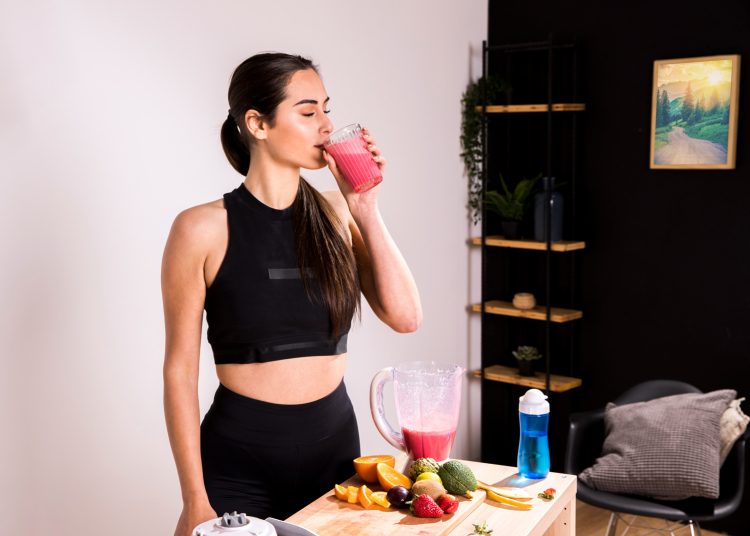
I love smoothies because most recipes are incredibly easy and take only a few minutes to prepare. These are especially great for people with packed schedules who cannot afford to prep a healthy breakfast each morning.
Besides the step-by-step instructions, I will also give you a few substitution ideas for each recipe so you can tweak them as per your taste.
With that out of the way, here are the most delicious whole-food smoothie recipes that you must add to your arsenal:
Recipe One: The Green Energizer
When most people think about a healthy smoothie, they imagine a thick green shake. This is exactly what this smoothie offers. This whole food meal replacement smoothie can give you a morning energy boost to tackle the day and can be a potent pre-workout drink that ensures you have enough energy to help you last through the training session.
Ingredients:
- 1 cup unsweetened almond milk
- 1 cup baby spinach
- 1/2 frozen banana
- 1/2 avocado
- 1 tbsp hemp seeds
- A squeeze of lemon juice
- Pinch of cinnamon
Instructions:
- Throw in all the ingredients in a high-powered blender.
- Blend until you have a smooth and creamy concoction.
- Before you pour it all out, taste the smoothie to check its sweetness.
- Adjust the sweetness by adding a bit of honey or maple syrup.
Substitutions:
- Base: Water, coconut water, plant-based yogurt
- Greens: Kale, Swiss chard
- Boosters: Flax seeds, chia seeds, plant-based protein powder
Pro Tip: Use frozen fruits or add a few ice cubes to get a thicker smoothie.
Recipe Two: Tropical Sunrise Boost
The great thing about these smoothies is their ingredients can be switched based on your most urgent goals. For instance, this whole-food shake is packed with vitamins and is excellent for boosting immunity.
Ingredients:
- 1 cup unsweetened coconut water
- 1 cup frozen mango chunks
- 1/2 cup frozen pineapple
- 1/2 cup fresh orange segments
- 1 tbsp shredded coconut
- Pinch of turmeric
Instructions:
- Add all the ingredients to a blender.
- Run the blender until you have a thick but smooth shake.
- Pour the smoothie into a shaker bottle.
- Throw in a few mango slices for a taste boost.
Substitutions:
- Liquid: Orange juice, a mix of coconut water and water
- Fruit: Peaches, papaya, strawberries
- Topping: Granola, chopped nuts
Pro Tip: Make the whole food smoothies more presentable with seed or mint leaf garnishes.
Recipe Three: Creamy Berry Blast
I prefer this smoothie as a post-workout meal. Many of my clients have adopted this approach, too. The creamy texture of this smoothie makes you feel satiated. It is also a great choice when you encounter cravings during a calorie deficit. Berries are packed with antioxidants, which help remove free radicals from your system and kickstart recovery.
Ingredients:
- 1 cup unsweetened plant-based yogurt (almond, soy, etc.)
- 1 cup mixed frozen berries (blueberries, raspberries, strawberries)
- 1 tbsp nut butter (almond, peanut, cashew)
- 1 tsp ground flaxseed
- 1/2 frozen banana (optional for extra sweetness)
Instructions:
- Combine all the ingredients in a blender.
- Blend until you have a thick and creamy texture.
- Top it up with chopped nuts to add a crunch.
Substitutions:
- Yogurt: Milk with a squeeze of lemon for a slight tang
- Berries: Any single type or a combination
- Nut Butter: Sunflower seed butter
Recipe Four: Nutty Chocolate Power
This is another post-workout whole-food smoothie option. Although the chocolate flavor of this smoothie comes from cocoa powder, you could also add plant-based protein powder or chocolate-flavored peanut butter to the mix.
Ingredients:
- 1 cup plant-based milk
- 1 frozen banana
- 2 tbsp unsweetened cocoa powder
- 2 tbsp peanut butter
- 1/4 cup rolled oats
- Pinch of salt
Instructions:
- Pour all the ingredients into a blender.
- Turn it on until you have a smooth and creamy smoothie.
- Adjust the sweetness based on your preferences.
Substitutions:
- Nut butter: Almond butter, cashew butter, sunflower seed butter
- Chocolate: Cacao nibs or a drizzle of honey for less sweetness
- Boosters: Scoop of plant-based protein powder
Recipe Five: The Beet & Berry Balance
I switch to this smoothie when I am bored of the chocolate or vanilla protein shakes. The beets and berries give it a unique flavor, and it is packed with fiber and antioxidants.
Ingredients:
- 1 cup coconut water
- 1/2 cup cooked beets (pre-cooked or roasted yourself)
- 1 cup frozen mixed berries (blueberries, raspberries, strawberries)
- 1 tablespoon chia seeds
- 1/2 inch piece of fresh ginger, peeled
- Squeeze of lime juice
Instructions:
- Process together in a high-powered blender until smooth and creamy.
- Adjust the sweetness based on your liking.
Substitutions:
- Beets: Cooked sweet potato or carrot
- Coconut water: Plain water, orange juice
- Ginger: Pinch of ground ginger
Problems with Meal Replacement Shakes
To be honest, meal replacement shakes have many things working in their favor. Most powders are delicious, take less than a minute to prepare, and can help lose weight (2). However, there is a dark side to them that your supplement dealer will never tell you about.
Here are the cons of using meal replacement shakes:
Artificial Ingredients
Most meal replacement supps are loaded with additives, which help jack up their quantity and improve their texture, smell, and shelf life. Make no mistake; these ingredients can have a negative impact on your gut health in the long term.
Missing Nutrients
While many meal replacement products contain the right amount of proteins, carbs, and fats, they rarely hit the mark when it comes to their vitamin, mineral, enzyme, and antioxidant content.
“Whole-food smoothies offer a significant nutritional advantage over meal replacement shakes. They provide a wider array of vitamins, minerals, and antioxidants from whole fruits and vegetables,” said Sarah Greenfield, a registered dietitian and certified nutritionist. “Plus, the fiber content promotes satiety and supports healthy digestion, qualities often missing in processed shakes.
Low-Fiber Content
Fiber is one of the most important but overlooked ingredients in a meal replacement supplement. It improves your digestion so that you absorb more of the meal’s nutrients, keeps you feeling full for longer, and boosts good gut bacteria.
A lack of fiber in a meal not only leads to suboptimal digestion and nutrition absorption but it also leads to cravings, blood sugar spikes, and long-term digestive issues.
Sugar and Sweeteners
Nutrition companies add a hefty amount of sugar to meal replacement supplements to make them taste delicious. However, it can spike blood sugar levels, hamper insulin sensitivity, boost cravings, and result in energy dips.
Some brands use artificial sweeteners in their products. While these ingredients might not add to your calorie count, they can sway your preferences. A review published in Current Nutrition Reports found that exposure to non-nutritive sweeteners might increase motivation for sweet foods. (3)
Whole Food Smoothies: The Superior Choice
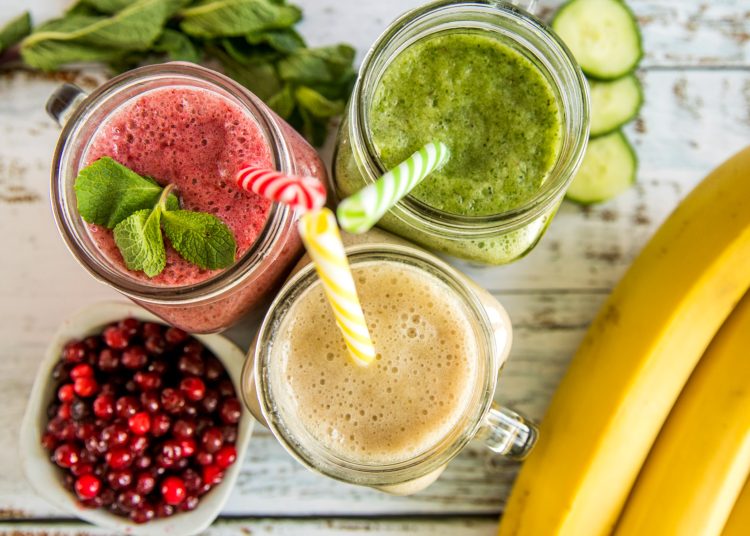
Here are the reasons why real food smoothies reign supreme:
Nutrient Powerhouse
Whole-food smoothies are made from a combination of fruits, vegetables, nuts, and seeds. These ingredients provide your body with all the essential micro and macronutrients to boost recovery and immunity and promote overall well-being.
“Relying on meal replacement shakes can lead to a lack of dietary diversity and may contain artificial ingredients and added sugars. Whole food smoothies, with their variety of fresh ingredients, provide the body with a broader spectrum of nutrients, making them a more sustainable and healthy long-term choice,” said Dr. Emily Johnson, Naturopathic Physician.
Versatility
Once you buy a meal replacement supplement, you are stuck with the same flavor for a particular amount of time. You could add fruits or other additives to the mix, but the underlying taste will remain the same.
On the flip side, you can opt for a completely new whole-food smoothie recipe every day to keep things interesting. You could also alter the recipe for a particular goal. For example, you could add Greek yogurt or a plant-based protein powder to your post-workout shake or add a handful of fruits, garlic, ginger, and turmeric to boost immunity.
Satisfaction
Real foods offer a sense of fullness and satiety that powder supplements can never match. These can help combat overeating and keep you on track to achieving your fitness goals. You could also alter the portion sizes based on your daily calorie intake.
Remember, whole-food smoothies will not magically help you lose weight. They offer a convenient way to amp up your calorie intake, but you must ensure you stay below your daily calorie intake goal.
Conclusion
Packaged meal replacement shakes contain isolated nutrients and have questionable ingredient lists. On the flip side, whole-food smoothies are packed with life-giving nutrients that are much better in terms of taste, nutrition, and lasting energy.
I highly recommend trying the five whole-food smoothie recipes listed in this article. Tweaking the recipes according to your taste is not only accepted but recommended.
If you have any questions about these whole-food smoothie recipes, let me know in the comments section below.
Read also:
- Forget Low-Fat Diets — Do High-Healthy-Fats for Hormonal Balance and Weight Management
- Forget Pre-Workout Supplements — Try Natural Energy Boosts with Matcha and Beetroot
- Forget Eating Before Workouts — Do Fasted Training for Increased Fat Oxidation
References:
- Boushey, C., Ard, J., Bazzano, L., Heymsfield, S., Mayer-Davis, E., Sabaté, J., Snetselaar, L., Van Horn, L., Schneeman, B., English, L. K., Bates, M., Callahan, E., Venkatramanan, S., Butera, G., Terry, N., & Obbagy, J. (2020). Dietary Patterns and All-Cause Mortality: A Systematic Review. USDA Nutrition Evidence Systematic Review.
- Min, J., Kim, S. Y., Shin, I. S., Park, Y. B., & Lim, Y. W. (2021). The Effect of Meal Replacement on Weight Loss According to Calorie-Restriction Type and Proportion of Energy Intake: A Systematic Review and Meta-Analysis of Randomized Controlled Trials. Journal of the Academy of Nutrition and Dietetics, 121(8), 1551–1564.e3. https://doi.org/10.1016/j.jand.2021.05.001
- Yunker, A. G., Patel, R., & Page, K. A. (2020). Effects of Non-nutritive Sweeteners on Sweet Taste Processing and Neuroendocrine Regulation of Eating Behavior. Current nutrition reports, 9(3), 278–289. https://doi.org/10.1007/s13668-020-00323-3