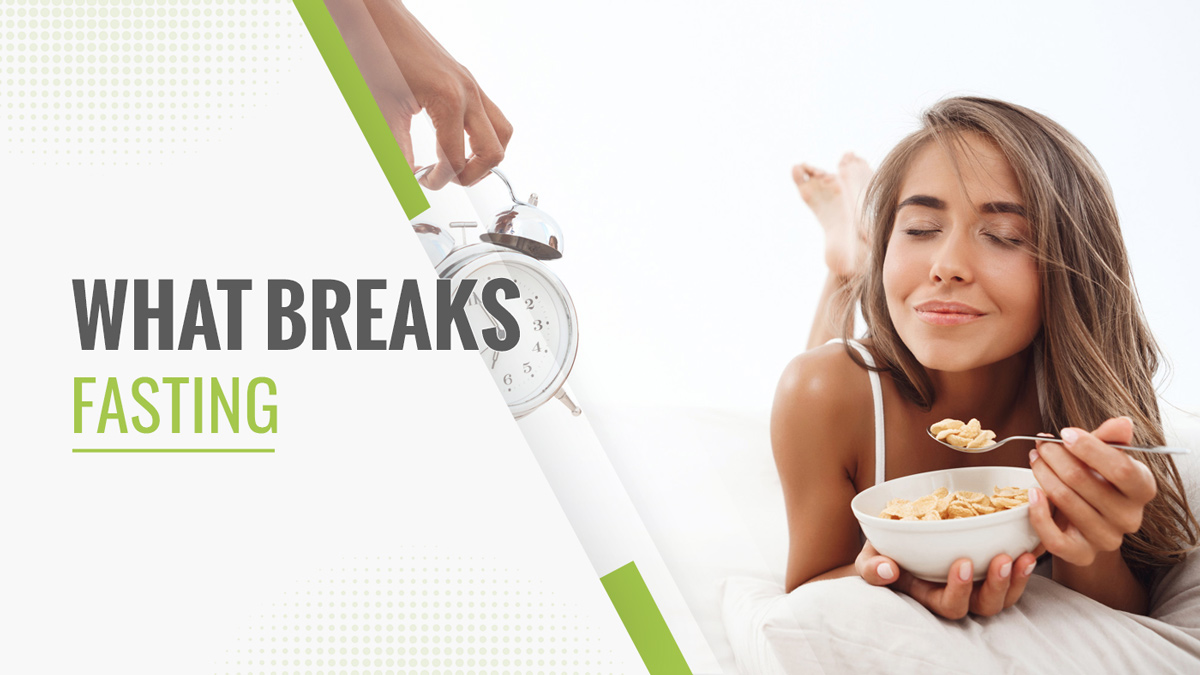
What Breaks My Fast?
Search 80+ foods, drinks, and supplements to see if they break your fast
Popular Searches
Quick Reference Chart
Common items at a glance - click any row for details
| Item | Weight Loss | Autophagy | Insulin |
|---|
Related Calculators
Frequently Asked Questions
Information is for educational purposes only. Effects may vary by individual. Consult a healthcare provider for personalized advice.
How to Use This Tool
Select your fasting goal first: weight loss, autophagy, or insulin control. The answer to “does this break my fast?” depends entirely on your objective. A splash of cream in your coffee may be fine for weight loss fasting but will interrupt autophagy. Use the search bar to look up any food, drink, or supplement from our database of 80+ items, or browse the quick reference chart below.
Each item is rated with a clear verdict for each fasting goal, along with an explanation of why it does or does not break your fast under that specific context.
Understanding What Breaks a Fast
The concept of “breaking a fast” is not black and white. It depends on which metabolic pathway you are trying to preserve. For weight loss, anything that contributes significant calories (generally over 50 kcal) will shift your body out of a fasted caloric deficit. For autophagy, even small amounts of protein or carbohydrates can activate mTOR and insulin, halting the cellular recycling process. For insulin control, anything that triggers an insulin response, including artificial sweeteners in some individuals, can be counterproductive.
Water, black coffee, plain tea, and electrolyte supplements without calories or sweeteners are generally considered safe across all fasting goals. The gray area includes items like bone broth (low calorie but contains amino acids), diet soda (zero calorie but may trigger insulin in some people), and supplements like BCAAs (calorie-free in label terms but metabolized as protein).
Key Takeaways
- Whether something “breaks your fast” depends on your goal. Always define your objective before judging a food or supplement.
- For weight loss fasting, staying under roughly 50 calories during your fasting window is a commonly used threshold.
- For autophagy, even calorie-free amino acids (like BCAAs) can activate mTOR and interrupt cellular cleanup.
- Artificial sweeteners are debated. Stevia and monk fruit appear to have minimal insulin impact, while sucralose and aspartame show mixed results in studies.
- When in doubt, stick to water, plain black coffee, and unflavored tea during your fasting window.
Frequently Asked Questions
Does black coffee break a fast?
No. Black coffee contains negligible calories (about 2-5 kcal per cup) and does not raise insulin significantly. It is considered safe for all three fasting goals. Adding sugar, cream, or flavored syrups, however, will break your fast.
Can I take vitamins or medications while fasting?
Most medications should be taken as prescribed regardless of fasting status. Consult your doctor before adjusting medication timing. Fat-soluble vitamins (A, D, E, K) are better absorbed with food, so take them during your eating window. Water-soluble vitamins and most minerals are fine to take while fasting.
Does gum break a fast?
Sugar-free gum contains 1-5 calories per piece and a small amount of sweetener. For weight loss, this is negligible. For strict autophagy fasting, the sweetener may cause a minor insulin response, though evidence is limited. Most fasting practitioners consider sugar-free gum acceptable.
Will bone broth break my fast?
Bone broth contains approximately 40-50 calories per cup along with amino acids and minerals. It will break a strict autophagy fast due to the protein content activating mTOR. For weight loss fasting, it is borderline. Many people use bone broth during extended fasts (48+ hours) as a practical compromise for electrolyte replenishment.
Do zero-calorie energy drinks break a fast?
Most zero-calorie energy drinks contain artificial sweeteners and amino acids. The caffeine itself does not break a fast, but added ingredients like BCAAs or sucralose may trigger an insulin response. Check the label and stick to options with only caffeine and carbonation if you want to play it safe.