

If you haven’t shifted gears to the lazy-man’s workout of showing up, chatting, and then convincing the young lads of your glory days like many after 40 then you still have the desire to build muscle.
But things change after 40. If you’ve been at it for 20-plus years then you’ve got some wisdom, mileage, and maybe a few questions as to how to move forward to not just maintain, but to gain. Here are five universal shifts to pay attention to if more muscle is on the to-do list.
1. Egos, attitudes, and authenticity

Throughout your teens, twenties, and maybe even your thirties, training is fueled a lot by our egos. We join our first gym and subconsciously use those around us for motivation.
Our egos get stroked since our gains come so quickly, and we see changes almost weekly. Comparison becomes a driver. Over time this attitude manifests itself into our persona as we continue to improve.
The shift:
At 40 and beyond we can no longer afford to use this comparison bias. A new 20-something will walk through the door every day ready to tackle the iron just like we did. Take a breath.
Tamp down the ego and be comfortable with who you are and what you’ve accomplished. Don’t be that 40-year-old dude bragging about how he used to be “the man,” the kids today suck, and go into monologues about all your hurt joints.
2. The governor of heavy duty
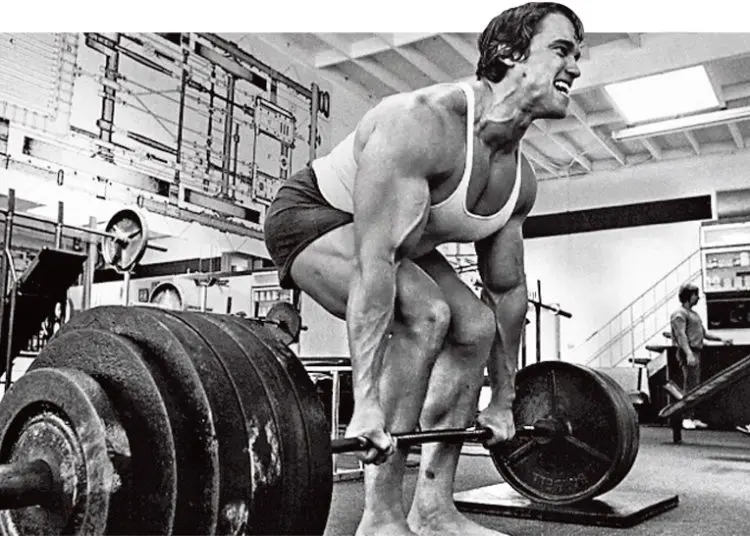
There are just as many training beliefs as there are conspiracy theorists. One that has stood the test of time is simply training heavy. Low reps, more weight, and long rest periods have been the go-to training method for everyone at some point in time if more muscle is the goal.
This belief is blindly followed by every new kid, athlete, aunt, and uncle wanting more muscle and strength. As this is partially true, there are other ways to get to your goal.
The shift:
In order to keep walking through those gym doors and blasting away every body part you’ll need a new strategy – one that will allow you to reap two rewards at once. Lighten the load. This will not only save your joints for years to come but will also force you to increase training volume and time under tension which will dramatically increase your potential to add new muscle. Now, I didn’t say go easy; I just said to lighten the load. Trust me, a 15-rep set of squats to failure is a completely different concept than a set of 6 reps.
3. Don’t be a stuntman
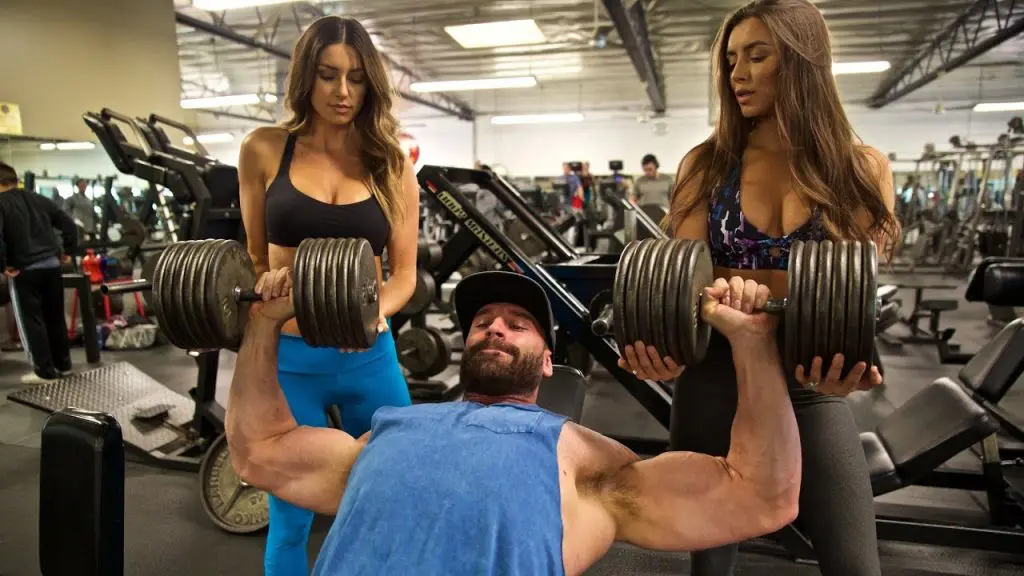
Functional training is one of the best things to happen to the fitness world in a very long time. It exposes us to the relationship all this lifting has to the real world. Lifting, pushing, pulling, carrying, etc., all have real-world application.
Plus, they not only strengthen a ton of our ancillary musculature but also make training more enjoyable. But there is a limit. Standing on a stability ball on one leg while swinging a kettlebell in one hand and taking a selfie with the other is not only ineffective but downright dangerous.
The shift:
Yes, try new things, research new ways to do the staple exercises, and never stop learning, but if you’re high-mileage like me then your shoulders don’t bend that way and the hex bar is now my back’s new best friend. Functional fitness has come a long way, but just like everything else the pendulum needs to come back closer to the center.
4. Chasing records
I often get asked, “How much can you curl?” Now, I’m no wunderkind, but my biceps grew early on from a lifetime of 15 sets of pull-ups three times per week. I’ve never been one to max out on anything since my goal was rather singular: to grow muscle.
I was never the kind to see how much I could bench or squat for a single rep. Nowadays it seems everyone is close to maxing-out from one look at their training. Always trying to get that extra rep or additional ten pounds on the bar.
The shift:
Along with governing the amount of weight you use and focusing more on feel, fatigue, and blood pump, the “necessity” for seeing how strong you are on a lift is counterproductive for two reasons.
One, it doesn’t matter in the grand scheme of things. Two, it only feeds (or destroys) your ego. If you lifted more weight this month compared to last month? Great. But, if you didn’t then that little nugget of disappointment will nestle itself in the back of your mind and eat away at your motivation. Simply drop the desire to be the biggest, strongest guy in the gym.
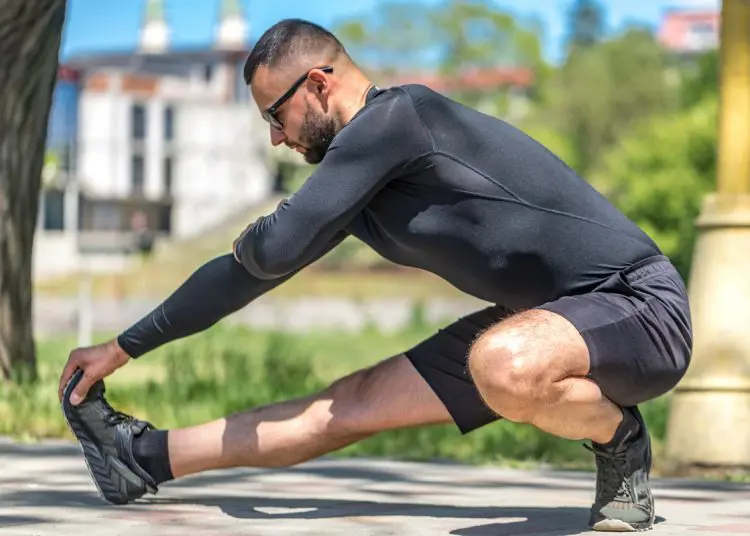
5. Time to loosen up
Mobility isn’t a sexy subject and it doesn’t pique the interests of those who want to just build mounds of muscle. At the same time, I don’t want to misdirect the over 40 crowd and just waste this space and tell you that stretching is more important as you get older. No, I want to stress that mobility is imperative to your success. I, for one, am a believer.
I’ve had a heck of a time in my thirties trying to perfect my squat form. My goal was to use a full ROM comfortably. Little did I know at the time that my hips were a wreck. After many years of neglect, they became a knotted-up bundle of tight cables.
Once I aggressively started to practice targeted mobility moves, my hips opened up and I was able to have better control, ROM, and, subsequently, better workouts.
The shift:
Take mobility seriously. Think of it as a catalyst for more progress with your workouts. It enables you to better feel, control, and train certain areas safely and effectively while building strength and stability in those areas.
Pay close attention to your hips and shoulders. Identify pain points and key areas in need of improvement and make it a daily habit.
Wrap Up
Training well into your 40s isn’t some passage requiring you to take your foot off the gas. Just drop the ego, go for fatigue and feel, ditch the circus moves, mature past records, and embrace mobility. Then you can start making new gains in muscle and continue refining your physique for years to come.