


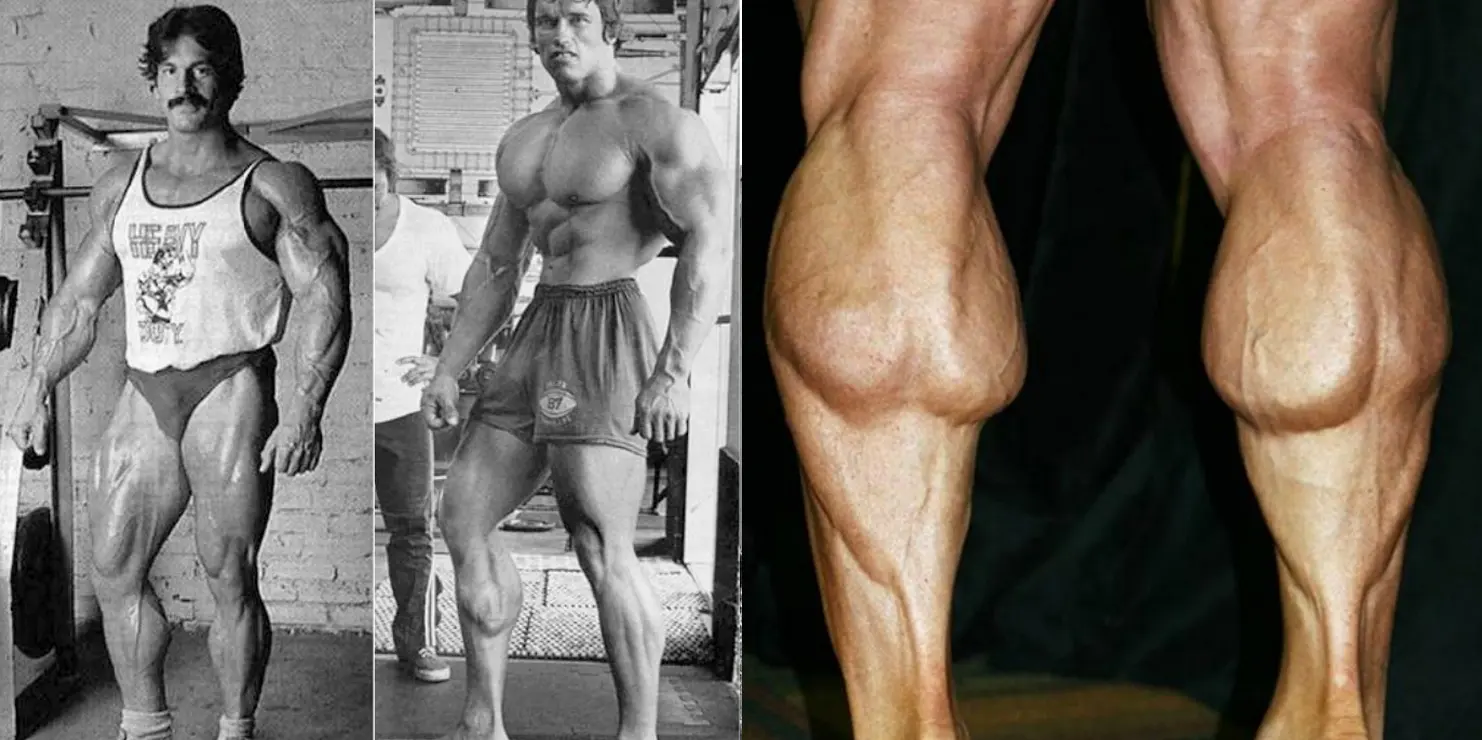
The calves are a touchy subject to discuss because the word “Chicken legs” comes to mind…
And many guys are self-conscious about their own calves, but that doesn’t necessarily mean you have to be a victim too.
Now, the calves are a really stubborn muscle to train effectively because of their tough connective tissue. But, thankfully, there’s hope in the form of some really effective calf exercises…
Of course, the list could go on but we thought 11 exercises were plenty. But, we want to go over the anatomy of the calves, followed by the benefits, and the “genetic factor” before we get to the chosen movements…
Calf Muscle Anatomy
The calf muscles consist of two parts. The Gastrocnemius is the largest part of the calf muscle composed of two heads. (1)
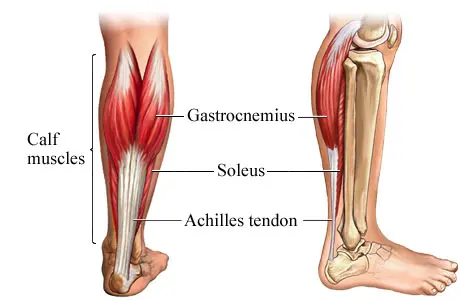
The Gastrocnemius is really what gives the lower legs their shape and size.
Then, the Soleus is the smaller of the two and actually lies beneath the Gastrocnemius. (1)
The calf muscles are composed of tough connective tissue and they merge into the Achilles tendon. But the actual function of these muscles is to pull the heel up during physical movements.
Benefits of Calf Training
Strong calves help us to walk, run, jump, etc. and a good pair of calves also does a lot for the appearance of your legs. But, what most people don’t know is that calf size is mostly genetic and not everyone can get them to grow as big as they want.
However, you can get them to grow bigger than what you’re currently working with…
The benefits of having bigger and stronger calves include:
- Improved aesthetics
- Reduced chances of an ankle injury
- Improved athletic performance
- Increased joint mobility and strength
So, there is a reason for you to finally train your calf muscles.
Calves and Genetics
So, how do I know if I have good calf genetics? It’s rather simple. Someone with a long calf muscle insertion relative to the Achilles tendon will have great calves and can get them to grow easily. (2)
But, if you have a short calf insertion relative to your Achilles tendon, well… you’ll have to accept this fate and train your calves while hoping for the best… (2)
1. Seated Calf Raise
The seated calf raise is one of the most popular calf exercises because it targets more of the soleus muscle; which lies beneath the gastrocnemius.
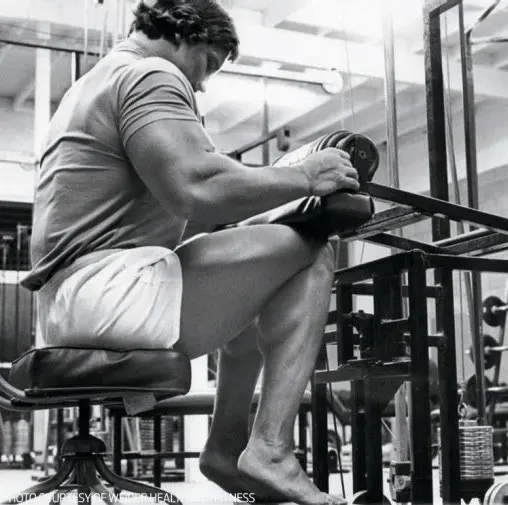
But, another benefit o the seated version is that you don’t have your upper body and quads to assist in the movement. Which means you can really isolate your calves and make them do all the heavy lifting.
For the exercise, you want to warm up your joints with progressive resistance since your calves are in a potentially vulnerable position with this movement.
Now, for the eccentric (Negative) portion of the exercise, avoid overstretching as this can be stressful on your joints and tendons. But, make sure to get a good contraction on the positive portion of the exercise.
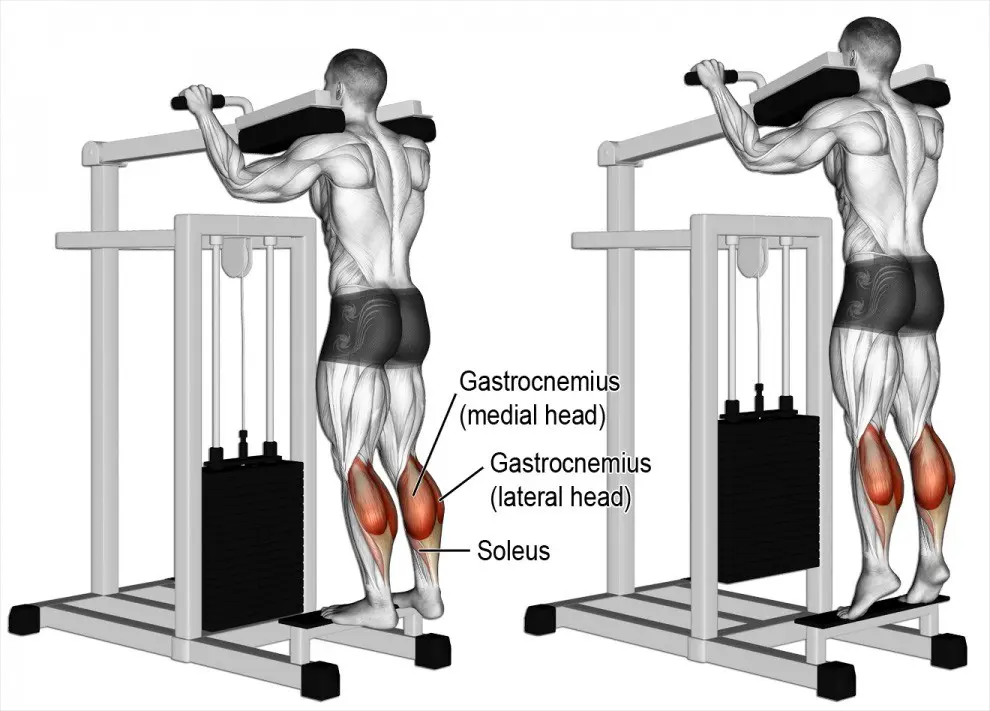
2. Double-Leg Standing Calf Raise
The standing calf raise is one of the best options for getting your calves to grow. But this is because training them in a standing position mimics functional human movement (Walking, jumping, running, etc).
For the exercise, you can use a standing calf raise machine or a barbell. But, since many fitness centers don’t have standing calf raise machines, you can load a heavy barbell and do the exercise on the floor with no elevated surface.
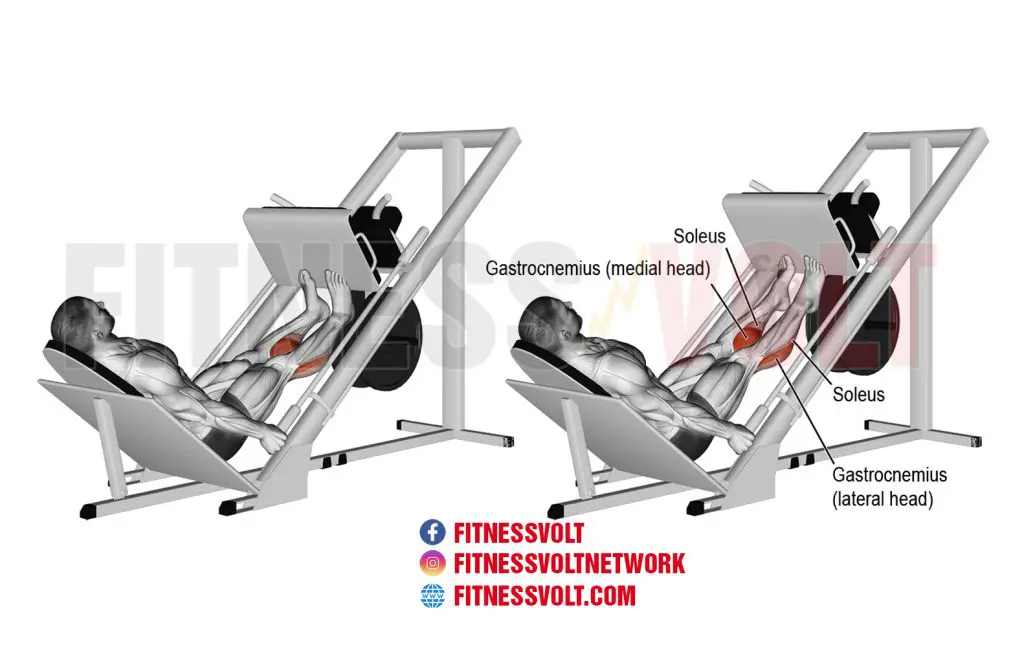
3. Leg Press Calf Raise
Using a leg press machine to work your calves is one of the best variations to any standing calf raise exercise.
But the biggest benefit perhaps is that you don’t have to worry about balance or stabilization. You’re in a fixed position and only have to focus on the actual movement. (3)
For the exercise, you want to place the top part of your foot on the lower part of the platform so the bottom part of your foot is hanging off.
Then, press your forefoot forward and flex your calves.
4. Single-Leg Standing Calf Raise
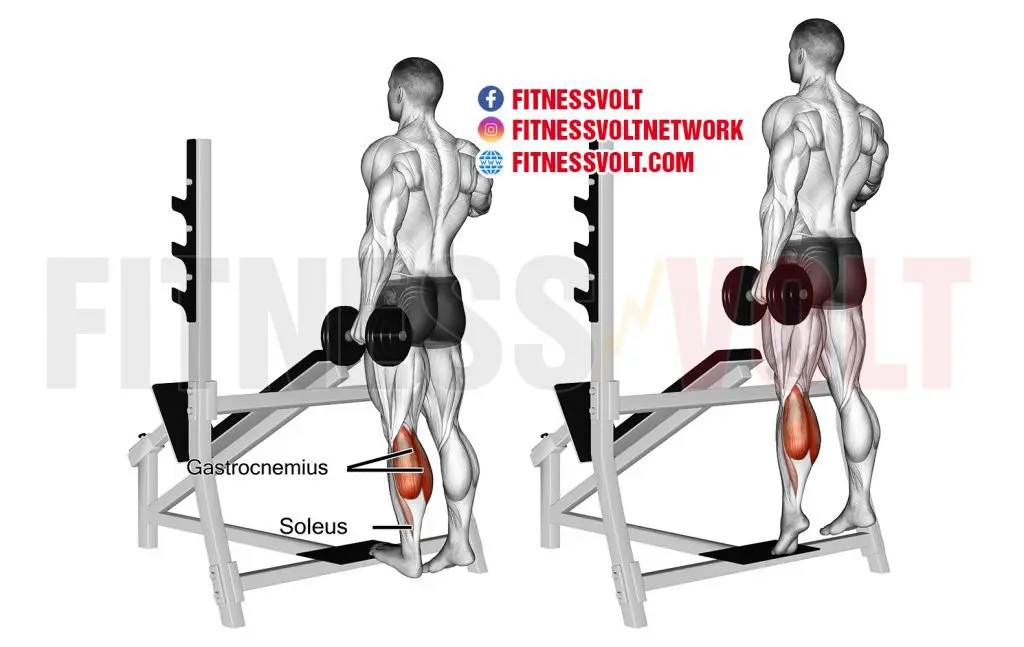
The benefits of the single-leg calf raise are that you develop stabilization, balance, unilateral function, and you can improve muscular imbalances. (4, 5)
For the exercise hold a dumbbell in the opposite hand of the calf you’ll be training. Then, you’ll want to step up onto a platform (Spotting platform on a bench station, doorstep, etc).
Then, you’ll hold onto something with the opposite hand and do the movement like you would a two-legged standing calf raise.
5. Smith Machine Calf Raise
Smith machine are great tools because they take the balancing act (Pun intended) out of the equation. Which means that there are little balance and stabilization required.
You’ll set up like you’re doing a squat with the bar set on your traps and then the movement is a pretty simple one like the variations.
For the exercise Use two weight plates to elevate your forefoot. Then bend your knees slightly, stick your butt out and perform the calf raise as you normally would.
6. Running
Ever notice how sprinters have jacked legs? Well, the high impact from sprinting breaks down muscle tissue and activates fast twitch muscle fibers. (6, 7, 8)
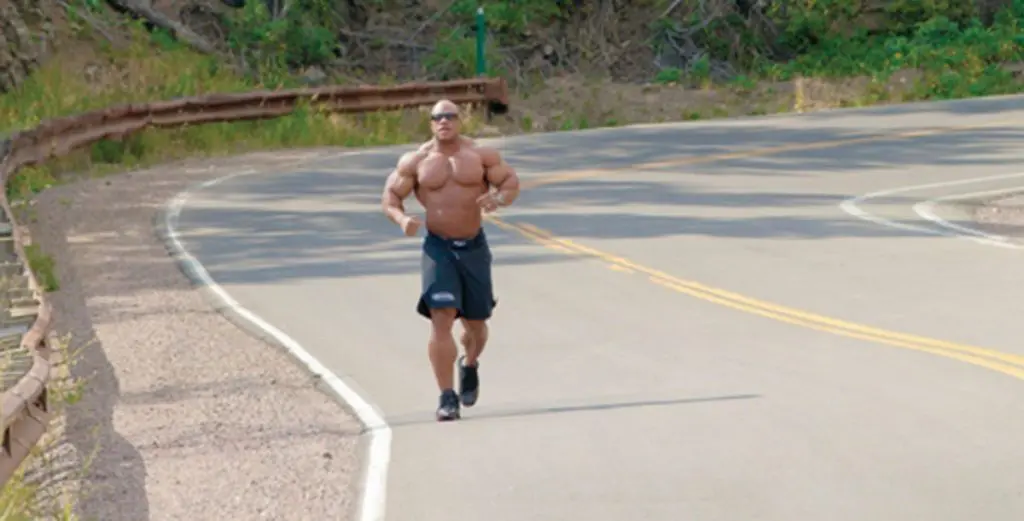
This promotes muscle hypertrophy and strength in the calves as well as the quadriceps, hamstrings, and glutes.
For the exercise, you want to make sure to warm up with some light jogging and moderate intensity running for at least 5-10 minutes. Then, you can jump into 15-second sprints before working up to 30-second sprints.
Note: Untrained sprinters can incur injuries if proper form is not learned and adhered to. Having proper sprinting technique is very important and if not adhered to, you can cause structural damage in your joints and tendons.
7. Tiptoes
Walking on your tiptoes places constant stress on the calf muscles. This promotes hypertrophy and actually strengthens your foot muscles.
You can either do this in shoes or barefoot but the latter is better for optimally utilizing your calf muscles.
For the exercise walk around on your tiptoes for sets of 3-5 minutes at a time. When you become more advanced, you can increase the time on your tiptoes.
8. Farmer’s Walk on Toes
The Farmers’ Walk is primarily used to improve static/grip strength, core strength, stability, and build the posterior chain muscles.
But since the calves are such a stubborn muscle, the more weight you can apply to them in a flexed position, the more likely they are to respond.
For the exercise plan a set distance and start with a light or moderate resistance load. Then, once you’re warmed up, really push yourself but don’t go so heavy to where it compromises your ability to walk for a set distance.
9. Climbing
Very few things will make your calves work as hard as the simple act of climbing. Whether it is a mountain, hill, stairway, or anything else you could think of.
And the reason being is you’re always on your tiptoes, which keeps the calves constantly working against progressive resistance.
10. Banded Resistance Calf Flexion
Bands are an incredible tool which is used by athletes, bodybuilders, and even regular gym goers because they’re simple, cheap and effective.
But they are also great for isometric holds, joint flexibility, while also reducing joint pain. (9)
For the exercise place the closed end of the band around your forefoot while holding the ends with both hands. Flex your calves and hold for a few seconds before bending your toes back to feel a stretch in your calves.
11. Squat Heel Raise
You can do a squat heel raise with your feet in a narrow or wide stance. This movement is ideal for when you don’t have access to training equipment.
The amount of stress placed on your calves is a big benefit of this exercise and it’s possible with a minor variation of your body position.
For the exercise squat down to parallel or slightly lower and lift both heels until they’re holding up your body weight. Do this for reps as you would any other calf raise exercise.
Training Frequency/ Resistance Loads
Since the calves are super stubborn you can work them every day. But the best method is to do 2-3 sets per day alternating a moderate and heavy day.
We walk on our calves all day long and it makes sense to stimulate them with even more resistance to convince them to get bigger and stronger.
Force Your Stubborn Calves Into New Growth
Don’t worry too much about overtraining your calves. They need a lot of Stimuli to actually grow and you can use these great exercises and methods to make that happen.
Now, it’s best to use a combination of exercises to provide a variety of stress to the muscle. But it’s a good idea to include both a sitting and standing version to isolate the Gastrocnemius and Soleus muscles.
But, remember to try different rep ranges too for maximum growth potential.



Who will write more in relation to you regarding these things!
I assure you, nobody! I liked the guide and suppose you have more such stuff?
If so, so please post it as it’s somewhat uncommon for me in the present moment, and not only for me personally, that is my own view.
I personally can come across an in-depth guide of yours and be conscious of all the information and the most recent data.
What a excellent post! I spend a couple of minutes on studying, and
I am so excited with the advice I obtained. It is actually tough
to find something valuable on this particular topic.
However, this author appears to be a genuine professional because there’s a unique
fashion in his writings. I’m likely to subscribe to his new
publications, not to skip anything. This informative article worths its reading.
When looking at calve development like that of the late Mike Mentzer and Arnold Schwarzenegger, you must remember that “their” calves as well as most professional bodybuilders look they do for two reasons. 1. Genetics. Not everyone will have the exact same calve development due to your genetic muscular predisposition. 2. Steroids. These guys have HUGE calves as well as other developed muscle groups because of the steroids they are consuming. So, to promote the paradigm that one will have calves just like theirs or any other professional bodybuilder (who is using drug enhancements) is a false notion. Yes, if you do these exercises, your muscles will grow but unless you want to start taking all the drugs they take, it’s a very strong likelihood that you will NEVER look like they do.