
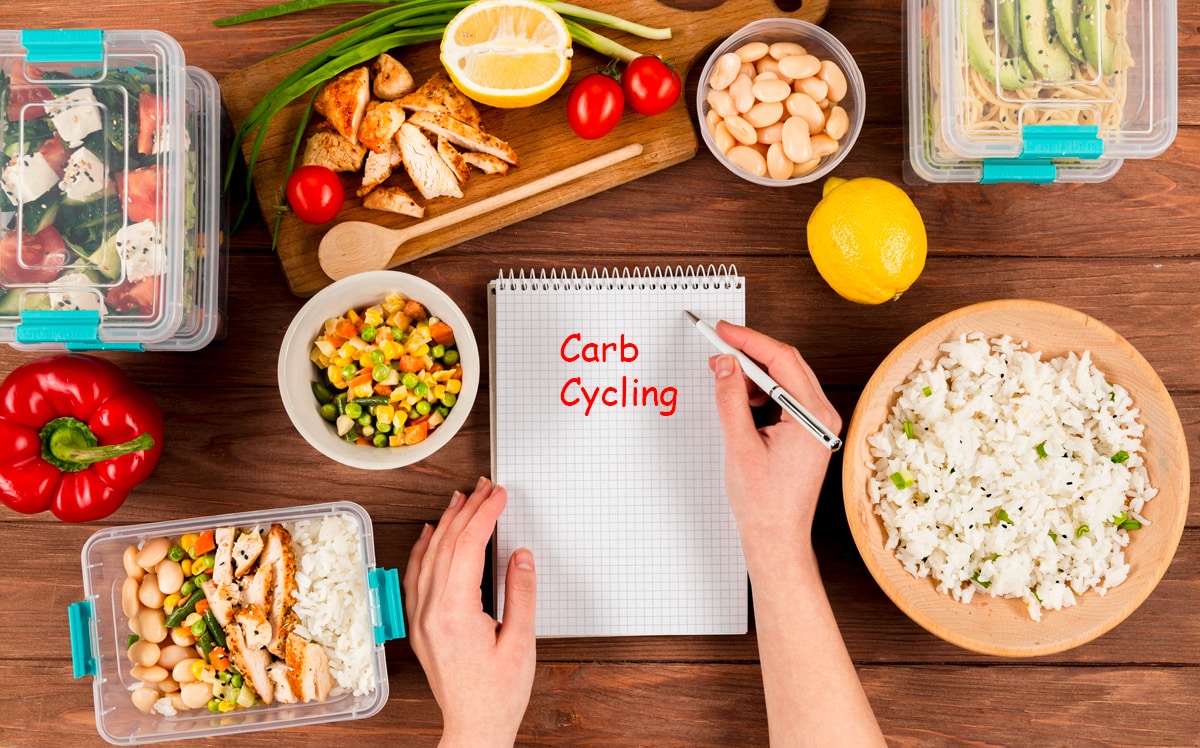
Carbohydrates are a divisive subject.
On the one hand, low-carb diets are great for fat burning and weight loss. Some of the most popular weight loss diets involve eating very little carbohydrate, often less than 50-100 grams a day. Science supports the value of low-carb diets for weight control and fat loss (1).
However, on the other hand, carbs provide the fuel your body needs for intense physical activity—namely glucose, which your body stores as glycogen. Glucose and glycogen are the preferred sources of energy during things like strength and interval training.
Low-carb diets, while useful for fat loss, can reduce training and sports performance, making your workouts not only harder but less effective (2). Not eating enough carbs can also interfere with recovery.
Needless to say, for many, these are significant drawbacks that could hurt your long-term progress.
Because of this, a lot of exercisers and athletes follow a high-carb diet when their training load is high or they’re trying to optimize performance. They then switch to a low-carb diet when they train less or want to lose fat.
While this approach can be effective, it’s not ideal for all people or scenarios. For example, if you want to lose fat without hurting your performance or gains, or maximize your performance without gaining fat.
The good news is that there is a way to “have your cake and eat it, too,” — carb cycling.
With carb cycling, you adjust your carbohydrate intake according to that day’s activity levels, consuming more on intense training days and less on easy or rest days.
In this article, I share a tried and tested three-day carb cycling protocol designed to optimize training performance while you burn fat and get lean.
How Carb Cycling Works
Whether you are trying to gain or lose weight, the number of kilocalories you consume is the most important consideration (3). Eat more kilocalories than you need, and your body will store any surplus as body fat. In contrast, consuming fewer kilocalories than you need, creating an energy deficit, and your body will make up the shortfall by burning body fat.
All that said, you can optimize fat burning and performance by manipulating where those calories come from, especially adjusting the amount of carbohydrate you consume.
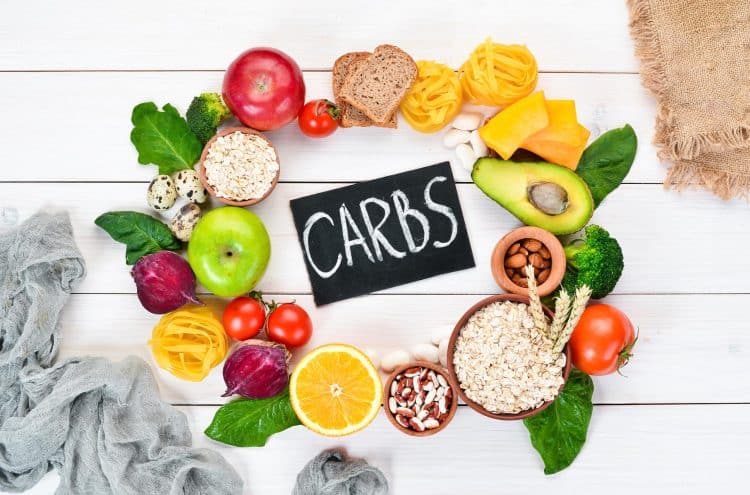
With carb cycling, this typically means eating more carbohydrates—bread, rice, pasta, potatoes, etc.—on training days, and less on the days you are less active.
Related: Carb Cycling Calculator: Supercharge Your Fat Loss
High-Carb Days: Fuel for Performance
Carbohydrates are your body’s preferred source of fuel for intense workouts. When you eat plenty of carbs, your muscles store more glycogen, which helps you train harder, lift heavier, and recover faster.
This is why endurance athletes and strength trainers often perform best when glycogen stores are topped up. Many even use high-carb supplements, such as glucose gels, to ward off fatigue.
However, there’s a trade-off.
High-carb days can also slow fat loss since your body will prioritize burning glucose for fuel instead of stored body fat. That’s why it makes sense to save these higher-carb intakes for your toughest training sessions when you’ll put that energy to good use.
Low-Carb Days: Leveraging Fat for Fuel
When you reduce your carb intake, your body has less glucose available and must rely more on fat for energy. This encourages greater fat burning, which can help accelerate fat and weight loss. Low-carb days may also improve insulin sensitivity, meaning your body becomes better at using carbohydrates when you reintroduce them on higher-carb days.
The downside is that with less glycogen available, intense training can feel tougher, and recovery may be slower. For this reason, low-carb days are best kept for those days when your energy demands are lower.
By alternating between high and low carb days, you provide your body with the energy it needs for training while maximizing fat burning on rest days. Essentially, carb cycling allows you to enjoy the benefits of two distinctly opposing dietary approaches.
Related: Rich Gaspari Says Carb Cycling is The ‘Most Effective’ Fat-Burning Method for Weight Loss
Three-Day Carb Cycling Protocol

Most carb-cycling plans alternate between high and low carb days. While this can work, in my experience, it may not be the best approach for all exercisers. That’s because most lifters have hard and easy training days, plus days when they don’t train at all.
For example, leg day truly deserves to be a high-carb day, as the energy cost is sky-high. Squats without carbs would be no one’s idea of fun. But core, shoulder, or arm workouts are much less demanding, so the need for carbs is reduced. You still need them, but not as much as for leg, chest, or back training days.
So, for this plan, you have high, medium, and low carb days to reflect high, moderate, and low volume/intensity training days.
Below are suggested macronutrient ratios based on my research and practical experience:
High-Carb Day:
- 45–55% carbohydrate
- 25–30% protein
- 20–25% fat
Use high-carb days when you train your biggest muscle groups or perform your hardest workouts. The extra carbohydrates will optimize glucose and glycogen levels to power you through your workouts, allowing you to train harder and recover faster.
Moderate-Carb Day:
- 30–40% carbohydrate
- 30–35% protein
- 30–35% fat
Moderate carb days are ideal when your training load is lighter—such as smaller muscle groups, accessory training, or moderate cardio. You’ll still have enough energy to train, but without exceeding your calorie needs.
Low-Carb Day:
- 10–15% carbohydrate
- 35–40% protein
- 45–50% fat
Low-carb days are for when activity levels are very low, such as walking, stretching, or mobility work. These days help promote fat burning while improving insulin sensitivity and maintaining muscle with a higher protein intake.
Example Workout Plan and 3-Day Carb Rotation

While you could just adjust your carb intake to your current training plan, here’s a program that matches your workouts to your diet.
Weekly Training Split:
| Monday | Tuesday | Wednesday | Thursday | Friday | Saturday | Sunday |
| Chest and Back | Arms | Recovery | Legs | Shoulders and Abs | Rest | Rest |
| High Carb | Medium Carb | Low Carb | High Carb | Medium Carb | Low Carb | Low Carb |
Workouts
This four-day workout plan ensures that each muscle group gets hit hard and heavy once per week. It’s based on the popular “bro split,” which is favored by bodybuilders and exercisers looking to build mass and strength.
Start each workout with a thorough warm-up comprising 5-10 minutes of light cardio followed by mobility and flexibility exercises for the body parts you’re about to train.
Feel free to make any necessary exercise substitutions based on your preferences and the equipment available. However, you should remain true to the spirit of the program, using very similar movements. For example, while it’s okay to swap squats for leg press, replacing the king of exercises with hip adductions or abductions is not!
Chest and Back
| Exercise | Sets | Reps | Recovery | |
| 1 | Incline dumbbell bench press | 3-4 | 6-10 | 60-90 seconds |
| 2 | Pull-up/chin-up | 3-4 | 6-10 | 60-90 seconds |
| 3 | Barbell bench press | 3-4 | 8-12 | 60-90 seconds |
| 4 | Single-arm row | 3-4 | 8-12 | 60-90 seconds |
| 5 | Cable crossover | 3-4 | 12-15 | 60-90 seconds |
| 6 | Trap bar shrug | 2-3 | 12-15 | 60-90 seconds |
| 7 | Dumbbell pullover | 2-3 | 10-12 | 60-90 seconds |
Arms
| Exercise | Sets | Reps | Recovery | |
| 1 | Barbell curl | 2-3 | 8-12 | 60-90 seconds |
| 2 | Barbell skull crusher | 2-3 | 8-12 | 60-90 seconds |
| 3 | Bayesian cable curl | 2-3 | 12-15 | 60-90 seconds |
| 4 | Triceps pushdown | 2-3 | 12-15 | 60-90 seconds |
| 5 | Hammer curl | 2-3 | 10-12 | 60-90 seconds |
| 6 | Triceps kickback | 2-3 | 10-12 | 60-90 seconds |
Legs
| Exercise | Sets | Reps | Recovery | |
| 1 | Barbell squat | 3-4 | 6-10 | 60-90 seconds |
| 2 | Leg extension | 2-3 | 10-12 | 60-90 seconds |
| 3 | Romanian deadlift | 3-4 | 6-10 | 60-90 seconds |
| 4 | Seated leg curl | 2-3 | 10-12 | 60-90 seconds |
| 5 | Alternating lunge | 2-3 | 12-15 | 60-90 seconds |
| 6 | Standing calf raise | 3-4 | 12-15 | 60-90 seconds |
| 7 | Seated calf raise | 2-3 | 12-15 | 60-90 seconds |

Shoulders and Abs
| Exercise | Sets | Reps | Recovery | |
| 1 | Military press | 3-4 | 6-10 | 60-90 seconds |
| 2 | Cable lateral raise | 3-4 | 10-12 | 60-90 seconds |
| 3 | Front plate raise | 2-3 | 10-12 | 60-90 seconds |
| 4 | Reverse cable fly | 2-3 | 10-12 | 60-90 seconds |
| 5 | Cable crunch | 3-4 | 12-15 | 60-90 seconds |
| 6 | Reverse crunch | 3-4 | 12-15 | 60-90 seconds |
| 7 | Pallof press | 3-4 | 12-15 | 60-90 seconds |
Sample 3-Day Carb Cycling Menu
Adjust quantities to match your requirements, i.e., body weight, activity levels, and training goals. You can also change protein, carbohydrate, and fat sources based on your preferences, e.g., replace animal proteins with your favorite plant-based protein source.
High-Carb Day (45–55% carbs / 25–30% protein / 20–25% fat)
Breakfast:
- Rolled oats with skim milk, banana slices, and a scoop of whey protein
- Coffee or green tea
Snack:
- Greek yogurt with honey and a handful of blueberries
Lunch:
- Grilled chicken breast
- Steamed jasmine rice
- Mixed vegetables (broccoli, carrots, snap peas)
- Olive oil drizzle
Snack (Pre-Workout):
- Two rice cakes topped with almond butter and a small apple
Dinner:
- Salmon fillet
- Sweet potato mash
- Green beans
- Small side salad
Evening Snack (Optional):
- Low-fat cottage cheese with pineapple chunks
Moderate-Carb Day (30–40% carbs / 30–35% protein / 30–35% fat)
Breakfast:
- Two whole eggs and two egg whites
- Wholegrain toast
- Sliced avocado
Snack:
- Protein smoothie (whey protein, almond milk, spinach, half a banana, peanut butter)
Lunch:
- Turkey breast wrap with mixed salad, low-fat cheese, and light mayo
- Piece of fruit (orange or pear)
Snack (Pre-Workout):
- Oat bar or a small portion of brown rice and tuna
Dinner:
- Lean beef stir-fry with mixed vegetables and a small serving of quinoa
Evening Snack (Optional):
- Greek yogurt with crushed walnuts
Low-Carb Day (10–15% carbs / 35–40% protein / 45–50% fat)
Breakfast:
- Scrambled eggs cooked in olive oil with spinach and feta
- Black coffee or herbal tea
Snack:
- Handful of mixed nuts and a boiled egg
Lunch:
- Tuna salad with olive oil dressing, avocado, cucumber, and leafy greens
Snack:
- Protein shake blended with almond butter and unsweetened almond milk
Dinner:
- Grilled chicken thighs
- Roasted cauliflower and zucchini
- Side of sautéed kale with butter or ghee
Evening Snack (Optional):
- A few slices of cheese or a small serving of full-fat Greek yogurt
Closing Thoughts
Carb cycling offers a great way to balance performance and fat loss without forcing you to pick one or the other.
By matching carbohydrate intake to your training, you provide the fuel you need for your hardest workouts while still burning fat on easier days. The three-day rotation I’ve outlined here—high, moderate, and low carb—provides structure while still being flexible enough to adapt to your goals, preferences, and energy needs.
Remember, calories still drive fat loss, so use this approach within a sensible energy deficit for the best results. Track your progress, adjust as needed, and be consistent. That’s the secret to long-term diet and training progress.
Ready to give it a try?
Start this three-day cycle next week and see how your energy, strength, and body composition respond. It might be the balanced diet you’ve been searching for.
Related: Maximize Metabolism: Get Better Results with This 7-Day Carb Cycling Diet
References:
1 – Chawla S, Tessarolo Silva F, Amaral Medeiros S, Mekary RA, Radenkovic D. The Effect of Low-Fat and Low-Carbohydrate Diets on Weight Loss and Lipid Levels: A Systematic Review and Meta-Analysis. Nutrients. 2020 Dec 9;12(12):3774. doi: 10.3390/nu12123774. PMID: 33317019; PMCID: PMC7763365.
2 – Burke LM, Hawley JA, Wong SH, Jeukendrup AE. Carbohydrates for training and competition. J Sports Sci. 2011;29 Suppl 1:S17-27. doi: 10.1080/02640414.2011.585473. Epub 2011 Jun 9. PMID: 21660838.
3 – Strasser B, Spreitzer A, Haber P. Fat loss depends on energy deficit only, independently of the method for weight loss. Ann Nutr Metab. 2007;51(5):428-32. doi: 10.1159/000111162. Epub 2007 Nov 20. PMID: 18025815.