

Arms Apart Circular Toe Touch (male) vs Trap Bar Deadlift: Complete Comparison Guide
Arms Apart Circular Toe Touch (male) vs Trap Bar Deadlift is a useful comparison if you want to prioritize glute development while choosing the right setup and movement pattern. You’ll get a breakdown of primary glute activation, how the hamstrings and quads assist, equipment needs, and specific technique cues for each exercise. I’ll cover biomechanics like hip-hinge angles, force vectors, rep ranges for hypertrophy and strength (6–12 and 3–6 reps respectively), and practical progressions so you can pick the best move for your goals.
Exercise Comparison
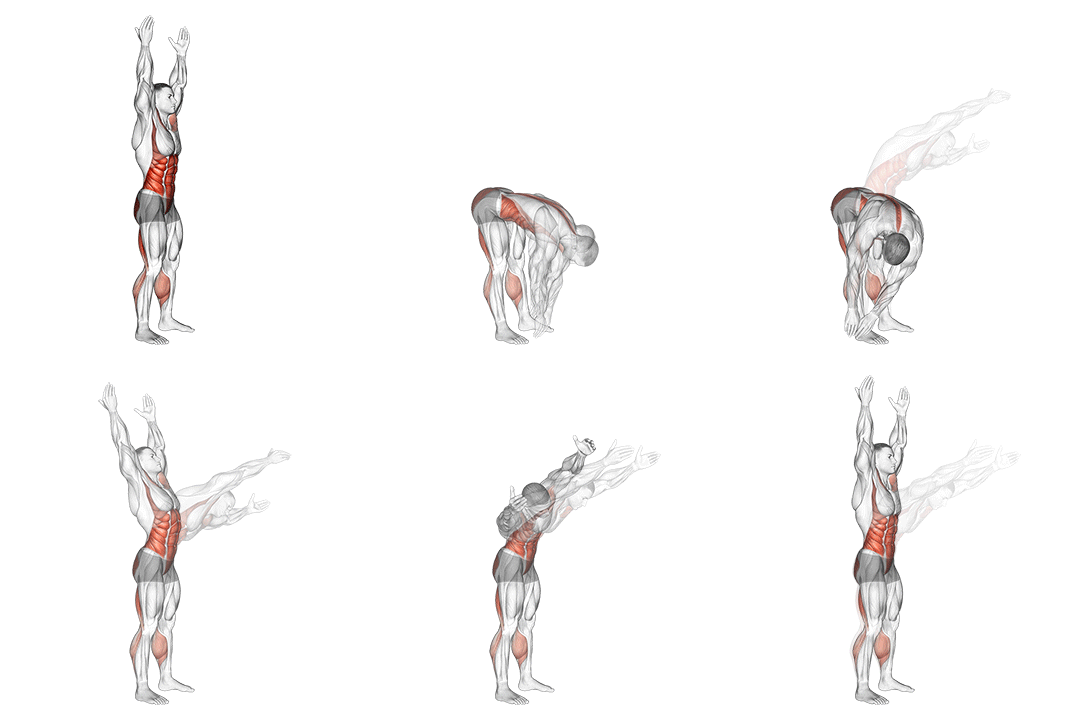
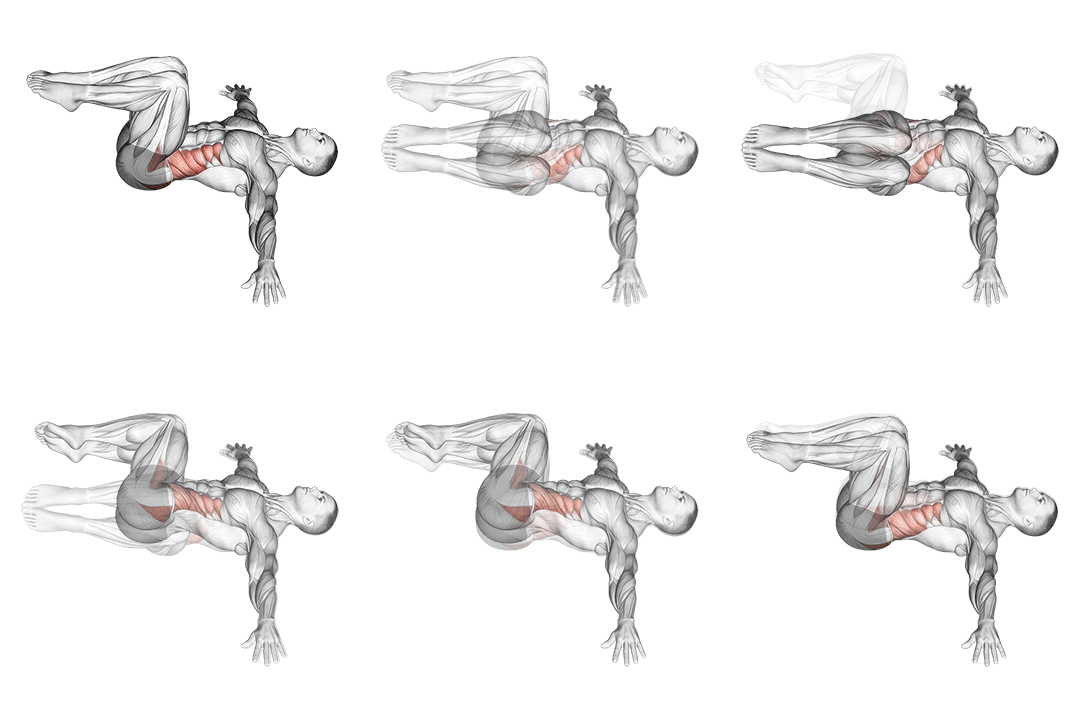
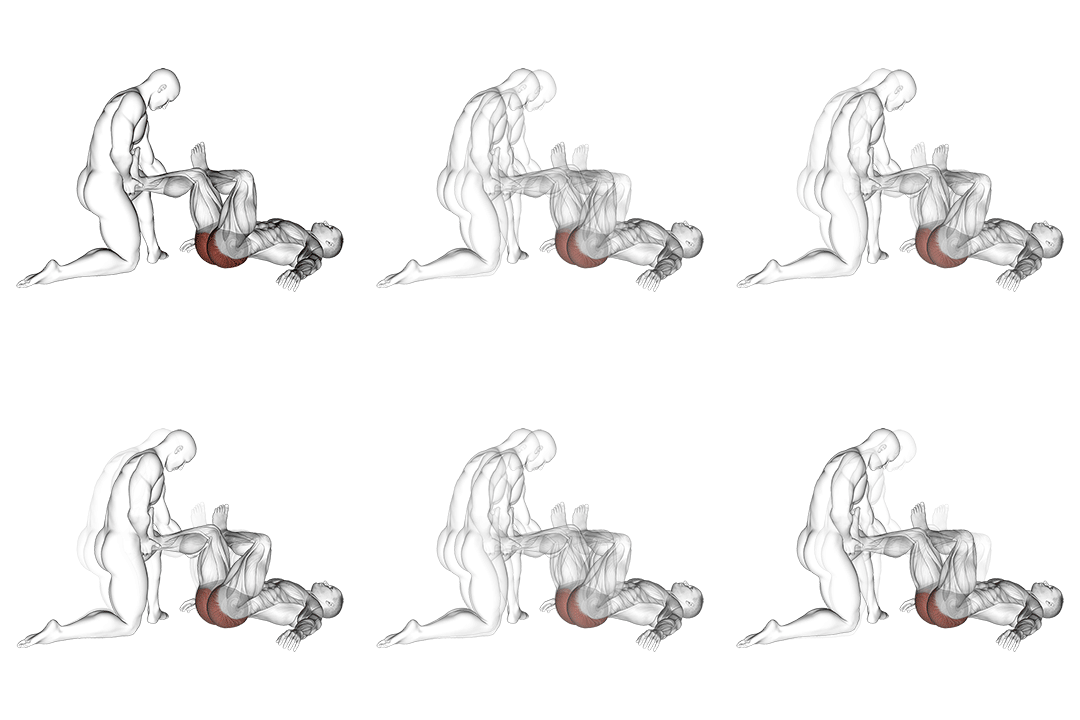
Arms Apart Circular Toe Touch (male)
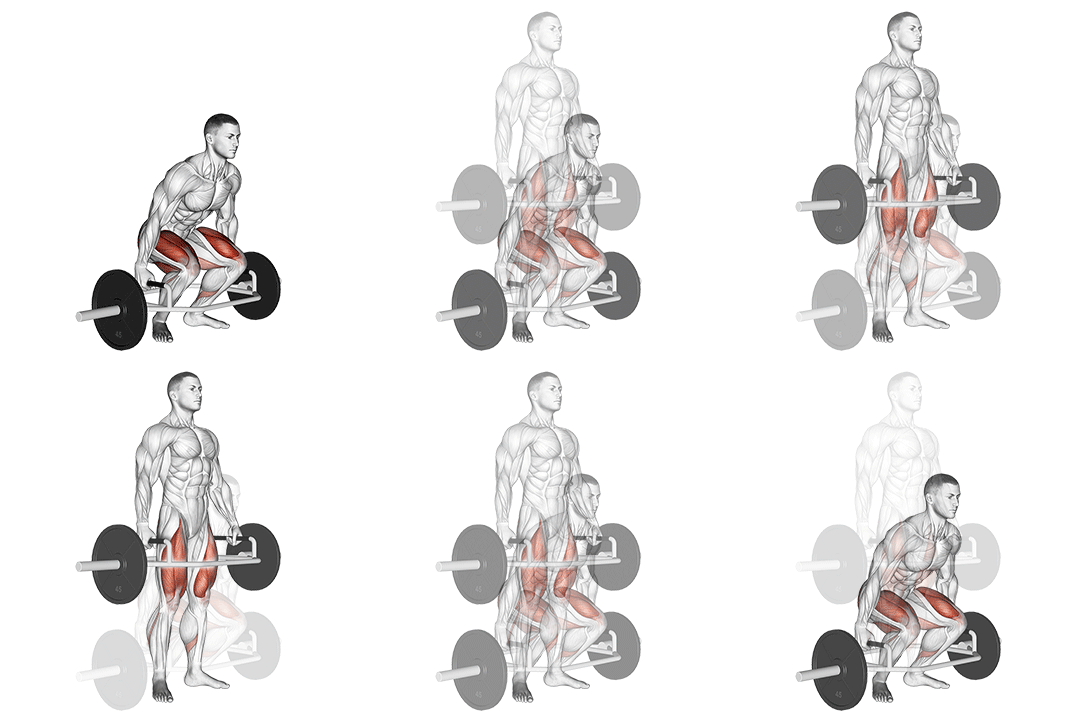
Trap Bar Deadlift
Head-to-Head Comparison
| Attribute | Arms Apart Circular Toe Touch (male) | Trap Bar Deadlift |
|---|---|---|
| Target Muscle |
Glutes
|
Glutes
|
| Body Part |
Upper-legs
|
Upper-legs
|
| Equipment |
Body-weight
|
Trap-bar
|
| Difficulty |
Intermediate
|
Intermediate
|
| Movement Type |
Compound
|
Compound
|
| Secondary Muscles |
3
|
3
|
Secondary Muscles Activated
Arms Apart Circular Toe Touch (male)
Trap Bar Deadlift
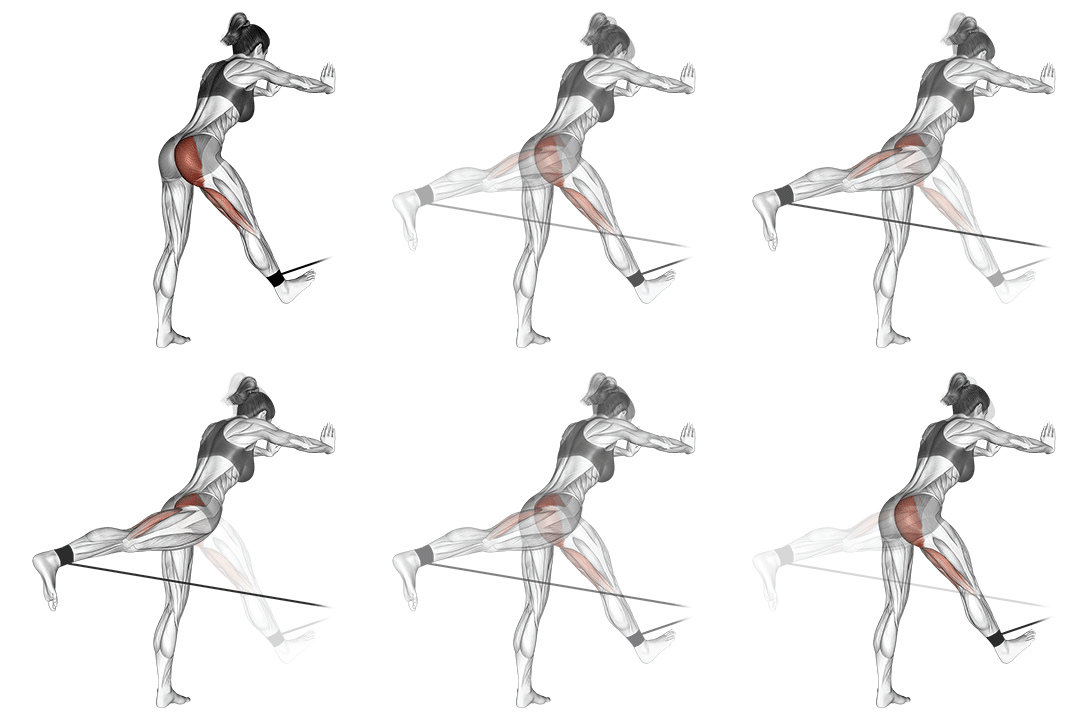
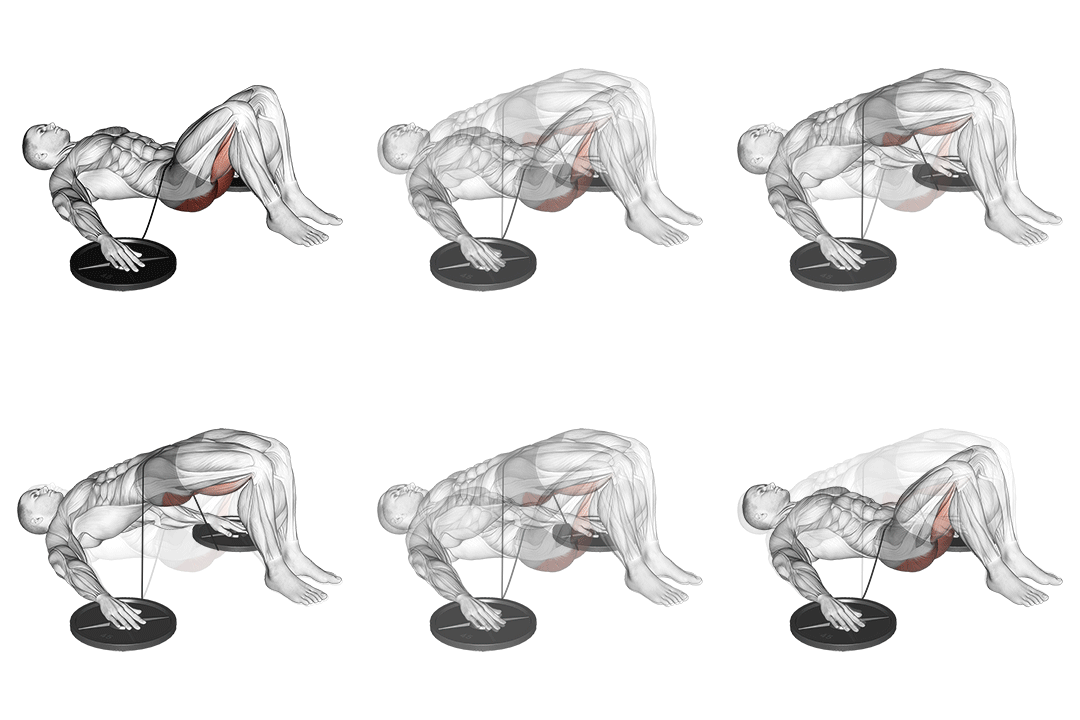
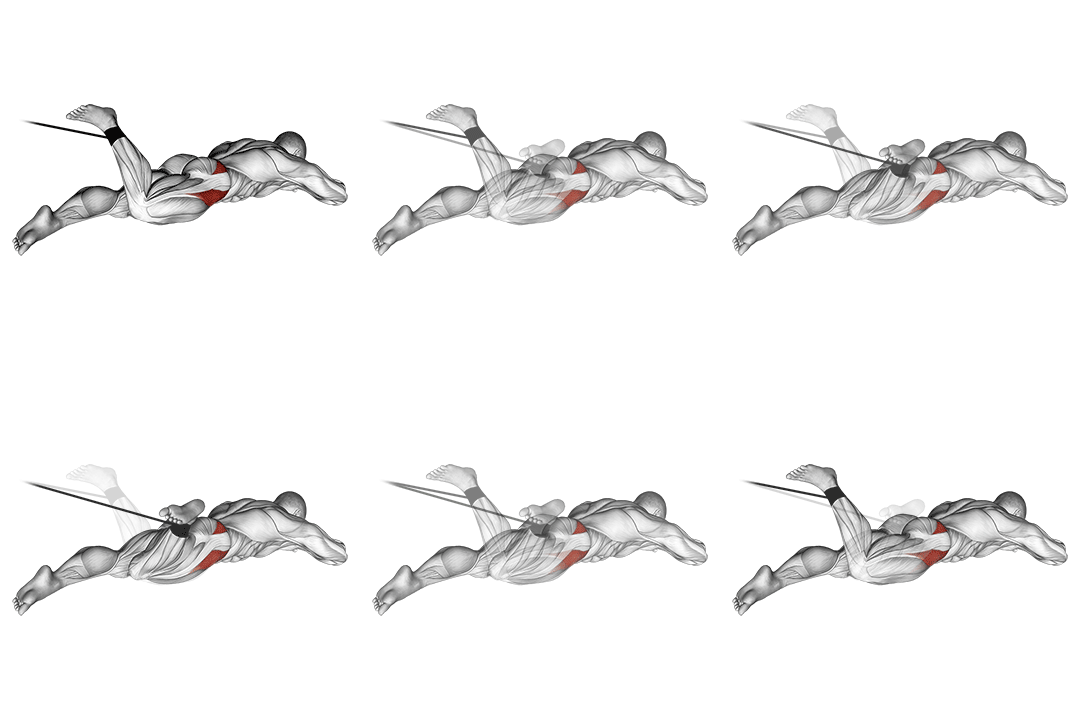
Visual Comparison
Overview
Arms Apart Circular Toe Touch (male) vs Trap Bar Deadlift is a useful comparison if you want to prioritize glute development while choosing the right setup and movement pattern. You’ll get a breakdown of primary glute activation, how the hamstrings and quads assist, equipment needs, and specific technique cues for each exercise. I’ll cover biomechanics like hip-hinge angles, force vectors, rep ranges for hypertrophy and strength (6–12 and 3–6 reps respectively), and practical progressions so you can pick the best move for your goals.
Key Differences
- Equipment differs: Arms Apart Circular Toe Touch (male) uses Body-weight, while Trap Bar Deadlift requires Trap-bar.
Pros & Cons
Arms Apart Circular Toe Touch (male)
+ Pros
- Requires no equipment—easy for home and travel
- High time under tension for hypertrophy with tempo work
- Improves hip mobility and coordination through multi-planar reach
- Lower absolute spinal compressive load compared to heavy barbell lifts
− Cons
- Limited ability to add heavy external load for maximal strength
- Technique relies on mobility; poor dorsiflexion or hamstring tightness reduces effectiveness
- Less posterior chain overload for lower back and distal hamstrings compared to loaded hinges
Trap Bar Deadlift
+ Pros
- Allows heavy loading for maximal strength and progressive overload
- Strong posterior chain and glute stimulus under high force
- More objective strength progress tracking via load increments
- Neutral grip and center of mass reduce shear compared to conventional deadlift
− Cons
- Requires specific equipment (trap bar) and adequate space
- Higher spinal compression risk if form or bracing is poor
- Less emphasis on multi-planar control and single-leg stability
When Each Exercise Wins
The trap bar allows much greater progressive overload, enabling higher absolute and mechanical tension on the glutes and hamstrings. Use 6–12 reps with moderate loads and controlled eccentric phases to maximize muscle growth.
Strength develops best under heavy, progressive external load. The trap bar supports higher loads safely and lets you work in lower rep ranges (3–6 reps) to increase neural drive and maximal force output.
It teaches hip-hinge awareness, balance, and muscle coordination with minimal risk and no equipment. Beginners can build control and mobility before loading hips with heavier trap bar work.
No equipment is required and the movement trains glutes and upper-leg function with variable tempo and rep schemes, making it ideal for home progress and conditioning.
Frequently Asked Questions
Can I do both Arms Apart Circular Toe Touch (male) and Trap Bar Deadlift in the same workout?
Yes. Pair them strategically—perform Trap Bar Deadlifts as the main heavy lift early in the session (3–6 sets of 3–6 reps), then use Arms Apart Circular Toe Touches as an accessory for control and hypertrophy (3–4 sets of 8–15 reps with slower eccentrics). This sequencing uses the heavy lift for strength and the bodyweight move for technique and volume.
Which exercise is better for beginners?
Arms Apart Circular Toe Touch (male) is better for most beginners because it teaches hip-hinge mechanics, balance, and control without heavy load. Once consistent form and basic strength are established, introduce trap bar deadlifts under coach supervision to develop maximal strength.
How do the muscle activation patterns differ?
The Trap Bar Deadlift produces higher peak glute and hamstring activation under heavy concentric load, with activation rising sharply in the final 20° of hip extension. The Arms Apart Circular Toe Touch gives steadier activation across the range with greater eccentric and stabilizer demand due to multi-planar reach and longer time under tension.
Can Trap Bar Deadlift replace Arms Apart Circular Toe Touch (male)?
Not entirely. The trap bar can replace the heavy-force component for strength and hypertrophy, but it won’t replicate the mobility, balance, and multi-planar control trained by the Arms Apart Circular Toe Touch. Use the trap bar for load and the toe touch for movement quality and accessory volume.
Expert Verdict
Use the Arms Apart Circular Toe Touch (male) when you need an accessible, low-equipment way to train the glutes, improve hip mobility, and build time under tension—especially for beginners or travel. Prioritize technique: hinge from the hips, keep a neutral spine, limit knee collapse, and control the circular arm path. Choose the Trap Bar Deadlift when your goal is to increase maximal strength and load the posterior chain; focus on tight bracing, hip-hinge depth of about 45–60° at the start, and progressive overload with 3–6 rep strength blocks or 6–12 reps for hypertrophy. Both have a place: start with the bodyweight pattern to engrain movement and add trap bar work to drive heavier strength and muscle growth.
Also Compare
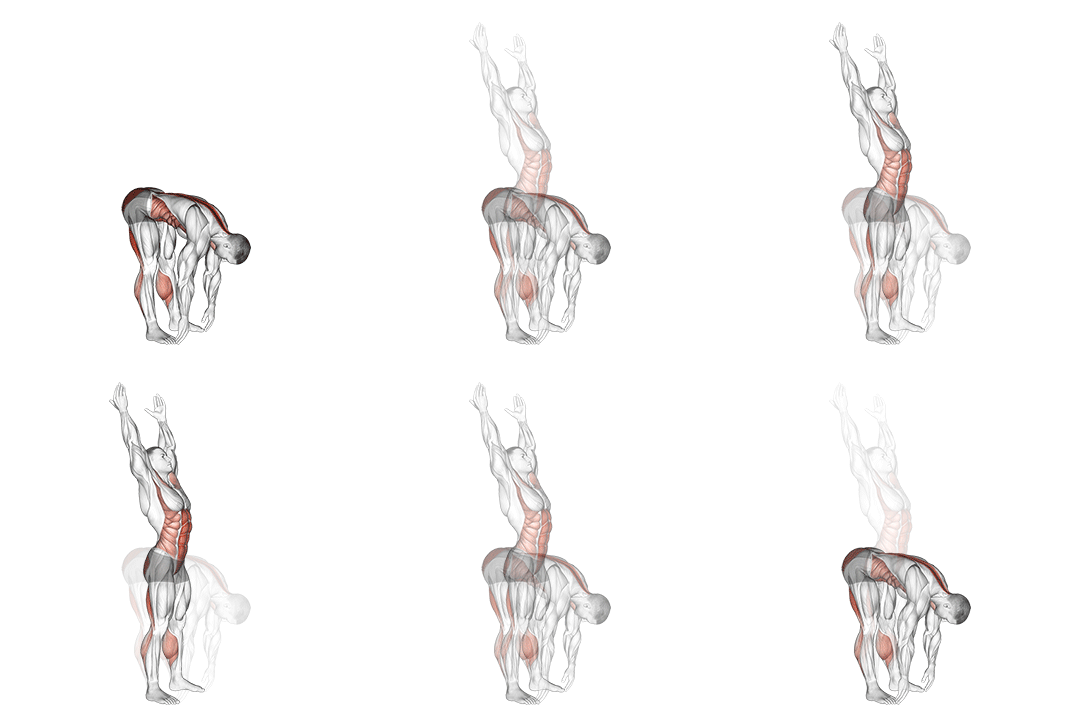
More comparisons with Arms Apart Circular Toe Touch (male)
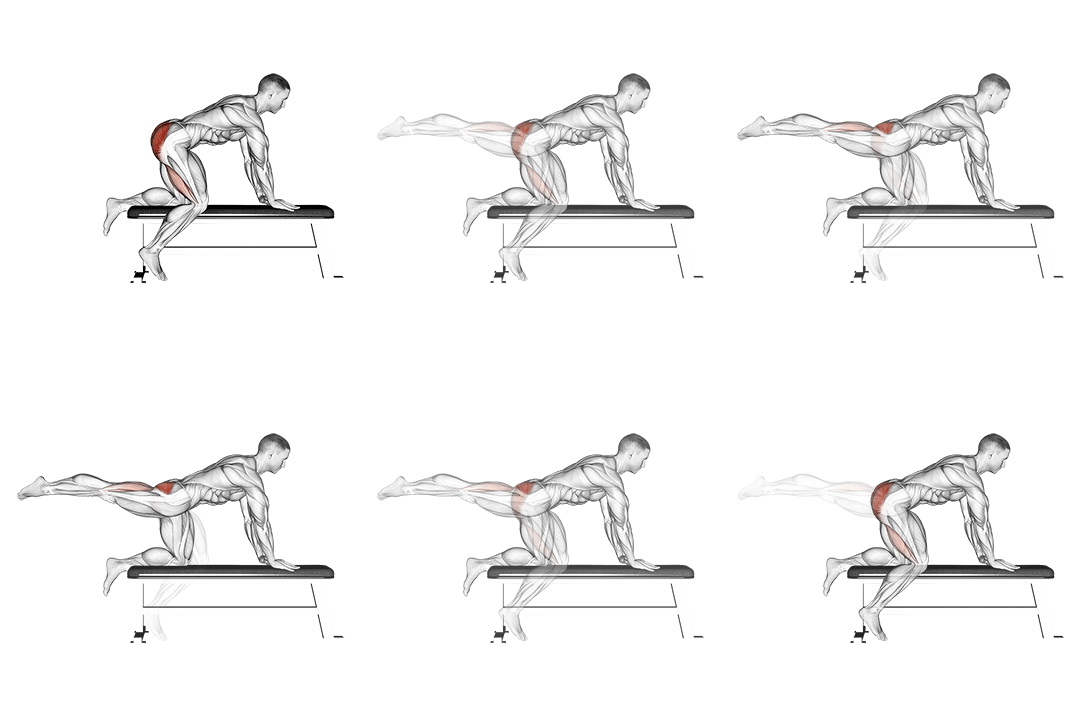
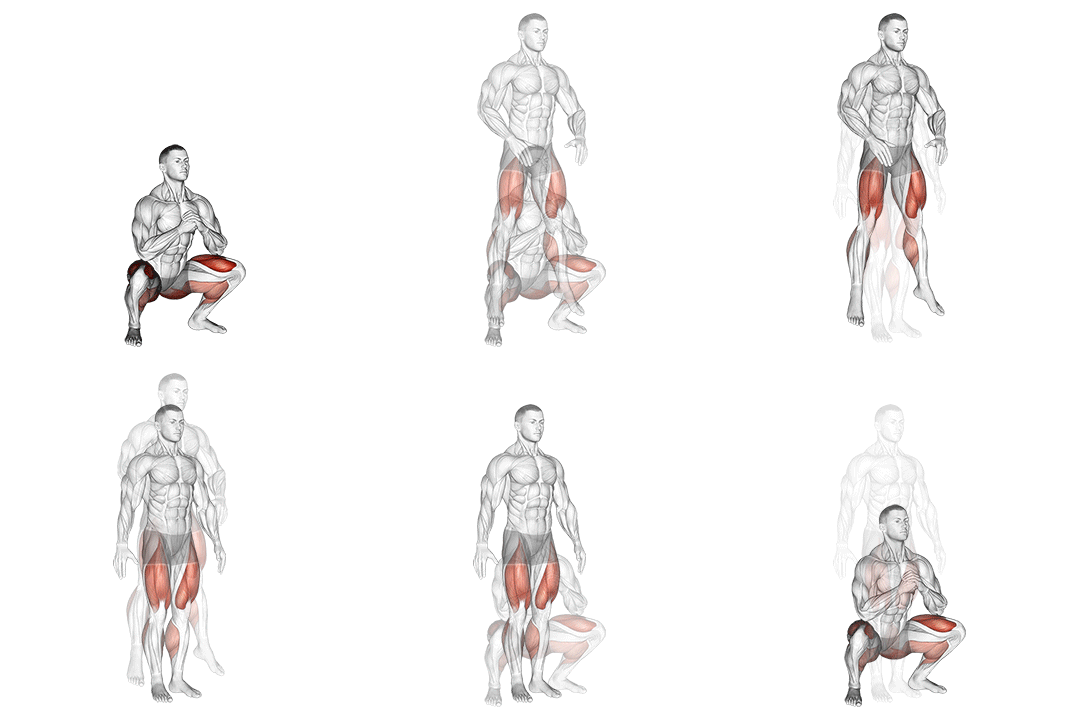
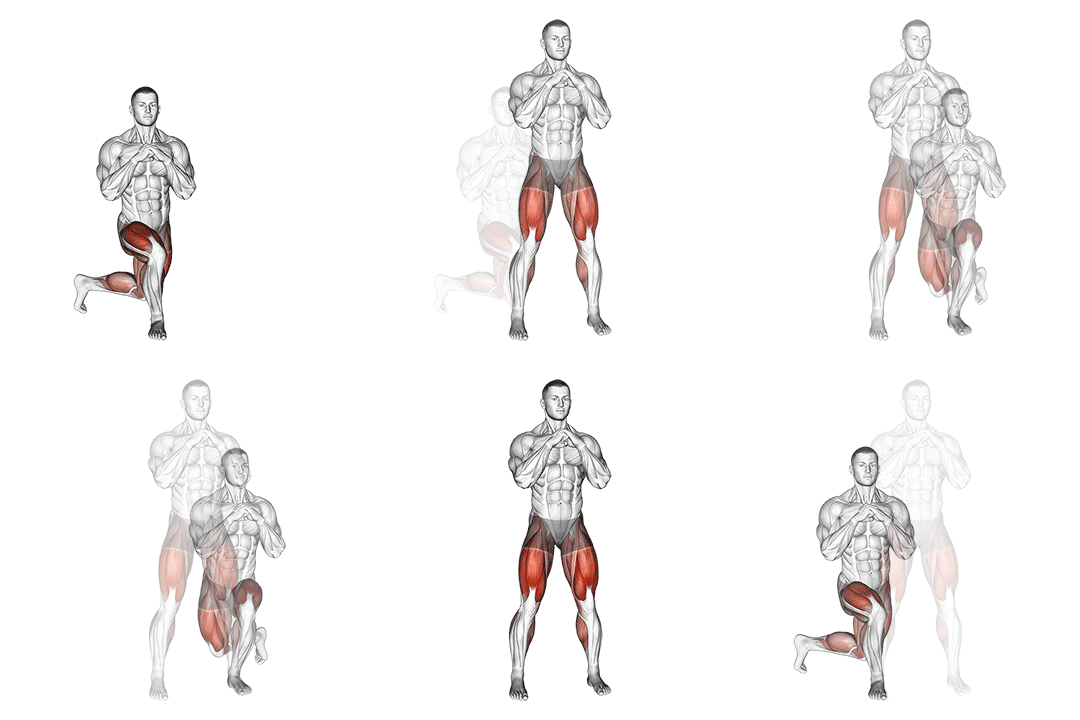
More comparisons with Trap Bar Deadlift
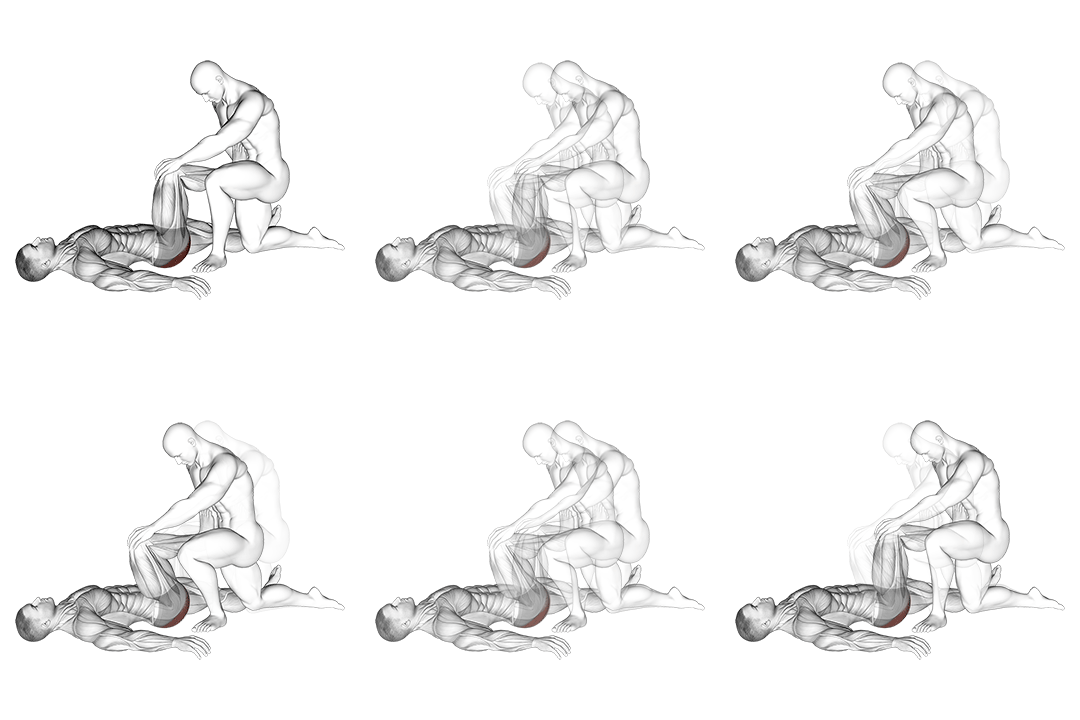
Compare More Exercises
Use our free comparison tool to analyze any two exercises head-to-head.
Compare Exercises