

Assisted Chest Dip (kneeling) vs Band Bench Press: Complete Comparison Guide
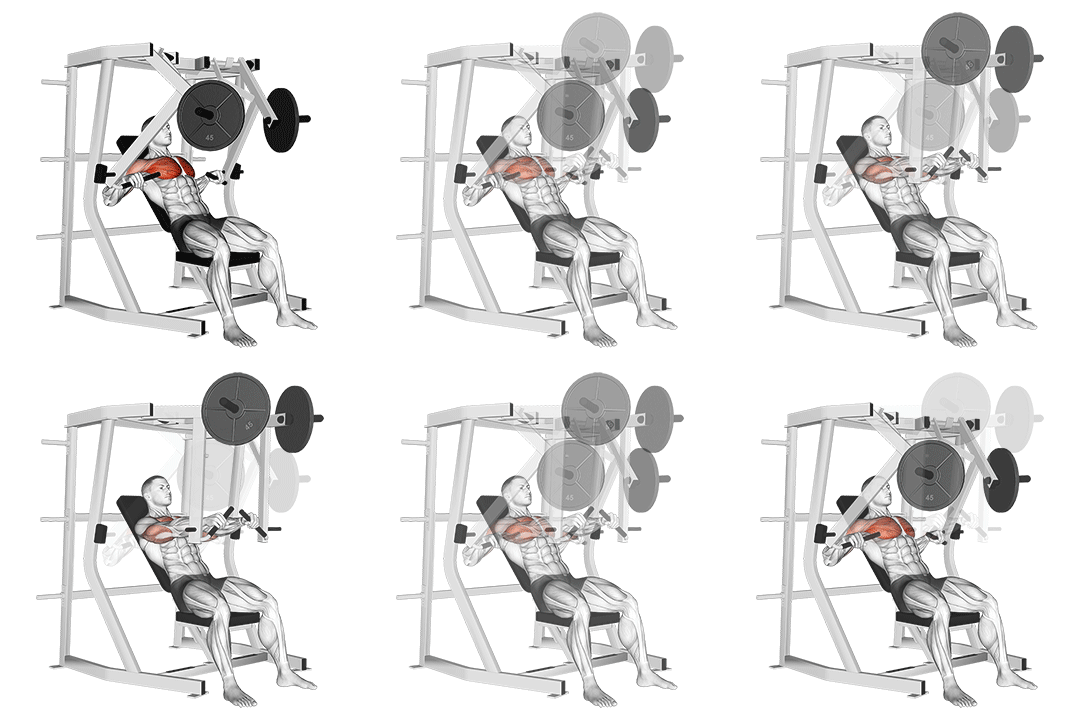
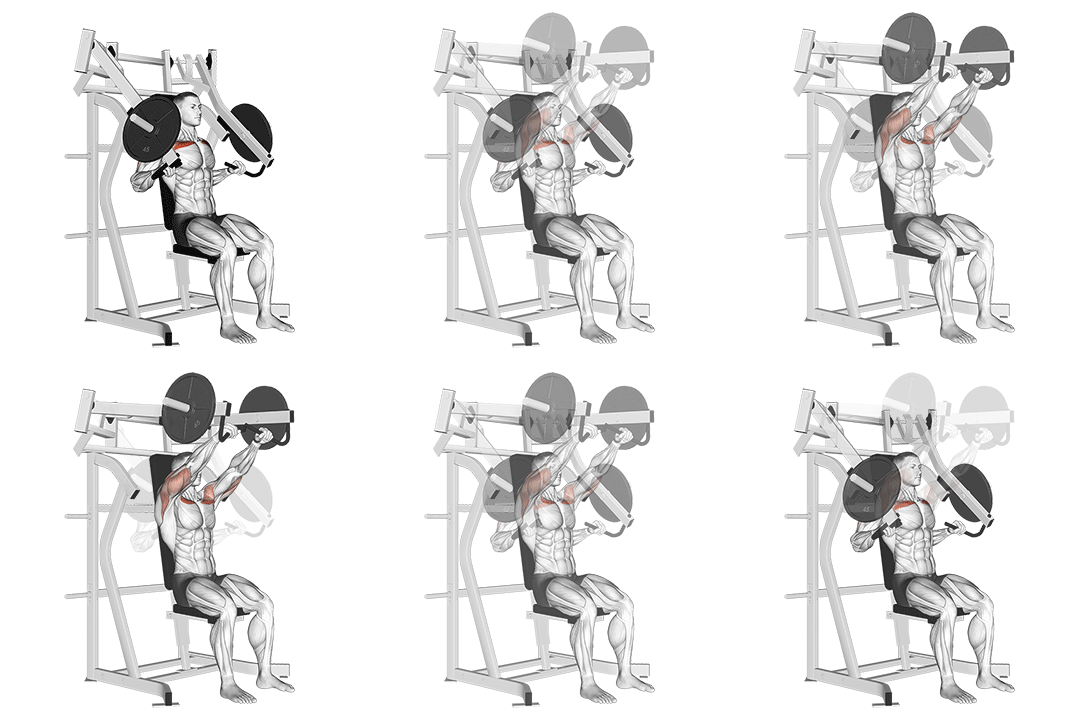
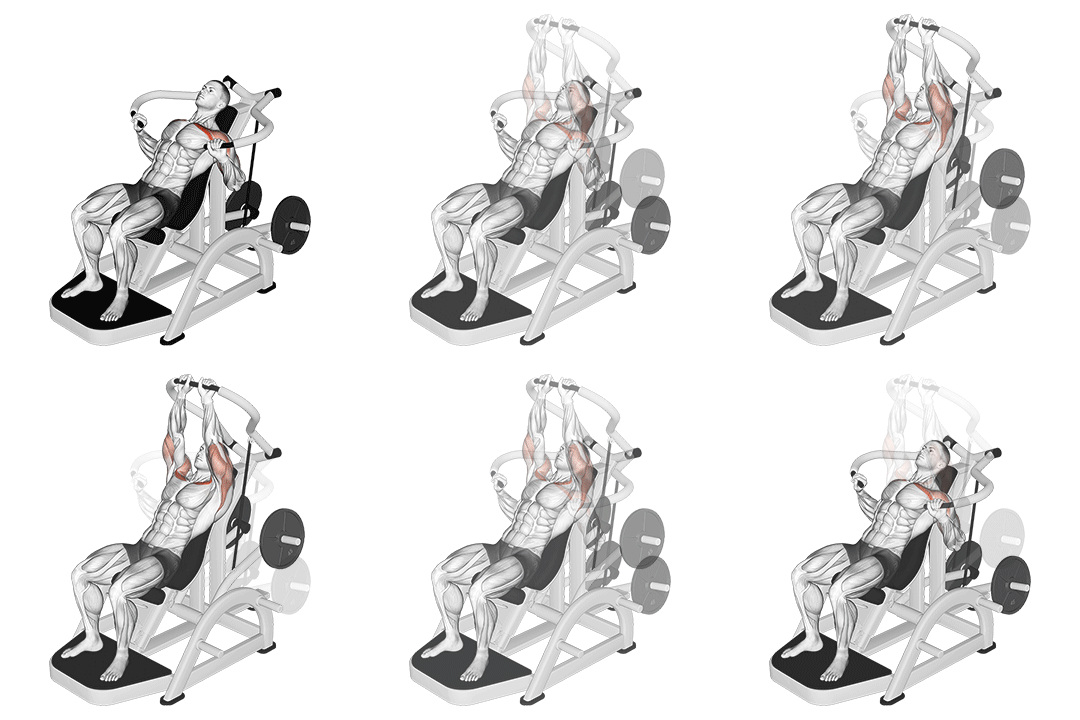
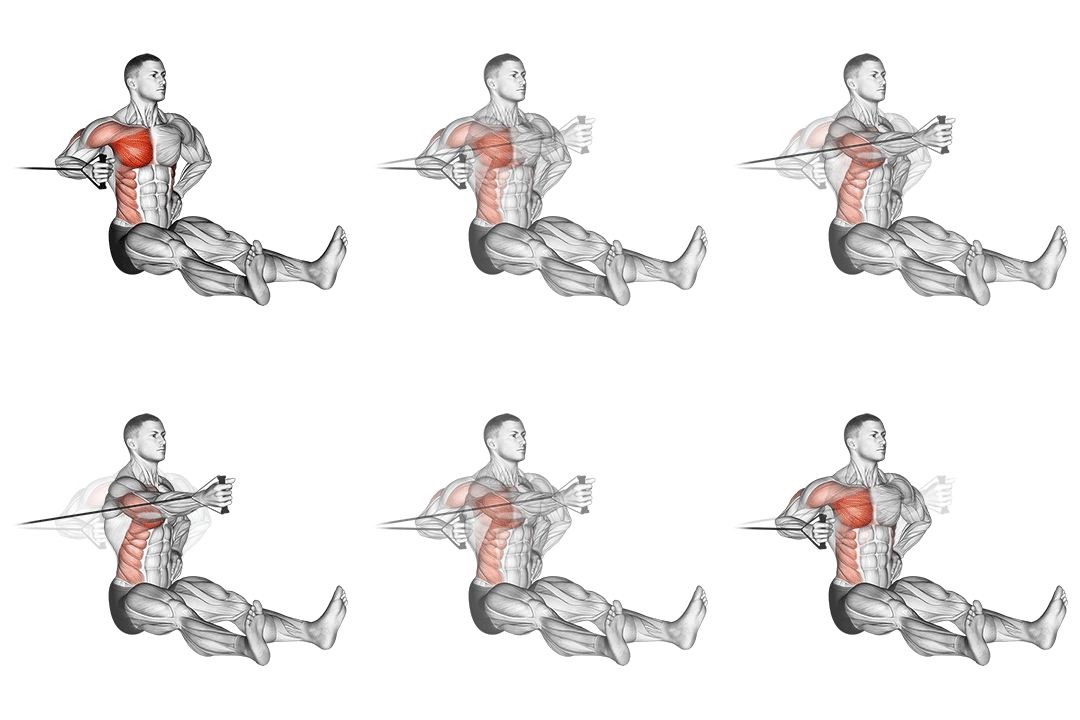
Assisted Chest Dip (kneeling) vs Band Bench Press is a practical matchup when you want to build your pecs without heavy barbells. You’ll get a clear breakdown of how each exercise loads the pectorals, which secondary muscles pick up the work, equipment needs, technique cues, and when to choose one over the other based on hypertrophy, strength, or convenience. Read on for rep ranges, angle cues, and simple progressions you can use in your next chest session.
Exercise Comparison
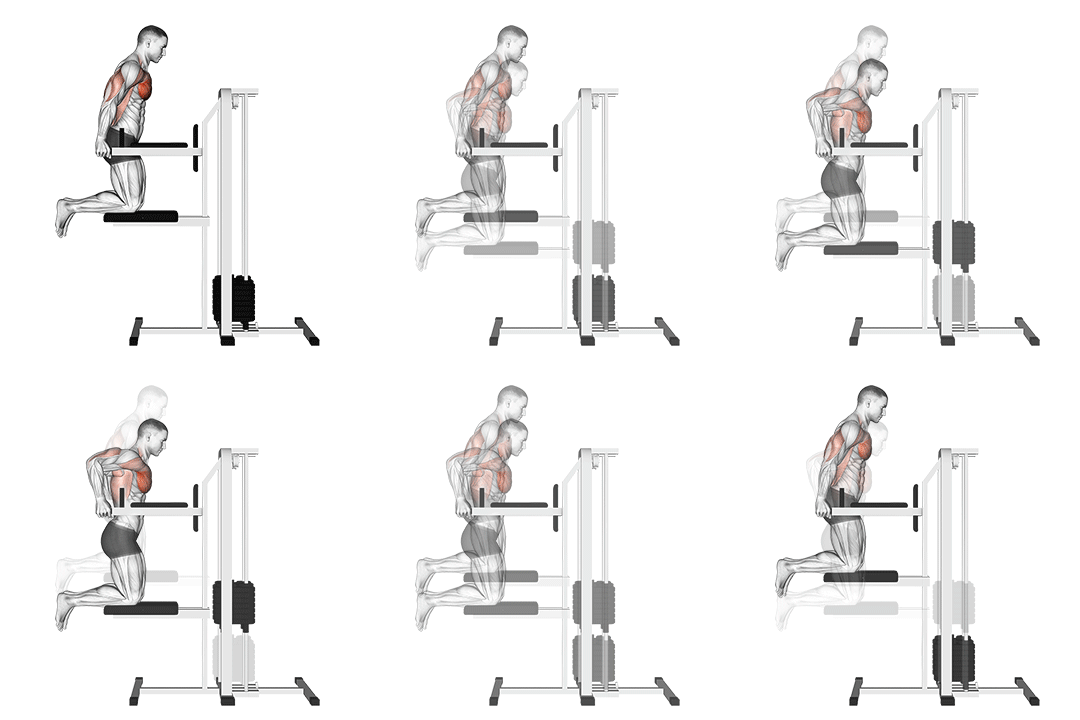
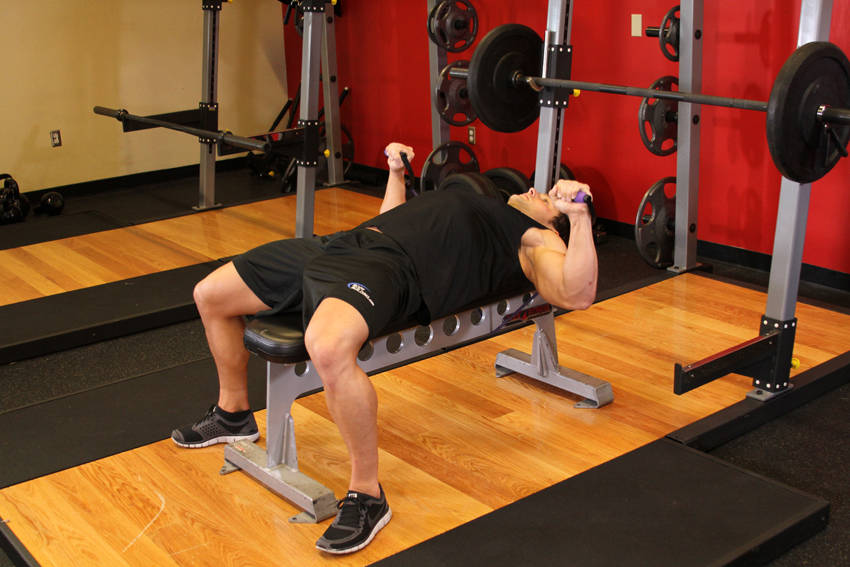
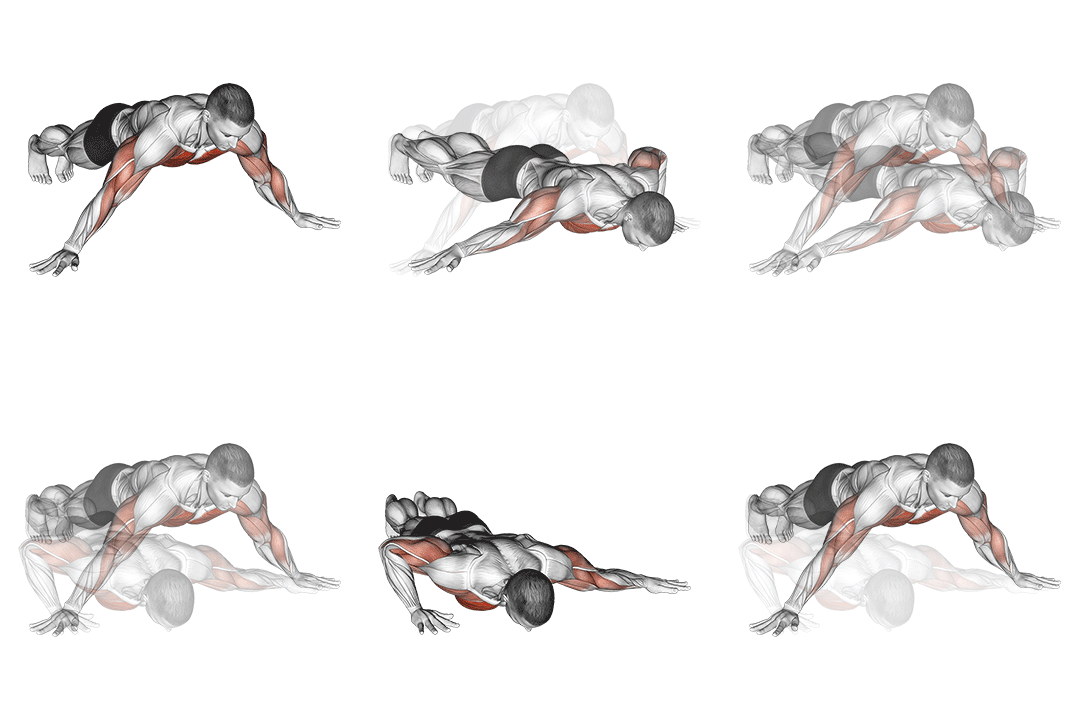
Assisted Chest Dip (kneeling)
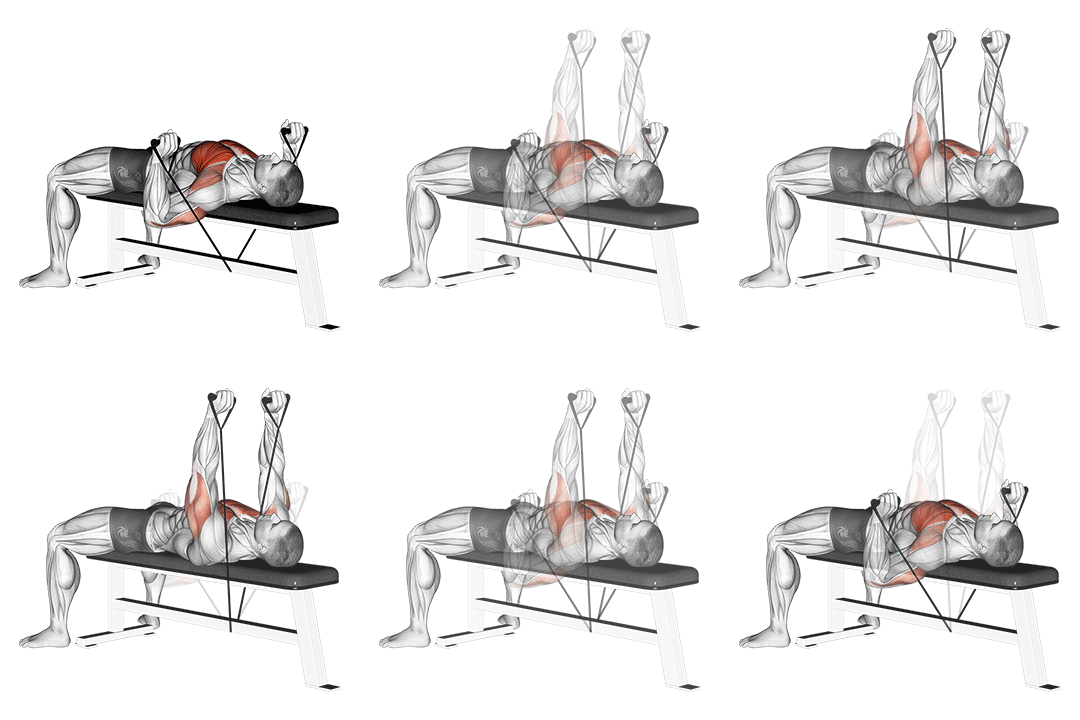
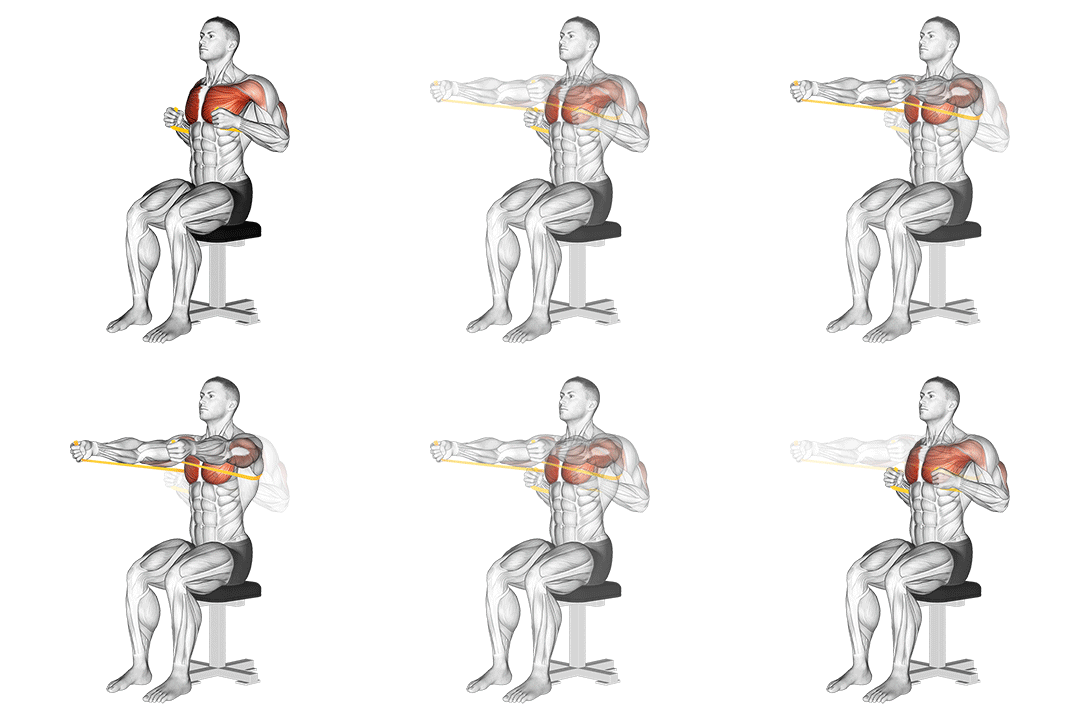
Band Bench Press
Head-to-Head Comparison
| Attribute | Assisted Chest Dip (kneeling) | Band Bench Press |
|---|---|---|
| Target Muscle |
Pectorals
|
Pectorals
|
| Body Part |
Chest
|
Chest
|
| Equipment |
Lever
|
Band
|
| Difficulty |
Beginner
|
Intermediate
|
| Movement Type |
Compound
|
Compound
|
| Secondary Muscles |
2
|
2
|
Secondary Muscles Activated
Assisted Chest Dip (kneeling)
Band Bench Press
Visual Comparison
Overview
Assisted Chest Dip (kneeling) vs Band Bench Press is a practical matchup when you want to build your pecs without heavy barbells. You’ll get a clear breakdown of how each exercise loads the pectorals, which secondary muscles pick up the work, equipment needs, technique cues, and when to choose one over the other based on hypertrophy, strength, or convenience. Read on for rep ranges, angle cues, and simple progressions you can use in your next chest session.
Key Differences
- Equipment differs: Assisted Chest Dip (kneeling) uses Lever, while Band Bench Press requires Band.
- Difficulty levels differ: Assisted Chest Dip (kneeling) is beginner, while Band Bench Press is intermediate.
Pros & Cons
Assisted Chest Dip (kneeling)
+ Pros
- Easy load control via machine assistance for gradual progress
- Greater stretch on the pecs at the bottom, aiding hypertrophy through lengthened tension
- Lower technical demand—good motor pattern carryover to full dips
- Minimal setup: single machine required
− Cons
- Less overload potential once assistance is removed (limited progressive overload vs heavy resistance)
- Machine path can reduce stabilizer activation compared with free resistance
- Less peak concentric overload compared with variable-resistance options
Band Bench Press
+ Pros
- Variable resistance increases concentric overload and lockout strength
- Highly adjustable load with different band combinations (suitable for progressive overload)
- Portable option for home workouts with high mechanical tension at top range
- Stimulates stabilizers due to non-linear force curve
− Cons
- Requires proper anchoring and band selection to produce safe, effective tension
- Changing resistance curve can make technique inconsistent across sets
- Higher technical demand for consistent scapular control and band management
When Each Exercise Wins
Band bench press wins for hypertrophy because variable resistance increases time under tension at the top and lets you strategically overload the concentric. Use 8–12 reps with medium-heavy bands and controlled 2–3 second eccentrics to maximize mechanical tension and metabolic stress.
For strength, band bench press lets you emphasize lockout strength and accommodate higher peak loads by layering bands; combine heavy bands with lower rep ranges (3–6 reps) to develop force at end range while preserving shoulder health with a 45-degree elbow tuck.
Assisted chest dip (kneeling) is the clear choice for beginners because machine assistance simplifies load management and movement patterning. It teaches torso lean and dip mechanics while reducing shoulder and triceps overload risk.
Band bench press is more home-friendly since bands are portable and can simulate pressing without a barbell or heavy plates. With a bench or stable floor press setup and correct anchoring, you can get quality chest work anywhere.
Frequently Asked Questions
Can I do both Assisted Chest Dip (kneeling) and Band Bench Press in the same workout?
Yes. Pair them by priority: do the stronger, more technical lift first for heavy or high-quality sets (band bench press for strength work), then use assisted dips for higher-rep volume (8–15 reps) to flood the pecs with tension and train the stretch position.
Which exercise is better for beginners?
Assisted Chest Dip (kneeling) is better for beginners because the machine offsets bodyweight and simplifies technique. It allows you to focus on torso lean (~20–30 degrees), controlled 80–90 degree elbow depth, and safe scapular positioning before progressing to less assisted variations.
How do the muscle activation patterns differ?
Dips lengthen the pecs under shoulder extension, increasing stretch-mediated activation of the sternal fibers; band bench press raises resistance through the concentric, increasing peak activation near lockout and emphasizing mid-sternal fibers and triceps contribution during the final 30% of the range.
Can Band Bench Press replace Assisted Chest Dip (kneeling)?
Band bench press can substitute if your goal is progressive overload and home training, but it won’t replicate the deep stretch found in dips. If you need to teach the dip pattern or rely on machine-assisted load control, keep assisted dips in your program alongside bands for balanced chest development.
Expert Verdict
Choose Assisted Chest Dip (kneeling) when you want a low-skill, high-stretch chest builder that lets you learn the dip pattern and safely control load via machine assistance. It’s ideal for beginners and for adding volume without chasing heavy free weights. Choose Band Bench Press when you need variable resistance, concentric overload, and scalable progression for intermediate trainees or home setups. For pure hypertrophy and end-range strength, bands offer superior overload; for teaching movement and reducing technical demand, assisted dips are better. Use both across phases: start with assisted dips to build control, then add band bench press to increase load at lockout and drive progressive muscle growth.
Also Compare
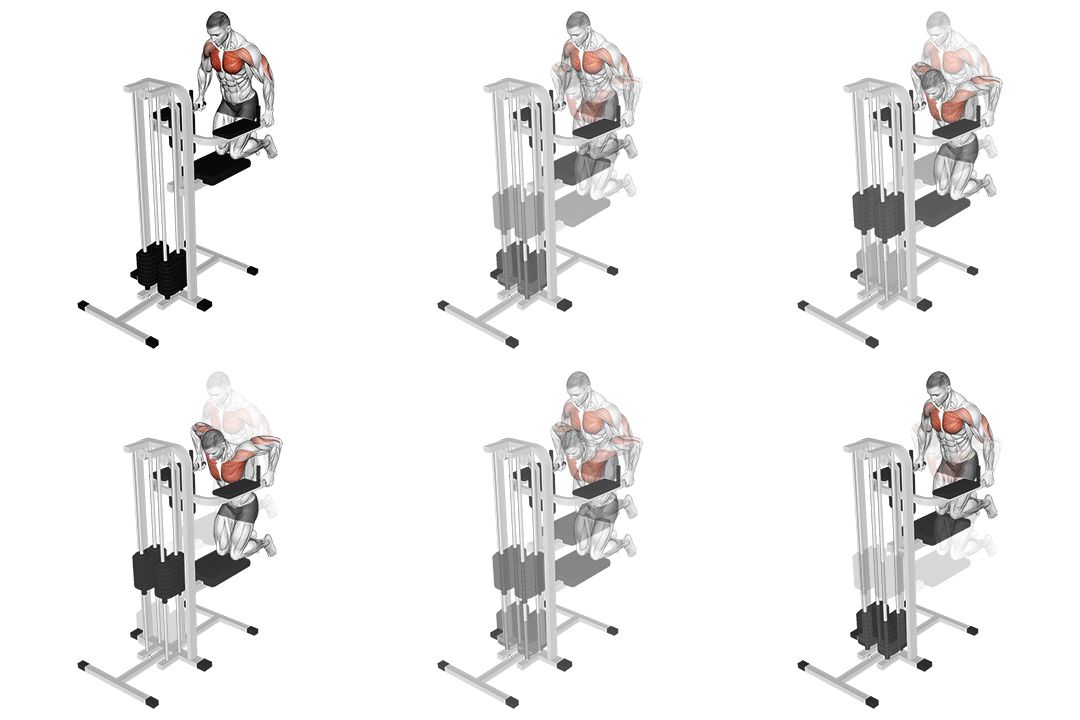
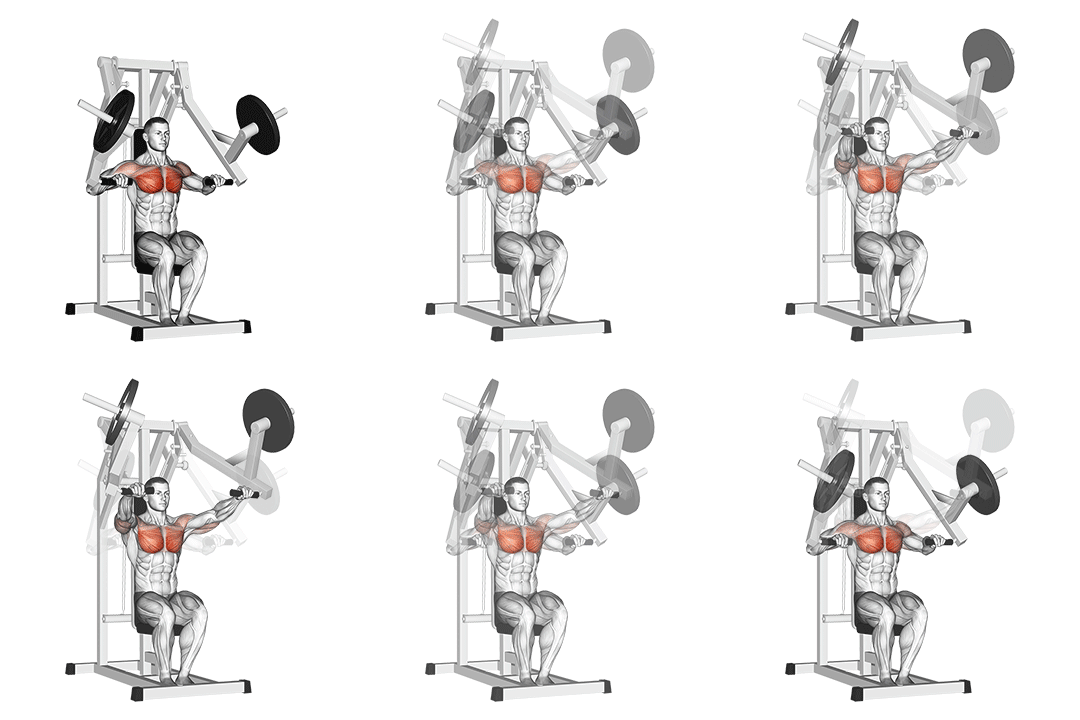
More comparisons with Assisted Chest Dip (kneeling)

Compare More Exercises
Use our free comparison tool to analyze any two exercises head-to-head.
Compare Exercises