

Barbell Alternate Biceps Curl vs Barbell Prone Incline Curl: Complete Comparison Guide
Barbell Alternate Biceps Curl vs Barbell Prone Incline Curl — two barbell isolation moves that both target the biceps and forearms but load them differently. If you want clear guidance on which exercise to pick for hypertrophy, strength, or beginner programming, you’re in the right place. I’ll break down primary and secondary muscle recruitment, equipment needs, learning curve, injury considerations, and practical programming tips (angles, rep ranges, and technique cues) so you can choose the exercise that matches your goals and training environment.
Exercise Comparison
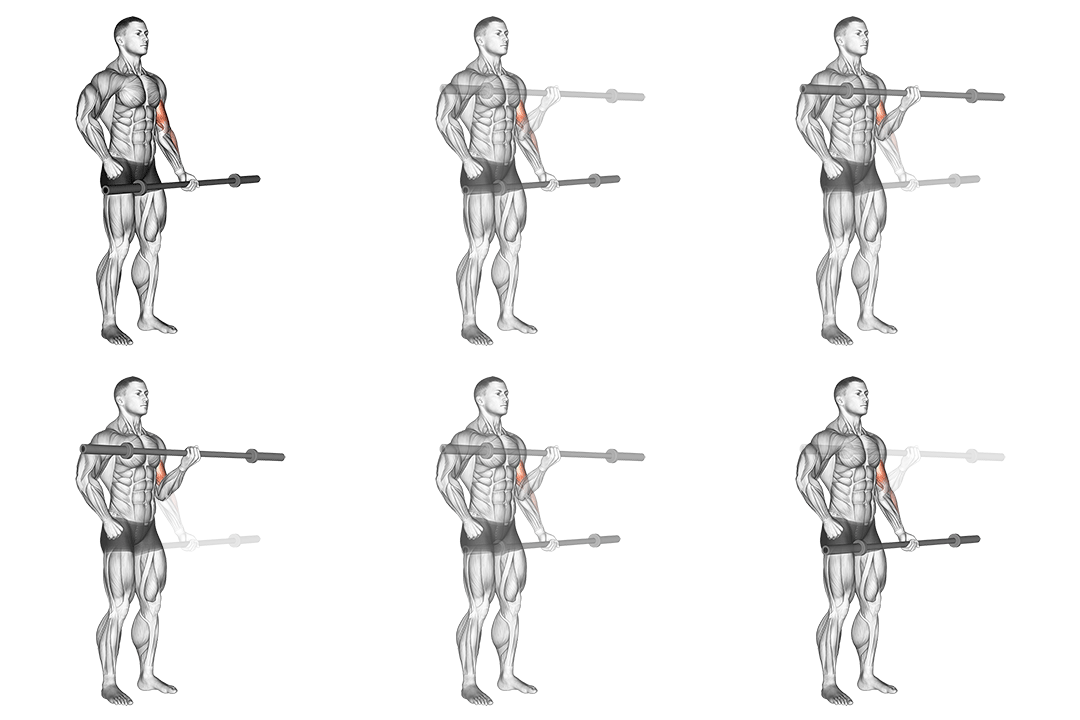
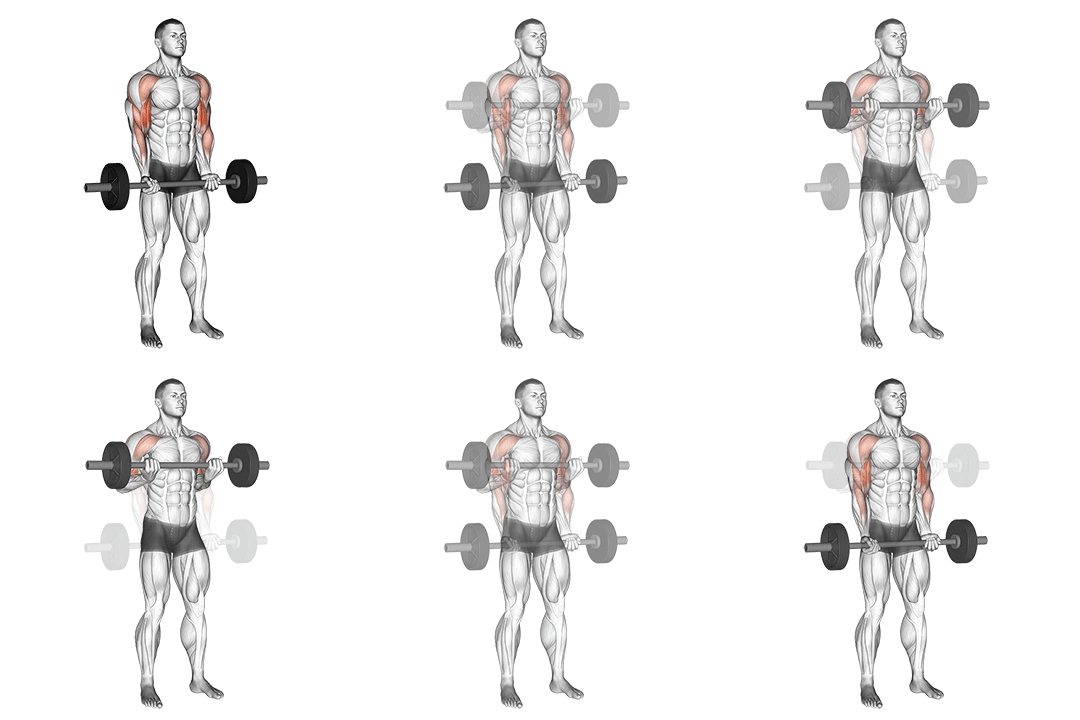
Barbell Alternate Biceps Curl
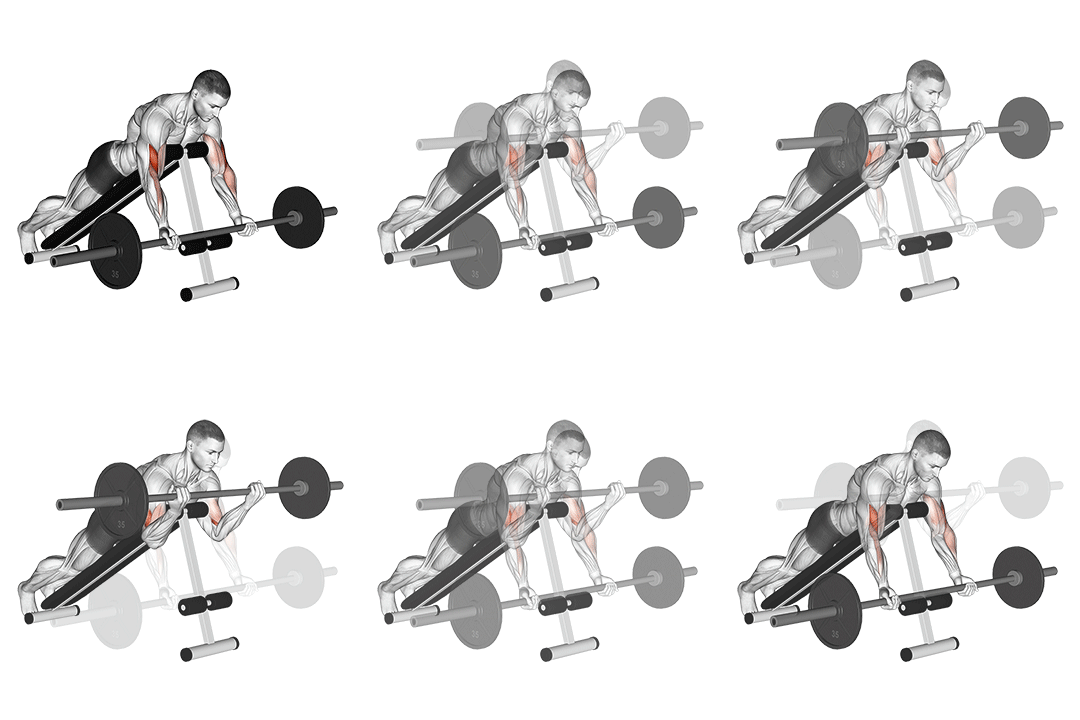
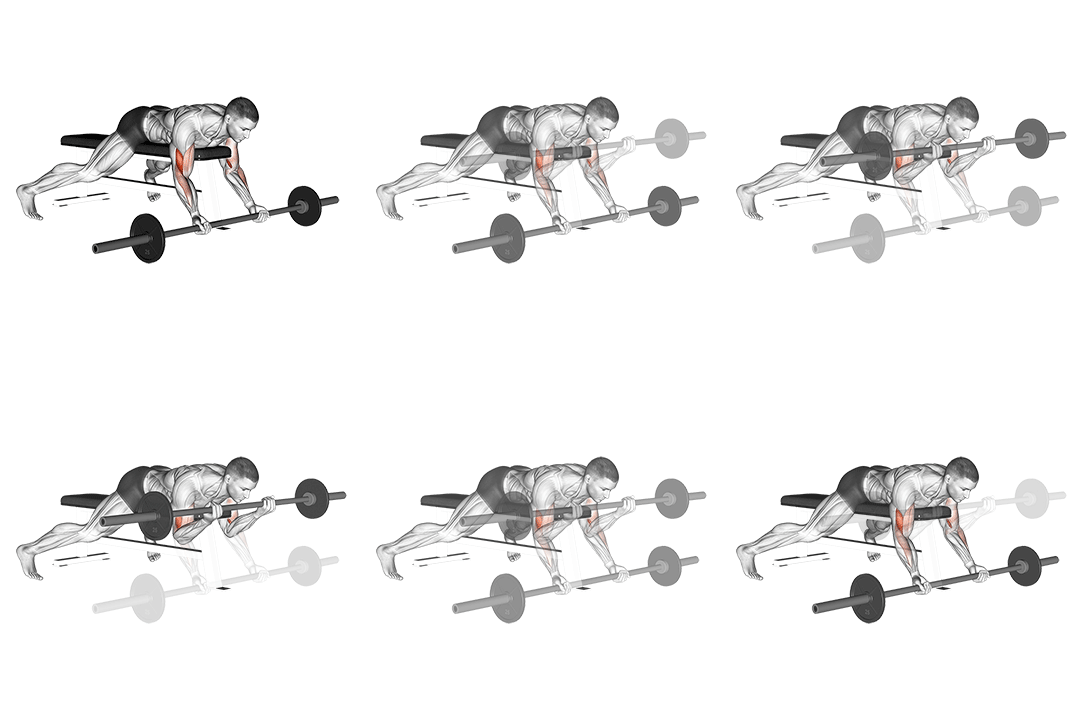
Barbell Prone Incline Curl
Head-to-Head Comparison
| Attribute | Barbell Alternate Biceps Curl | Barbell Prone Incline Curl |
|---|---|---|
| Target Muscle |
Biceps
|
Biceps
|
| Body Part |
Upper-arms
|
Upper-arms
|
| Equipment |
Barbell
|
Barbell
|
| Difficulty |
Beginner
|
Beginner
|
| Movement Type |
Isolation
|
Isolation
|
| Secondary Muscles |
1
|
1
|
Secondary Muscles Activated
Barbell Alternate Biceps Curl
Barbell Prone Incline Curl
Visual Comparison
Overview
Barbell Alternate Biceps Curl vs Barbell Prone Incline Curl — two barbell isolation moves that both target the biceps and forearms but load them differently. If you want clear guidance on which exercise to pick for hypertrophy, strength, or beginner programming, you’re in the right place. I’ll break down primary and secondary muscle recruitment, equipment needs, learning curve, injury considerations, and practical programming tips (angles, rep ranges, and technique cues) so you can choose the exercise that matches your goals and training environment.
Key Differences
- Both exercises target the Biceps using Barbell. The main differences are in their movement patterns and muscle activation angles.
Pros & Cons
Barbell Alternate Biceps Curl
+ Pros
- Easy to set up—only a barbell needed
- Allows full supination for strong peak contraction
- Flexible—can be done standing or seated
- Simple progressive overload (weight, reps, tempo)
− Cons
- Prone to momentum and torso swing with heavy loads
- Slightly less long-head stretch compared to incline
- Bilateral loading can mask unilateral weaknesses
Barbell Prone Incline Curl
+ Pros
- Greater long-head pre-stretch on a 30–45° incline
- Reduces torso momentum for purer isolation
- Increases time under tension in the bottom range
- Highlights unilateral weaknesses when performed strict
− Cons
- Requires an incline bench—less accessible at home
- Setup takes longer and can be awkward for taller lifters
- Heavier loads increase passive shoulder stress if not warmed up
When Each Exercise Wins
The prone incline curl puts the biceps on a longer initial stretch and increases time under tension, which favors muscle growth. Use 8–12 reps with a 30–45° bench and slow eccentrics (2–3 seconds) to capitalize on length–tension benefits.
Standing alternate curls let you systematically increase load and handle heavier absolute weights with better stability progressions (6–8 reps). You can also overload bilaterally or train unilateral strength without needing a bench.
Its simple setup and straightforward movement make it easier to teach elbow flexion and supination. Start with light weight, focus on full ROM and 8–12 controlled reps before adding complexity.
Most home gyms have a barbell but not an adjustable incline bench, making the alternate curl the more practical choice. It still provides solid biceps stimulus when performed strictly.
Frequently Asked Questions
What is the difference between Barbell Alternate Biceps Curl and Barbell Prone Incline Curl?
Barbell Alternate Biceps Curl primarily targets the Biceps, while Barbell Prone Incline Curl focuses on the Biceps. They also differ in equipment requirements: Barbell Alternate Biceps Curl uses Barbell, while Barbell Prone Incline Curl requires Barbell.
Which is better: Barbell Alternate Biceps Curl or Barbell Prone Incline Curl?
Neither exercise is universally better - it depends on your goals. Choose Barbell Alternate Biceps Curl to emphasize the Biceps. Choose Barbell Prone Incline Curl for focus on the Biceps. Many training programs include both for balanced development.
Can I do Barbell Alternate Biceps Curl and Barbell Prone Incline Curl in the same workout?
Yes, you can perform both exercises in the same workout. Since they target the same muscle group (Biceps), consider spacing them apart or doing them on different days for optimal recovery.
Which exercise is harder: Barbell Alternate Biceps Curl or Barbell Prone Incline Curl?
Barbell Alternate Biceps Curl is rated as beginner difficulty, while Barbell Prone Incline Curl is beginner. Both exercises have similar difficulty levels.
Expert Verdict
Both exercises are valuable: choose the prone incline curl when your priority is targeted long-head stimulation and increased time under stretch—use a 30–45° bench, 8–12 reps, and slow eccentrics to maximize hypertrophy. Pick the alternate barbell curl if you need accessibility, straightforward progression, or are training strength—work in lower rep ranges (4–8) for strength or 8–12 for size, and emphasize strict supination without torso swing. If you can, rotate both across training blocks: use prone incline during hypertrophy-focused phases and alternate curls when prioritizing strength, accessibility, or higher load work.
Also Compare
More comparisons with Barbell Alternate Biceps Curl
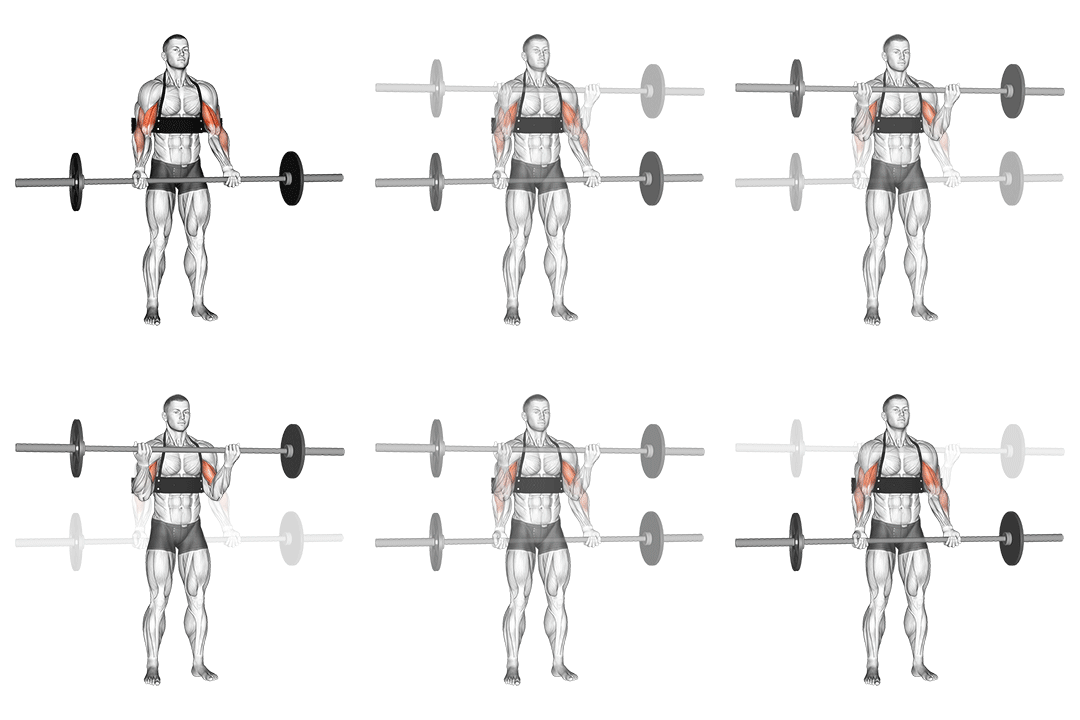
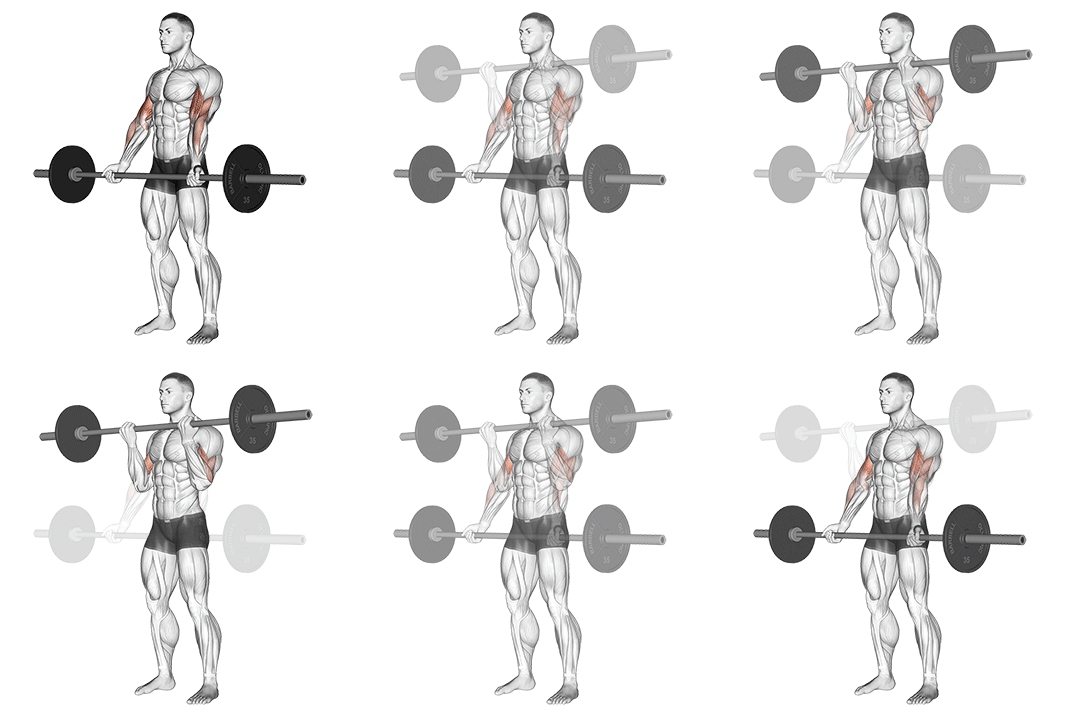
More comparisons with Barbell Prone Incline Curl
Compare More Exercises
Use our free comparison tool to analyze any two exercises head-to-head.
Compare Exercises