Barbell Bent Arm Pullover vs Barbell Pullover To Press

Compare target muscles, equipment, difficulty, movement type, and secondary muscles for Barbell Bent Arm Pullover and Barbell Pullover To Press.

Change comparison Share

Get comparison link

Select the link and use your device's Copy command.

Comparison overview

AI-generated
Barbell Bent Arm Pullover vs Barbell Pullover To Press — if you want clearer results from your back work, this head-to-head will help. You’ll get direct guidance on muscle recruitment, equipment needs, difficulty, and practical cues so you can pick the better movement for your goal. I’ll cover primary and secondary muscle activation, technique checkpoints (elbow angle, scapular control, lumbar bracing), rep ranges for hypertrophy versus strength, and who should use each exercise in a program. Read on and you’ll walk away with an actionable, evidence-based choice.

Exercise Comparison

Exercise A
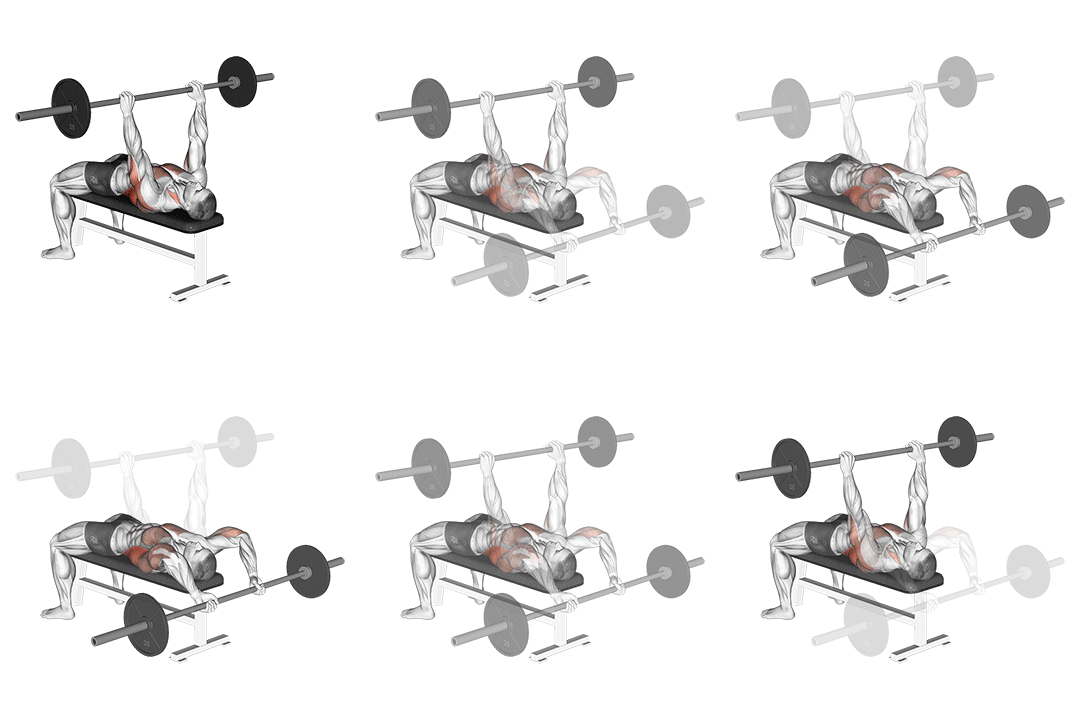
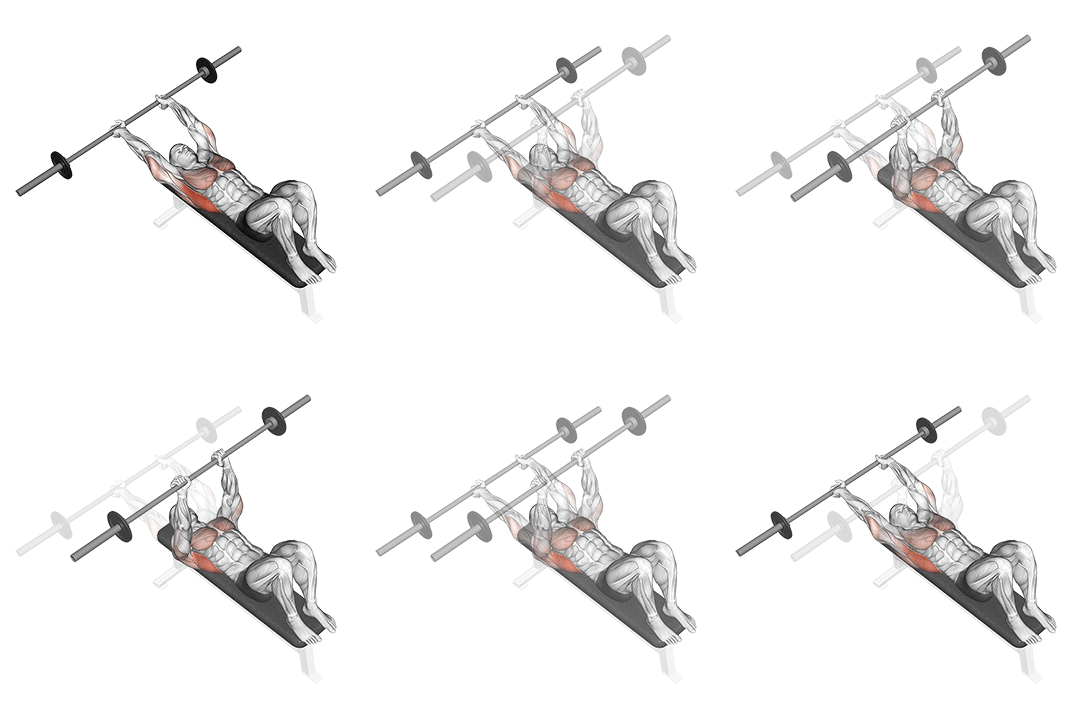
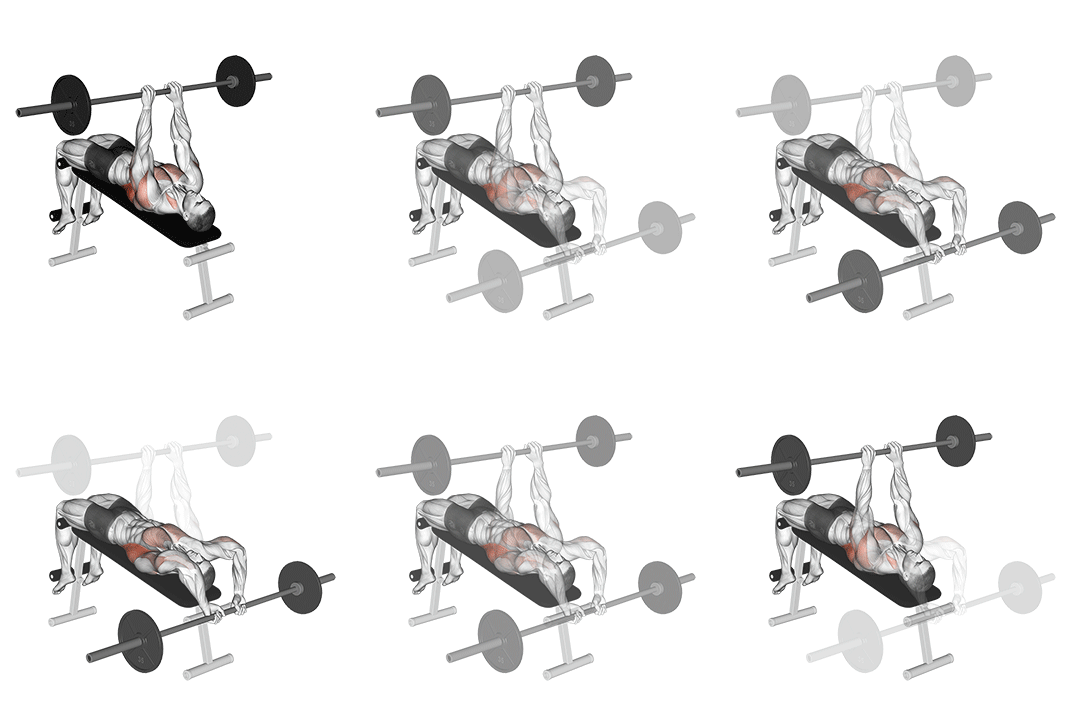
Barbell Bent Arm Pullover demonstration

Barbell Bent Arm Pullover

Target Lats
Equipment Barbell
Body Part Back
Difficulty Intermediate
Movement Isolation
Secondary Muscles
Triceps Chest
VS
Exercise B
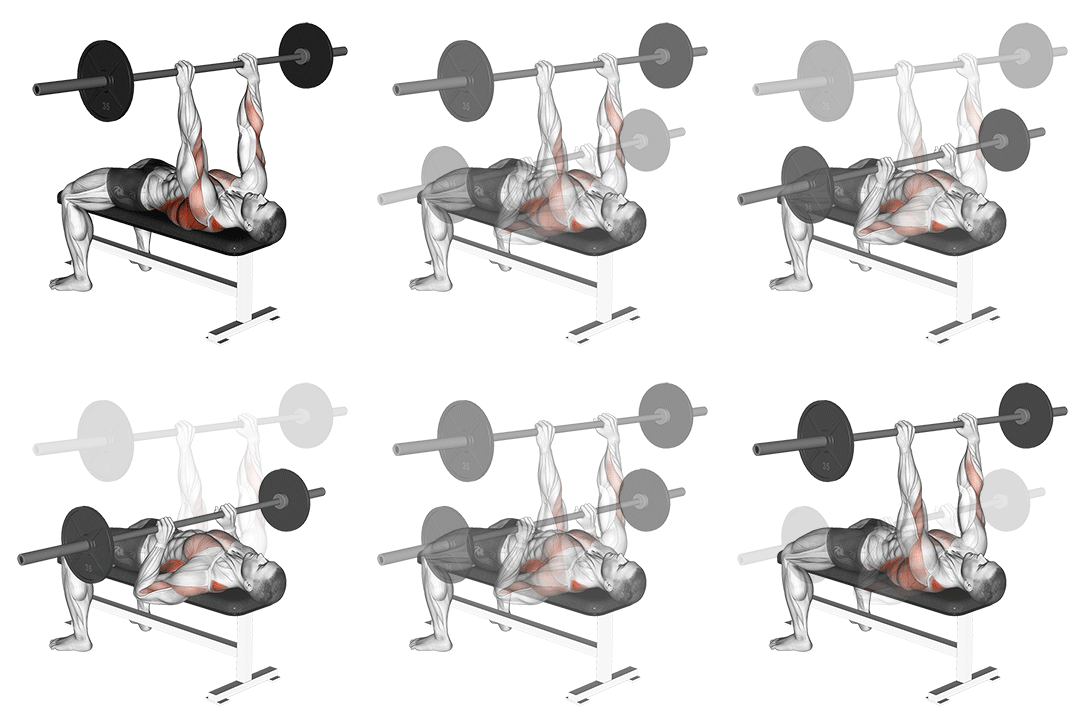
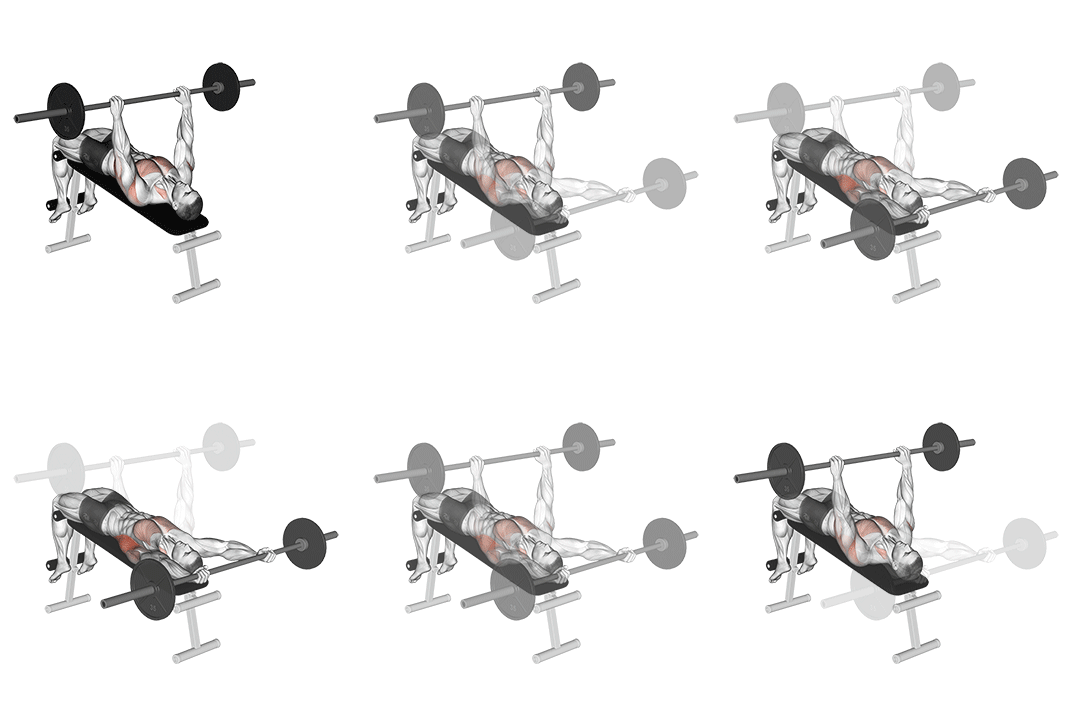
Barbell Pullover To Press demonstration

Barbell Pullover To Press

Target Lats
Equipment Barbell
Body Part Back
Difficulty Intermediate
Movement Compound
Secondary Muscles
Triceps Chest Shoulders

Head-to-Head Comparison

Different values are marked. These are catalogue attributes, not performance scores.

Muscles used

Listed target and secondary muscles, shown on the body. Locations, not activation or strength scores.

  • Target
  • Secondary
  • Not highlighted

Barbell Bent Arm Pullover

Front
Barbell Bent Arm Pullover: front muscle locationsSolid: listed target. Striped: listed secondary. Grey: not highlighted. Locations, not activation or strength scores. See the muscle names below.
Back
Barbell Bent Arm Pullover: back muscle locationsSolid: listed target. Striped: listed secondary. Grey: not highlighted. Locations, not activation or strength scores. See the muscle names below.
Target
Lats
Secondary
Triceps, Chest

Barbell Pullover To Press

Front
Barbell Pullover To Press: front muscle locationsSolid: listed target. Striped: listed secondary. Grey: not highlighted. Locations, not activation or strength scores. See the muscle names below.
Back
Barbell Pullover To Press: back muscle locationsSolid: listed target. Striped: listed secondary. Grey: not highlighted. Locations, not activation or strength scores. See the muscle names below.
Target
Lats
Secondary
Triceps, Chest, Shoulders

Not shown on diagram: Shoulders. These labels do not identify a precise region on this map.

Grey does not mean a muscle is unused. The diagrams show only the mapped catalogue labels.

Attribute Barbell Bent Arm Pullover Barbell Pullover To Press
Target Muscle
Lats
Lats
Body Part
Back
Back
Equipment
Barbell
Barbell
Difficulty
Intermediate
Intermediate
Movement Type Different
Isolation
Compound
Secondary Muscles Different
Triceps, Chest
Triceps, Chest, Shoulders

Visual Comparison

An illustrative 1–10 profile derived from catalog difficulty, equipment, and listed-muscle fields—not measured performance or muscle activation.

Key Differences

  • Barbell Bent Arm Pullover is an isolation exercise, while Barbell Pullover To Press is a compound movement.
  • Both exercises target the Lats using Barbell. The catalogue does not establish which exercise is better for an individual goal.

Muscle comparison

Shared target muscles

Both exercises load the lats through humeral extension and adduction, so peak lat activation is shared. The Barbell Bent Arm Pullover places the lats under long, sustained tensile stress by keeping the elbow bent (roughly 70–100°) and isolating shoulder extension in a single plane. The Barbell Pullover To Press begins with that lat-driven pullover but transitions into an overhead press, splitting force between lat-driven shoulder extension and deltoid-driven shoulder flexion/abduction. Expect similar peak lat engagement early in the rep but more distributed demand through the second phase of the pullover-to-press.

Secondary muscle differences

The Bent Arm Pullover minimizes shoulder and triceps torque compared with the compound version, so chest and long-head triceps act as stabilizers rather than prime movers. The Pullover To Press recruits the anterior and medial deltoids and increases triceps concentric work during the press, adding 15–30% more shoulder and triceps loading across the full rep arc. Chest involvement is comparable as a stabilizer on the pullover but becomes a synergist during the press phase.

Muscle involvement analysis

Bent-arm pullover keeps a posterior-to-anterior force vector focused on lat lengthening and controlled concentric shortening — tension peaks with the shoulder at ~30–45° of extension. Pullover to press shifts vectors: the initial posterior-directed pull (lat dominant) is followed by an upward/anterior vector as you press, changing torque at the glenohumeral joint and increasing deltoid and triceps EMG during the second half of the rep. That shift alters length-tension relationships: the lats lose mechanical advantage as the deltoids take over during the overhead portion.

Equipment and setup

Barbell Bent Arm Pullover: setup

Barbell Bent Arm Pullover needs a barbell and a flat bench or high box. You’ll want collars to secure plates and 1.2–1.5 m of horizontal space. No rack or overhead clearance is required.

Barbell Pullover To Press: setup

Barbell Pullover To Press needs a barbell, bench or sturdy surface, and clear overhead space for the press. If you use heavy loads, a power rack or spotter is recommended for safety during the transition to press.

Access and practicality

Barbell Bent Arm Pullover — it requires less space and no overhead clearance, making it more accessible for home or crowded gyms. It’s also easier to set up and progress with only a barbell and bench.

Learning and progression

Learning the movements

Barbell Bent Arm Pullover is easier to learn because it’s a single-plane, controlled motion focused on scapulohumeral rhythm and elbow angle. Pullover To Press adds a coordination demand: you must transition smoothly from shoulder extension into a vertical pressing pattern, which takes more practice.

Progression considerations

Pullover To Press offers greater long-term progression because it’s a compound lift: you can increase load for both pulling and pressing strength (3–6 rep strength work) and overload multiple joints. Bent Arm Pullover is ideal for high-volume lat hypertrophy (8–15+ reps) but has less carryover to pressing strength.

Limitations and precautions

Pullover To Press carries higher acute risk due to overhead pressing with the same loaded implement used in the pullover; poor scapular control or lumbar bracing can increase shoulder impingement or low-back extension risk. Bent Arm Pullover still risks shoulder strain if you exceed your thoracic/shoulder mobility limits, but overall it’s lower risk when performed with proper scapular control and a 70–100° elbow angle.

Pros & Cons

Barbell Bent Arm Pullover

+ Pros

  • Direct lat isolation with steady tension across the range of motion
  • Requires only a barbell and bench — simple setup
  • Lower overall joint coordination demand than the compound variant
  • Easy to program for higher-volume hypertrophy sets (8–15 reps)

− Cons

  • Limited carryover to pressing strength or overhead power
  • Requires good shoulder/glenohumeral mobility to avoid impingement
  • Can load the sternum/upper ribs if you let the bar path drop too far

Barbell Pullover To Press

+ Pros

  • Combines lat work with overhead pressing for efficient compound training
  • Builds pressing strength and shoulder stability as well as back development
  • Higher systemic demand — good for time-efficient sessions
  • Offers broader progression options (load, pause, tempo, press variants)

− Cons

  • Higher technical demand — timing and sequencing matter
  • Requires overhead clearance and sometimes a spotter or rack
  • Greater cumulative shoulder and triceps stress, increasing technical failure risk

When Each Exercise Wins

1
For muscle hypertrophy: Barbell Bent Arm Pullover

For direct lat hypertrophy the bent-arm pullover keeps the lats under constant tension and isolates shoulder extension, making it ideal for 8–15+ rep work. Its single-joint emphasis maximizes time under tension and minimizes fatigue transfer to deltoids and triceps.

2
For strength gains: Barbell Pullover To Press

The pullover-to-press is a compound lift that trains both pulling and pressing strength, allowing you to overload heavier in low-rep ranges (3–6) and build functional upper-body force production. Its multi-joint loading improves neural drive across the shoulder complex.

3
For beginners: Barbell Bent Arm Pullover

Beginners benefit from the simpler, single-plane motor pattern of the bent-arm pullover to learn scapulohumeral control and avoid coordination errors. Start with light loads and 8–12 reps to build mobility and proper tension before adding more complex compounds.

4
For home workouts: Barbell Bent Arm Pullover

Home setups often lack overhead clearance and spotters; the bent-arm pullover needs only a bench and barbell and is safer in tight spaces. It delivers focused lat work without the extra technical and space demands of the pullover-to-press.

Frequently Asked Questions

Can I do both Barbell Bent Arm Pullover and Barbell Pullover To Press in the same workout?

Yes — but sequence matters. Do the Bent Arm Pullover first if you want to prioritize lat hypertrophy (3–4 sets of 8–15). If your goal is pressing strength or systemic work, perform Pullover To Press earlier and keep pullover sets lighter afterward as accessory work.

Which exercise is better for beginners?

The Barbell Bent Arm Pullover is better for beginners because it has a simpler motor pattern and lower coordination demands. Start light, focus on a 70–100° elbow angle and controlled scapular movement before progressing to the compound variation.

How do the muscle activation patterns differ?

Bent-arm pullovers maintain posterior-directed force on the humerus, maximizing lat length-tension through shoulder extension. Pullover to press shifts force vectors mid-rep from posterior (lats) to anterior/upward (deltoids and triceps), so activation moves from lat-dominant to deltoid/triceps-dominant as you press overhead.

Can Barbell Pullover To Press replace Barbell Bent Arm Pullover?

It can replace it when your goal includes pressing strength or you want compound efficiency, but it won’t isolate the lats as effectively. If pure lat hypertrophy is the aim, keep the bent-arm pullover in your program or use the pullover-to-press as a heavier, lower-volume alternative.

Comparison Summary

Pick the Barbell Bent Arm Pullover when your priority is targeted lat development, higher-volume hypertrophy, or limited equipment/space. Use a 70–100° elbow bend, maintain scapular control, and emphasize a smooth eccentric to stress the lats for 8–15 reps. Choose the Barbell Pullover To Press when you want a time-efficient, compound movement that builds both back and pressing strength — program it for lower reps (3–6) or heavy sets and cue a controlled transition from pullover to overhead press. Both moves have a place: isolate the lats to build size, add the compound to build strength and transfer to pressing patterns.

Exercise instructions

Steps from the exercise catalogue. Read the full sequence before starting.

Barbell Bent Arm Pullover

  1. Lie flat on a bench with your head at one end and your feet on the floor.
  2. Hold a barbell with a shoulder-width grip and extend your arms straight above your chest.
  3. Lower the barbell behind your head while keeping your arms slightly bent.
Read remaining steps for Barbell Bent Arm Pullover
  1. Pause for a moment, then raise the barbell back to the starting position.
  2. Repeat for the desired number of repetitions.

Barbell Pullover To Press

  1. Lie flat on a bench with your head at one end and your feet on the ground.
  2. Hold the barbell with a pronated grip (palms facing away from you) and extend your arms straight above your chest.
  3. Keeping your arms straight, lower the barbell behind your head in an arc-like motion until you feel a stretch in your lats.
Read remaining steps for Barbell Pullover To Press
  1. Pause for a moment, then reverse the motion and press the barbell back to the starting position above your chest.
  2. Repeat for the desired number of repetitions.

Also Compare

Compare another pair

Choose two exercises to see their differences side by side.

Compare Exercises