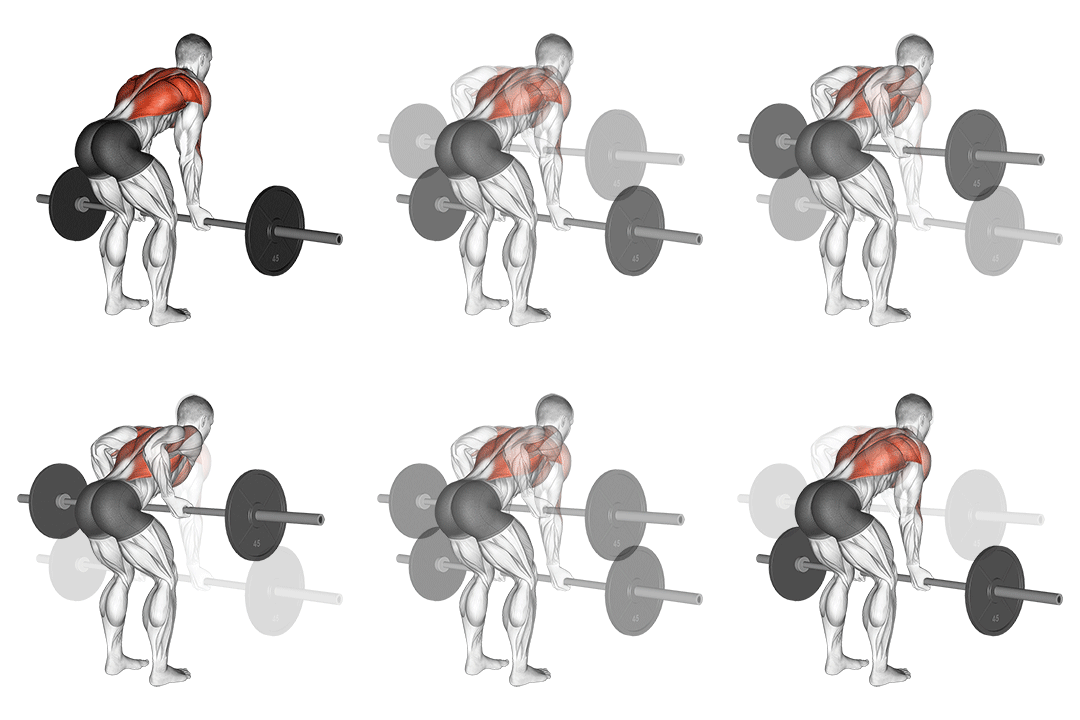
Barbell Decline Wide-grip Pullover vs Barbell Pullover To Press

Compare target muscles, equipment, difficulty, movement type, and secondary muscles for Barbell Decline Wide-grip Pullover and Barbell Pullover To Press.

Change comparison Share

Get comparison link

Select the link and use your device's Copy command.

Comparison overview

AI-generated
Barbell Decline Wide-grip Pullover vs Barbell Pullover To Press — you want a targeted way to build your lats and a clear pick for your program. In this comparison you’ll get technique cues, biomechanics-based differences, rep ranges, and practical recommendations. I’ll show which exercise stretches and loads the lats more, how secondary muscles like triceps, chest, and shoulders come into play, which is easier to progress, and when to use each movement in 6–12 rep hypertrophy blocks or 3–5 rep strength phases.

Exercise Comparison

Exercise A
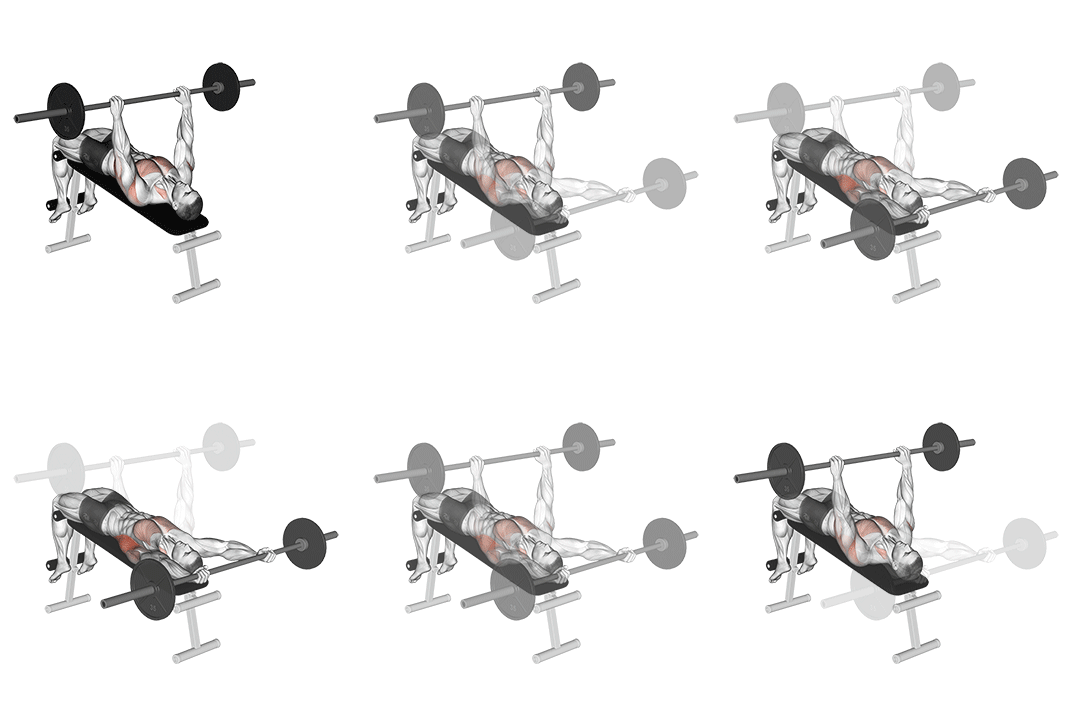
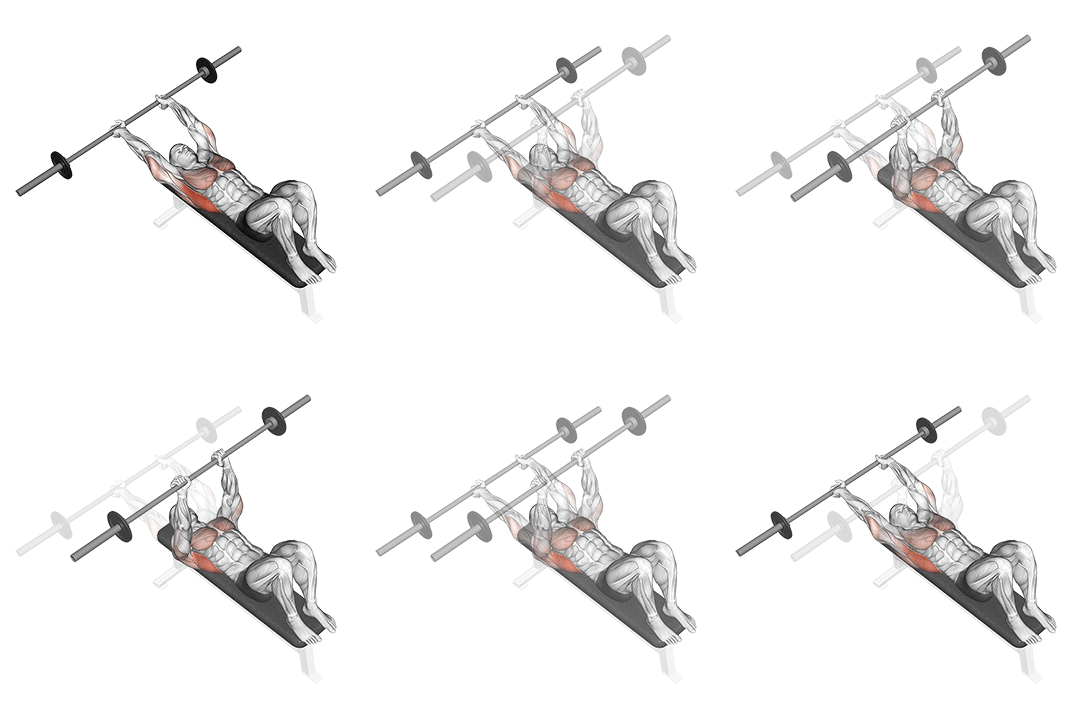
Barbell Decline Wide-grip Pullover demonstration

Barbell Decline Wide-grip Pullover

Target Lats
Equipment Barbell
Body Part Back
Difficulty Intermediate
Movement Isolation
Secondary Muscles
Triceps Chest
VS
Exercise B
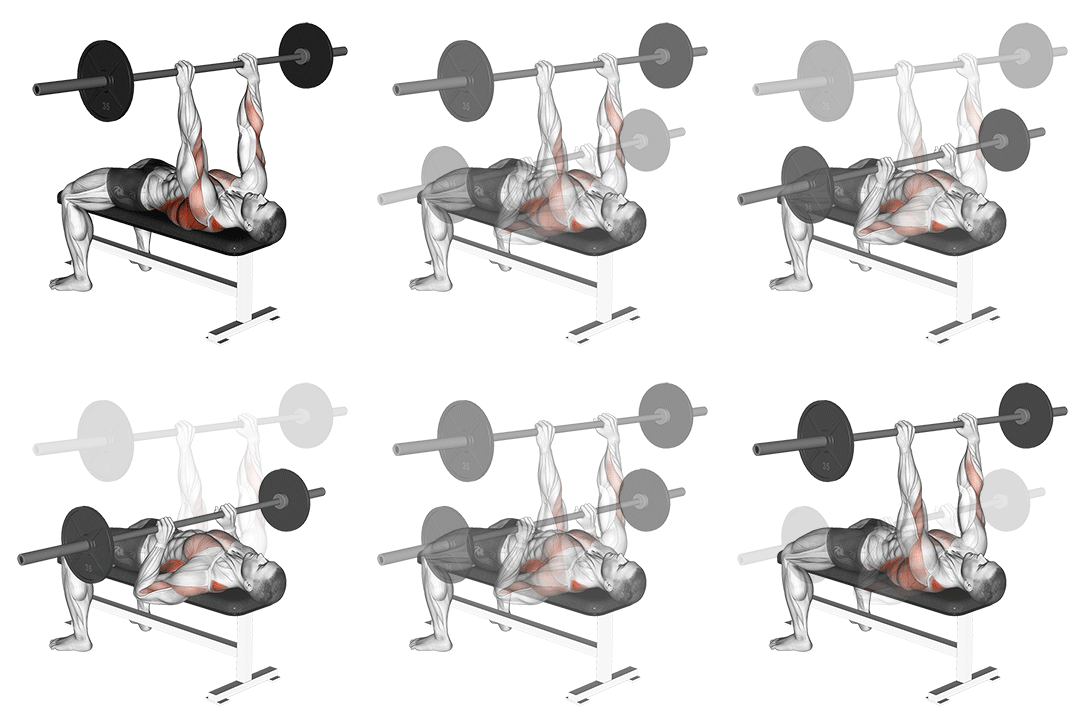
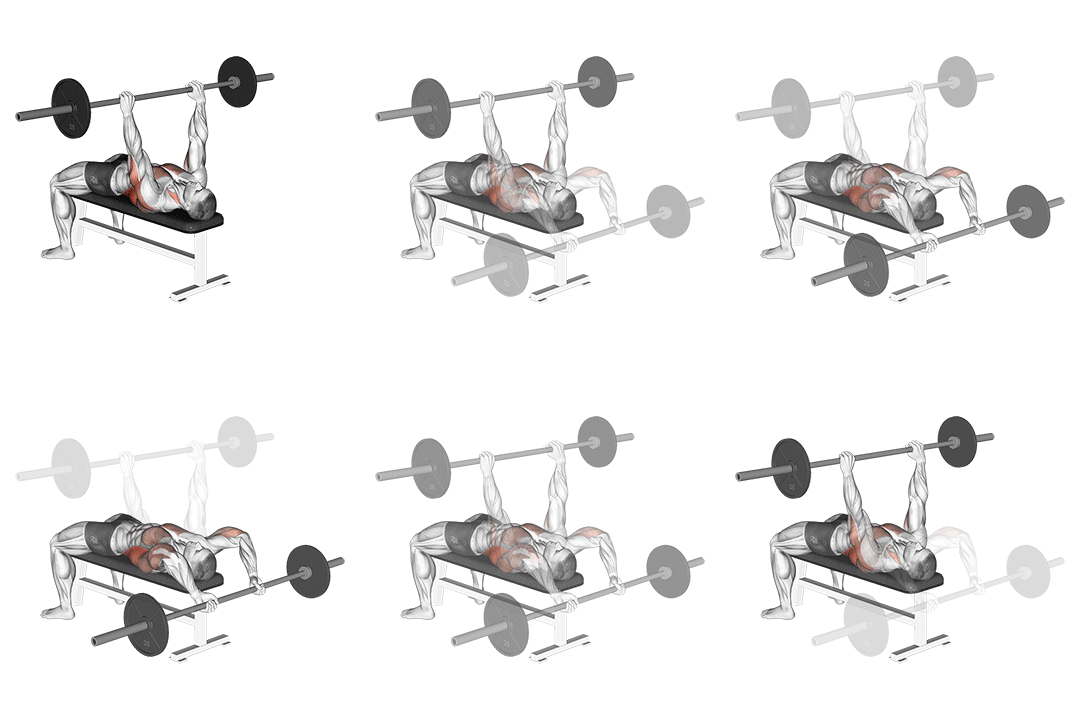
Barbell Pullover To Press demonstration

Barbell Pullover To Press

Target Lats
Equipment Barbell
Body Part Back
Difficulty Intermediate
Movement Compound
Secondary Muscles
Triceps Chest Shoulders

Head-to-Head Comparison

Different values are marked. These are catalogue attributes, not performance scores.

Muscles used

Listed target and secondary muscles, shown on the body. Locations, not activation or strength scores.

  • Target
  • Secondary
  • Not highlighted

Barbell Decline Wide-grip Pullover

Front
Barbell Decline Wide-grip Pullover: front muscle locationsSolid: listed target. Striped: listed secondary. Grey: not highlighted. Locations, not activation or strength scores. See the muscle names below.
Back
Barbell Decline Wide-grip Pullover: back muscle locationsSolid: listed target. Striped: listed secondary. Grey: not highlighted. Locations, not activation or strength scores. See the muscle names below.
Target
Lats
Secondary
Triceps, Chest

Barbell Pullover To Press

Front
Barbell Pullover To Press: front muscle locationsSolid: listed target. Striped: listed secondary. Grey: not highlighted. Locations, not activation or strength scores. See the muscle names below.
Back
Barbell Pullover To Press: back muscle locationsSolid: listed target. Striped: listed secondary. Grey: not highlighted. Locations, not activation or strength scores. See the muscle names below.
Target
Lats
Secondary
Triceps, Chest, Shoulders

Not shown on diagram: Shoulders. These labels do not identify a precise region on this map.

Grey does not mean a muscle is unused. The diagrams show only the mapped catalogue labels.

Attribute Barbell Decline Wide-grip Pullover Barbell Pullover To Press
Target Muscle
Lats
Lats
Body Part
Back
Back
Equipment
Barbell
Barbell
Difficulty
Intermediate
Intermediate
Movement Type Different
Isolation
Compound
Secondary Muscles Different
Triceps, Chest
Triceps, Chest, Shoulders

Visual Comparison

An illustrative 1–10 profile derived from catalog difficulty, equipment, and listed-muscle fields—not measured performance or muscle activation.

Key Differences

  • Barbell Decline Wide-grip Pullover is an isolation exercise, while Barbell Pullover To Press is a compound movement.
  • Both exercises target the Lats using Barbell. The catalogue does not establish which exercise is better for an individual goal.

Muscle comparison

Shared target muscles

Both movements emphasize the latissimus dorsi through shoulder extension and long-axis humeral control. The decline wide-grip pullover biases the lats by maximizing stretch at the top of the range and reducing elbow and shoulder flexor contribution, producing a more isolated tension curve across 0–120 degrees of humeral extension. The pullover to press still recruits the lats strongly during the lower radial arc but shifts load into a vertical force vector during the press phase, reducing pure lat time-under-tension by about 20–30% relative to continuous pullover work.

Secondary muscle differences

Barbell Decline Wide-grip Pullover uses the chest and triceps as stabilizers, with minimal deltoid loading because the pressing action is absent. Barbell Pullover To Press significantly increases anterior deltoid and pectoral activation during the press portion, and triceps contribute more force during elbow extension. The compound variant produces higher total system EMG across chest, delts, and triceps versus the decline isolation version.

Muscle involvement analysis

In the decline wide-grip pullover, the pattern is length-tension dominated: peak lat activation occurs near full shoulder flexion when the muscle is stretched and resists extension. Force vector is horizontal to slightly diagonal. In the pullover to press, activation divides into two phases: a horizontal/diagonal pullover phase for lat lengthening, then a vertical press phase where deltoids and pecs produce concentric force. The change in force vector shifts load off the lats during the press.

Equipment and setup

Barbell Decline Wide-grip Pullover: setup

Barbell, decline bench set to about 20–30 degrees, collars, and 45–65 lb incremental loading. Wide-grip may use slightly wider hand placement (index finger outside knurling) to emphasize lats.

Barbell Pullover To Press: setup

Barbell, flat bench (or floor), collars, and enough overhead clearance; you also need shoulder mobility for the press arc. No special decline bench required.

Access and practicality

Barbell Pullover To Press — it needs less specialized equipment (flat bench or even floor) and translates better to home setups, while the decline wide-grip pullover requires a decline bench which limits accessibility.

Learning and progression

Learning the movements

Barbell Decline Wide-grip Pullover is easier to learn as an isolation pattern: hinge at the shoulder, keep slight elbow bend, and focus on stretching and contracting the lats. Pullover To Press demands coordination for the transition from horizontal pullover to vertical press and requires solid shoulder stability.

Progression considerations

Barbell Pullover To Press offers broader progression options because you can increase load, manipulate tempo, and treat it as both a horizontal and vertical press, making it useful across strength (3–5 reps) and hypertrophy (6–12 reps). The decline pullover is easier to manipulate for time-under-tension and partials but has less absolute loading ceiling.

Limitations and precautions

Pullover To Press carries higher shoulder and lower-back stress if form breaks during the press; overhead pressing increases impingement risk for those with limited external rotation. Decline wide-grip pullover risks come from excessive shoulder extension under load; both require proper scapular control to minimize risk.

Pros & Cons

Barbell Decline Wide-grip Pullover

+ Pros

  • Strongly isolates the lats via long muscle stretch and controlled extension
  • Lower technical demand — easier to cue and teach
  • Excellent for time-under-tension and strict 6–12 rep hypertrophy work
  • Reduced overhead shoulder strain compared with pressing variations

− Cons

  • Requires a decline bench, limiting accessibility
  • Narrower progression ceiling for absolute load compared with compound lifts
  • Less shoulder, chest, and triceps development compared with compound presses

Barbell Pullover To Press

+ Pros

  • Combines lat work with pressing for efficient upper-body compound stimulus
  • Higher total load potential and better transfer to pressing strength
  • Works deltoids, chest, triceps alongside lats for metabolic and strength carryover
  • Doesn't require a decline bench — more gym/home friendly

− Cons

  • More technical complexity due to transition between pullover and press
  • Greater shoulder demand and potential impingement risk without mobility
  • Less continuous lat time-under-tension than a focused pullover

When Each Exercise Wins

1
For muscle hypertrophy: Barbell Decline Wide-grip Pullover

Its isolation profile increases time-under-tension and peak lat stretch, which optimizes hypertrophy in the 6–12 rep range. The fixed horizontal force vector places continuous load on the lats without offloading to pressing muscles.

2
For strength gains: Barbell Pullover To Press

The compound nature lets you use heavier absolute loads and trains vertical pressing strength as well as horizontal extension, which is better for multi-joint strength development in 3–5 rep ranges.

3
For beginners: Barbell Decline Wide-grip Pullover

Simpler movement pattern with fewer transitions makes it easier to learn scapular control and lat activation. You can start with lighter loads and focus on form without managing an overhead press.

4
For home workouts: Barbell Pullover To Press

Requires only a flat surface and a barbell; no decline bench. It gives more bang for your equipment, letting you train multiple muscle groups with one movement.

Frequently Asked Questions

Can I do both Barbell Decline Wide-grip Pullover and Barbell Pullover To Press in the same workout?
Yes. Use the pullover to press earlier as a compound primary movement (3–6 sets of 3–6 or 6–8 reps) and follow with decline wide-grip pullovers as a finisher for 2–3 sets of 8–15 reps to increase lat-specific time-under-tension. Prioritize form and reduce load on the second exercise to avoid cumulative shoulder fatigue.

Which exercise is better for beginners?

Barbell Decline Wide-grip Pullover is generally better for beginners because it isolates the lat pattern and has fewer transitions to coordinate. Start with light weight, focus on a controlled stretch and contraction, and build scapular control before adding more complex compound lifts.
How do the muscle activation patterns differ?

The decline wide-grip pullover keeps a horizontal/diagonal force vector that maximizes lat length-tension and continuous activation. The pullover to press splits activation into a lat-dominant pullover phase and a deltoid/pec-dominant vertical press phase, shifting the force vector and shortening lat time-under-load during the press.

Can Barbell Pullover To Press replace Barbell Decline Wide-grip Pullover?

It can replace the pullover if you need a compound option that trains lats plus pressing musculature, but it won’t match the same isolated lat stretch and time-under-tension. If your priority is pure lat hypertrophy, keep the decline pullover in your program.

Comparison Summary

Choose the Barbell Decline Wide-grip Pullover when your primary goal is targeted lat development and you can control shoulder extension on a decline bench; it’s ideal for 6–12 rep hypertrophy cycles where muscle length-tension and time-under-tension matter. Opt for the Barbell Pullover To Press when you want an efficient compound lift that builds lat capacity while also improving pressing strength and recruiting delts and chest; load it for 3–5 reps for strength or 6–10 for heavier compound hypertrophy. Program them strategically: use the decline pullover as an isolation finisher or corrective strength builder, and the pullover-to-press as a main lift when you want overall upper-body development and better equipment flexibility.
Exercise instructions

Steps from the exercise catalogue. Read the full sequence before starting.

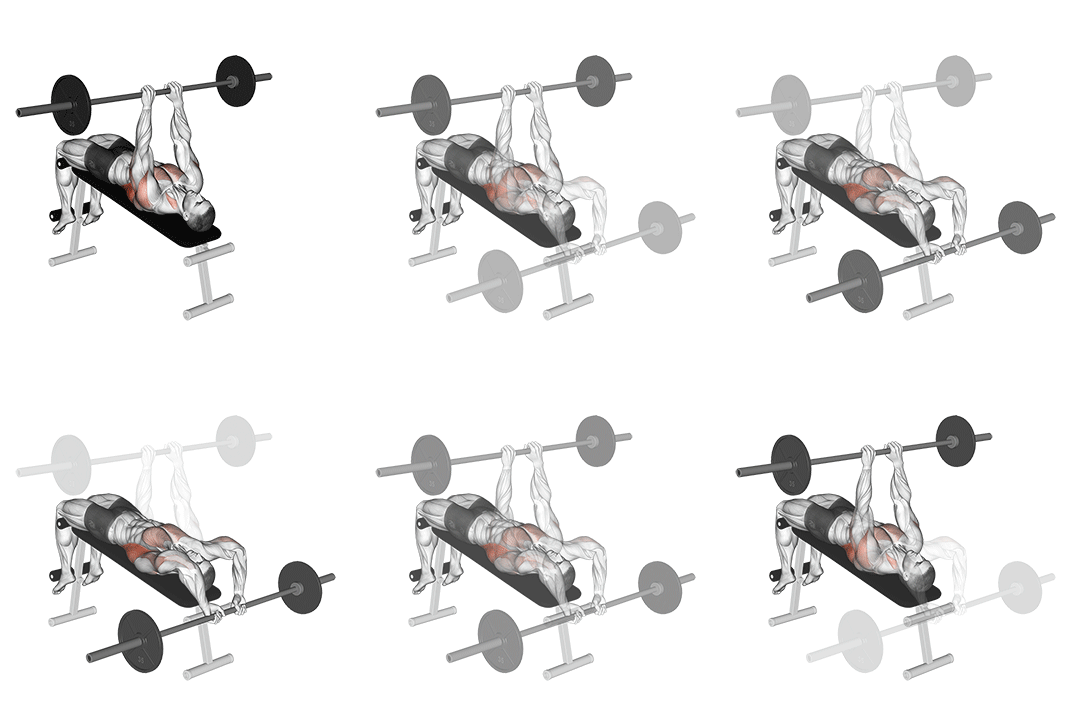
Barbell Decline Wide-grip Pullover

  1. Lie on a decline bench with your head lower than your hips and your feet secured.
  2. Hold a barbell with a wide grip and extend your arms straight above your chest.
  3. Lower the barbell behind your head in a controlled manner, keeping your arms straight.
Read remaining steps for Barbell Decline Wide-grip Pullover
  1. Pause for a moment, then raise the barbell back to the starting position.
  2. Repeat for the desired number of repetitions.

Barbell Pullover To Press

  1. Lie flat on a bench with your head at one end and your feet on the ground.
  2. Hold the barbell with a pronated grip (palms facing away from you) and extend your arms straight above your chest.
  3. Keeping your arms straight, lower the barbell behind your head in an arc-like motion until you feel a stretch in your lats.
Read remaining steps for Barbell Pullover To Press
  1. Pause for a moment, then reverse the motion and press the barbell back to the starting position above your chest.
  2. Repeat for the desired number of repetitions.

Also Compare

Compare another pair

Choose two exercises to see their differences side by side.

Compare Exercises