Barbell Bent Arm Pullover vs Barbell Reverse Grip Bent Over Row

Compare target muscles, equipment, difficulty, movement type, and secondary muscles for Barbell Bent Arm Pullover and Barbell Reverse Grip Bent Over Row.

Change comparison Share

Get comparison link

Select the link and use your device's Copy command.

Comparison overview

AI-generated
Barbell Bent Arm Pullover vs Barbell Reverse Grip Bent Over Row — two barbell moves that load the lats but do it very differently. If you want clear direction on technique, muscle emphasis, equipment needs, and when to use each, you’re in the right place. I’ll break down muscle activation, joint mechanics, exact technique cues (angles, torso positions, elbow set), programming rep ranges (3–6 strength, 6–12 hypertrophy), and practical recommendations so you can pick the right move for your goals.

Exercise Comparison

Exercise A
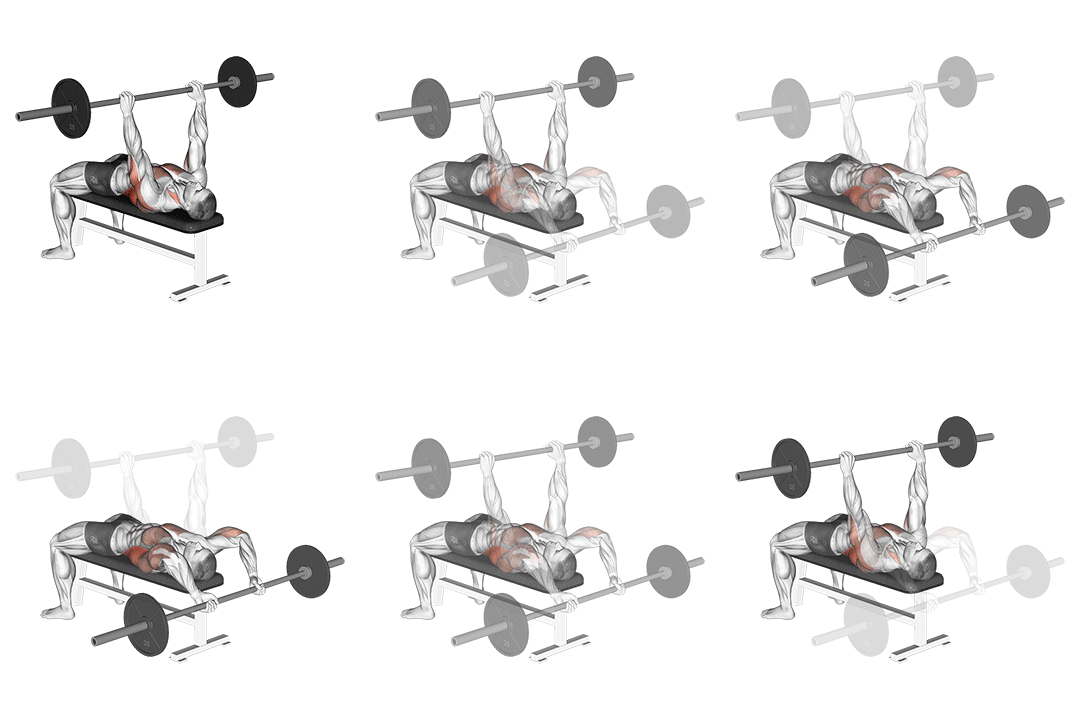
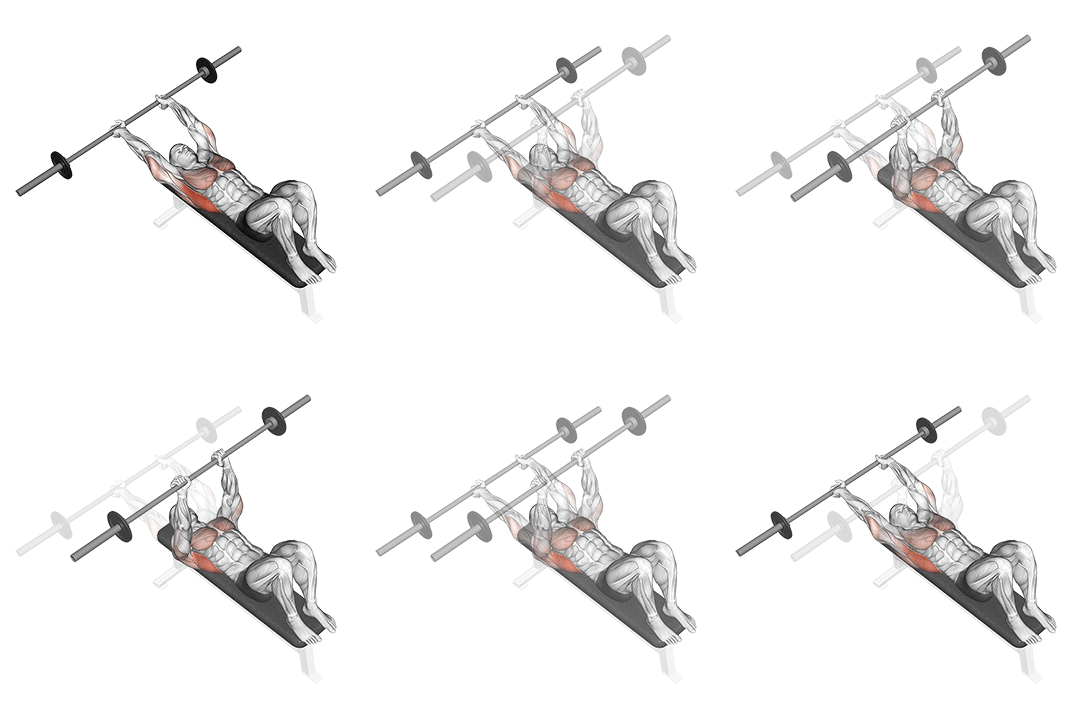
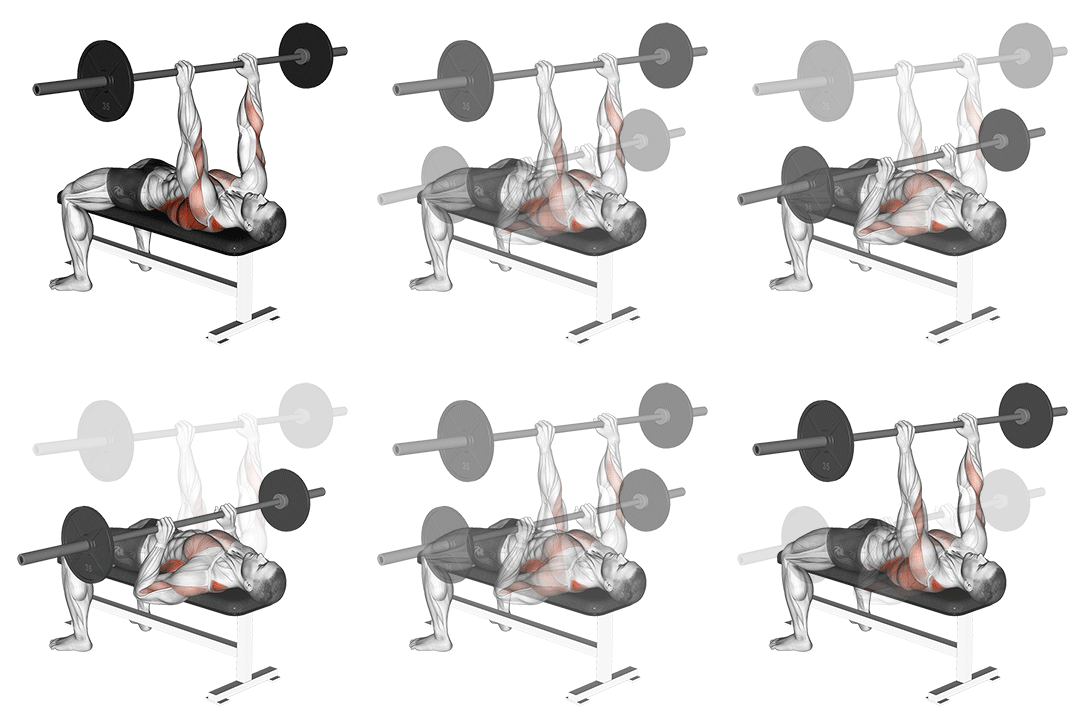
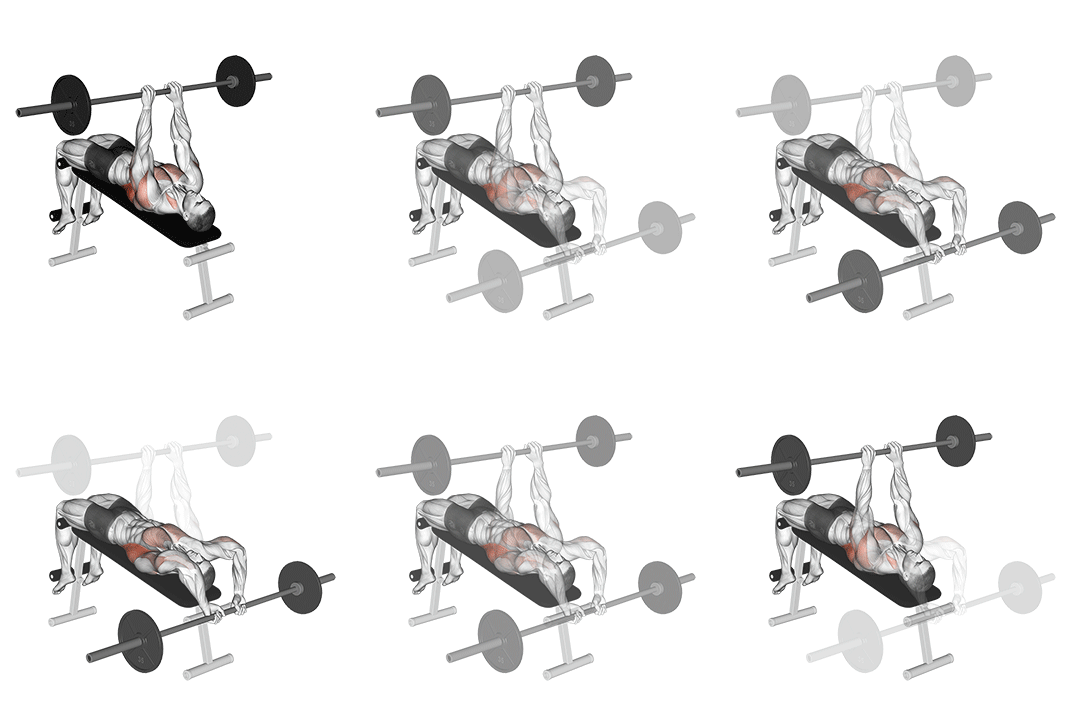
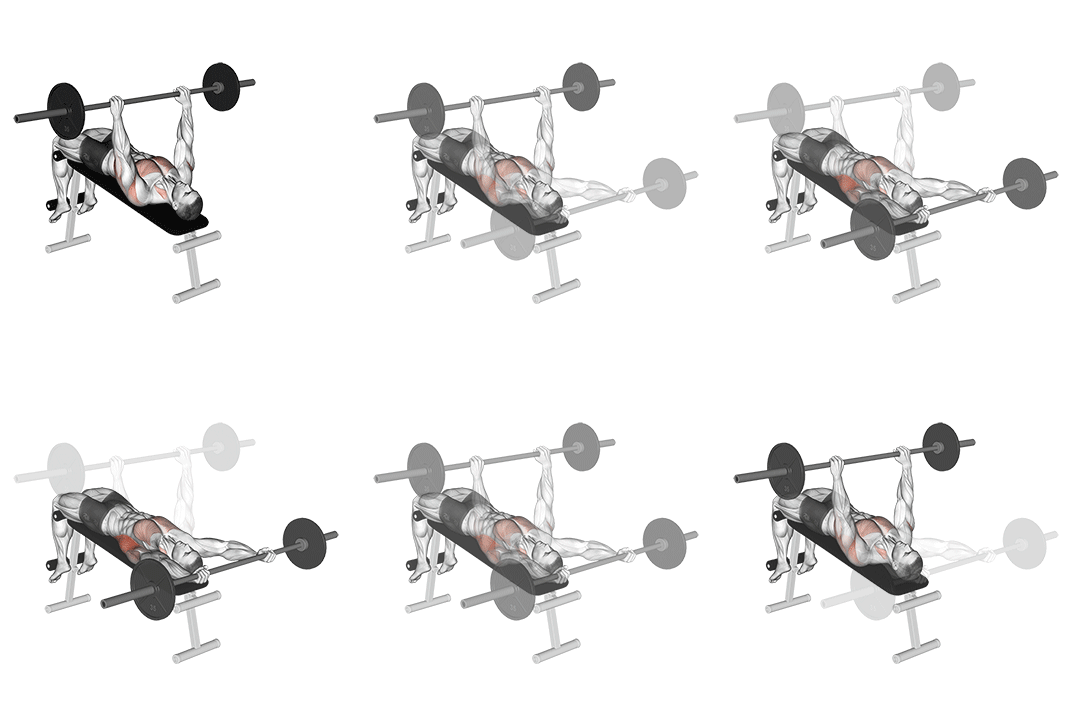
Barbell Bent Arm Pullover demonstration

Barbell Bent Arm Pullover

Target Lats
Equipment Barbell
Body Part Back
Difficulty Intermediate
Movement Isolation
Secondary Muscles
Triceps Chest
VS
Exercise B
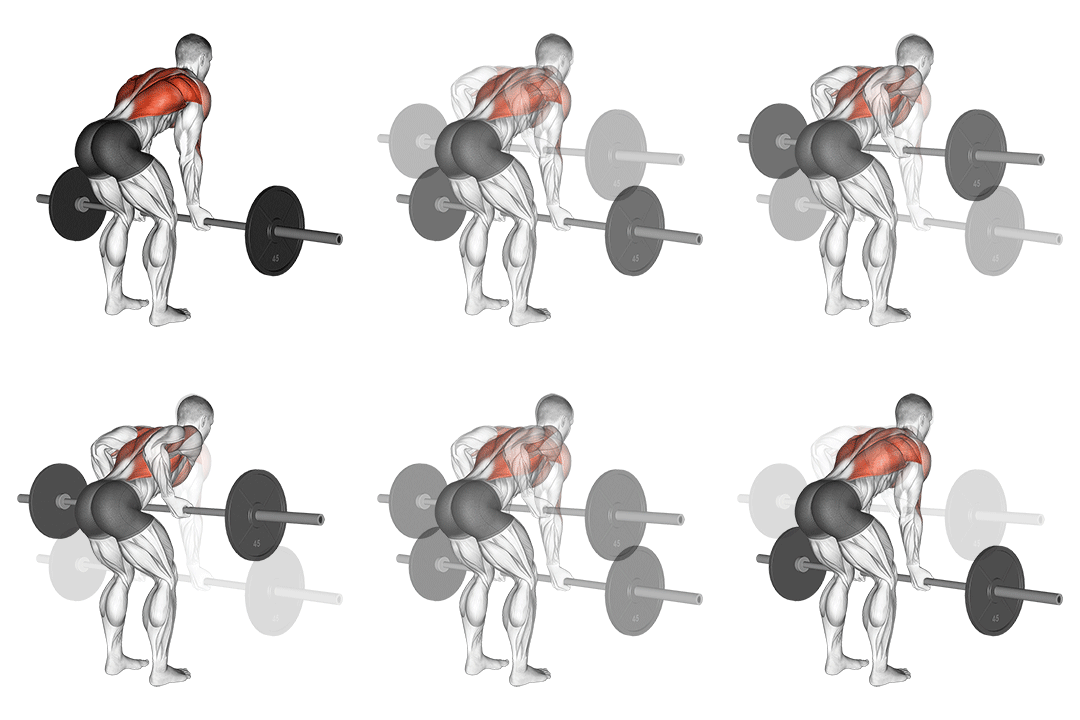
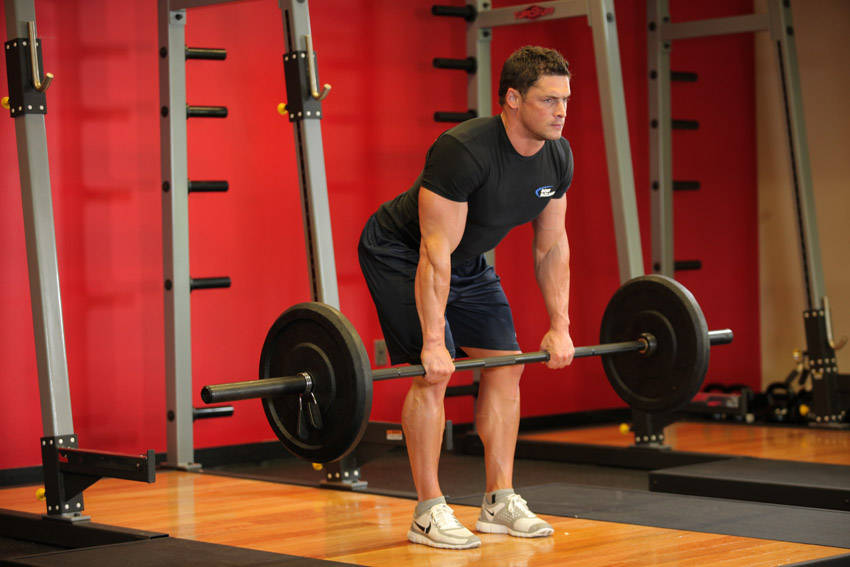
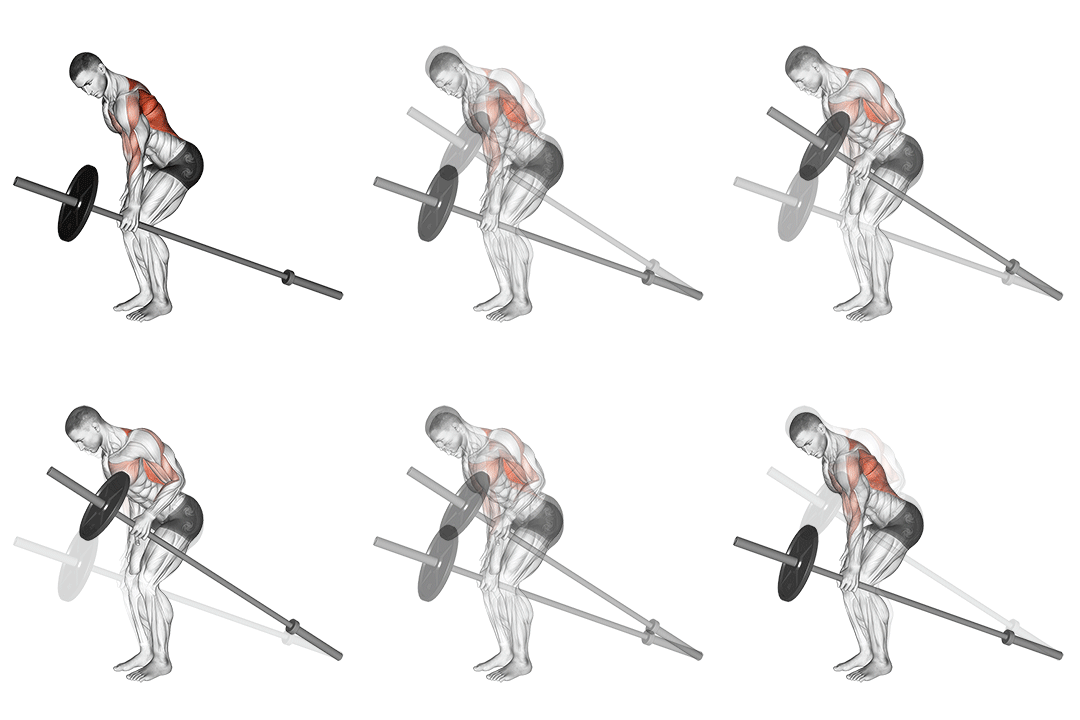
Barbell Reverse Grip Bent Over Row demonstration

Barbell Reverse Grip Bent Over Row

Target Lats
Equipment Barbell
Body Part Back
Difficulty Intermediate
Movement Compound
Secondary Muscles
Biceps Forearms

Head-to-Head Comparison

Different values are marked. These are catalogue attributes, not performance scores.

Muscles used

Listed target and secondary muscles, shown on the body. Locations, not activation or strength scores.

  • Target
  • Secondary
  • Not highlighted

Barbell Bent Arm Pullover

Front
Barbell Bent Arm Pullover: front muscle locationsSolid: listed target. Striped: listed secondary. Grey: not highlighted. Locations, not activation or strength scores. See the muscle names below.
Back
Barbell Bent Arm Pullover: back muscle locationsSolid: listed target. Striped: listed secondary. Grey: not highlighted. Locations, not activation or strength scores. See the muscle names below.
Target
Lats
Secondary
Triceps, Chest

Barbell Reverse Grip Bent Over Row

Front
Barbell Reverse Grip Bent Over Row: front muscle locationsSolid: listed target. Striped: listed secondary. Grey: not highlighted. Locations, not activation or strength scores. See the muscle names below.
Back
Barbell Reverse Grip Bent Over Row: back muscle locationsSolid: listed target. Striped: listed secondary. Grey: not highlighted. Locations, not activation or strength scores. See the muscle names below.
Target
Lats
Secondary
Biceps, Forearms

Grey does not mean a muscle is unused. The diagrams show only the mapped catalogue labels.

Attribute Barbell Bent Arm Pullover Barbell Reverse Grip Bent Over Row
Target Muscle
Lats
Lats
Body Part
Back
Back
Equipment
Barbell
Barbell
Difficulty
Intermediate
Intermediate
Movement Type Different
Isolation
Compound
Secondary Muscles Different
Triceps, Chest
Biceps, Forearms

Visual Comparison

An illustrative 1–10 profile derived from catalog difficulty, equipment, and listed-muscle fields—not measured performance or muscle activation.

Key Differences

  • Barbell Bent Arm Pullover is an isolation exercise, while Barbell Reverse Grip Bent Over Row is a compound movement.
  • Both exercises target the Lats using Barbell. The catalogue does not establish which exercise is better for an individual goal.

Muscle comparison

Shared target muscles

Both exercises target the latissimus dorsi, but they emphasize different aspects. The Barbell Bent Arm Pullover isolates the lats through shoulder extension with a relatively fixed elbow angle, favoring the lat fibers at longer muscle lengths during the eccentric arc. The Barbell Reverse Grip Bent Over Row loads the lats via elbow flexion and strong scapular retraction while allowing heavier concentric force and a fuller contractile range. Expect the row to permit roughly 20–40% more absolute load, producing higher overall mechanical tension on the lats.

Secondary muscle differences

The pullover engages chest and triceps as stabilizers—particularly the sternal pec fibers when the bar travels behind the head—while the reverse-grip row recruits biceps and forearms as prime movers during elbow flexion. The row also places greater demand on spinal erectors and posterior chain for trunk stabilization, whereas the pullover relies more on shoulder girdle stability.

Muscle involvement analysis

Biomechanically, the pullover is a shoulder extension dominant pattern: the movement arc stretches the lats to longer lengths (greater length-tension stimulus) with a relatively constant elbow angle (~30°). The reverse-grip row is a horizontal pull: force vector is posterior-to-anterior along the torso, producing peak lat activation during the concentric pull and maximal scapular retraction at end range. Pullover emphasizes eccentric control through the arc; row emphasizes concentric force and load-driven tension.

Equipment and setup

Barbell Bent Arm Pullover: setup

Barbell Bent Arm Pullover requires a barbell and a flat bench (or a secure elevated surface). You need enough shoulder clearance for the bar to travel behind your head to get full ROM.

Barbell Reverse Grip Bent Over Row: setup

Barbell Reverse Grip Bent Over Row requires a barbell and open floor space. No bench needed—just a platform to hinge from your hips and maintain a neutral spine at about a 30°–45° torso angle.

Access and practicality

Barbell Reverse Grip Bent Over Row — it needs less specialized equipment and can be performed with limited gear. You can also substitute with dumbbells or a trap bar more easily for home setups.

Learning and progression

Learning the movements

Barbell Bent Arm Pullover has a steeper learning curve for safe shoulder positioning and controlled arc; you must maintain a fixed elbow angle (~20°–40°) and avoid excessive extension past ~120° of shoulder extension to protect the anterior capsule. The Reverse Grip Bent Over Row is simpler to learn technically as a hinge plus pull, but it requires hip-hinge competence to protect the lumbar spine.

Progression considerations

Barbell Reverse Grip Bent Over Row offers greater progression potential — heavier loads, weekly load increments, variations in tempo, and pause reps. The pullover progresses via increased ROM, slower eccentrics, and moderate load increases but is limited by shoulder capsule tolerance and grip.

Limitations and precautions

Pullover carries higher shoulder impingement and anterior capsular strain risk if you overextend the shoulder or flare elbows too wide. The reverse-grip row poses higher lumbar risk if torso angle is too horizontal or back rounds; maintain a neutral spine at ~30°–45° to minimize risk.

Pros & Cons

Barbell Bent Arm Pullover

+ Pros

  • Isolates lats through a long muscle-length eccentric stretch
  • Low demand on grip and biceps, letting lats work without strong elbow flexion
  • Good for adding lat width and chest stretch in the same movement
  • Easy to control tempo and eccentric emphasis for hypertrophy (6–12 reps, 3–4 s eccentrics)

− Cons

  • Requires a bench or elevated surface and sufficient shoulder clearance
  • Higher shoulder strain risk if technique breaks or range is excessive
  • Limited absolute loading compared with compound rows

Barbell Reverse Grip Bent Over Row

+ Pros

  • Allows heavier loading and higher mechanical tension for the lats
  • Also trains biceps and forearms, saving exercise time
  • No bench required—more accessible and versatile
  • Multiple progression options (tempo, paused reps, heavier loads, rep ranges 3–12)

− Cons

  • Greater demand on spinal erectors and hip-hinge mechanics
  • Reverse grip can stress the wrists and forearms in some lifters
  • Less pure isolation of the lats—other muscles share the load

When Each Exercise Wins

1
For muscle hypertrophy: Barbell Reverse Grip Bent Over Row

The reverse-grip row supports heavier loads and higher time-under-tension with compound recruitment, making it more effective for overall muscle growth in the 6–12 rep range while also providing strong lat contraction and scapular retraction.

2
For strength gains: Barbell Reverse Grip Bent Over Row

Compound mechanics allow you to progressively overload more weight (roughly 20–40% more than isolation lifts), which drives neuromuscular strength adaptations when trained for lower reps (3–6).

3
For beginners: Barbell Reverse Grip Bent Over Row

Learning a hip hinge plus a horizontal pull builds transferable movement patterns and uses heavier, simpler loading. It’s easier to scale with lighter weights and teaches core bracing earlier than the pullover.

4
For home workouts: Barbell Reverse Grip Bent Over Row

Rows need minimal equipment and can be performed with a barbell, dumbbells, or even a loaded backpack. Pullover usually requires a bench and more shoulder clearance, limiting home options.

Frequently Asked Questions

Can I do both Barbell Bent Arm Pullover and Barbell Reverse Grip Bent Over Row in the same workout?

Yes. Place the reverse-grip row earlier as a heavy compound (3–6 or 6–10 reps) to get maximum loading, then use the pullover as an accessory (8–12 reps, slow eccentrics) to emphasize lat stretch and isolation without fatiguing the lower back.

Which exercise is better for beginners?

Barbell Reverse Grip Bent Over Row is generally better for beginners because it builds core bracing and hinge mechanics while allowing easier load progression. Start light, master the hip hinge and neutral spine, then increase weight.

How do the muscle activation patterns differ?

Pullover emphasizes shoulder extension and stretches the lats at longer lengths with a near-fixed elbow angle, creating an eccentric-dominant stimulus. The reverse-grip row uses elbow flexion plus scapular retraction and produces higher concentric force and overall mechanical tension on the lats and accessory muscles.

Can Barbell Reverse Grip Bent Over Row replace Barbell Bent Arm Pullover?

For most training goals, yes—the row can replace the pullover when you want heavier loading and overall back development. Keep a pullover in rotation if you need extra lat length-tension or want to emphasize a chest-lat stretch as an accessory.

Comparison Summary

Use the Barbell Bent Arm Pullover when you want a focused lat stretch and an isolation-style stimulus—program it for 6–12 reps with slow eccentrics (2–4 s) and keep elbows slightly bent (~20°–40°) to protect the joint. Choose the Barbell Reverse Grip Bent Over Row when you want heavier loading, greater progression, and compound strength or hypertrophy across lats, biceps, and posterior chain; hinge at about 30°–45° and pull to the lower chest for full scapular retraction. For most lifters prioritizing muscle growth and strength, the reverse-grip row is the go-to; add pullovers as an accessory to increase lat length-tension and variety.

Exercise instructions

Steps from the exercise catalogue. Read the full sequence before starting.

Barbell Bent Arm Pullover

  1. Lie flat on a bench with your head at one end and your feet on the floor.
  2. Hold a barbell with a shoulder-width grip and extend your arms straight above your chest.
  3. Lower the barbell behind your head while keeping your arms slightly bent.
Read remaining steps for Barbell Bent Arm Pullover
  1. Pause for a moment, then raise the barbell back to the starting position.
  2. Repeat for the desired number of repetitions.

Barbell Reverse Grip Bent Over Row

  1. Stand with your feet shoulder-width apart and knees slightly bent.
  2. Hold a barbell with an overhand grip, palms facing down, and hands slightly wider than shoulder-width apart.
  3. Bend forward at the hips, keeping your back straight and chest up, until your torso is almost parallel to the floor.
Read remaining steps for Barbell Reverse Grip Bent Over Row
  1. Pull the barbell towards your lower chest, squeezing your shoulder blades together.
  2. Pause for a moment at the top, then slowly lower the barbell back to the starting position.
  3. Repeat for the desired number of repetitions.

Also Compare

Compare another pair

Choose two exercises to see their differences side by side.

Compare Exercises