Barbell Pullover vs Barbell Pullover To Press

Compare target muscles, equipment, difficulty, movement type, and secondary muscles for Barbell Pullover and Barbell Pullover To Press.

Change comparison Share

Get comparison link

Select the link and use your device's Copy command.

Comparison overview

AI-generated
Barbell Pullover vs Barbell Pullover To Press — if you want bigger lats, broader upper backs, and smarter exercise selection, this head-to-head will help. I'll compare how each move loads the lats, what secondary muscles take the load, which is easier to learn, and how to program them for hypertrophy or strength. You’ll get clear technique cues, rep ranges (8–12 for focused hypertrophy, 3–6 for strength work), and biomechanical reasons to pick one over the other so you can apply the right exercise to your goals.

Exercise Comparison

Exercise A
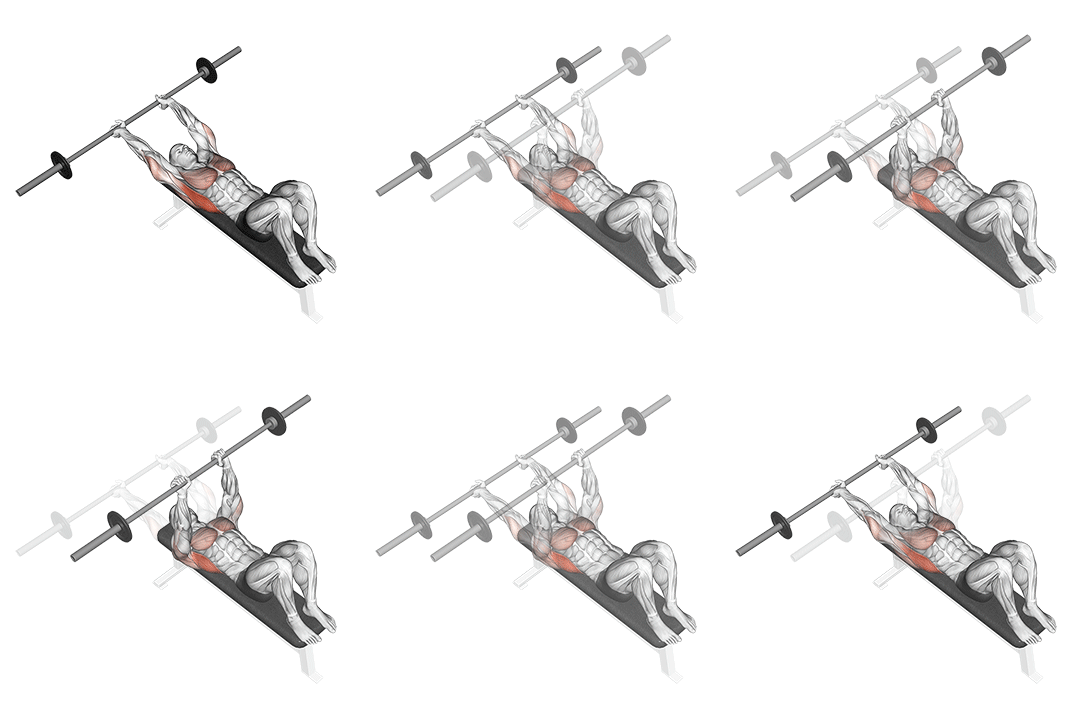
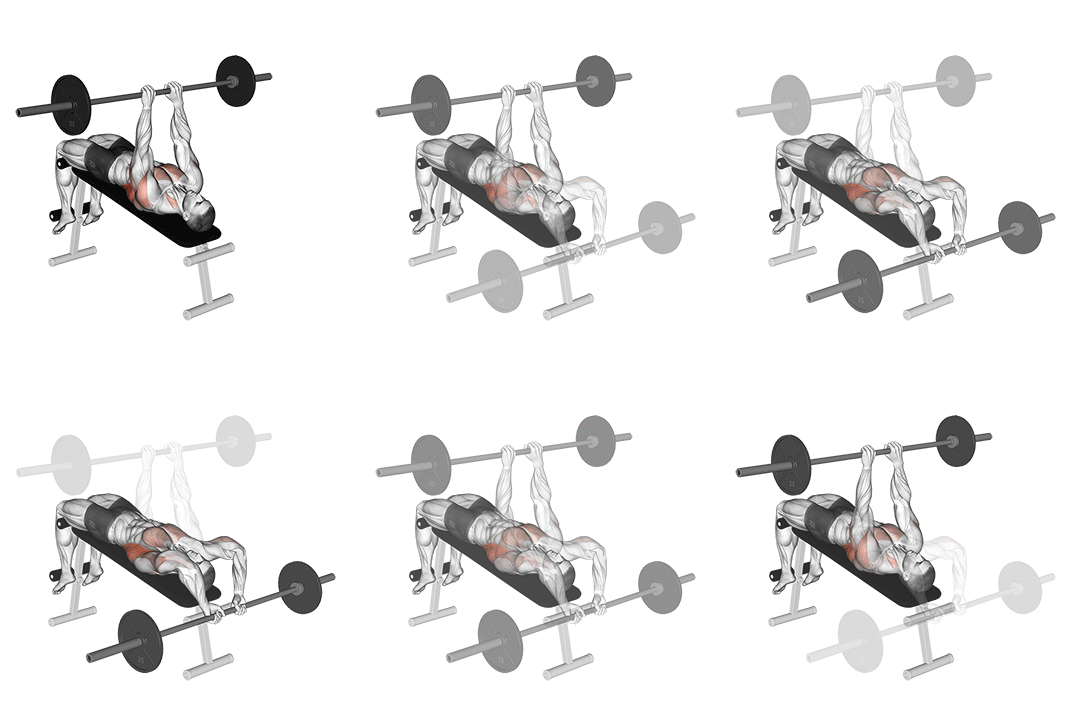
Barbell Pullover demonstration

Barbell Pullover

Target Lats
Equipment Barbell
Body Part Back
Difficulty Intermediate
Movement Isolation
Secondary Muscles
Chest Triceps
VS
Exercise B
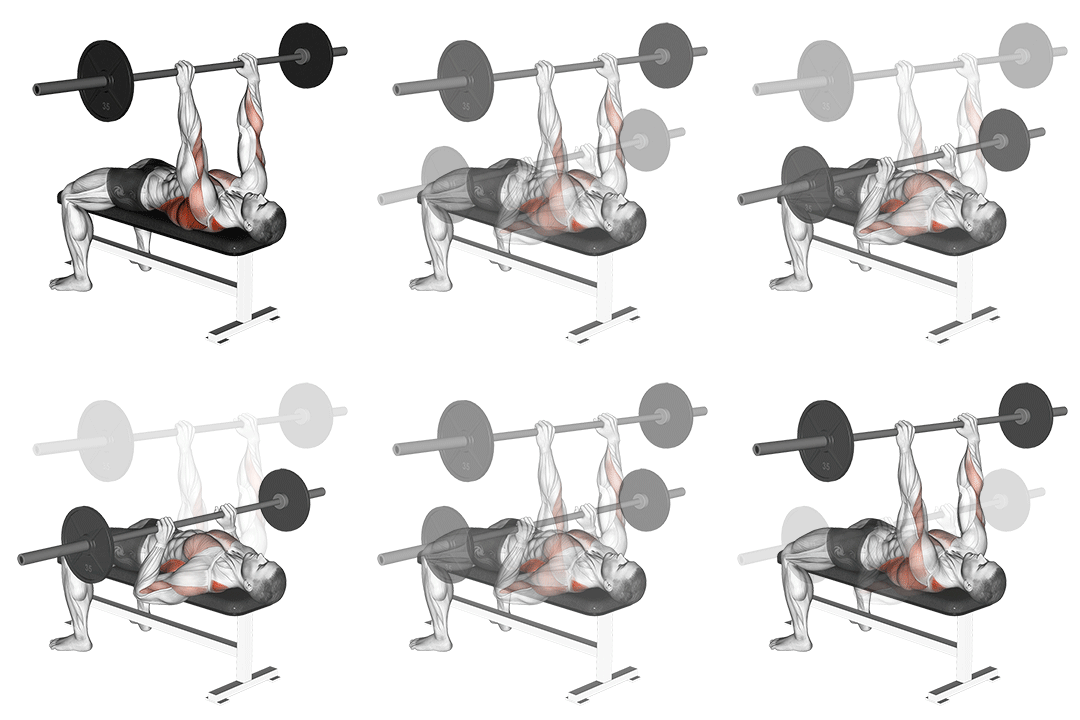
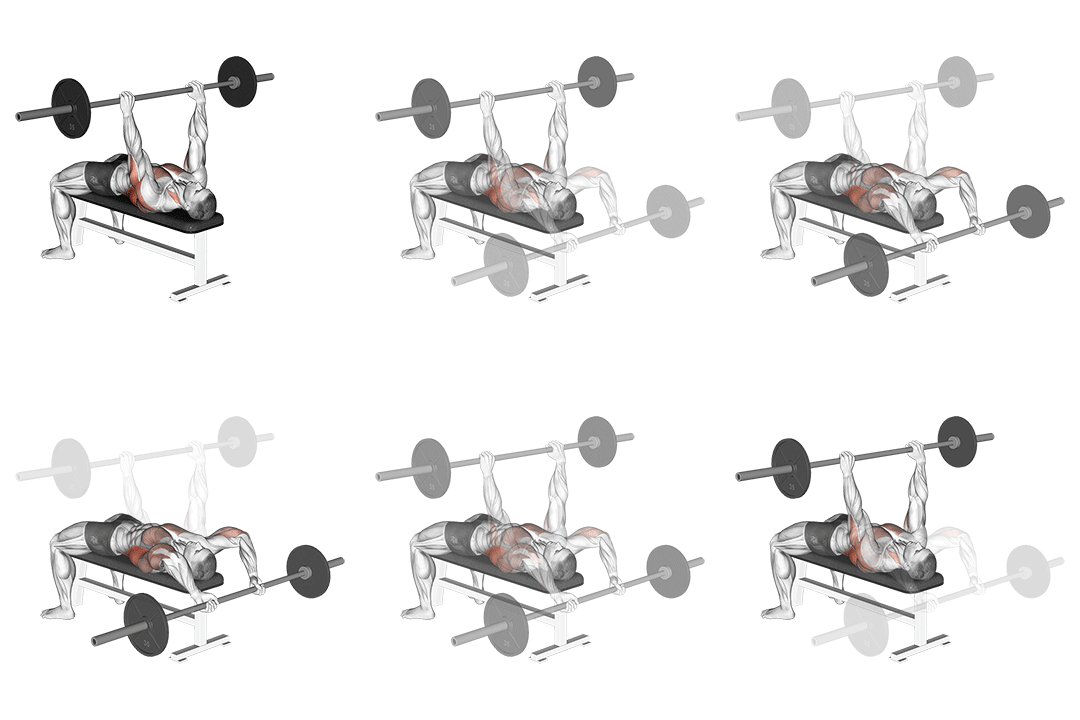
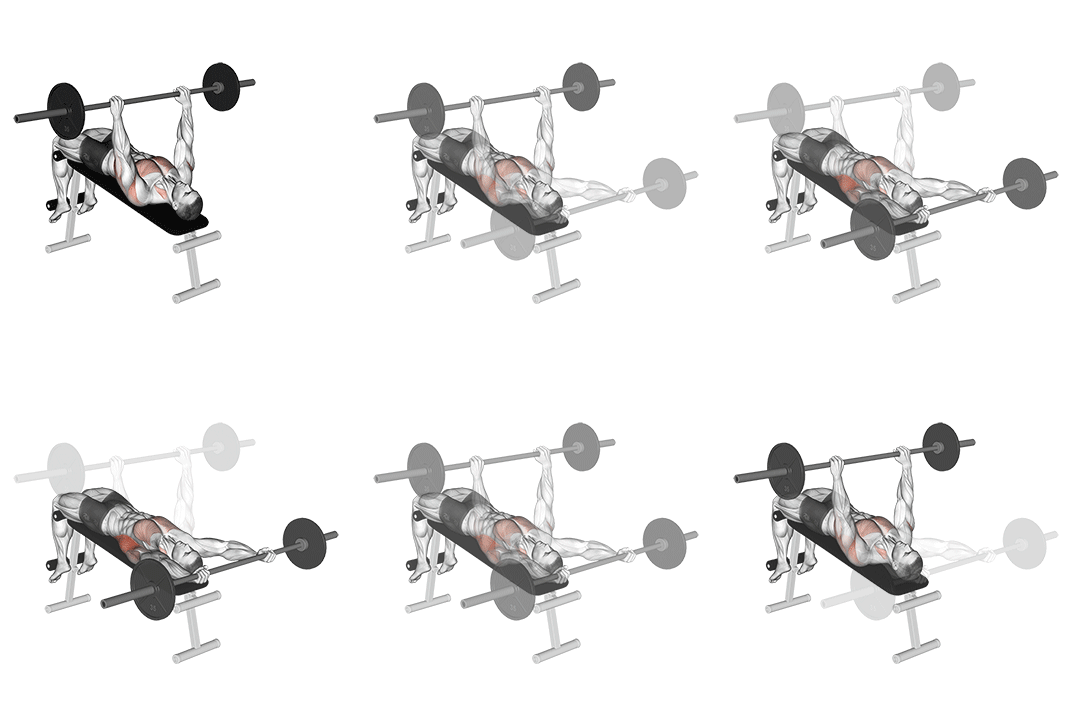
Barbell Pullover To Press demonstration

Barbell Pullover To Press

Target Lats
Equipment Barbell
Body Part Back
Difficulty Intermediate
Movement Compound
Secondary Muscles
Triceps Chest Shoulders

Head-to-Head Comparison

Different values are marked. These are catalogue attributes, not performance scores.

Muscles used

Listed target and secondary muscles, shown on the body. Locations, not activation or strength scores.

  • Target
  • Secondary
  • Not highlighted

Barbell Pullover

Front
Barbell Pullover: front muscle locationsSolid: listed target. Striped: listed secondary. Grey: not highlighted. Locations, not activation or strength scores. See the muscle names below.
Back
Barbell Pullover: back muscle locationsSolid: listed target. Striped: listed secondary. Grey: not highlighted. Locations, not activation or strength scores. See the muscle names below.
Target
Lats
Secondary
Chest, Triceps

Barbell Pullover To Press

Front
Barbell Pullover To Press: front muscle locationsSolid: listed target. Striped: listed secondary. Grey: not highlighted. Locations, not activation or strength scores. See the muscle names below.
Back
Barbell Pullover To Press: back muscle locationsSolid: listed target. Striped: listed secondary. Grey: not highlighted. Locations, not activation or strength scores. See the muscle names below.
Target
Lats
Secondary
Triceps, Chest, Shoulders

Not shown on diagram: Shoulders. These labels do not identify a precise region on this map.

Grey does not mean a muscle is unused. The diagrams show only the mapped catalogue labels.

Attribute Barbell Pullover Barbell Pullover To Press
Target Muscle
Lats
Lats
Body Part
Back
Back
Equipment
Barbell
Barbell
Difficulty
Intermediate
Intermediate
Movement Type Different
Isolation
Compound
Secondary Muscles Different
Chest, Triceps
Triceps, Chest, Shoulders

Visual Comparison

An illustrative 1–10 profile derived from catalog difficulty, equipment, and listed-muscle fields—not measured performance or muscle activation.

Key Differences

  • Barbell Pullover is an isolation exercise, while Barbell Pullover To Press is a compound movement.
  • Both exercises target the Lats using Barbell. The catalogue does not establish which exercise is better for an individual goal.

Muscle comparison

Shared target muscles

Both exercises primarily target the latissimus dorsi by producing shoulder extension (moving the humerus from overhead toward the body) and resisting shoulder flexion. The barbell pullover keeps the force vector largely horizontal-to-posterior, maintaining the lats in a stretched position through ~100–130° of shoulder excursion, which maximizes length-tension for the lats. The pullover-to-press still loads the lats on the pullover portion, but the subsequent press shifts the primary force vector into a vertical plane, reducing continuous peak tension on the lats.

Secondary muscle differences

Barbell Pullover recruits the chest and triceps as stabilizers, with the pectoralis major contributing during the bottom-to-mid range. Barbell Pullover To Press markedly increases shoulder (anterior and medial deltoid) and triceps involvement because the movement transitions to a vertical press; expect deltoid activation to increase substantially (roughly an additional 30–40% relative to the isolation pullover) and triceps work to move from stabilization into primary elbow extension.

Muscle involvement analysis

In a strict pullover, the lats see sustained eccentric stretch followed by a concentric shortening—this prolonged lengthened loading favors hypertrophy via length-tension mechanics. In the pullover-to-press, the lats get a shorter stretch-phase before force is redirected into shoulder flexion/abduction during the press. That creates a two-phase activation pattern: high lat demand early, then deltoid and triceps dominance during the press concentric.

Equipment and setup

Barbell Pullover: setup

Barbell, flat bench or sturdy surface to lie on, and enough room for the bar to travel behind your head. No rack or spotter needed for conservative loading.

Barbell Pullover To Press: setup

Barbell, flat bench (or standing space if performing a standing variant), and ideally a power rack or spotter if you plan to press heavy overhead. Good shoulder mobility and stable footing are necessary for the press phase.

Access and practicality

Barbell Pullover. It requires less safety gear and is easier to load conservatively, making it more accessible for most gyms and home setups where a rack or spotter might not be available.

Learning and progression

Learning the movements

Barbell Pullover is easier to learn because it’s a single-joint dominant pattern focused on the shoulder hinge with a consistent tempo. The pullover-to-press has a steeper learning curve due to the timing of the transition and the need to manage a changing force vector and breathing pattern.

Progression considerations

Barbell Pullover To Press offers greater progression potential for overall strength because it becomes a compound lift you can systematically overload (lower-rep strength phases, heavier loads). The pure pullover is better for incremental hypertrophy progressions (volume, time under tension, tempo).

Limitations and precautions

Barbell Pullover To Press carries a higher injury risk if overloaded or performed with poor shoulder mobility because of the overhead press and potential for impingement during the pullover’s end range. The pullover has lower acute risk but can stress the anterior shoulder capsule if you hyperextend or use excessive range without scapular control.

Pros & Cons

Barbell Pullover

+ Pros

  • Isolates lats in a lengthened position for strong hypertrophy stimulus
  • Requires minimal equipment and no spotter for conservative loads
  • Easier to cue: control eccentric, pause at stretch, drive with lats
  • Lower CNS fatigue than compound presses, good as accessory work

− Cons

  • Limited progressive overload ceiling compared to compound lifts
  • Can irritate the anterior shoulder if you overload end-range extension
  • Less carryover to pressing strength and functional pushing patterns

Barbell Pullover To Press

+ Pros

  • Combines lat work with push strength, increasing overall muscle recruitment
  • Higher systemic demand — greater metabolic and strength transfer
  • Offers clear progression pathways for strength (heavier loads, low reps)
  • Improves pressing mechanics and shoulder stability when performed correctly

− Cons

  • More technical: requires coordination of pullover-to-press transition
  • Higher injury risk if shoulders, thoracic spine, or scapular control are limited
  • Often needs a rack, spotter, or lighter loads for safe practice

When Each Exercise Wins

1
For muscle hypertrophy: Barbell Pullover

The pullover places the lats under sustained stretch and lengthened tension, which drives sarcomeric loading ideal for 8–12 rep hypertrophy work. Use controlled 2–4 second eccentrics and partial holds to exploit the length-tension relationship.

2
For strength gains: Barbell Pullover To Press

The compound pattern recruits larger muscle mass and allows for heavier progressive overload and lower-rep strength cycles (3–6 reps), giving better transfer to pressing and full-body strength.

3
For beginners: Barbell Pullover

It’s simpler to teach and execute: keep a slight elbow bend (10–20°), retract the scapula lightly, and control the bar path. This reduces coordination demands compared to timing a pullover-to-press transition.

4
For home workouts: Barbell Pullover

You can perform it safely with just a barbell and bench and use lighter loads without a rack or spotter. The pullover’s lower equipment and safety needs make it more practical for most home setups.

Frequently Asked Questions

Can I do both Barbell Pullover and Barbell Pullover To Press in the same workout?

Yes. Pair them smartly: start with the compound pullover-to-press for 3–5 sets of 3–6 reps if strength is the priority, then follow with 2–3 sets of barbell pullovers at 8–12 reps for extra lat volume. Keep total shoulder volume in check and monitor fatigue.

Which exercise is better for beginners?

Barbell Pullover is better for beginners because it’s easier to learn and safer to load conservatively. Teach scapular control and a slight elbow bend first before progressing to complex transitions like the pullover-to-press.

How do the muscle activation patterns differ?

The pullover gives prolonged lat stretch under tension—high eccentric lat loading—whereas the pullover-to-press splits activation: lats dominate the initial pullover phase, then deltoids and triceps take over during the vertical press, shifting the force vector from posterior to vertical.

Can Barbell Pullover To Press replace Barbell Pullover?

Not completely. The pullover-to-press is a strong compound alternative for general strength and metabolic work, but it reduces continuous lat time under tension compared with the isolation pullover. If your goal is maximum localized lat hypertrophy, keep dedicated pullovers in the program.

Comparison Summary

Use the Barbell Pullover as your go-to lat isolation movement when your priority is muscle growth, focused tension, and low systemic fatigue. Program it for 3–4 sets of 8–12 reps with a controlled 2–3 second eccentric, slight elbow bend, and scapular stability to maximize lat stretch and tension. Choose the Barbell Pullover To Press when you want compound overload, improved pressing strength, and higher total-body demand; program it in lower rep ranges (3–6 for strength or 6–10 for heavier hypertrophy sets) and ensure strict shoulder and thoracic mobility. If you can, cycle both: emphasize pullovers during hypertrophy blocks and introduce pullover-to-press for strength phases or metabolic finishers.

Exercise instructions

Steps from the exercise catalogue. Read the full sequence before starting.

Barbell Pullover

  1. Lie flat on a bench with your head at one end and your feet on the floor.
  2. Hold a barbell with a shoulder-width grip and extend your arms straight above your chest.
  3. Keeping your arms straight, lower the barbell behind your head in a controlled manner until you feel a stretch in your lats.
Read remaining steps for Barbell Pullover
  1. Pause for a moment, then raise the barbell back to the starting position.
  2. Repeat for the desired number of repetitions.

Barbell Pullover To Press

  1. Lie flat on a bench with your head at one end and your feet on the ground.
  2. Hold the barbell with a pronated grip (palms facing away from you) and extend your arms straight above your chest.
  3. Keeping your arms straight, lower the barbell behind your head in an arc-like motion until you feel a stretch in your lats.
Read remaining steps for Barbell Pullover To Press
  1. Pause for a moment, then reverse the motion and press the barbell back to the starting position above your chest.
  2. Repeat for the desired number of repetitions.

Also Compare

Compare another pair

Choose two exercises to see their differences side by side.

Compare Exercises