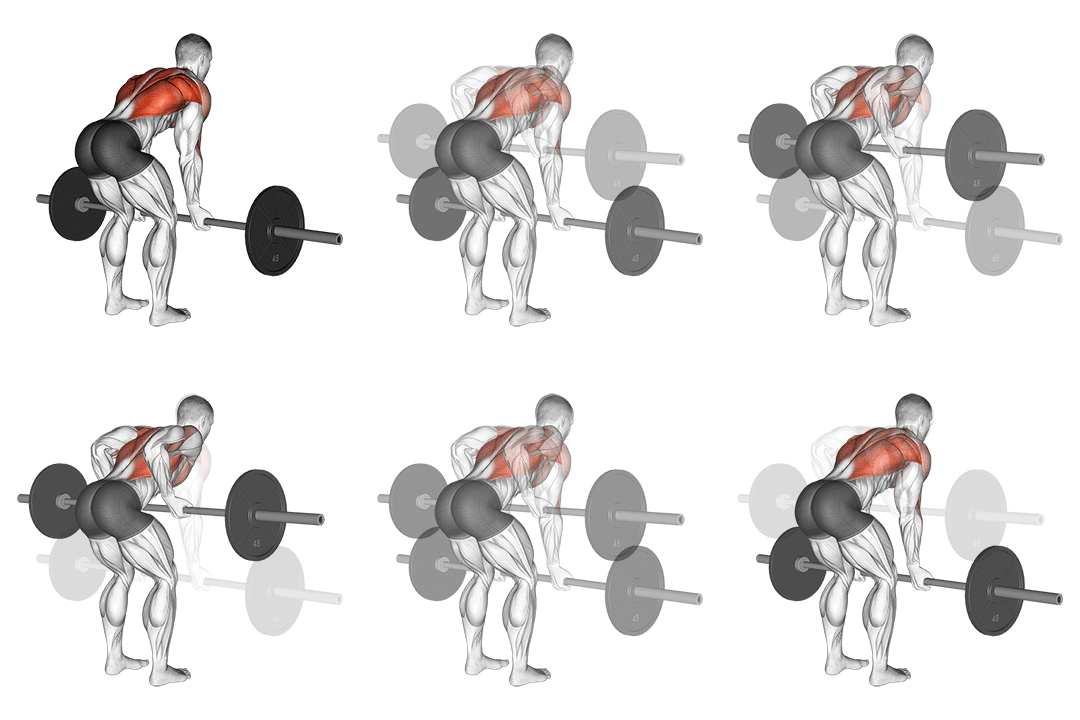
Barbell Bent Arm Pullover vs Barbell Pullover

Compare target muscles, equipment, difficulty, movement type, and secondary muscles for Barbell Bent Arm Pullover and Barbell Pullover.

Change comparison Share

Get comparison link

Select the link and use your device's Copy command.

Comparison overview

AI-generated
Barbell Bent Arm Pullover vs Barbell Pullover — you want a simple answer on which movement builds your lats, protects your shoulders, and fits your training setup. This head-to-head looks at muscle activation, biomechanics (moment arms, length-tension), technique cues, pros and cons, and rep ranges so you can pick the right pullover for hypertrophy, strength, or home training. You’ll get clear coaching points (elbow angles, scapular control), injury-risk notes, and scenario-based winners so you can program these movements with confidence.

Exercise Comparison

Exercise A
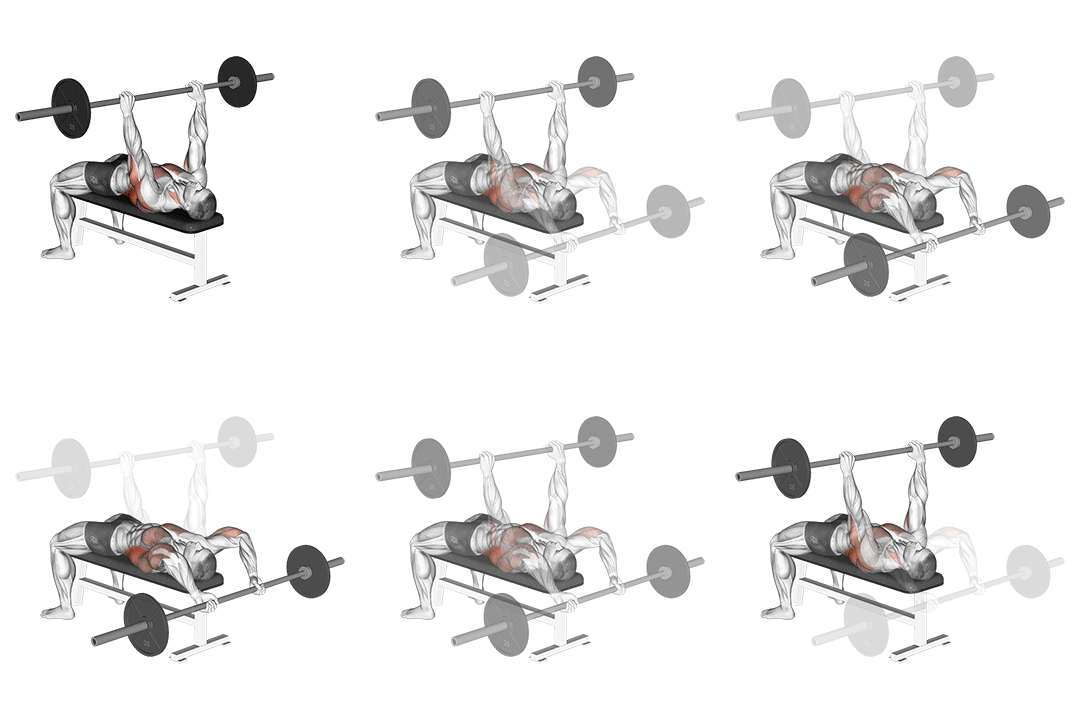
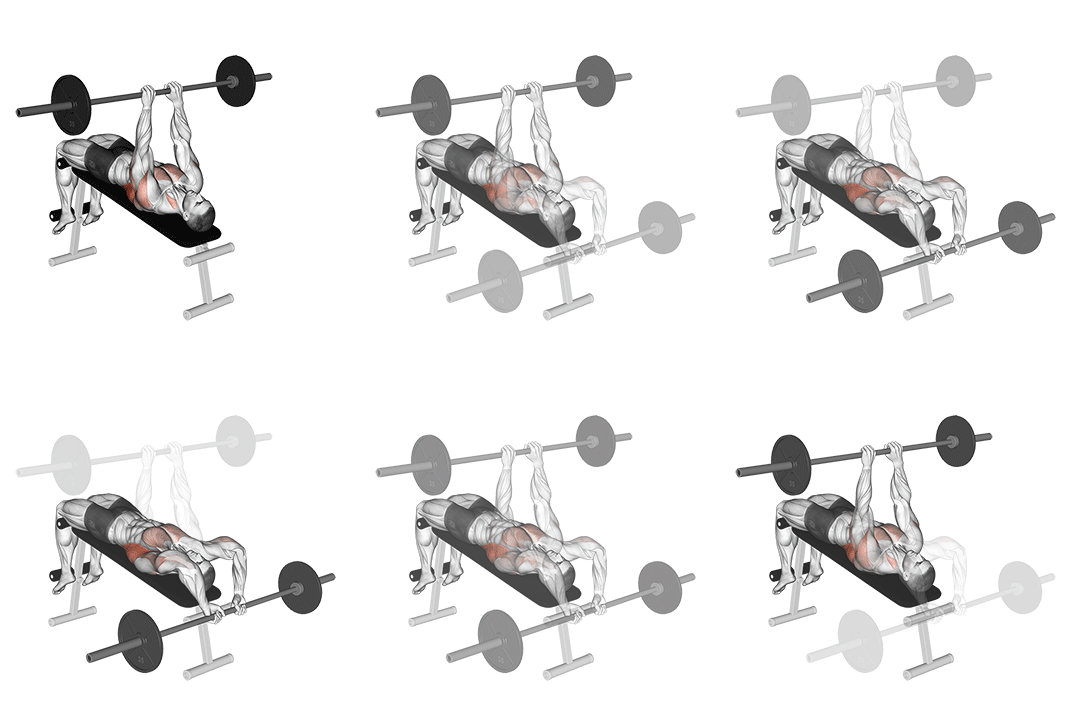
Barbell Bent Arm Pullover demonstration

Barbell Bent Arm Pullover

Target Lats
Equipment Barbell
Body Part Back
Difficulty Intermediate
Movement Isolation
Secondary Muscles
Triceps Chest
VS
Exercise B
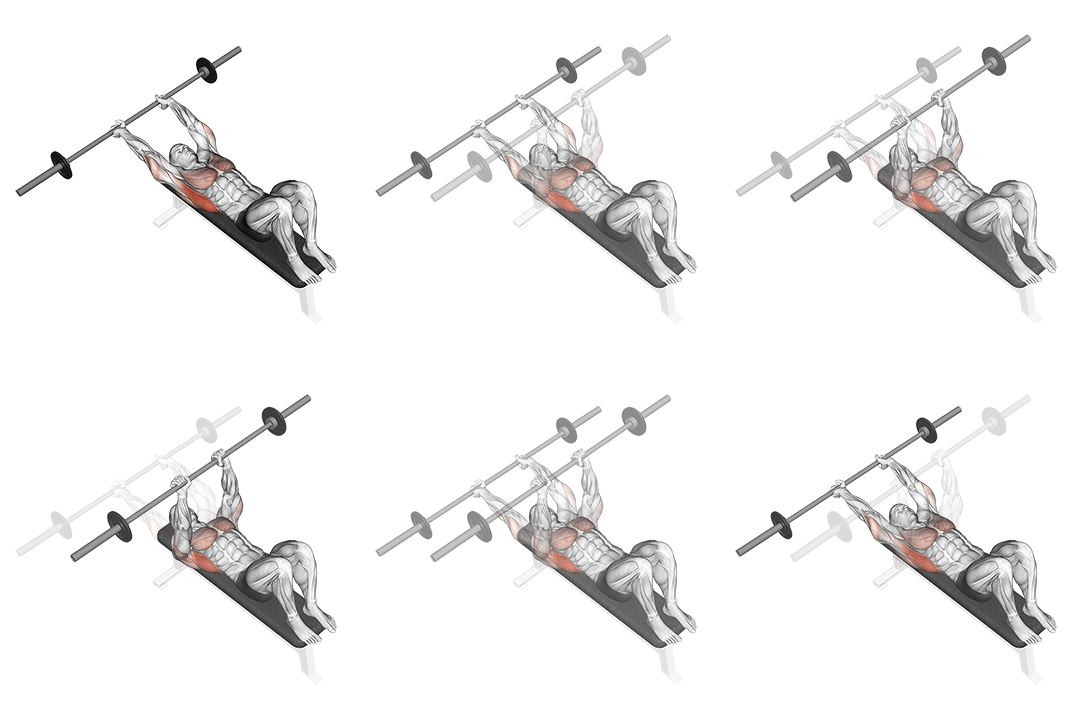
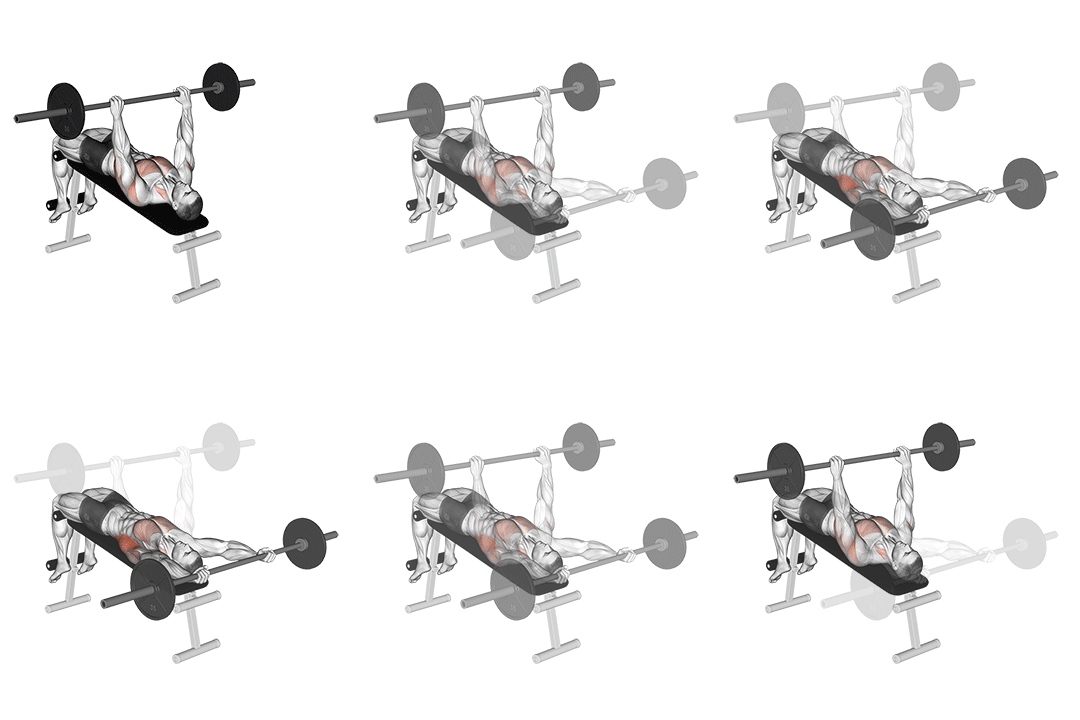
Barbell Pullover demonstration

Barbell Pullover

Target Lats
Equipment Barbell
Body Part Back
Difficulty Intermediate
Movement Isolation
Secondary Muscles
Chest Triceps

Head-to-Head Comparison

Different values are marked. These are catalogue attributes, not performance scores.

Muscles used

Listed target and secondary muscles, shown on the body. Locations, not activation or strength scores.

  • Target
  • Secondary
  • Not highlighted

Barbell Bent Arm Pullover

Front
Barbell Bent Arm Pullover: front muscle locationsSolid: listed target. Striped: listed secondary. Grey: not highlighted. Locations, not activation or strength scores. See the muscle names below.
Back
Barbell Bent Arm Pullover: back muscle locationsSolid: listed target. Striped: listed secondary. Grey: not highlighted. Locations, not activation or strength scores. See the muscle names below.
Target
Lats
Secondary
Triceps, Chest

Barbell Pullover

Front
Barbell Pullover: front muscle locationsSolid: listed target. Striped: listed secondary. Grey: not highlighted. Locations, not activation or strength scores. See the muscle names below.
Back
Barbell Pullover: back muscle locationsSolid: listed target. Striped: listed secondary. Grey: not highlighted. Locations, not activation or strength scores. See the muscle names below.
Target
Lats
Secondary
Chest, Triceps

Grey does not mean a muscle is unused. The diagrams show only the mapped catalogue labels.

Attribute Barbell Bent Arm Pullover Barbell Pullover
Target Muscle
Lats
Lats
Body Part
Back
Back
Equipment
Barbell
Barbell
Difficulty
Intermediate
Intermediate
Movement Type
Isolation
Isolation
Secondary Muscles
Triceps, Chest
Chest, Triceps

Visual Comparison

An illustrative 1–10 profile derived from catalog difficulty, equipment, and listed-muscle fields—not measured performance or muscle activation.

Key Differences

  • Both exercises target the Lats using Barbell. The catalogue does not establish which exercise is better for an individual goal.

Muscle comparison

Shared target muscles

Both variations target the latissimus dorsi as the primary mover through shoulder extension and adduction. The main overlap is tension during shoulder extension from roughly 0° to 100–120° of horizontal plane motion. EMG-style comparisons typically show comparable peak lat activation when load and range of motion are matched, but activation timing differs: the bent-arm version concentrates tension through a shorter lever, allowing higher absolute load while the straighter-arm pullover produces a longer moment arm and a larger stretch at end range.

Secondary muscle differences

Barbell Bent Arm Pullover tends to involve the triceps and posterior shoulder to a greater degree because the elbows stay flexed (~90–110°), transferring some load through the elbow joint. Barbell Pullover with straighter arms (~140–160°) recruits the chest (sternal pec fibers), serratus anterior, and even the anterior shoulder more due to greater horizontal displacement and thoracic extension. In practice, the straight-arm pullover places more emphasis on chest and serratus at peak stretch, while bent-arm shifts some load into elbow stabilizers.

Muscle involvement analysis

With bent elbows you shorten the lever, so the lat works under higher force with less peak stretch — force vectors are more vertical through the humerus, and peak tension occurs earlier in the concentric. With straighter arms the moment arm increases, length-tension places the lats at a longer muscle length at end range, and peak tension shifts toward the eccentric end-range. The bent-arm pattern favors load-driven tension; the straight-arm pattern favors stretch-mediated tension.

Equipment and setup

Barbell Bent Arm Pullover: setup

Barbell Bent Arm Pullover: barbell (or EZ bar), flat bench or floor, collars; requires space to lower the bar behind head while maintaining elbow flexion (elbow angle ~90–110°).

Barbell Pullover: setup

Barbell Pullover: barbell, flat bench (recommended for full ROM), collars; needs greater overhead clearance and careful shoulder positioning because arms are near-straight (~140–160°) and the bar travels further behind the head.

Access and practicality

Barbell Bent Arm Pullover — it’s more accessible because the shorter lever reduces shoulder torque, you can perform it on the floor if you lack a bench, and it’s easier to load progressively with standard barbells.

Learning and progression

Learning the movements

Barbell Bent Arm Pullover is easier to learn: keeping elbows bent simplifies the movement path and reduces shoulder shear, so beginners pick up timing and scapular control faster. The straight-arm Barbell Pullover requires more shoulder mobility and thoracic control to control the long lever safely.

Progression considerations

Barbell Bent Arm Pullover offers greater straightforward progression — you can add 5–10% load increments safely because the lever is shorter and range of motion is easier to control. Barbell Pullover progression relies more on improving range and control; small weight increases have a larger effect due to the longer moment arm.

Limitations and precautions

Barbell Pullover (straight-arm) carries higher relative injury risk because peak shoulder extension and humeral torque are greater, increasing strain on the anterior capsule and pec–lat complex. Bent-arm reduces peak torque and is generally lower risk when performed with proper scapular positioning and a 2–3 second controlled eccentric.

Pros & Cons

Barbell Bent Arm Pullover

+ Pros

  • Allows higher absolute loads due to shorter lever arm
  • Lower peak shoulder torque — better for lifters with limited shoulder mobility
  • Easier to progress with incremental weight increases
  • Can be performed on floor or bench for greater accessibility

− Cons

  • Smaller end-range stretch compared with straight-arm variant
  • Can recruit triceps and elbow stabilizers, reducing pure lat isolation
  • If performed too heavy, can still stress shoulders and lats without proper scapular control

Barbell Pullover

+ Pros

  • Creates a larger end-range stretch on the lats and chest (good for stretch-mediated hypertrophy)
  • Greater serratus anterior and chest engagement at peak range
  • Can improve thoracic extension and scapular mobility when performed correctly
  • Strong transfer to overhead and reaching strength due to long-lever control

− Cons

  • Higher shoulder torque and anterior capsule stress at end range
  • Harder to load progressively because of long moment arm
  • Requires superior shoulder and thoracic mobility to perform safely

When Each Exercise Wins

1
For muscle hypertrophy: Barbell Bent Arm Pullover

Bent-arm pullover lets you use heavier loads and maintain constant tension through the concentric and eccentric—ideal for 8–12 rep ranges. Its shorter lever makes progressive overload practical, producing steady mechanical tension for hypertrophy.

2
For strength gains: Barbell Bent Arm Pullover

Because you can safely add weight with bent elbows, the lift scales well for strength work in the 4–6 rep range. The reduced moment arm lowers peak torque on the shoulder, allowing heavier loads without sacrificing technique.

3
For beginners: Barbell Bent Arm Pullover

Bent-arm is simpler: maintain a fixed elbow angle (~90–110°), retract the scapula slightly, and drive the bar with your lats. It requires less shoulder mobility and has a gentler learning curve for core and scapular control.

4
For home workouts: Barbell Bent Arm Pullover

You can do the bent-arm version on the floor or a low bench and it tolerates lighter implement variations (dumbbell, kettlebell) better. The shorter range reduces need for large overhead clearance and lowers injury risk when training alone.

Frequently Asked Questions

Can I do both Barbell Bent Arm Pullover and Barbell Pullover in the same workout?

Yes — pair them carefully. Use the heavier Bent Arm Pullover earlier for mechanical tension (3–4 sets of 6–10), then add a lighter Barbell Pullover for 8–12 controlled reps to emphasize end-range stretch and mobility.

Which exercise is better for beginners?

Barbell Bent Arm Pullover is better for beginners because it shortens the lever and reduces shoulder torque. Keep elbows at about 90–110°, focus on scapular stability, and use moderate loads to learn the pattern.

How do the muscle activation patterns differ?

Bent-arm produces higher force with a shorter lever so peak lat tension is load-driven earlier in the range; straight-arm increases the moment arm and places the lats at a longer length at end range, shifting emphasis toward stretch and chest/serratus recruitment.

Can Barbell Pullover replace Barbell Bent Arm Pullover?

Barbell Pullover can substitute if your goal is stretch or mobility, but it won’t replace the bent-arm version for steady progressive overload and heavy-lift strength. Choose based on whether you prioritize end-range stretch or loadable tension.

Comparison Summary

Use the Barbell Bent Arm Pullover when your goal is repeatable tension and progressive overload — its shorter lever and lower shoulder torque make it the go-to for hypertrophy and strength work (aim 4–6 for strength, 8–12 for size). Choose Barbell Pullover (straighter arms) when you want a pronounced end-range stretch to bias stretch-mediated muscle growth or to increase serratus and chest involvement; keep reps higher (10–15) and use lighter loads while focusing on controlled eccentrics (2–3s). In practice, favor the bent-arm version as your primary lat isolation move and add straight-arm pullovers occasionally for range and stretch stimulus.

Exercise instructions

Steps from the exercise catalogue. Read the full sequence before starting.

Barbell Bent Arm Pullover

  1. Lie flat on a bench with your head at one end and your feet on the floor.
  2. Hold a barbell with a shoulder-width grip and extend your arms straight above your chest.
  3. Lower the barbell behind your head while keeping your arms slightly bent.
Read remaining steps for Barbell Bent Arm Pullover
  1. Pause for a moment, then raise the barbell back to the starting position.
  2. Repeat for the desired number of repetitions.

Barbell Pullover

  1. Lie flat on a bench with your head at one end and your feet on the floor.
  2. Hold a barbell with a shoulder-width grip and extend your arms straight above your chest.
  3. Keeping your arms straight, lower the barbell behind your head in a controlled manner until you feel a stretch in your lats.
Read remaining steps for Barbell Pullover
  1. Pause for a moment, then raise the barbell back to the starting position.
  2. Repeat for the desired number of repetitions.

Also Compare

Compare another pair

Choose two exercises to see their differences side by side.

Compare Exercises