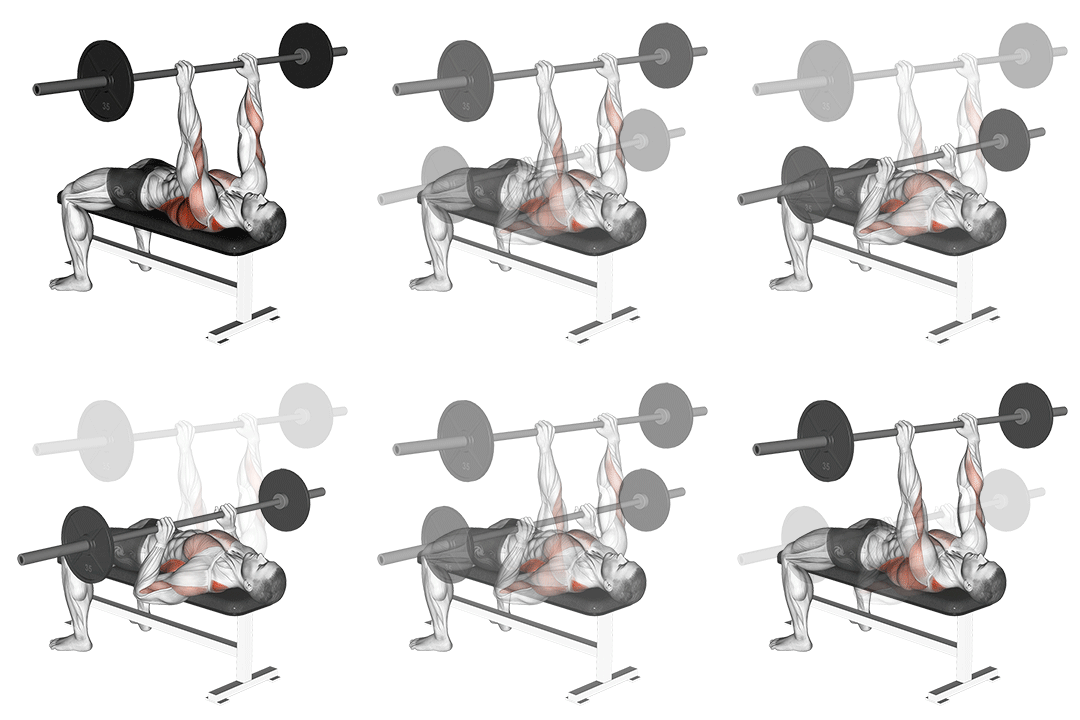
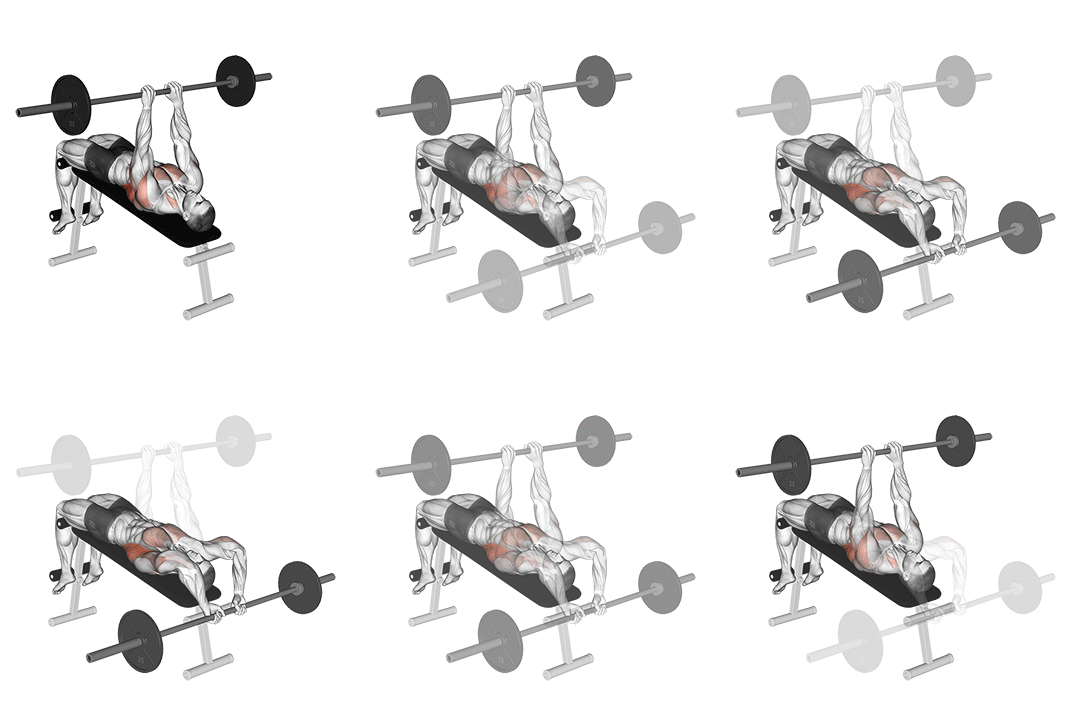
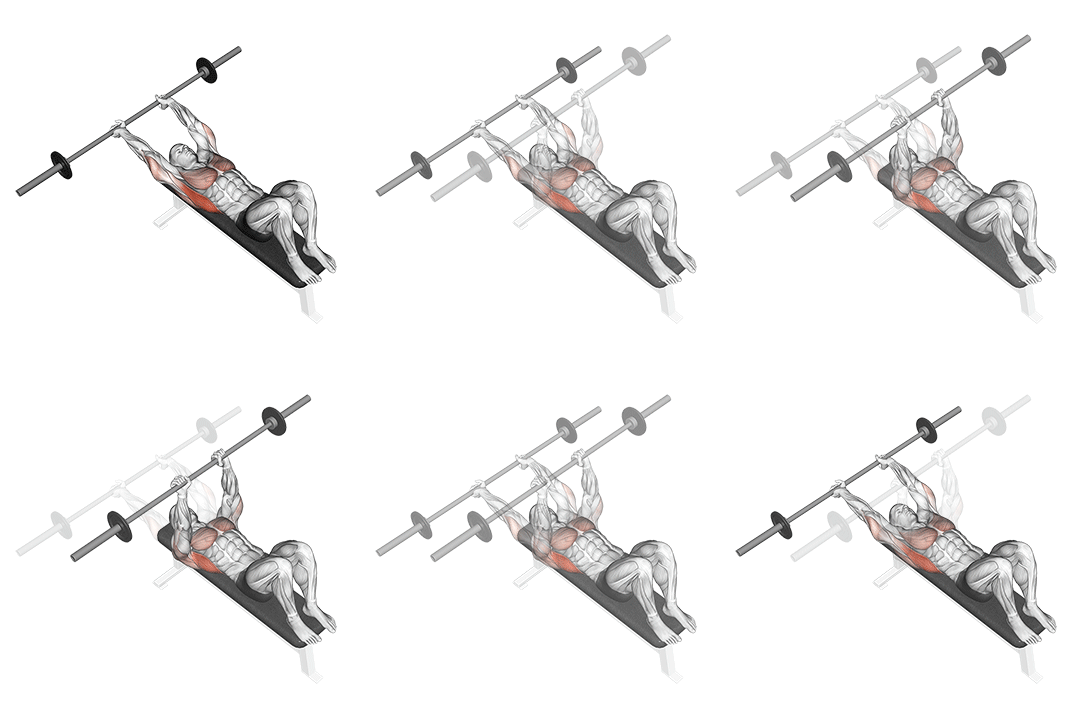
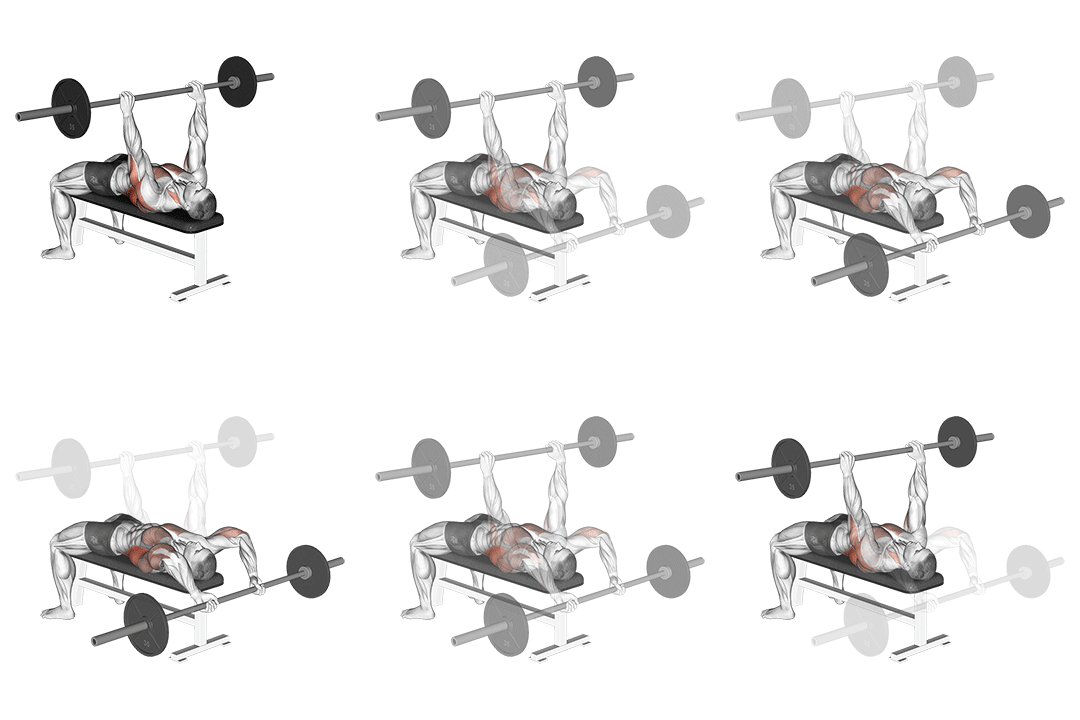
Barbell One Arm Bent Over Row vs Barbell Reverse Grip Bent Over Row

Compare target muscles, equipment, difficulty, movement type, and secondary muscles for Barbell One Arm Bent Over Row and Barbell Reverse Grip Bent Over Row.

Change comparison Share

Get comparison link

Select the link and use your device's Copy command.

Comparison overview

AI-generated
Barbell One Arm Bent Over Row vs Barbell Reverse Grip Bent Over Row — you want a stronger, thicker back and you're wondering which of these intermediate barbell rows deserves more time in your program. I'll walk you through how each movement hits the lats, how they differ in biceps and forearm involvement, what equipment and setup each needs, and clear recommendations for hypertrophy, strength, beginners, and home workouts. Expect practical technique cues, biomechanics-based reasoning, and rep range guidance so you can pick the better fit for your goals.

Exercise Comparison

Exercise A
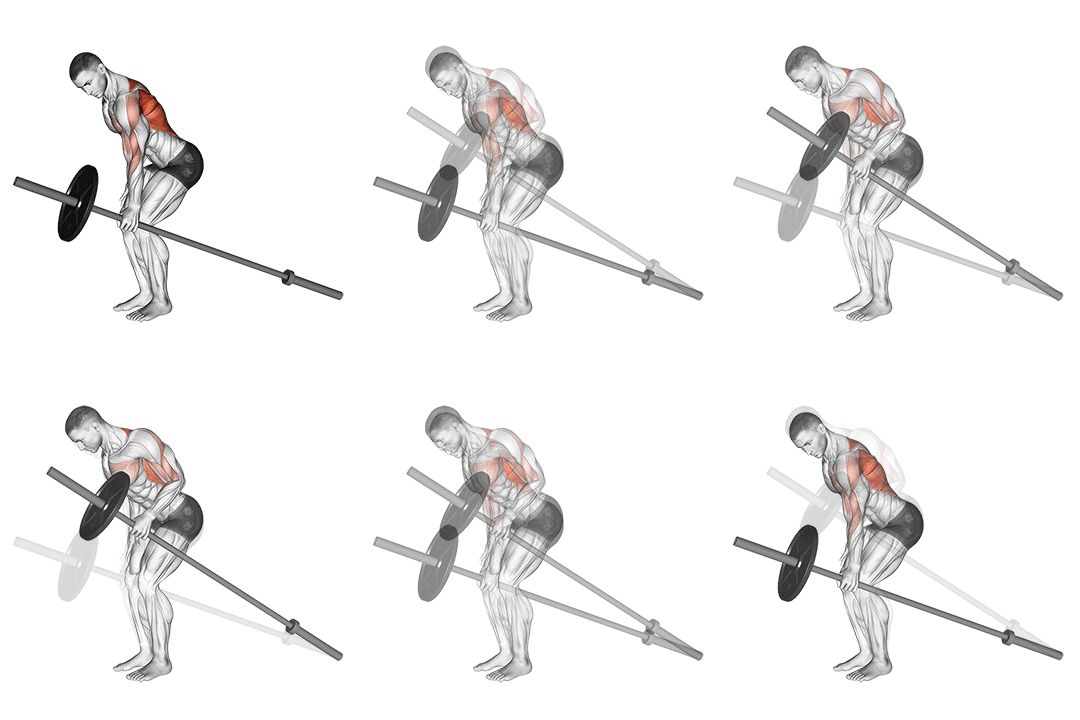
Barbell One Arm Bent Over Row demonstration

Barbell One Arm Bent Over Row

Target Lats
Equipment Barbell
Body Part Back
Difficulty Intermediate
Movement Compound
Secondary Muscles
Biceps Forearms
VS
Exercise B
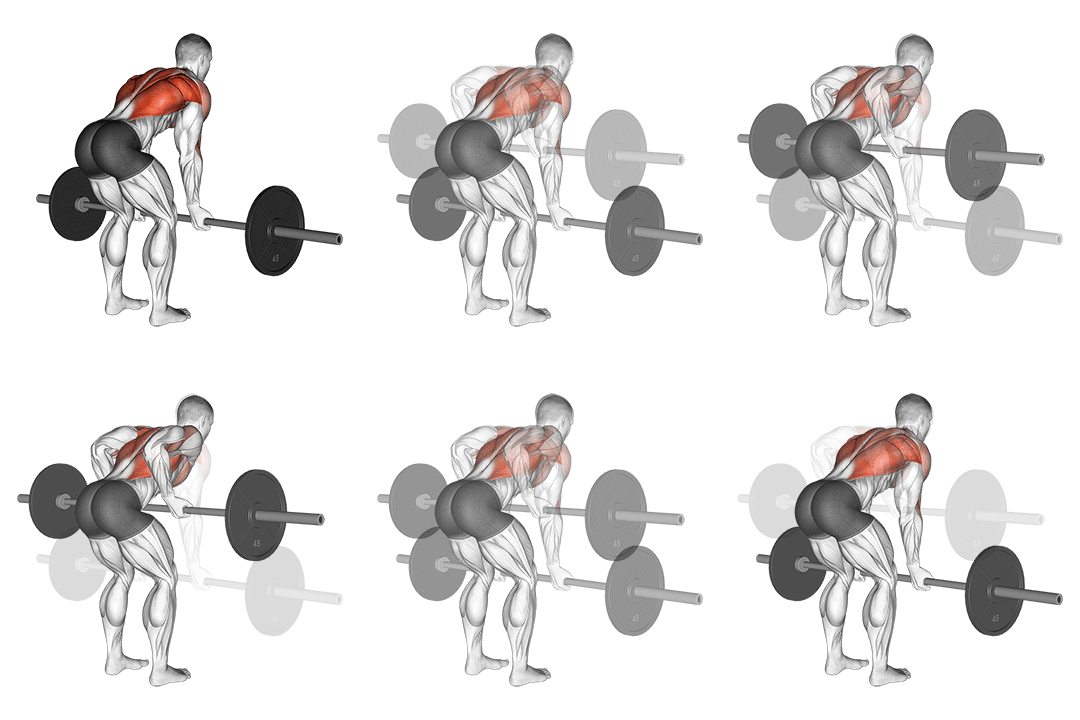
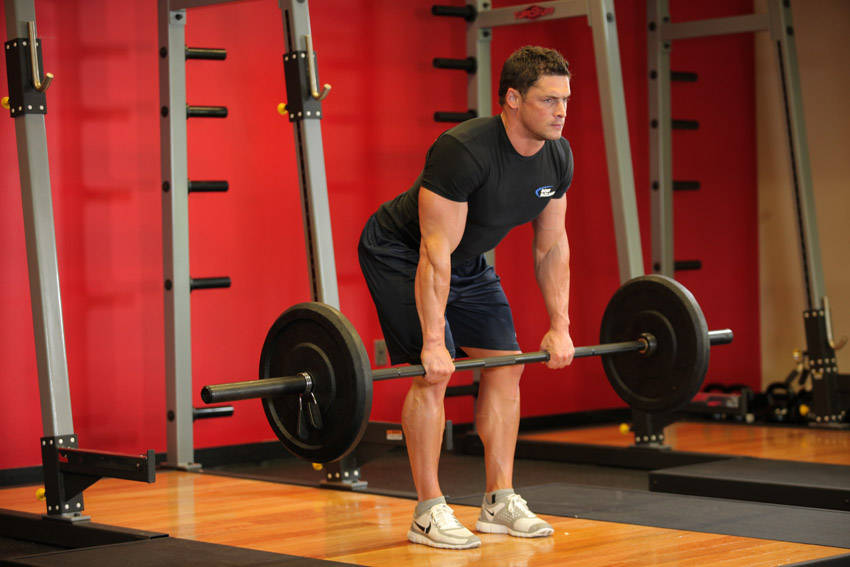
Barbell Reverse Grip Bent Over Row demonstration

Barbell Reverse Grip Bent Over Row

Target Lats
Equipment Barbell
Body Part Back
Difficulty Intermediate
Movement Compound
Secondary Muscles
Biceps Forearms

Head-to-Head Comparison

Different values are marked. These are catalogue attributes, not performance scores.

Muscles used

Listed target and secondary muscles, shown on the body. Locations, not activation or strength scores.

  • Target
  • Secondary
  • Not highlighted

Barbell One Arm Bent Over Row

Front
Barbell One Arm Bent Over Row: front muscle locationsSolid: listed target. Striped: listed secondary. Grey: not highlighted. Locations, not activation or strength scores. See the muscle names below.
Back
Barbell One Arm Bent Over Row: back muscle locationsSolid: listed target. Striped: listed secondary. Grey: not highlighted. Locations, not activation or strength scores. See the muscle names below.
Target
Lats
Secondary
Biceps, Forearms

Barbell Reverse Grip Bent Over Row

Front
Barbell Reverse Grip Bent Over Row: front muscle locationsSolid: listed target. Striped: listed secondary. Grey: not highlighted. Locations, not activation or strength scores. See the muscle names below.
Back
Barbell Reverse Grip Bent Over Row: back muscle locationsSolid: listed target. Striped: listed secondary. Grey: not highlighted. Locations, not activation or strength scores. See the muscle names below.
Target
Lats
Secondary
Biceps, Forearms

Grey does not mean a muscle is unused. The diagrams show only the mapped catalogue labels.

Attribute Barbell One Arm Bent Over Row Barbell Reverse Grip Bent Over Row
Target Muscle
Lats
Lats
Body Part
Back
Back
Equipment
Barbell
Barbell
Difficulty
Intermediate
Intermediate
Movement Type
Compound
Compound
Secondary Muscles
Biceps, Forearms
Biceps, Forearms

Visual Comparison

An illustrative 1–10 profile derived from catalog difficulty, equipment, and listed-muscle fields—not measured performance or muscle activation.

Key Differences

  • Both exercises target the Lats using Barbell. The catalogue does not establish which exercise is better for an individual goal.

Muscle comparison

Shared target muscles

Both exercises primarily target the latissimus dorsi by driving shoulder extension and adduction while the torso is fixed. With a 30–45° torso angle common to bent-over variations, both place the lats under mid-range to near-full stretch at the top of the pull. Net lat force production is similar when load and tempo match, but unilateral work lets you emphasize full ROM on each side without the contralateral compensation that can mask weak lats.

Secondary muscle differences

The reverse-grip variant increases elbow flexor (biceps brachii) engagement because a supinated hand position shortens the biceps and shifts some of the vertical force vector into elbow flexion; expect roughly 10–20% greater biceps loading compared with a pronated or neutral row. The one-arm barbell row adds more forearm and stabilizer demand (grip, wrist control) and more unilateral core bracing to resist rotation.

Muscle involvement analysis

In the one-arm row the lats work through a longer unilateral ROM with greater scapular protraction/retraction asymmetry—this emphasizes the lower lat fibers more when you pull the elbow past the torso. The reverse-grip row biases elbow flexion, increasing peak biceps activity during the concentric phase while shifting the lat fibers’ line-of-pull subtly toward vertical extension versus horizontal adduction.

Equipment and setup

Barbell One Arm Bent Over Row: setup

Barbell One Arm Bent Over Row requires a straight barbell, adequate plates to balance one-sided loading (or alternating hands), open space to clear the bar during unilateral pulls, and often higher coordination. A rack or flat platform helps for safely loading/unloading heavier bars.

Barbell Reverse Grip Bent Over Row: setup

Barbell Reverse Grip Bent Over Row requires a straight barbell and collars; because it's performed bilaterally you typically need more weight to challenge the lats. A flat, stable floor and good bar knurling (or straps) improve grip for heavier sets.

Access and practicality

Barbell Reverse Grip Bent Over Row — it’s more accessible in most gyms because it’s performed bilaterally, easier to load safely, and needs no special setup. The one-arm barbell row demands more coordination and sometimes an awkward loading process, making it slightly less gym- or home-friendly for many lifters.

Learning and progression

Learning the movements

The reverse-grip bent-over row is easier to learn for most lifters because bilateral symmetry stabilizes the spine and balance requirements are lower. The one-arm barbell row has a steeper technical curve: you must control lateral torque, maintain hip hinge mechanics, and prevent rotation.

Progression considerations

Reverse-grip rows offer clearer linear progression with heavier bilateral loading (progress in 5–10% jumps) and are better for absolute strength. The one-arm row offers strong unilateral progression options (higher reps, tempo changes, or paired unilateral loading) and is excellent for addressing side-to-side imbalances.

Limitations and precautions

Relative injury risk is lower with the reverse-grip row if you maintain a neutral spine and hip hinge; however, supination can increase stress on the biceps tendon in lifters with elbow issues. One-arm barbell rows increase rotational torque on the lumbar spine and require strict bracing; poor form raises low-back risk.

Pros & Cons

Barbell One Arm Bent Over Row

+ Pros

  • Improved unilateral lat development and side-to-side balance
  • Greater ROM per side, often better lower-lat stretch
  • Increased forearm and grip demand improves wrist stability
  • Useful for hypertrophy with moderate loads (8–15 reps)

− Cons

  • Harder to load progressively with a single barbell
  • Higher demand on core bracing and anti-rotation control
  • Awkward to set up and learn; greater low-back risk if form breaks

Barbell Reverse Grip Bent Over Row

+ Pros

  • Easier to load heavy for raw strength (4–6 reps)
  • More biceps engagement due to supinated grip
  • Symmetrical loading reduces rotational torque on the spine
  • Cleaner progressive overload with standard plates

− Cons

  • Supination can stress the biceps tendon and wrist in some lifters
  • Slightly less unilateral correction for side imbalances
  • May bias upper-lat and biceps more than lower-lat stretch

When Each Exercise Wins

1
For muscle hypertrophy: Barbell One Arm Bent Over Row

The unilateral setup lets you take each lat through a fuller stretch and stronger peak contraction, improving muscle fiber recruitment in lower lat fibers. Use 8–12 reps, controlled 2–3s eccentrics, and pause at the top to maximize time under tension.

2
For strength gains: Barbell Reverse Grip Bent Over Row

You can load the bar heavier bilaterally and maintain tighter spine position, which favors 4–6 rep strength sets. The supinated grip also assists elbow flexion, supporting heavier pulls and transfer to deadlift/rows strength patterns.

3
For beginners: Barbell Reverse Grip Bent Over Row

Its bilateral nature is simpler to learn and less taxing on balance and core anti-rotation skills. Beginners can focus on hip hinge mechanics and gradually add load without complex unilateral setup.

4
For home workouts: Barbell One Arm Bent Over Row

If you lack heavy plates, unilateral rows let you create sufficient stimulus with lighter loads by increasing reps and tempo. They also require less total weight to feel challenging and allow you to target weak sides effectively.

Frequently Asked Questions

Can I do both Barbell One Arm Bent Over Row and Barbell Reverse Grip Bent Over Row in the same workout?

Yes — pairing them works well if you sequence heavy bilateral work first (reverse-grip sets for 4–6 reps) then follow with unilateral volume (one-arm sets for 8–12 reps). This preserves strength for heavy loads while fatiguing each lat for hypertrophy.

Which exercise is better for beginners?

The Barbell Reverse Grip Bent Over Row is generally better for beginners because bilateral symmetry reduces balance demands, letting you focus on hip hinge and spinal position before adding complexity.

How do the muscle activation patterns differ?

Reverse grip shifts force toward elbow flexion and increases biceps recruitment while keeping a more vertical lat pull; one-arm rows increase unilateral lat stretch, scapular movement, and stabilizer activation, emphasizing lower-lat fibers and anti-rotation control.

Can Barbell Reverse Grip Bent Over Row replace Barbell One Arm Bent Over Row?

It can replace it for overall back mass if you can progressively overload and maintain form, but you’ll lose some unilateral correction and lower-lat stretch. If imbalance or specific hypertrophy is your priority, keep the one-arm variation in the program.

Comparison Summary

Both lifts are solid lat builders but serve different roles. Use the Barbell One Arm Bent Over Row when you want targeted unilateral hypertrophy, improved muscle balance, and a longer lat stretch — program it for 8–15 reps with controlled eccentrics and strong anti-rotation bracing. Choose the Barbell Reverse Grip Bent Over Row when your goal is heavier loading and raw pulling strength; load it for 4–8 reps and emphasize a strict hip hinge and scapular retraction. For most intermediate trainees, cycle both: prioritize reverse-grip phases for strength and one-arm phases for corrective hypertrophy and symmetry.

Exercise instructions

Steps from the exercise catalogue. Read the full sequence before starting.

Barbell One Arm Bent Over Row

  1. Stand with your feet shoulder-width apart, knees slightly bent, and hold a barbell with one hand using an overhand grip.
  2. Bend forward at the hips, keeping your back straight and your head in a neutral position.
  3. Pull the barbell up towards your chest, keeping your elbow close to your body and squeezing your shoulder blades together.
Read remaining steps for Barbell One Arm Bent Over Row
  1. Lower the barbell back down to the starting position in a controlled manner.
  2. Repeat for the desired number of repetitions, then switch to the other arm.

Barbell Reverse Grip Bent Over Row

  1. Stand with your feet shoulder-width apart and knees slightly bent.
  2. Hold a barbell with an overhand grip, palms facing down, and hands slightly wider than shoulder-width apart.
  3. Bend forward at the hips, keeping your back straight and chest up, until your torso is almost parallel to the floor.
Read remaining steps for Barbell Reverse Grip Bent Over Row
  1. Pull the barbell towards your lower chest, squeezing your shoulder blades together.
  2. Pause for a moment at the top, then slowly lower the barbell back to the starting position.
  3. Repeat for the desired number of repetitions.

Also Compare

Compare another pair

Choose two exercises to see their differences side by side.

Compare Exercises