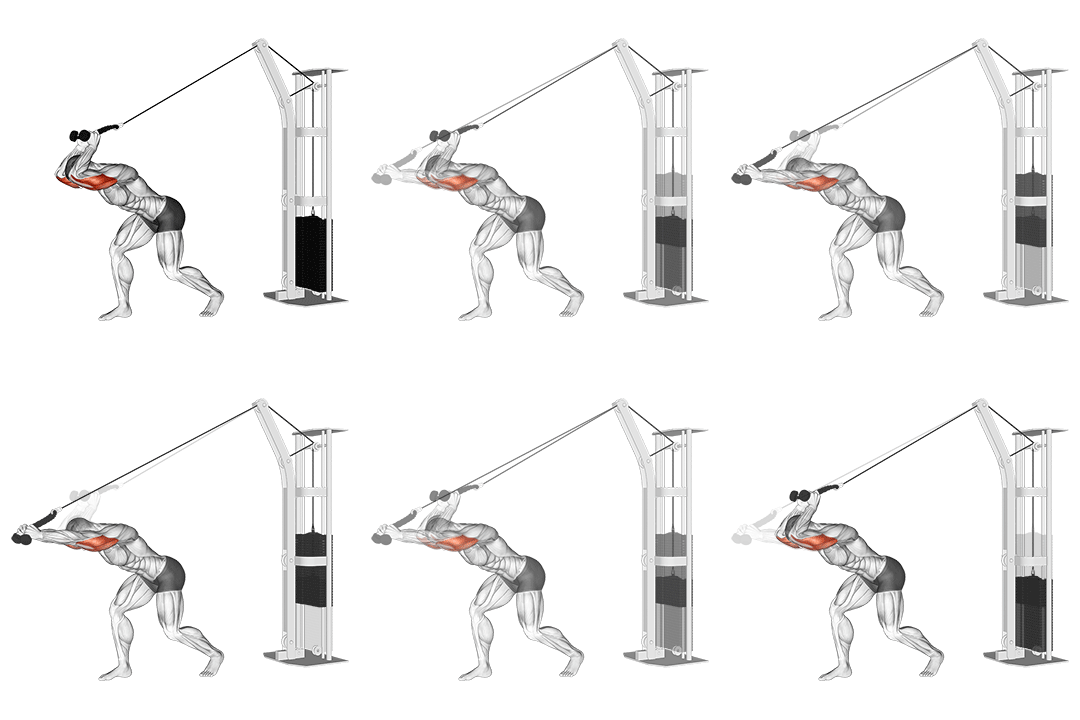
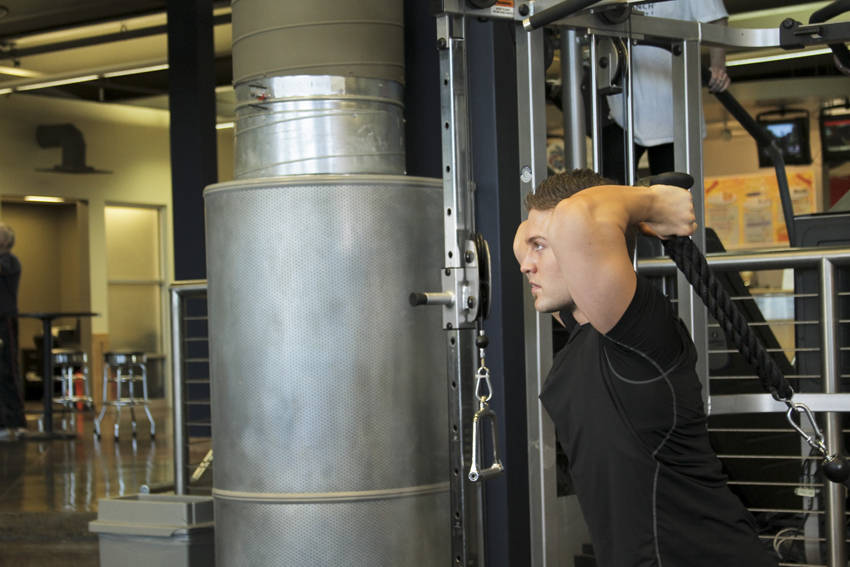
Cable Alternate Triceps Extension vs Cable Kneeling Triceps Extension

Compare target muscles, equipment, difficulty, movement type, and secondary muscles for Cable Alternate Triceps Extension and Cable Kneeling Triceps Extension.

Change comparison Share

Get comparison link

Select the link and use your device's Copy command.

Comparison overview

AI-generated
Cable Alternate Triceps Extension vs Cable Kneeling Triceps Extension — you’re comparing two cable isolation moves that both target the triceps but demand different positions and stability. I’ll break down muscle activation, biomechanics, required equipment, difficulty, and clear recommendations for hypertrophy, strength, beginners, and home setups. Read on for technique cues, rep ranges (6–12 for strength/hypertrophy zones, 8–15 for endurance), and specific situations where one exercise beats the other.

Exercise Comparison

Exercise A
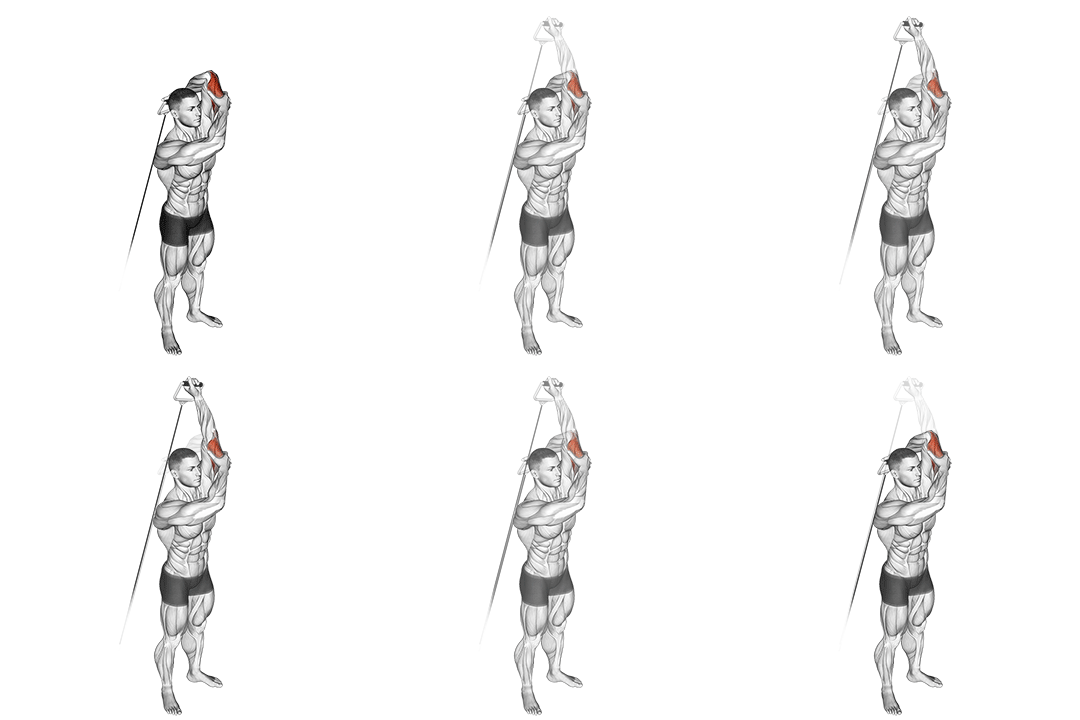
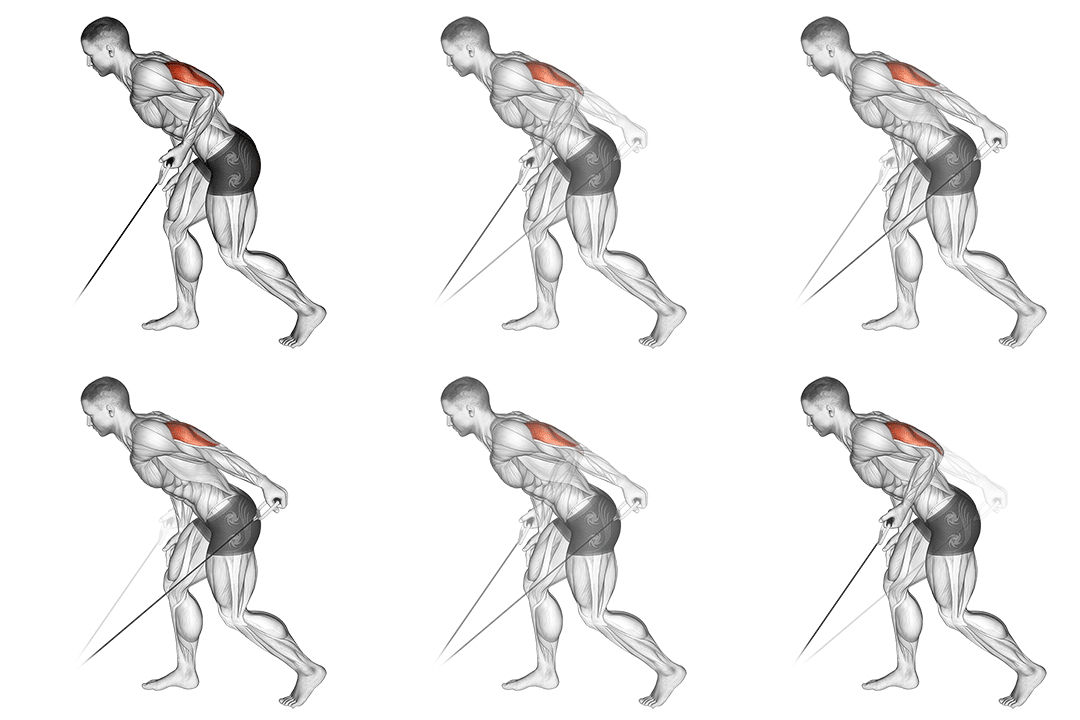
Cable Alternate Triceps Extension demonstration

Cable Alternate Triceps Extension

Target Triceps
Equipment Cable
Body Part Upper-arms
Difficulty Intermediate
Movement Isolation
Secondary Muscles
Shoulders
VS
Exercise B
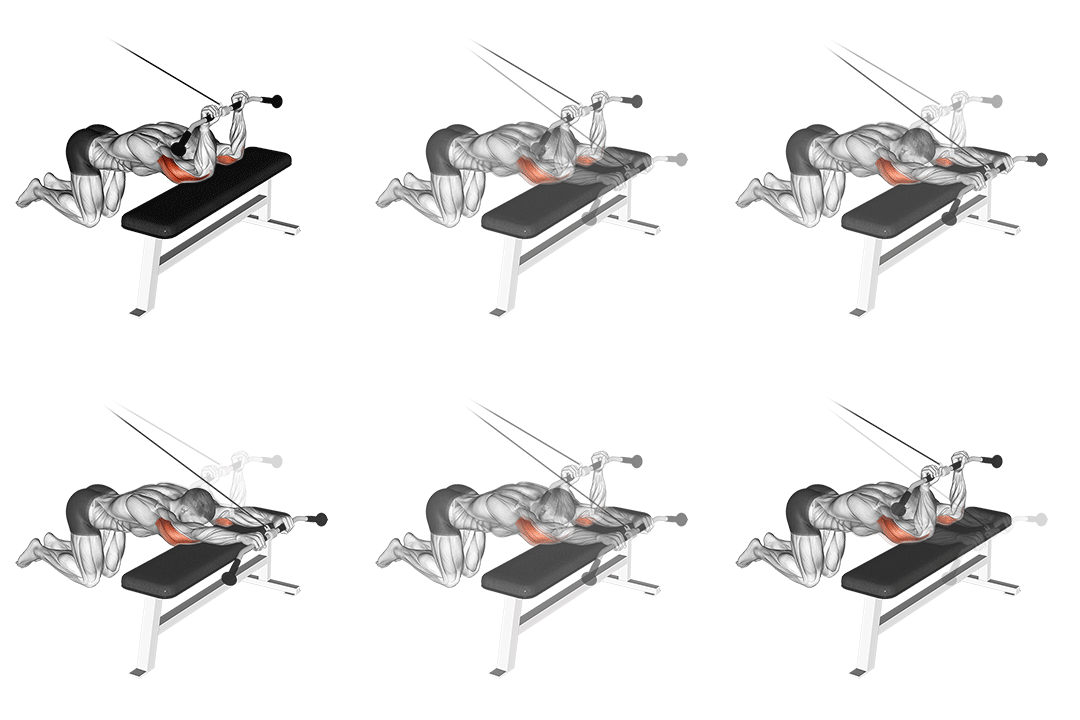
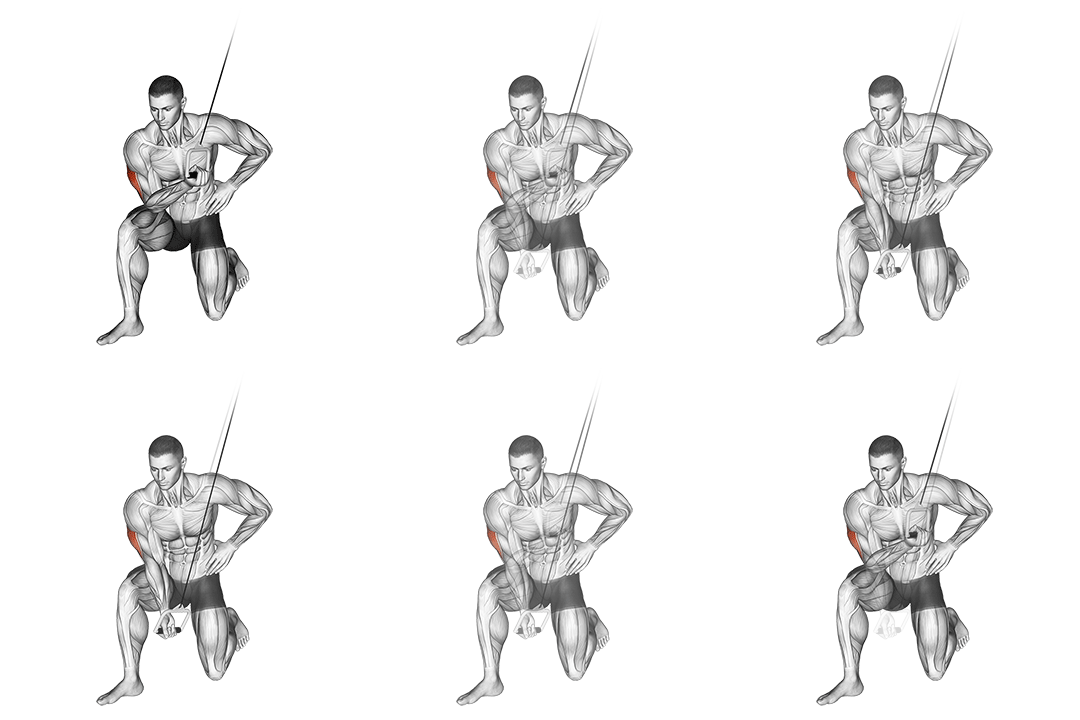
Cable Kneeling Triceps Extension demonstration

Cable Kneeling Triceps Extension

Target Triceps
Equipment Cable
Body Part Upper-arms
Difficulty Beginner
Movement Isolation
Secondary Muscles
Shoulders

Head-to-Head Comparison

Different values are marked. These are catalogue attributes, not performance scores.

Muscles used

Listed target and secondary muscles, shown on the body. Locations, not activation or strength scores.

  • Target
  • Secondary
  • Not highlighted

Cable Alternate Triceps Extension

Front
Cable Alternate Triceps Extension: front muscle locationsSolid: listed target. Striped: listed secondary. Grey: not highlighted. Locations, not activation or strength scores. See the muscle names below.
Back
Cable Alternate Triceps Extension: back muscle locationsSolid: listed target. Striped: listed secondary. Grey: not highlighted. Locations, not activation or strength scores. See the muscle names below.
Target
Triceps
Secondary
Shoulders

Not shown on diagram: Shoulders. These labels do not identify a precise region on this map.

Cable Kneeling Triceps Extension

Front
Cable Kneeling Triceps Extension: front muscle locationsSolid: listed target. Striped: listed secondary. Grey: not highlighted. Locations, not activation or strength scores. See the muscle names below.
Back
Cable Kneeling Triceps Extension: back muscle locationsSolid: listed target. Striped: listed secondary. Grey: not highlighted. Locations, not activation or strength scores. See the muscle names below.
Target
Triceps
Secondary
Shoulders

Not shown on diagram: Shoulders. These labels do not identify a precise region on this map.

Grey does not mean a muscle is unused. The diagrams show only the mapped catalogue labels.

Attribute Cable Alternate Triceps Extension Cable Kneeling Triceps Extension
Target Muscle
Triceps
Triceps
Body Part
Upper-arms
Upper-arms
Equipment
Cable
Cable
Difficulty Different
Intermediate
Beginner
Movement Type
Isolation
Isolation
Secondary Muscles
Shoulders
Shoulders

Visual Comparison

An illustrative 1–10 profile derived from catalog difficulty, equipment, and listed-muscle fields—not measured performance or muscle activation.

Key Differences

  • Difficulty levels differ: Cable Alternate Triceps Extension is intermediate, while Cable Kneeling Triceps Extension is beginner.
  • Both exercises target the Triceps using Cable. The catalogue does not establish which exercise is better for an individual goal.

Muscle comparison

Shared target muscles

Both exercises primarily load the triceps brachii through elbow extension, engaging the long, lateral and medial heads. They produce similar peak triceps torque when the elbow is near 90°; however, the kneeling overhead position places the long head on a greater stretch at the start of the rep, increasing its relative contribution.

Secondary muscle differences

Cable Alternate demands more anti-rotational core and contralateral shoulder stability because you stand and move one arm at a time; the deltoids and scapular stabilizers work harder. Kneeling reduces lower-body and core demand, shifting more stabilization to the shoulders and upper-back (especially the anterior deltoid and serratus anterior).

Muscle involvement analysis

With the cable overhead and upper arm vertical (0–10° from vertical), the long head sees higher passive tension in kneeling extensions, increasing time‑under‑tension during the stretch phase. In alternate standing extensions the force vector can change slightly through the arc as you lean or rotate, producing a steadier concentric peak but greater demand on dynamic shoulder stabilization.

Equipment and setup

Cable Alternate Triceps Extension: setup

Cable machine with a single-handle or rope at a high or mid pulley; space to stand and alternate arms. Optional: staggered stance or light weight plate for balance.

Cable Kneeling Triceps Extension: setup

Cable machine with a rope or handle set to a high pulley so you can kneel and perform overhead extensions. A mat or pad for the knees is useful for comfort and stability.

Access and practicality

Cable Alternate Triceps Extension — it’s simpler to mimic with a single cable, single-handle, or resistance band anchored high, and you can perform it in smaller spaces without needing to kneel comfortably on the floor.

Learning and progression

Learning the movements

Cable Kneeling Triceps Extension is easier to learn because kneeling stabilizes the pelvis and torso, letting you focus on pure elbow extension. Cable Alternate requires coordination to keep the upper arm steady and avoid shoulder shrugging.

Progression considerations

Cable Alternate Triceps Extension offers more progression options: heavier single-arm loading, unilateral overload patterns, and is easier to overload with bands or loading strategies. Kneeling is easier to increase time under tension and control, but adds less absolute load.

Limitations and precautions

Cable Alternate carries slightly higher injury risk for the shoulder and lower back if you use momentum or rotate the torso; poor elbow tracking can stress the joint. Kneeling reduces compensatory movement and thus lowers acute injury risk for most lifters.

Pros & Cons

Cable Alternate Triceps Extension

+ Pros

  • Stronger unilateral loading — corrects left/right imbalances
  • Easier to progressively overload with heavier single-arm weights
  • Greater core and anti-rotation demand improves stability
  • Adaptable to bands or single-pulley setups for home use

− Cons

  • Requires better coordination and elbow control
  • Higher potential for torso compensation if overloaded
  • Slightly greater shoulder and low-back stress in poor form

Cable Kneeling Triceps Extension

+ Pros

  • Stable base reduces compensation and isolates triceps
  • Places long head on greater stretch for muscle growth
  • Easier for beginners to learn strict elbow hinge
  • Lower core demand allows focus on time under tension

− Cons

  • Less core and anti-rotation training benefit
  • Harder to load extremely heavy compared to standing unilateral
  • Requires comfortable kneeling surface and machine setup

When Each Exercise Wins

1
For muscle hypertrophy: Cable Kneeling Triceps Extension

Kneeling overhead position increases long-head stretch and maintains constant tension through the arc, improving time‑under‑tension and mechanical stimulus for hypertrophy when you use 8–12 reps and 2–4 second eccentrics.

2
For strength gains: Cable Alternate Triceps Extension

Standing single-arm work lets you progressively load heavier per limb and train unilateral strength (3–6 reps), while the stance allows slight body adjustments to produce higher peak force safely.

3
For beginners: Cable Kneeling Triceps Extension

Kneeling stabilizes the hips and torso so beginners can learn strict elbow extension, maintain upper-arm position (vertical), and avoid compensatory shoulder movement.

4
For home workouts: Cable Alternate Triceps Extension

You can replicate the single-arm cable pattern with a resistance band or single-pulley setup, requires less dedicated floor space, and adapts to limited equipment more easily.

Frequently Asked Questions

Can I do both Cable Alternate Triceps Extension and Cable Kneeling Triceps Extension in the same workout?

Yes — pairing them works well: start with the kneeling variation for controlled hypertrophy (2–4 sets of 8–12 reps) then finish with alternate standing sets for unilateral overload or extra volume. Manage load so total sets per triceps head stay in the 8–16 range per week.

Which exercise is better for beginners?

Cable Kneeling Triceps Extension is better for beginners because the kneeling base reduces torso compensation and lets the lifter learn strict elbow extension while safely loading the long head of the triceps.

How do the muscle activation patterns differ?

Kneeling overhead places the long head at a longer muscle length at the start, raising its relative activation during the stretch phase. Standing alternate introduces more demand on shoulder stabilizers and core, slightly shifting activation toward lateral/medial heads during the concentric peak if the upper arm isn’t perfectly vertical.

Can Cable Kneeling Triceps Extension replace Cable Alternate Triceps Extension?

Kneeling can replace alternate work when your priority is isolation and hypertrophy, but it won’t develop unilateral strength or core anti-rotation as effectively. Keep both in your program over time to cover stability, size, and single-arm strength.

Comparison Summary

Use Cable Kneeling Triceps Extension when you want strict isolation and long‑head emphasis — it’s the go-to for beginners and hypertrophy blocks where controlled eccentrics (2–4 seconds) and 8–12 rep ranges matter. Choose Cable Alternate Triceps Extension when you need unilateral strength, want to correct imbalances, or are working from home with limited gear; train heavier sets (3–6 reps) or heavier single-arm sets of 6–10 for strength-oriented progress. Prioritize form: keep the upper arm vertical, hinge at the elbow, avoid shoulder hiking, and control the eccentric to maximize stimulus while reducing injury risk.

Exercise instructions

Steps from the exercise catalogue. Read the full sequence before starting.

Cable Alternate Triceps Extension

  1. Stand facing the cable machine with your feet shoulder-width apart.
  2. Hold the cable handle with your right hand and bring your arm up so that your upper arm is parallel to the ground and your elbow is bent at a 90-degree angle.
  3. Keep your upper arm stationary and extend your forearm backward, fully straightening your arm.
Read remaining steps for Cable Alternate Triceps Extension
  1. Pause for a moment, then slowly return to the starting position.
  2. Repeat with your left arm.
  3. Continue alternating arms for the desired number of repetitions.

Cable Kneeling Triceps Extension

  1. Attach a rope handle to a high pulley and kneel down facing the cable machine.
  2. Grasp the rope with a neutral grip (palms facing each other) and bring your hands to the sides of your head.
  3. Keep your elbows close to your head and your upper arms stationary throughout the exercise.
Read remaining steps for Cable Kneeling Triceps Extension
  1. Extend your forearms by contracting your triceps until your arms are fully extended.
  2. Pause for a moment, then slowly return to the starting position by bending your elbows.
  3. Repeat for the desired number of repetitions.

Also Compare

Compare another pair

Choose two exercises to see their differences side by side.

Compare Exercises