

Deadlift With Bands vs Hyperextensions With No Hyperextension Bench: Complete Comparison Guide
Deadlift With Bands vs Hyperextensions With No Hyperextension Bench — this head-to-head will help you pick the best posterior-chain move for your goals. You’ll get clear, actionable guidance on technique cues, which muscles each exercise emphasizes, equipment needs, programming (rep ranges and progression), and injury risk. I’ll compare how each loads the erector spinae biomechanically, show when to prioritize one over the other, and give practical sample rep ranges and progressions so you can implement the right choice straightaway.
Exercise Comparison
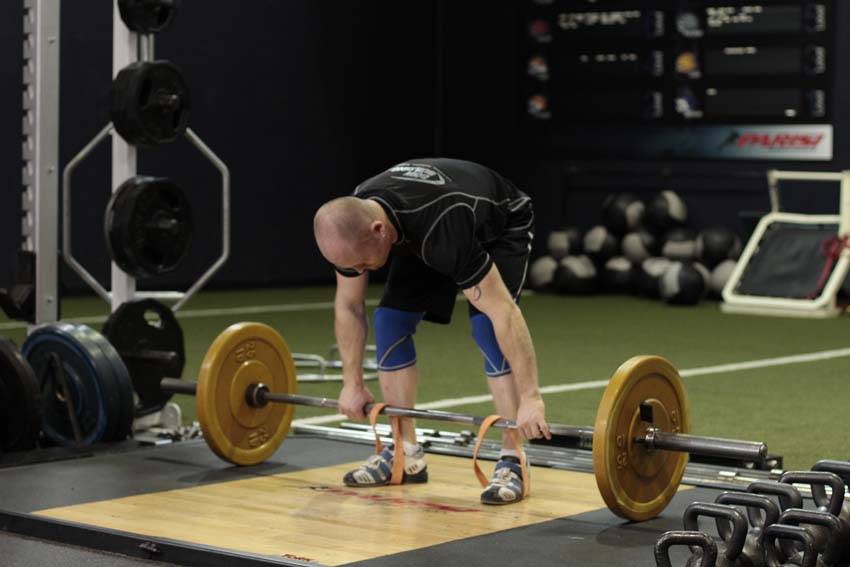
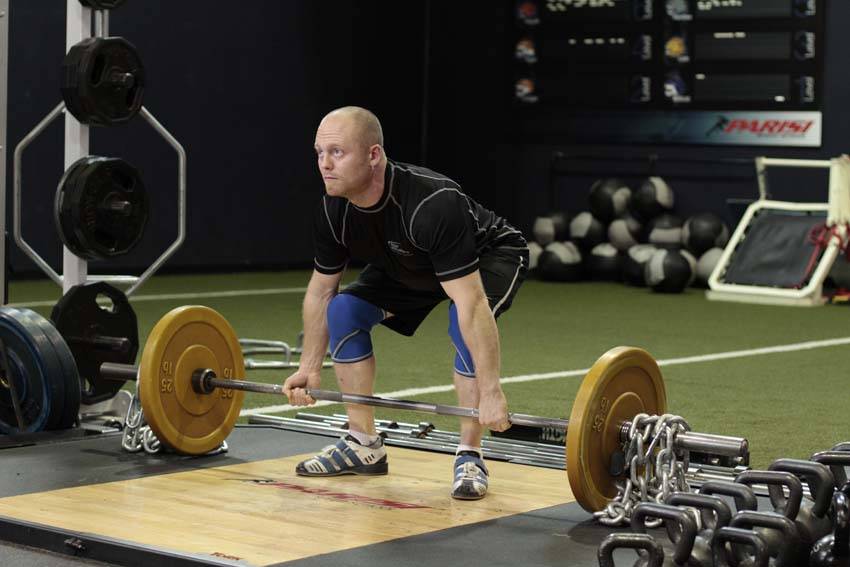
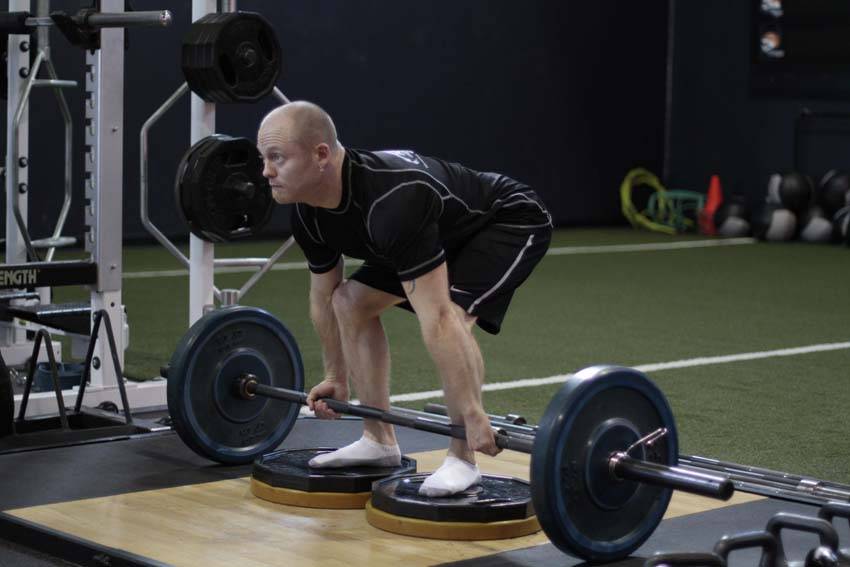
Deadlift With Bands
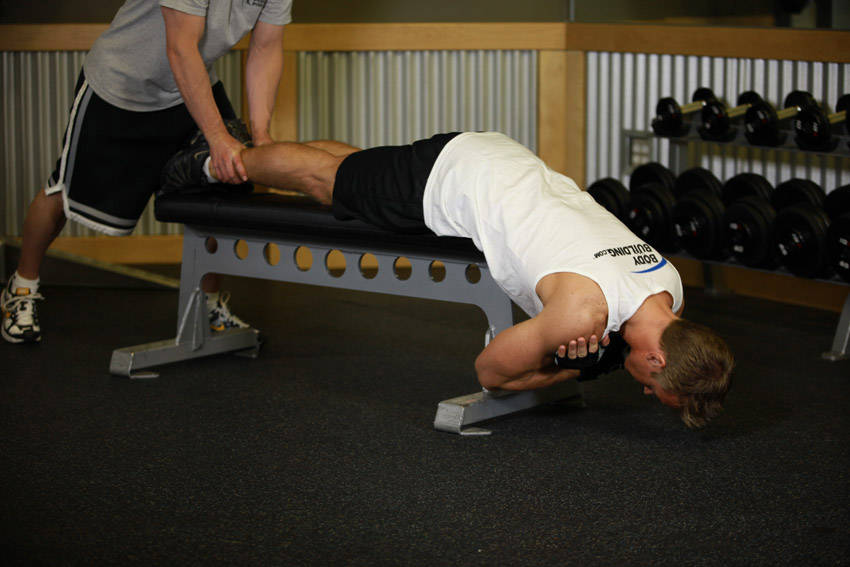
Hyperextensions With No Hyperextension Bench
Head-to-Head Comparison
| Attribute | Deadlift With Bands | Hyperextensions With No Hyperextension Bench |
|---|---|---|
| Target Muscle |
Erector-spinae
|
Erector-spinae
|
| Body Part |
Back
|
Back
|
| Equipment |
Barbell
|
Body-weight
|
| Difficulty |
Advanced
|
Intermediate
|
| Movement Type |
Compound
|
Compound
|
| Secondary Muscles |
6
|
2
|
Secondary Muscles Activated
Deadlift With Bands
Hyperextensions With No Hyperextension Bench
Visual Comparison
Overview
Deadlift With Bands vs Hyperextensions With No Hyperextension Bench — this head-to-head will help you pick the best posterior-chain move for your goals. You’ll get clear, actionable guidance on technique cues, which muscles each exercise emphasizes, equipment needs, programming (rep ranges and progression), and injury risk. I’ll compare how each loads the erector spinae biomechanically, show when to prioritize one over the other, and give practical sample rep ranges and progressions so you can implement the right choice straightaway.
Key Differences
- Equipment differs: Deadlift With Bands uses Barbell, while Hyperextensions With No Hyperextension Bench requires Body-weight.
- Difficulty levels differ: Deadlift With Bands is advanced, while Hyperextensions With No Hyperextension Bench is intermediate.
Pros & Cons
Deadlift With Bands
+ Pros
- Massively loads the posterior chain and builds overall posterior strength
- Band-accommodating resistance raises lockout demand and force production
- Wide progression options: load, band tension, stance, and tempo
- Improves real-world hip-hinge mechanics and transfer to athletic tasks
− Cons
- Requires barbell, plates and bands — less accessible
- Higher technical demand and spinal loading increases injury risk if form breaks
- Grip and low-back fatigue can limit training volume without assistance
Hyperextensions With No Hyperextension Bench
+ Pros
- Requires no special equipment — easy for home or travel workouts
- Isolates the erector spinae and teaches controlled spinal extension
- Lower learning curve and safer absolute loads for beginners
- Can be used for high-rep endurance, hypertrophy, or rehab-style work
− Cons
- Limited maximal overload potential compared with loaded deadlifts
- Less carryover to heavy hip extension strength and explosive power
- May place repeated end-range lumbar stress if overused or loaded improperly
When Each Exercise Wins
Deadlifts with bands allow heavier total loading and tension across larger muscle lengths, enabling 6–12 rep hypertrophy ranges with progressive overload and band-accommodating resistance to keep tension high through the concentric range.
The deadlift pattern trains maximal hip- and back-extension torque and neural drive. Bands let you emphasize lockout strength and vary the force curve, making 3–6 rep strength blocks more effective than body-weight hyperextensions.
Hyperextensions teach controlled spinal extension with minimal load and lower technical demand, so you can build erector endurance and motor control before progressing to heavier hip-hinge lifts.
No barbell or bands are required. You can perform effective posterior-chain work with a bench edge or box and progress with a weighted vest or dumbbell if available.
Frequently Asked Questions
Can I do both Deadlift With Bands and Hyperextensions With No Hyperextension Bench in the same workout?
Yes. Use hyperextensions as a lighter accessory or activation set (2–3 sets of 10–20 reps) after heavy deadlifts to target the erectors with less compressive load. Alternatively, do hyperextensions first on deload days to reinforce extension mechanics before progressing to heavier deadlifts.
Which exercise is better for beginners?
Hyperextensions With No Hyperextension Bench are better for beginners because they simplify trunk extension, limit absolute load, and allow you to develop lumbar control and posterior-chain awareness before adding barbell complexity.
How do the muscle activation patterns differ?
Deadlift With Bands engages the erectors isometrically across the lift while demanding large hip-extension torque, shifting peak force toward lockout. Hyperextensions bias lumbar spinal extensors with peak activation near full trunk extension; hips and hamstrings assist later in the range.
Can Hyperextensions With No Hyperextension Bench replace Deadlift With Bands?
Hyperextensions can substitute as a maintenance or accessory choice to preserve erector strength and endurance, but they don’t fully replace deadlifts for maximal posterior-chain overload or heavy hip-extension strength needed for major strength progression.
Expert Verdict
Choose Deadlift With Bands when your priority is overall posterior strength and progressive overload. It recruits the entire posterior chain, offers broader progression options (load, band tension, stance variations), and better supports measurable strength and hypertrophy blocks. Use Hyperextensions With No Hyperextension Bench when you need a low-equipment option to isolate the erector spinae, build endurance or rehabilitation volume, or teach safe spinal extension before loading. For balanced programming, start with hyperextensions to build control, then add deadlifts with bands as you master the hip hinge and can handle heavier loads safely.
Also Compare
More comparisons with Deadlift With Bands
More comparisons with Hyperextensions With No Hyperextension Bench
Compare More Exercises
Use our free comparison tool to analyze any two exercises head-to-head.
Compare Exercises