

Deadlift With Chains vs Hyperextensions With No Hyperextension Bench: Complete Comparison Guide
Deadlift With Chains vs Hyperextensions With No Hyperextension Bench — you’re comparing two ways to load the erector spinae, but they do it very differently. I’ll walk you through biomechanics, muscle activation, equipment needs, rep ranges, and concrete technique cues so you can choose based on strength, hypertrophy, or home training. You’ll learn specific setup and execution tips (hip hinge angles, bracing, tempo), typical rep ranges (3–6 for heavy chain deadlifts, 10–20 for hyperextensions), and how to progress each movement safely. By the end you’ll know which move to prioritize for your program.
Exercise Comparison
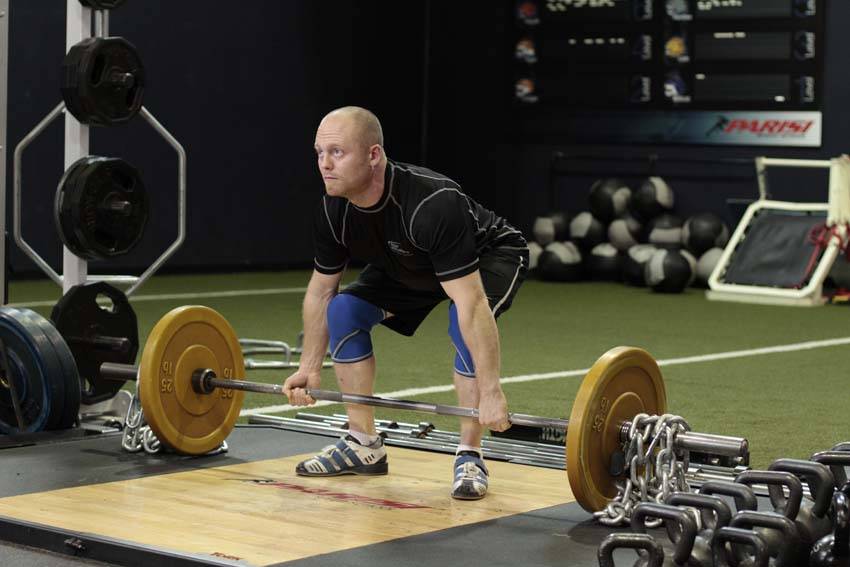
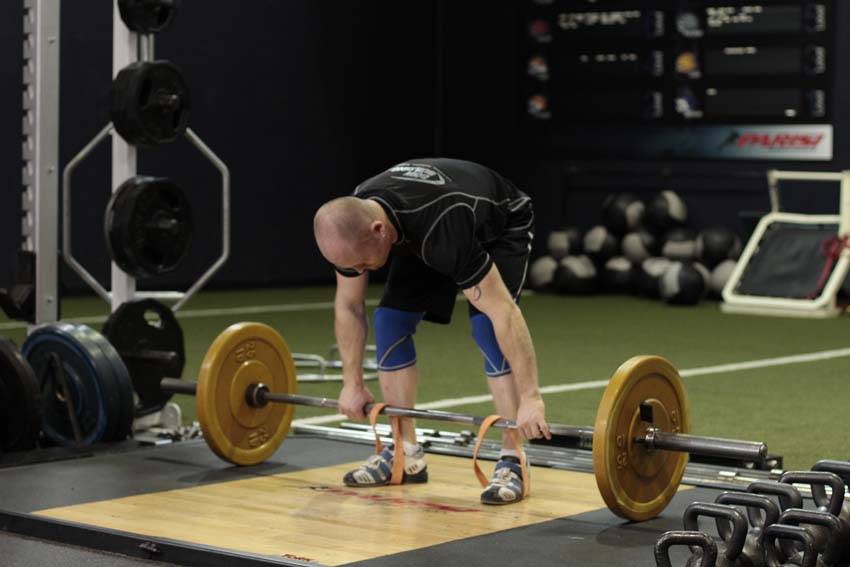
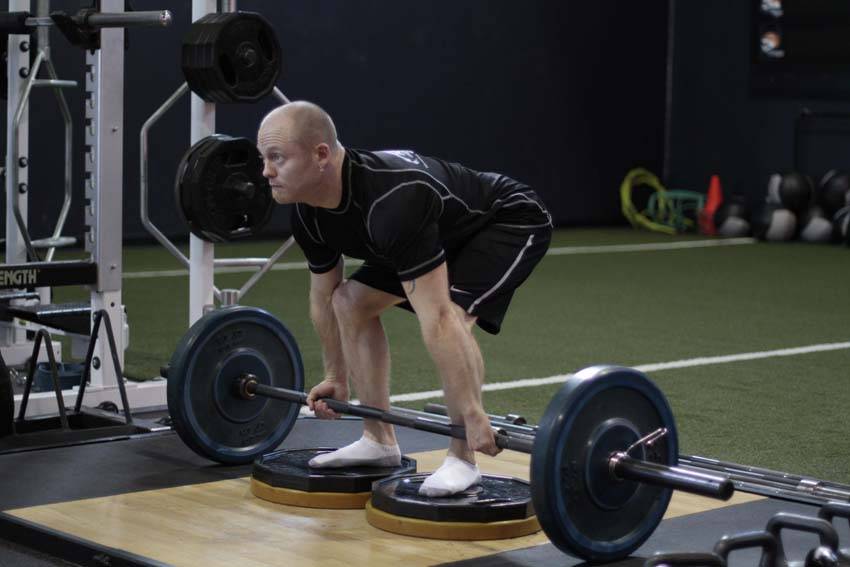
Deadlift With Chains
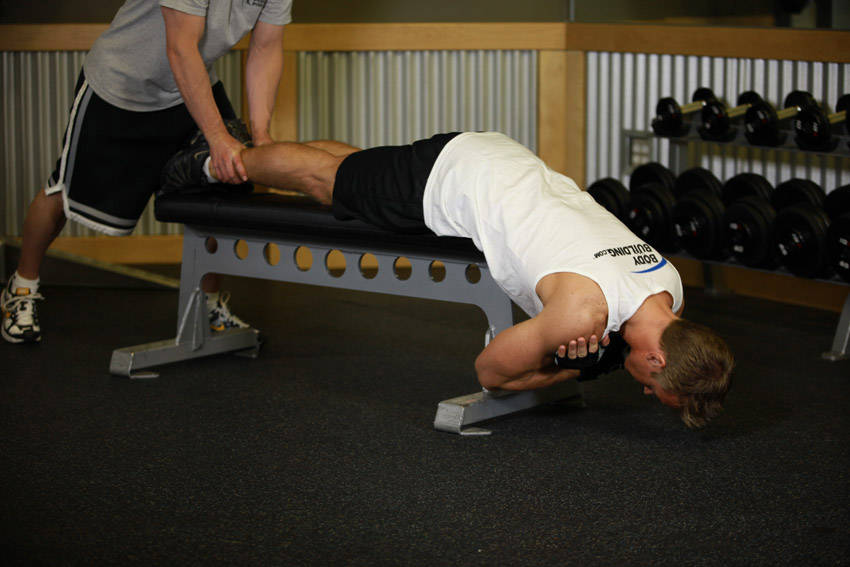
Hyperextensions With No Hyperextension Bench
Head-to-Head Comparison
| Attribute | Deadlift With Chains | Hyperextensions With No Hyperextension Bench |
|---|---|---|
| Target Muscle |
Erector-spinae
|
Erector-spinae
|
| Body Part |
Back
|
Back
|
| Equipment |
Barbell
|
Body-weight
|
| Difficulty |
Advanced
|
Intermediate
|
| Movement Type |
Compound
|
Compound
|
| Secondary Muscles |
6
|
2
|
Secondary Muscles Activated
Deadlift With Chains
Hyperextensions With No Hyperextension Bench
Visual Comparison
Overview
Deadlift With Chains vs Hyperextensions With No Hyperextension Bench — you’re comparing two ways to load the erector spinae, but they do it very differently. I’ll walk you through biomechanics, muscle activation, equipment needs, rep ranges, and concrete technique cues so you can choose based on strength, hypertrophy, or home training. You’ll learn specific setup and execution tips (hip hinge angles, bracing, tempo), typical rep ranges (3–6 for heavy chain deadlifts, 10–20 for hyperextensions), and how to progress each movement safely. By the end you’ll know which move to prioritize for your program.
Key Differences
- Equipment differs: Deadlift With Chains uses Barbell, while Hyperextensions With No Hyperextension Bench requires Body-weight.
- Difficulty levels differ: Deadlift With Chains is advanced, while Hyperextensions With No Hyperextension Bench is intermediate.
Pros & Cons
Deadlift With Chains
+ Pros
- Massive posterior-chain recruitment — glutes, hamstrings, erectors, traps, quads and forearms
- Variable resistance with chains improves lockout strength and force curve
- Clear, measurable progression via load increments and 1–5 RM testing
- Transferable to maximal strength and deadlift-specific performance
− Cons
- Requires barbell, chains and setup knowledge
- Higher technical demand and higher injury risk if form breaks
- Less practical for home workouts without equipment
Hyperextensions With No Hyperextension Bench
+ Pros
- Minimal equipment — can be done with bodyweight and an elevated edge
- Isolates erector-spinae through end-range extension and higher TUT
- Lower technical barrier for safe baseline training
- Easy to add volume (10–20+ reps) for hypertrophy-oriented protocols
− Cons
- Lower maximal loading potential compared with barbell deadlifts
- Limited recruitment of traps, forearms and quads
- Risk of lumbar overextension if performed uncontrolled
When Each Exercise Wins
Deadlift With Chains provides greater overall mechanical tension across the whole posterior chain and allows you to progressively overload with heavy sets and variable resistance. Use 4–6 sets of 4–8 reps with chains or 6–12 reps for accessory work to stimulate muscle growth across erectors, glutes and hamstrings.
Chains change the force curve to overload the lockout and improve maximal force production; paired with low-rep heavy loading (1–5 reps) they directly increase neural drive and maximal strength. This specificity transfers best to barbell pull strength and competition lifts.
Hyperextensions are easier to learn and let you train spinal control and posterior-chain endurance with low absolute load and clear tempo cues. Start with 2–3 sets of 10–15 reps focusing on neutral spine, controlled descent, and hip engagement before adding external load.
You can perform hyperextensions using a couch edge, step, or stability ball with no specialized gear, making them ideal for home routines. They let you build erector strength and endurance with minimal space and equipment.
Frequently Asked Questions
Can I do both Deadlift With Chains and Hyperextensions With No Hyperextension Bench in the same workout?
Yes — pair them smartly. Use Deadlift With Chains early in the session for heavy, low-rep strength work (3–6 reps), then follow with hyperextensions as an accessory for 2–4 sets of 10–15 reps to add volume and train spinal endurance without fatiguing your maximal lifts.
Which exercise is better for beginners?
Hyperextensions With No Hyperextension Bench are better for beginners because they teach spinal control and hip extension with low absolute load. Start bodyweight, focus on tempo and neutral spine, and only add external load once form is consistent.
How do the muscle activation patterns differ?
Deadlifts produce high early-phase hamstring/glute activation and large isometric erector demand across the lift, with peak erector load near lockout—chains amplify top-range load. Hyperextensions produce peak erector activation at end-range trunk extension and emphasize eccentric control and time under tension rather than peak absolute force.
Can Hyperextensions With No Hyperextension Bench replace Deadlift With Chains?
Not fully — hyperextensions can substitute for volume, spinal control, and rehabilitation work but they lack the maximal loading and multi-joint force transfer that deadlifts provide. If your goal is maximal strength and full posterior-chain development, keep deadlifts in the program and use hyperextensions as a complementary exercise.
Expert Verdict
Choose Deadlift With Chains when your priority is heavy, progressive overload for maximal strength and whole-posterior-chain hypertrophy—chains help you target the lockout and increase top-end load by about 10–20%. Use precise setup: neutral spine, braced core, and controlled bar path; program 3–6 sets of 3–6 reps for strength cycles. Pick Hyperextensions With No Hyperextension Bench when you need an accessible, lower-risk option to isolate the erectors, improve spinal endurance, or add volume (10–20 reps). Hyperextensions are ideal for technique work, rehabilitation phases, and home training. Both can coexist in a program: use deadlifts for heavy strength work and hyperextensions as accessory volume or spinal control drills.
Also Compare
More comparisons with Deadlift With Chains
More comparisons with Hyperextensions With No Hyperextension Bench
Compare More Exercises
Use our free comparison tool to analyze any two exercises head-to-head.
Compare Exercises