

Deadlift With Chains vs Seated Good Mornings: Complete Comparison Guide
Deadlift With Chains vs Seated Good Mornings is the matchup that separates top-end posterior chain strength from targeted spinal erector isolation. If you want exercises that hammer the erector spinae, this guide helps you choose based on muscle activation, equipment needs, injury risk, and programming. You’ll get clear technique cues, biomechanics explanations (length-tension, force vectors, hip hinge angles), and practical rep ranges so you can pick the lift that matches your strength or hypertrophy plan. Read on to learn when to program each, how to progress safely, and which wins in specific scenarios.
Exercise Comparison
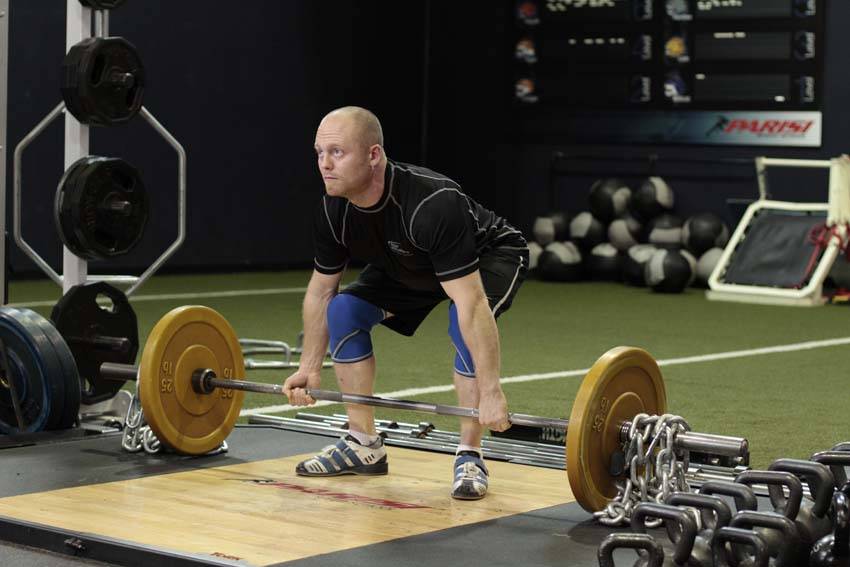
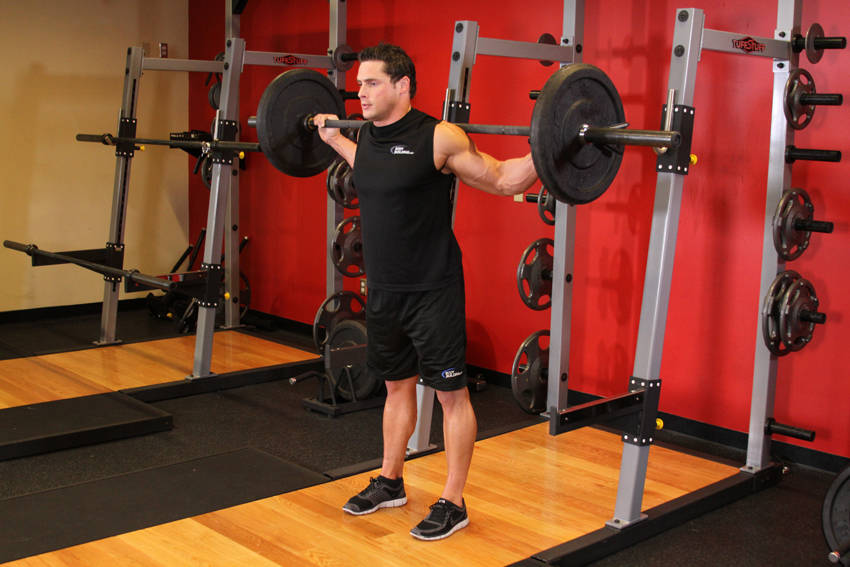
Deadlift With Chains
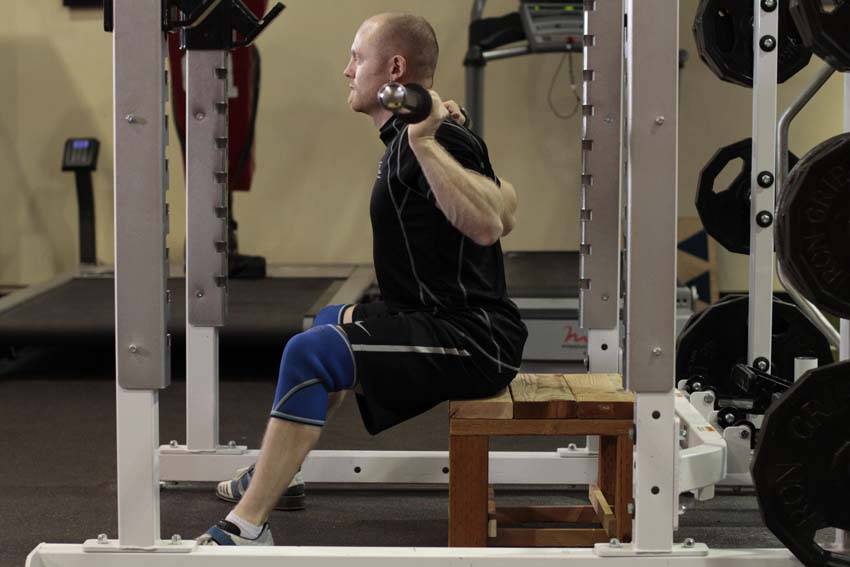
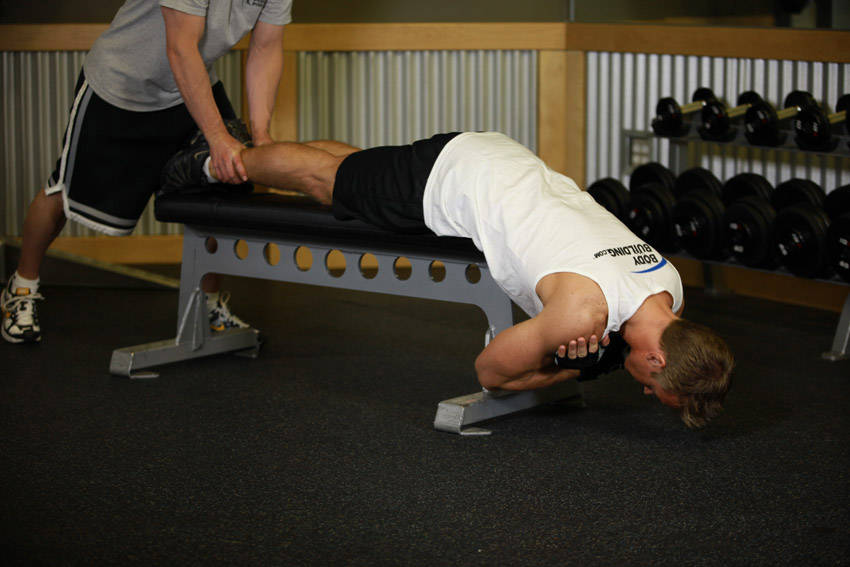
Seated Good Mornings
Head-to-Head Comparison
| Attribute | Deadlift With Chains | Seated Good Mornings |
|---|---|---|
| Target Muscle |
Erector-spinae
|
Erector-spinae
|
| Body Part |
Back
|
Back
|
| Equipment |
Barbell
|
Barbell
|
| Difficulty |
Advanced
|
Advanced
|
| Movement Type |
Compound
|
Compound
|
| Secondary Muscles |
6
|
1
|
Secondary Muscles Activated
Deadlift With Chains
Seated Good Mornings
Visual Comparison
Overview
Deadlift With Chains vs Seated Good Mornings is the matchup that separates top-end posterior chain strength from targeted spinal erector isolation. If you want exercises that hammer the erector spinae, this guide helps you choose based on muscle activation, equipment needs, injury risk, and programming. You’ll get clear technique cues, biomechanics explanations (length-tension, force vectors, hip hinge angles), and practical rep ranges so you can pick the lift that matches your strength or hypertrophy plan. Read on to learn when to program each, how to progress safely, and which wins in specific scenarios.
Key Differences
- Both exercises target the Erector-spinae using Barbell. The main differences are in their movement patterns and muscle activation angles.
Pros & Cons
Deadlift With Chains
+ Pros
- Variable resistance increases top-end loading and lockout strength
- Higher systemic recruitment — glutes, hamstrings, quads, traps, forearms
- Excellent for developing rate-of-force and overcoming sticking points
- Scales well for strength programming (vary chain weight, reps 1–6)
− Cons
- Requires specialty equipment (chains) and setup time
- Higher technical demand on bar path and timing
- Greater acute injury risk under maximal loads
Seated Good Mornings
+ Pros
- Simple setup — only a barbell and bench needed
- Isolates erector spinae with high time-under-tension
- Lower balance demand, easier to cue hip hinge and spine angle
- Great for hypertrophy with controlled eccentrics (6–12+ reps)
− Cons
- Less hamstring involvement due to knee flexion
- Limited progression ceiling for systemic strength
- Can produce lumbar shear if torso flexion is excessive or load is uncontrolled
When Each Exercise Wins
Seated Good Mornings produce long time-under-tension and controlled eccentrics that target the erector spinae directly, making them excellent for 6–12+ rep hypertrophy blocks. The fixed pelvis increases isolated spinal extensor loading, which is ideal when your goal is targeted muscle growth.
Deadlift With Chains allows you to bias different portions of the lift via variable resistance, enhancing lockout strength and rate-of-force development. Use low reps (1–6) and progressive chain mass to overload neural and mechanical strength adaptations.
The seated position reduces balance and hip mobility demands so you can learn the hip hinge and spinal bracing safely. Start with bodyweight or an empty bar for 8–12 reps to build control before adding heavy loads.
They need only a barbell and a stable seat, no specialty chains or extra floor space. You can also use a lighter load and slow tempo to get meaningful erector stimulation at home.
Frequently Asked Questions
Can I do both Deadlift With Chains and Seated Good Mornings in the same workout?
Yes — but sequence matters. Do Deadlift With Chains early in the session if your goal is strength (low reps, high intent), then use Seated Good Mornings later as an accessory for erector hypertrophy and extra volume. Limit total spine-intensive sets to avoid over-fatigue.
Which exercise is better for beginners?
Seated Good Mornings are better for beginners because the seated setup reduces balance and demands on hip mobility, letting you learn the hinge and spinal bracing with lower risk. Start light and emphasize a neutral spine and controlled eccentrics.
How do the muscle activation patterns differ?
Deadlift With Chains produces a dynamic rising-resistance activation where posterior chain recruitment spikes toward lockout as chains lift. Seated Good Mornings create sustained eccentric and isometric loading of the erectors across a larger torso flexion range, favoring time-under-tension for the spine.
Can Seated Good Mornings replace Deadlift With Chains?
They can replace Deadlift With Chains for targeted erector hypertrophy or when equipment is limited, but they won’t match the systemic strength stimulus or lockout-specific overload that chains provide. Use seated GMs for isolation blocks and deadlifts with chains for heavy strength phases.
Expert Verdict
Choose Deadlift With Chains when your primary goal is maximal posterior chain strength, improving lockout, and training variable resistance for neural adaptations. Program them for low-rep strength blocks (1–6 reps) with progressive chain mass and strict bar path cues. Opt for Seated Good Mornings when you want focused erector spinae hypertrophy, safer technical learning, or a more accessible option for home gyms. Use Seated Good Mornings for higher-rep tempo work (6–12+ reps) and eccentric control to build spinal extensor size; alternate both across mesocycles to combine isolated hypertrophy with heavy strength work.
Also Compare
More comparisons with Deadlift With Chains
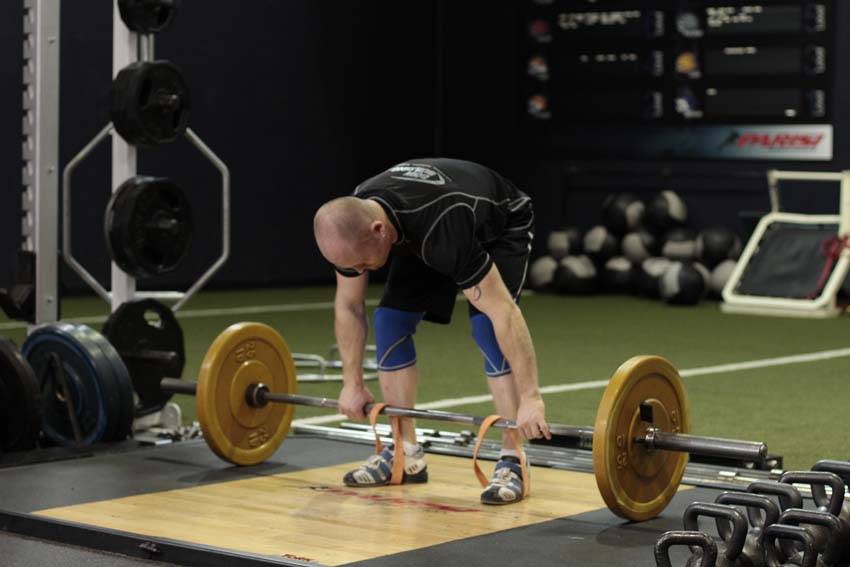
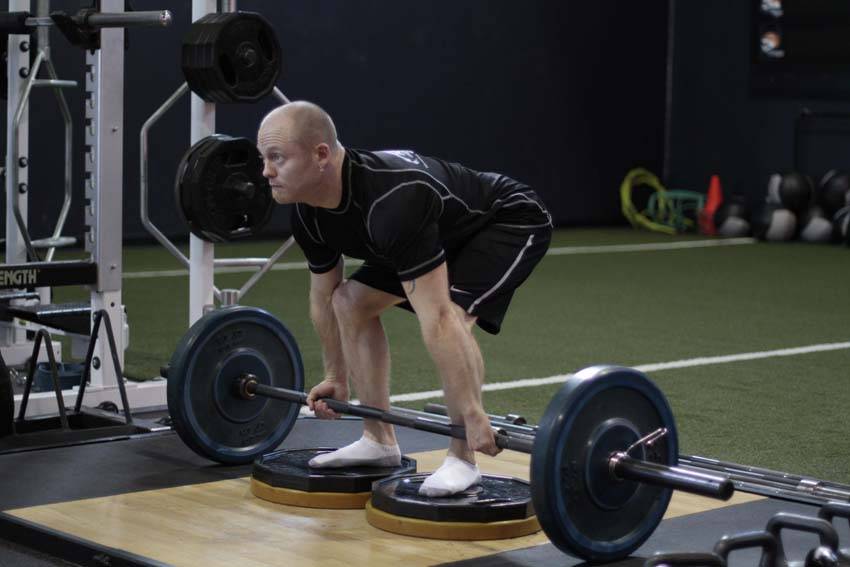
More comparisons with Seated Good Mornings
Compare More Exercises
Use our free comparison tool to analyze any two exercises head-to-head.
Compare Exercises