

Deficit Deadlift vs Hyperextensions With No Hyperextension Bench: Complete Comparison Guide
Deficit Deadlift vs Hyperextensions With No Hyperextension Bench — you’re comparing two solid options for training the erector spinae and posterior chain. I’ll walk you through how each move loads the low back, which secondary muscles get worked, exact rep ranges and angles to prioritize, plus technical cues so you can perform them safely. You’ll learn when to use a heavy barbell deficit for force production and when a bodyweight hyperextension substitute gives high-quality lumbar control, and how to progress each exercise based on your goals.
Exercise Comparison
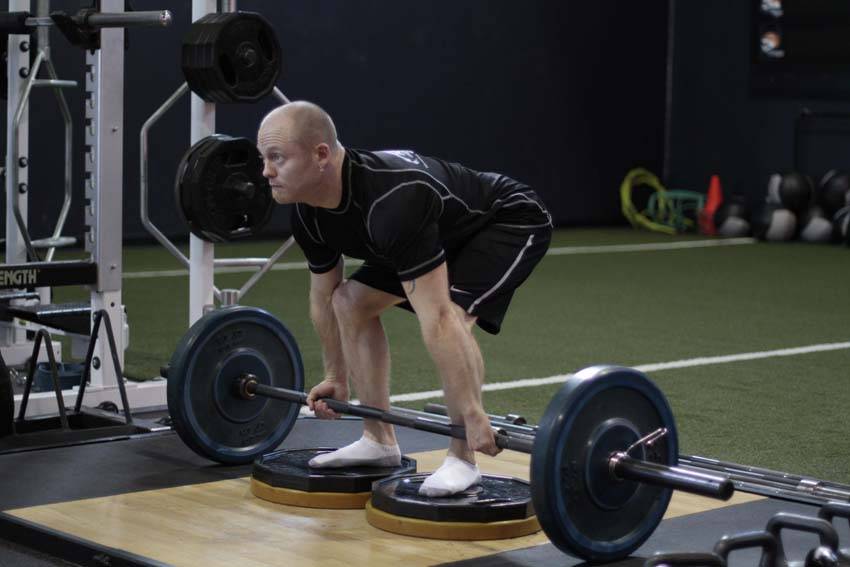
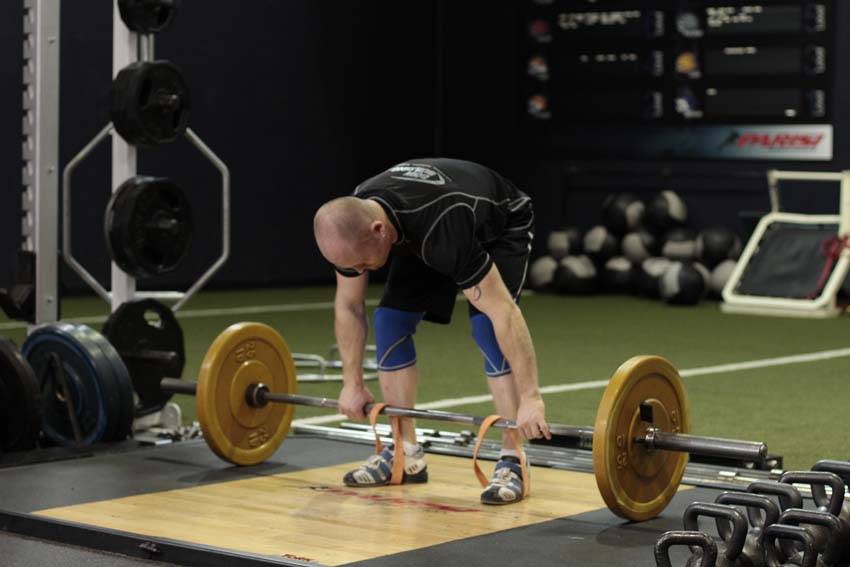
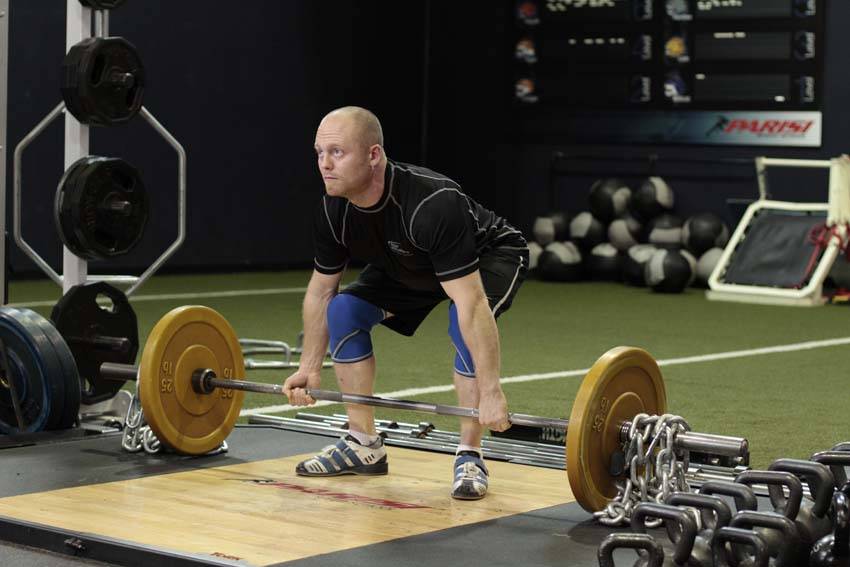
Deficit Deadlift
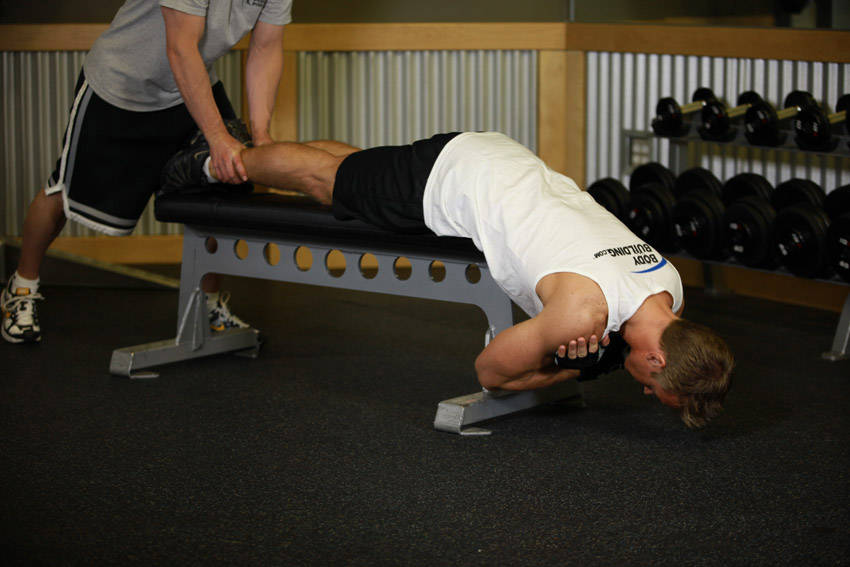
Hyperextensions With No Hyperextension Bench
Head-to-Head Comparison
| Attribute | Deficit Deadlift | Hyperextensions With No Hyperextension Bench |
|---|---|---|
| Target Muscle |
Erector-spinae
|
Erector-spinae
|
| Body Part |
Back
|
Back
|
| Equipment |
Barbell
|
Body-weight
|
| Difficulty |
Advanced
|
Intermediate
|
| Movement Type |
Compound
|
Compound
|
| Secondary Muscles |
6
|
2
|
Secondary Muscles Activated
Deficit Deadlift
Hyperextensions With No Hyperextension Bench
Visual Comparison
Overview
Deficit Deadlift vs Hyperextensions With No Hyperextension Bench — you’re comparing two solid options for training the erector spinae and posterior chain. I’ll walk you through how each move loads the low back, which secondary muscles get worked, exact rep ranges and angles to prioritize, plus technical cues so you can perform them safely. You’ll learn when to use a heavy barbell deficit for force production and when a bodyweight hyperextension substitute gives high-quality lumbar control, and how to progress each exercise based on your goals.
Key Differences
- Equipment differs: Deficit Deadlift uses Barbell, while Hyperextensions With No Hyperextension Bench requires Body-weight.
- Difficulty levels differ: Deficit Deadlift is advanced, while Hyperextensions With No Hyperextension Bench is intermediate.
Pros & Cons
Deficit Deadlift
+ Pros
- Massive overload potential for erector-spinae and whole posterior chain
- Greater secondary recruitment: quads, hamstrings, glutes, traps, forearms
- Easy to quantify and progressively overload via %1RM and small weight increments
- Increases strength through a larger range of motion when standing on a 2–4 in deficit
− Cons
- Requires barbell and safe setup
- Higher technical demand and longer learning curve
- Greater risk of lumbar stress and hamstring strain if performed poorly
Hyperextensions With No Hyperextension Bench
+ Pros
- Minimal equipment — ideal for home or limited-gym setups
- Lower technical barrier; good for teaching lumbar control and hip hinge
- Safer for high-rep work and conditioning of the erectors
- Easy to increase time under tension via tempo and reps (10–20 reps)
− Cons
- Limited absolute load ceiling compared with barbell work
- Less quad and trap stimulation — fewer total-body strength carryovers
- Can tempt excessive lumbar hyperextension if cues are poor
When Each Exercise Wins
Deficit deadlifts let you use heavier loads and longer ROM, producing more overall mechanical tension across erectors, hamstrings and glutes. Aim for 6–12 reps at 60–75% 1RM or higher-volume sets to stimulate muscle growth.
Deficit deadlifts permit progressive overload with heavy %1RM work (75–95%) and improve the bottom-of-the-lift power, translating to higher absolute strength in the posterior chain and deadlift variations.
Hyperextensions are easier to learn and let you build lumbar control and hip hinge mechanics with low loads and high reps (10–20), reducing injury risk while teaching movement patterns.
You can perform effective hyperextension variations using a stability ball, bench edge, or the floor with minimal equipment, making them the superior home option.
Frequently Asked Questions
Can I do both Deficit Deadlift and Hyperextensions With No Hyperextension Bench in the same workout?
Yes. Pair deficit deadlifts as your primary heavy lift earlier in the session (after warm-up), then use hyperextensions as an accessory for 2–4 sets of 10–20 reps to increase time under tension and reinforce spinal control without fatiguing your grip majorly.
Which exercise is better for beginners?
Hyperextensions With No Hyperextension Bench are better for beginners because they isolate spinal extension, require less load, and allow you to learn hip hinge and lumbar stability safely before progressing to loaded deficit deadlifts.
How do the muscle activation patterns differ?
Deficit deadlifts create high erector-spinae isometric demand plus large hamstring and glute stretch due to increased ROM and axial load; hyperextensions produce concentrated concentric spinal extension at end-range with primary assistance from glutes and hamstrings and far lower axial compression.
Can Hyperextensions With No Hyperextension Bench replace Deficit Deadlift?
Not completely. Hyperextensions can substitute as an accessory for erector strength and endurance, but they can’t match the absolute load and multi-joint recruitment of deficit deadlifts required for maximal posterior-chain strength development.
Expert Verdict
Use deficit deadlifts when your priority is heavy-load strength and whole posterior-chain development — they excel at producing mechanical tension across erectors, hamstrings and glutes and scale well with progressive overload. Choose deficits only once you’ve nailed hip-hinge mechanics and have adequate mobility and coaching. Use hyperextensions with no hyperextension bench when you need accessible lumbar isolation, high-rep conditioning, or to teach spinal control; they’re low-cost, lower-risk, and excellent for accessory or rehab-focused work. For a balanced program, pair heavy deficit deadlift sessions (3–6 reps for strength, 6–12 for hypertrophy) with hyperextension sets (10–20 reps, controlled tempo) to target both maximal force and end-range spinal endurance.
Also Compare
More comparisons with Deficit Deadlift
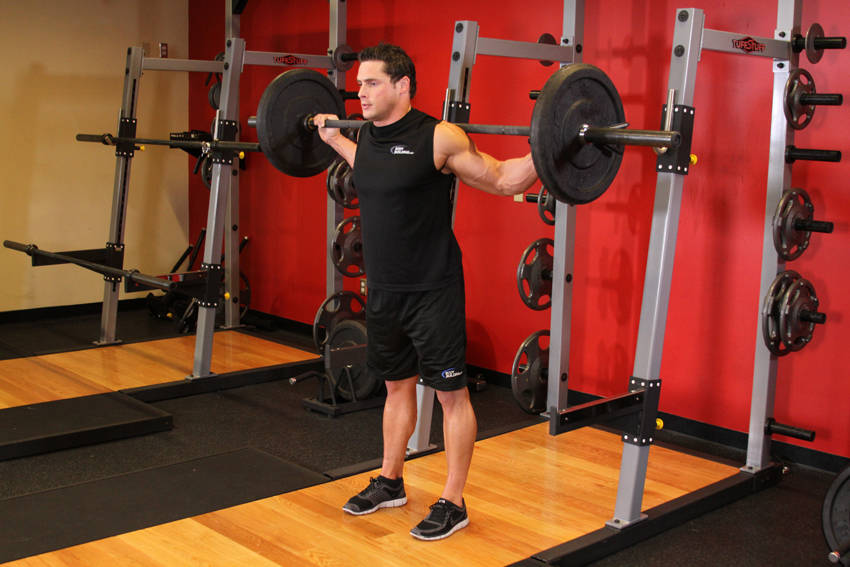
More comparisons with Hyperextensions With No Hyperextension Bench
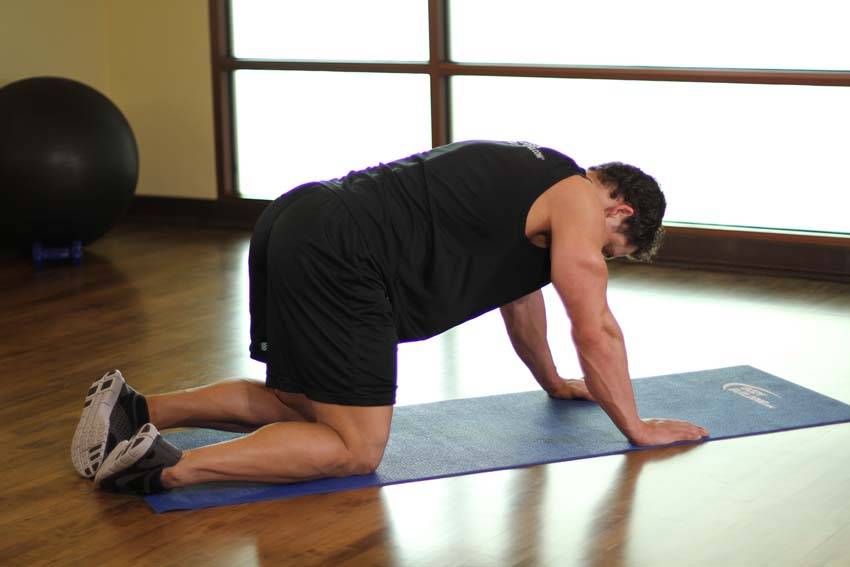
Compare More Exercises
Use our free comparison tool to analyze any two exercises head-to-head.
Compare Exercises