

Elbow Circles vs Seated Front Deltoid: Complete Comparison Guide
Elbow Circles vs Seated Front Deltoid — this side-by-side compares two beginner, body-weight shoulder isolation moves so you can pick the right drill for your session. You’ll learn how each stresses the deltoid differently, which secondary muscles kick in (traps vs chest), how to cue each movement, and which to use for warm-ups, hypertrophy work, or rehab. Read on for specific technique cues, biomechanics (force vectors, scapular control, length-tension), and clear rep-range recommendations to apply in your next workout.
Exercise Comparison
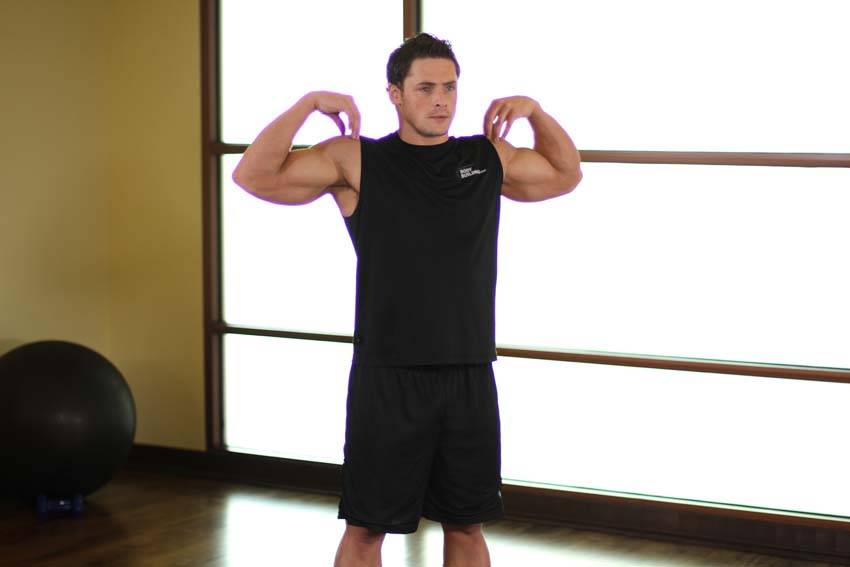
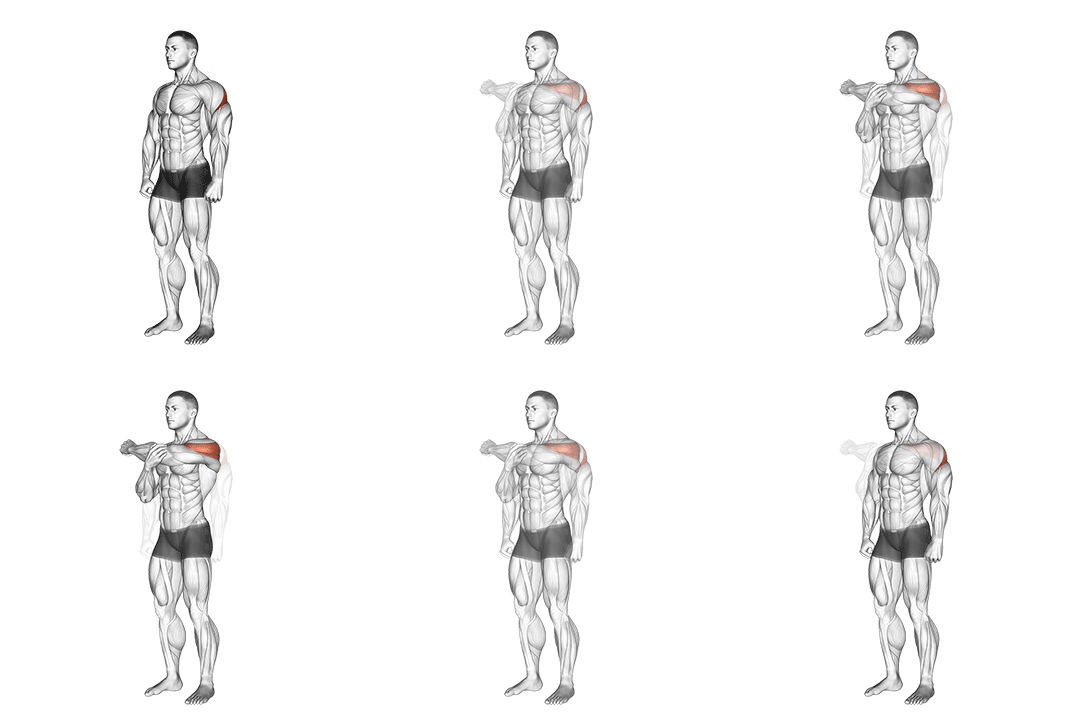
Elbow Circles
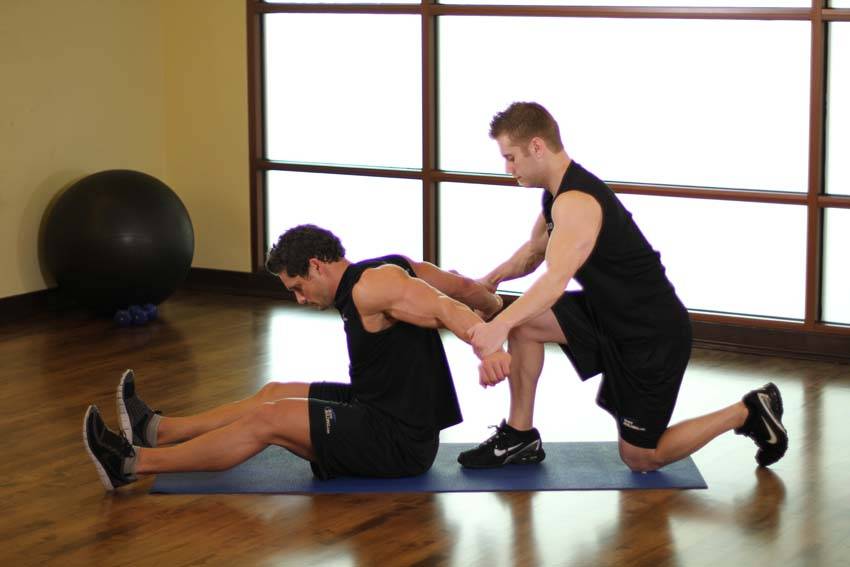
Seated Front Deltoid
Head-to-Head Comparison
| Attribute | Elbow Circles | Seated Front Deltoid |
|---|---|---|
| Target Muscle |
Delts
|
Delts
|
| Body Part |
Shoulders
|
Shoulders
|
| Equipment |
Body-weight
|
Body-weight
|
| Difficulty |
Beginner
|
Beginner
|
| Movement Type |
Isolation
|
Isolation
|
| Secondary Muscles |
1
|
1
|
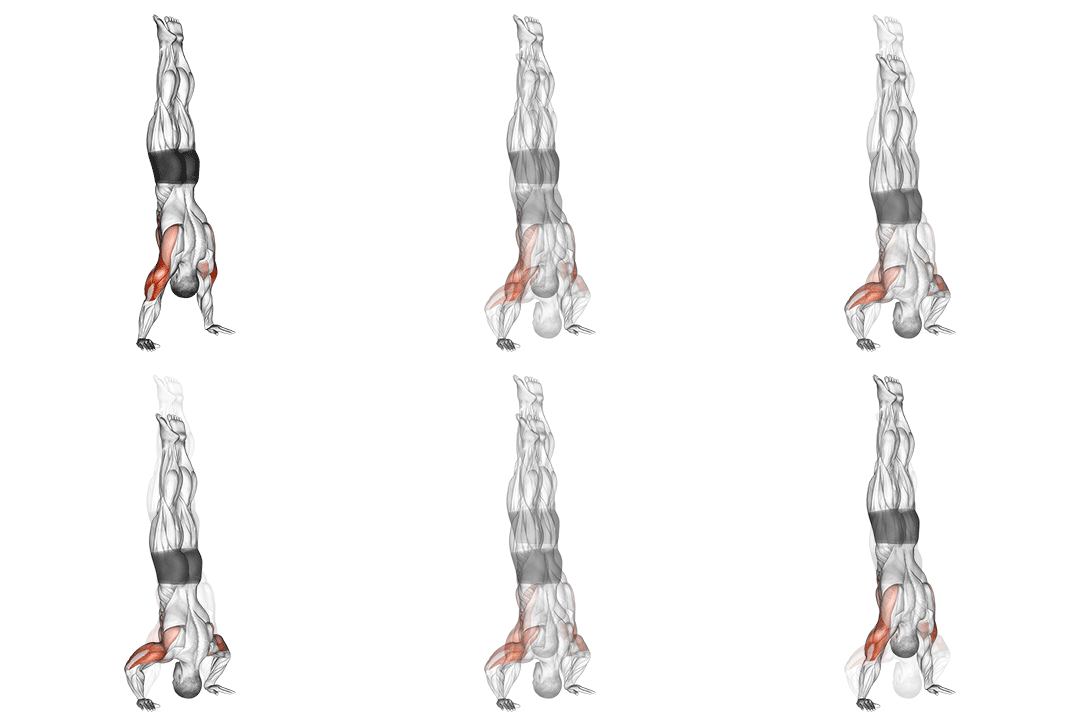
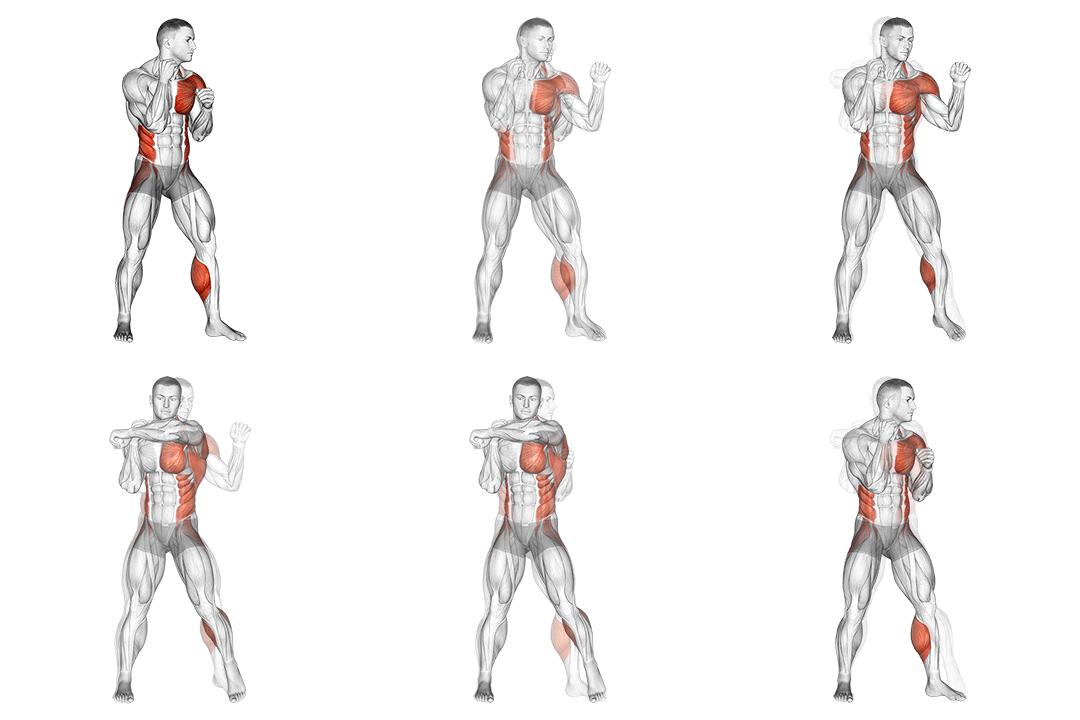
Secondary Muscles Activated
Elbow Circles
Seated Front Deltoid
Visual Comparison
Overview
Elbow Circles vs Seated Front Deltoid — this side-by-side compares two beginner, body-weight shoulder isolation moves so you can pick the right drill for your session. You’ll learn how each stresses the deltoid differently, which secondary muscles kick in (traps vs chest), how to cue each movement, and which to use for warm-ups, hypertrophy work, or rehab. Read on for specific technique cues, biomechanics (force vectors, scapular control, length-tension), and clear rep-range recommendations to apply in your next workout.
Key Differences
- Both exercises target the Delts using Body-weight. The main differences are in their movement patterns and muscle activation angles.
Pros & Cons
Elbow Circles
+ Pros
- Improves shoulder mobility and scapular rhythm
- No equipment; can be done anywhere
- Even activation across deltoid heads for balance
- Low-intensity option for warm-ups and rehab
− Cons
- Low mechanical tension — limited for hypertrophy
- Requires coordination to avoid compensatory shrugging
- Less direct anterior deltoid overload for strength work
Seated Front Deltoid
+ Pros
- Directly loads the anterior deltoid for muscle growth
- Easy to teach and perform with strict form (single plane)
- Simple to progress with bands, weights, or increased ROM
- Better for short, targeted strength sets (8–15 reps)
− Cons
- Can recruit chest and reduce pure deltoid isolation
- Slightly higher risk of anterior impingement if posture is poor
- Requires a stable seat or anchor to perform optimally
When Each Exercise Wins
Seated Front Deltoid produces higher mechanical tension on the anterior deltoid and is easy to overload with weights or bands. Use 8–15 controlled reps, 3–4 sets, and full 0–90° flexion to maximize time under tension and muscle growth.
Strength requires progressive overload and force-oriented reps; the seated front variation allows added resistance and slower eccentrics to increase torque across the glenohumeral joint, producing greater strength adaptations.
Elbow Circles are low-load, low-risk, and teach scapular control and shoulder rhythm. They build mobility and neuromuscular coordination before you introduce higher-force sagittal-plane lifts.
Elbow Circles need zero equipment and can be done standing anywhere, making them ideal for quick home sessions or warm-ups when you don’t have bands or dumbbells.
Frequently Asked Questions
Can I do both Elbow Circles and Seated Front Deltoid in the same workout?
Yes — that combination is practical. Use Elbow Circles as a 1–3 minute warm-up to prime scapular rhythm, then perform Seated Front Deltoid sets (3–4 sets of 8–15 reps) to target the anterior deltoid with higher mechanical tension.
Which exercise is better for beginners?
Elbow Circles are better for beginners because they require minimal load and build coordination and mobility. Once you can control 360° shoulder motion without shrugging, progress to seated front work to introduce higher tension.
How do the muscle activation patterns differ?
Elbow Circles create continuous low-load concentric/eccentric contractions across multiple planes, distributing activation across anterior, lateral, and posterior deltoids plus traps. Seated Front Deltoid produces a high-peak concentric force in the sagittal plane focused on the anterior deltoid and engages the clavicular pectoralis as a synergist.
Can Seated Front Deltoid replace Elbow Circles?
Not entirely — Seated Front Deltoid can replace Elbow Circles for anterior deltoid work, but it won’t replicate the mobility and multi-planar scapular control Elbow Circles provide. If your goal is joint prep or balanced shoulder health, keep both in your program.
Expert Verdict
Use Elbow Circles when your goal is mobility, scapular control, and low-load conditioning. They’re perfect as a warm-up, rehab tool, or daily mobility drill because they distribute activation across deltoid heads and the traps while minimizing peak joint load. Choose Seated Front Deltoid when you need direct anterior deltoid work — it’s easier to load progressively and better for targeted muscle growth and strength. For balanced shoulder development, start sessions with Elbow Circles to prime the joint, then add Seated Front Deltoid sets (8–15 reps) if your goal is hypertrophy or strength.
Also Compare
More comparisons with Elbow Circles

Compare More Exercises
Use our free comparison tool to analyze any two exercises head-to-head.
Compare Exercises