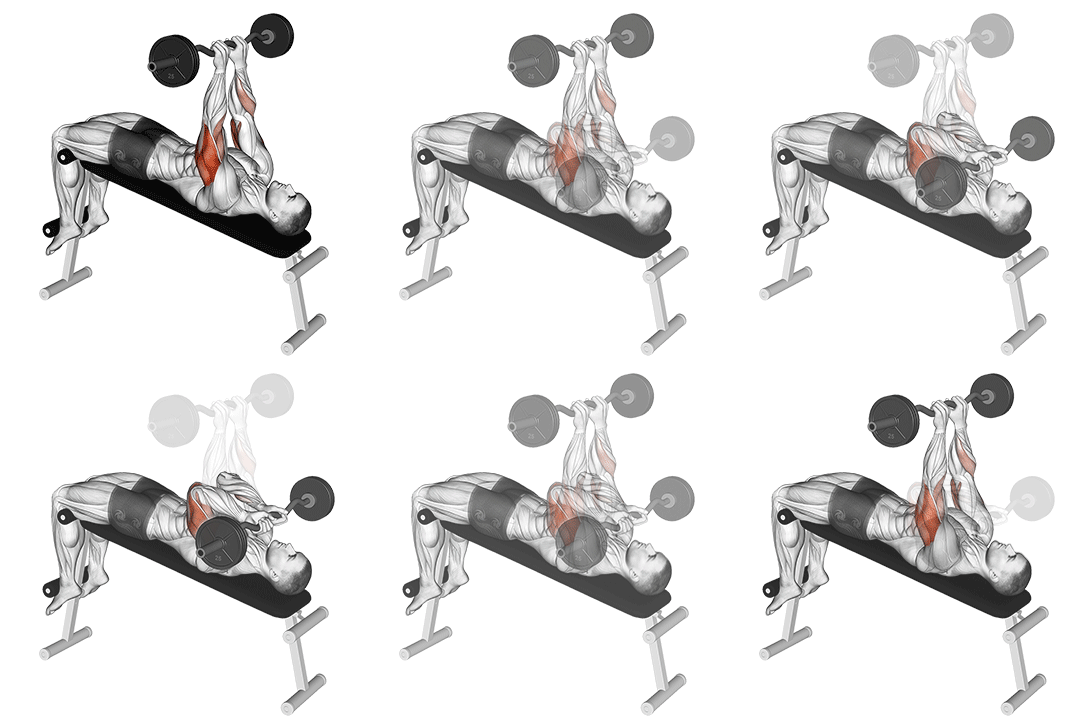
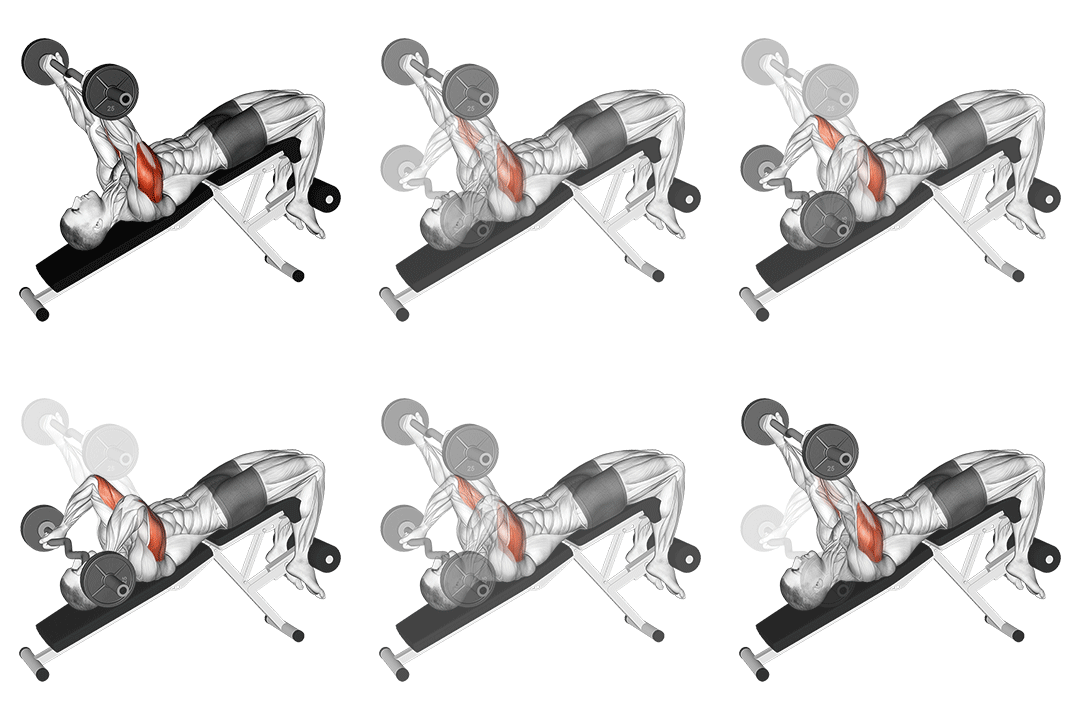
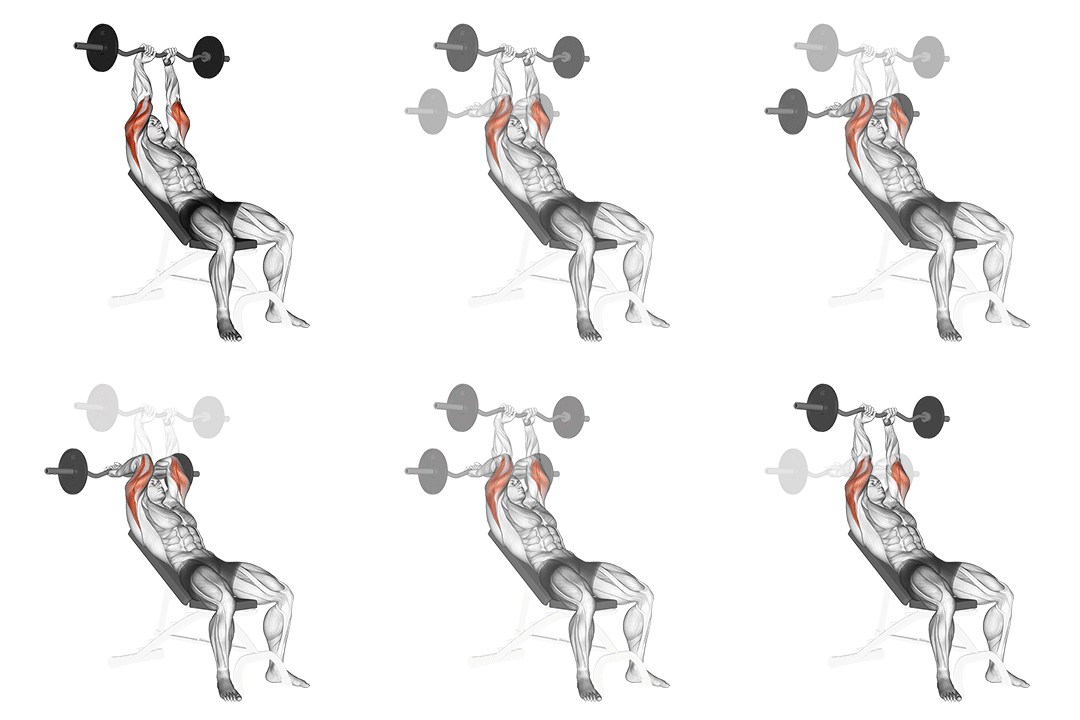
EZ Bar French Press On Exercise Ball vs EZ Barbell JM Bench Press

Compare target muscles, equipment, difficulty, movement type, and secondary muscles for EZ Bar French Press On Exercise Ball and EZ Barbell JM Bench Press.

Change comparison Share

Get comparison link

Select the link and use your device's Copy command.

Comparison overview

AI-generated
Ez Bar French Press On Exercise Ball vs Ez Barbell Jm Bench Press — if you want stronger, thicker triceps you need to pick the right tool. I’ll walk you through muscle activation, equipment needs, technical cues, risk factors, and which exercise to choose for hypertrophy, strength, or home training. You’ll get rep ranges, biomechanics-based reasons, and clear technique tips so you can decide whether to prioritize isolation and stability or a heavier compound triceps press that involves the chest and shoulders.

Exercise Comparison

Exercise A
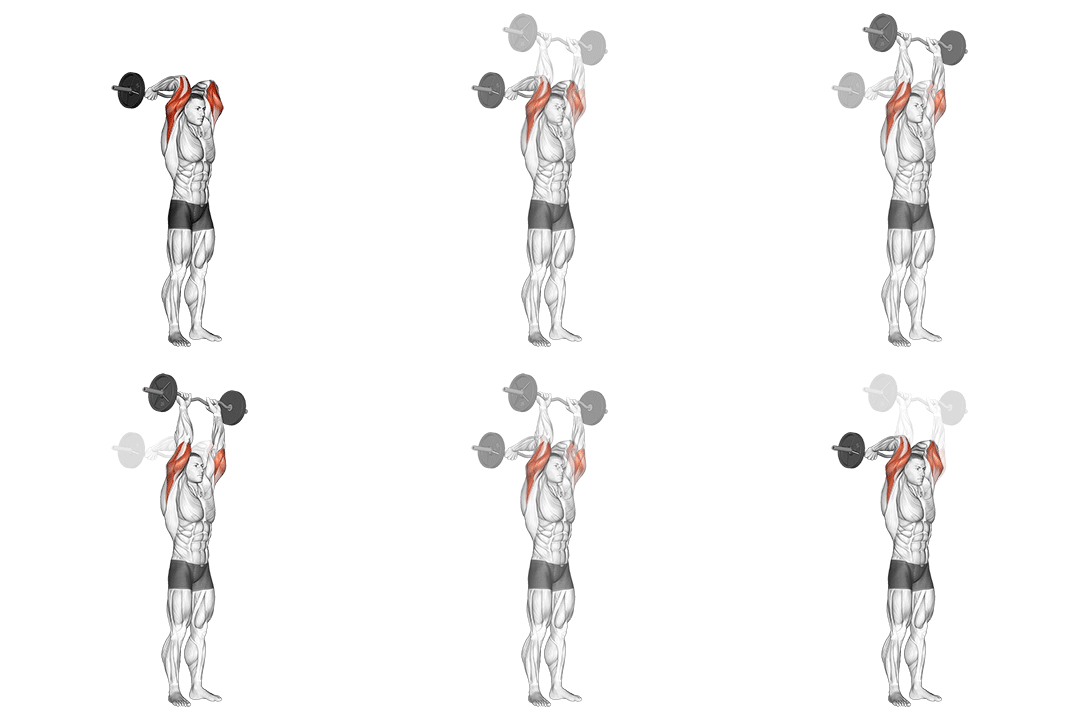
EZ Bar French Press On Exercise Ball demonstration

EZ Bar French Press On Exercise Ball
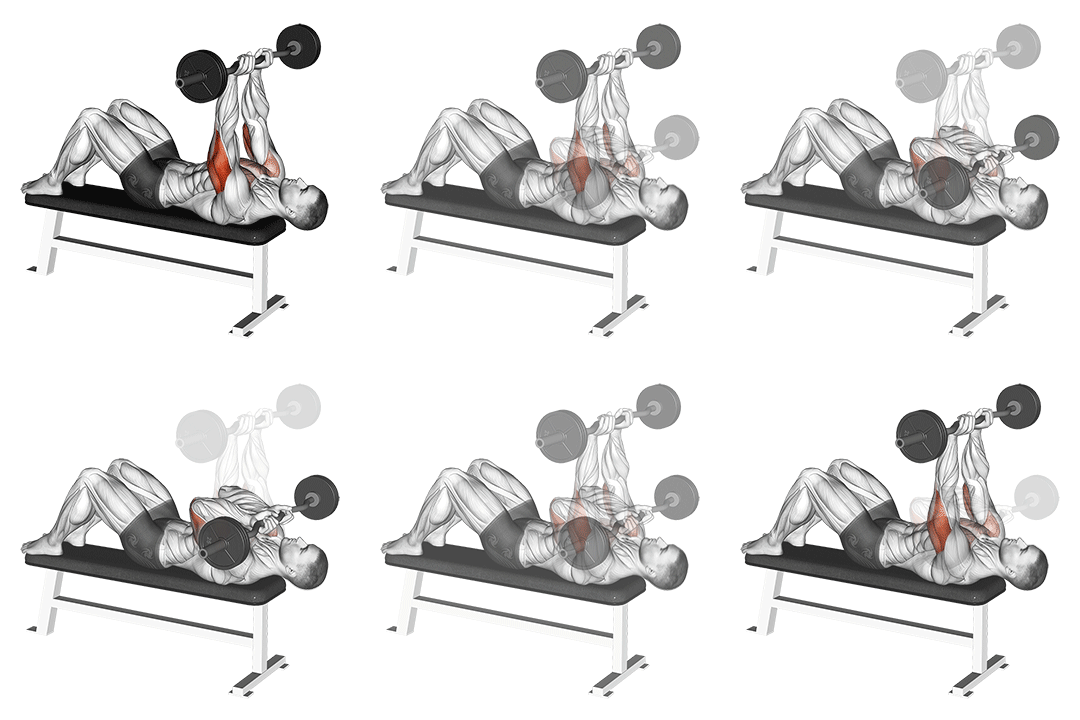
Target Triceps
Equipment Ez-barbell
Body Part Upper-arms
Difficulty Intermediate
Movement Isolation
Secondary Muscles
Shoulders
VS
Exercise B
EZ Barbell JM Bench Press demonstration

EZ Barbell JM Bench Press

Target Triceps
Equipment Ez-barbell
Body Part Upper-arms
Difficulty Advanced
Movement Compound
Secondary Muscles
Chest Shoulders

Head-to-Head Comparison

Different values are marked. These are catalogue attributes, not performance scores.

Muscles used

Listed target and secondary muscles, shown on the body. Locations, not activation or strength scores.

  • Target
  • Secondary
  • Not highlighted

EZ Bar French Press On Exercise Ball
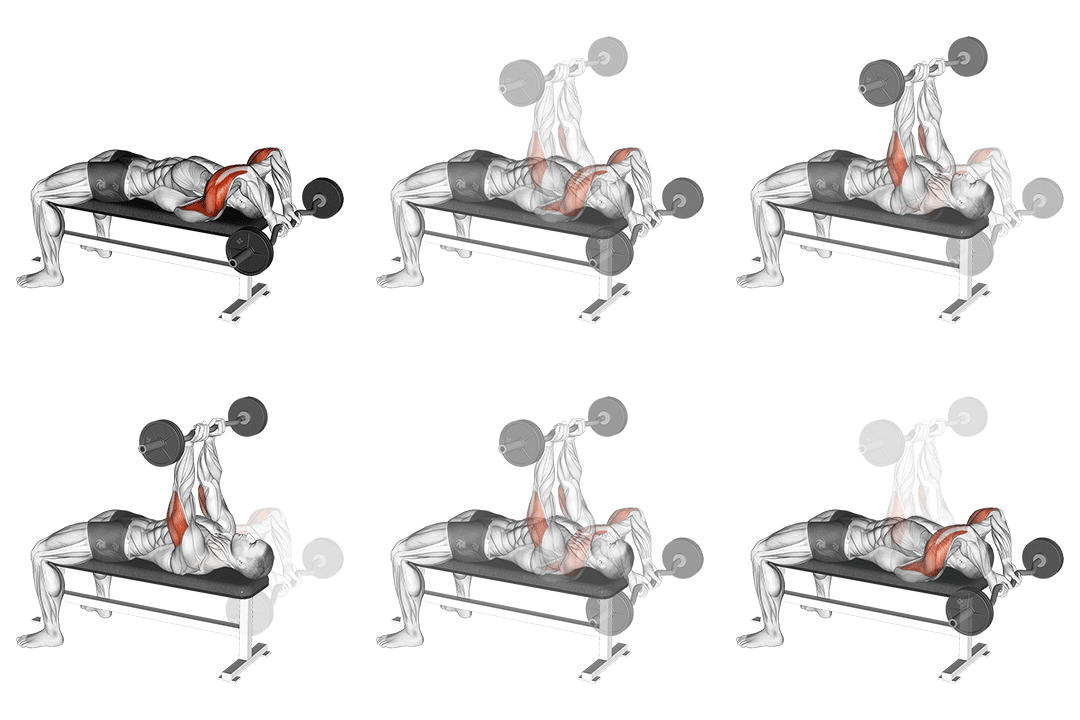
Front
EZ Bar French Press On Exercise Ball: front muscle locationsSolid: listed target. Striped: listed secondary. Grey: not highlighted. Locations, not activation or strength scores. See the muscle names below.
Back
EZ Bar French Press On Exercise Ball: back muscle locationsSolid: listed target. Striped: listed secondary. Grey: not highlighted. Locations, not activation or strength scores. See the muscle names below.
Target
Triceps
Secondary
Shoulders

Not shown on diagram: Shoulders. These labels do not identify a precise region on this map.

EZ Barbell JM Bench Press

Front
EZ Barbell JM Bench Press: front muscle locationsSolid: listed target. Striped: listed secondary. Grey: not highlighted. Locations, not activation or strength scores. See the muscle names below.
Back
EZ Barbell JM Bench Press: back muscle locationsSolid: listed target. Striped: listed secondary. Grey: not highlighted. Locations, not activation or strength scores. See the muscle names below.
Target
Triceps
Secondary
Chest, Shoulders

Not shown on diagram: Shoulders. These labels do not identify a precise region on this map.

Grey does not mean a muscle is unused. The diagrams show only the mapped catalogue labels.

Attribute EZ Bar French Press On Exercise Ball EZ Barbell JM Bench Press
Target Muscle
Triceps
Triceps
Body Part
Upper-arms
Upper-arms
Equipment
Ez-barbell
Ez-barbell
Difficulty Different
Intermediate
Advanced
Movement Type Different
Isolation
Compound
Secondary Muscles Different
Shoulders
Chest, Shoulders

Visual Comparison

An illustrative 1–10 profile derived from catalog difficulty, equipment, and listed-muscle fields—not measured performance or muscle activation.

Key Differences

  • EZ Bar French Press On Exercise Ball is an isolation exercise, while EZ Barbell JM Bench Press is a compound movement.
  • Difficulty levels differ: EZ Bar French Press On Exercise Ball is intermediate, while EZ Barbell JM Bench Press is advanced.
  • Both exercises target the Triceps using Ez-barbell. The catalogue does not establish which exercise is better for an individual goal.

Muscle comparison

Shared target muscles

Both exercises primarily load the triceps extensors (long, lateral and medial heads) through elbow extension. The French Press on an exercise ball emphasizes isolated elbow extension with minimal horizontal pressing shear, keeping peak tension across the triceps throughout a long ROM. The Jm Bench Press is a compound press that shifts some load into shoulder horizontal adduction and chest, but allows higher absolute loads on the triceps during lockout.

Secondary muscle differences

The French Press recruits the anterior deltoid and requires scapular stabilization due to the unstable ball, increasing shoulder-stabilizer demand. The Jm Bench Press recruits pectoralis major and anterior deltoid more strongly—expect measurable chest contribution during the lower half of the press and higher shoulder compression forces near the lockout.

Muscle involvement analysis

On the ball, the movement keeps force vector more vertical and isolates elbow extension; triceps remain under tension from about 90° elbow flexion to near full extension. The JM bench uses a diagonal force vector—elbow tuck of ~30–45° shifts torque so triceps produce extension while chest contributes during shorter muscle lengths; the Jm places greater emphasis on high-force concentric lockout.

Equipment and setup

EZ Bar French Press On Exercise Ball: setup

Ez Bar French Press On Exercise Ball requires an EZ-bar with suitable weight plates, an exercise ball sized to your height (typically 65–75 cm), and open floor space. No bench or spotter required; a mirror helps maintain elbow path.

EZ Barbell JM Bench Press: setup

Ez Barbell Jm Bench Press requires an EZ-bar, flat bench or sturdy rack/bench setup, and often a spotter for heavy sets. Proper bench height and a rack with safety catches are recommended due to higher absolute loads.

Access and practicality

Ez Bar French Press On Exercise Ball — it's more accessible for home setups because balls are inexpensive, portable, and you can perform the lift safely without a bench or spotter.

Learning and progression

Learning the movements

Ez Bar French Press On Exercise Ball has a moderate learning curve: you must control trunk stability on the ball and keep elbows fixed, but the movement pattern is single-joint and easier to groove. The Ez Barbell Jm Bench Press is advanced—combining a skull-crusher arc with a bench press-style tuck requires fine control of elbow path and shoulder positioning.

Progression considerations

Ez Barbell Jm Bench Press offers greater maximal strength progression because you can load heavier (use 3–6 reps for strength) and apply progressive overload more safely with a bench and rack. The French Press offers solid hypertrophy potential at 6–15 reps and progression via tempo, increased reps, and instability challenge.

Limitations and precautions

Ez Barbell Jm Bench Press carries higher injury risk due to high compressive and shear forces at the elbow and anterior shoulder when heavy—be cautious with ego loading. French Press risk centers on poor scapular control and overextending the elbow; using moderate loads and stopping short of lockout reduces risk.

Pros & Cons

EZ Bar French Press On Exercise Ball

+ Pros

  • Strong triceps isolation with long time under tension
  • Requires minimal equipment and no spotter
  • Unstable surface enhances shoulder stabilizer recruitment
  • Easier to maintain strict elbow path for hypertrophy (6–12 reps)

− Cons

  • Limited absolute loading compared to bench variations
  • Requires good core and scapular control on the ball
  • Risk of poor form if hips sag or elbows flare

EZ Barbell JM Bench Press

+ Pros

  • Allows heavier loading for maximal strength (3–6 rep ranges)
  • Compound pattern builds triceps strength at lockout under heavy load
  • Efficient—also trains chest and anterior deltoid
  • Easy to progressively overload with a bench and rack

− Cons

  • Higher technical demand—elbow path must be precise
  • Greater compressive/shear stress on elbow and shoulder
  • Usually requires a bench and spotter for safe heavy sets

When Each Exercise Wins

1
For muscle hypertrophy: Ez Bar French Press On Exercise Ball

The French Press provides longer time under tension and isolates the triceps across a full elbow ROM, making it ideal for 6–15 rep ranges. The instability also recruits stabilizers, increasing metabolic stress and muscle growth stimulus.

2
For strength gains: Ez Barbell Jm Bench Press

The JM Bench allows heavier loading and a compound force vector that better transfers to press strength; use 3–6 heavy reps and progressive loading to build maximal triceps force production.

3
For beginners: Ez Bar French Press On Exercise Ball

Its isolation pattern is simpler to learn and safer to practice at light-to-moderate loads. Beginners can focus on elbow control and 8–12 rep ranges without the complexity of bench positioning and heavy loads.

4
For home workouts: Ez Bar French Press On Exercise Ball

Requires only an EZ-bar and exercise ball—no bench or spotter—making it practical for most home gyms. The exercise still provides strong triceps stimulus with minimal equipment.

Frequently Asked Questions

Can I do both Ez Bar French Press On Exercise Ball and Ez Barbell Jm Bench Press in the same workout?

Yes—pairing them works well if you structure intensity: perform the JM Bench first for heavy 3–6 strength sets, then use the French Press for 8–15 hypertrophy back-off sets. That sequence takes advantage of heavy-load neural recruitment first, then metabolic stress for growth.

Which exercise is better for beginners?

Ez Bar French Press On Exercise Ball is generally better for beginners because its single-joint pattern is easier to learn and safer at moderate loads. Beginners can focus on elbow control and build triceps capacity before attempting the technical JM Bench.

How do the muscle activation patterns differ?

The French Press creates a more isolated elbow-extension pattern with a vertical force vector, keeping triceps under continuous tension across the ROM. The JM Bench uses a diagonal force vector with elbow tuck, producing combined triceps and chest activation—triceps dominate near lockout while the chest contributes at shorter muscle lengths.

Can Ez Barbell Jm Bench Press replace Ez Bar French Press On Exercise Ball?

If your goal is pure triceps overload and heavy strength, the JM Bench can substitute because it allows higher loads. For targeted hypertrophy, stability training, or limited equipment settings, the French Press is a better, safer option to prioritize isolated triceps work.

Comparison Summary

Use the Ez Bar French Press On Exercise Ball when your goal is targeted triceps hypertrophy, safer home training, or improving shoulder and core stability—stick to 6–15 reps and focus on strict elbow extension with controlled tempo. Choose the Ez Barbell Jm Bench Press when you want to develop maximal triceps strength and transfer force to heavier presses; traffic the 3–6 rep range, prioritize elbow tuck (~30–45°) and use a rack/spotter. Both have a place: isolation for quality muscle work, JM bench for load-driven strength progression. Pick based on whether you prioritize control and isolation or heavy, compound loading.

Exercise instructions

Steps from the exercise catalogue. Read the full sequence before starting.

EZ Bar French Press On Exercise Ball

  1. Sit on an exercise ball and hold an EZ barbell with an overhand grip.
  2. Extend your arms straight up, keeping your elbows close to your head.
  3. Slowly lower the barbell behind your head by bending your elbows.
Read remaining steps for EZ Bar French Press On Exercise Ball
  1. Pause for a moment, then extend your arms back up to the starting position.
  2. Repeat for the desired number of repetitions.

EZ Barbell JM Bench Press

  1. Lie flat on a bench with your feet flat on the ground and your back pressed against the bench.
  2. Grasp the ez barbell with an overhand grip, slightly wider than shoulder-width apart.
  3. Lower the barbell to your chest, keeping your elbows tucked in close to your body.
Read remaining steps for EZ Barbell JM Bench Press
  1. Push the barbell back up to the starting position, fully extending your arms.
  2. Repeat for the desired number of repetitions.

Also Compare

Compare another pair

Choose two exercises to see their differences side by side.

Compare Exercises