EZ Bar Lying Close Grip Triceps Extension Behind Head vs EZ Barbell JM Bench Press
Compare target muscles, equipment, difficulty, movement type, and secondary muscles for EZ Bar Lying Close Grip Triceps Extension Behind Head and EZ Barbell JM Bench Press.
Change comparison Share

Get comparison link

Select the link and use your device's Copy command.

Comparison overview

AI-generated
Ez Bar Lying Close Grip Triceps Extension Behind Head vs Ez Barbell Jm Bench Press — if you're choosing which triceps move to prioritize, this head-to-head will help. I'll walk you through muscle targets, biomechanics, technique cues, rep ranges (8–15 for isolation, 3–6 and 4–8 for strength and heavy compound work), injury considerations, and programming recommendations so you can pick the best tool for hypertrophy, strength, or accessory work.

Exercise Comparison

Exercise A
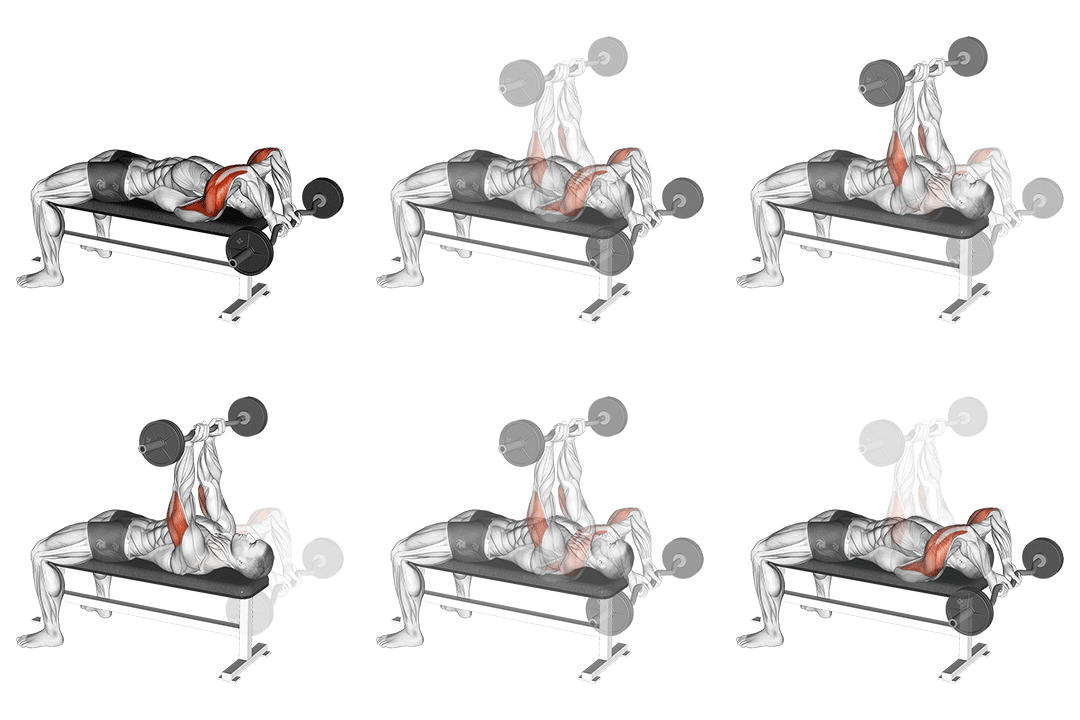
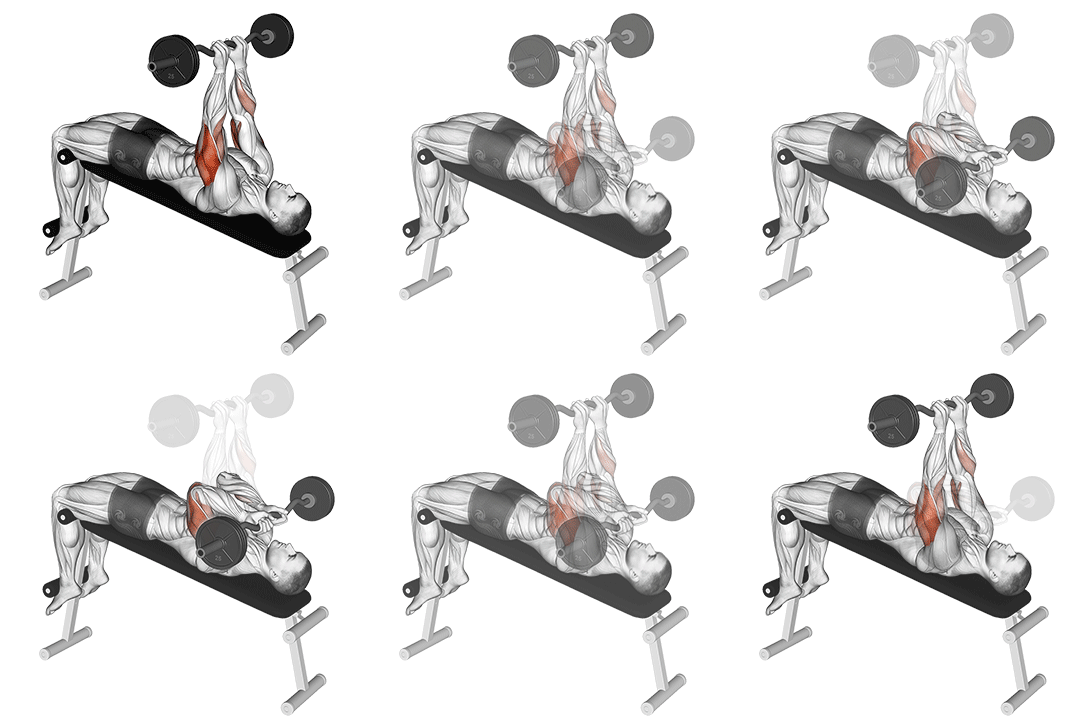
EZ Bar Lying Close Grip Triceps Extension Behind Head demonstration
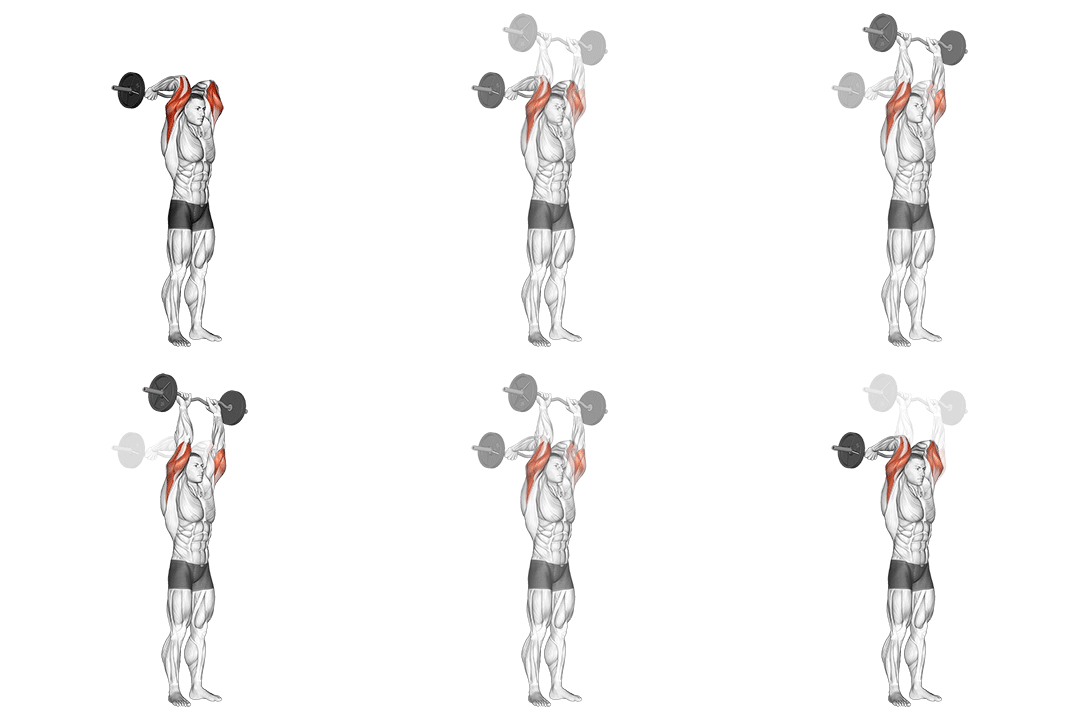
EZ Bar Lying Close Grip Triceps Extension Behind Head
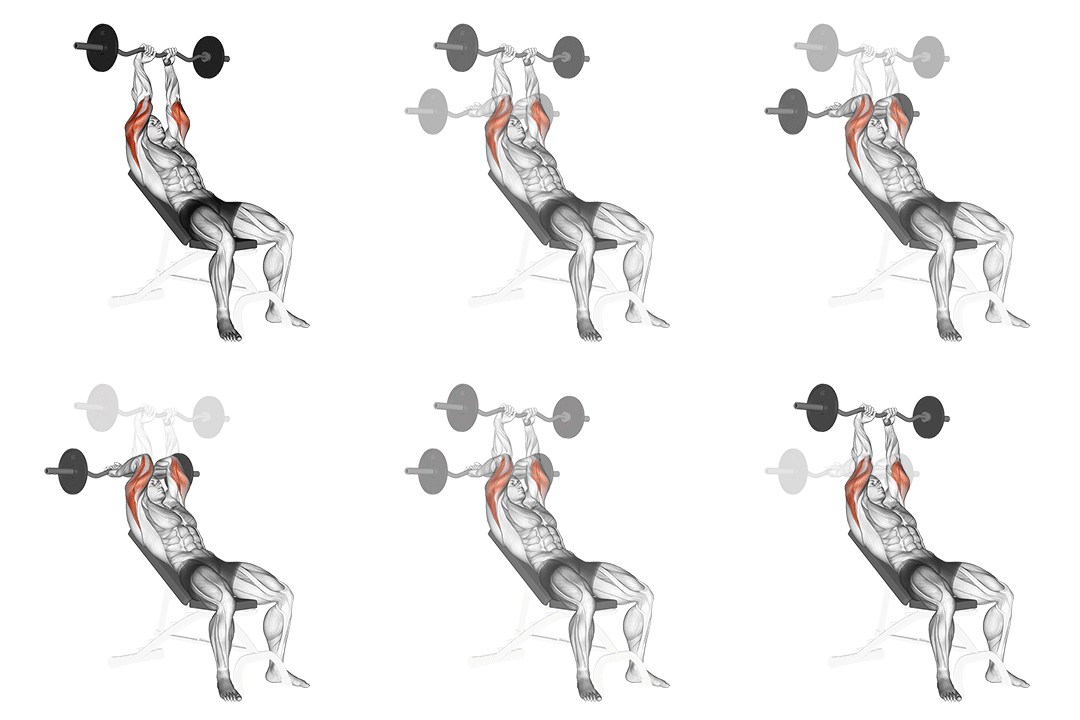
Target Triceps
Equipment Ez-barbell
Body Part Upper-arms
Difficulty Intermediate
Movement Isolation
Secondary Muscles
Shoulders
VS
Exercise B
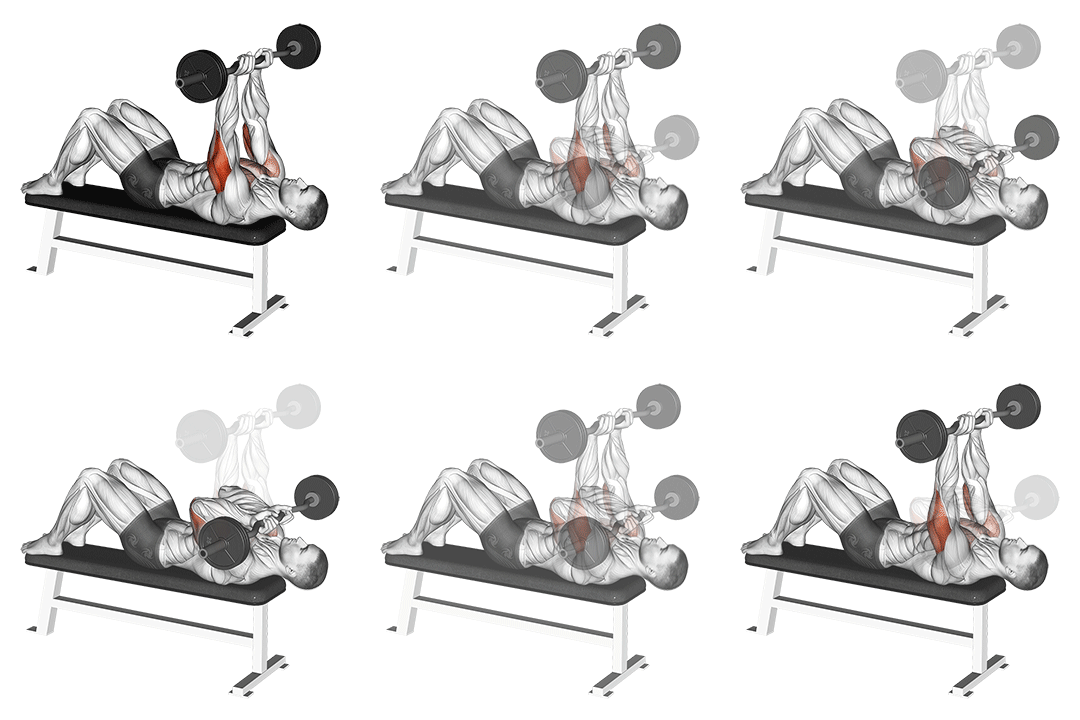
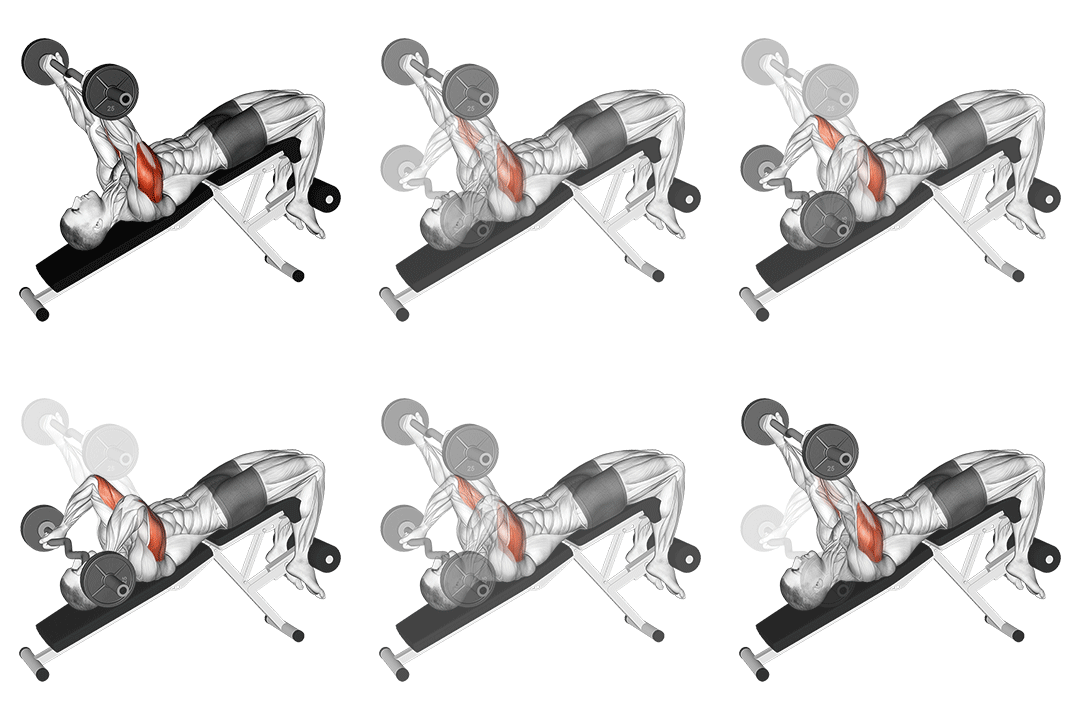
EZ Barbell JM Bench Press demonstration

EZ Barbell JM Bench Press

Target Triceps
Equipment Ez-barbell
Body Part Upper-arms
Difficulty Advanced
Movement Compound
Secondary Muscles
Chest Shoulders

Head-to-Head Comparison

Different values are marked. These are catalogue attributes, not performance scores.

Muscles used

Listed target and secondary muscles, shown on the body. Locations, not activation or strength scores.

  • Target
  • Secondary
  • Not highlighted

EZ Bar Lying Close Grip Triceps Extension Behind Head

Front
EZ Bar Lying Close Grip Triceps Extension Behind Head: front muscle locationsSolid: listed target. Striped: listed secondary. Grey: not highlighted. Locations, not activation or strength scores. See the muscle names below.
Back
EZ Bar Lying Close Grip Triceps Extension Behind Head: back muscle locationsSolid: listed target. Striped: listed secondary. Grey: not highlighted. Locations, not activation or strength scores. See the muscle names below.
Target
Triceps
Secondary
Shoulders

Not shown on diagram: Shoulders. These labels do not identify a precise region on this map.

EZ Barbell JM Bench Press

Front
EZ Barbell JM Bench Press: front muscle locationsSolid: listed target. Striped: listed secondary. Grey: not highlighted. Locations, not activation or strength scores. See the muscle names below.
Back
EZ Barbell JM Bench Press: back muscle locationsSolid: listed target. Striped: listed secondary. Grey: not highlighted. Locations, not activation or strength scores. See the muscle names below.
Target
Triceps
Secondary
Chest, Shoulders

Not shown on diagram: Shoulders. These labels do not identify a precise region on this map.

Grey does not mean a muscle is unused. The diagrams show only the mapped catalogue labels.

Attribute EZ Bar Lying Close Grip Triceps Extension Behind Head EZ Barbell JM Bench Press
Target Muscle
Triceps
Triceps
Body Part
Upper-arms
Upper-arms
Equipment
Ez-barbell
Ez-barbell
Difficulty Different
Intermediate
Advanced
Movement Type Different
Isolation
Compound
Secondary Muscles Different
Shoulders
Chest, Shoulders

Visual Comparison

An illustrative 1–10 profile derived from catalog difficulty, equipment, and listed-muscle fields—not measured performance or muscle activation.

Key Differences

  • EZ Bar Lying Close Grip Triceps Extension Behind Head is an isolation exercise, while EZ Barbell JM Bench Press is a compound movement.
  • Difficulty levels differ: EZ Bar Lying Close Grip Triceps Extension Behind Head is intermediate, while EZ Barbell JM Bench Press is advanced.
  • Both exercises target the Triceps using Ez-barbell. The catalogue does not establish which exercise is better for an individual goal.

Muscle comparison

Shared target muscles

Both exercises primarily drive elbow extension via the triceps brachii. The lying close-grip extension isolates elbow extension with the shoulder in a more flexed/overhead position, increasing long-head length and stretch under load. The JM bench press is a compound press that shares load between the triceps (especially medial and lateral heads at lockout) and the pectoralis major, so the triceps act as strong synergists rather than the sole drivers.

Secondary muscle differences

Secondary recruitment shifts: the lying behind-head extension lightly recruits anterior deltoids to stabilize the shoulder and resists shoulder extension, while chest involvement is minimal. The JM bench press recruits the chest and front delts heavily due to a more horizontal force vector and bar path; scapular stability and pressing mechanics matter more on the JM press.

Muscle involvement analysis

Activation differs by joint angle and force vector. The lying extension places the long head on a greater stretch (arm behind head, roughly 100–120° of shoulder flexion relative to torso), increasing length-tension stimulus during the eccentric. The JM bench uses a horizontal pushing vector so triceps activation ramps up in the mid-to-late concentric (near lockout). Expect higher triceps isolation EMG during the lying extension and a phased activation on the JM press where chest contributes early and triceps take over last 20–30% of the lift.

Equipment and setup

EZ Bar Lying Close Grip Triceps Extension Behind Head: setup

Ez Bar Lying Close Grip Triceps Extension Behind Head requires an EZ-bar, an adjustable bench (flat or slight decline), and space to position the bar safely behind your head. A spotter isn't mandatory but recommended when loading heavy.

EZ Barbell JM Bench Press: setup

Ez Barbell Jm Bench Press requires an EZ-bar, flat bench, and ideally a spotter or safety pins since it's a heavier, compound move. Good wrist/forearm and shoulder stability are necessary to keep the bar path tight.

Access and practicality

Exercise A (Ez Bar Lying Close Grip Triceps Extension Behind Head) — it’s more accessible for intermediate lifters because it uses lighter loads, is easier to set up without a spotter, and can be scaled with tempo and rep ranges. The JM press demands higher baseline pressing strength and safer load-handling equipment.

Learning and progression

Learning the movements

The lying close-grip extension has a shorter learning curve: focus on controlled eccentric and stable shoulders. The JM bench press is harder to master because it blends a narrowed press with a skull-crusher range and requires precise bar path and timing.

Progression considerations

The JM bench press offers greater absolute progression potential for strength because you can overload with heavier weights and it transfers to lockout strength in pressing. The lying extension offers linear progression via volume, tempo, and intensity techniques (drop sets, partials) but less maximal-load potential.

Limitations and precautions

JM Bench Press has higher injury risk — load and bar path can stress wrists, elbows, and anterior shoulder if technique fails. Lying extensions risk overstretching the long head when using excessive load or poor control, but controlled reps and conservative loading reduce risk.

Pros & Cons

EZ Bar Lying Close Grip Triceps Extension Behind Head

+ Pros

  • High triceps isolation—strong long-head stretch for hypertrophy
  • Easier to control tempo and time-under-tension (8–15 rep sweet spot)
  • Lower absolute loads reduce need for a spotter
  • Simple setup; good as an accessory after heavy pressing

− Cons

  • Limited absolute loading—less carryover to maximal pressing strength
  • Requires shoulder stability; can overstretch long head if overloaded
  • Less total-body stimulus compared with compound presses

EZ Barbell JM Bench Press

+ Pros

  • Superior for building pressing strength and heavy load progression (3–6, 4–8 reps)
  • Transfers well to bench press lockout and heavier compound work
  • Engages chest and shoulders for a compound stimulus
  • Efficient for strength-focused sessions—higher systemic load

− Cons

  • Technically demanding—requires tight bar path and shoulder control
  • Greater injury risk at heavy loads for wrists/elbows
  • Less pure triceps isolation; chest can dominate if form drifts

When Each Exercise Wins

1
For muscle hypertrophy: Ez Bar Lying Close Grip Triceps Extension Behind Head

The behind-head position increases long-head stretch and time-under-tension, making 8–15 reps with controlled eccentrics ideal for hypertrophy. Isolation lets you target the triceps without the chest stealing load.

2
For strength gains: Ez Barbell Jm Bench Press

JM bench lets you overload the triceps in a compound movement and improve lockout strength with heavy sets (3–6 reps). It also transfers to bench press and other pushing lifts due to higher absolute loads.

3
For beginners: Ez Bar Lying Close Grip Triceps Extension Behind Head

It’s easier to learn controlled elbow extension patterns and scale load safely. Beginners can build triceps size and tendon resilience before progressing to the technical JM bench press.

4
For home workouts: Ez Bar Lying Close Grip Triceps Extension Behind Head

You can perform it with lighter plates and a simple bench; it doesn’t require a spotter or heavy rack setup. The exercise is easier to manage in limited-space setups.

Frequently Asked Questions

Can I do both Ez Bar Lying Close Grip Triceps Extension Behind Head and Ez Barbell Jm Bench Press in the same workout?

Yes. Use the JM bench early as a heavy compound if you’re training strength, then follow with lying extensions as an accessory for 3–4 sets of 8–12 to maximize hypertrophy and finish the triceps. Adjust load so the second exercise isn’t performed to absolute failure.

Which exercise is better for beginners?

The lying close-grip extension is better for beginners because it’s simpler to cue (elbow tuck, slow eccentric) and uses lighter loads while teaching elbow-extension mechanics. The JM press demands more pressing strength and technical control before heavy loading.

How do the muscle activation patterns differ?

The lying extension produces more isolated triceps activation, especially the long head due to the overhead/behind-head shoulder position and increased length-tension. The JM bench shifts activation: chest and front delts work early, with triceps taking on more load near lockout when the elbow approaches full extension.

Can Ez Barbell Jm Bench Press replace Ez Bar Lying Close Grip Triceps Extension Behind Head?

Not fully. The JM bench builds strength and can stimulate triceps hypertrophy under heavy loads, but it won’t match the long-head stretch and isolated time-under-tension of the lying extension. Use the JM press for strength phases and the lying extension as targeted accessory work.

Comparison Summary

Use the Ez Bar Lying Close Grip Triceps Extension Behind Head when your goal is targeted triceps hypertrophy, controlled time-under-tension, or when you lack heavy-rack equipment. Aim for 8–15 reps with slow eccentrics and 1–2 second pauses at the bottom to maximize long-head stimulus. Choose the Ez Barbell JM Bench Press when you want to develop pressing strength and overload the triceps under heavier global load—program 3–6 heavy sets for strength or 4–8 for mixed strength/hypertrophy. Both have a place: prioritize isolation during accessory days and the JM press during strength phases.

Exercise instructions

Steps from the exercise catalogue. Read the full sequence before starting.

EZ Bar Lying Close Grip Triceps Extension Behind Head

  1. Lie flat on a bench with your feet flat on the ground and your head at the end of the bench.
  2. Hold the ez barbell with a close grip, palms facing up, and extend your arms straight up over your chest.
  3. Keeping your upper arms stationary, slowly lower the barbell behind your head by bending your elbows.
Read remaining steps for EZ Bar Lying Close Grip Triceps Extension Behind Head
  1. Pause for a moment, then extend your arms back up to the starting position.
  2. Repeat for the desired number of repetitions.

EZ Barbell JM Bench Press

  1. Lie flat on a bench with your feet flat on the ground and your back pressed against the bench.
  2. Grasp the ez barbell with an overhand grip, slightly wider than shoulder-width apart.
  3. Lower the barbell to your chest, keeping your elbows tucked in close to your body.
Read remaining steps for EZ Barbell JM Bench Press
  1. Push the barbell back up to the starting position, fully extending your arms.
  2. Repeat for the desired number of repetitions.

Also Compare

Compare another pair

Choose two exercises to see their differences side by side.

Compare Exercises