

Hyperextensions With No Hyperextension Bench vs One Half Locust: Complete Comparison Guide
Hyperextensions With No Hyperextension Bench vs One Half Locust — you want a bodyweight option that builds a stronger back without wasting time. This guide compares both moves head-to-head so you know which fits your goals, equipment, and skill level. You’ll get clear technique cues, biomechanics (hip hinge vs spinal extension, lever arms, length-tension), recommended rep ranges (8–15 for hypertrophy, 12–20 for endurance), and when to pick one over the other in your program.
Exercise Comparison
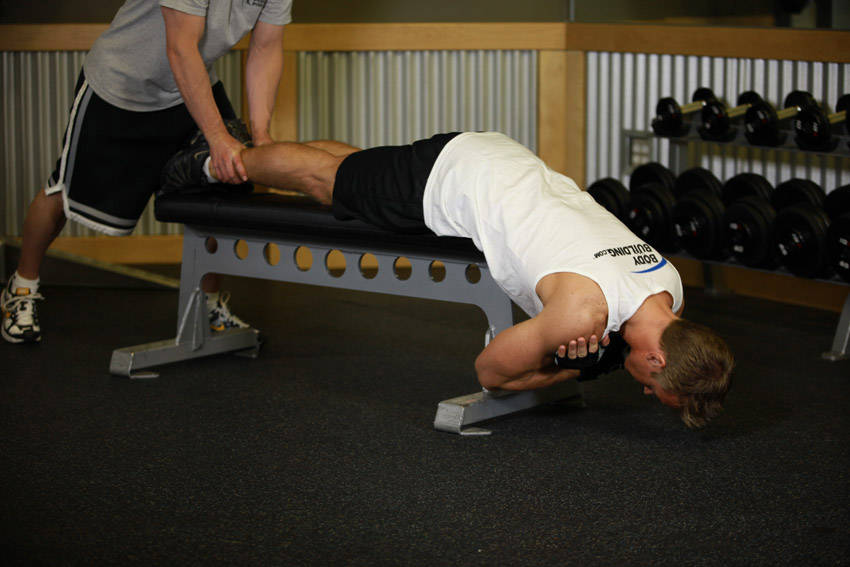
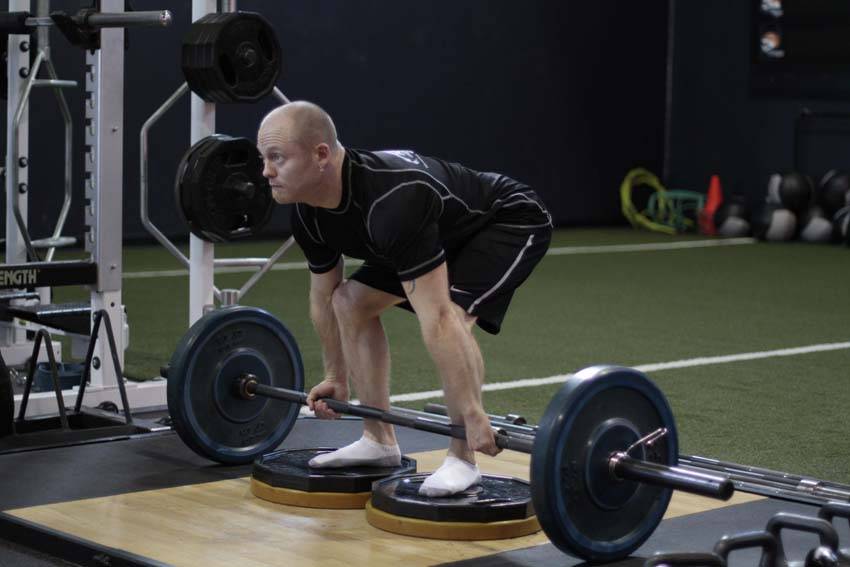
Hyperextensions With No Hyperextension Bench
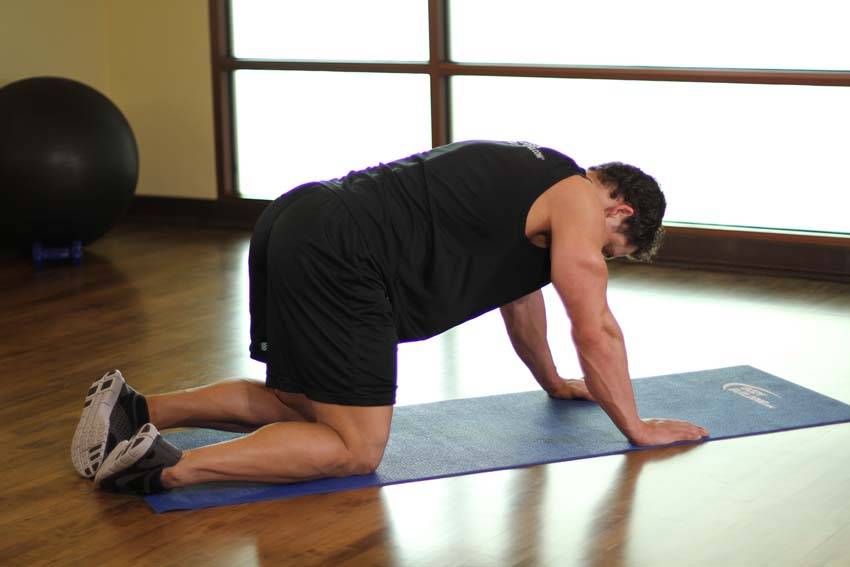
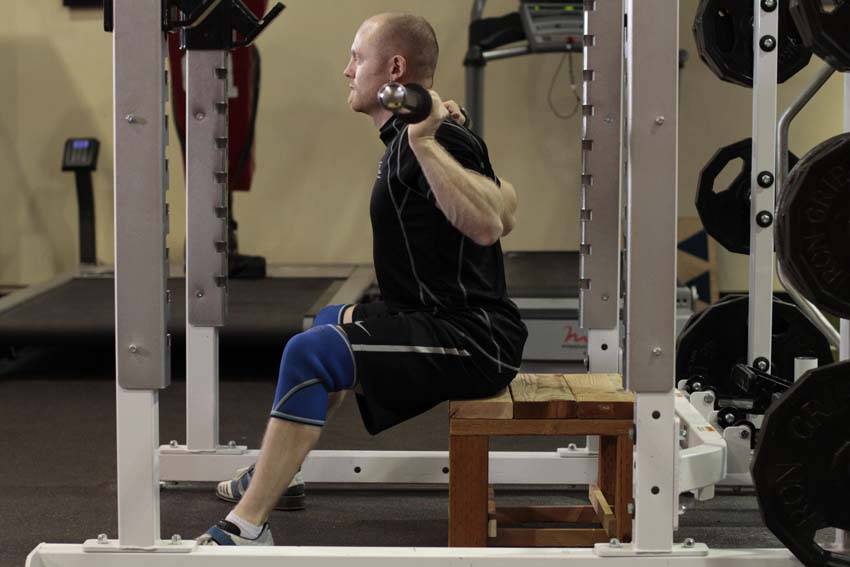
One Half Locust
Head-to-Head Comparison
| Attribute | Hyperextensions With No Hyperextension Bench | One Half Locust |
|---|---|---|
| Target Muscle |
Erector-spinae
|
Erector-spinae
|
| Body Part |
Back
|
Back
|
| Equipment |
Body-weight
|
Body-weight
|
| Difficulty |
Intermediate
|
Beginner
|
| Movement Type |
Compound
|
Isolation
|
| Secondary Muscles |
2
|
3
|
Secondary Muscles Activated
Hyperextensions With No Hyperextension Bench
One Half Locust
Visual Comparison
Overview
Hyperextensions With No Hyperextension Bench vs One Half Locust — you want a bodyweight option that builds a stronger back without wasting time. This guide compares both moves head-to-head so you know which fits your goals, equipment, and skill level. You’ll get clear technique cues, biomechanics (hip hinge vs spinal extension, lever arms, length-tension), recommended rep ranges (8–15 for hypertrophy, 12–20 for endurance), and when to pick one over the other in your program.
Key Differences
- Hyperextensions With No Hyperextension Bench is a compound movement, while One Half Locust is an isolation exercise.
- Difficulty levels differ: Hyperextensions With No Hyperextension Bench is intermediate, while One Half Locust is beginner.
- Both exercises target the Erector-spinae using Body-weight. The main differences are in their movement patterns and muscle activation angles.
Pros & Cons
Hyperextensions With No Hyperextension Bench
+ Pros
- Stronger hip-hinge pattern that recruits glutes, hamstrings, and erectors for higher overall loading
- Easier to overload for hypertrophy and strength via added weight or tempo manipulation
- Longer range of motion (up to ~40° combined hip/lumbar) increases mechanical stimulus
- Versatile progressions: single-leg, weighted, paused reps, or slow eccentrics
− Cons
- Requires pelvic support or elevated edge for safe execution
- Higher peak lumbar loads — technique breakdown increases injury risk
- Steeper learning curve for a correct hip hinge and pelvic alignment
One Half Locust
+ Pros
- Minimal equipment — mat only, highly accessible for home workouts
- Beginner-friendly movement with lower peak spinal compression
- Stable, short-range lift that gives long time under tension for endurance
- Good choice for rehab progressions or core/back coordination work
− Cons
- Limited options to increase maximal load, reducing long-term strength potential
- Less glute and hamstring recruitment compared with hinge movements
- Upper torso and neck strain if you over-lift the head or use poor arm positioning
When Each Exercise Wins
Hyperextensions produce larger moment arms and greater hip extensor recruitment, allowing heavier loading and progressive overload (use 6–12 reps with added weight or 8–15 reps with slow eccentrics). That higher mechanical tension makes them superior for building erector‑spinae and posterior-chain size.
The hinge pattern lets you incrementally add external load and manipulate leverage, which increases maximal force capacity. Use sets of 3–6 heavy-ish reps or paused reps to train force production safely when technique is solid.
One Half Locust has a simpler motor pattern and lower peak spinal loads, making it easier to teach pelvic control and basic spinal extension. Start with 2–3 sets of 12–20 reps to build endurance and neuromuscular coordination.
It needs only a mat and minimal setup, so you can do it anywhere. If you lack an edge or brace for a hinge, the locust provides a safe, effective back stimulus without improvising equipment.
Frequently Asked Questions
Can I do both Hyperextensions With No Hyperextension Bench and One Half Locust in the same workout?
Yes. Use One Half Locust as a warm-up or activation drill (12–20 reps) to groove extension patterns, then follow with weighted or higher‑intensity hyperextensions for 6–15 working reps. That sequence primes the nervous system while minimizing fatigue for your heavier sets.
Which exercise is better for beginners?
One Half Locust is better for most beginners because it requires only a mat and teaches spinal lift with lower peak forces. Progress to hyperextensions after you demonstrate consistent pelvic control and hip-hinge mechanics.
How do the muscle activation patterns differ?
Hyperextensions emphasize hip-extension torque: the erectors, glutes, and hamstrings work concentrically over a larger ROM with higher peak activation. One Half Locust produces steadier, lower-magnitude erector activity with more anterior-chain co-contraction and shorter spinal extension angles.
Can One Half Locust replace Hyperextensions With No Hyperextension Bench?
Only partially. One Half Locust can substitute when equipment or skill is limited and will maintain endurance and spinal control, but it won’t match the progressive overload potential or glute/hamstring recruitment of hyperextensions if your goal is maximal posterior-chain strength or hypertrophy.
Expert Verdict
Pick Hyperextensions With No Hyperextension Bench when your goal is posterior-chain development and progressive overload: they let you target the erector spinae plus glutes and hamstrings through a true hip hinge, and you can add weight, pause reps, or single-leg variations for continued progress. Choose One Half Locust when you need a low‑setup, beginner-friendly back exercise or want to prioritize endurance and spinal control with minimal lumbar peak loads. Use One Half Locust as a warm-up, rehab step, or high-rep finisher; use hyperextensions as a primary back posterior‑chain builder in strength or hypertrophy cycles.
Also Compare
More comparisons with Hyperextensions With No Hyperextension Bench
Compare More Exercises
Use our free comparison tool to analyze any two exercises head-to-head.
Compare Exercises