
Fasted cardio in the morning burns more fat during the workout, but it doesn’t lead to more fat loss over weeks. When calories are matched, people who train fasted and people who eat first lose about the same amount of fat. Do it if you like training on an empty stomach; skip it if you feel weak or your sessions suffer.
Fasted cardio means doing cardio after an overnight fast, usually first thing in the morning before breakfast. The idea is simple: with less sugar and insulin in your blood, your body leans more on fat for fuel. That part is true. The question is whether it adds up to a leaner body, and the research says not really.
Does Fasted Cardio Burn More Fat?
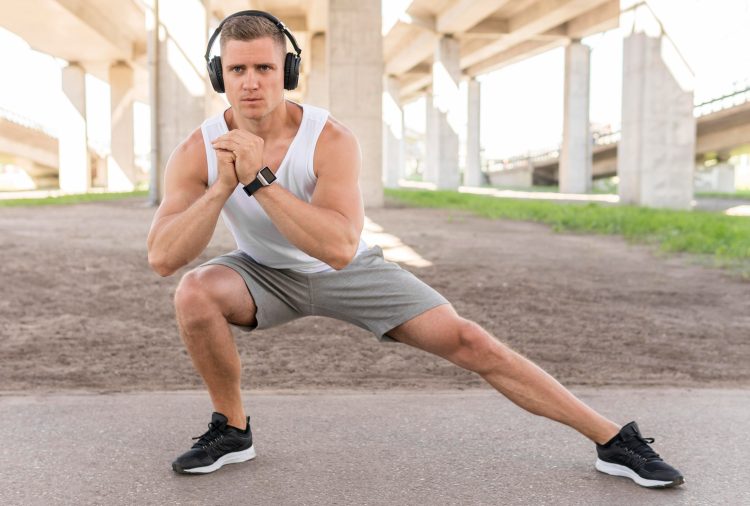
During the session, yes. A review of 27 studies found that aerobic exercise done fasted burned about 3 grams more fat per session than the same exercise after a meal. (1) Three grams of fat is about 28 calories.
Over weeks, no. In a 4-week trial, 20 young women on a calorie deficit did 1 hour of steady cardio three times a week, either fasted or after a meal. Both groups lost weight and fat, with no difference between them in any measure, including lean mass. (2)
An extra 28 calories of fat per session is too small to show up on the scale, and fat loss depends on your total calorie balance across days and weeks, not on which fuel you burn for one hour. Our calorie deficit calculator sets that number for you.
Fasted vs Fed Cardio at a Glance
| Fasted cardio | Cardio after eating | |
|---|---|---|
| Fat burned during the session | A little more | A little less |
| Fat loss over weeks (same calories) | About the same | About the same |
| Long or hard sessions (over about an hour) | Performance can drop | Better performance |
| Short, easy sessions | Little difference | Little difference |
| Comfort | Some feel light; some feel dizzy | Some feel heavy or nauseous |
Benefits of Fasted Cardio
- It fits a busy morning. Rolling out of bed and walking or cycling before breakfast is simple, and many people find it easier to stay consistent with an early session.
- It works well with intermittent fasting. If you already skip breakfast on a 16:8 schedule, morning cardio slots into your fasting window. Our guide to intermittent fasting with morning workouts shows how to time it.
- Possible gains in insulin sensitivity. In healthy people, regular endurance training done fasted has been linked to bigger improvements in insulin sensitivity and in the muscles’ ability to use fat. (3) These are early findings from small studies, not a proven fat-loss advantage.
Drawbacks of Fasted Cardio
Lower Performance in Long Sessions
A review of 46 studies found that eating before exercise improved performance in prolonged aerobic exercise, but not in shorter sessions. (4) If you run, ride or row for more than about an hour, or train hard, eat something first. If you train for a race, practice with food in your system.
Muscle Loss?
Moderate fasted cardio doesn’t eat your muscle. In the trial above, lean mass changed the same in both groups. (2) Muscle loss on a diet comes mostly from too little protein, too big a deficit, or no strength training. Our protein calculator gives you a daily target, and eating a protein-rich meal after your session is a sensible habit.
Feeling Unwell
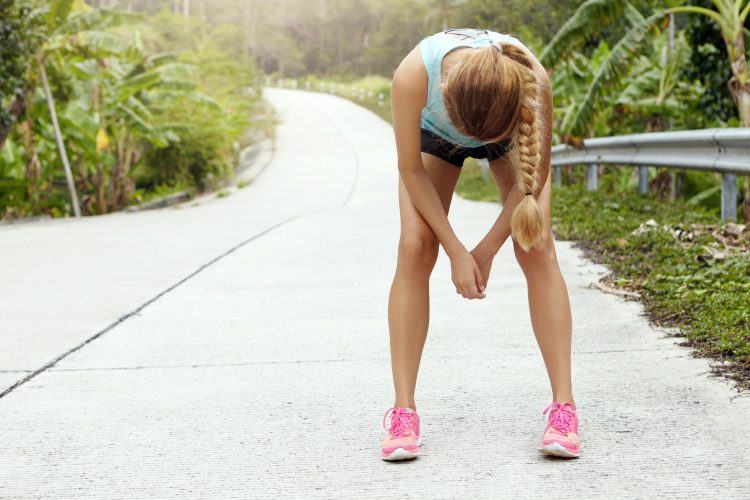
Some people feel light-headed, shaky or sick when they exercise on an empty stomach. If that happens, stop, eat something small, and train fed next time. People with diabetes, especially those on insulin or other glucose-lowering medication, should talk to their doctor first because of the risk of low blood sugar.
What Bodybuilders and Experts Say
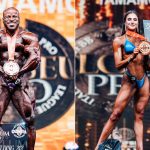
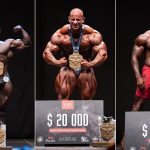
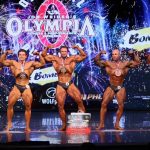
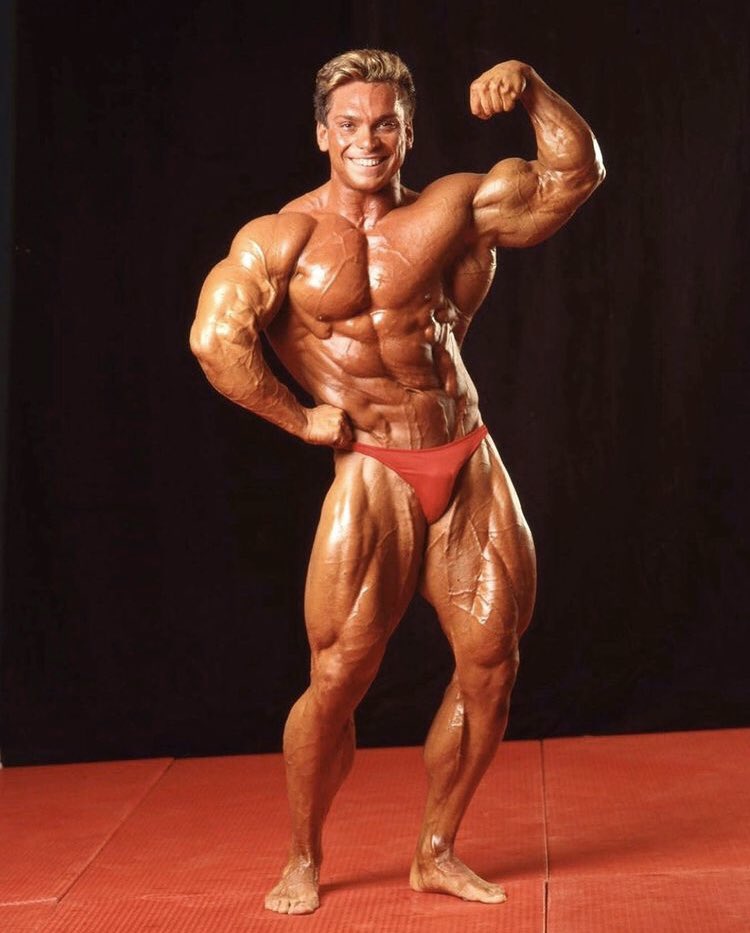
Fasted morning cardio is a long-standing habit in bodybuilding contest prep.
“Fasted cardio will help burn fat a lot more efficiently and effectively than just doing cardio anytime of the day,” said three-time Mr. Olympia runner-up Rich Gaspari.
Many sports scientists disagree. Their point matches the trials: when calories are equal, the timing of cardio relative to meals makes little difference to fat loss, so the best cardio is the one you will keep doing. One reason fasted cardio may help in practice is behavioral: a set morning routine is easy to repeat, and that consistency is what moves the scale.
How to Do Fasted Cardio
- Keep it easy to moderate. Brisk walking, easy cycling or a light jog for 20 to 45 minutes. Save hard intervals for fed sessions; see HIIT vs LISS cardio.
- Start short. Begin with 10 to 20 minutes and build up as you get used to it.
- Drink water. Have a glass or two before you start. Black coffee is fine too and doesn’t break the fast.
- Eat afterwards. Have a balanced meal with protein within a couple of hours.
- Count the whole day. Fasted cardio doesn’t excuse a bigger breakfast; total calories still decide fat loss.
Want more on training without food? Read our guides to fasted training and fasted running, or see what happened when one writer tried fasted cardio mornings and weightlifting evenings for 2 weeks.
FAQs
Is fasted cardio better for fat loss?
No. It burns slightly more fat during the session, but with the same calories, fat loss over weeks is about the same as cardio after eating.
How long should fasted cardio be?
20 to 45 minutes at an easy to moderate pace suits most people. Beyond about an hour, eating first usually helps performance.
Can I drink coffee before fasted cardio?
Yes. Black coffee has almost no calories, so it doesn’t break your fast. Skip milk, sugar and creamer if you want to stay fasted. Not sure about a drink? Check our what breaks a fast tool.
Does fasted cardio burn muscle?
Not at moderate amounts. In a controlled trial, lean mass changed the same in fasted and fed groups. Eat enough protein and keep strength training.
What should I eat after fasted cardio?
A normal meal with protein, such as eggs and toast, Greek yogurt with fruit, or oats with milk.
The Bottom Line
Fasted cardio in the morning burns more fat during the workout but doesn’t produce more fat loss over time. Your total calories do that. If training before breakfast suits you, keep it easy, drink water and eat a protein-rich meal afterwards. If you feel weak or your long sessions suffer, eat first. You will lose just as much fat.
References
Fitness Volt is committed to providing our readers with science-based information. We use only credible and peer-reviewed sources to support the information we share in our articles.
- Vieira AF, Costa RR, Macedo RC, Coconcelli L, Kruel LF. Effects of aerobic exercise performed in fasted v. fed state on fat and carbohydrate metabolism in adults: a systematic review and meta-analysis. Br J Nutr. 2016;116(7):1153-1164.
- Schoenfeld BJ, Aragon AA, Wilborn CD, Krieger JW, Sonmez GT. Body composition changes associated with fasted versus non-fasted aerobic exercise. J Int Soc Sports Nutr. 2014;11(1):54.
- Hansen D, De Strijcker D, Calders P. Impact of Endurance Exercise Training in the Fasted State on Muscle Biochemistry and Metabolism in Healthy Subjects. Sports Med. 2017;47(3):415-428.
- Aird TP, Davies RW, Carson BP. Effects of fasted vs fed-state exercise on performance and post-exercise metabolism: A systematic review and meta-analysis. Scand J Med Sci Sports. 2018;28(5):1476-1493.