Compare Fasting Protocols
Find the perfect fasting method for your goals by comparing protocols side-by-side
Related Calculators
Medical Disclaimer: This calculator provides estimates for educational purposes only and does not constitute medical advice. Intermittent fasting is not appropriate for everyone. Do not fast if you are pregnant or breastfeeding, under 18 years of age, have a history of eating disorders, or have been diagnosed with Type 1 diabetes. If you take medications (especially insulin or blood pressure medication), have any chronic health conditions, or are recovering from surgery, consult your physician before beginning any fasting protocol. If you experience chest pain, fainting, persistent dizziness, or heart palpitations during a fast, stop immediately and seek medical attention.
How to Use the Fasting Protocol Comparison Tool
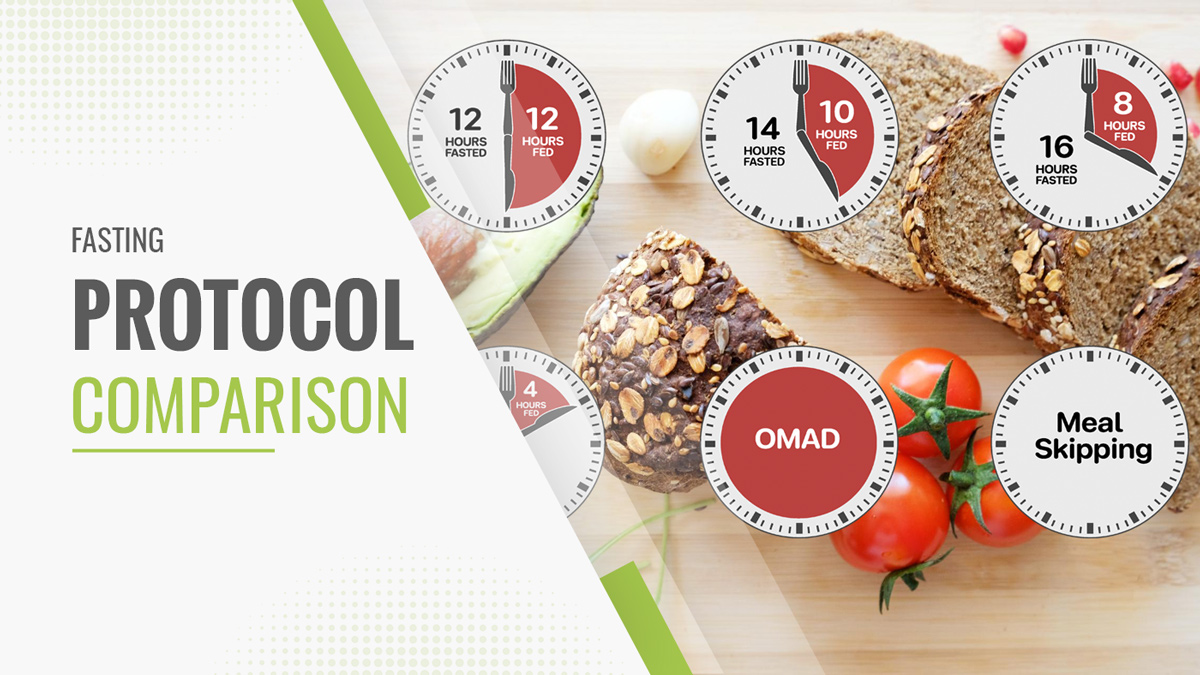
- Select protocols to compare by choosing two or more from the available options (16:8, 18:6, 20:4, OMAD, 5:2).
- Enter your personal details including your goals, experience level, and schedule preferences.
- Review the side-by-side comparison showing fasting and eating windows, difficulty level, best use cases, and expected outcomes.
- Read the recommendation tailored to your profile to find the protocol that best fits your lifestyle.
Understanding Intermittent Fasting Protocols
Intermittent fasting encompasses several distinct approaches, each with different fasting-to-eating ratios. The 16:8 protocol (16 hours fasting, 8 hours eating) is the most widely practiced and researched, offering a manageable entry point. The 18:6 and 20:4 variations extend the fasting window for potentially greater autophagy and fat oxidation benefits at the cost of a shorter eating window.
OMAD (One Meal a Day) concentrates all daily calories into a single meal, typically within a 1-hour window. While some practitioners report excellent results, it can be challenging to consume adequate protein and micronutrients in one sitting. The 5:2 protocol takes a different approach entirely: eating normally 5 days per week and restricting calories to 500 to 600 on the remaining 2 non-consecutive days.
No single protocol is universally superior. The 16:8 method suits beginners and those who train regularly. Longer fasts like 20:4 and OMAD may benefit experienced fasters focused on fat loss. The 5:2 method works well for people who prefer not to restrict eating windows daily. Your best protocol is the one that aligns with your schedule, goals, and ability to sustain it long term.
Key Takeaways
- The 16:8 protocol is the most studied and suitable for most beginners and active individuals.
- Longer fasting windows (18:6, 20:4, OMAD) increase time in fat oxidation and autophagy but reduce time available for nutrient intake.
- The 5:2 method offers flexibility by only restricting calories on 2 days per week rather than daily.
- Adherence is the most important factor. A moderate protocol followed consistently outperforms an aggressive one followed sporadically.
- You can transition between protocols as your experience grows and your goals change.
Frequently Asked Questions
Which fasting protocol is best for fat loss?
All intermittent fasting protocols can support fat loss if they create a caloric deficit. Longer fasting windows like 20:4 and OMAD may offer a slight advantage through extended fat oxidation, but the difference is small compared to the impact of total caloric intake and dietary quality.
Is 16:8 enough to get the benefits of fasting?
Yes. Research shows that a 16-hour fast is sufficient to trigger meaningful increases in fat oxidation and early autophagy activity. For most health and body composition goals, the 16:8 protocol provides an effective balance of benefits and sustainability.
Can I switch between protocols?
Absolutely. Many experienced fasters use different protocols depending on their schedule and goals. For example, you might follow 16:8 on training days and extend to 20:4 or OMAD on rest days. Flexibility helps with long-term adherence.
What is the hardest protocol to follow?
OMAD is generally considered the most challenging because consuming adequate nutrition in one meal requires careful planning. The 5:2 method can also be difficult on restriction days. Most people find 16:8 the easiest to integrate into daily life.
How do I choose the right protocol for me?
Start with 16:8 if you are new to fasting. If you handle it well after 2 to 4 weeks, experiment with longer windows. Consider your training schedule, social eating patterns, and work demands. The best protocol is one you can follow at least 80 percent of the time without significant stress.
 You can also follow us on Twitter, Facebook, Instagram, and
YouTube for even more content.
You can also follow us on Twitter, Facebook, Instagram, and
YouTube for even more content.Tip: If you're signed in to Google, tap Follow.