
Of all the things you can do for your health, sleep is arguably the most important. Sleep is when your body and brain go into repair mode, and many physiological processes occur when you’re pushing out the zzzs.
Sleep also plays a critical role in muscle building and fat burning, and not getting enough can hurt your gains.
It’s generally accepted that most adults need 7-9 hours of sleep per night. However, that’s often easier said than done.
Stress, traveling, overstimulation, light pollution, and poor sleep hygiene mean that many people are forced to get by on less sleep. Some people are just “bad sleepers” and find it hard to go or stay asleep.
Melatonin is a sleep aid that can help some people fall asleep faster. In the US it is sold over the counter (OTC) as a dietary supplement, so no official dose is set (6). Most melatonin products come with dosing instructions, but the amount of melatonin you actually need depends on your needs and circumstances.
Use our melatonin dosage calculator for a starting dose range and to work out how much to buy. It is for adults only. Do not give melatonin to a child unless a doctor advises it (6).
Melatonin Dosage Calculator
Results:
Dosage: daily
What is The Melatonin Dosage Calculator?
Melatonin is a hormone produced naturally by your body. You make more during the evening and less during the day. Melatonin production is controlled by your exposure to light. These melatonin fluctuations are called the circadian rhythm and help regulate your natural sleep/wake cycle.
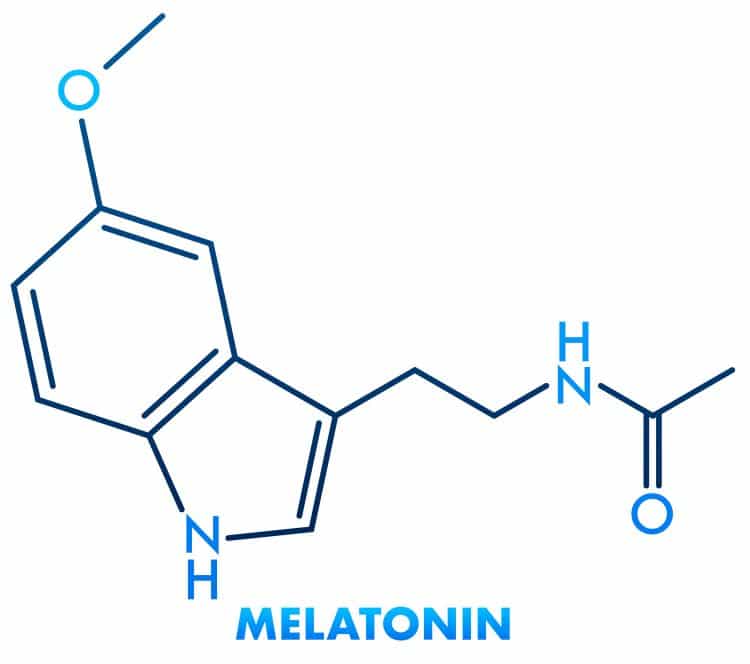
Stress, artificial lights, and overstimulation can lower your melatonin levels, which makes it harder to get to sleep. In contrast, higher melatonin levels tell your body it’s time to relax so that sleep comes more easily (1).
Melatonin supplements are widely available and are generally well tolerated by adults in short-term use (2). They raise your melatonin levels, which tells your body it is time to sleep.
Start low. For trouble falling asleep, our calculator gives a range of 0.3 to 5 milligrams a night, taken 1 hour before sleep. Begin at the low end and raise the dose only if you need to. For comparison, the NHS’s usual adult dose is 2 mg, and its maximum is 10 mg a day (4).
The amount you need depends on why you can’t sleep, the type of product you use, and any other medicines you take. If you take other medicines, talk to your doctor before you start.
Labels are often wrong, too. When researchers tested 31 melatonin supplements, the amount inside ranged from 83% less to 478% more than the label said (5). A product with the USP Verified mark meets independent quality standards (6).
Our melatonin calculator gives the dose range for your reason for taking melatonin and works out how many tablets, drops, sprays or strips you need for the time you plan to take it. Because labels vary, treat the count as a rough guide.
Related: Calories Burned While Sleeping Calculator
How to Use the Melatonin Dosage Calculator
Our melatonin dosage calculator is very straightforward to use. Just follow these steps to get a starting dose range and a supply count.
- First, select why you are using melatonin: trouble falling asleep, jet lag after eastbound travel (for example, US to Europe), or jet lag after westbound travel (Europe to the US). The calculator does not give doses for medical conditions such as insomnia in blind people, insomnia caused by beta-blockers, or endometriosis. Ask your doctor about those.
- Select the type of melatonin supplement you’ll be using. Your options are Tablets/Capsules, Liquid, Spray, or Strips.
- Next, choose the units for how long you will take melatonin: days, weeks, months, years, or a combination.
- Then enter how long you plan to take it.
- Hit “calculate” and read off your results in the box below.
Interpreting your Results
After hitting “calculate,” you will receive the following results:
- A daily dose range in milligrams (mg) and when to take it.
- How many tablets, sprays or strips, or how much liquid, you need for that time, worked out at the top of the range.
For example, if you have trouble getting to sleep, plan on using tablets, and enter 30 days, your results are:
- 0.3 to 5 mg daily, taken 1 hour before sleep, starting at the low end
- 150 x 1 mg, 50 x 3 mg, 30 x 5 mg, or 15 x 10 mg tablets cut in half, to last 30 days at the 5 mg top of the range
Depending on the tablet size, you may need to cut tablets in halves or quarters to get the dose you want. For liquid melatonin, the calculator assumes 1 mg in 0.25 mL (5 drops) and gives the total in drops and mL: 30 days at 5 mg is 750 drops, or 37.5 mL. Liquids differ in strength, so check the label on yours.
How to Use Melatonin for Optimal Results
Take melatonin at the right time of day, and only for as long as you need it.
Use the following recommendations in conjunction with your results:
- Trouble falling asleep: Take your dose one hour before going to sleep.
- Jetlag (eastbound travel): Take melatonin for two days before the flight, at around 7pm. Continue taking melatonin for 4 days after arrival, shortly before bed.
- Jetlag (westbound travel): Take melatonin for 4 days after arrival, shortly before bed.
- Insomnia in blind people, beta-blocker insomnia or endometriosis: Ask your doctor. The calculator does not cover these.
Note: These are general recommendations and are not meant to replace professional medical advice.
How to Improve Your Sleep
Melatonin can help, but there may be other factors that are preventing you from sleeping or making it harder for you to stay asleep. Take the following steps to increase your chances of getting a great night’s sleep. Combining these steps with melatonin may help you sleep better.

Go to bed at the same time each night
Reintroducing bedtime helps train your body to relax and expect to go to sleep. Work back 7-9 hours from when you get up; that’s your new bedtime. Go to bed at the same time every night, including on weekends.
Dim the lights an hour or two before bedtime
Bright lights suppress melatonin and promote wakefulness. In contrast, dim lights naturally increase melatonin production, telling your body it’s time for sleep. So dim the lights as you relax before going to sleep and avoid exposure to bright light on your way to bed.
Get a comfy bed and supportive pillows
Getting the recommended 7-9 hours of sleep per night means spending around a third of your life in bed. Unfortunately, the odds of getting a good night’s sleep are pretty low if you can’t get comfortable.
Most mattresses need replacing every 5-10 years. While this might be an expense you’d rather avoid, it’s one of the most important things you can do for a good night’s sleep. Pillows are also crucial for sleeping comfortably.
Minimize screen time
The screen on your phone, tablet, laptop, and TV emits bright lights that can put the brakes on melatonin production, making it harder to get to sleep. Many devices have screen dimmers to prevent this problem. Engage this feature if you have it. Better yet, put your devices away in the lead-up to bedtime to avoid disrupting melatonin production.
Lay off the caffeine
Caffeine is a potent stimulant that can stop you from sleeping many hours after ingestion. Make sure your body is caffeine-free by not drinking coffee, black or green tea, cola, caffeinated sports drinks, or pre-workouts during the late afternoon. Also, watch out for hidden caffeine, such as in chocolate and some cold medicines.
Avoid intense late-night exercise
A tiring nighttime workout can leave you revved up and unable to sleep. In contrast, gentle exercises, such as a walk, yoga, or stretching, are a much better nighttime workout that will enhance rather than hinder sleep.
Eat some carbs
Assuming your diet permits it, consuming slow-releasing carbs an hour or two before bedtime increases serotonin and readies your body for sleep. Serotonin is a neurotransmitter linked to relaxation and sleep. Good choices include wholegrain crackers, cereal, fruit, and dairy foods, such as plain Greek yogurt.
Try the 4-7-8 breathing method
This breathing exercise helps relax your mind and reduces the oxygen level in your blood, making you drowsy. This is the perfect combination for getting off to sleep. Do the following breathing exercise once you are in bed. Turn the lights off, so you don’t have to rouse yourself once you start to fall asleep.
Inhale through your nose for a slow count of four, hold your breath for seven counts, and then exhale fully for eight counts. Keep running through this cycle until you fall asleep.
Use a white noise generator
Sounds like noisy neighbors, traffic, and barking dogs often make it hard to sleep or can wake you up.
White noise generators produce a layer of low-level sound that drowns out the sounds that can ruin your sleep. Some make static noise, while others sound like the wind or waves breaking on the shore. You can also use a fan as a white noise generator.
Alternatively, you could wear earplugs to block out noise, but make sure you can still hear your alarm clock!
Melatonin Dosage FAQs
Do you have a question about melatonin or sleep in general? Rest easy, we’ve got the answers.
Is melatonin safe?
Current research indicates that melatonin is generally regarded as safe and non-addictive for adults in short-term use (1). However, in some cases, it can have unwanted side effects and may interact with certain medications.
Possible melatonin side effects include nausea, headaches, and dizziness. It may also interact with antidepressants, blood thinners, and blood pressure medications.
Speak to your doctor if you experience any unwanted side effects or are currently taking any prescription medications.
How much melatonin should I take if I weigh 165 pounds?
Unlike some supplements, there is no specific melatonin dosage by body weight. Instead, the dose depends on the reason you are taking melatonin and how you react to it. Doses are not affected by your weight.
I’ve used melatonin but still can’t sleep. What can I do?
Assuming you are using the correct dose of melatonin and have tried things like cutting out caffeine, dimming the lights, reducing your stress, and establishing a regular bedtime, it may be time to speak to your doctor about your insomnia.
Sleep is so crucial for your long-term health and well-being that it’s worth finding out a) why you can’t sleep and b) what help is available so you can.
What is the correct melatonin dose for children?
Our melatonin dosage calculator is for adults only and gives no doses for children. Do not give melatonin to a child unless a doctor advises it. The American Academy of Sleep Medicine says parents should talk to a pediatric health care professional first and keep melatonin out of children’s reach (6).
Is melatonin anabolic?
Melatonin itself has no anabolic or muscle-building properties. However, because melatonin enhances sleep, and sleep IS anabolic, it could help you build muscle and get stronger more quickly. Getting enough sleep is crucial for muscle repair, recovery, and growth.
Not getting enough sleep can severely impair your recovery and hurt your workouts, making it much more difficult to build muscle and get strong. Too little sleep can also lead to fat gain and make losing weight harder (3).
Wrapping Up
A good night’s sleep means waking up with all the energy you need to face the coming day. However, not getting enough sleep can severely undermine your mental and physical performance, affect your mood, and even harm your health.
Yes, you can always mainline coffee and chug pre-workout to get you through the day, but this merely masks the symptoms of too little sleep and doesn’t fix the problem.
Getting enough sleep is not always easy, which is where melatonin comes in. Your body produces melatonin naturally, telling you when it’s time to sleep. Melatonin production is regulated by exposure to light and controls your sleep/wake cycle, called your circadian rhythm.
Artificial lights, stress, and other factors mean that melatonin levels are often low when they should be high. Taking supplemental melatonin can help restore balance to your circadian rhythm, so it’s easier to fall asleep at night.
Use our calculator for a starting dose range and a supply count. Start low, and talk to your doctor if you take other medicines.
References:
1. PubMed: New perspectives on the role of melatonin in human sleep, circadian rhythms, and their regulation https://www.ncbi.nlm.nih.gov/pmc/articles/PMC6057895/
2. PubMed: The safety of melatonin in humans https://pubmed.ncbi.nlm.nih.gov/26692007/
3. PubMed: Sleep and muscle recovery: Endocrinological and molecular basis for a new and promising hypothesis https://pubmed.ncbi.nlm.nih.gov/21550729/
4. NHS: How and when to take melatonin https://www.nhs.uk/medicines/melatonin/how-and-when-to-take-melatonin/
5. Journal of Clinical Sleep Medicine: Erland and Saxena (2017), Melatonin natural health products and supplements: presence of serotonin and significant variability of melatonin content https://pmc.ncbi.nlm.nih.gov/articles/PMC5263083/
6. American Academy of Sleep Medicine: Melatonin use in children and adolescents (health advisory) https://aasm.org/advocacy/position-statements/melatonin-use-in-children-and-adolescents-health-advisory/