
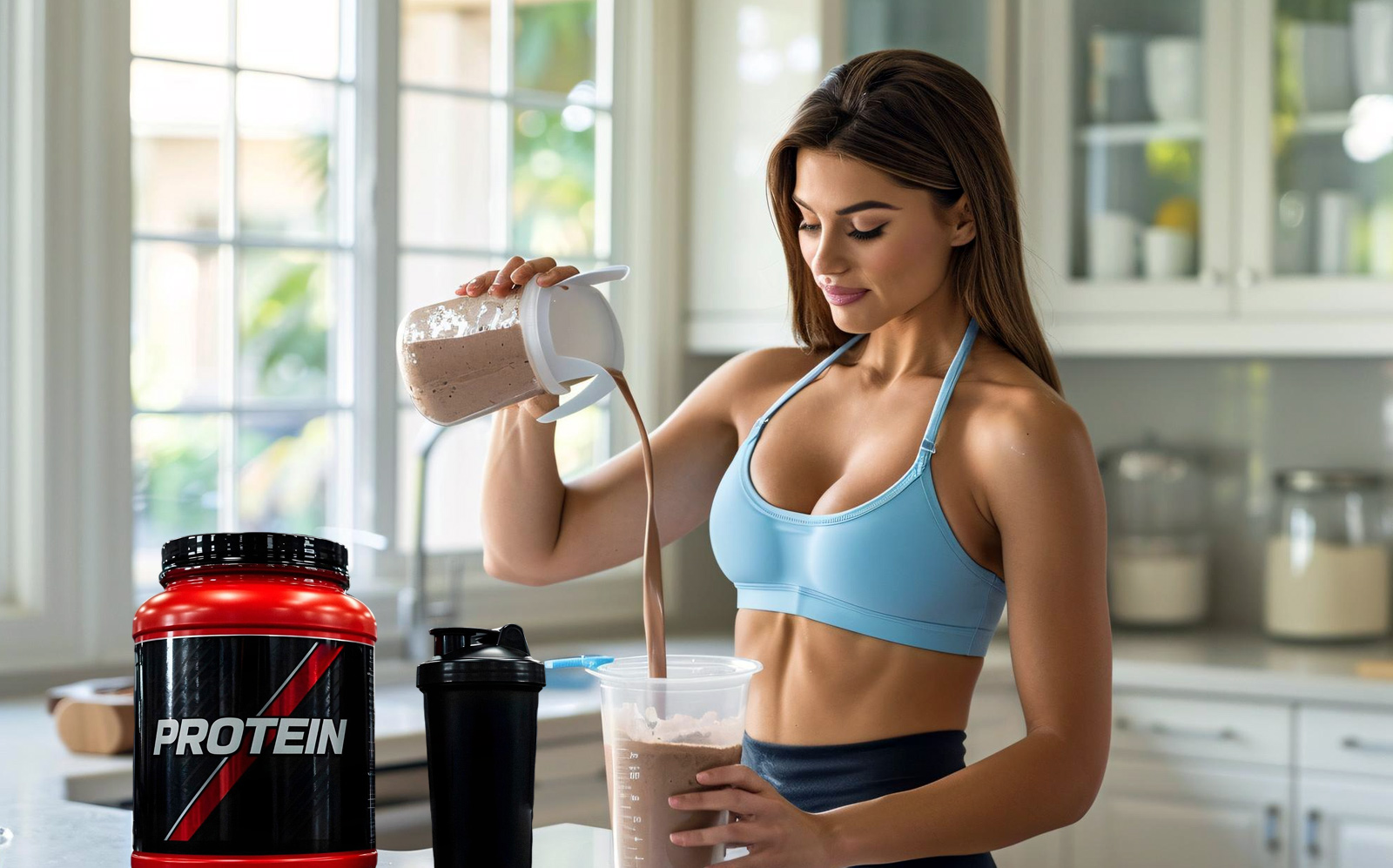
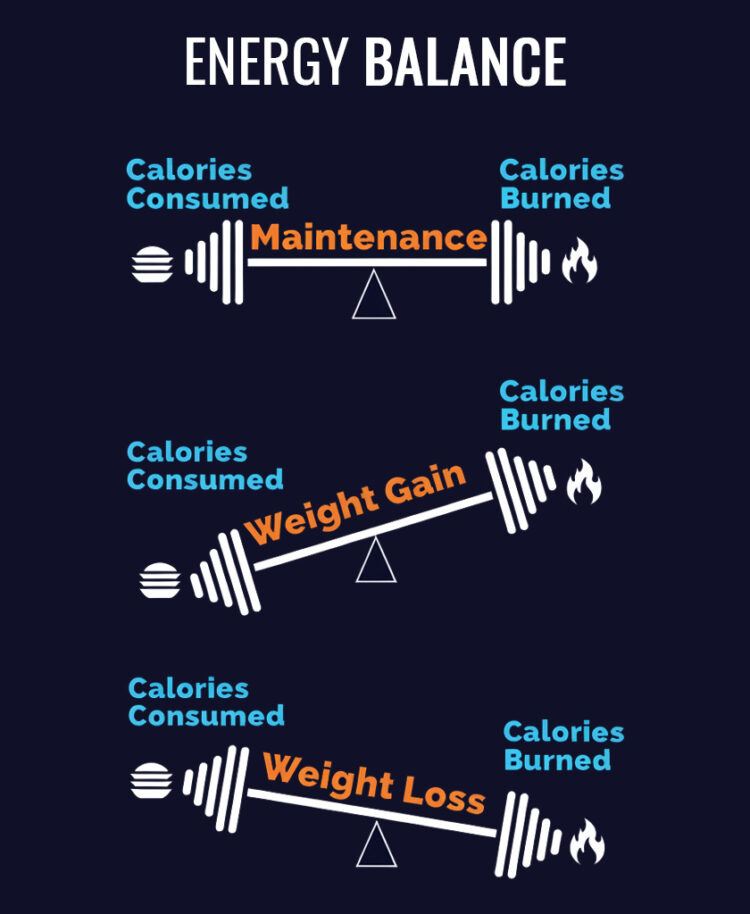
Losing weight and shedding fat—whether it’s to improve your appearance or your health—is a relatively simple process. All you need to do is a) consume fewer kilocalories and b) increase your physical activity levels. This will create an energy deficit that forces your body to burn fat for fuel.
According to nutrition experts and numerous studies, an energy deficit is THE most important factor for fat loss; it’s non-negotiable (1).
How much you reduce your food intake and increase the amount of exercise you do depends on several factors, including how much weight you want to lose and how quickly. However, it’s generally recommended that, to lose a pound of fat per week, you need a 500-kilocalorie per day deficit.
I’m a veteran personal trainer and nutrition coach, and I’ve helped hundreds of people reach their weight and fat loss goals. And while I understand how simple weight loss is, I also understand that simple doesn’t mean easy.
I mean, on paper, eating less and exercising more sounds pretty straightforward, but doing it every day? That’s a different matter!
For starters, working out is time-consuming and tiring, while eating less means smaller portions, fewer meals and snacks, and possibly giving up foods you enjoy.
To make matters worse, exercising more while eating less can lead to hunger, and that’s a problem. Ask failed dieters why they quit trying to lose weight, and many of them will tell you that they couldn’t stand feeling hungry all the time.
The good news is that hunger is not inevitable, and there are several strategies you can use to control your appetite.
In this article, I discuss how to use protein to prevent the hunger that could otherwise derail your weight and fat loss efforts.
What Causes Hunger, Anyway?

Before I reveal how protein can help keep hunger in check, it’s worth delving into the causes of hunger and what makes it such a tricky opponent. After all, hunger is the result of many different things.
These include:
- Physiological factors: When your stomach is empty or your blood sugar drops, your body sends signals to your brain urging you to eat. Skipping meals, training hard, or cutting calories too aggressively can all lead to increased hunger.
- Hormonal factors: Hormones like ghrelin, leptin, insulin, and cortisol play a major role in regulating appetite. When you’re dieting, levels of ghrelin (the hunger hormone) tend to rise, while leptin (the fullness hormone) drops, creating the perfect storm for cravings.
- Psychological and emotional factors: Stress, boredom, anxiety, and even habit can make you eat when you’re not actually hungry. The comfort and reward that food provides can make it hard to resist.
- Environmental factors: Oversized portions, food advertising, peer and familial pressure, and constant availability of highly palatable foods all make it easy to eat more than we need.
- Sleep and lifestyle factors: Lack of sleep, inconsistent meal timing, and chronic stress can all interfere with the hormones that control appetite, leaving you hungrier than usual.
With so many forces working against you, it’s no surprise that controlling hunger can feel like an uphill battle. The good news? Protein can help level the playing field by targeting almost all of these hunger triggers at the same time.
How Protein Can Help Defeat Hunger

High-protein diets are one of the most effective ways to lose weight (2). As such, some of the most successful diets are built around protein. Atkins, Paleo, the Zone, and Keto all involve eating plenty of protein.
But what makes protein such a weight loss champ? Let’s take a look!
First, protein affects hunger hormones. It helps lower ghrelin, the hormone that signals hunger, while boosting levels of peptide YY (PYY) and glucagon-like peptide-1 (GLP-1). These two hormones promote feelings of fullness. This combination helps to reduce the urge to eat between meals.
Next, protein slows digestion and gastric emptying, meaning your stomach stays fuller for longer.
It also has a higher thermic effect of food (TEF)—the amount of energy your body uses to digest and metabolize the food you eat. Around 20-30% of the energy from protein are burned during digestion, compared to only 5-10% for carbs and 0-3% for fats. Consequently, protein not only keeps you full but also gives your metabolism a small but welcome boost (3).
In addition, protein helps stabilize blood sugar, reducing the spikes and crashes that can trigger cravings. A protein-rich meal blunts the rise in blood glucose, helping you maintain steadier energy levels throughout the day. More stable energy means less hunger and fewer cravings.
Finally, while not directly related to hunger, protein also helps preserve lean muscle tissue when you’re dieting. Muscle tissue is metabolically active and burns more kilocalories at rest than fat. The more muscle you have (or can keep) during your diet, the easier it is to lose weight and burn fat.
In short, prioritizing protein is a hunger-management strategy that supports your weight loss goals on multiple fronts.
The Protein Leverage Trick That Beats Hunger
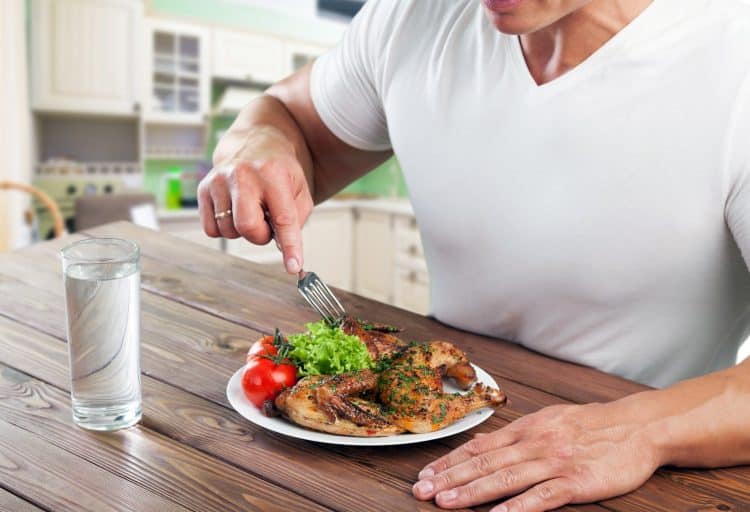
It’s clear, then, that protein is your secret weapon for warding off hunger during a diet. It also provides your metabolism with a small but welcome boost while preserving muscle mass. Prioritizing protein is a must-do for painless weight loss.
So, how much do you actually need?
Bodybuilders often recommend 1.8 to 2.2 grams of protein per kilogram of body weight (about 0.8 to 1 gram per pound). In contrast, the FDA’s daily reference intake is much lower at around 0.8 grams per kilogram (roughly 0.36 grams per pound).
However, in my experience working with hundreds of weight loss clients, the amount of protein needed to effectively reduce hunger and improve satiety is around 30–35% of your total daily energy intake.
This amount is manageable, sustainable, and, most importantly, provides the hunger-defeating benefits every dieter wants.
For example:
- On a 1,500-kilocalorie diet, that’s 112–131 grams of protein per day.
- On a 2,300-kilocalorie diet, that’s 173–201 grams of protein per day.
This range hits the sweet spot for most people; enough to stay full and preserve muscle but still create the required kilocalorie deficit for fat loss.
Of course, no diet contains only protein—it would be pretty unbalanced if it did, and certainly not healthy or sustainable. So, as well as leveraging protein, the rest of your diet should be made up of fibrous carbohydrates and healthy fats.
Related: Our List Of 40 Great Protein-Packed Foods
Fibrous Carbohydrates—Examples and Benefits
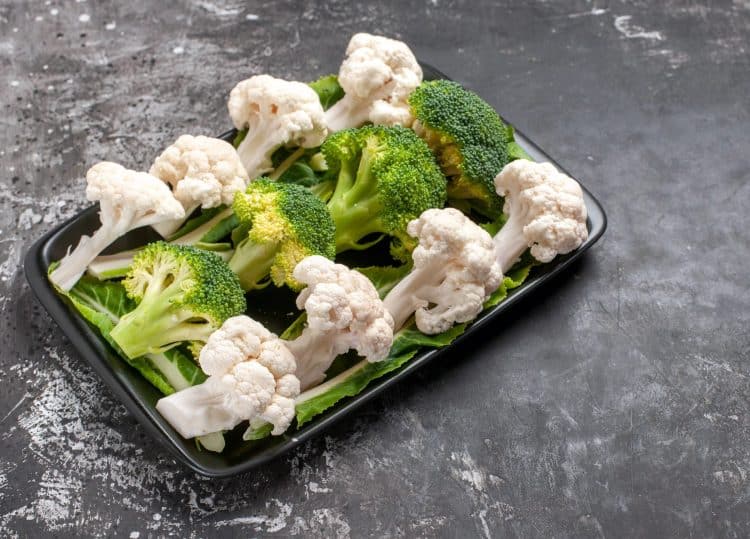
While protein is the star of the appetite control show, fibrous carbohydrates play an important supporting role. They add bulk to your meals, slow digestion, and help regulate blood sugar levels—all of which contribute to feeling fuller for longer.
Fiber also supports gut health by feeding beneficial bacteria in your digestive system. A healthy gut has been linked to better appetite regulation, improved nutrient absorption, and even a more stable mood, all of which can make sticking to your diet easier (4).
The key is to choose low-calorie, high-volume sources of carbohydrates that deliver plenty of fiber without excessive sugar or starch.
Examples include:
- Vegetables: broccoli, cauliflower, spinach, kale, carrots, zucchini, bell peppers
- Salad greens: lettuce, rocket (arugula), cucumber, celery, tomato
- Legumes: lentils, chickpeas, black beans, kidney beans
- Whole grains: oats, quinoa, brown rice, barley
- Fruits: berries, apples, pears, and citrus fruits in moderation
Try to include fibrous carbs with most meals. Not only will this help control hunger, but it also adds texture, color, and variety to your meals—making your diet feel less restrictive.
Healthy Fats and Their Role in Weight Loss
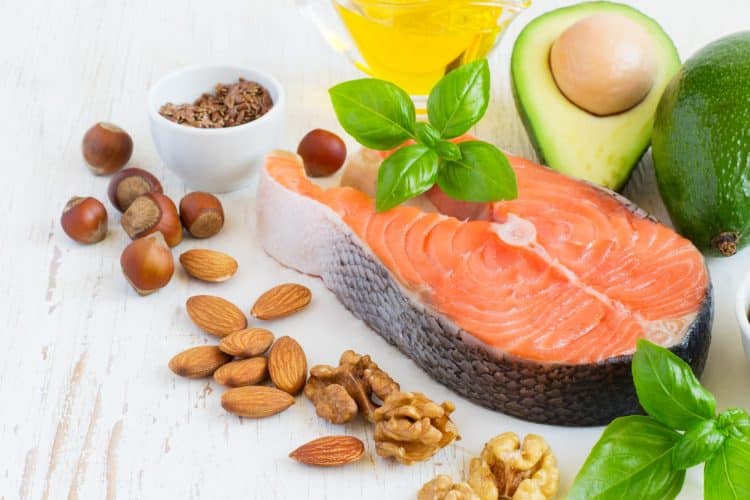
Healthy fats also play a crucial role in keeping hunger under control. Despite being high in kilocalories, dietary fat is very filling and helps slow digestion, meaning your meals keep you fuller for longer.
In addition, fats are also essential for hormone production, nutrient absorption, and brain health. Counterintuitively, eliminating fats from your diet is a terrible idea, and very low-fat diets often leave people feeling hungry and unsatisfied, making them difficult to stick to.
But, because fats contain a large number of kilocalories—nine per gram compared to just four for protein and carbs—the key is to focus on quality and quantity. Choose natural, minimally processed fats in moderate amounts, and avoid excessive use of oils or processed snacks.
Good sources of healthy fats include:
- Oily fish such as salmon, sardines, and mackerel
- Nuts and seeds like almonds, walnuts, chia, and flaxseed
- Avocado and olive oil
- Whole eggs and natural nut butters
Including a small serving of healthy fats with your meals not only supports overall health but also helps control your appetite, reducing the likelihood of snacking later in the day.
In summary, to beat hunger, your diet should comprise around:
- Protein: 30-35% of total daily kilocalories
- Fibrous carbohydrates: 35-45% of total daily kilocalories
- Healthy fats: 20-30% of total daily kilocalories
These ranges allow flexibility depending on your personal preferences, activity level, and dietary needs. For example, if you prefer higher-carb meals, lean toward the upper end of the carb range and slightly reduce fat. But, if you enjoy more fat-rich foods, you can slightly reduce carbs while keeping protein in the 30–35% range.
The key is maintaining adequate protein to manage hunger, while balancing carbs and fats for energy, health, and meal enjoyment.
Related: Macros Calculator: Count Your Macronutrients Easily
Sample Hunger-Beating Menu

You now have all the information you need to put the hunger-beating, protein leverage trick into action. Adjust your macro ratios and you’re good to go!
But, in case you’re not sure where to start, here is a sample day of eating based on the principles outlined in this article. Quantities are for a 2,000-kilocalorie diet, so adjust based on your body weight.
Breakfast: Greek Yogurt Power Bowl
- 200g non-fat Greek yogurt
- 40g oats
- 100g mixed berries
- 15g chopped almonds
- 1 tsp honey
Macros: 400 kcal — 35g protein, 40g carbohydrates, 10g fat.
Snack 1: Protein Smoothie
- 1 scoop (30g) whey or plant protein powder
- 1 small banana
- 1 tbsp peanut butter
- 200ml unsweetened almond milk
- Handful of spinach
Macros: 300 kcal — 30g protein, 25g carbohydrate, 10g fat.
Lunch: Chicken, Rice & Veg Bowl
- 150g grilled chicken breast
- 120g cooked brown rice
- 1 cup steamed broccoli
- 1 tsp olive oil (drizzled)
Macros: 450 kcal — 45g protein, 40g carbohydrate, 12g fat.
Snack 2: Cottage Cheese & Fruit
- 150g low-fat cottage cheese
- 1 medium apple or pear
Macros: 200 kcal — 25g protein, 25g carbohydrate, 2g fat.
Dinner: Salmon with Quinoa & Greens
- 150g baked salmon
- 100g cooked quinoa
- 1 cup roasted mixed vegetables (zucchini, peppers, carrots)
- 1 tsp olive oil
Macros: 650 kcal — 35g protein, 70g carbohydrate, 30g fat.
Daily Total: 2,000 kcal
Protein: 170g (34%)
Carbohydrates: 200g (40%)
Fat: 65g (26%)
Closing Thoughts
Hunger can derail even the best diet, but it’s not inevitable. By leveraging protein, consuming plenty of fibrous carbs, and eating moderate amounts of healthy fats, you can tailor your meals to make them more satiating and keep you feeling fuller for longer, even though you’re eating less.
So, hunger? Just say no!
Use the information in this article to create meals that are filling despite being lower in kilocalories.
References:
1 – Strasser B, Spreitzer A, Haber P. Fat loss depends on energy deficit only, independently of the method for weight loss. Ann Nutr Metab. 2007;51(5):428-32. doi: 10.1159/000111162. Epub 2007 Nov 20. PMID: 18025815.
2 – Leidy HJ, Clifton PM, Astrup A, Wycherley TP, Westerterp-Plantenga MS, Luscombe-Marsh ND, Woods SC, Mattes RD. The role of protein in weight loss and maintenance. Am J Clin Nutr. 2015 Jun;101(6):1320S-1329S. doi: 10.3945/ajcn.114.084038. Epub 2015 Apr 29. PMID: 25926512.
3 – Halton TL, Hu FB. The effects of high protein diets on thermogenesis, satiety, and weight loss: a critical review. J Am Coll Nutr. 2004 Oct;23(5):373-85. doi: 10.1080/07315724.2004.10719381. PMID: 15466943.
4 – Noor J, Chaudhry A, Batool S, Noor R, Fatima G. Exploring the Impact of the Gut Microbiome on Obesity and Weight Loss: A Review Article. Cureus. 2023 Jun 25;15(6):e40948. doi: 10.7759/cureus.40948. PMID: 37503494; PMCID: PMC10368799.